
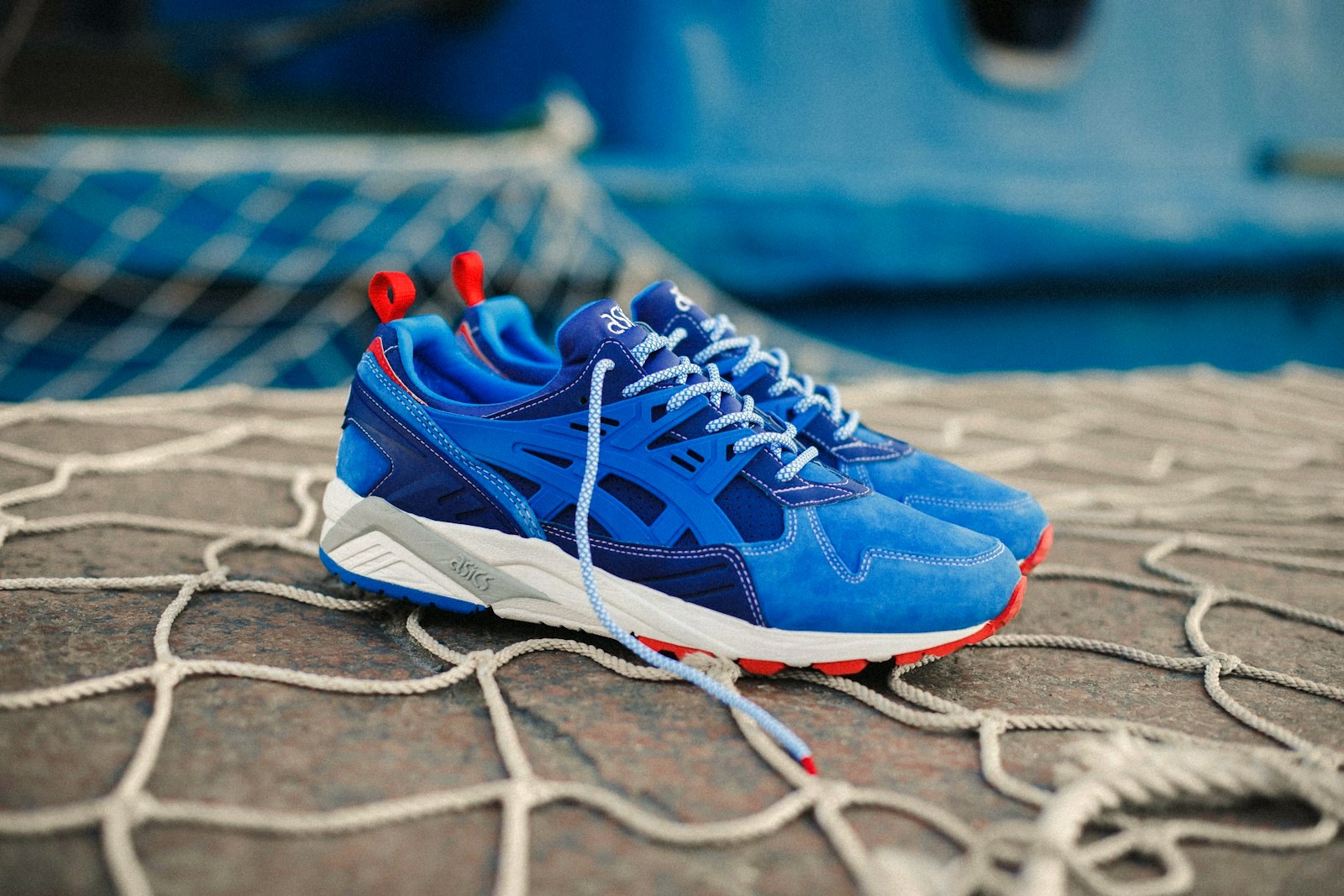
Four sizing systems, one foot. Convert by centimetres and the guessing ends.
Checked and updated October 2026
The short answer: ignore the number on the box and convert by centimetres. US, UK and EU sizes are three different rulers that disagree with each other by up to a full size; the Japanese system is centimetres, and it is the only honest one. Measure your foot (method below, two minutes), find your length in the chart, and read across. Our data team compiled this chart from the major makers' own published size charts and prints the consensus where they disagree. Where they disagree, we say so.
In this guide
The conversion chart
Compiled by our data team from the published charts of the major athletic and dress shoemakers, cross-checked against the Brannock standard. The foot length column is your measured heel-to-toe length; the Japanese column runs about half a centimetre above it because Japanese sizes include wearing room.
| US men | UK | EU | Japan (cm) | Foot length (cm) | Foot length (in) |
|---|---|---|---|---|---|
| 6 | 5.5 | 38.5 | 24.0 | 23.7 | 9.3 |
| 6.5 | 6 | 39 | 24.5 | 24.1 | 9.5 |
| 7 | 6.5 | 40 | 25.0 | 24.5 | 9.6 |
| 7.5 | 7 | 40.5 | 25.5 | 24.9 | 9.8 |
| 8 | 7.5 | 41 | 26.0 | 25.4 | 10.0 |
| 8.5 | 8 | 42 | 26.5 | 25.8 | 10.2 |
| 9 | 8.5 | 42.5 | 27.0 | 26.2 | 10.3 |
| 9.5 | 9 | 43 | 27.5 | 26.7 | 10.5 |
| 10 | 9.5 | 44 | 28.0 | 27.1 | 10.7 |
| 10.5 | 10 | 44.5 | 28.5 | 27.5 | 10.8 |
| 11 | 10.5 | 45 | 29.0 | 27.9 | 11.0 |
| 11.5 | 11 | 45.5 | 29.5 | 28.3 | 11.1 |
| 12 | 11.5 | 46 | 30.0 | 28.8 | 11.3 |
| 13 | 12.5 | 47.5 | 31.0 | 29.6 | 11.7 |
| 14 | 13.5 | 48.5 | 32.0 | 30.5 | 12.0 |
| 15 | 14.5 | 49.5 | 33.0 | 31.3 | 12.3 |
The quick answers everyone lands here for: EU 40 is a US 7. EU 42 is a US 8.5 or 9; your centimetres decide. EU 44 is a US 10 or 10.5. JP 27 is a US 9. UK 9.5 is a US 10. Every one of those pairs has a chart somewhere on the internet swearing the other answer. Both charts are quoting a real brand. That is the whole problem, and it is why the centimetre columns come first in our table.
How to measure your feet properly
Two minutes, once, and you never guess a size again. You need paper, a pen, a ruler and a wall.
1. Measure in the evening. Feet swell across the day, by up to half a size. A shoe fitted to a morning foot is a tight shoe by dinner. 2. Stand, do not sit. Weight spreads the foot; measure it loaded, the way a shoe meets it. 3. Trace both feet on paper against a wall, heel touching the wall, pen held vertical. Most people have one foot longer than the other, often by a quarter size or more. 4. Measure heel to longest toe in centimetres, both feet, and keep the bigger number. 5. Read the chart by that number, not by the size of the shoes you already own. Your current shoes may be the mistake you are trying to stop repeating.

The width chart
Length is only half the fit, and it is the half everyone prints. US men's widths run in letters: B is narrow, D is standard, 2E is wide, 4E is extra wide. Measured across the ball of the foot at a US 10, our data team's compiled figures are:
| Width letter | Meaning | Ball width at US 10 (in) | Ball width (cm) |
|---|---|---|---|
| B | Narrow | 3.5 | 8.9 |
| D | Standard | 4.0 | 10.2 |
| 2E | Wide | 4.4 | 11.2 |
| 4E | Extra wide | 4.7 | 11.9 |
Widths grow by roughly 3/16 of an inch per full size, and most brands only offer D. Here is the verdict our sizing desk gives every reader: if shoes consistently hurt at the sides, your problem is width, not length. Sizing up in a D buys you a longer shoe that still squeezes, plus heel slip as a bonus. Buy the width. One maker built its name on exactly this, which brings us to the disagreements.
Why brands disagree: fit notes
There is no law that makes a US 10 the same length at two brands. Each maker builds on its own last, and the printed conversions are marketing documents as much as measurements. The patterns our data team sees across the major charts:
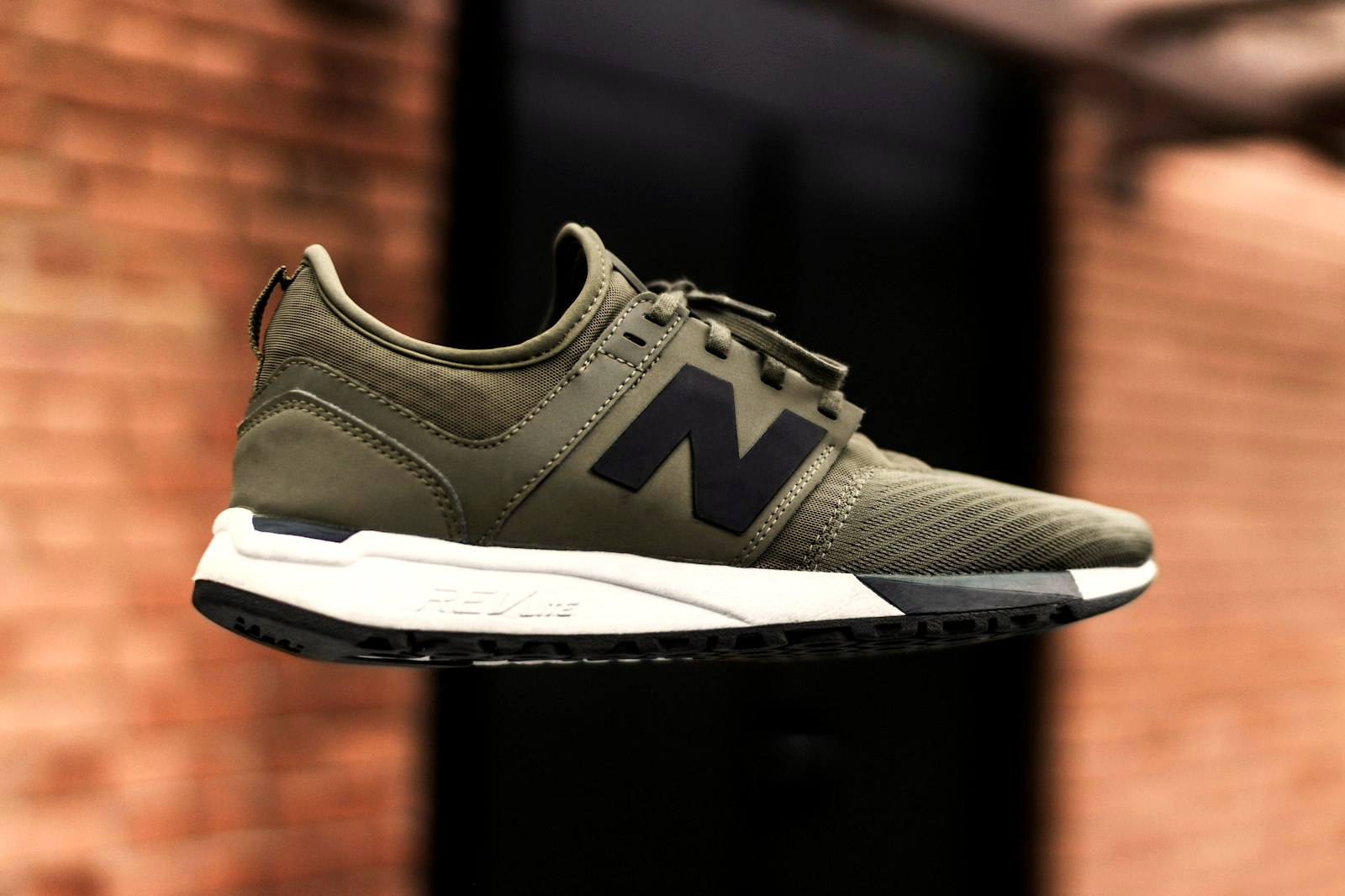
Nike runs narrow and prints UK a full size below US. Wide feet should size by the centimetre column or look at the shoe's wide line. Adidas prints EU sizes in thirds, so 43⅓ is a real size, and its UK runs half below US. New Balance is the closest to the Brannock standard and the only big maker offering most models in four widths. ASICS, a Japanese maker, prints centimetres on the box and runs slightly long; trust its cm figure over its US one. Vans runs true to size and roomy in standard D. Dress shoes follow the oldest rule in menswear: take half a size down from your sneaker size, because leather lasts are built closer and the leather gives with wear.
The Four Rules
Convert by centimetres, never by the number on your current box. Size to the larger foot. Between sizes in runners, take the larger; between sizes in leather, take the smaller. And if the sides hurt, it is width, not length. Four rules, and the chart above does the rest. Our full sourcing standard is on the Methodology page.
FAQ
What is a size 40 in US men's shoes?
EU 40 is a US men's 7 (UK 6.5, Japan 25.0 cm). A few charts print US 6.5. The consensus across the major makers is 7, and the centimetre figure settles it.
Is UK shoe size the same as US shoe size?
No. UK men's runs smaller: half a size below US at most makers, a full size below at Nike. US 10 is UK 9.5 or UK 9 depending on the brand, which is why this chart leads with centimetres.
What is EU 42 in US men's shoes?
US 8.5 at Nike and Adidas, US 9 on several dress-shoe charts. A 26.5 cm foot takes the 8.5; a 27 cm foot takes the 9.
How do Japanese shoe sizes work?
They are centimetres. JP 27 is built for a foot of roughly 27 cm including wearing room. Measure, add about half a centimetre, and that is your Japanese size.
Should I size up or down when converting?
Size to your larger foot and convert by measurement. Between sizes: larger for running shoes, smaller for leather dress shoes.
Next
Sizing is half of fit; the other half is how a maker cuts. See both halves scored in our Oxford shirt ranking, where fit range carries 20 of 100 points, and start with the cloth itself in what is an Oxford shirt? And yes, Oxford the shoe and Oxford the shirt are different things. That page explains both.