

A tie is graded on its cloth and its construction, not its pattern: the weave you can verify, the interlining the maker will or will not name, and the folds you can count. A note on photography, printed because this page believes in saying so: the hero is a bank frame of a tie being worn, captioned as exactly that, and it pictures no ranked tie. Our bank holds no photograph of a grenadine weave, a knit tie's square end or a rolled edge, so no ranked tie is pictured anywhere on this page, and the frames this page needs head the harvest list in the honesty section.
Checked and updated October 2026
The basis: a tie is graded on its cloth and construction, not its pattern, because pattern is the one part of a tie that costs nothing to fake. The evidence, in order: the silk and its weave, grenadine's open leno weave against printed twill; the inside, a wool interlining a maker publishes against a synthetic one it hides; the build, hand-rolled edges and a slip stitch against fusing; and the claims, a seven-fold graded as a claim until the maker's own arithmetic supports it. The winner: the Sam Hober grenadine at 91, bespoke in length, width and knot shape, Como silk over a pure wool interlining, from $110. The skip: the Paul Malone Seven Fold Tie, scored 31 and named in the verdict box below: a seven-fold claim at $79.99 whose maker's own page calls the fabric premium silk or other fine fabric and publishes no fibre line, no dimensions and no silk weight to grade. In between, Naples and Florence answer with a hand-rolled garza fina, a Como grenadine at $115 publishes its wool core, Drake's charges $275 for the same weave class with its interlining unpublished, the one verified seven-fold costs £385 and prints its own arithmetic, and the knit tie stands as its own species, square-ended and unrepentant.
First, the decision
Every tie argument is really three arguments, and this page settles all three before it scores anything. The first is the only question most readers actually have: if you buy one tie, buy a grenadine, and buy it from Sam Hober. It is ranked first below on the published evidence, and it is named here, in the first screen, because a page that buries its answer under seven cards has not answered it. The weave is the reason: a solid grenadine is texture instead of pattern, so it works against every suit and shirt you own, and the maker is the reason: bespoke dimensions, a named Como mill, a wool interlining stated in the maker's own guide, at a price below the designer floor.
The second argument is weave against print, and it is where this category spends its money dishonestly. Woven silk carries its pattern in the cloth: a grenadine's open structure, a jacquard's raised motif, a knit tie's looped yarn. The pattern cannot wash off, fade at the fold or sit on the surface, because it is the surface. Printed silk is ink on a smooth twill, the cheapest honest way to decorate silk, sold at woven prices by houses whose name does the persuading. Print is not a crime and this page convicts nobody of printing; it simply refuses to pay a woven score for it, which is why the top of this ranking is weave all the way down. The fibre-line impostor is the bottom rung, and the rung is not a fibre, it is a name: BOSS sells a tie under the name Silk H-Tie whose retailer's own details line reads 60 percent silk, 40 percent polyester, named here in prose, unranked and unscored, because a tie that is two-fifths polyester wearing the word silk as its title has graded itself.
The third argument is size, settled as rulings. 8 centimetres: the standard width, matched to a standard lapel, the width Drake's and Shibumi both cut to. Under 7 centimetres: the skinny register, a fashion width that starves the knot. 9 centimetres and over: the wide register, bought deliberately against wide lapels. 147 centimetres: the working length for most torsos, tip at the belt; 160 for tall frames and high rises, and a maker who will not sell it to you is graded on the refusal. The dimple, finally, is not a technique: it is what a wool interlining, a bias cut and a slip stitch do when you tie a four-in-hand, and a tie that cannot dimple has told you how it is built.
How the scores work
Every tie is scored out of 100 on the same five rows, and the rows are printed on every card, so the reader can disagree with the weighting and still use the evidence.
Cloth, 30 points. The silk as the maker publishes it: the fibre, the weave, and the mill credited where the weaving is named. Grenadine and jacquard earn more than print at the same fibre, because the weave is verifiable in the cloth and the print is not. A tie whose fabric is described as silk or other fine fabric earns the cloth row its hedge deserves.
Construction, 20 points. The build as published: the fold count graded as a claim until the method is described, the interlining's material where a maker names it, self-tipped against untipped against a foreign tipping cloth, hand-rolled edges, and the slip stitch that lets a tie recover. A construction a maker will not describe is graded as undescribed, however fine the adjectives around it.
Fit: width and length, 20 points. The library, not the garment: how many widths and lengths the maker sells, graded against the rulings above. Bespoke dimensions earn the row. One size earns what one size earns, and a maker who publishes no dimensions at all is charged on the card.
Value, 15 points. The price against the cloth and construction it buys, at the door named on the card. A fold-count claim at a price the published arithmetic of a real fold cannot support is graded as the theatre it is.
Longevity, 15 points. How the tie ages: wool's spring against polyester's memory, the weave's known frailties printed where the maker prints them, grenadine's snag warning among them, and the care line's honesty. A tie is unknotted and rested, and the row grades what is left after a thousand cycles of that.
The rows sum to the score. Maker's figures are labelled the maker's figures throughout.
Seven ties, ranked, and one sent home
Sam Hober Grenadine Silk Tie (Bespoke)
The Winner · The One Tie to Buy
From $110 at Sam Hober
The call: the winner is not a tie, it is a service: every Sam Hober tie is custom made, completely by hand, in the length, width, construction and shape you request, and the grenadine line is where the service meets the best cloth in the category. The silk is grenadine woven in the Como area by Fermo Fossati and Bianchi, named on the maker's own grenadine page, traditional artisanal weavers working very old looms, some of them wood. The construction is the fullest published account on this page: hand-folded, sewn closed with a hidden stitch, finished with a slipstitch at both ends, self-tipped in the same silk as the face unless you ask otherwise, the keeper loop sewn into the seam. And the interlining, the fact most makers will not print at any price, is stated in the maker's own tie guide in one sentence: the interlining is 100 percent Italian wool. Grenadines are built as lined four-folds as standard, the even fold count chosen, the maker says, because it helps the durability of the loose weave, with a six-fold offered for a heavier hand.
The fit row of 20 is the only perfect row on this page, and it is earned by the absence of a size chart: you specify length, width and knot shape, the classic default being 57 by 3.75 inches shaped for a four-in-hand, and the maker warns in its own guide that grenadine's loose weave makes a full knot and dimples beautifully, and that a Windsor will tend to be very large. The deductions are printed with the praise. The wait is real: a bespoke tie is made after you order it, slowly, in the maker's words, and the house's limited refund policy, published on its own site, is the price of the model, charged here in the value row rather than discovered later. The grenadine snag warning applies to this cloth as to all of them. Fifteen years at $7.33 a year, $0.18 a wear, the cheapest serious year on this page by a distance that should embarrass the field.
Shibumi Firenze Garza Fina Grenadine Silk Tie
The Florentine Answer · Hand-Rolled, Priced in Euros
€145 at Shibumi Firenze
The call: the European answer, handmade in Italy from the same Como grenadine tradition, its maker's own page tracing the silk to one of the oldest weavers in Europe, founded in the mid nineteenth century in the heart of the Italian silk industry, its historic wooden looms still in use because, the maker says, there is no substitute for them. The ranked construction is the house's standard: a 3-fold, hand-rolled, 100 percent silk, 147 centimetres, and the hand-rolled edge is the connoisseur's finish, the blade's edge rolled and stitched by hand so the tie keeps the soft, slightly untamed border that machine tipping irons flat. At €145 it is the cheapest route to a hand-rolled grenadine from a named house on this page.
The fit row of 18 is a library, not a size: the tie is sold at 8 and 9 centimetres wide, at 147 centimetres standard, 140 shorter, and 160 longer at €160, which is the tall torso's answer sold without a bespoke wait. The deductions are printed with the praise. The interlining is not described on the product page this desk read, so the construction row grades the published hand-rolled three-fold and charges the silence beside it; the maker's bespoke programme, where constructions are specified per order, is the route for a reader who wants it in writing. The price is the maker's euros and is not converted, on this page's standing rule. Twelve years at €12.08 a year, €0.30 a wear.
Aklasu Navy Grenadine Tie
The Published Insides · Wool Core, Printed on the Page
$115 at Aklasu
The call: the card this desk wishes every maker forced it to write. The tie is handmade in Como, garza fina grenadine, and its maker's page does something the designer houses will not: it publishes the insides, part by part. A wool core inside the silk, slip-stitched along the length, in the maker's words, giving the knot body and the blade weight and letting the tie release its creases overnight. A single slip-stitch thread gathered loosely along the tie, the reason, the maker says, a well-made tie can be knotted and untied for years and still return to its shape. Hand-sewn bar tacks at each end of that stitch. A keeper cut from the same silk as the face. Even the tipping decision is argued in public: the tie is tipped, with a wool backing sewn into the tip, because the maker chose a finished face and a substantial tip over the untipped fashion, and says so. That is what construction evidence looks like, and the construction row of 17 at a $115 price is the page's standing rebuke to makers charging three times it for adjectives.
The deductions are printed with the praise. The cloth row of 23 grades a Como grenadine whose weaver is not named, one step of paperwork below the two cards above it. The fit library is two sizes, 58 and three eighths inches by 3 and a quarter, and a long 63 inches by 3 and a half, which covers most torsos and is not bespoke. And the tipped choice the maker defends is a real choice: a reader who wants the light, rolled, untipped blade should buy the second card instead, and this page says so rather than pretending the argument has one side. Ten years at $11.50 a year, $0.29 a wear.
Drake's Fine Woven Grenadine Silk Tie
The London Original · The Cloth Is the Argument
$275 at Drake's
The call: the establishment grenadine, from the house that began as a scarf maker and still hand-makes its ties in east London. The cloth row of 26 is the highest weave score on this page: high-twist silk yarn woven on wooden looms dating back to 1928, with special warps dyed the same colour as the weft, resulting, in the maker's words, in a deep, pure clarity of colour, which is the grenadine fact that matters, a solid that is a colour all the way through rather than a print on a ground. The blades are hand-rolled, the maker's own copy lingering on the detail: no fusing, no tipping, no shortcuts, pure cloth rolled and stitched by hand. Eight centimetres by 147, the standard this page prints as its ruling, cut by the house that helped set it.
The deductions are printed with the praise, and the first is a paperwork charge this desk makes against a house it admires. For $275, the maker's product page publishes nothing about the interlining inside the tie, so the construction row grades the hand-rolled blades and the London making and charges the silence where the winner prints wool in a single sentence. The fit is one size, 8 by 147, no wider blade and no longer length at any price on the page read. And the maker prints the grenadine warning itself, that the fineness of the silk and the complexity of the weave make these ties susceptible to pulls and snags and they should be treated with great care, which the longevity row credits as honesty and grades as the weave's known frailty. Twelve years at $22.92 a year, $0.57 a wear.
Turnbull & Asser Seven-Fold Navy Satin Silk Tie
The Verified Seven-Fold · The Maker Prints the Arithmetic
£385 at Turnbull & Asser
The call: the seven-fold, graded the way this desk grades every fold count, as a claim, and this is the one claim on the page whose maker publishes the evidence for it. Turnbull and Asser's own product page states the method in numbers: the process takes three and a half hours, uses double the amount of silk of a regular tie, 0.77 metres to be exact, omits stitching in favour of careful folds, each steamed and centralised to hold in place, with the only stitching a slip stitch, the hidden loop, that lets the tie relax back into place after wearing. The construction is the traditional one, a single square of silk folded in on itself with no interlining at all, and the maker's construction notes add the rest of the build: hand-sewn in Kent, the silk woven in Suffolk using techniques dating back hundreds of years, two extra-thick bar tacks, a mother-of-pearl button and scallop loop. The construction row of 19 matches the winner's, because a published method earns what a published method earns.
The deductions are printed with the praise. The cloth is a plain satin silk, a smooth and honest cloth that carries no weave argument of its own, so the cloth row grades the fibre and the Suffolk weaving rather than a texture. The fit row of 12 is the establishment's shrug: the product page this desk read publishes no width and no length for the tie, one size, unmeasured, at £385, and the reader is asked to trust that Jermyn Street knows his torso. The value row of 6 is the price of verified origami: £385 is the dearest ticket on this page, and the desk's ruling is that the construction justifies a premium and not this entire one. Fifteen years at £25.67 a year, £0.64 a wear.
Fort Belvedere Melange Silk Knit Tie
The Knit Species · Square End, Its Own Rules
$160 at Gentleman's Gazette
The call: the knit tie, judged as its own species, because it is one. A knit tie is not a woven tie with a texture; it is knitted, flat, on a machine, shaped by hand, and it ends square, and it lives one register down from tailoring's formal end, which is precisely its job: the tie for soft shoulders, open collars and knitwear, the soft-tailoring staple. This one is handmade in Germany from Swiss silk yarn custom-spun and dyed in a historic mill, flat-knitted rather than tube-knitted, shaped on wooden molds for days so the silk settles into its form, and sewn by hand down the centre seam. The maker's own comparison table prints its dimensions against Drake's and Brooks Brothers, which is the kind of confidence this page rewards: approximately 145 centimetres by 7.5, with the tolerances published, plus or minus 4 centimetres in length, because a knitted tie relaxes and grows and the maker says that too.
The deductions are printed with the praise. A knit tie stretches, contracts off the mold and grows with wear, by the maker's own printed account, so the fit row grades a garment whose dimensions are a range wearing a number. The width of 7.5 centimetres sits below this page's 8 centimetre ruling, correctly for the species and limiting against wide lapels. The melange yarn, eight blended strands in the maker's description, is a colour argument rather than a cloth one, and the cloth row grades the Swiss silk and the flat knit rather than the sunset in the copy. Drake's built its knitted name on the same German frames with the crunchy hand the trade calls cri de la soie; this card is the knit bench's published-evidence answer at $160. Eight years at $20.00 a year, $0.50 a wear.
Suitsupply Grenadine Tie
The Attainable Answer · Real Grenadine, Thin Paperwork
79 CHF at Suitsupply (the maker's Swiss store)
The call: the attainable answer, and the proof that the weave itself is not what costs money. Suitsupply sells a pure silk grenadine, listed in the maker's own stores beside its plain pure silk ties at one price for the whole wall, 79 Swiss francs on the maker's Swiss store, a figure this page prints unconverted because it is the price this desk could verify on the maker's own site. The cloth is real: the same open leno weave as the top of this page, in the colours a first tie should be. A reader whose budget is the budget should buy this tie without a flicker of shame, because the grenadine in it is the genuine article and the knot it ties will dimple like one.
The rest of the card is the price of the price, printed in the open. The maker's tie page speaks of careful attention to interlining quality and hand-finished details, and publishes neither the interlining's material, nor a fold count, nor the tipping, nor the tie's dimensions on the pages this desk could read, so the construction row of 12 grades the claim as a claim and the fit row grades one unpublished size. The mill names the house trades on, Vitale Barberis Canonico and Thomas Mason among them, are named for the collection generally and not for this tie's cloth, and the cloth row of 20 credits the weave and charges the paperwork. This is the high street's standing bargain and its standing habit in one card: the garment is better than its documentation. Six years at 13.17 francs a year, 0.33 francs a wear.
79 CHF at Suitsupply (the maker's Swiss store)See it at Suitsupply →
Paul Malone Seven Fold Tie
The Skip · A Fold Count in Search of a Fabric
$79.99 at Paul Malone
The call: skip it, and the conviction is the maker's own collection page, read closely. The tie is sold as a seven-fold, the most expensive construction in neckwear, the one the fifth card on this page prices at £385 on the strength of a published method: three and a half hours, 0.77 metres of silk, double a regular tie. This maker sells its seven-fold at $79.99, and its own page describes the fabric as, in its words, premium silk or other fine fabric. Read that hedge the way this page reads every fibre line. A maker who knows what its ties are made of names the fabric. The same page publishes no fibre line for the individual ties, no silk weight, no dimensions, no country of making, nothing by which a reader could check the fold count the product is named for. The claim is the whole of the evidence.
Understand the arithmetic the score is printing, because it is the most useful number on this page. A true seven-fold consumes roughly a yard-class square of silk and hours of skilled hand folding; every verified example on the market, Turnbull and Asser's at £385, Kiton's at $400 at Neiman Marcus, prices accordingly. A seven-fold at $79.99 is therefore not a bargain in the construction; it is a word in search of a garment, and the word is doing all the work the silk would have to do. Published tie analysis has warned for years that many ties sold as seven-folds fold fully only at the tips, with lining in the middle, because the true fold the whole length is thick, slow and dear. This desk does not convict this maker of that specific substitution, because it cannot check, and it prints that limit here. It convicts the page in front of it: a luxury claim sold with no verifiable fact behind it but the claim itself. Three years at $26.66 a year, $0.67 a wear, the dearest year in the bottom half of this page, which is what an unverifiable claim costs once it is divided by its life.
The numbers, side by side
Every figure from the cards above, in one table. Construction lines are the maker's published descriptions; where a maker publishes none that this desk could capture, the table says so rather than guessing.
| Tie | Score | Cloth | Construction as published | Size | Price |
|---|---|---|---|---|---|
| Sam Hober Grenadine (bespoke) | 91 | Grenadine silk, Fermo Fossati and Bianchi, Como | Lined 4-fold, pure wool interlining, self-tipped, slip-stitched | To your measurement | From $110 |
| Shibumi Garza Fina Grenadine | 83 | Grenadine silk, Como, historic wooden looms | 3-fold, hand-rolled; interlining not described | 8 or 9cm × 140, 147 or 160cm | €145 |
| Aklasu Navy Grenadine | 81 | Garza fina grenadine silk, Como | Tipped, wool core published, slip-stitch, hand-sewn bar tacks | 58⅜ × 3¼in or 63 × 3½in | $115 |
| Drake's Fine Woven Grenadine | 79 | High-twist grenadine silk, wooden looms from 1928 | Hand-rolled blades, handmade in London; interlining not published | 8 × 147cm | $275 |
| Turnbull & Asser Seven-Fold | 74 | Plain satin silk, woven in Suffolk | True 7-fold, no interlining, 0.77m silk, slip stitch | Not published on the page read | £385 |
| Fort Belvedere Melange Silk Knit | 71 | Silk knit, Swiss yarn, flat-knitted | Hand-shaped on wooden molds, hand-sewn centre seam | ≈145 × 7.5cm, tolerances published | $160 |
| Suitsupply Grenadine | 68 | Pure silk grenadine | Interlining quality claimed; material, folds and tipping not published | Not published on the pages read | 79 CHF |
| Paul Malone Seven Fold (the skip) | 31 | Premium silk or other fine fabric, maker's words | 7-fold claimed; method, fibre line and origin not published | Not published | $79.99 |
Cost per tie, and per year, in the open
No tie is expensive or cheap until it is divided by its life. Every figure below is computed from the printed price and the stated life, with wears at the desk's rotation: a tie worn in a working rotation, forty wears a year.
| Tie | Price | Life used | Per year | Per wear |
|---|---|---|---|---|
| Sam Hober Grenadine (bespoke) | $110 | 15 years | $7.33 | $0.18 |
| Shibumi Garza Fina Grenadine | €145 | 12 years | €12.08 | €0.30 |
| Aklasu Navy Grenadine | $115 | 10 years | $11.50 | $0.29 |
| Drake's Fine Woven Grenadine | $275 | 12 years | $22.92 | $0.57 |
| Turnbull & Asser Seven-Fold | £385 | 15 years | £25.67 | £0.64 |
| Fort Belvedere Melange Silk Knit | $160 | 8 years | $20.00 | $0.50 |
| Suitsupply Grenadine | 79 CHF | 6 years | 13.17 CHF | 0.33 CHF |
| Paul Malone Seven Fold (the skip) | $79.99 | 3 years | $26.66 | $0.67 |
Read the table the way the desk reads it. The bespoke winner divides into the cheapest year on the page by a factor of three, because wool, handwork and a real weave last, and because its maker charges for the tie rather than the name. The skip is the trap in per-year arithmetic read backwards: the second-cheapest ticket here is nearly the dearest year, because an unverifiable claim has a three-year life priced into it. And the two London and Jermyn Street tickets, honestly built both, divide into the page's premium years, which is the true price of handwork done slowly in expensive cities, printed rather than hidden.
Which one to buy
If you buy one tie: the Sam Hober grenadine.
Ninety-one points, your dimensions, a named Como mill, a wool interlining in writing, and the cheapest year on the page. Order it in navy or burgundy, four-in-hand shape, and the drawer is founded.
If you want it this week, off the rack: the Shibumi, or the Aklasu.
The Shibumi is the hand-rolled Florentine answer at €145 with a tall length sold at 160 centimetres; the Aklasu is the Como grenadine at $115 whose maker publishes the insides the others hide. Between them they are the ready-made half of the top three, and the performance dress shirt ranking grades the shirts both will sit against.
For the construction itself: the Turnbull & Asser seven-fold.
Bought as an object, not a bargain: the one fold count on this page whose maker publishes the hours and the yardage. The Body Map prints tie width against lapel and collar in its Neck section for the pairing rules.
For soft tailoring: the knit.
The Fort Belvedere knit at $160, square-ended and matte, is the tie that dresses a jacket down without dressing it badly. It is a different species and this page scores it as one; do not wear it where the grenadines go to work.
The cross-sell, printed as plainly as everything else here: every garment on this site is graded on the same five rows under the same methodology, and the tailored shelf this tie completes, shirts, suits and the rest, is ranked in the same place.
How we know: the honesty section
This is the permanent furniture of these rankings. Everything the reader needs to discount the page is printed on the page.
Construction and cloth facts come from makers' own pages, never from reviews. Sam Hober's wool interlining, self-tipping and fold constructions are quoted from the maker's own FAQ and tie guide. Drake's loom date, warp method and snag warning are the maker's own product copy. Turnbull and Asser's hours, yardage and folding method are the maker's own product page. Aklasu's wool core, slip stitch and bar tacks are the maker's own construction section. Shibumi's loom history and size library are the maker's own product page. Fort Belvedere's dimensions and tolerances are the maker's own product page, including its comparison table against other makers, which this page treats as the maker's claim and grades only for the dimensions of its own tie. Where published tie analysis is cited, the seven-fold folding-at-the-tips warning and the true seven-fold definition, it is named as published analysis in the text, not dressed as this desk's inspection.
Prices were checked at the doors named on the cards on the day this page was checked. The Sam Hober price is the maker's own store, where grenadines list from $110 with patterned fina weaves at $125; the card prices the ranked construction from $110 and says from. The Shibumi price is the maker's euros and is not converted, on this page's standing rule; its longer length at €160 is printed on its card. The Turnbull and Asser price is the maker's UK store in sterling, likewise unconverted. The Suitsupply price is the maker's Swiss store in francs, the figure this desk could verify on the maker's own site, and the card says so. The Paul Malone price is the maker's own store. No price on this page comes from a review, a forum or a search snippet summary.
Three silences are charged on the cards where they occur. Drake's publishes no interlining material for its grenadine. Shibumi's product page does not describe its interlining. Suitsupply publishes neither construction specifics nor dimensions for its grenadine on the pages this desk could read. Each is charged in the open, and a future check that captures better paperwork will move the rows it moves. The H&M question, answered here because this desk answers it on every card: H&M was rested on this page, not ranked. Its tie offer is a high-street line this desk did not need to score to grade the category, and no H&M garment was counted or re-derived here.
Scores are this desk's. The cloth and construction rows grade published weave, interlining, fold and finish facts. The fit rows grade published size libraries against the rulings printed in the decision section. The longevity rows grade fibre arcs, interlining materials and makers' own printed warnings. No maker paid for a score, and no score in this ranking was supplied by a brand, a network, or a reader. Houses named in copy were not consulted. Where a maker's claim could not be graded, it is printed as a claim and the row shows it.
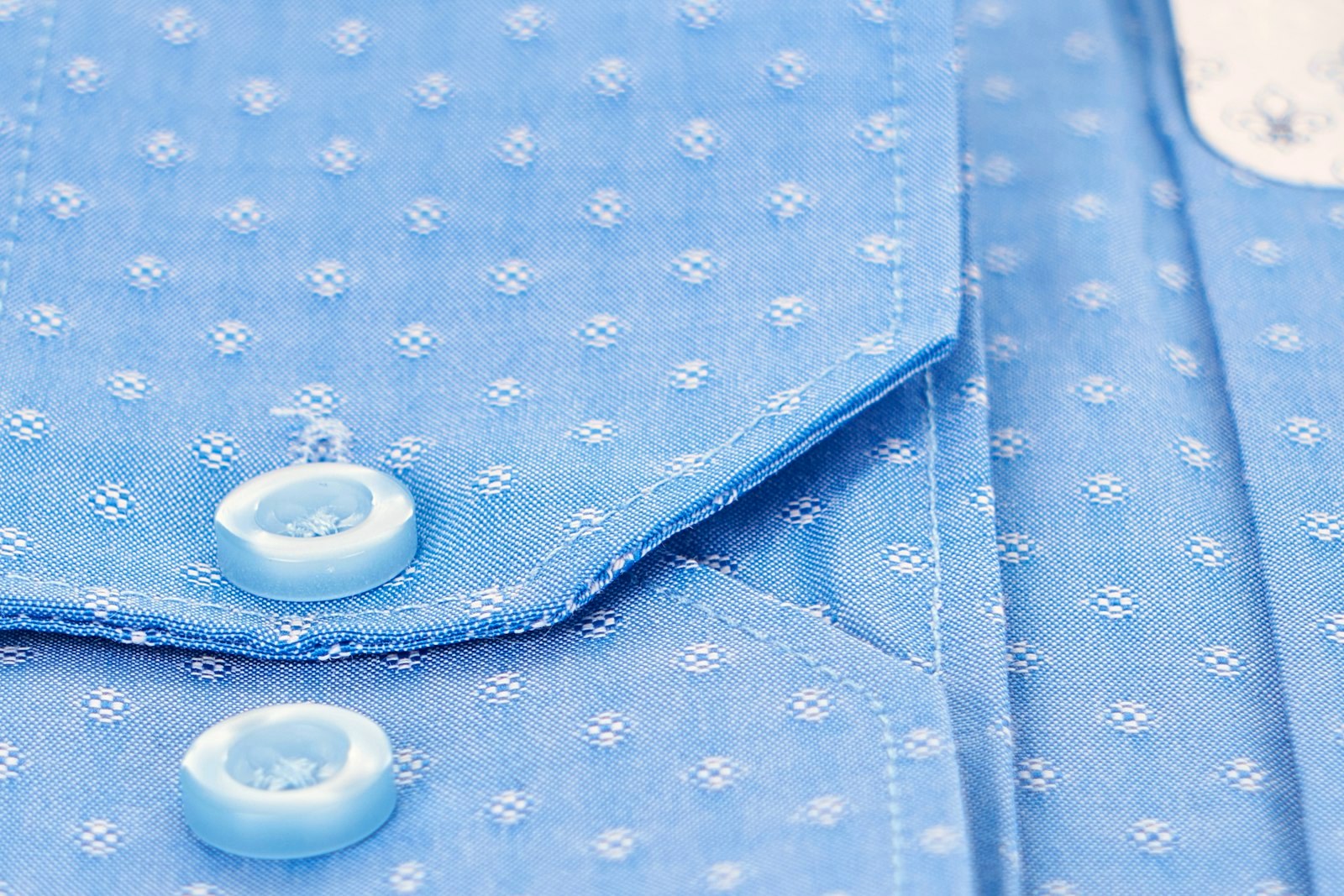
Photography, disclosed. This page carries no photograph of any ranked tie. The bank this site draws from holds one frame of a tie being worn, which serves as the hero, captioned as exactly what it is, and no frame of a grenadine weave, a knit tie's square end, a hand-rolled edge or a seven-fold's folds. The desk's rule is that a wrong photograph is worse than none. The frames this page needs are on the harvest list and named here so the gap is auditable: a grenadine weave in macro, a square-ended knit tie worn with an open collar, a hand-rolled edge in hand, a tie knotted with the dimple showing. When the bank holds them, this page gets its pictures and this paragraph comes out.
Questions, answered straight
What are the best ties for men?
The Sam Hober grenadine, 91 out of 100: a bespoke tie cut to your length, width and knot shape, in grenadine silk woven in Como by Fermo Fossati and Bianchi, over a pure wool interlining its maker publishes, self-tipped, hand-folded and slip-stitched, from $110. Second is the Shibumi Firenze garza fina grenadine at 83, a 3-fold hand-rolled tie at €145 with a real width and length library. Third is the Aklasu navy grenadine at 81, handmade in Como at $115 with a published wool interlining. The attainable answer is seventh: Suitsupply's pure silk grenadine at 79 Swiss francs on the maker's own store, graded down for the construction paperwork its maker does not publish.
What is grenadine, and why do tie people care about it?
Grenadine is a leno weave: two warp threads twist around each weft and lock it in place, producing an open, gauze-like silk with structure instead of shine. It comes in two gauges, garza fina, the finer and tighter, and garza grossa, the more open and textured, and it is woven on old wooden looms in Como, Italy, by a handful of mills. It matters because the weave does the work a pattern does on lesser ties: a solid grenadine reads as texture against any suit, holds a four-in-hand crisply, and its open structure is why it tops this ranking three times over. Woven silk is a fact you can check in the cloth; printed silk is ink on a smooth twill, cheaper to make and priced by the name on the label, which is why this page grades weave before pattern.
Is a seven-fold tie actually better?
A true seven-fold is a different construction, not a better knot. One large square of silk is folded in on itself seven times with no interlining at all, so the tie's body is silk alone. Turnbull and Asser publishes the arithmetic for its own: three and a half hours of work, 0.77 metres of silk, double a regular tie, the folds steamed and centralised, at £385. The claim is graded as a claim on this page because the fold count is easy to print and hard to check: published tie analysis has long noted that many ties sold as seven-folds fold fully only at the two tips, with lining in the middle, because a true fold the whole length would make the tie too thick. At the bottom of this page a $79.99 seven-fold is named the skip: its maker's own page describes the fabric as premium silk or other fine fabric and publishes no fibre line, no dimensions and no silk weight, so the claim is the whole of the evidence.
How wide should a tie be, and how long?
Eight centimetres, about three and an eighth inches, is the working standard, and this page prints it as a ruling: it matches the lapel of a standard jacket, ties a four-in-hand of honest size, and neither dates nor shouts. Below seven centimetres the knot starves and the blade reads as fashion; above nine the tie is a statement about a decade. Width follows the lapel, which is why the makers ranked highest here sell libraries rather than a size: Shibumi cuts 8 and 9 centimetres, Sam Hober cuts to your measurement, Aklasu sells two. Length is a torso fact, not a style fact: 147 centimetres, 58 inches, suits most frames with the tip at the belt; taller frames and higher rises need 160, and a maker who sells only one length is asking your torso to do the adjusting.
What makes a tie knot dimple, and why do some ties refuse?
The dimple is construction, not luck. It forms when the cloth at the knot can fold into a crease and hold it, which needs three published things: an interlining with spring in it, wool rather than polyester, a blade cut on the bias so the cloth wraps without fighting, and a slip stitch along the back, a single loose thread that lets the tie stretch under the knot and recover after it. Grenadine's open weave dimples almost by itself, which is why its makers specify a four-in-hand. A tie that will not dimple is telling you about its insides: a stiff synthetic interlining, a fused build, or cloth cut off the bias to save silk. Read a flat, sliding knot as a construction report, because that is what it is.
Wool or polyester interlining: does it matter?
It is the single most consequential fact about a tie that you cannot see, and the makers ranked at the top of this page publish theirs: Sam Hober states in its own guide that the interlining is 100 percent Italian wool, and Aklasu publishes a wool core inside the silk. Wool springs back after a knot, releases its creases overnight and ages with the silk. Polyester interlining is cheaper, stiffer, holds a crease where the knot crushed it and slowly flattens the blade's roll. The problem is disclosure: most makers publish nothing about the inside of the tie at all, and on this page that silence is charged on the card where it happens, because a tie is bought on its construction or it is bought on its label.
Young Cotton's verdict cards rank garments on published evidence: fibre and weave from makers' own spec pages, construction from makers' own method pages, prices checked at the doors named on the cards, and fold counts graded as claims until a maker's arithmetic supports them. This card closes with the finding the whole category keeps making: a tie has nowhere to hide, its weave is either in the cloth or it is ink, its inside is either published or it is a secret you paid for, and the fold count, as ever, is a claim until the maker prints the hours.
Checked and updated October 2026