
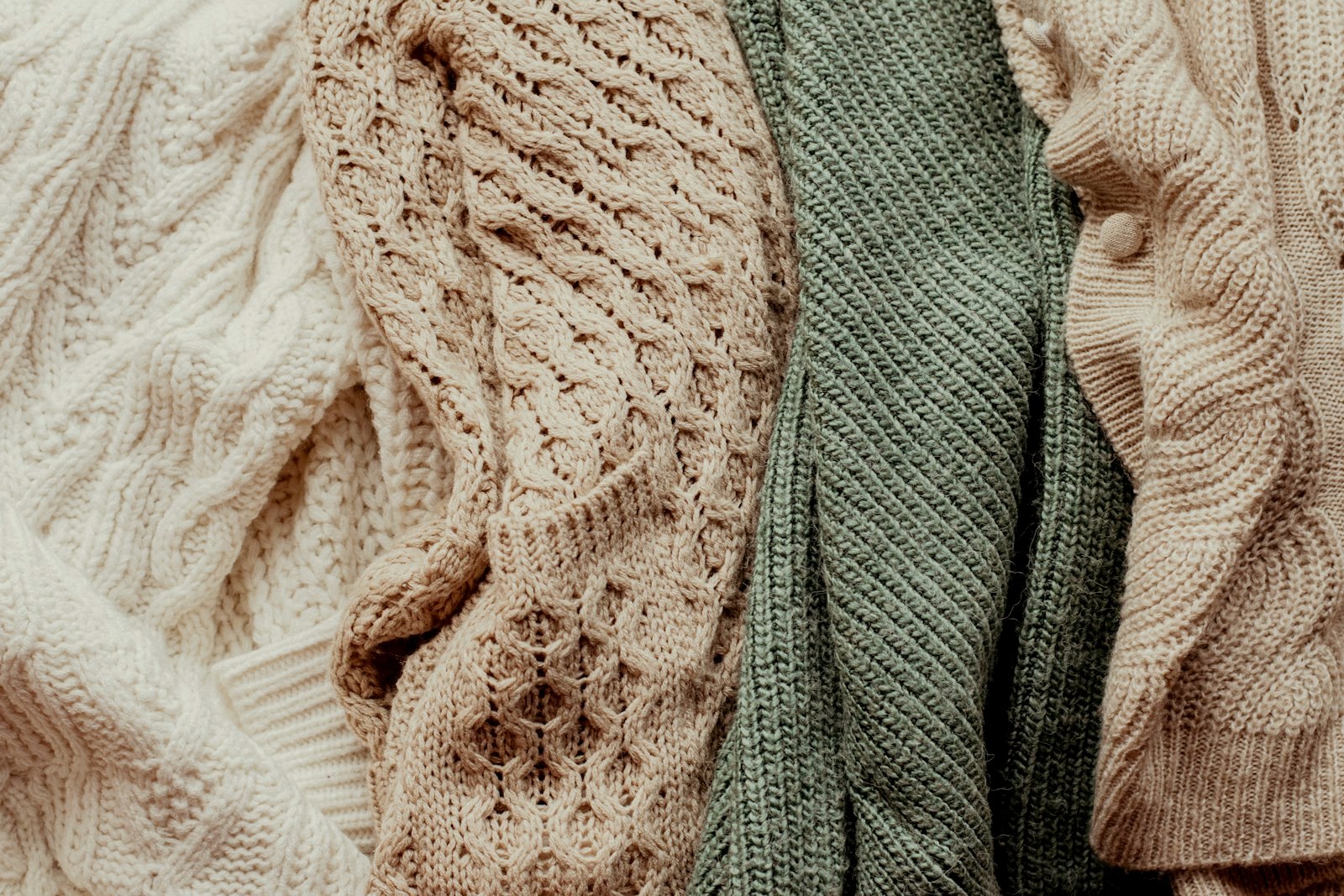
The anchor's argument in macro: on this page the fibre is the product and the price is the proof, and the knit is photographed at the distance the maker's own pages argue at. The ranking below is built from the makers' published records cited on the page, and no garment by any ranked house is pictured. The photography gaps are printed in the honesty section below.
Checked and updated October 2026
The short answer: brands like Luca Faloni are graded here on whether the fibre argument survives its own paperwork: what the yarn is, who spun it, where it was knitted, and what the price is actually paying for. The anchor, Luca Faloni, stands at 91 on our Italian and quiet luxury rankings, the Italian ranking's winner; this page reproduces its standing rows exactly, argues them in the open, labelled derived wherever they appear, and joins the audit queue behind the number. Faloni finishes second, behind Auralee at 94, and ahead of Lemaire and Boglioli at 90, Brunello Cucinelli at 88 and Zegna at 87. The skip is Quince at its standing 59: the quiet knit look at $59.90, sold against a comparison figure that floats, on a ladder where the anchor prints a repair service and never discounts.
What people actually want from Luca Faloni
Nobody searches for brands like Luca Faloni because they need another crewneck. The want underneath the search is the proof that the markup was optional: a cashmere crewneck in Cariaggi yarn, knitted in Bergamo, that costs what the yarn and the knitting cost, because the house sells it direct and prints the specification where the garment is sold. The anchor is the register's standing embarrassment to its ceilings, and the searcher wants either the same argument made by someone else, or the ceiling's version with its premium justified in the open.
That want has two failure modes, and they are the rest of this ranking. The first is the fibre story without the fibre paperwork: a house selling Italian softness as an aura while the spinner, the ply, the gauge and the staple stand published nowhere a buyer can check. The second is the direct model's own shadow: a young house, founded in 2014, whose making sits in partner ateliers it does not own, whose prices are honest because its history is short, and whose permanence is a promise rather than a record. Three tests separate the field. Is the fibre specified where the garment is sold, spinner, ply, gauge and staple, or only praised? Is the price built from the cloth and the making, or from the address it is sold at? And does anything stand behind the garment after the sale, a repair bench, a permanent collection, a price that does not move? The anchor passes the first at house level more completely than any ceiling does, the second by construction, and the third with the register's surprise: a repair service, printed on its own care guide, that the century-old houses on this ladder do not publish.
How the scores work
Every brand is graded out of 100: fabric and cloth out of 30, construction and craft out of 20, fit range and sizing honesty out of 20, value out of 15, longevity out of 15. The anchor's 91 is a standing total from two of our rankings, and this page treats it the way this series treats any number that arrives from a ranking rather than an audit: the rows that stand are reproduced exactly and argued in the open, labelled derived, and the page joins the audit queue behind the number rather than claiming one. Standing scores set elsewhere are reproduced exactly and are never re-tried on a page that is not theirs.
The standing rows, argued one by one against the maker's own current record, read live for this page: the maker's knitwear pages, its crewneck page, its cashmere care guide and its storefront. Fabric 26: the row is the ladder's argument about where a specification has to stand. The fibre itself is the register's standard paper: Cariaggi cashmere, named as the spinner on the maker's own pages, 100 percent two-ply A-grade on the graded crewneck, and the maker's knitwear pages print the house-level record entire, Grade-A cashmere at a minimum 40 millimetre staple and 15 microns, two-ply or four-ply, gauges from 7 to 12, silk-cashmere from the same spinner's Jaipur collection, brushed cotton from Grandi & Rubinelli, named in the maker's own journal. No ceiling on this ladder publishes a staple and a micron at house level; Cucinelli publishes neither anywhere, and Loro Piana prints its microns on textile pages its garments never cite. What holds the row at 26, below Zegna's and Cucinelli's 27 and 28 and the 29s at the summit, is two printed facts: the specification stands one page up from the garment, because the graded crewneck's own page prints the spinner, the ply, the gauge and the weight and stops before the staple, the exact silence our cashmere ranking charged on the garment itself; and the house buys its fibre rather than growing its legend in it, a buyer's excellence rather than a mill's. Construction 18: the making is Northern Italian and published as such, family-run ateliers in Bergamo knitting the cashmere, hand-finishing, small batches, manual checks at every step, genuine horn buttons, the maker's knitwear pages printing the method as the position. The row stands below the family's 19s, the vertical houses whose mills and factories are their own, because the anchor's ateliers are partners, however named, long-held and specialised, and above the cut-and-sew field entire: the distinction between a house that owns its making and a house that publishes its making is one point, and it is printed here rather than smoothed. Fit 17: the range is a full wardrobe rather than a rail, knitwear in crews, V-necks, cardigans, roll necks, polos and zip-necks, shirting in two fits, the Portofino linen in twenty-six colours by the maker's own journal's count, trousers and tailoring behind them, sizing published plainly in the habit both rankings praised. The graded crewneck's own fit row stands at 16 on the cashmere ranking, charged for a tailored Italian cut that is unbending for the bodies it does not serve, and the brand row stands one above the garment's because the rail around the crew is wider than the crew. Value 15: the only perfect value row in the register, set by the quiet luxury ranking and confirmed by every document read for this page. The direct model is the arithmetic: the crewneck that would sit near $700 in a department store lands near $350 at the maker's own store, graded at about $375 on our cashmere ranking, against $1,200 for the ceiling's graded crewneck on the same page, a threefold difference for the same register of yarn. The maker's own pages close the remaining exits: the collection is permanent and never devalued by seasonal discounting, so the price is the price for the man who buys first and the man who buys last alike; shipping is complimentary and express; and the returns window reads 60 days, free, in the published readings of the maker's policy. There is no struck figure anywhere in the house's record to float. Longevity 15: the row the audit will argue hardest, and the page prints the argument both ways. Against it stands the calendar: founded in 2014 in London, the anchor is the youngest house on this ladder by generations, younger than Zegna by a century, and a permanence row carried by a decade is a different instrument from one carried by a hundred years. For it stands the afterlife, and it is the register's finding: the maker's own cashmere care guide prints a Luca Faloni Repair Service, complimentary repairs in-store for all cashmere garments, the first standing repair programme this series has found on an anchor in this register, where Cucinelli, Zegna and Loro Piana publish none; every cashmere garment ships with its comb and its dust bag; the collection is permanent and never discounted, so the garment is not devalued by its own house; and stores stand in New York, Milan and London, which is the repair service's geography, in-store only, and the page prints the limit with the programme. The row stands at the standing 15 on the programme and the model, and the audit queue is where the age argument gets its hearing. The rows sum to the standing 91, and the argument commits to this: if the maker prints the staple and micron on the crewneck's own page, fabric is revisited first, upward, because the specification's address is the row's whole deduction; if the repair service is withdrawn or narrowed, longevity is revisited downward before any other row; if the house begins discounting, value is revisited first, because the perfect row is the model's and the model is the claim.
The bookkeeping on this page, in full. The anchor's total has two homes, the Italian ranking, where it stands first of twenty, and the quiet luxury ranking, fourth of twenty, and they agree at 91; the quiet luxury ranking prints the split this page reproduces, and prints the value row's distinction in its own questions, the only perfect 15 in that ranking. A split exists in the tree, so this page reproduces it exactly: the situation is the reverse of the Cucinelli page's, where no split existed and one had to be derived to sum, and the same as the Loro Piana and Zegna pages', and the page prints the apparatus rather than borrowing the neighbour's. Two numbers stand for the anchor and they are never conflated: the brand at 91, and the anchor's own garments, graded on their own pages as evidence, the two-ply cashmere crew neck at 84, the winner of our cashmere ranking, the Amalfi silk-cotton polo at 88, the winner of our knit polo ranking, the pure cashmere V-neck at 85 and the Portofino linen shirt at 83. Read against the Cucinelli page's two numbers, brand 88 over a garment at 66, the anchor's garments sit close under its brand and win their shelves, which is the direct model's paperwork agreeing with itself at both altitudes. The tie at 90 is ruled on the fabric row, Lemaire 29 to Boglioli 27, as the Cucinelli page ruled it, and printed on both cards. One divergence is carried over from the neighbouring pages, flagged rather than fixed: our quiet luxury ranking prints Cucinelli's rows as 28, 19, 15, 11 and 15 against its own page's derived 28, 19, 17, 9 and 15, both summing to the standing 88; this page reproduces the family page's split, as the Loro Piana and Zegna pages did, and the divergence stays logged for a future conform rather than edited here. The skip's 59 is a standing audited score from its own page in this series, reproduced with its rows; the charge beside it is its own audit's, restated here and labelled as such.
The rest of the register, rested in prose with their standing numbers untouched, because a card here would re-try a score set elsewhere. Officine Générale rests at 88, audited on its own page in this series and level with Cucinelli's carded 88, the Parisian answer in Portuguese cloth; the ceiling was carded and the Parisian rested because the anchor's home fixture is the ceiling, the comparison both rankings print. Massimo Alba rests at 87, level with Zegna on the Italian ranking, the register softened and garment-dyed. Our Legacy rests at 86, audited on its own page in this series and carded on the neighbouring pages, the borrowed silhouettes at attainable prices. Fedeli at 86 and Barena Venezia at 86 rest on the rankings, the knit and soft-tailoring houses of the second bench. Loro Piana rests at 85, its standing rows argued on its own page in this series, the fibre aristocracy, whose knit polo the anchor's crew is so often priced against. Sunspel rests at 85, audited on its own page in this series, the register's ground floor in long-staple cotton. De Petrillo at 84, Canali at 83 and Lardini at 82 rest on the Italian ranking, and John Smedley rests at 78, audited on its own page in this series, the gauge published as an identity. Each keeps its number and its rows exactly as set, and none is re-argued here.
One name from the broader family is answered in prose rather than carded, because its own page is a living derivation rather than a settled score. Our H&M page derives its 38 from fourteen graded garments, and the figure moves as garments are added; this page does not restate it. The fibre argument resolves the comparison without arithmetic: nothing in that rail names its spinner, and a reader asking whether the anchor's direct premium is real should read the graded crewnecks, the anchor's at 84 and the chain's knitwear graded on its own pages, rather than a number repeated here out of context.
The disclosure ledger: what the record publishes
Fabric and construction are the rows a halo can be talked into, so the record behind them is printed here in full, as the makers publish it. The audit status of each row is printed with it.
| Brand | Fabric, as published | Construction, as published |
|---|---|---|
| Auralee | 29, audited on its own page in this series. The fibre named first and the cloth concept published beside it, super-160s-class wool among it, developed with its mills. | 19, audited. Garments finished to a printed standard in partner ateliers, the making published as part of the cloth's story. |
| Luca Faloni | 26, standing on the quiet luxury ranking and argued on this page. Cariaggi cashmere named as the spinner; the maker's knitwear pages print Grade-A cashmere at a minimum 40mm staple and 15 microns, two-ply or four-ply, gauges 7 to 12; the graded crewneck's own page prints spinner, ply, gauge and weight, and no staple. | 18, standing on the quiet luxury ranking and argued on this page. Knitted in family-run ateliers in Bergamo, hand-finished, small batches, manual checks; a repair service printed on the maker's own care guide, complimentary and in-store, for cashmere. |
| Lemaire | 29, audited on its own page in this series. Cloth researched and developed with its mills until the garment drapes rather than shines. | 19, audited. The soft Paris construction, twisted seams and soft shoulders, finished to a published standard. |
| Boglioli | 27, rows derived in the open on its own page in this series. Garment-dyed cloth and washed finishes, the softness published as the house's method rather than a fibre claim. | 19, rows derived in the open on its own page. The unstructured K-Jacket, one model refined for a quarter century, the construction itself the published position. |
| Brunello Cucinelli | 28, rows derived in the open on its own page in this series. Cashmere of the house's own grade, colours mixed like paint; no staple, gauge or ply published for the graded crewneck. | 19, rows derived in the open on its own page. Knitted in Solomeo since 1978, the hamlet itself the published factory. |
| Zegna | 27, standing on the quiet luxury ranking and argued on its own page in this series. Trofeo worsted, Oasi Cashmere and Vellus Aureum named on the maker's own pages; cloth woven in the house's own Trivero mill since 1910; no micron count or cloth weight published on the garment listings read. | 19, standing on the quiet luxury ranking and argued on its own page. Vertical from the fibre to the garment, the tailored core made in Italy, and Su Misura made-to-measure standing as a published service. |
| Quince | 18, audited on its own page in this series. 16.2-micron Mongolian cashmere, a 34 to 36 millimetre staple and a 12-gauge knit, published at $59.90; the widest specification on this page and the narrowest house behind it. | 11, audited. Cut-and-sew factories named nowhere; the cloth record is the whole record. |
Seven brands like Luca Faloni, ranked
Auralee
Core knits $600 to $800 at the maker's own store.
Audited in this series at 94, the summit of the quiet register. Ryota Iwai develops cloth with Japanese mills and publishes it like a specification, the fibre named first and the concept, shrinkage management, garment-dyeing, printed beside it, so the fineness the anchor buys from Cariaggi is here a document a buyer can read before paying, a core knit at $600 to $800 at the maker's own store. It answers this page's question most completely, because it is the one house in the register whose aura and whose paperwork are the same size, and the three points between it and the anchor are the price of that completeness: the anchor's whole case is that the fibre argument does not need to cost this much.
Luca Faloni
US prices: the two-ply cashmere crewneck about $375 as graded on our cashmere ranking, inside the rankings' band of $200 to $650; the maker's store renders its full price text by script to this desk, and the band stands as printed.
The anchor, graded on its standing rows, reproduced exactly from the quiet luxury ranking and argued in the open above: DERIVED. The fibre record is the register's best paperwork at the point of sale: Cariaggi named as the spinner, the house-level specification printed on the maker's own knitwear pages, Grade-A cashmere at a minimum 40mm staple and 15 microns, two-ply or four-ply, and the graded crewneck's own page printing spinner, ply, 12 gauge and 250 grams, knitted in Bergamo. The afterlife is the register's finding: a repair service, complimentary and in-store, printed on the maker's own care guide, standing behind every cashmere garment, on a ladder where the ceilings publish none. Two numbers stand and are never conflated: the brand at 91, and its garments, the crewneck at 84 and winner of our cashmere ranking, the Amalfi polo at 88 and winner of our knit polo ranking, the V-neck at 85, the Portofino linen shirt at 83, each graded on its own page and cited here as evidence only.
Lemaire
The twisted shirt about $500 at the maker's store, knitwear above it.
Audited in this series at 90, on the family split its own page prints. The register translated to Paris: cloth researched and developed until the garment drapes rather than shines, twisted seams and soft shoulders, a wardrobe built to be worn daily and priced accordingly, the twisted shirt at about $500. The tie at 90 with Boglioli is ruled on the fabric row, 29 to 27, as the Cucinelli page ruled it, and its value row of 9 is the summit's own charge, the ceiling pricing the anchor's model refuses. It is carded here because the anchor's searcher who wants the silence carried by cloth research rather than by a spinner's name starts in this rail, and pays the summit's prices for it.

Boglioli
US price at last check: the K-Jacket $1,795 at US retail; the maker's own store lists the model from CHF 1,000, inside the house band of $300 to $1,900 our Italian ranking prints.
Keeps its standing 90, its rows derived in the open on its own page in this series and the label carried here intact: the Italian softness doctrine in its tailoring form, one model, the K-Jacket, refined for a quarter century. The tie at 90 with Lemaire is ruled on the fabric row, 27 to 29, printed on both cards. Against the anchor the kinship is national and temperamental, two Italian houses selling softness as a philosophy, and the point between them is the garment against the fibre: Boglioli sells the softness worn, in a jacket, at jacket prices; the anchor sells the softness knitted, at a sixth of the jacket's US retail for its winning crew. Buy the K-Jacket at the maker's own store, as the one soft jacket bought once.
Brunello Cucinelli
US prices: the cashmere crewneck $1,200 as graded on our cashmere ranking, read at $1,250 at US retail today; the maker's boutique catalogue could not be captured at this check, and the Italian ranking's band of $900 to $4,000 and beyond stands.
The cashmere ceiling of the register, carded here with its rows derived in the open on its own page in this series and its derived label intact, standing at 88. This is the house the anchor's existence is an argument against: Solomeo's knit against Bergamo's, cashmere raised to a philosophy in one man's hamlet since 1978, colours mixed like paint, a crewneck graded at $1,200 on the same cashmere ranking the anchor's crew won at $375. Three points below the anchor because the comparison is the anchor's home fixture: the fabric row goes to the ceiling, 28 to 26, on the depth of the fibre legend, and value goes to the anchor by the ladder's widest margin, 15 to 9, because the ceiling's price is built from cloth, making and address, and the anchor's only from the first two. The questions below argue the fork in full.
Zegna
US prices on the maker's own store, read for its own page in this series: the Triple Stitch at $890 in denim, $1,290 in suede and $1,690 in SECONDSKIN leather; the Oasi Cashmere overshirt read at $3,490 at US retail, above the Italian ranking's band of $450 to $2,800, which stands as printed.
The mill that dresses itself, carded here with its standing rows argued in the open on its own page in this series and its derived label intact, standing at 87. Trivero's answer to the anchor is verticality: cloth woven in the house's own Lanificio since 1910 and sold to other houses, Trofeo, Oasi Cashmere and Vellus Aureum named on the maker's own pages, against the anchor's bought-in excellence, Cariaggi's yarn knitted by partner ateliers. Four points divide them and the rows locate every one: the anchor wins value outright, 15 to 11, the direct model against the climbing rail, and fit by the wardrobe's breadth at honest prices; the mill wins the making's ownership. A wardrobe built from one mill's cloth is the anchor's opposite purchase, and the fork is argued wherever this register is argued.
Quince
US prices checked at its audit: the Mongolian Cashmere Crew $59.90, beside a struck traditional-retail figure; the Australian Merino Half Zip $92. This card ships without a buy link, and the honesty section prints why.
The skip, at its standing audited 59, and the same skip the Cucinelli, Loro Piana and Zegna pages of this series set for this register, continued here and printed as not a new sentence: the quiet knit look at $59.90, its cloth specifications honestly published, its factories named nowhere, no afterlife programme of any kind standing behind the garments, and its prices sold against a struck comparison figure that floated from $250 to $158 while this series watched. Against this anchor the charge sharpens, because the anchor is the honest version of the skip's own claim: Italian fibre, direct prices, published specification, and, printed on its care guide, the repair service the skip's garments will never meet. The look is real. The life the anchor sells is not in it, and the questions below print the charge in full.
The pattern under the ranking
Read the value row against the fabric row and the ranking stops looking like a league table and starts looking like an argument about what a price is made of. At the top, Auralee and Lemaire charge summit prices for cloth research the buyer can read, and their value rows carry the charge, 14 and 9. The ceilings charge for the fibre and the address together, and their garment pages publish the least specification on the ladder. The anchor is the anomaly the register has to explain: a perfect value row under a fabric row of 26, because its specification stands at house level rather than on the garment, which is the one deduction its paperwork carries. And its longevity row carries the ladder's surprise, a repair service printed on a care guide by the youngest house here, while the century-old houses publish none, which suggests the afterlife in this register is not a heritage function but a model's: a house that never discounts has to keep the garment alive, because it cannot sell the customer a cheaper replacement. At the foot, the skip publishes the widest cheap specification on the page and fails on everything the specification cannot carry, a house, a factory, a programme, a comparison figure that holds still. The register's lesson, printed once: in quiet luxury, a price is graded by what it is built from, and the anchor is the proof that the boutique's share of it was always optional, provided the paperwork is done in its place.
The ranking at a glance
| Brand | Score | Buy | Price |
|---|---|---|---|
| Auralee | 94 | The fineness-first knit or coat | $600 to $800 |
| Luca Faloni | 91, derived | The two-ply cashmere crewneck | About $375 |
| Lemaire | 90 | The twisted shirt | About $500 |
| Boglioli | 90 | The K-Jacket | $1,795 |
| Brunello Cucinelli | 88 | The cashmere crewneck | $1,200 |
| Zegna | 87 | The overshirt, in Zegna cloth | Band $450 to $2,800 |
| Quince | 59 | None | $59.90 not spent on the crew |
Quince, 59. The quiet knit look at $59.90, with a fabric record published at the width the anchor's garments stop short of and a struck comparison figure that floated from $250 to $158 while this series watched, factories named nowhere, and no programme of any kind standing behind the garment after the sale. It is skipped at the foot of the anchor's own ladder for the anchor's own reason: the anchor is what the direct claim looks like when the paperwork, the making and the afterlife are all real, and the skip is the same claim with only the price done.
Which one to buy
Buy Auralee if the question is the finest knitwear with its paperwork in order and the budget is the summit's: the cloth record is the point of the house. Buy Luca Faloni if the fibre argument is the purchase, the first cashmere and the rail around it, bought once at the maker's own store at prices built from yarn and knitting, with the repairs standing in-store behind the cashmere. Buy Lemaire if the register is wanted as a soft uniform rather than a knit rail, the Parisian drape at the ceiling's prices. Buy Boglioli if the want is the soft jacket itself, one model refined for a quarter century, bought once at the maker's own store. Buy Brunello Cucinelli if the ceiling's story is yours, the founder's hamlet and the knit as an heirloom, three points below the anchor and three times its crewneck's price. Buy Zegna if the cloth as a system is the purchase, one mill dressing the shirt, the overshirt and the suit. Buy nothing from the skip if the garment is meant to be kept; its cloth is honest and everything around the cloth is not.
Questions, answered straight
What brand is most like Luca Faloni?
For the fibre argument with the fullest paperwork in the register, Auralee at 94, audited on its own page in this series, its cloth developed with its mills and published like a specification, at $600 to $800 for a core knit. For the same quiet register carried by tailoring rather than knitwear, Boglioli at 90, its rows derived in the open on its own page in this series: one model, the K-Jacket, refined for a quarter century. For the soft wardrobe at the summit's prices, Lemaire at 90, audited on its own page, the Parisian answer, priced at the ceiling the anchor refuses. And for the anchor's fibre at the ceiling's own address, Brunello Cucinelli at 88, its rows derived in the open on its own page in this series: the same cashmere register with the boutique markup restored, its crewneck graded at $1,200 on our cashmere ranking against the anchor's $375. The anchor's own emblem piece is the two-ply cashmere crewneck, Cariaggi yarn knitted in Bergamo at 12 gauge, the winner of our cashmere ranking at 84, bought at the maker's own store inside a band of $200 to $650.
Is Luca Faloni worth the money?
At its standing 91, it is the ranking's own answer to that question: our quiet luxury ranking gives it the only perfect value score in the register, 15 of 15, and this page's record shows why the row holds. The crewneck that would sit near $700 in a department store, in the Italian ranking's words, lands near $350 at the maker's own store, graded at about $375 on our cashmere ranking: the same Cariaggi cashmere, knitted in Bergamo, with the wholesale and boutique markups simply not inside the price. The maker's own pages print the rest of the arithmetic: a permanent collection never devalued by seasonal discounting, so the price does not punish the man who buys first; complimentary express shipping; and a repair service, complimentary and in-store, standing behind every cashmere garment after the sale. What the price does not buy is printed with equal plainness: the house was founded in 2014, the youngest on this ladder, its making sits in partner ateliers rather than its own mill, and the repairs stand in-store only, in the cities where the house keeps stores. Buy the first cashmere here, as both rankings say, and buy it sized once, at the maker's own store, where the full band of $200 to $650 is the maker's own price and not a department store's weather.
Luca Faloni or Brunello Cucinelli?
Three points apart, and the fork is the markup. Cucinelli at 88, its rows derived in the open on its own page in this series, is the ceiling of the craft: cashmere knitted softly in Solomeo since 1978, a founder's hamlet as the factory, sold through boutiques at boutique prices. Faloni at 91, standing on two of our rankings, is the same register's fibre argument with the distribution removed: Cariaggi cashmere knitted in Bergamo, sold direct since 2014, the crewneck graded at $375 on our cashmere ranking against Cucinelli's crewneck graded at $1,200 on the same page. The rows divide them exactly. Cucinelli's aura and fibre focus win the fabric row, 28 to 26; Faloni's paperwork at the point of sale wins construction's neighbour argument on published specification; and value is not close: 15 to 9, the widest row gap on this ladder, the difference between a price built from cloth and making and a price built from cloth, making and address. Buy Cucinelli for the garment as an heirloom of the house's story. Buy Faloni for the garment itself, with the repairs standing in-store behind it, and keep the difference for the second and third pieces of the same wardrobe.
Why are Luca Faloni's rows labelled derived?
Because the number was set by rankings, not by an audit of the house. Our Italian ranking scored Luca Faloni 91 of 100, first of twenty, and printed the score, the specialty and the price band; our quiet luxury ranking printed the same total with a row split, fabric 26, construction 18, fit 17, value 15, longevity 15. No audit of the house stands behind either, so the label derived travels with the rows wherever this page states them, and this page joins the audit queue behind the number. The page's work differs from the Cucinelli page's, and it prints the difference: there, no split existed anywhere and the page derived one to sum; here, a split stands, so this page reproduces it exactly, argues each row in the open against the maker's own current record, the knitwear pages' fibre specification, the care guide's repair service and the store's terms all read for this page, and moves nothing. The house's own garments are graded elsewhere in this magazine and those scores are this page's evidence, cited and never promoted: the crewneck at 84 on the cashmere ranking, the knit polo at 88, the V-neck at 85, the linen shirt at 83. If the maker's record ever contradicts a standing row, the audit this page queues is where that argument happens.
Why is Quince the skip?
Because its own audit in this series printed the charge, and this page does not move standing scores. Quince stands at 59, audited on its own page, rows 18, 11, 11, 12 and 7, and it was the skip on the Cucinelli, Loro Piana and Zegna pages of this series for the same reason it is the skip here: it sells this register's look, the plain quiet knit, at a sixth of the anchor's prices, against the anchor whose garments Quince's own cashmere crew was graded beside on our cashmere ranking, 77 to the anchor's 84. The cloth is real and its specifications are published, microns, staple and gauge printed at $59.90. What failed was everything around the cloth: no afterlife programme of any kind stands behind the garments, on a ladder where the anchor prints a repair service on its own care guide; its factories are named nowhere, where the anchor names its spinner and its knitting town; and the struck comparison figure its prices are sold against floats, $250 when this series derived the score and $158 today, where the anchor's prices are never discounted at all. A house can sell the anchor's silhouette honestly at a sixth of the price; what it cannot do is sell the anchor's permanence, and a garment in this register is a permanence purchase. The skip is the look, priced honestly as a look, at the bottom of a ladder whose top is the thing itself.
The honesty section
What this page could not verify, printed rather than smoothed over. The anchor's 91 is a standing total from two of our rankings, carrying a row split printed on the quiet luxury ranking, reproduced exactly and argued in the open on this page and labelled derived wherever the rows appear, and never audited by this series: the word audited is not claimed for the anchor anywhere on it, and the page joins the audit queue behind its anchor in the open. The situation is the reverse of the Cucinelli page's, where no split existed and one had to be derived to sum, and the same as the Loro Piana and Zegna pages', and the difference is printed because the apparatus differs.
The anchor's maker record could be captured at this check in large part, and the parts are printed as they stand. The maker's own knitwear and crewneck pages render entire and print the fibre record this page argues from, the spinner, the ply, the gauge, the weight and the house-level staple and micron; the maker's own cashmere care guide prints the repair service entire. Two capture limits stand. The maker's store renders its catalogue's copy to this desk without its full price text, so the anchor's garment prices beyond the graded crewneck's stand on this magazine's dated record, the rankings' band of $200 to $650 and the crewneck's $375 as graded, corroborated by United States readings that put a cashmere sweater at $375 and an overshirt above the band's top; the band is the rankings' record and it stands as set, with the readings named as readings. And the returns window stands at 60 days, free, on published readings of the maker's policy and the maker's own storefront line of free worldwide shipping and returns, the maker's terms pages rendering their text by script to this desk; the window is printed here as a reading, not as a captured term, and the audit this page queues owns the capture. The repair service's geography is printed as the maker prints it: in-store, for cashmere garments, in the cities where the house keeps stores, New York, Milan and London among them on the maker's own pages; no mail-in door, resale, trade-in or take-back programme is published, and the page prints that absence rather than assuming one either way. One housekeeping item is flagged rather than fixed: our quiet luxury ranking prints Cucinelli's rows as 28, 19, 15, 11 and 15 against its own page's derived 28, 19, 17, 9 and 15, both summing to the standing 88; this page reproduces the family page's split, and the divergence is logged for a future conform rather than edited here. The anchor's garments stand graded on their own pages, the crewneck at 84, the polo at 88, the V-neck at 85, the linen shirt at 83, and they are cited on this page as evidence only, never promoted into the brand's number and never averaged into it. Every other score on the page is reproduced exactly from the page that graded it, with its status intact: audited where the series audited, derived where it derived.
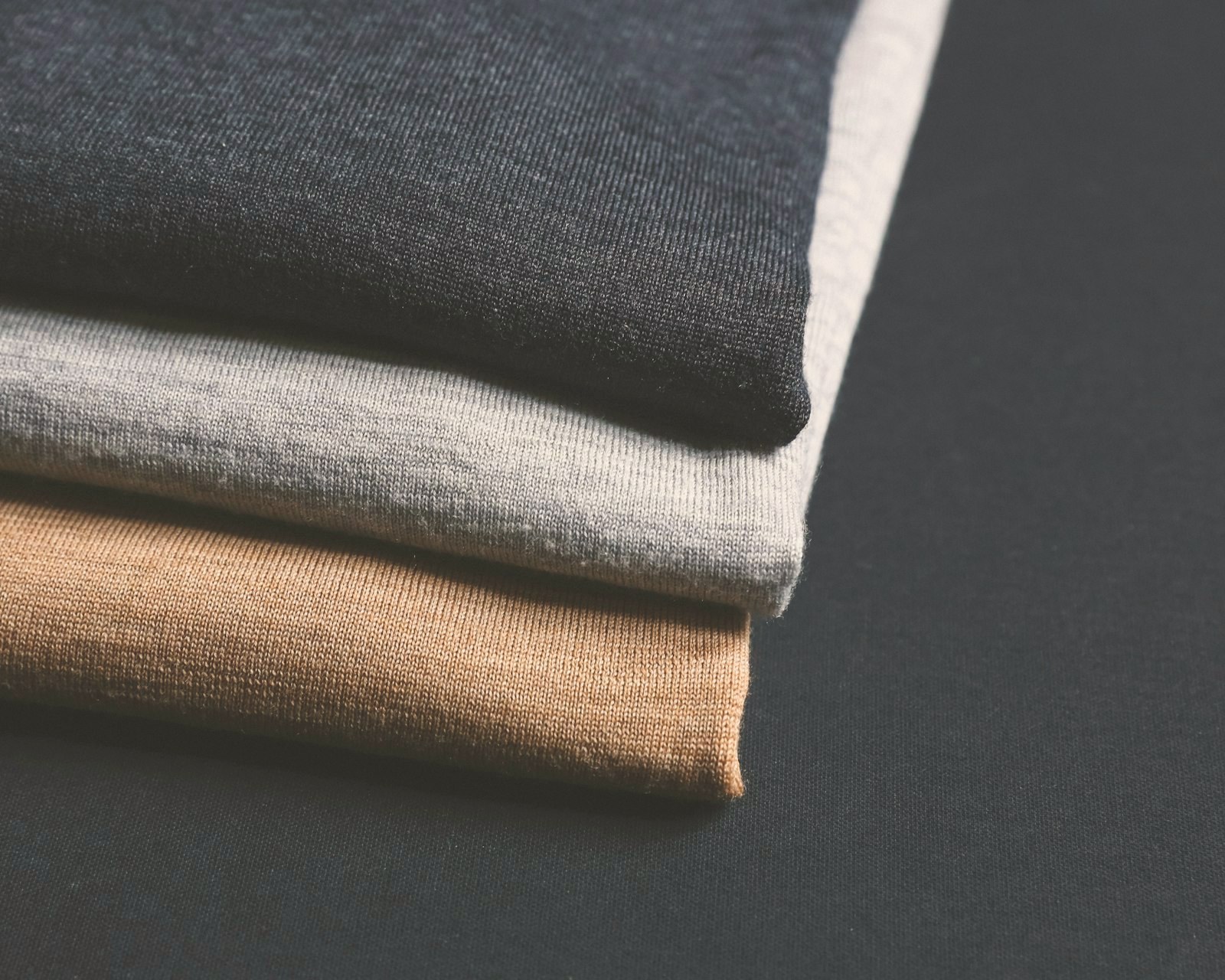
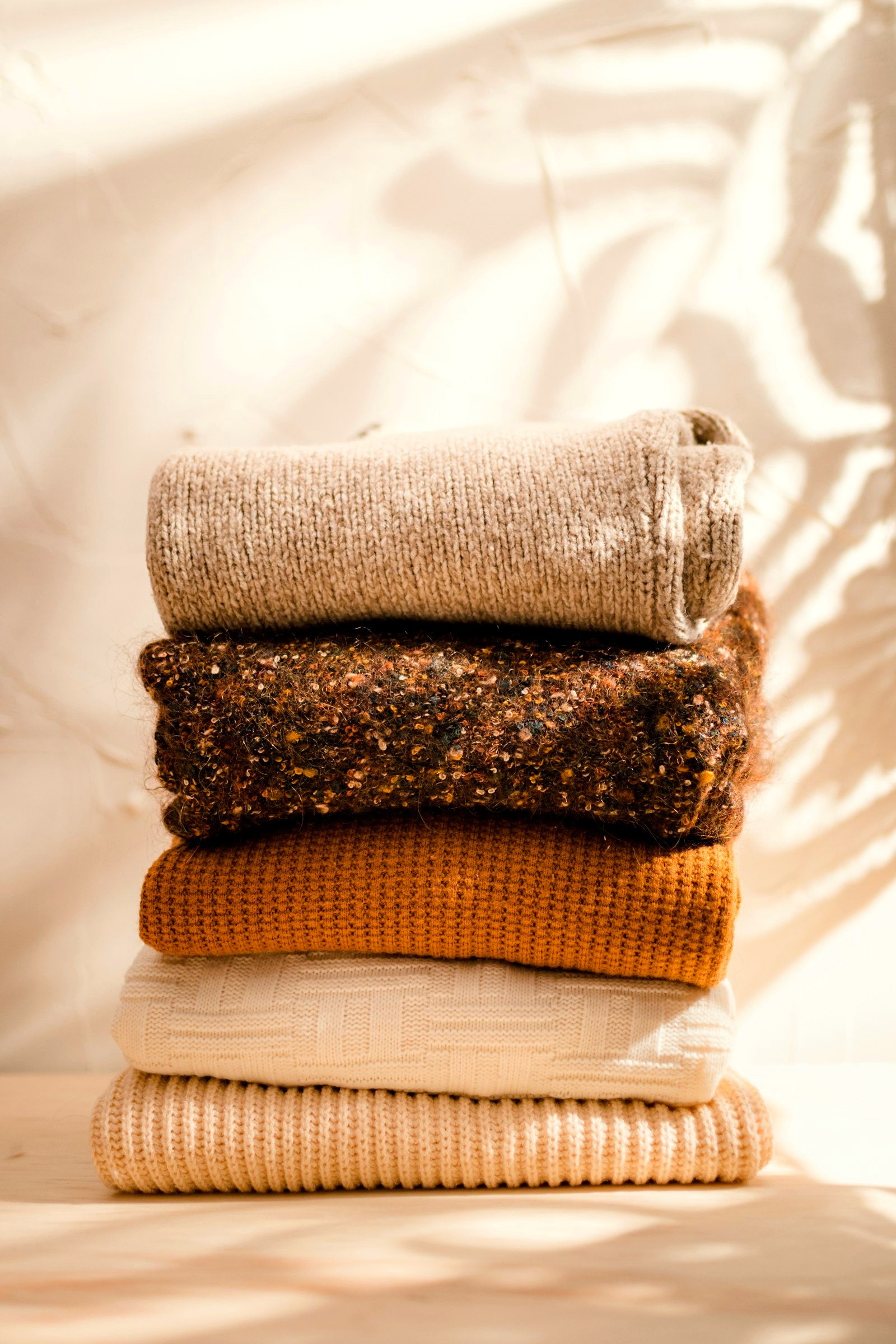
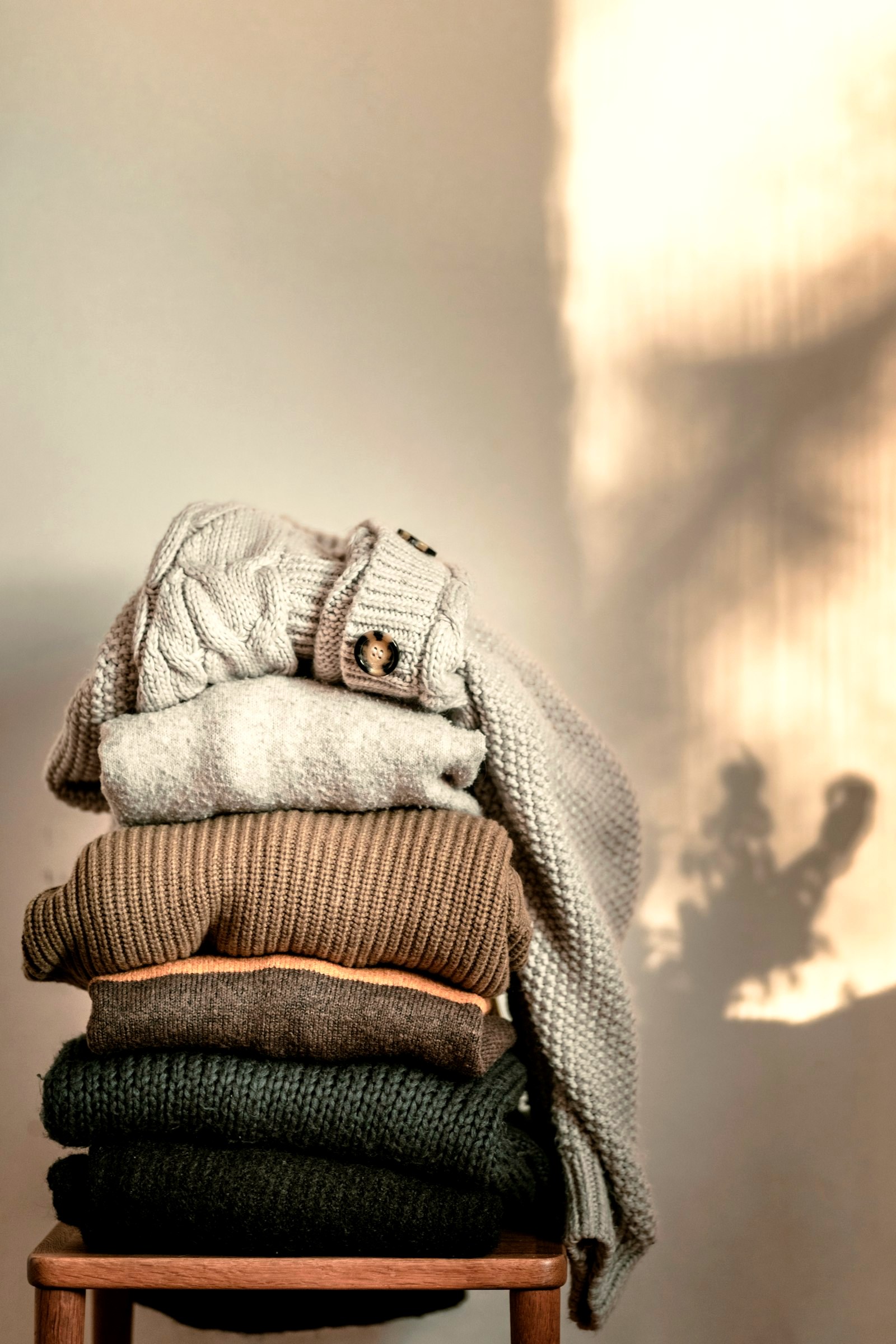
The product-photo gap, admitted as this series admits it: the bank holds no frame of any ranked house's garment, no Bergamo atelier, no spinner's mill floor, and none was staged for this page. The frames are bank knit, cloth and street frames, credited under CREDITS.md, extending the family's established assignments rather than inventing new ones for houses already placed elsewhere in this series, with the anchor's card carrying the frame our cashmere ranking assigns its own graded crewneck. The harvest list for this register stays open: a working knit atelier, a yarn store in a spinner's mill, a folded cashmere stack in a direct store's plain interior, each credited. Prices and data were checked October 2026; the anchor's rest on the maker's own pages read at this check, on this magazine's dated grading record and on labelled readings where the maker's price text could not be captured, and the neighbours' on the audits and rankings that set them, labelled as such wherever they appear.