
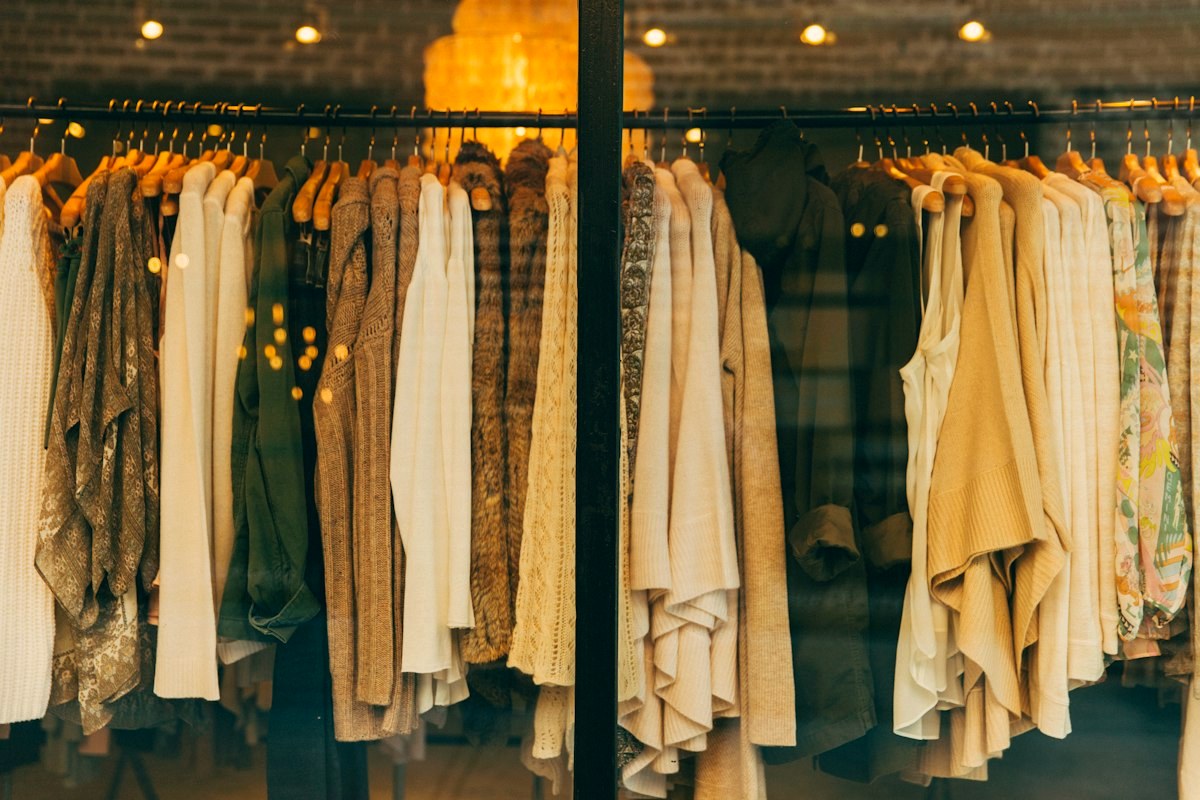
A boutique rail in warm neutrals, the register this page ranks. No garment by any ranked house is pictured: the bank holds no Copenhagen frame and no mfpen garment, the ranking is built from the makers' published records cited on the page, and the photography gaps are printed in the honesty section below.
Checked and updated October 2026
The short answer: brands like mfpen are graded here on the anchor's own test: is the cloth's provenance printed, checkable, and priced honestly. Asket finishes first at its standing 92, the receipts answer, cost breakdown and all. Our Legacy keeps 86, the anchor's method as one ingredient in a bigger, stranger line. Norse Projects keeps 85, the same city on a standing programme. The anchor, mfpen, is audited in the open at its standing 84 and finishes fourth at home: the hierarchy it prints is real, and so is the price drift this check found on its own store. Forét is derived new at 70 and wins the tie with COS, also 70, on the fabric row. The skip is Zara, at its standing 48: the banner claim its group printed was retired from the garments in 2023 and kept where customers cannot check it.
What people actually want from mfpen
Nobody buys mfpen for the logo, because there effectively isn't one. What the searcher means by "brands like mfpen" is a shirt whose cloth existed before the shirt did: surplus fabric from European mills, bought as found cloth, cut into calm, tailored shapes in Copenhagen, and sold until the roll runs out. The luxury being bought is provenance. The garment's past is the product.
That want has a cheap imitation, and it is everywhere: the banner claim. A collection called conscious, responsible, or joined to some life, announced in the campaign and defined in a PDF the customer never reads. Three tests separate the anchor's method from the imitation, and this whole page is graded on them. Is the cloth's origin printed on the record, the mill's country and the standard's name, or merely asserted in a campaign? Is the claim checkable by someone other than the claimant, a named third-party standard, a published hierarchy, a stated source? And does the price survive the scarcity honestly, the run's end admitted in advance, or is scarcity a costume worn over volume?
How the scores work
Every brand is graded out of 100: fabric and cloth out of 30, construction and craft out of 20, fit range and sizing honesty out of 20, value out of 15, longevity out of 15. The anchor's 84 is audited in the open here, because no mfpen garment has ever been ranked individually on this site: the audit rebuilds the rows from the maker's published record and lands on the standing number, it does not re-derive it. Standing scores set elsewhere are reproduced exactly and are never re-tried on a page that is not theirs.
The audit, row by row. Fabric 25: the maker's own Production Values page prints a Responsible Hierarchy and defines its terms, deadstock first, sourced from European mills, mainly Italian and Portuguese, with a guardrail most houses would not print, that fabrics purposely made for stock do not count as deadstock; below it, recycled yarn, Lenzing fibres, wool to the Responsible Wool Standard, and GOTS-certified organic cotton, the standards named in the maker's own words. The five points to the summit are the per-garment gap: on most garments the mill is a country rather than a name, and the hierarchy is a policy the customer trusts, not a licence the garment carries. Construction 17: tailored, calm make in Europe, sound and printed, with no published bench detail or repair covenant to grade beyond the record. Fit 16: generous cuts on the narrow size range its scoring page charges, the shared small-house tax. Value 12: at the ranking's check the Examination Shirt read $180 to $260 against the Borrowed Shirt's $371; at this check the maker's own store prices shirting at 1,700 to 2,150 kroner, about $250 to $320, still under the cluster's signature shirts, while coats have climbed to 7,300 kroner, well past the band the ranking printed. The row holds on the shirting core, and the outerwear drift is named here as the re-audit's first watch item. Longevity 14: minimal stock held against overproduction, printed as the hierarchy's Reduce step, and garments designed as keepers; held below the top because no repair programme is published, and scarcity cuts both ways, since when a run ends, the size run ends with it. The rows sum to 84, the standing score, and the audit commits to this: if the drift reaches the shirting core, or a garment-level record contradicts the hierarchy, the score moves on the record, in the open.
The bookkeeping on this page, in full. There is no divergence to rule on for the anchor: our Scandinavian ranking, the Our Legacy page, the Studio Nicholson page and the Norse Projects page print mfpen at 84, and every five-row source prints rows of 25, 17, 16, 12 and 14, identically. The ruling this page does exercise is Asket's: the Scandinavian ranking prints rows of 25, 18, 20, 14 and 15 for its 92, the family pages print 28, 19, 20, 12 and 13, family pages follow the family split, and Asket is carded on the family split here. The tie at 70 is ruled on the fabric row and printed on both cards. One more piece of discipline, printed so it cannot be missed: our cool brands page scores mfpen 82 on a design-language ruler. That number belongs to that page's ruler and is never carried onto a family card, including this one.
The rest of the cluster is cited in prose, by total, numbers untouched. The summits rest: Auralee at 94 and Lemaire at 90 are graded elsewhere and stay elsewhere. Studio Nicholson stands at 86. Sunspel stands at 85. Houdini stands at 84, the anchor's total on a membrane instead of a mill roll. The nearest neighbours rest by total: Another Aspect and NN07 at 83, A Day's March at 82, Séfr at 81, Tiger of Sweden at 80, Filippa K at 79. Samsøe Samsøe stands at 70, derived on the Norse Projects page of this series, cited here by total with its home printed rather than re-argued a page later. Acne Studios stands at 74 and was the skip on the Our Legacy page on its ranking's conviction; it is not re-tried here. Peak Performance stands at 66, the Scandinavian ranking's own skip, and rests. Moncler stands at 55 and holds this magazine's Logo Tax anti-award; it is cited in prose only. And one name without a number: the American answer to the anchor's method is Evan Kinori in San Francisco, deadstock cloth and hand-numbered editions, a house this magazine has not scored yet and does not pretend to here.
Because this is the page where the comparison is directly on-topic, one prose exhibit, engaged against the anchor's standard and printed as a claims comparison only. H&M's Conscious line, sold for years under a green hangtag, was defined by the house itself: each product contained at least 50 percent of what the house called more sustainable materials, a share toward which Better Cotton, a mass-balance programme rather than garment-level certified cloth, was counted, and the label carried no third-party certifier's licence on the garment. Fairness requires the other half of the record: a United States court dismissed a greenwashing suit over the line in 2023, finding the claims qualified rather than false. This page's charge is narrower than fraud and it is a comparison, not a verdict: the qualification was the claimant's own, written by the claimant, while the anchor prints a hierarchy whose steps are named third-party standards, GOTS and the Responsible Wool Standard, and a definition of deadstock with its own guardrail. H&M's brand record in this magazine is maintained on its own page in this series; it is not restated, re-derived, or scored against here, and no garment of its ranges is ranked on this page.
The disclosure ledger
| House | The cloth record, as published | The signal on the garment |
|---|---|---|
| Asket | A cost breakdown per garment: cloth, trims, labour, transport, true cost | None on the core offer |
| Our Legacy | Portuguese cottons named, mills' countries printed; deadstock labelled where it runs in the main line | None on the core shirts |
| Norse Projects | Mill countries named (Italian, Portuguese, Scottish), gauge in print, no fabric weights | A small stamp-sized chest tab |
| mfpen | The Responsible Hierarchy, printed and defined: deadstock first (European mills, mainly Italian and Portuguese), then recycled yarn, Lenzing fibres, RWS wool, GOTS-certified organic cotton | None |
| Forét | GOTS organic cotton and recycled materials named on the core rail; mono-fibre design policy; third-party certification "wherever possible" | A small woven label |
| COS | Compositions per garment, in group cloth; recycled and organic shares reported at group level | None on the core shirts |
| Zara | Compositions per garment; the group's Join Life label retired from garments in 2023 and kept as an internal standard built on house-defined "preferred" fibres | None on the core rail; the label that was |
Seven brands like mfpen, ranked
Asket
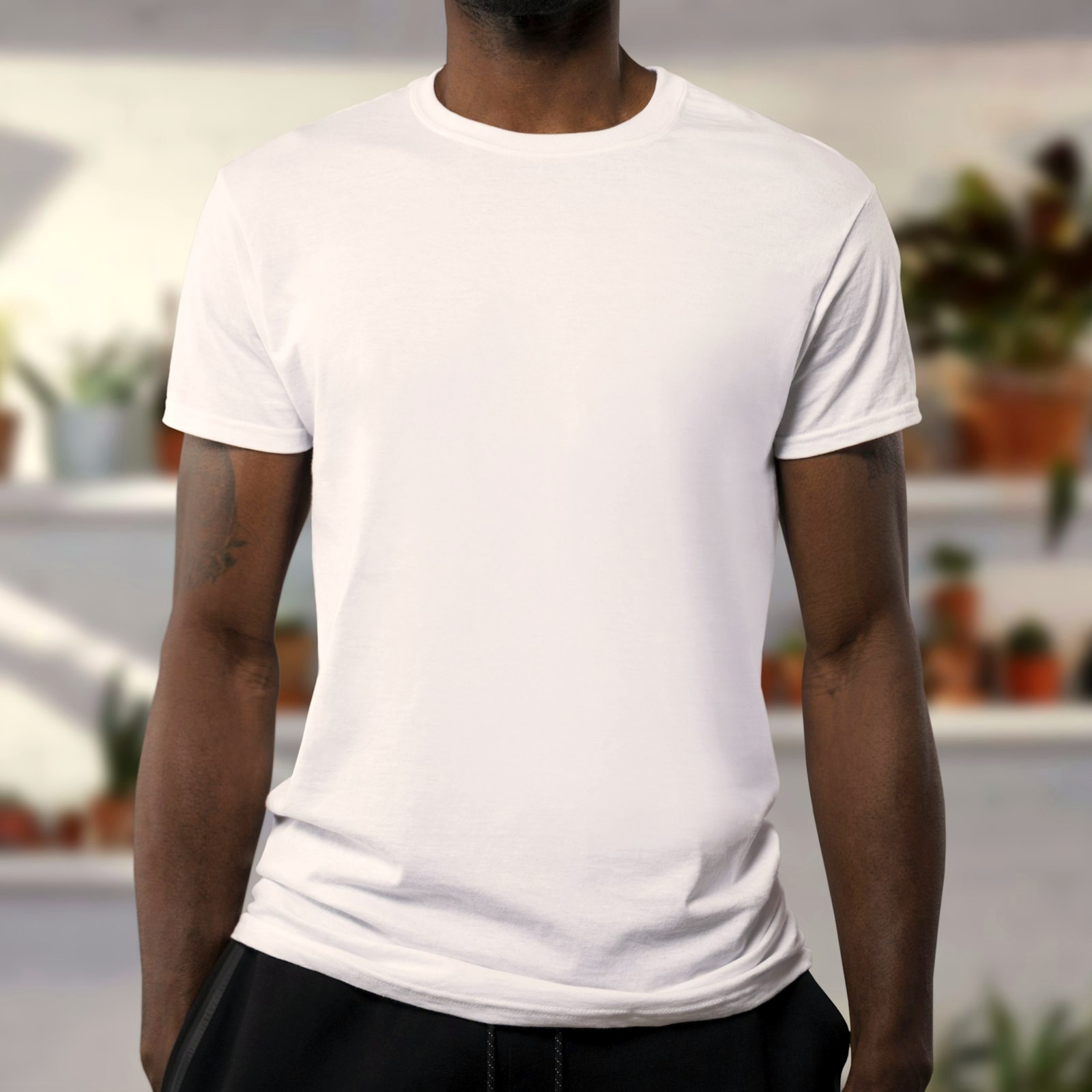
US prices at last check: the T-Shirt $65; the Oxford Shirt $130; the range runs $45 to $490.
The call: keeps its standing 92 and wins the page: the cost breakdown remains the most complete receipt in menswear, and on a page graded on disclosure, the house that publishes what each part of the garment costs out-discloses even the house that publishes where its cloth was born.
Carded on the family split of 28, 19, 20, 12 and 13, the ruling printed above and on its own page; the Scandinavian ranking prints the same 92 in different rows, and the family pages follow the family split. Against the anchor the contrast is the page in miniature: mfpen publishes the cloth's provenance, Asket publishes the garment's accounts, and the summit goes to the fuller record. The permanent range also answers the anchor's scarcity from the other side: nothing here sells out because nothing here is a found cloth, and the trade is printed rather than hidden. Buy the T-Shirt first and read its breakdown before the anchor's hierarchy, because the two documents together are the standard this cluster is graded against.

Our Legacy
US prices at last check: the Borrowed Shirt $371; the range runs $110 to $900.
The call: the anchor's method as one ingredient among many: deadstock and surplus cloth run through a big, pulsing main line, washed silk beside boxy tailoring, at designer prices the anchor's shirting core undercuts.
Its standing 86 and rows (27, 18, 16, 11, 14) are reproduced from its own page in this series, where it was carded as the anchor and audited in the open. The kinship is real and so is the difference: at Our Legacy, found cloth is a texture the season uses; at mfpen it is the entire supply chain, with the hierarchy printed and the stock held minimal. The Borrowed Shirt remains the cluster's signature garment and its price, $371 at last check, is the anchor's value argument made by somebody else. Buy it for range, strangeness and the best shoulders in the cluster; buy the anchor when the provenance itself is the point.
Norse Projects
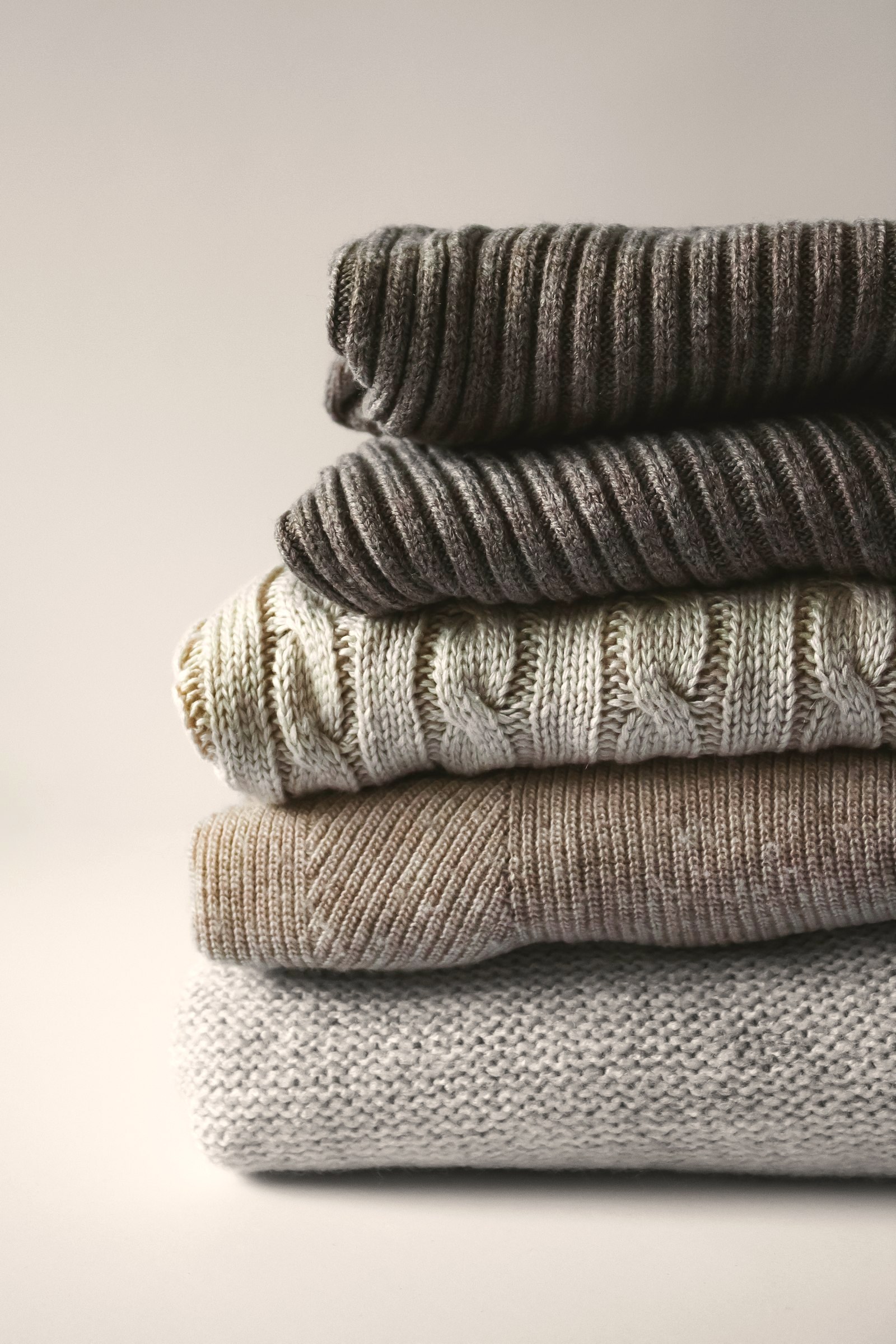
US prices at last check: the lambswool crewneck about $250; the range runs $90 to $700.
The call: the same city answered with a programme instead of a roll of found cloth: mill countries named, gauge in print, fits named and held for a decade, one point behind the relative and one ahead of the anchor.
Its standing 85 and rows (24, 17, 18, 12 and 14) are reproduced from its own page in this series, where the score was audited in the open. Read the two Copenhagen answers side by side and the page's argument sharpens: Norse wins the fit row, 18 to 16, because a standing programme can hold sizes the way a deadstock house structurally cannot; mfpen wins the fabric row, 25 to 24, because provenance printed as a hierarchy beats provenance printed as a mill country. Neither house is confused about what it is. Buy the lambswool crewneck if the wardrobe is a system; buy the anchor if it is a collection of cloth with pasts.
mfpen
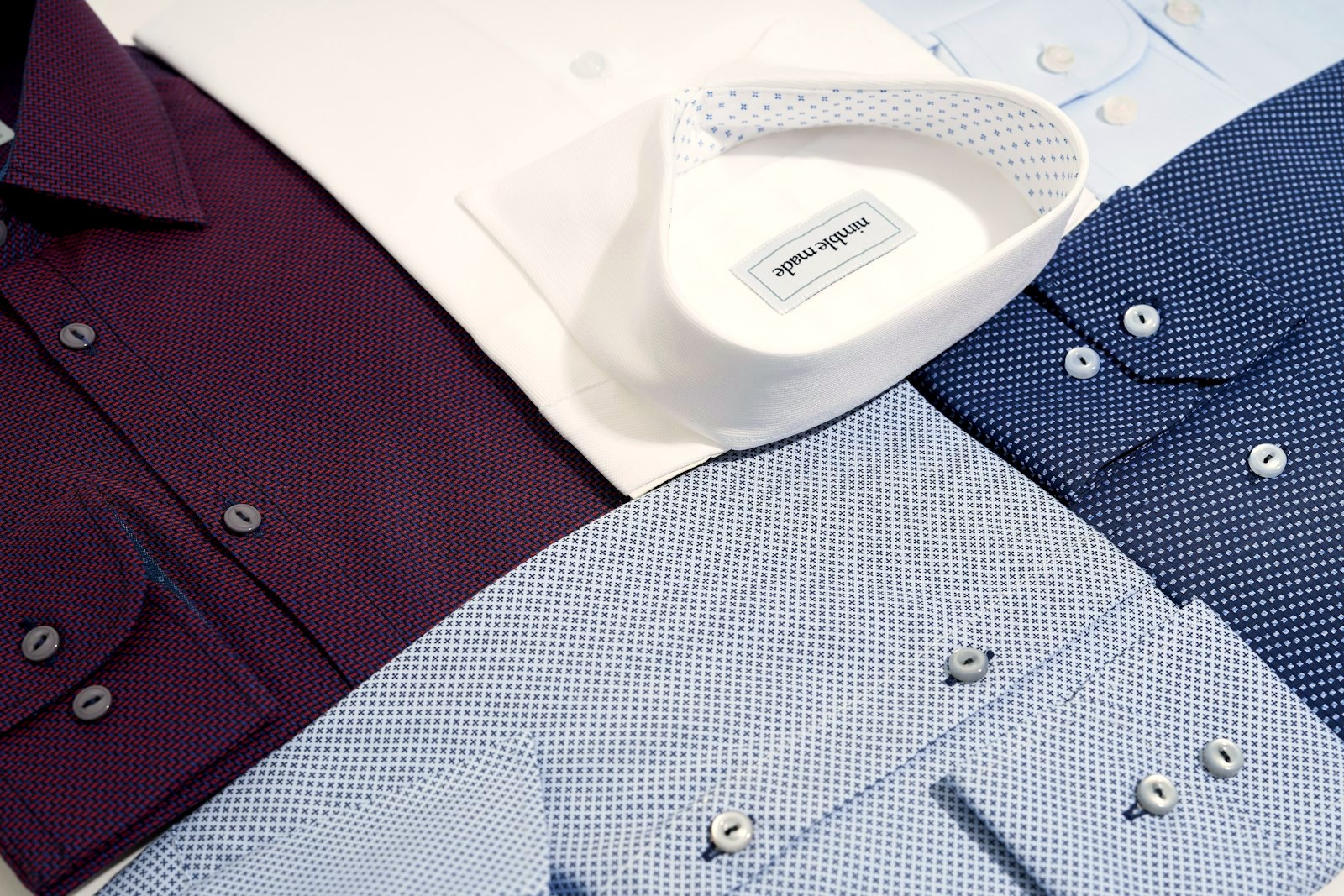
Price checked today on the maker's own store: shirting 1,700 to 2,150 kroner, about $250 to $320; the Examination Shirt read $180 to $260 at US retail when the ranking set the score.
The call: the anchor, at its standing 84 from our Scandinavian ranking, audited in the open above: a whole house built from European deadstock under a hierarchy the maker prints and defines, tailored calm at honest scarcity.
Founded in Copenhagen in 2015 by Sigurd Bank, the house works the way its hierarchy reads: surplus cloth from Italian and Portuguese mills first, the run sized to the roll, minimal stock held against overproduction, and when the cloth runs out the garment is gone, which the house treats as a fact of the method rather than a marketing countdown. The catches are the ones its scoring page prints and this audit confirms: the size range stays narrow, distribution is still catching up, and the maker's own prices have drifted above the band the ranking recorded, outerwear first. None of it moves the 84 today. The Examination Shirt is still the verdict piece: the cloth's provenance is the luxury, and no other house on this page sells exactly that.
Forét
Prices checked today on its rail at END.: shirts 1,350 kroner, about $200; tees 540 kroner, about $80; the canvas jacket 3,510 kroner, about $520, and the rail is marked down 25 to 55 percent at this check.
The call: scored new on this page, derived in the open from the record read for it: Copenhagen's soft-outdoor answer, the responsible-materials argument at attainable prices, with the standard named for the core rail and the hedge printed beside it.
The rows, argued. Fabric 21: GOTS organic cotton and recycled materials are named on the named products on its stockist rail, and the design policy prioritises mono-fibre cloth so the garment can be recycled at the end; the charge is the hedge in its own record, third-party certification wherever possible, which means the standard is named for the core and not licensed per garment, and that gap is most of the distance to the anchor's 25. Construction 13: production 97 percent European, as its published profile prints, countries rather than named benches, and nothing published on seams or repair beyond the production claim. Fit 15: a standard range in relaxed outdoor cuts, with measurements carried by stockists rather than the house. Value 11: list prices sit inside the attainable band, and the rail at its biggest stockist is marked down 25 to 55 percent at this check, so the list price is a number the channel itself contradicts; the rows are graded on list, with the markdown printed, the gentler version of the checkout-discount problem this series charged to Gap. Longevity 10: durability is a stated design aim and mono-fibre is a real end-of-life argument, against seasonal collections, motto graphics that date, and no published repair programme. The rows sum to 70, and the tie with COS below is ruled on the fabric row, 21 to 20: on a page graded on cloth records, the house that names its standard beats the house that prints its compositions in group cloth.
COS
US prices at last check: tailored trousers $99 to $150; tailored shirts $99 to $135.
The call: the cleanest shapes per dollar in the cluster, printed in group cloth: the silhouette is designed like a small house's and sourced like a conglomerate's, and the tie at 70 is lost to Forét on the fabric row.
Its standing 70 and rows (20, 14, 16, 12 and 8) are reproduced from its own page in this series. Set against the anchor, COS is the control group for this page's test: compositions are printed per garment, which is more than the skip manages, and the recycled and organic shares are reported at group level, which is less than a standard named on the garment's own record. The shapes remain the best value in the cluster for a reader who wants the mfpen register at a third of the price and accepts the cloth as the compromise. Buy the wide trouser and the tailored shirt; read the composition before the campaign copy, because on this label the composition is the honest document.
Zara
US prices at last check: the core rail from about $50; tailored pieces to $230.
The call: keeps its standing 48 from its own page in this series, and finishes last on this page's test: the banner claim its group printed on the garments, retired from the garments in 2023 and kept as an internal standard the customer cannot check.
The score is not re-derived here; the rows (13, 8, 15, 9 and 3) are the brand's own record from its page, fit the best of them because the pattern library and the speed are real skills, fabric and longevity what those skills are spent on. What this page adds is the claims comparison, and it is printed as this page's own charge. The group's Join Life label marked garments meeting thresholds of preferred raw materials, preferred being defined by the house, Better Cotton and recycled shares among them; in the group's 2023 reporting the label was discontinued as a consumer-facing mark and kept as an internal standard. Fairness, in full: the group's preferred-fibre commitments are real, reported at group scale, and compositions are printed per garment, which is why the score is 48 and not the floor. But set the two documents side by side and the page's test decides it: the anchor prints a hierarchy whose steps are named third-party standards and a definition of its key term with a guardrail against gaming it, on the maker's own site, where a customer can read it before buying. The skip's claim was a label whose criteria lived in a report, and the label has now left the garments entirely. Skip it, and buy the register a tier up, where the claim can be checked.
The pattern under the ranking
Read the ladder as a disclosure gradient and the scores explain themselves. At the top, records a stranger can audit: a cost breakdown per garment, a cloth programme with mills' countries in print, a hierarchy with its key term defined and guarded. In the middle, records that are real but thinner: a standard named for the core rail with a hedge beside it, compositions printed in group cloth. At the bottom, a claim that was printed on the garments until it wasn't, maintained now where only the claimant can see it. The fabric row tracks the gradient almost exactly, which is the point of the page: in this cluster, the score is the paperwork.
The second pattern is scarcity, priced two ways. The anchor's scarcity is structural: the cloth is finite, the run ends, the stock is held minimal on purpose, and the price, $180 to $260 for the verdict shirt at the ranking's check, buys a garment whose supply story is printed. The cluster's other scarcity is theatrical: drops, capsules and countdowns over cloth that could be reordered tomorrow. The audit found the anchor's prices drifting upward on its own store, and printed it, because the moment found-cloth pricing becomes drop pricing, the method and the theatre trade places. That drift, not a rival, is the thing most likely to move mfpen's score, and it is why the re-audit commitment names it first.
mfpen and its alternatives, at a glance
| Brand | Score | The piece to buy | Price |
|---|---|---|---|
| Asket | 92 | The T-Shirt | $65 |
| Our Legacy | 86 | The Borrowed Shirt | $371 |
| Norse Projects | 85 | The lambswool crewneck | About $250 |
| mfpen | 84 | The Examination Shirt | $180 to $260 |
| Forét | 70 | The Scout check shirt | 1,350 kroner, about $200 |
| COS | 70 | The wide trouser | $99 to $150 |
| Zara | 48 | None | From about $50 |
The one to skip: Zara. Not for the silhouette, which its pattern library renders better than houses with ten times the conscience, and not on a fraud charge this page does not make: the group's fibre commitments are real and its compositions are printed. Skip it on this page's test, which is checkability. A sustainability claim the customer cannot verify from the garment's own record is a campaign, and when the campaign's label is retired to an internal standard, the customer is left holding the assertion with no document attached. The anchor's whole appeal is the opposite arrangement: the document is the product. Buy the look where the paperwork survives reading.
Which one to buy
Buy Asket if the receipt is the luxury: the fullest disclosure in menswear, a permanent range, and the summit of this cohort at 92.
Buy Our Legacy if you want the deadstock thread with range and a pulse around it, and the cluster's signature shirt.
Buy Norse Projects if the wardrobe is a standing programme: named mills, printed gauges, fits that hold for a decade.
Buy mfpen if the cloth's provenance is the product: the Examination Shirt, cut from a roll that will not be reordered, under a hierarchy you can read before you pay.
Buy Forét if you want the responsible-materials record at attainable prices, and you catch the rail at its honest, marked-down level.
Buy COS if the silhouette matters more than the cloth's biography, and you read compositions instead of campaigns.
Skip Zara on this page's test: a claim that left the garments is a claim you cannot check, and the register is done better, with paperwork, one tier up.
Questions, answered
What brand is most like mfpen?
Our Legacy, at 86, is the nearest relative: the same surplus-cloth thread runs through its main line as one ingredient among many, with a pulse mfpen deliberately refuses. Norse Projects, at 85, is the same city answered with a standing programme instead of found cloth. Forét, derived new on this page at 70, is the attainable answer: responsible materials with the standard named, at Copenhagen prices a student can reach. Asket, at 92, is the summit of the whole cohort. The anchor's own verdict piece is the Examination Shirt: deadstock cloth, tailored calm, a run that ends.
Is mfpen worth the money?
At its standing 84, audited in the open on this page, yes for the shirting core: the whole collection is built from European deadstock under a hierarchy the maker prints and defines, with GOTS and RWS named when the hierarchy descends, and minimal stock held against overproduction. One pressure is printed honestly: the maker's own store now prices shirting at 1,700 to 2,150 kroner, about $250 to $320, above the band our Scandinavian ranking recorded, and coats reach 7,300 kroner. The value row holds on the shirts; the drift is the re-audit's first watch item.
mfpen or Our Legacy?
Two points apart and philosophically opposite. Our Legacy scores 86 (27/18/16/11/14): the bigger cloth programme, Portuguese cottons named, deadstock as one fabric source among many, seasonal drops with a pulse. mfpen scores 84 (25/17/16/12/14): deadstock is not an ingredient, it is the house; the hierarchy is printed, the stock is minimal, and the value row is a point ahead because the shirting core undercuts the Borrowed Shirt. Buy Our Legacy for range and strangeness; buy mfpen if the cloth's provenance is the product you actually want.
How does the anchor finish fourth on its own page?
Because a family page reproduces standing scores instead of flattering the anchor. Asket's 92, Our Legacy's 86 and Norse Projects' 85 were set on their own pages and in the Scandinavian ranking, and the anchor's 84, audited in the open here, lands beneath all three: the deadstock method buys the best provenance in the cluster, and the narrow range, the per-garment mill named only as a country, and outerwear prices that have drifted past the printed band cost the points. Fourth at home is the honest result, and the audit is printed so the arithmetic can be checked.
Why is Zara the skip?
Zara keeps its standing 48 from its own page in this series, rows 13/8/15/9/3, and on this page's test it finishes last for a claims reason: its group's Join Life label, the consumer-facing mark for garments meeting house-defined preferred-material thresholds, was discontinued as a consumer label in the group's 2023 reporting and kept as an internal standard. The group's preferred-fibre commitments are real and reported, and compositions are printed per garment; what failed here is checkability. The anchor prints the standard's name and the cloth's origin on the record. The skip's claim lived in a report, and the label that carried it has left the garments.
How this ranking stays honest
Every score on this page has a home. Asket's 92, Our Legacy's 86, Norse Projects' 85 and COS's 70 were set on their own pages in this series and are reproduced here exactly, rows included; the anchor's 84 stands from our Scandinavian ranking and is audited in the open above, rows rebuilt from the maker's published record, with the re-audit commitment and its first watch item printed. Forét's 70 is the one score derived new on this page, argued row by row on its card from the record read for it, and the tie it creates with COS is ruled on the fabric row and printed on both cards. Zara's 48 is its standing score from its own page, reproduced exactly; the claims charge on its card is this page's own and is labelled as such, with the fairness record printed beside it. H&M's Conscious line is engaged in prose as a claims comparison only: its brand record is maintained on its own page, is not restated or reopened here, and no garment of its ranges is scored on this page. Houses cited in prose, Auralee, Lemaire, Studio Nicholson, Sunspel, Houdini, Another Aspect, NN07, A Day's March, Séfr, Tiger of Sweden, Filippa K, Samsøe Samsøe, Acne Studios, Peak Performance and Moncler, keep the numbers their own pages set; Evan Kinori is named without one, because this magazine has not scored it yet. Our cool brands page scores mfpen 82 on a design-language ruler; that number belongs to that ruler and appears nowhere in this ranking.
Doors follow the deep-link rule: the exact garment where a card names one (Asket's T-Shirt, Our Legacy's Borrowed Shirt at Farfetch), the maker's standing search or department door where that is the door the scoring pages print (Norse Projects, mfpen, COS), and the stockist rail where the house was read for this page (Forét at END.). The SKIP ships with no buy link, by the standing rule. Photography: every frame is from this magazine's credited bank, none shows a ranked house's garment, and the captions say so; the bank holds no Copenhagen street frame, no deadstock roll at macro range, and no Examination Shirt on a body, and those three frames are on the standing harvest list rather than faked. Prices and records were checked against the pages cited in October 2026; the full method is written out on the methodology page.