

The culture the house came from, photographed as itself: Stüssy began as a signature written on surfboards in Laguna Beach, and the board under the shoes is the root document of everything ranked below. The ranking is built from the makers' published records cited on the page, and no garment by any ranked house is pictured. The photography gaps are printed in the honesty section below.
Checked and updated October 2026
The short answer: brands like Stüssy are graded here on whether they learned the anchor's actual lesson, which is not the logo. It is permanence: the same basics, at standing prices, in stock, for four decades, while the field built its economics on the drop. The anchor, Stüssy, stands at 73 on our Aimé Leon Dore and Noah pages; this page reproduces its standing rows exactly, argues them in the open, labelled derived wherever they appear, and joins the audit queue behind the number. Stüssy finishes third, behind Carhartt at 79 and Noah at 78, and ahead of Fear of God and Aimé Leon Dore at 68, Amiri at 64 and the skip, Represent, at 60. The anchor's own record carries the ladder's sharpest split verdict: the cheapest honest base layer in the field, and the thinnest afterlife, a seven-day returns window on the maker's own United States policy.
What people actually want from Stüssy
Nobody searches for brands like Stüssy because they need another graphic tee. The want underneath the search is the original instrument without the machinery that grew up around its descendants: the uniform of tees, fleece and caps that streetwear was built from, sold the way the anchor still sells it, off a permanent rail at standing prices, rather than through a drop calendar, a raffle or a resale listing at three times retail. The searcher wants either the anchor itself confirmed as still worth buying, or the descendant that kept the permanence and dropped the theatre.
That want has two failure modes, and they are the rest of this ranking. The first is scarcity theatre: the silhouette the anchor normalised, sold back at designer prices or through engineered unavailability, so the price is built from absence rather than cloth. The second is logo rental: the mark as a membership badge, printed on garments whose cloth and construction would fail any shelf in this magazine, sold to buyers renting belonging by the season. Three tests separate the field. Is the core line permanent and in stock, or does it vanish on a calendar? Is the price built from the cloth and the making, or from the drop and the badge? And does anything stand behind the garment after the sale, a repair bench, a resale door, a returns window wider than a week? The anchor passes the first two by four decades of habit. The third it fails in the open, and this page prints the failure at the same size as the praise: the house that taught the field permanence keeps almost none of it in its own paperwork.
How the scores work
Every brand is graded out of 100: fabric and cloth out of 30, construction and craft out of 20, fit range and sizing honesty out of 20, value out of 15, longevity out of 15. The anchor's 73 is a standing total set as an entry on another page of this series, and this page treats it the way this series treats any number that arrives from an entry rather than an audit: the rows that stand are reproduced exactly and argued in the open, labelled derived, and the page joins the audit queue behind the number rather than claiming one. Standing scores set elsewhere are reproduced exactly and are never re-tried on a page that is not theirs.
The standing rows, argued one by one against the maker's own current record, read live for this page: the basics and fleece collections, the Basic Tee's own product page, the chapter directory, the refund policy and the terms of service, all on the maker's own United States store. Fabric 20: the row is the field's argument about specification, and the anchor's paperwork is garment-level and plain. The Basic Tee's own product page prints the whole record: relaxed fit, midweight 6.5 ounce cotton jersey, ribbed crewneck, the basic logo screenprinted at left chest and back, 100 percent cotton, imported. That is an honest specification and it is the only kind the house publishes: no fibre programme at house level, no cloth developed with a mill, no knitwear end like the sibling's Shetland and Donegal rail, which is why the row stands below Noah's 24, Aimé Leon Dore's 24 and Fear of God's 25, and above the line's 16 and the skip's 18, because midweight cotton jersey, specified in ounces where the garment is sold, is a better cloth record than a badge on an unspecified blank. Construction 14: cut-and-sew basics finished to be worn rather than collected, the ribbed crewneck and the screenprint standing as the product page prints them, and nothing published behind the seams: no construction programme, no atelier story, no repair bench, which holds the row level with where the Aimé Leon Dore page set it and below every house on this ladder that publishes its making. Fit 17: the joint widest honest range in the field, and the row the anchor's model earns outright. The tee runs XS to XXL on its own product page; the rail behind it runs fleece, denim, outerwear and headwear at standing prices; and the maker's own chapter directory prints some thirty chapter stores, the United States doors on Prince Street and Lexington Avenue in New York, on Imperial Street in Los Angeles, at Santa Ana and Honolulu among them, a physical range no other house on this ladder matches. The limit is printed with the range: at this check the black Basic Tee showed its edge sizes sold through, XS and XXL out with the middle sizes in, so the rail is living stock rather than a guarantee, and the row stands at 17 on the range and the doors, not on a promise no rail keeps. Value 12: the arithmetic is the anchor's whole reputation, and this check found it intact. The Basic Tee stands at $45, the long-sleeve at $55 and the three-pack at $38 on the maker's own basics collection, unchanged from the figures this site printed when the score was set; the Basic Crew stands at $120 and the fleece hoodies at $130 to $150. No house on this ladder sells the base layer cheaper, and the prices are standing prices, not a promotion week's weather. What holds the row at 12 rather than the register's perfect marks is printed on the anchor's own card below: the cloth is midweight and the afterlife is thin, so the honest price buys an honest basic and nothing behind it. Longevity 10: the split fact at the centre of this page, and the argument runs both ways at full strength. For the row: a house founded in 1980 that has sold the same basics, in the same design language, at the same real prices for over four decades has the longest demonstrated permanence in this field, longer than any programme, because the programme is a promise and this is a record. Against it: the paperwork is the thinnest on this ladder. The maker's own United States refund policy allows seven days from receipt to return an item, by mail only, new with tags, shipping non-refundable; the store offers no exchanges, return and re-order instead; Nike, limited-edition and special-collaboration sales are final. No repair programme is published anywhere on the maker's store. No resale, trade-in or take-back door is published. No warranty is published, and the terms of service sell the site and its contents as is, warranties disclaimed to the maximum extent the law allows. The only defect language in the maker's published legal text stands on its European store's legal page, and it limits the house rather than the buyer alone: no responsibility for damage after an item has been worn, used or washed, and a manufacturing defect routed to the support team with the original tags attached. The row holds at the standing 10 because both halves are true at once: the garment's life is carried by the cloth, the culture and the house's refusal to discontinue it, and none of that is a programme a buyer can invoke. The rows sum to the standing 73, and the argument commits to this: if the maker publishes a repair programme or widens the seven-day window, longevity is revisited first, upward, because the paperwork is the row's whole deduction; if the basics rail's prices move off their standing figures or the permanent rail starts running on a drop calendar, value and fit are revisited downward before any other row, because permanence is the score's whole case.
The bookkeeping on this page, in full. The anchor's total has two homes before this page, the Aimé Leon Dore page, where it was set new at 73 as a neighbour entry, third of seven, and the Noah page, where it was reproduced exactly, rows intact, fourth of seven; the two appearances agree at 73 and on every row, and this page is the number's first anchor treatment. A split exists in the tree, so this page reproduces it exactly: the situation is the reverse of the Cucinelli page's, where no split existed and one had to be derived to sum, and the same as the Loro Piana, Zegna and Luca Faloni pages', and the page prints the apparatus rather than borrowing a neighbour's. One deliberate non-seating is printed rather than smoothed: Fear of God Essentials stands at 65 as a line, fabric 16, construction 12, fit 16, value 11, longevity 10, scored as a line on the Fear of God page and carded there and on the Amiri and Represent pages; on this ladder the house already holds a seat, the ladder seats seven, and the line is therefore cited at its standing number inside the house's own card below and in this paragraph, its rows and its status untouched. The tie at 68 is ruled on the fabric row, Fear of God 25 to Aimé Leon Dore 24, as the Luca Faloni page ruled its tie at 90, and printed on both cards. The skip's 60 is a standing audited score from its own page in this series, reproduced with its rows; the charge beside it is its own audit's, restated here and labelled as such.
The rest of the field, rested in prose with their standing numbers untouched, because a card here would re-try a score set elsewhere. Kith rests at 71, set on the Aimé Leon Dore page and reproduced on the Noah page, the retail machine: the closest operation to the anchor's chapter model run as a drops-and-collaborations business, its linked $75 tee sold out in every size when this series last read it. Awake NY rests at 64, set new on the Aimé Leon Dore page, the Queens telling of the anchor's own story, community capsules at about $60 a tee. Supreme is discussed unranked, the descendant that turned the anchor's language into the drop model entire; this site has never scored it, and the anchor's page is not where that number gets invented. Each rested house keeps its number and its rows exactly as set, and none is re-argued here.
The disclosure ledger: what the record publishes
Fabric and construction are the rows a halo can be talked into, so the record behind them is printed here in full, as the makers publish it. The audit status of each row is printed with it.
| Brand | Fabric, as published | Construction, as published |
|---|---|---|
| Carhartt | 22, audited on its own page in this series. The heavy cotton duck of the work rail, specified as workwear on the maker's own category pages, the cloth the street borrowed its patterns from. | 16, audited. Built to the work standard the house publishes, and a repair bench stands behind the garments, counted at its audit alongside the Reworked resale programme. |
| Noah | 24, audited on its own page in this series. Heavyweight fleece as the house cloth, recycled cotton tees knit and sewn in Los Angeles, pocket tees made in the United States since 2020, Shetland and Donegal knits at the seasonal end. | 16, audited. The core finished to be kept rather than cycled: fully fashioned knits, box-stitch reinforcement on the rugby, horn buttons and a Bemberg lining where the line tailors. |
| Stüssy | 20, standing on the Aimé Leon Dore page and argued on this page. The garment facts on the maker's own product pages: the Basic Tee in midweight 6.5 ounce cotton jersey, 100 percent cotton, screenprinted at chest and back, imported; no house-level fibre programme published anywhere on the maker's store. | 14, standing on the Aimé Leon Dore page and argued on this page. Honest cut-and-sew basics, a ribbed crewneck on the tee; no construction programme published, and no repair service standing behind the seams. |
| Fear of God | 25, audited on its own page in this series. Sculptural cloth at designer specification: the linked coat in double weave virgin wool with elastane and polyamide, published on the maker's own product page. | 17, audited. Tailored in Italy, cupro Bemberg lining, a centre-back slit and the house's four-stitch label, as the maker's own product page prints them. |
| Aimé Leon Dore | 24, audited on its own page in this series. Open knit Italian linen melange on the linked crewneck, 100 percent linen, dry clean only, as the maker's own product page publishes it. | 16, audited. Ribbed collar, cuffs and hem and a branded woven label loop on the linked knit; the uniform finished as café clothing rather than tailoring. |
| Amiri | 23, audited on its own page in this series. Italian stretch denim on the MX1, hand-distressed and repaired with pleated suede, made in the USA, as the maker's own product page prints it. | 15, audited. Classic five-pocket construction with hand finishing, spot clean only: the making published as a process, the care published as a warning. |
| Represent | 18, audited on its own page in this series. 480gsm loopback cotton on the Owners Club Hoodie, piece dyed and pre-shrunk, made in Portugal, verified on the maker's own product page at this check. | 12, audited. A Cobrax popper hood and ribbed trims on the flagship; the published specification is the construction's whole argument. |
Seven brands like Stüssy, ranked

Carhartt
US price at last check: the Iconic J01 Duck Detroit Jacket $129.99 at the maker's store, the figure the maker's own resale store prints as the new price at this check.
Audited in this series at 79, on the canonical family split its own page prints, and the root of everything below it: the chore coat, the duck jacket and the double-knee pant were work patterns before they were street patterns, and the anchor's whole visual language is this rail, softened. What seats it first on the anchor's own ladder is the afterlife, the fullest in this field and the standard the anchor is measured against on its own page: its audit counted a working repair bench and the Reworked resale programme, a house standing behind garments it sold as tools. The streetwear version of this inheritance is sold by the maker's other arm at other prices, a garment this magazine has graded at 69 in the open against the mainline's $129.99; buy the mainline, at the maker's own store, where the door above stood live at this check.
Noah
US prices at last check: the Classic Pocket Tee $58; the Core Classic Hoodie $168 at the maker's store, both re-read on the maker's homepage shop at this check.
Audited in this series at 78: first derived at 77 on the Aimé Leon Dore page, then audited on its own page, where one row moved, because a programme the derivation never looked for stands on the maker's own journal, and longevity rose to the highest mark on this ladder. The sibling is the anchor's inheritance with the paperwork done: heavyweight fleece, recycled cotton tees, a core line held in stock on purpose at $58 and $168, prices re-read on the maker's own shop today, against a seasonal range that turns over and is charged for it in the fit row. The five points between the sibling and the anchor are this page's whole argument in miniature: the anchor invented the permanence of the product, and the sibling added the permanence of the house behind it.
Stüssy
US prices at last check, re-read on the maker's own store at this check: the Basic Stüssy Tee $45; the long-sleeve $55; the Tees 3 Pack $38; the Basic Stüssy Crew $120.
The anchor, graded on its standing rows, reproduced exactly from the Aimé Leon Dore page and argued in the open above: DERIVED. The record those rows rest on, read live for this page: a basics rail whose prices have not moved, the tee at $45 in midweight 6.5 ounce cotton jersey as its own product page specifies it, sizes XS to XXL; a fleece rail at $120 to $150; a chapter directory of some thirty stores the maker prints itself, New York, Los Angeles, Santa Ana and Honolulu in the United States among them; and behind all of it, the thinnest paperwork on this ladder, a seven-day returns window on the maker's own United States refund policy, no exchanges, no repair programme, no resale door, no published warranty. The house survived every cycle by never chasing one, and the 73 is what that survival is worth as a purchase: the uniform itself, at the prices the uniform should cost, guaranteed by nothing but the fact that it has always been there.
Fear of God
US prices on the maker's own store at the audit: the 09 Classic Hoodie $595; the Straight 5 Pocket Jeans $695; the Double Breasted Lapelless Coat $2,600, the coat's price and availability re-read at this check.
Audited in this series at 68. The anchor's silhouette, the long, muted, oversized language Stüssy normalised, tailored in Italy and priced as designer clothing: the coat at the door above stands at $2,600, double weave virgin wool with a Bemberg lining, live at this check. The tie at 68 with Aimé Leon Dore is ruled on the fabric row, 25 to 24, and printed on both cards. The value row of 4 is the field's standing charge and this page does not soften it: a $595 hoodie is the anchor's garment with the scarcity left in and the permanence taken out. The same silhouette at attainable prices is the house's own second instrument: Fear of God Essentials stands at 65, scored as a line on the house's own page in this series, its Classic Hoodie at $140 and its Classic T-Shirt at $70 at its official stockist, and it is cited here at its standing number rather than seated, because the house already holds this seat.
Aimé Leon Dore
US prices at last check: logo tees $85 to $95; hoodies $190 to $300; the Linen Knit Crewneck Sweater $295 at the maker's store, re-read in stock at this check.
Audited in this series at 68, on its own page, where the audit priced the model as plainly as the cloth: near the top of this field on fabric, and graded where the drop model belongs, in the fit row at 12 and the value row at 6, with no afterlife behind the clothes, which its audit searched for on the maker's own site and printed as absent. The tie at 68 with Fear of God is ruled on the fabric row, 24 to 25. What the anchor's searcher gets here is the same uniform, navy, grey and cream, retold as café clothing at two to four times the anchor's prices: the linen knit at the door above stands at $295, in stock at this check. Buy it in the store, at retail, for the room and the ritual as much as the garment, and know that the $45 half of the same silhouette is three seats above this one.

Amiri
US prices at last check: the MX1 jean $1,090, re-read on the maker's own product page at this check; the Stack Jean $790; the MA Core Logo Tee $420 at the maker's store.
Audited in this series at 64. The cloth case is real and its own page makes it: Italian stretch denim, hand-distressed and repaired with pleated suede, made in the USA, the MX1 at the door above verified at $1,090 at this check. What the audit charged, and what seats the house sixth on the anchor's ladder, is the value row of 3, the lowest on this page: the anchor's visual language, the bandana print, the shotgun jean, the logo tee at $420, sold at prices that tax the name at luxury rates. The comparison this page exists to print sits in the paperwork: the maker's own product page allows ten days from delivery to return, three more than the anchor's seven, and the three days do not close a gap of a thousand dollars a jean. Buy the MX1 if the jean itself is the want. Buy nothing here for the mark.
Represent
US prices at last check: the Owners Club Hoodie $200 in 480gsm loopback cotton, its specification re-read on the maker's own product page at this check; the 247 DNA T-Shirt $85 in Drirelease; the 247 Pant listed at $180 at Neiman Marcus.
The skip, at its standing audited 60, and the charge is its own audit's, restated: a real cloth case in the 247 division, which specifies its fabrics like equipment, wrapped in a mainline whose arithmetic fails in public. The Owners Club Hoodie at the door above is verified at $200 at this check, 480 grams of loopback cotton on the maker's own product page, and it is priced sixty dollars above the line that sells this silhouette elsewhere on this ladder, with collaboration hoodies at $325 above it and the department stores cutting its pant from $180 toward $81 while this series watched. Against this anchor the verdict writes itself: the club sells membership in a mark, and the anchor is the mark's original, sitting on a $45 tee that has never needed a club, a drop or a premium to be wanted. The questions below print the charge in full.
The pattern under the ranking
Read the value row against the longevity row and this ladder stops looking like a league table and starts looking like three theories of what a price is. At the top, the winner sells work: Carhartt's price is built from duck cloth and a repair bench, and its longevity is a service a buyer can invoke. The sibling sells the same permanence as the anchor, the core line held in stock, and adds the house behind it, a programme found by audit; its value row carries the charge for the cloth that buys it. The anchor sells availability itself: nothing behind the garment, everything in front of it, the rail, the prices and the forty years. Below the anchor the theories invert. The designer descendant and the café version sell the anchor's language with the availability removed, and their fit and value rows carry the removal. The luxury end sells the mark at four figures and returns three more days than the anchor gives, as if the window were the product. And the skip sells the mark as a club, at prices its own retail partners cut in public, while its honest division, the training line that specifies its cloth like equipment, sits inside the same house proving the house can do the other thing when it chooses. The lesson, printed once: streetwear's founding bargain was a good garment, in stock, at a fair price, forever; every house on this ladder is graded by how much of that bargain it kept, and the anchor, with the worst paperwork in the field, kept the most of it.
The ranking at a glance
| Brand | Score | Buy | Price |
|---|---|---|---|
| Carhartt | 79 | The J01 Duck Detroit Jacket | $129.99 |
| Noah | 78 | The Classic Pocket Tee | $58 |
| Stüssy | 73, derived | The Basic Stüssy Tee | $45 |
| Fear of God | 68 | The Double Breasted Lapelless Coat | $2,600 |
| Aimé Leon Dore | 68 | The Linen Knit Crewneck Sweater | $295 |
| Amiri | 64 | The MX1 jean | $1,090 |
| Represent | 60 | None | $200 not spent on the club hoodie |
Represent, 60. A house with a genuinely specified training division and a flagship hoodie in 480 grams of loopback cotton, priced as a membership: $200 for the club hoodie, $325 for its collaborations, its own retail partners cutting its prices in public, and a value row of 6 set by its own audit. It is skipped at the foot of the anchor's ladder for the anchor's own reason: the anchor is what a mark means when it is earned by a garment kept in stock for forty years, and the club is the same mark rented by the season.
Which one to buy
Buy Carhartt if the want is the root itself, the work jacket the whole field copied, bought from the mainline at $129.99 with a repair bench behind it. Buy Noah if the uniform is wanted as a kept thing: the heavier fleece, the core in stock, the programme after the sale, at $58 and $168. Buy Stüssy for the uniform itself, the basics rail at $45, $55 and $38, sized inside the maker's seven-day window and bought without ceremony, because permanence you can re-buy is its own kind of guarantee. Buy Fear of God if the silhouette is wanted tailored, in Italian wool at $2,600, or its line at $140 for the same shape honestly priced. Buy Aimé Leon Dore if the café telling of the uniform is the want, in the store, at retail. Buy Amiri for the MX1 as a jean, never for the mark. Buy nothing from the skip's club if the garment is meant to be kept; its training line is the house's honest half, and its own page in this series says so.
Questions, answered straight
What brand is most like Stüssy?
For the same inheritance with the afterlife added, Noah at 78, audited on its own page in this series: the sibling house from the same New York scene, its core line in stock at $58 for the pocket tee and $168 for the hoodie, and a programme standing behind the clothes that the anchor does not publish. For the root the whole field grew from, Carhartt at 79, audited on its own page: the workwear the street took its patterns from, with the ladder's fullest afterlife, a repair bench and a resale programme, and the Detroit jacket at $129.99. For the anchor's silhouette carried upmarket, Fear of God at 68, its Essentials line standing at 65 scored as a line, and for the café telling of the same uniform, Aimé Leon Dore at 68, audited on its own page. The anchor's own emblem purchase is the Basic Stüssy Tee at $45, midweight cotton jersey as the maker's own product page prints it, bought at the maker's own store, where the basics have stood at standing prices for four decades.
Is Stüssy worth the money?
At 73, the answer is yes at the base layer and carefully above it. The basics are the case: the Basic Tee at $45 in 100 percent cotton at 6.5 ounces, the long-sleeve at $55, a three-pack at $38, the Basic Crew at $120 and fleece hoodies at $130 to $150, prices this check found unchanged from the figures this site has printed since the Aimé Leon Dore page set the score. No house on this ladder sells an honest base layer cheaper, and the design language has outlasted every cycle the field has run since 1980. What the money does not buy is printed just as plainly: the maker's own United States refund policy allows seven days from receipt, mail only, with no exchanges; no repair programme, resale door or published warranty stands behind the garments; and the seasonal rail above the basics is priced as fashion, not as basics. Buy the permanent rail without ceremony. Treat the seasonal pieces as what they are, and size them inside the week the maker gives you to change your mind.
Stüssy or Noah?
Five points apart, and the fork is the afterlife. Noah at 78, audited on its own page in this series, is the anchor's inheritance carried by a house that publishes its responsibilities: heavier fleece, recycled cotton tees made in Los Angeles in part, a core line held in stock on purpose, and a programme standing behind the garments after the sale, which is where its audit found the point that moved its longevity row. Stüssy at 73 is the original instrument: the wider rail, the lower prices, the chapter stores on four continents, and nothing behind the garment but the cloth and the culture. The rows divide them exactly. Noah wins fabric, 24 to 20, and longevity, 15 to 10; the anchor wins fit range, 17 to 14, and value, 12 to 9, the $45 tee against the $58 pocket tee. Buy Noah for the garment as a kept thing. Buy Stüssy for the uniform itself, at the prices the uniform should cost, and keep the difference.
Why are Stüssy's rows labelled derived?
Because the number was set as an entry, not by an audit of the house. The 73 was first published on our Aimé Leon Dore page, where Stüssy ranked third as a neighbour and the score was set new on that page from the maker's published record, and it was reproduced with its rows on our Noah page. No audit of the house stood behind either appearance, so the label derived travels with the rows wherever this page states them, and this page joins the audit queue behind the number. The situation is the Loro Piana, Zegna and Luca Faloni pages', not the Cucinelli page's: a total and a split both stand in the tree, so this page reproduces them exactly, argues each row in the open against the maker's own current record, the basics and fleece rails, the product pages, the refund policy, the terms and the chapter directory all read for this page, and moves nothing. No Stüssy garment has been ranked on this site, so no garment score is cited as evidence here; if the maker's record ever contradicts a standing row, the audit this page queues is where that argument happens.
Why is Represent the skip?
Because its own audit in this series printed the charge, and this page does not move standing scores. Represent stands at 60, audited on its own page, rows 18, 12, 15, 6 and 9. The cloth case is real and its own page makes it: the 247 division specifies its fabrics like equipment, and the Owners Club Hoodie is 480 grams of loopback cotton, verified on the maker's own product page at this check. What failed is the mainline's arithmetic and the club built on it: the hoodie asks $200, sixty dollars above the line that sells the silhouette on this ladder, the collaboration hoodies ask $325, and the department stores cut the 247 Pant from $180 toward $81 while this series watched, the market grading the list prices in public. Against this anchor the charge sharpens, because the anchor is the original of the thing the club sells: a mark that means membership, except that the anchor's mark sits on a $45 tee that has never needed a drop, a resale premium or a club name to be wanted. Buy Represent's 247 line for training, as its own page rules. The club is the skip.
The honesty section
What this page could not verify, printed rather than smoothed over. The anchor's 73 is a standing total from two pages of this series, carrying a row split set on the Aimé Leon Dore page, reproduced exactly and argued in the open on this page and labelled derived wherever the rows appear, and never audited by this series: the word audited is not claimed for the anchor anywhere on it, and the page joins the audit queue behind its anchor in the open. The situation is the reverse of the Cucinelli page's, where no split existed and one had to be derived to sum, and the same as the Loro Piana, Zegna and Luca Faloni pages', and the difference is printed because the apparatus differs. One apparatus differs further, and it is printed too: no Stüssy garment has ever been ranked on this site, so where the Faloni page cited its anchor's graded garments as evidence, this page cites none, because none exist; the anchor's record here is the house's published record entire, rails, prices, directory and policies, and the audit this page queues inherits the garment question whole.
The anchor's maker record could be captured at this check in full, and the parts are printed as they stand. The maker's own basics and fleece collections render entire and print the prices this page argues from; the Basic Tee's own product page prints its specification entire, fibre, weight, fit and size run; the chapter directory prints the store map entire; the refund policy and the terms of service render entire, and the seven-day window, the absence of exchanges and the final-sale collaborations are quoted from the maker's own United States policy text, not from a reseller's summary. Two limits stand. The maker's United States legal page is a privacy policy and publishes no defect or warranty term, so the only defect language in the house's published legal text is its European store's, quoted on this page with its geography attached: no responsibility for damage after wear, use or washing, and a manufacturing defect routed to support with the tags attached; the page does not borrow that sentence for the American store, and the audit queue owns the question of what the American buyer is actually promised. And availability is a reading, not a state: at this check the black Basic Tee showed its edge sizes sold through with the middle sizes in, one long-sleeve colourway stood sold out on the basics rail, and the Basic Hoodie stood sold out in the colourways the fleece rail showed, which is printed here because the fit row's argument is the rail's breadth, and a living rail is what the row claims, no more. Every neighbour door on this page was re-verified live at this check on the maker's own domain, and the prices re-read where the door is a product page: the anchor's basics at $45, $55 and $38, Noah's core at $58 and $168, the Aimé Leon Dore linen knit at $295 in stock, the Fear of God coat at $2,600 available, the Amiri MX1 at $1,090, the Represent Owners Club Hoodie at $200 with its 480gsm specification confirmed. Every other score on the page is reproduced exactly from the page that graded it, with its status intact: audited where the series audited, derived where it derived, and the Essentials line cited at its standing 65 as a line, never seated and never summed into its house.
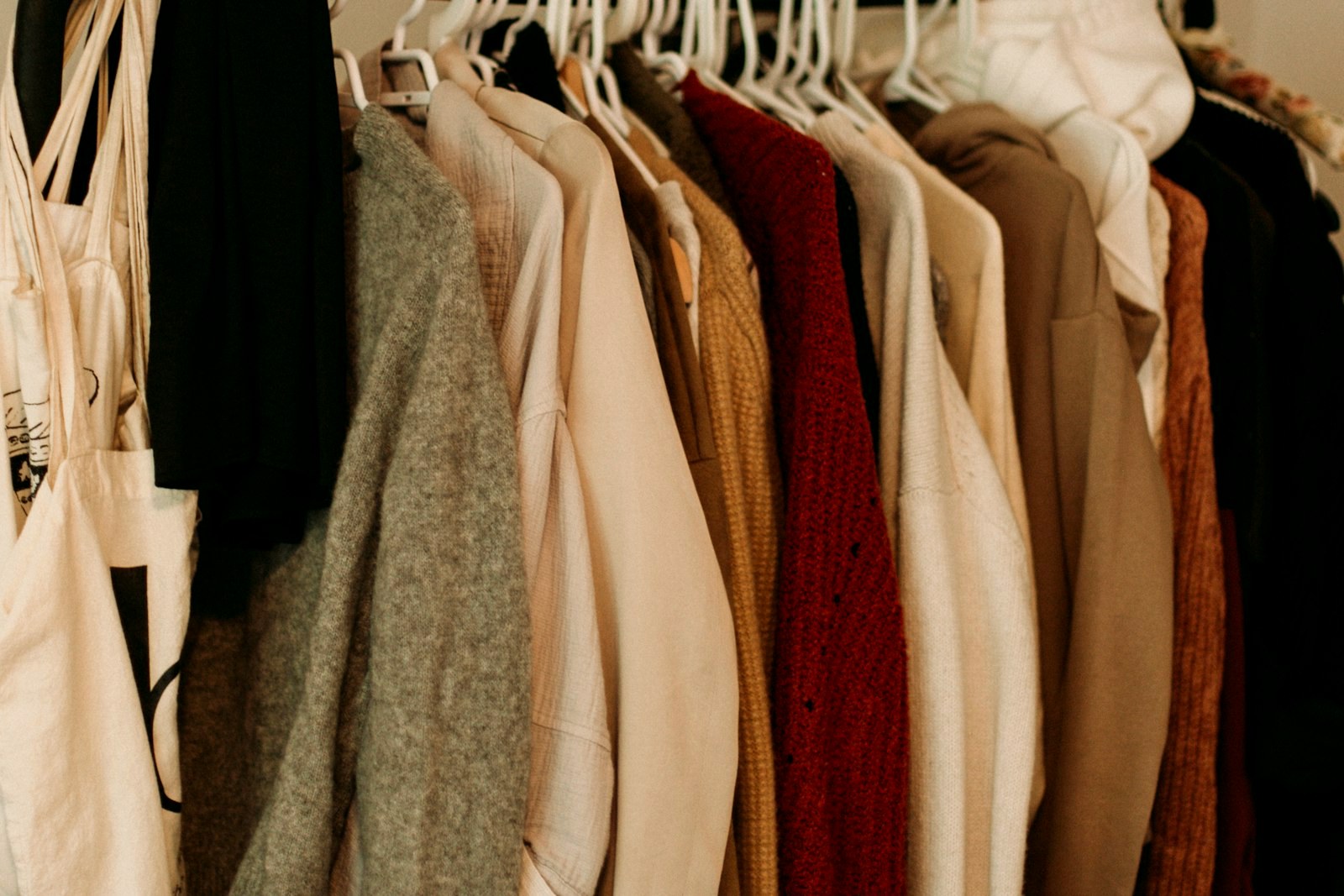
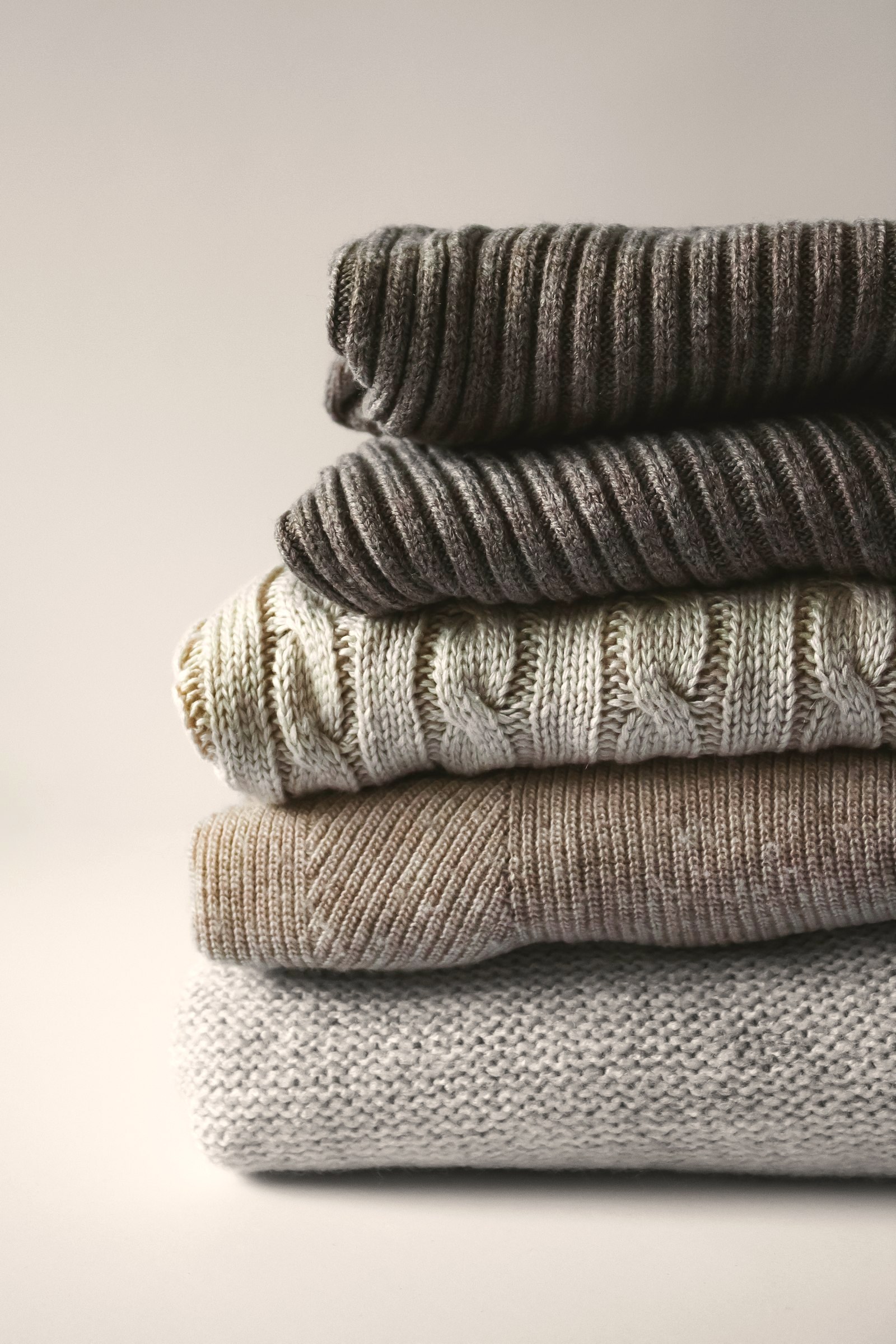
The product-photo gap, admitted as this series admits it: the bank holds no frame of any ranked house's garment, no chapter store interior, no Laguna Beach board wall, and none was staged for this page. The frames are bank street, cloth and rail frames, credited under CREDITS.md, extending the family's established assignments rather than inventing new ones for houses already placed elsewhere in this series: the anchor's card carries the tee rail its Aimé Leon Dore appearance assigned it, and the figure carries the folded knit stack its Noah appearance assigned it. The hero is the board culture the house came from, captioned as the class and not as the brand. The harvest list for this register stays open: a basics rail inside a chapter store, surfboards racked in an Orange County shop, fleece folded in a chapter window at night, each credited. Prices and data were checked October 2026; the anchor's rest on the maker's own pages read at this check, the neighbours' on the audits and pages that set them, labelled as such wherever they appear, and the doors on the live re-verifications printed above.