
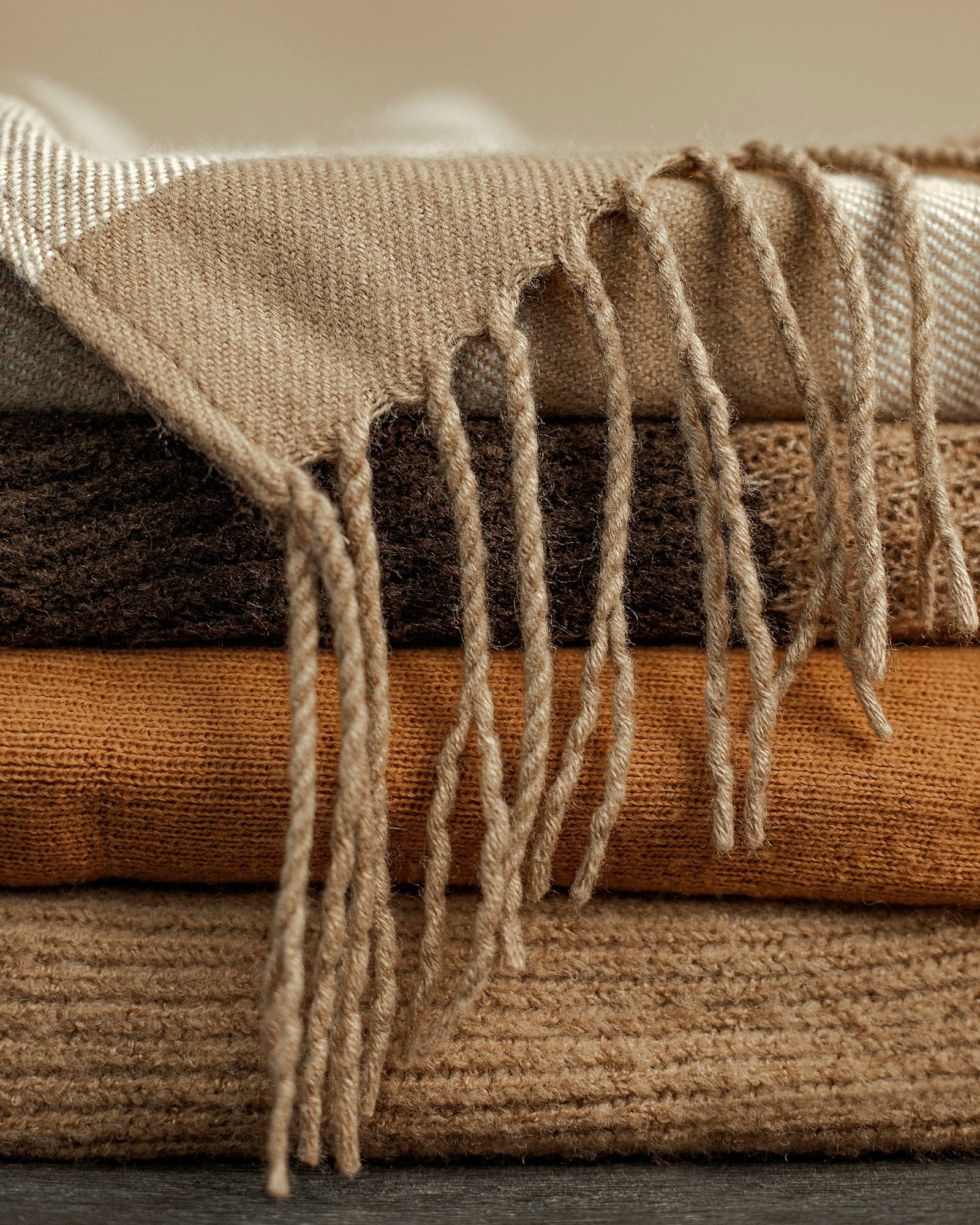
A scarf is a fibre line worn against the neck, the most skin-honest garment in the wardrobe: there is no lining, no structure and no cut to hide behind, so the cloth is the whole garment and this ranking grades it first. A note on photography, printed because this page believes in saying so: the hero is a bank frame of folded knits with a fringed scarf among them, captioned as exactly that. Our bank holds no photograph of a scarf being worn, so no ranked scarf is pictured anywhere on this page, and the frames this page actually needs head the harvest list in the honesty section.
Checked and updated October 2026
The basis: a scarf is graded on its fibre line before its fringe, because the fibre line is where this category tells its standing lie: the word cashmere, or the words cashmere-feel, attached to cloth that is short-staple, blended down, or not cashmere at all. Then the dimensions, printed in centimetres, because length and width decide whether a scarf wraps, drapes, or strangles. The winner: the Begg x Co Vier at 84, 90 percent lambswool and 10 percent cashmere woven in the maker's own mill in Ayr, Scotland, 180 by 28 centimetres, at €133.95. It is the one scarf to buy if you buy one. The skip: the Burberry Check Cashmere Scarf, scored 72 and named in the verdict box below: a genuinely fine cloth, woven for Burberry by Johnstons of Elgin, the mill ranked second on this page, and sold at $545 against the same mill's own-label cashmere scarf at $250. In between, the dress end is a printed wool and silk square's worth of width from Drake's, the rugged end is Irish lambswool at $59.95, Uniqlo sells an honest 100 percent cashmere scarf at $69.90, and the Acne checked scarf stands trial on its own published fibre split and is acquitted on the fibre and convicted on the price.
First, the decision
Every scarf argument is really three arguments, and this page settles all three before it scores anything. The first is the only question most readers actually have: if you buy one scarf, buy the Begg x Co Vier. It is ranked first below on the published evidence, and it is named here, in the first screen, because a page that buries its answer under seven cards has not answered it. Its cloth is an honest Scottish lambswool with a cashmere minority share printed to the percentage, its dimensions are the category's working standard, and its maker is a mill that has woven scarves in Ayr since 1866 and finishes them with teasels, the dried flower heads the Scottish trade has brushed cloth with for two centuries.
The second argument is fibre, and it is where this category lies for a living. Cashmere: the softest fibre and the most perishable, graded here on staple honesty: a maker who publishes a long staple or a micron count earns the cloth row, and a maker who publishes only the word cashmere earns less of it, because at the bottom of the market the word is doing the work the fibre is not. Lambswool: the workhorse, first-shearing wool, warmer for its weight than cashmere and far harder to kill; it takes the top of this ranking and the rugged fifth place, and its one honest fault, a coarser hand against a bare neck, is printed on both cards. Merino: the tailored middle, fine and springy, second on this page in a tartan weave. The acrylic impostor: the bottom rung, and the rung is not a fibre, it is a phrase. Cashmere-feel, soft-touch, cashmere-touch: on a fibre line these words mean the scarf is acrylic or a synthetic blend wearing a cashmere adjective. The habit is the fast-fashion floor's standing practice, H&M's acrylic scarves among its most familiar examples, named here in prose, unranked and unscored, because this desk does not need to buy one to grade the phrase: the phrase is the grade.
The third argument is size, settled in four lines. 180 centimetres: the working length, a full wrap and a knot with cloth to spare, the dimension both Scottish mills on this page weave to. 25 to 30 centimetres wide: the wrap-and-knot width, quiet inside a coat. 50 to 70 centimetres wide: the drape width, the Drake's register, a shawl's manners at a scarf's job, glorious over knitwear and mutinous inside tailoring. 250 centimetres: the Acne statement, two wraps and a trailing end, a silhouette bought deliberately. A scarf that publishes no dimensions at all is graded on that silence, and two cards below carry the charge.
How the scores work
Every scarf is scored out of 100 on the same five rows, and the rows are printed on every card, so the reader can disagree with the weighting and still use the evidence.
Cloth, 30 points. The fibre line as the maker publishes it: which fibre, in what percentage, with the staple length or micron count credited where a maker publishes one, and the mill credited where the weaving is the maker's own. A scarf whose fibre line is a marketing phrase rather than a split earns the cloth row its phrase deserves.
Construction, 20 points. The build as published: woven or knitted, the weave's density where stated, the finish, teasel-raised, washed, brushed, and the fringe or edging work at the ends, which is where a cheap scarf unravels first. A trademarked finish name is graded as a claim until the process behind it is described.
Fit & dimensions, 20 points. Length and width as the maker publishes them, graded against what the numbers do: wrap, drape, or strangle. A maker who publishes full dimensions earns points a maker who publishes adjectives does not, and a dimension this desk could not capture is charged on the card where it happens.
Value, 15 points. The price against the cloth it buys, at the door named on the card. A list price the maker's own channel routinely discounts is graded as the theatre it is, and the discounting is printed as evidence.
Longevity, 15 points. How the scarf ages: the fibre's known arc, pilling behaviour graded from the staple evidence rather than from anti-pill claims, the care line's ceremony or lack of it, and any repair service the maker publishes, quoted as published. A satisfaction guarantee is a returns policy and earns nothing here.
The rows sum to the score. Maker's figures are labelled the maker's figures throughout.
Seven scarves, ranked, and one sent home
Begg x Co Vier Lambswool Cashmere Scarf
The Winner · The One Scarf to Buy
€133.95 at Lund & Lund
The call: the winner is a lambswool scarf, and that is the page's whole argument in one result. The cloth is 90 percent lambswool and 10 percent cashmere, the full split published on the retailer's page from the maker's own details, woven in Begg x Co's own mill in Ayr, where the house has made scarves since 1866. The finish is the Scottish one: the cloth is brushed in the teasel tradition the Ayrshire trade is known for, raising a soft surface out of a hard-wearing yarn instead of blending a soft fibre in and watching it pill out. At 180 by 28 centimetres it is the category's working dimension exactly, long enough for the full wrap, narrow enough to disappear into a coat. It is the one scarf to buy if you buy one, and it is built like the maker expects it to be the only one you own.
The deductions are printed with the praise. Lambswool is not cashmere against a bare neck: the hand is warmer and heartier, and a reader whose skin grades scarves by softness alone should read the third card before this one. The cashmere share is a minority 10 percent, printed here at its true size rather than in the product's headline order. The care line is dry clean. And the price on this card is the named retailer's euros, €133.95, printed unconverted on this page's standing rule for prices it did not transact in dollars. The house's own store sells the line in sterling, and it publishes a revive and repair service, which is credited in the longevity row: a mill that will repair its scarves is a mill grading its own longevity in public. Ten years at €13.40 a year, €0.27 a wear.
Johnstons of Elgin Black Stewart Tartan Merino Scarf
The Vertical Mill · Woven in Elgin Since 1797
$280 at Johnstons of Elgin
The call: the mill's card, from the only vertical mill left in Scotland: Johnstons dyes, spins, weaves and finishes on one site at Elgin, as it has since 1797, and its own account of the work counts as many as 33 people touching a single scarf. The ranked garment is the house's tartan scarf in merino, which the maker describes in its own words as made with the finest merino fibres, woven in the Black Stewart sett, dry clean, folded to store. The cloth row of 25 is the highest fibre-integrity score on this page after the skip's: a single named fibre, from a mill whose sourcing standards are published, including Sustainable Fibre Alliance certified cashmere farms for its cashmere lines. Hold this card against the skip at the bottom of the page, because the comparison is the site's Logo Tax anti-award in its purest documented form: this mill also weaves the check scarf Burberry sells at $545, a fact Burberry's own heritage page prints.
The deductions are printed with the praise, and the first is a paperwork charge this desk makes against a house it admires. The maker's US product page, as this desk's checker could read it, states the fibre in words rather than a percentage line and publishes no dimensions for this scarf, so the fit row of 13 grades a tartan scarf whose length and width the reader cannot verify from the page that sells it; the November re-check owns the capture. The value row of 8 is the second charge: $280 is a serious price for a merino scarf, and it is dearer than the same mill's lambswool tartans and within sight of its cashmere class, a premium the tartan and the name carry between them. Ten years at $28.00 a year, $0.56 a wear.
COS Pure Cashmere Scarf
The Minimalist Cashmere · A Certification Wobble, Printed
$135 at COS
The call: the high-street cashmere done mostly right. The scarf is sold as pure cashmere, 100 percent, at $135 on the maker's own store, and it is cut generously: 175 by 50 centimetres on the maker's Swedish store's figures, a drape width that folds down into a coat or opens over knitwear, the most versatile dimension in the attainable half of this page. COS brings a certification apparatus the rest of the high street does not attempt, Good Cashmere Standard cashmere across its line, and the cloth row credits the attempt.
The wobble is printed because this page prints wobbles. A check of COS's own product information, reported in the Swedish press in October 2026, found the house's two accounts of this scarf disagreeing with each other: the product description extends the Good Cashmere Standard claim to the whole piece, while the material tab gives the standard to 40 percent of it, with recycled cashmere making up the account. Neither version is a lie this desk can convict, and the scarf is still 100 percent cashmere on both. But a certification that changes scope between two tabs of the same page is a claim graded as unsettled, and the cloth row of 23, high for the high street and short of the mills above it, is exactly that grade. The staple is unpublished, so the pilling arc is the short-staple one until a future check finds better paperwork. Six years at $22.50 a year, $0.45 a wear.
Drake's Navy Unicorn Print Wool-Silk Scarf
The Dress Answer · Seventy Centimetres of Drape
$395 at Drake's
The call: the dress end, from the house that began as a scarf maker: printed scarves were the first things Drake's produced in 1977, and this one is the archival unicorn motif printed on a published 70 percent wool and 30 percent silk cloth, made in Italy, finished with eyelash fringing. The dimension is the card: 180 by 70 centimetres, the widest cloth on this page, a scarf that folds into layers of pattern under a coat collar or opens across the shoulders of a sweater, and the fit row of 18 is the highest here because no other maker gives the reader this much cloth in this much order. There is no cashmere in it and the card does not pretend otherwise: wool and silk is the classic dress-scarf cloth, cool, smooth, and honest.
The deductions are printed with the praise. The value row of 7 is the price of the archive: $395 buys the print, the house, and the cloth in roughly that order, and a reader who wants the cloth without the menagerie should know Drake's sells plainer wool scarves for less and that the mills above sell better fibre for less again. Wool-silk is a three-season cloth, not a January one; in real cold the Scottish cards above it are warmer at half the width. And a printed scarf lives or dies by the print against your own coats, a judgement no score on this page can make for you. Ten years at $39.50 a year, $0.79 a wear.
L.L.Bean Adults' Irish Lambswool Scarf
The Rugged Answer · Fifty-Nine Ninety-Five
$59.95 at L.L.Bean
The call: the rugged end, and the cheapest serious scarf on this page. The cloth is yarn-dyed Irish lambswool in a plaid weave with fringed edges, sold by the house that has graded outdoor cloth honestly for a century, at $59.95. Lambswool is the right fibre for the job this scarf does: it is warm, it is hard to kill, it does not pill itself to death the way cheap cashmere does, and it costs what wool costs. Six hundred and seventy-nine reviews sit under this product on the maker's own store, which is its own kind of published evidence: this is a scarf a crowd of people actually wears outdoors.
The deductions are printed with the praise, and the first is the hand. Lambswool against a bare neck is a matter of skin, and the maker's own review pages carry the argument in both directions, printed here as the buyer reports they are: one recent buyer calls the quality beautiful and the feel more itchy than soft, another calls it a favourite scarf, soft and cosy. Both can be true of the same cloth on different necks, and the cloth row of 20 prices the risk honestly: if your neck is the sensitive kind, the cashmere cards above exist. The maker's pages praise a generous length without publishing the figure this desk could capture, so the fit row grades the adjective as an adjective. Eight years at $7.49 a year, $0.15 a wear, the cheapest honest year on this page.
Uniqlo Cashmere Scarf
The Attainable Answer · Pure Cashmere at $69.90
$69.90 at Uniqlo
The call: the attainable answer, from the house whose standing brand score on this site is 84, recorded here for the record; this garment was scored fresh, as garments are, and neither number borrowed from the other. The scarf is sold by the maker as a 100 percent cashmere scarf, at $69.90 on its US store, one size. That combination, a pure cashmere fibre line at a two-figure price with no blend and no adjective doing substitute work, is genuinely rare at this end of the market, and the value row of 14 is the highest on this page. This is the scarf to buy when the budget is the budget, and this page says so without a smirk: the fibre is real.
The rest of the card is the price of the price, printed in the open. Pure cashmere at $69.90 is possible because the staple is short, and short staple is the pilling fact this page's questions spell out: expect the fold line to pill in the first season and comb it, and expect a three-year scarf rather than a ten-year one, which is how the longevity row of 9 and the per-year table grade it. The maker's US listing, as this desk's checker could capture it, publishes neither the dimensions nor a fuller spec for this scarf, so the fit row of 13 charges the same silence the socks ranking charged this house, and the November re-check owns both captures. The buy line on this card runs to the maker's own search for that reason, and this sentence is the log of the exception. Three years at $23.30 a year, $0.47 a wear.
Acne Studios Mohair Checked Scarf
The Logo-Tax Test Case · Acquitted on Fibre, Convicted on Price
$380 list in the US channel (SSENSE), at Acne Studios
The call: the test case, graded the way this desk grades every loud claim, on the maker's own published evidence. The scarf is famous as the mohair scarf, and its maker's own product page prints the shell in full: 33 percent alpaca, 25 percent wool, 22 percent nylon, 20 percent mohair. Read it the way this page reads every fibre line. There is no acrylic in it, no unnamed blend, no cashmere-feel phrase: the split is published to the percentage, and it is mostly honest natural fibre, alpaca first, wool second, with a fifth of nylon as structure and the namesake mohair actually the smallest share. On fibre, the accused is acquitted, and the cloth row of 19 grades a good brushed blend whose name overstates its mohair by a factor of five.
The conviction is the price, and the evidence is the channel's own behaviour. The US list for this scarf stands at $380, and the channel that sells it spends the year discounting it: SSENSE's own sale pages have carried the same scarf at $156 to $296 against that $380 list, which is the standing pattern of a price maintained for the reader who does not scroll. The garment itself is a styling instrument, 250 centimetres long including a 12 centimetre fringe, 28 wide, made in Italy, an embroidered logo patch at the end that is worn facing out, by design and by custom. The maker's own page warns, in its own words, that it is natural for small fibres to shed over time, and the longevity row of 8 grades a brushed cloth that sheds by admission and thins at the fold. Buy it at the sale price, for the silhouette, knowing both. At list it is $76.00 a year over five, $1.52 a wear, the dearest year on this page.
Burberry Check Cashmere Scarf
The Skip · The Logo Tax, Documented by the Maker
$545 at Neiman Marcus
The call: skip it, and the conviction is a sentence on the maker's own website. Burberry's heritage page states, in the house's words, that the Burberry Check cashmere scarf is made in Scotland by its long-standing partner Johnstons of Elgin. That is the mill ranked second on this page. The cloth is everything the copy says: 100 percent cashmere, woven on traditional looms in more than 30 steps, washed in local spring water, brushed with teasels for the raised finish, and the cloth row of 26 and the construction row of 18 grade it as the finest-documented build here, because it is. Then the price. The check scarf costs $545 at Neiman Marcus. The same mill sells its own-label fringed cashmere scarf at $250 at Net-a-Porter, and prices its woven scarves on its own US store in the same class, around $295. The roughly $250 between the mill's own label and this one buys no fibre, no step, no teasel. It buys the check.
Understand what the score is saying, because it is the most instructive number on this page. Seventy-two is level with the Uniqlo card, a $69.90 scarf, and above the L.L.Bean: the cloth carries this garment to a respectable total almost alone, and the value row of 2, the lowest this desk has printed, sinks it. That is the Logo Tax in arithmetic: a tax so large it can take the best-documented cloth in the field and make the purchase a bad one at any score. This site's awards page keeps an anti-award for exactly this difference, and the check scarf is its strongest exhibit yet, because for once the taxed and untaxed versions come off the same looms and the maker prints the fact. Buy the Johnstons card for the cloth and keep the $250. Fifteen years at $36.33 a year, $0.73 a wear, at the Neiman Marcus price, every cent of the premium itemised above.
The numbers, side by side
Every figure from the cards above, in one table. Fibre splits are the maker's published percentages; where a maker publishes none that this desk could capture, the table says so rather than guessing.
| Scarf | Score | Cloth | Dimensions | Price |
|---|---|---|---|---|
| Begg x Co Vier | 84 | Lambswool 90% · cashmere 10% | 180 × 28cm | €133.95 |
| Johnstons of Elgin Black Stewart Merino | 77 | Merino wool, maker's line; percentage not printed on the page read | Not published on the maker's US page | $280 |
| COS Pure Cashmere | 76 | Cashmere 100% | 175 × 50cm | $135 |
| Drake's Unicorn Wool-Silk | 75 | Wool 70% · silk 30% | 180 × 70cm | $395 |
| L.L.Bean Irish Lambswool | 73 | Lambswool, Irish, yarn-dyed | Generous length; figure not published | $59.95 |
| Uniqlo Cashmere | 72 | Cashmere 100%, maker's name for the line | Not captured from the US listing | $69.90 |
| Acne Studios Mohair Checked | 62 | Alpaca 33% · wool 25% · nylon 22% · mohair 20% | 250 × 28cm incl. fringe | $380 list |
| Burberry Check Cashmere (the skip) | 72 | Cashmere 100% | Not verified from the listings read | $545 |
Cost per scarf, and per year, in the open
No scarf is expensive or cheap until it is divided by its life. Every figure below is computed from the printed price and the stated life, with wears at the desk's winter rotation: a scarf worn through the cold months, fifty wears a year.
| Scarf | Price | Life used | Per year | Per wear |
|---|---|---|---|---|
| Begg x Co Vier | €133.95 | 10 years | €13.40 | €0.27 |
| Johnstons of Elgin Black Stewart Merino | $280 | 10 years | $28.00 | $0.56 |
| COS Pure Cashmere | $135 | 6 years | $22.50 | $0.45 |
| Drake's Unicorn Wool-Silk | $395 | 10 years | $39.50 | $0.79 |
| L.L.Bean Irish Lambswool | $59.95 | 8 years | $7.49 | $0.15 |
| Uniqlo Cashmere | $69.90 | 3 years | $23.30 | $0.47 |
| Acne Studios Mohair Checked (at list) | $380 | 5 years | $76.00 | $1.52 |
| Burberry Check Cashmere (the skip) | $545 | 15 years | $36.33 | $0.73 |
Read the table the way the desk reads it. The winner's ticket divides into the cheapest serious year in the top half, because lambswool lasts. The rugged Bean is the cheapest year outright. The Uniqlo is the honest surprise in both directions: the cheapest cashmere ticket here costs more per year than the COS, because three-year cloth divides worse than six-year cloth, and the table prints that rather than hiding it. The skip's year looks almost reasonable, and that is the trap in per-year arithmetic: the cloth does last fifteen years, so the tax is not in the year, it is in the ticket, $250 paid on day one for a pattern. And the Acne, at list, is the dearest year on the page for the second-least durable cloth, which is why its card tells you the sale price is the real one.
Which one to buy
If you buy one scarf: the Begg x Co Vier.
Eighty-four points, a published split, the working dimensions, a mill that repairs what it weaves, and a per-year cost under fourteen euros. It covers the coat, the knit and the cold platform, and it will still be doing it in a decade.
If your neck grades by softness: the COS Pure Cashmere, or the Johnstons for the mill.
The COS is the soft attainable cloth at $135 with a certification wobble printed on its card; the Johnstons is the connoisseur's paperwork problem, the finest mill here charging $280 for merino and declining to print its dimensions. Between them they are the soft half of the page, and the turtleneck ranking grades the same fibres against the same skin.
With tailoring: the Drake's Unicorn.
Seventy centimetres of wool and silk folds into more arrangements than any scarf here, and the styling system on the Body Map prints scarf width against coat and collar in the Neck section. For the full outfit logic, the overcoat page works the same pairing through a winter wardrobe.
On a budget, or outdoors: the Bean, then the Uniqlo.
The Irish lambswool at $59.95 is the rugged drawer at the cheapest honest year here, with the itch question printed on its card. The Uniqlo at $69.90 is real cashmere with a three-year arc, bought with a cashmere comb. Between them they cover the attainable drawer for the price of one designer fringe.
The cross-sell, printed as plainly as everything else here: the scarf is graded on the same five rows as every garment on this site under the same methodology, and the winter shelf it completes, knits, coats and the rest, is ranked in the same place. Rebuild the cold-weather drawer in that order and it will not need rebuilding for years.
How we know: the honesty section
This is the permanent furniture of these rankings. Everything the reader needs to discount the page is printed on the page.
Fibre percentages come from maker and retailer spec pages, never from reviews. Begg x Co's 90/10 split is the maker's details line as published by the named retailer. Acne's 33/25/22/20 split is the maker's own US product page, opened for this ranking. Drake's 70/30 is the maker's own US page. Burberry's cloth and its maker are stated on Burberry's own heritage page, quoted as such. COS's 100 percent cashmere is the maker's own product name and line, and the certification-scope discrepancy is reported from a named October 2026 check of the maker's own product information, and graded as reported. Two silences are charged on the cards where they occur: Johnstons' US page for the ranked scarf states its fibre in words without a percentage line or dimensions this desk could capture, and Uniqlo's US listing publishes neither dimensions nor a fuller spec for its cashmere scarf. Both captures are owned by the November re-check.
Prices were checked at the doors named on the cards on the day this page was checked. The Burberry price was read live at Neiman Marcus. The Johnstons price is the maker's own US store, in stock at check time. The Begg price is the named retailer's euros and is not converted, on this page's standing rule; the Johnstons own-label comparator prices in the skip's conviction are Net-a-Porter's US listing for the mill's fringed cashmere scarf and the mill's own US store class, both named on the card. The Acne price is the US channel list at SSENSE, with the same channel's discount range printed beside it, because this desk does not price theatre in either direction. The COS buy line runs to the maker's cashmere collection page, where the scarf is listed at the card's price, because the maker's store declined this desk's direct product-page request; the Uniqlo buy line runs to the maker's own search, its product code uncapturable without guessing, and both exceptions are logged here rather than smoothed over.
Scores are this desk's. The construction and fit rows grade published weave, finish and dimension facts. The longevity rows grade care lines, fibre arcs, and buyer reports labelled as reports, including the L.L.Bean softness argument carried on the maker's own review pages in both directions. No maker paid for a score, and no score in this ranking was supplied by a brand, a network, or a reader. Houses named in copy were not consulted. Where a maker's claim could not be graded, it is printed as a claim and the row shows it.
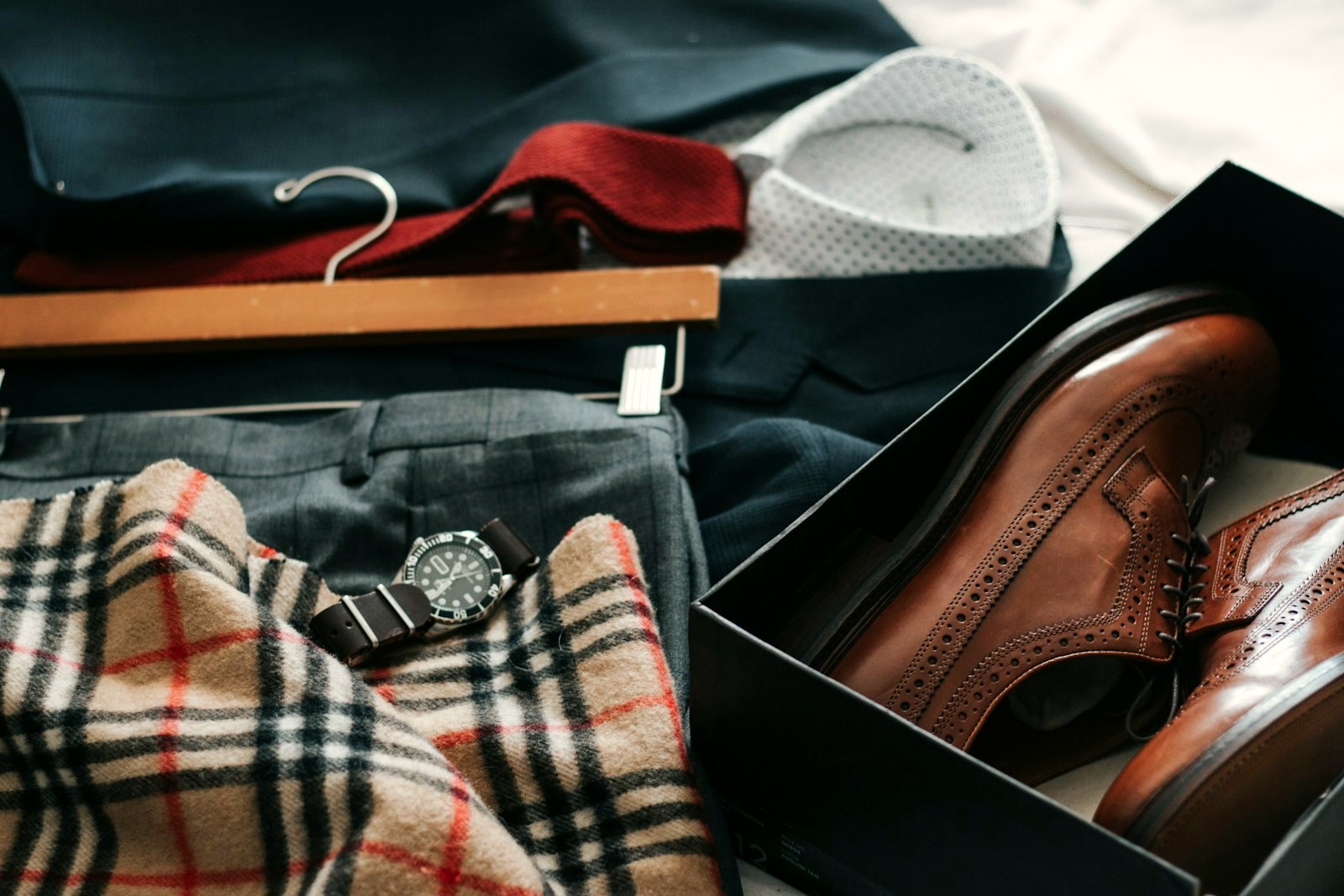
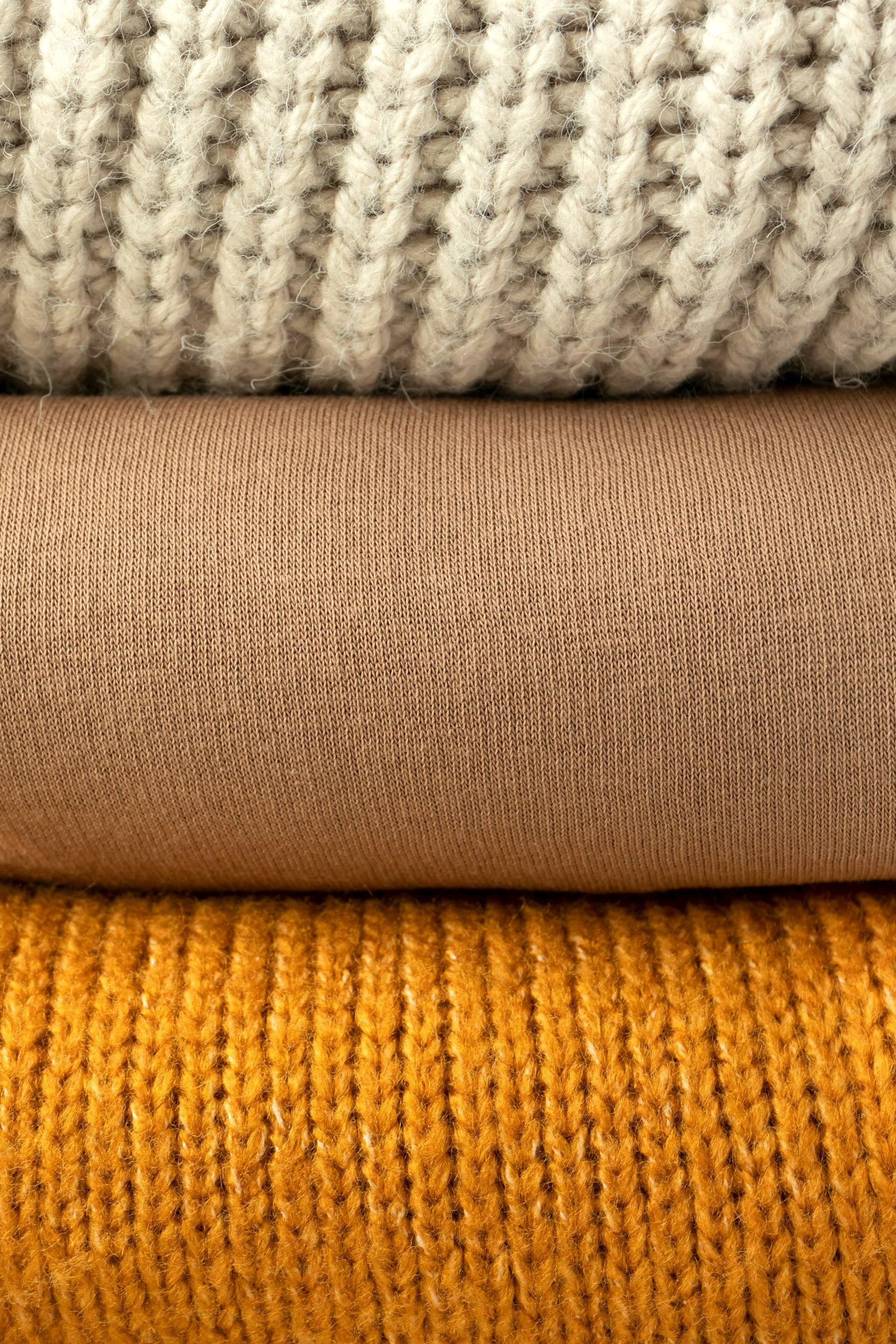
Photography, disclosed. This page carries no photograph of any ranked scarf. The bank this site draws from holds folded-knit frames, one containing a fringed scarf, and no frame of a scarf being worn, and the desk's rule is that a wrong photograph is worse than none: the hero and the two section figures are captioned as exactly what they are. The frames this page needs are on the harvest list and named here so the gap is auditable: a scarf wrapped on a neck in window light, a teasel-raised cloth in macro, a fringe in hand. When the bank holds them, this page gets its pictures and this paragraph comes out.
Questions, answered straight
What are the best scarves for men?
The Begg x Co Vier lambswool and cashmere scarf, 84 out of 100: 90 percent lambswool and 10 percent cashmere woven in the maker's own Ayr mill, fringed, 180 by 28 centimetres, at €133.95 from the named retailer. Second is the Johnstons of Elgin Black Stewart tartan merino scarf at 77, woven in Elgin by the mill that has worked fine wool and cashmere since 1797, at $280. Third is the COS pure cashmere scarf at 76, 100 percent cashmere at $135. The attainable answer is sixth: Uniqlo's 100 percent cashmere scarf at $69.90, graded down for the paperwork its maker does not publish, not for its fibre.
Cashmere, lambswool or merino: which scarf fibre is best?
They win different necks, and this page scores all three near the top. Cashmere is the softest fibre and the most delicate: it wins against bare skin and loses to friction, which is why its staple length, where a maker publishes one, matters more than its name. Lambswool is the workhorse, coarser, warmer for its weight and far harder to kill, and it takes the top of this ranking in a 90 percent lambswool cloth. Merino is the middle: fine, smooth, springy, the tailored answer. What loses on this page is not a fibre but a word. Cashmere-feel, soft-touch and similar phrases on a fibre line mean the scarf is acrylic or a synthetic blend wearing a cashmere adjective, and this category sells that substitution at every price below the real fibre.
How long and wide should a scarf be?
One hundred and eighty centimetres is the working length: enough for a full wrap and a knot with both ends still covering the chest, which is why the Scottish mills weave to it. Width decides the register. Twenty-five to thirty centimetres wraps and knots cleanly under a coat. Fifty to seventy centimetres, the Drake's width on this page, drapes and folds like a shawl and will not sit quietly inside tailoring. The Acne scarf's 250 centimetres is a styling statement, two wraps and a trailing end, bought on purpose or not at all. A scarf under 160 centimetres does none of these jobs well: it knots, strangles, and leaves the chest to the weather.
Why do cashmere scarves pill, and do anti-pill claims mean anything?
Pilling is loose surface fibre working free under friction and balling where the scarf rubs, at the fold and under a coat's lapel. It is a staple-length fact before it is a quality verdict: short-staple cashmere, the kind that makes a $69.90 pure cashmere scarf possible, pills early and often, and long-staple cloth pills slowly and late. An anti-pill claim is a finish claim, a treatment or a tighter twist, and this page grades it as a claim, worth nothing until the fibre line behind it is published. The honest treatment is mechanical and free: rest the scarf a day between wears, and run a cashmere comb over the fold line when the first pills show. A scarf that pills in week one and thins by spring was graded by its staple, not by its care.
Is the Burberry check cashmere scarf worth it?
The cloth is excellent, and this page scores it 26 of 30, because Burberry's own heritage page states that the check cashmere scarf is made in Scotland by its long-standing partner Johnstons of Elgin. The same mill sells its own-label fringed cashmere scarf for $250 at Net-a-Porter, and its own US store prices its woven scarves in the same class at around $295. The check scarf costs $545 at Neiman Marcus. The roughly $250 between the mill's own label and the check buys the check and the name, which is this site's Logo Tax in its most documented form, and it is why a scarf with a top-three cloth score is this page's skip.
How do I stop a scarf shedding on a dark coat?
You manage it rather than stop it. Shedding is the same loose surface fibre as pilling, leaving instead of balling, and brushed cloths shed most: Acne's own product page warns, in the maker's words, that it is natural for small fibres to shed over time. The working routine is to rest the scarf between wears, brush it down before it goes on rather than after it comes off, and keep a new brushed scarf off dark tailoring for its first few outings, which is when the loose fibre leaves. A scarf still shedding heavily after a month of wear is telling the same staple-length story as a scarf that pills, and no brush changes it.
Young Cotton's verdict cards rank garments on published evidence: fibre lines from makers' own spec pages, dimensions in the maker's own centimetres, prices checked at the doors named on the cards, and maker relationships quoted from the makers' own pages. This card closes with the finding the whole category keeps making: against the neck there is nowhere for a scarf to hide, so the honest fibre line is the luxury, the published dimension is the fit, and the check, as ever, is the tax.
Checked and updated October 2026