
Nine watches, one winner, one sent home. Every price printed, every spec on the table, service costs included in the maths.
Checked and updated October 2026
The verdict, up front: nine watches under $500, scored out of 100 on the house watch basis, printed in full below: movement 30, case and crystal 20, water resistance 15, value 20, longevity and serviceability 15. The Citizen Promaster Diver wins at 81, because it is the only watch here with no asterisk: solar, ISO-certified to 200 metres, nothing to wind and nothing to feed. The best automatic is the Seiko 5 Sports at 78. The best-looking watch is the Citizen Tsuyosa at 76. And the Daniel Wellington Classic, $199 at list, is sent home at 27: an unnamed movement, rain-grade water resistance, and a logo doing the pricing. A watch is worn daily, so the cost-per-wear maths below runs to single cents. The most expensive wear on this page costs 16 cents. The fashion watch costs 12.
The first good watch problem
Under $500 is where a watch stops being an accessory and starts being an object you keep. It is also where the category lies to you most fluently. List prices are printed next to street prices a third lower. Water resistance is printed in metres that do not mean metres. Fashion brands sell a five-dollar movement in a polished case at the price of a real instrument, and the difference is invisible in a product photo.
So this ranking prints the things that separate the objects from the accessories: the movement's actual name, the crystal's actual material, the water rating translated into plain language, the price we verified this month, and what the watch will cost you at year five when the service bill arrives. Every score is built from the maker's published specifications and checked prices, scored under our published methodology, adapted for watches below. Where a maker does not publish a spec, the table says so. An unpublished spec is data too.
How the scores work
Five rows, adapted from the house basis for a category where the movement is the product. Movement judges what actually keeps the time: a named, serviceable calibre from a real watchmaker at the top, an unnamed commodity movement at the bottom. Case and crystal judges the steel, the finishing, and above all the crystal material, because the crystal is the watch's face in year three. Water resistance judges the rating as it is actually usable, with a screw-down crown and ISO certification earning what a bare number cannot. Value divides what you get by what you pay, against the whole field. Longevity and serviceability judges whether the watch can be kept alive, by whom, and at what cost relative to its price. The rows sum to the score, and the score is printed where you can screenshot it.
| Row | Weight | What earns the points |
|---|---|---|
| Movement | 30 | A named calibre, made or specified by a watchmaker, that a watchmaker can service |
| Case & crystal | 20 | Sapphire over mineral over acrylic; honest steel; finishing that survives a loupe |
| Water resistance | 15 | 200m and ISO certification at the top; 30m is rain, and scores like it |
| Value | 20 | Specification per dollar against this field, at verified prices |
| Longevity & serviceability | 15 | A service network, available parts, and upkeep that costs less than the watch |
Nine watches, ranked
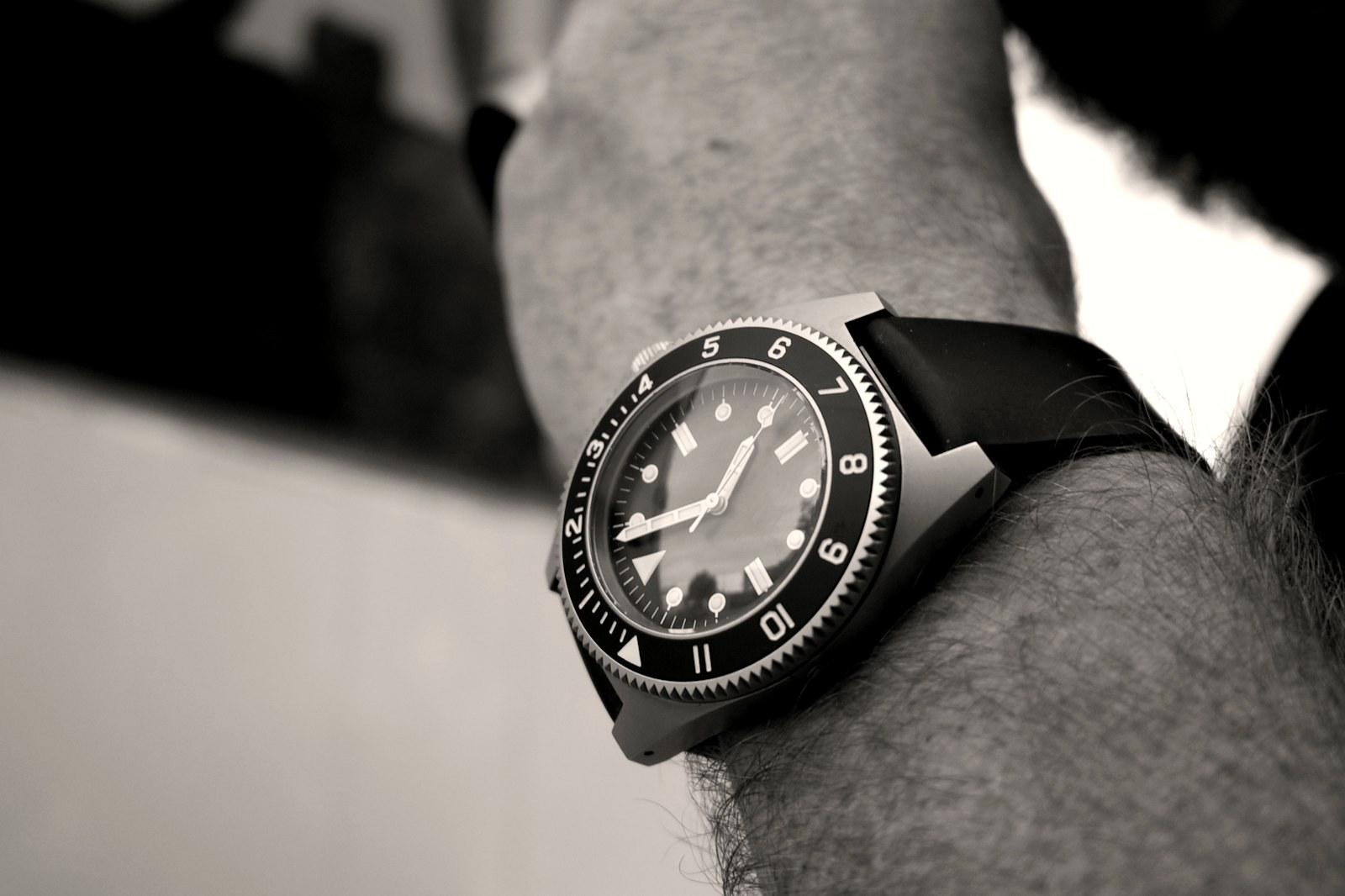
Citizen: Promaster Diver BN0151-09L
List price at last check: $395 in the US; street prices run lower.
Buy it if you want one watch and no homework. This is the answer the rest of the page is measured against.
The Promaster is the only watch here that is certified, not just rated. Its 200 metres carries ISO 6425 approval, which means the watch was tested as a diving instrument: bezel, lume, shock, the lot, on a screw-down crown. The movement is Citizen's Eco-Drive E168, solar quartz accurate to about 15 seconds a month, with a six-month reserve off a full charge. It never needs a battery, never needs winding, and never needs you to think about it. What holds the score back is honest: a mineral crystal where sapphire should be at $395, and a 44mm case that wears large on smaller wrists. Neither stops it winning. A first good watch should remove decisions, and this one removes all of them. Whether 44mm is too big for your wrist is a measurement, not an opinion: our watch case size guide sets the lug-to-lug ceiling for each wrist size.
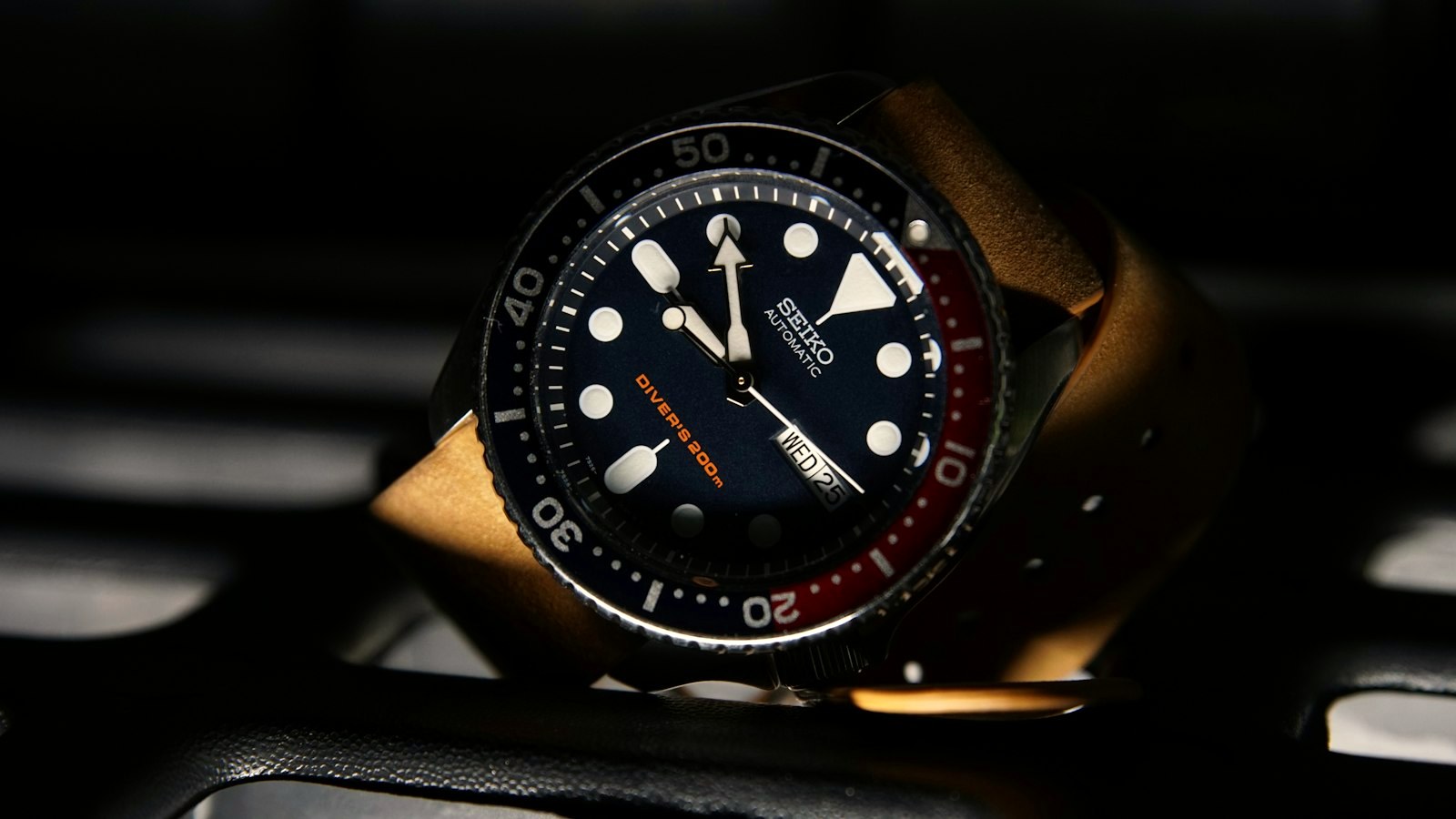
Seiko: 5 Sports SRPK31
List price at last check: $350 in the US.
Buy it if you want the machine. The default first automatic, in the size that will age best.
Seiko's 4R36 is the movement the whole attainable tier is judged by: automatic with hand-winding and a hacking seconds hand, a day-date, about 41 hours of reserve, and a service history measured in decades. This is the mid-size SKX-style case, 38mm, which is the proportion the rest of the industry is quietly returning to. The case is proper steel with a unidirectional bezel and 100 metres of resistance, fine for swimming, though the crown pushes in rather than screwing down, which is what separates it from a certified diver. The honest deduction is the crystal: Hardlex, Seiko's hardened mineral, is tough but it is not sapphire, and at $350 that is a fair thing to hold against it. What it does better than anything else here is be a real mechanical watch with nothing faked, at a price that leaves money for straps.
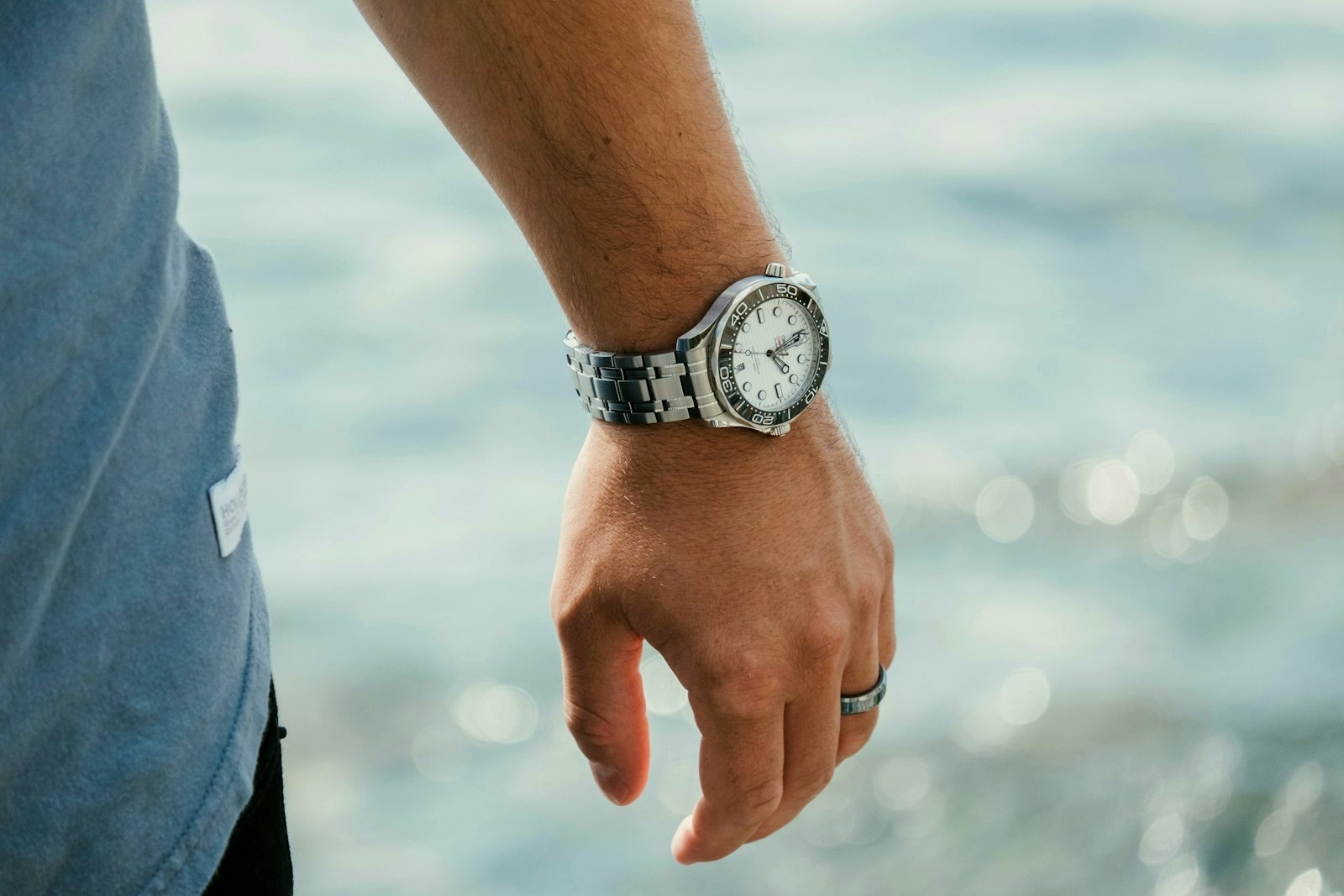
Citizen: Tsuyosa NJ0150
At last check: $396 at Citizen Watch US (list $495).
Buy it for how it looks, knowing the movement backs it up. Do not swim in it.
The Tsuyosa is the integrated-bracelet design, the 1970s silhouette of tapering steel running case into bracelet with no break, executed at a price the design usually refuses. Under the sapphire crystal sits Citizen's 8210 automatic, hacking, with about 42 hours of reserve, visible through a sapphire case back. The case and crystal row, 18 of 20, is the best of any automatic here. Then the water row tells the other half of the story: 50 metres and no screw-down crown means this is a watch for dry land and careful handwashing, whatever the sports styling suggests. Score it as a design object with a real movement and it wins its job outright. Score it as a tool and the Promaster is three shelves above it. Both readings are printed. Choose yours.
Vaer: C5 Field Black Solar
At last check: $349 at Vaer (builds start at $329).
Buy it if you want the field watch done properly: sapphire, solar, sized like the originals.
Vaer is the young company on this page, a California brand assembling in the USA, and the C5 is its founding design: a military field watch rebuilt with the specs the originals never had. Sapphire crystal with anti-reflective coating, where most field watches at this price ship mineral. A screw-down crown and 100 metres, where the classic field watch asked you to keep it dry. A solar quartz movement that runs six months off a full charge, so the grab-and-go virtue of quartz survives without the battery swaps. The case is 40mm and slim at under 10mm, and two straps come in the box. The deductions are the ones a young brand earns honestly: the solar calibre is not named on its own page, and a service network built since 2016 is not Citizen's. The watch itself needs neither excuse.
Tissot: PRX Quartz 40mm
List price at last check: $450 in the US, on the steel bracelet.
Buy it for the design, full stop. It is the best-looking object here, and the quartz is the honest version.
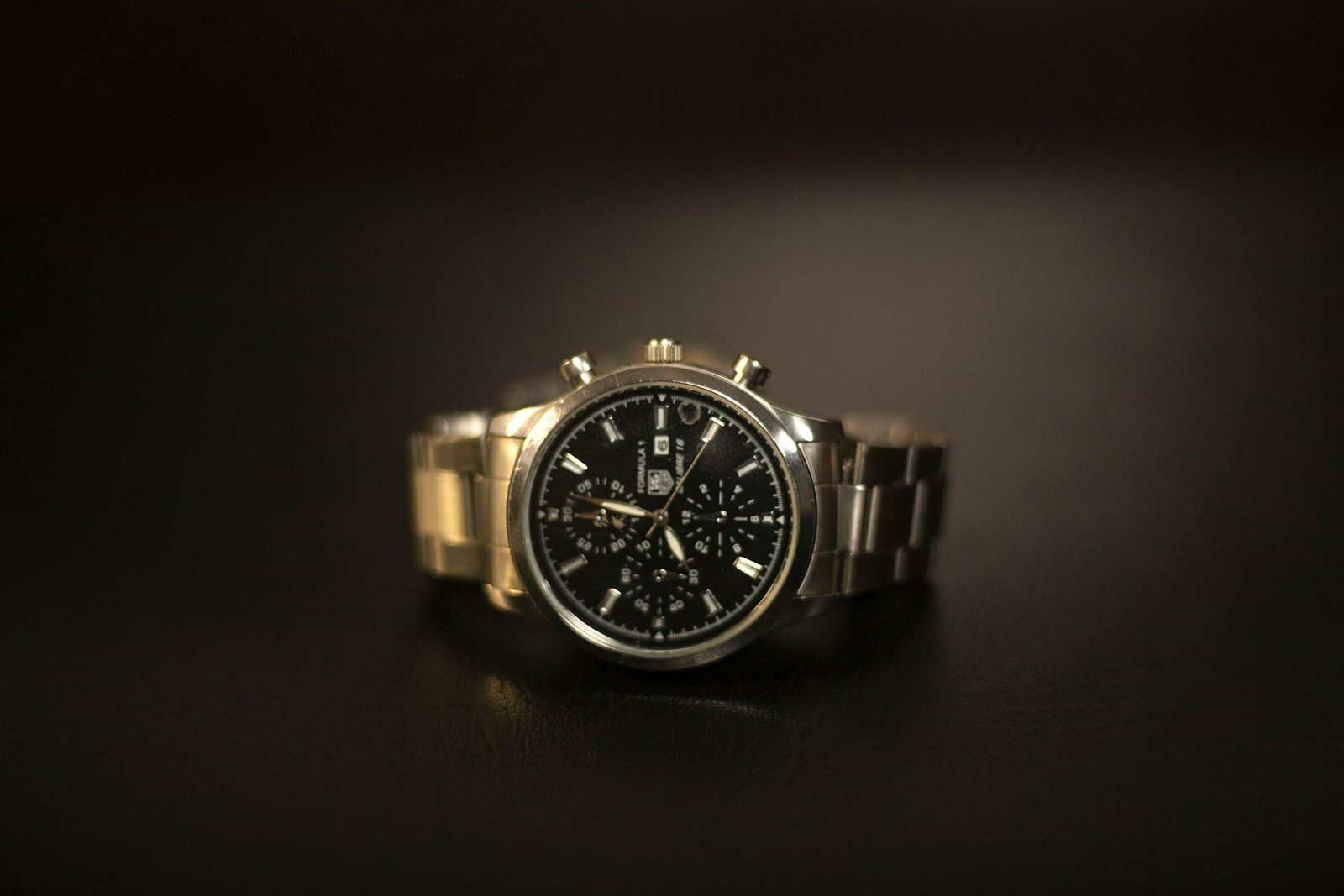
The PRX is a 1978 Tissot case shape revived exactly, and it is the strongest piece of pure design in this ranking: a slim 10.4mm integrated case, a sapphire crystal, finishing that belongs a tier up. This is the quartz version, and we rank it above where the automatic's fans would put it, deliberately. The automatic PRX lists at $850, outside this page's ceiling; the quartz carries the same case, the same crystal and the same 100 metres for $450, powered by a Swiss ETA quartz with an end-of-life battery indicator. What the movement row marks down is not accuracy, it is romance and ceiling: a battery quartz will never be the machine an automatic is, and the score says so at 19 of 30. What the case row says back, at 19 of 20, is that design this good is its own argument. Readers building a quiet luxury capsule will recognise the logic: no logo doing any work, proportion doing all of it.
Casio: Duro MDV106-1A
At last check: $84.95 at Casio US.
Buy it today if the budget is real. It out-dives watches at five times the price.
The Duro is the ranking's reality check. For $84.95 it gives you a stainless case, a screw-down crown, an anti-reverse bezel and an honest 200 metres of water resistance, the full diver specification that the $259 chronograph below cannot match. The quartz module is basic and accurate to about 20 seconds a month, the crystal is mineral, the case is a large 44.2mm, and the lume is modest. None of that is the story. The story is the value row: 20 of 20, the only perfect row on this page, because everything the Duro promises is present and everything it omits is visible in the price. Its longevity score is the honest limit of cheap: a battery every three years costs about $10, but if the module ever dies, the economics say replace the watch, not repair it. At $85, that trade is made in the open.
Orient: Bambino 38
At last check: $295 at Orient Watch USA (list $430).
Buy it for evenings and tailoring. It is the dress watch this budget was waiting for.
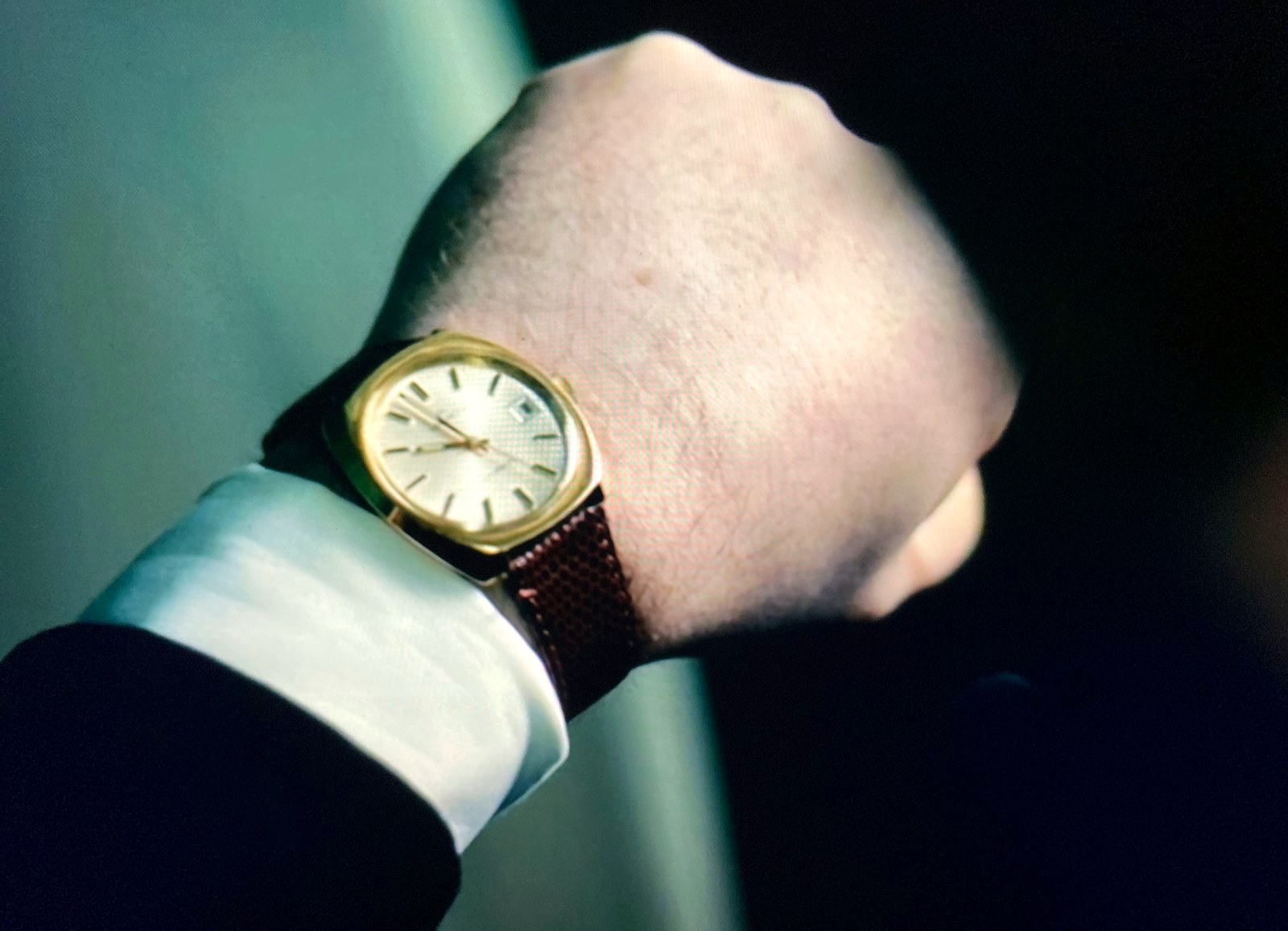
Read the Bambino's rows in the right order. Its total sits seventh because the water row gives a dress watch 3 of 15, and that is the basis working as designed: this is a watch for cuffs, not coastlines. Within its job it is untouchable. The movement is Orient's in-house F6724, automatic, hacking, hand-winding, designed and made by the company whose name is on the dial, a claim almost nothing under $300 can make. The case is 38.4mm under a domed mineral crystal, the dome being the design's whole point: it bends light the way vintage dress watches did. At $295 from Orient's own US store it is also the cheapest automatic here. The reader whose life is offices and evenings, the one our business casual capsule was built for, can fairly re-weight the water row to zero and call this his winner. The data to do it is printed. That is what a ranking is for.
Timex: Q Timex Chronograph
List price at last check: $259 in the US, on the steel bracelet.
Buy it for the 1970s looks. Know exactly which specs the looks cost you.
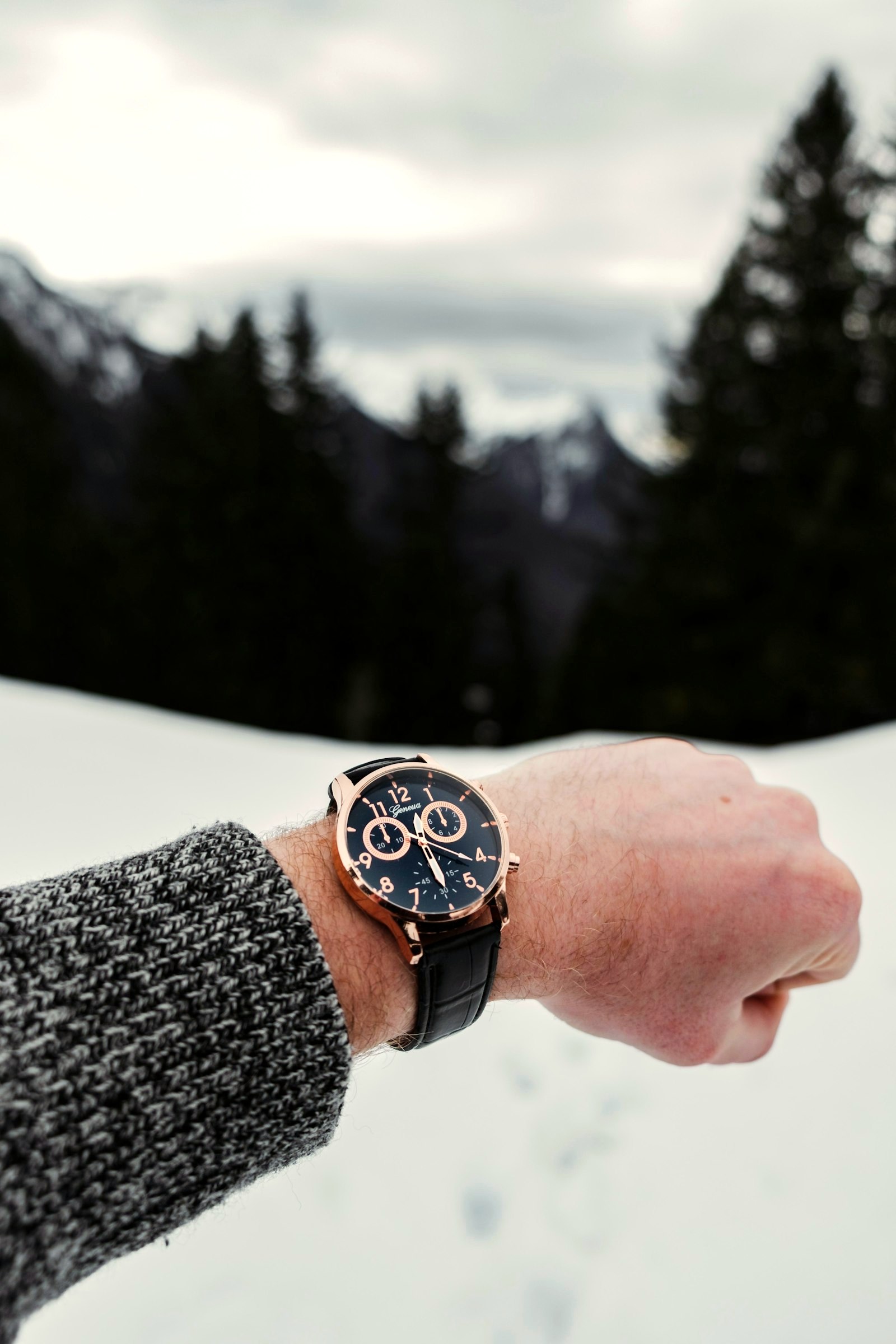
The Q Chronograph is a faithful reissue of Timex's 1970s racing watches, and the faithfulness is the problem the score has to price. The crystal is acrylic, the soft plastic of the original era. Timex's own page presents it warmly: scuffs polish out, and it will not shatter. Both true, and both beside the point at $259, a price at which two watches above ship sapphire. The quartz chronograph movement is unnamed, the water resistance is 50 metres, and the battery is a standard SR927SW any jeweller stocks. What you are buying is the silhouette, the tachymeter bezel, the tonal subdials, and on those terms the watch delivers completely; it is the most fun object on this page. Fun is a legitimate reason to buy a watch. It is simply worth knowing that $174 of the $259 buys it, because the $85 Casio above out-specifies the Q on water, crystal and case alike.
Daniel Wellington: Classic Sheffield 40mm
List price at last check: $199 in the US; the US store currently lists it from $149.
Skip it. A photograph of a watch, priced as the watch.
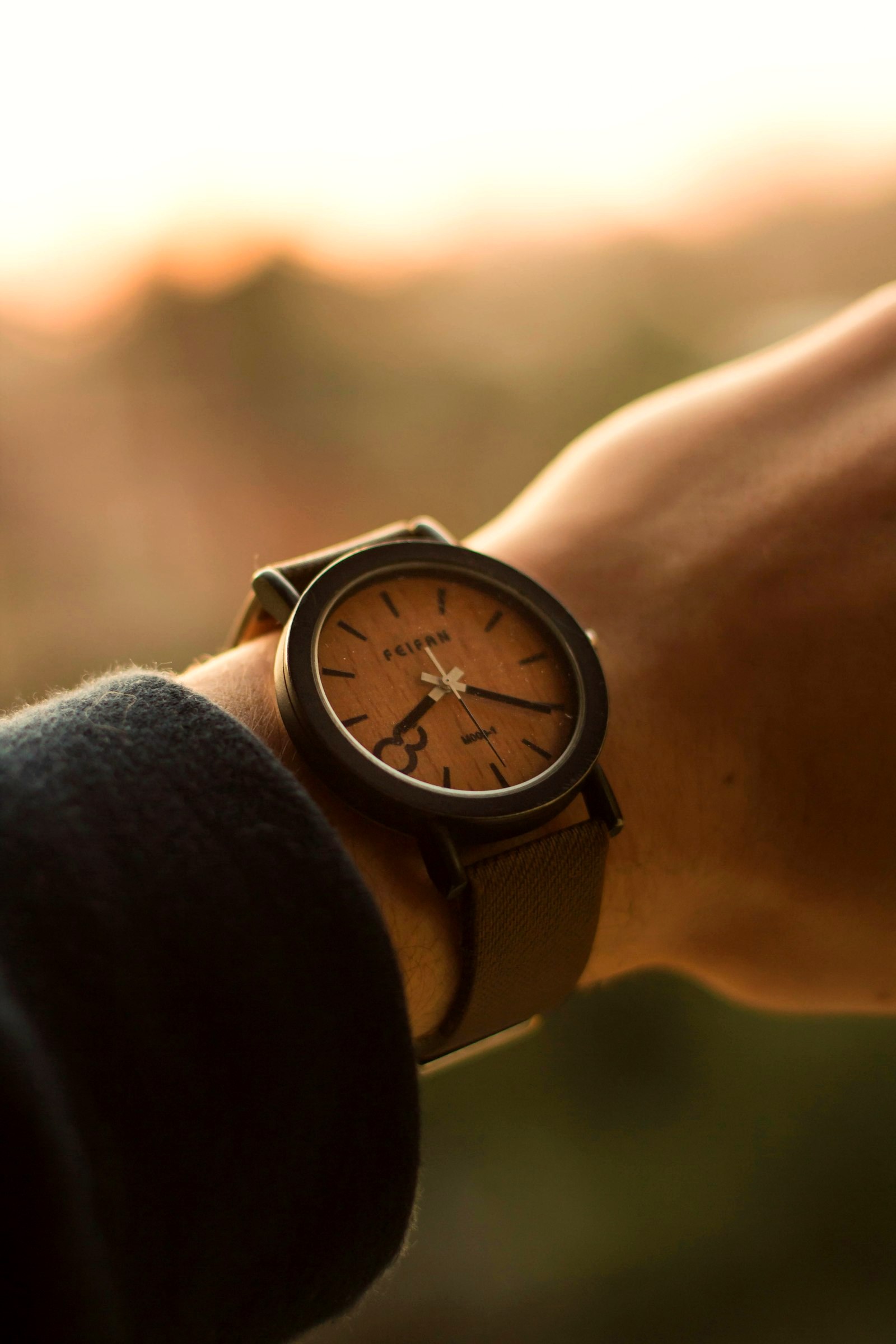
Everything the Classic Sheffield is, is on its dial: a clean white face, slim indices, no logo but the name. Everything it is not is on its spec sheet. The movement is described by its maker only as a Japanese quartz movement, unnamed, the commodity calibre the industry buys by the tray. The water resistance is 3 ATM, which the brand itself translates as rain resistant. The crystal is mineral. The case is thin because there is little inside it to house. None of this would matter at $49, where honest fashion watches live. At a $199 list it matters completely, because $199 is the Seiko 5's neighbourhood and the Bambino's, and the comparison is not close on a single row. This is the category's classic trap in its purest form: the marketing is the product, and the watch is the packaging it ships in.
The specs, in one table
| Watch | Movement | Case | Crystal | Water resistance |
|---|---|---|---|---|
| Citizen Promaster Diver | Eco-Drive E168, solar quartz | 44mm steel | Mineral | 200m, ISO 6425 certified |
| Seiko 5 Sports SRPK31 | Calibre 4R36, automatic | 38mm steel | Hardlex | 100m |
| Citizen Tsuyosa | Calibre 8210, automatic | 40mm steel | Sapphire | 50m |
| Vaer C5 Field Solar | Solar quartz (calibre not published) | 40mm steel | Sapphire | 100m |
| Tissot PRX Quartz | ETA F06.115, quartz | 40mm steel | Sapphire | 100m |
| Casio Duro | Module 2784, quartz | 44.2mm steel | Mineral | 200m |
| Orient Bambino 38 | Calibre F6724, automatic, in-house | 38.4mm steel | Domed mineral | 30m |
| Timex Q Chronograph | Quartz chronograph (calibre not published) | 40mm steel | Acrylic | 50m |
| Daniel Wellington Classic | Japanese quartz (calibre not published) | 40mm steel | Mineral | 3 ATM (30m, rain only) |
Three of the nine makers do not publish the name of the movement inside the watch they are selling you. Two of them are forgiven by the rest of their spec sheets. One of them is the point of its card.
What each watch costs per wear, honestly
The maths, assumptions printed. A watch is the most-worn object you own, so the model is simple: worn daily, 365 wears a year, across the watch's expected service life. The purchase price is the verified price above. Upkeep is where most rankings stop being honest, so it is included: one automatic service at about $200 around year five for the mechanical watches, battery changes at about $15 for the quartz watches, nothing for the solar pair within the decade. Lives are the data team's estimates from construction class and service economics, published so you can argue with them.
| Watch | Price | 10-year upkeep | Expected life | Cost per wear |
|---|---|---|---|---|
| Casio Duro | $84.95 | About $30 (batteries) | 8 years | $0.04 |
| Vaer C5 Field Solar | $349 | $0 (solar) | 10 years | $0.10 |
| Timex Q Chronograph | $259 | About $30 (batteries) | 8 years | $0.10 |
| Citizen Promaster Diver | $395 | $0 (solar) | 10 years | $0.11 |
| Daniel Wellington Classic | $199 | About $15 (battery) | 5 years | $0.12 |
| Tissot PRX Quartz | $450 | About $45 (batteries) | 10 years | $0.14 |
| Orient Bambino 38 | $295 | About $200 (one service) | 10 years | $0.14 |
| Seiko 5 Sports | $350 | About $200 (one service) | 10 years | $0.15 |
| Citizen Tsuyosa | $396 | About $200 (one service) | 10 years | $0.16 |
Read the Daniel Wellington line against the Vaer line. The fashion watch costs more per day on your wrist than a sapphire-crystalled solar field watch assembled in the USA, because five years is all its economics support. Cheap to buy and cheap to own are different products. This table is how you tell them apart.
The year-five bill nobody prints
An automatic watch is a machine with about 130 moving parts in oil, and the oil dries. Around year five, give or take two, a mechanical watch starts losing time and wants a service: full disassembly, cleaning, re-oiling, regulation. An independent watchmaker charges roughly $150 to $250 for the Seiko, Orient and Citizen automatics on this page; a brand service centre charges more. Against a $350 purchase price, the first service is over half the cost of the watch, paid again. That is not a reason to avoid automatics. It is a reason to buy one with your eyes open, and it is priced into every cost-per-wear line above.
The quartz and solar watches run a different ledger. A battery change is $10 to $20 at any jeweller, every two to three years. A solar watch asks for nothing until its rechargeable cell tires, usually past the ten-year mark. And the fashion watch runs the bleakest ledger of all: when its unnamed movement fails, the repair quote is a movement swap priced against a watch whose street price keeps falling, which is why so many of them end in a drawer instead of on a bench. Longevity is not a vibe. It is whether someone, somewhere, will fix the thing for less than it cost.
The Skip · 27/100
The Daniel Wellington Classic Sheffield, $199 at list in the US, is this ranking's named loser. Its maker publishes no movement name, because the movement is a commodity. Its water resistance is 3 ATM, which the brand itself calls rain resistant. Its crystal is mineral, its case is thin around very little, and its expected working life, five years, makes it cost more per wear than watches with sapphire crystals and certified diving specs. The design is genuinely clean, and at $49 it would be an honest product. At $199 it is a toll on not knowing the specs, charged by the logo. Buy the Bambino for evenings, the Duro for the water, and keep the $199.
Which one to buy
| The job | The watch | Score |
|---|---|---|
| One watch, no homework | Citizen Promaster Diver | 81 |
| First automatic | Seiko 5 Sports SRPK31 | 78 |
| The best-looking watch | Citizen Tsuyosa | 76 |
| Field and outdoors | Vaer C5 Field Solar | 75 |
| Design, quartz-honest | Tissot PRX Quartz | 74 |
| Under $100, or a second watch | Casio Duro | 70 |
| Dress and evenings | Orient Bambino 38 | 69 |
| The chronograph itch | Timex Q Chronograph | 55 |
| None of the jobs | Daniel Wellington Classic | 27 |
If you buy one: the Promaster, unless you already know you want a mechanical watch, in which case the Seiko 5. If you buy two: the Seiko 5 for the machine and the Duro for the water, $435 for the pair, and the category is covered. If looks lead: the Tsuyosa on dry land, the PRX if you prefer your design Swiss and your upkeep near zero. If the budget is under $100: the Duro, without a single apology, it is the sixth-best watch on this page. The ranking is a ladder, not a fence.
Questions, answered
What is the best watch under $500 for men?
The Citizen Promaster Diver, scored 81 out of 100 on our watch basis. It is the only watch here that is ISO-certified for diving at 200 metres, its Eco-Drive movement runs on light so it never needs a battery change or a wind, and Citizen's service network will still be there in ten years. If you want an automatic instead, the Seiko 5 Sports at 78 is the pick, and if you want the best-looking watch on the page, the Citizen Tsuyosa at 76 is the one.
Should my first watch be automatic or quartz?
Quartz or solar, for most men buying a first watch. An automatic is a small machine that needs wearing to stay wound, gains or loses seconds every day, and asks for a service costing roughly $150 to $250 around year five. A good quartz or solar watch is accurate to seconds a month and asks for almost nothing. Buy the automatic when you know you want the machine itself, not just the watch. Half this ranking is automatic because that want is legitimate; it just should not be an accident.
Is 100 metres of water resistance enough to swim?
Yes. Despite what the number sounds like, 100 metres on a watch means swimming, snorkelling and surfing are fine; the ratings are pressure-tested, not literal depths for your wrist. The trap is at the bottom of the scale: 30 metres, often printed as 3 ATM, means rain and splashes only, and one watch in this ranking ships with exactly that while presenting itself as an everyday watch. For actual diving, look for 200 metres and a screw-down crown, ideally with ISO 6425 certification.
Sapphire, mineral or acrylic: does the crystal matter?
It is the spec that decides how the watch looks in year three. Sapphire is the hardest and barely scratches; it is the standard to ask for above $300. Mineral glass scratches moderately and is honest at lower prices. Hardlex, Seiko's hardened mineral, sits between the two. Acrylic is soft and scuffs if you look at it, though the scuffs polish out. One watch in this ranking charges $259 and ships with acrylic, and its score says what we think of that.
How much does it cost to service an automatic watch?
Budget $150 to $250 for an independent watchmaker to service a Seiko, Orient or Citizen automatic around year five, and more at a brand service centre. Set against a $350 watch, the service is over half the purchase price again, which is the under-$500 trap nobody prints. Quartz watches swap a battery for about $10 to $20 every few years, and solar watches ask for nothing for a decade or more. The cost-per-wear table on this page includes these figures, so the comparison is honest.
What size watch should I buy?
For most wrists, 36 to 40 millimetres is the honest range, and it is where most of this ranking lives. Measure your wrist: under about 6.5 inches, stay at 38 or below; 6.5 to 7.5 inches carries 38 to 42 comfortably. The oversized era is over. A watch that covers your whole wrist and hangs past the edges reads as borrowed, and the quiet, smaller case is also the one that survives trend cycles.
Are fashion-brand watches worth buying?
Not at real-watch prices. The pattern is always the same: an unnamed commodity quartz movement, a mineral or unpublished crystal, 30 metres of water resistance, and a logo doing the pricing. The Daniel Wellington Classic in this ranking costs $199 at list and scores 27 out of 100, below a $85 Casio on every row that measures the watch rather than the marketing. A fashion watch at $40 is a fair trade. At $199 it is a toll on not knowing the specs.
How this ranking stays honest
Scores follow our published methodology, adapted for watches in the open above, and prices are re-checked on the cadence in the byline; when a maker changes a movement, a crystal or a price materially, the score moves and the move is noted here. Three of these nine makers are Japanese, Seiko, Citizen and Orient, which is not a coincidence: the attainable tier belongs to the industry our Japanese brands desk covers in cloth. Prices are list or the maker's own store price at last check; several of these watches street-price well below list, and paying less than the printed figure is a bonus, never a surprise we hide.