
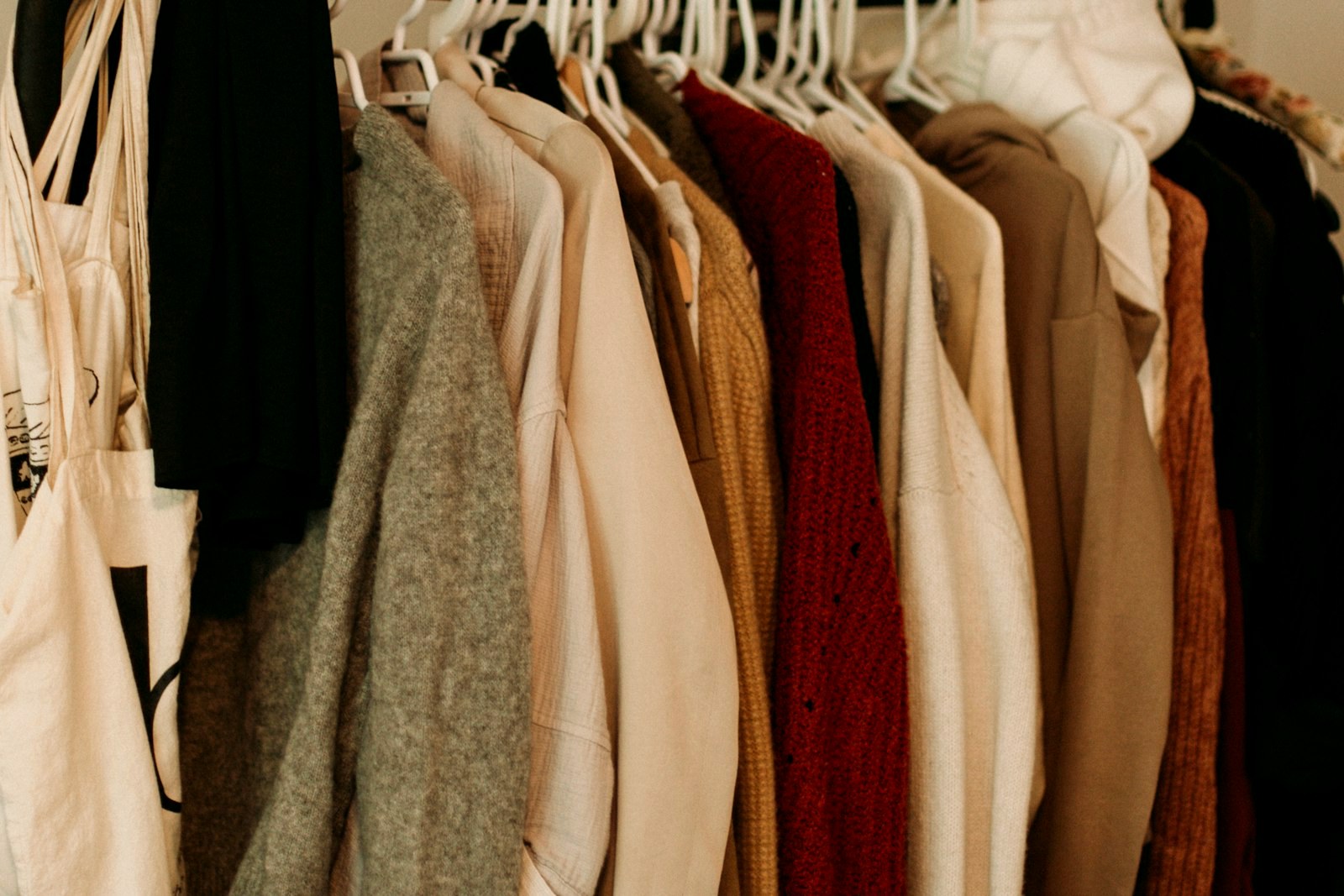
One rail, twelve different garments. The index exists because the word shirt covers all of them.
Checked and updated October 2026
The ruling, up front: there are twelve types of shirt that cover a man's whole wardrobe, and each is defined by three things: collar, cloth and construction. This page indexes all twelve and scores each for formality from one to five, so a type can be matched to an occasion instead of guessed at. The dress shirt tops the ladder at five; the Oxford, the most useful shirt most men own, sits at four; the henley and the t-shirt anchor it at one. Own across the ladder, not along one rung of it.
On this page: the index, the woven shirts, the knits and collars, building the set, questions.
The index: twelve shirts, one ladder
The formality score is the data team's compiled judgement, built from collar structure, cloth refinement and how each type behaves in the rooms men actually dress for. It is printed so it can be argued with, and argued with it should be: formality is a reading, not a measurement. But a ladder you can argue with beats the old method, which was vibes and a prayer in front of the mirror.
| Type | Collar | Cloth | Formality | Its room |
|---|---|---|---|---|
| Dress shirt | Structured spread or cutaway | Poplin or fine twill | 5 | The tie, the boardroom, the wedding |
| Oxford shirt | Button-down | Oxford weave | 4 | Almost everywhere else |
| Grandad collar shirt | Band, collarless | Linen, cotton, Oxford | 3 | Smart heat, creative rooms |
| Flannel shirt | Point or button-down | Brushed cotton twill | 2.5 | Cold weekends, layered weekdays |
| Chambray work shirt | Point, often triple-stitched | Chambray | 2.5 | The workshop and everywhere denim is too much |
| Denim shirt | Western or point | Denim | 2.5 | Off duty, with a colour break from the jeans |
| Camp collar shirt | Open camp, flat | Rayon, linen, seersucker | 2 | Summer evenings |
| Linen shirt | Point or camp | Linen | 2.5 | Heat, worn wrinkled on purpose |
| Overshirt | Shirt collar, jacket build | Wool, heavy twill, moleskin | 2 | The shoulder seasons, as a layer |
| Polo shirt | Soft knitted collar | Piqué knit | 2 | Smart casual's floor |
| Henley | Collarless, button placket | Jersey or waffle knit | 1 | Under things, weekends |
| T-shirt | Crew or V neckband | Jersey | 1 | The base of everything |
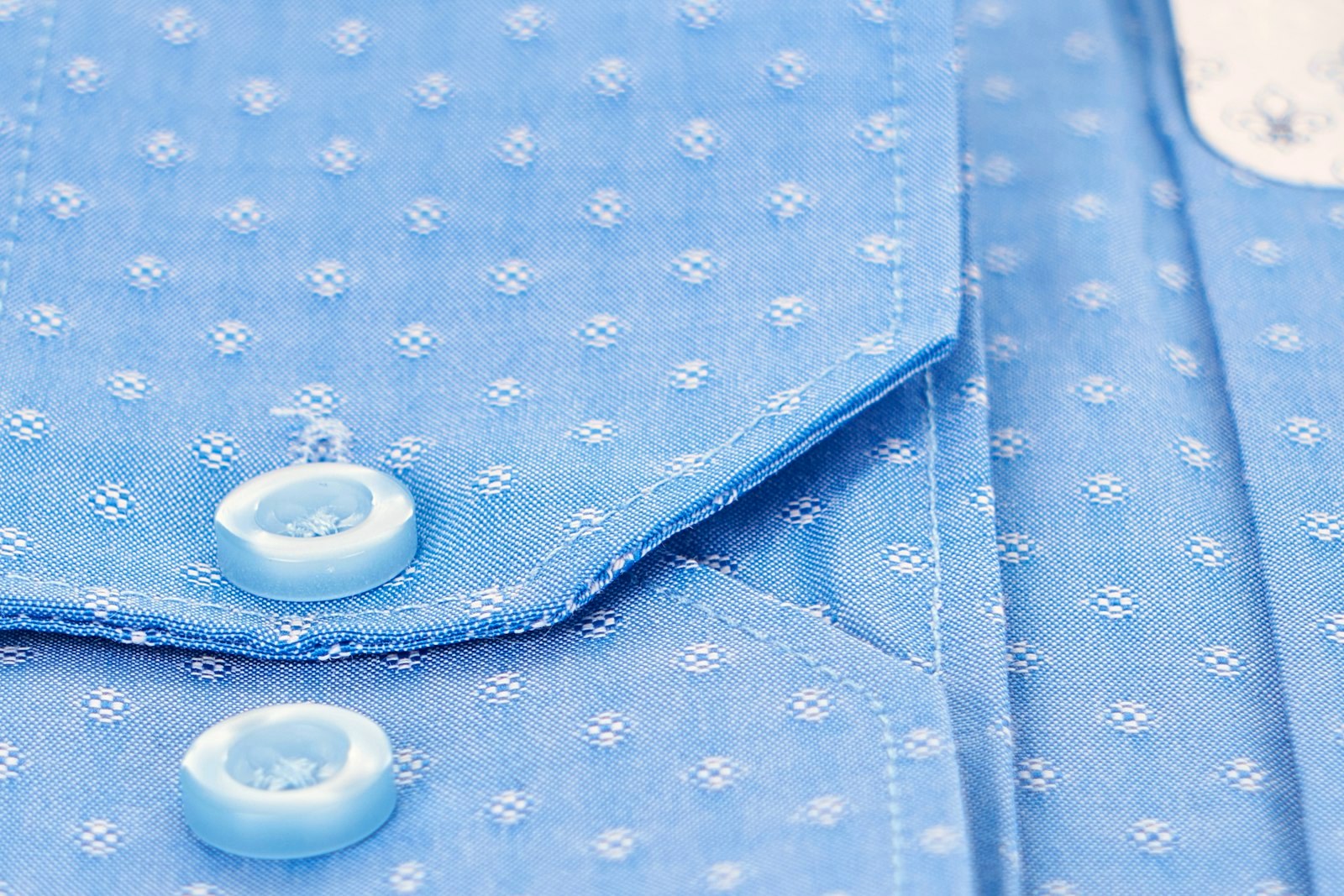
The woven shirts: where the ladder is climbed
The dress shirt is the instrument: fine cloth, a collar built like architecture, cuffs that mean it. It exists for the tie and for rooms where the shirt is the uniform of seriousness. Its weaves, poplin against twill against Oxford, are settled in This or That No. 01, and its sweat-proof modern cousins are ranked in the performance dress shirt Verdict Card.
The Oxford shirt is the citizen: a basket-weave cloth with a button-down collar, formal enough for most offices and relaxed enough for the weekend, the single most useful garment in this index. It has its own deep file here, from what an Oxford shirt is to the seven worth buying, ranked and scored in the Oxford Verdict ranking.
The work shirts (flannel, chambray, denim) are cloth-first garments: brushed, slubbed, rugged weaves that were built for labour and adopted for their texture. Their formality is low and their layering value is high, and under a cardigan they are the winter standard, per How to Wear No. 01.
The summer shirts (camp collar, linen, grandad) trade structure for air. Their rule is fit: a hot-weather shirt must skim, not cling, because cloth against skin is the thing you are dressing to avoid.
The overshirt is the family's border case, a shirt by collar and a jacket by build, and it is scored as a layer rather than a shirt because that is how it is worn.
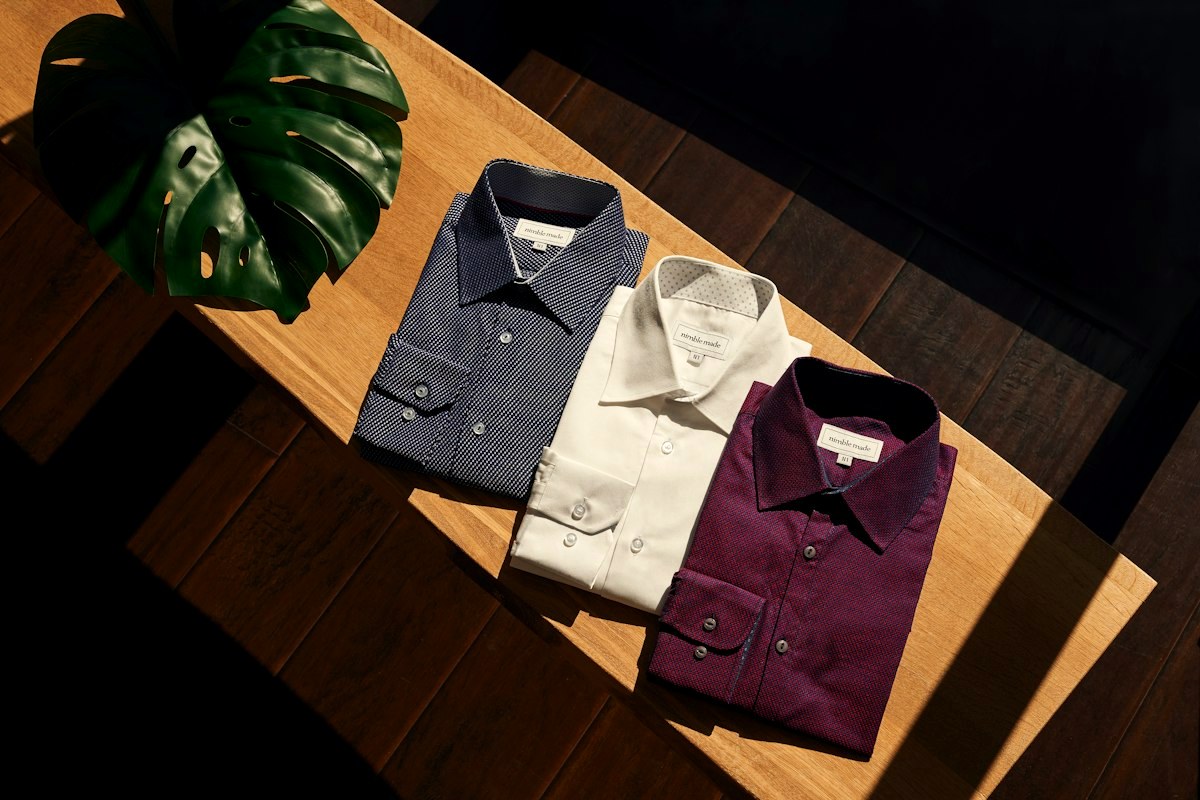
The knits: polo, henley, t-shirt
The knitted types are judged by different laws. A woven shirt's quality lives in its cloth and construction; a knit's lives in its collar and its recovery. The polo stands or falls on whether the collar still stands at 4pm, and its ranking behaviour on this site is consistent: knit structures are scored hard on exactly that point, from polos to the knit dress shirts sent home in the performance ranking. The henley is an under-layer that learned to be seen: worn under flannel, under a cardigan, or alone in the heat, and never, despite periodic attempts, to dinner. The t-shirt is the foundation garment, important enough that it got this site's first Verdict Card: the seven worth owning are ranked in the white t-shirt ranking.
The Shirt Ruling
The ladder: dress 5, Oxford 4, grandad 3, the work and summer shirts 2 to 2.5, polo 2, henley and tee 1. The rule: dress one rung above the room you expect, and the Oxford is the rung most men should live on. The wardrobe error: twelve shirts on one rung.
Building the set
Ten to twelve shirts, spread across the index, cover a life: two dress shirts (white, pale blue), three Oxfords (white, blue, one stripe or colour), a flannel and a chambray for cold layering, a camp collar and a linen for heat, a polo, and the tees and henleys underneath as needed. That distribution is not a suggestion; it is the load-bearing structure of both capsule wardrobes published here, the quiet-luxury capsule and the business-casual capsule, and the pairing partner for all of them hangs in the chinos ranking. Buy the missing rung, not another copy of the rung you already stand on.
Questions, answered
What are the main types of shirts for men?
Twelve cover the whole wardrobe: the dress shirt, the Oxford, the flannel, the chambray work shirt, the denim shirt, the camp collar shirt, the linen shirt, the polo, the henley, the grandad collar shirt, the overshirt and the t-shirt worn as a shirt layer. Each is defined by its collar, cloth and construction, and this page's index scores each one's formality from one to five so the types can be matched to occasions instead of guessed at.
What is the difference between a dress shirt and an Oxford shirt?
Cloth and collar. A dress shirt is woven in a fine, smooth cloth, poplin or twill, with a structured collar built to frame a tie. An Oxford shirt is woven in the heavier, textured Oxford weave, usually with a button-down collar, and sits one rung lower in formality. The Oxford is the more useful shirt for most men; the dress shirt is the correct one when a tie is in the room. The weaves themselves are settled head to head in our This or That shirt ruling.
What is the most formal type of shirt?
The dress shirt, formality five on this page's index, in a fine poplin or twill with a structured spread collar. Below it the ladder runs Oxford and then everything else, down to the henley and the t-shirt at one. Formality is a property of the whole garment, collar, cloth and construction together, which is why a wrinkled dress shirt reads less formal than a pressed Oxford.
How many shirts should a man own?
Fewer than he thinks, of more types than he has. A working set of ten to twelve covers the index: two dress shirts, three Oxfords across colours, a flannel and a chambray for the cold, a camp collar and a linen for heat, a polo, and tees underneath everything. The failure mode is twelve of the same type, which is a uniform, not a wardrobe. Both capsule wardrobes on this site are built on exactly that distribution.
What shirt should you wear under a cardigan?
A collared one, most days: the Oxford is the standard partner, the dress shirt the formal version, and the collar stays inside the cardigan's neckline. A fine crew neck works under a shawl collar. The rule is surface order: the shirt must be smoother than the knit above it, so the textures never compete. The full cardigan brief is our How to Wear No. 01.
Is a polo a shirt?
Yes, and an honest one: a knitted shirt with a soft collar and a short placket, invented for sport and adopted by everyone. It sits at formality two on the index, above the t-shirt and below every woven shirt, which is exactly where it behaves. The mistakes are treating it as a dress shirt substitute in formal rooms, and wearing one with a collar that has given up standing.
Next
From the index to the rankings: the Oxford shirts ranked, the performance dress shirts ranked, and the weaves settled in Oxford vs poplin vs twill. The shirts meet their trousers in the chinos Verdict Card, and the layering rules are in How to Wear a Cardigan.