
The summer trouser, cut to a hemline: ranked on cloth, inseam and the maths nobody prints.
Checked and updated October 2026
The verdict, up front: seven shorts scored out of 100 on the house basis for this category: cloth and weave 25, cut and inseam range 25, construction 20, value 15, longevity 15. The Spier & MacKay linen short wins at 86: the only pair in the field cut like a trouser, at a band price under most of the field. The Patagonia Baggies take second at 84 and quietly win the maths, cheapest per wear of the seven because the nylon refuses to die. And the H&M pair is sent home at 46: the cheapest ticket in the ranking and, per summer of service, one of the dearest. Before the cards, the number that decides everything about a short: the inseam, decoded by height and leg below.
The garment summer is judged by
A short is a trouser with one decision left in it. The cloth still matters, the waistband still matters, but the whole garment reduces to where the hem lands on your leg, and most men buy that number by copying a photograph of somebody else's legs. The result is the two summer uniforms nobody chose: the knee-length board short on a short leg, which reads as a boy in his father's clothes, and the 5 inch inseam worn tight on a long leg, which reads as costume. Both are one inseam class away from correct.
This ranking is built the way our chino ranking is: every score from the makers' published specifications and checked US prices under our published methodology, and the deciding number argued in the open first. The short is also the summer half of the trouser rotation our quiet luxury capsule builds, so this page is the deep audit behind its warm-weather slot.
The inseam decoder: 5, 7 or 9 inches
An inseam class is not a style. It is a landing zone. The hem of a short should end one to three inches above the knee on most legs; the classes below are how the brands' printed numbers map to that zone, by the leg wearing them. Inseam is the one number in menswear printed honestly almost everywhere, which makes it the one number worth learning properly.
| Class | Where the hem lands | Who it suits | The ruling |
|---|---|---|---|
| 5 inch | Mid-thigh | Heights under about 5'8"; longer legs at any height; athletic builds | The proportion corrector. On shorter legs it returns the length long shorts steal. Keep the leg opening relaxed: tight and short together is the costume. |
| 7 inch | Two to three inches above the knee | Heights from about 5'8" to 6'1"; most legs, most settings | The default. If you buy one pair and never think about inseam again, buy this class. It is the travel, evening and family-photograph answer. |
| 9 inch | At or just above the knee | Heights over about 6'1"; long torsos; conservative settings | The tall man's class and the formal end of the category. On a shorter leg it shortens the read of the whole body, which is the one thing a short must never do. |
The correction for proportion: height starts the decision and leg length finishes it. Long legs relative to your height take one class up, short legs one class down, and the mirror check is the landing zone, not the number on the tag. Two more rules the table cannot hold. First, rise changes the read: a higher rise makes the same inseam look longer-legged, which is part of why the tailored winner below photographs a class above its number. Second, never size the inseam to hide the knee or to chase a photograph. The classes exist so the hem lands where your leg says, not where a lookbook's leg said.
How the scores work
Five rows, the chino basis adapted to a shorter garment and printed here so the scores can be argued with. Cloth and weave judges the fabric: fibre honesty, weight, whether it breathes or merely claims to. Cut and inseam range judges the pattern: the rise first, then how many inseam classes and fits a man can actually choose from. Construction judges the make: waistband build, seams, hems, hardware. Value divides what you get by the US price, against the whole field. Longevity estimates summers of service from the construction class: indestructible nylon at the top, thin stretch blends at the bottom. The rows sum to the score, and the score is printed where you can screenshot it.
Seven pairs, ranked
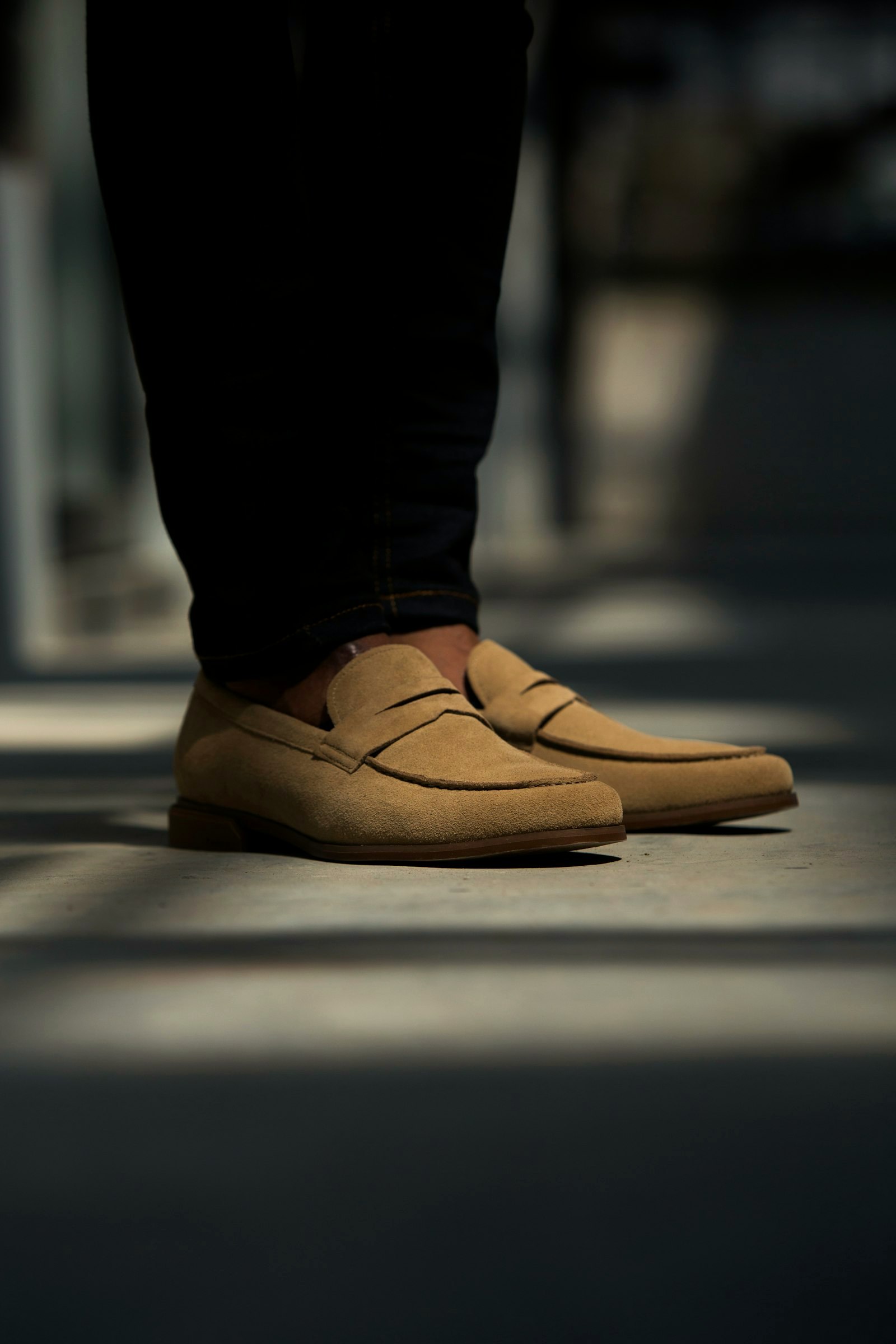
Spier & MacKay Linen Short
US price at last check: about $48, in a $45 to $55 band. The line is seasonal; the maths below uses $48.
The call: the only short here built like the trousers this maker wins with. A real waistband with a proper rise, in linen and cotton-linen cloth that breathes in actual heat, cut to land above the knee the way a tailored hem should. It is the summer version of the logic that took our chino ranking at 84: tailored first, priced second, and the price still lands under the mall brands. Wear it with loafers and a tucked shirt and it holds an evening; wear it with a tee and it never reads as gym kit. Nothing else in the field does both.

Patagonia Baggies 5 Inch
US list price: $69.
The call: the short that defined its class. Recycled nylon, a mesh liner, an elastic waist with a drawcord, and a 5 inch inseam that lands exactly where the decoder above says it should. It swims, hikes, travels and shrugs off all three, and the construction is the toughest in the field by a distance: pairs in service past their sixth summer are unremarkable. It loses the top spot on range and register. One cut, one waist system, and a ceiling on where it can go after dark. As the second short in a rotation, behind the winner, it has no rival.
J.Crew Stretch Chino Short
US list price: $89.50. On promotion so often that list is close to fictional.
The call: the range answer in cotton. The chino short comes in 5, 7 and 9 inch inseams across slim and classic fits, which means the decoder on this page can actually be followed inside one product line, and the twill is a honest cotton with a whisper of stretch. It is beaten the way the defaults are always beaten: the rise is a compromise, the construction is production-line adequate, and the list price is a number the brand itself does not believe. Bought at its real-world price, on promotion, it is the tailored rotation's easy second pair.
Bonobos Anywhere Short E-Waist
US list price: $99.
The call: the fit-range champion, again. Nobody sells more ways into a short: multiple fits, 5, 7 and 9 inch inseams, and an elastic e-waist that makes it the most forgiving pair here across a long day of sitting, eating and moving. The cost is paid in cloth and in register. The synthetic knit is comfortable the way athletic wear is comfortable, and it reads that way too: this is a short for motion, not for dinner. If fit has always been your fight and your summers are active ones, the range earns its fourth place. At $99, it earns it narrowly.
lululemon ABC Classic-Fit Short
US list price: $88.
The call: the best-made synthetic short in the field. The ABC pattern gives room where shorts usually bind, the Warpstreme cloth refuses wrinkles and dries fast, and the construction is a class above every other tech entry, which is why its longevity row beats them. What holds it at fifth is the same thing that holds the whole tech category: the cloth reads as performance wear under any light, and no pocket layout changes that. As a travel short that survives a suitcase and a week of wear, it is excellent. As the short you wear to look dressed, it is a compromise wearing a premium price.
Uniqlo Chino Shorts
US list price: $29.90.
The call: the honest budget pair, and the value row's perfect score is earned. A cotton twill short with stretch, in an 8.5 inch class that lands near the knee, at a price that makes it the rotation's spare pair, beach pair and travel pair without a second thought. The cloth is thinner than everything above it and the finish is plain, and at $29.90 the cost per wear still ties the winner in the table below if the pair sees its expected two to three summers. Uniqlo does here what it did at 84 in our Japanese ranking: sets the floor that embarrasses the middle.
H&M Slim Fit Shorts
US price at last check: about $25.
The call: the cheapest pair in the ranking and, per summer of service, close to the dearest. Thin cloth that goes shiny at the seat, a slim cut that grips the thigh the decoder warns about, and construction that starts surrendering inside a season. The maths is in the table below: at about $25 and one summer of life it costs more per wear than the $48 winner and more than double the Baggies. This brand has been sent home by this desk before, at 48 in our chino ranking and 41 in the Oxford ranking, and it keeps being the same lesson in a different garment: the cheap pair is a subscription.
The pattern under the ranking
Read the cards in order and two rules fall out. The first is about cloth temperature: the top of the table is natural fibre and honest nylon, and the synthetic knits cluster below it whatever their engineering, because a short's job in heat is to move air, and a short's job in company is to not look like exercise. The second is about range. The pairs that let you choose your inseam class inside one product line finish ahead of pairs that guess for you, because the decoder only works if the shop lets you follow it. The spec table prints the ranges, because they predict more about your third summer in a pair than any photograph.
| Pair | Cloth | Inseams offered | Waist and fit system |
|---|---|---|---|
| Spier & MacKay Linen | Linen and cotton-linen | One tailored length, above the knee | Tailored waistband; slim and contemporary cuts |
| Patagonia Baggies | Recycled nylon, mesh liner | 5 in and 7 in | Elastic waist with drawcord; XS to XXL |
| J.Crew Stretch Chino | Cotton-elastane twill | 5 in, 7 in and 9 in | Slim and classic fits; numbered waists |
| Bonobos Anywhere E-Waist | Stretch synthetic knit | 5 in, 7 in and 9 in | Elastic e-waist; the widest fit menu in the field |
| lululemon ABC Classic-Fit | Warpstreme synthetic | 5 in, 7 in and 9 in | Classic and slim fits; numbered waists |
| Uniqlo Chino Shorts | Cotton twill with stretch | 8.5 in class | Numbered waists; XS to 3XL |
| H&M Slim Fit | Thin cotton blend | Knee-length and shorter lines | Slim and skinny cuts |
What each pair costs per wear
The maths, assumptions printed. A short in a warm-season rotation is worn about twice a week across a twenty-week season, call it 40 wears a year. Expected life is estimated from construction class, not from the price tag: the Baggies' nylon shell at the top, thin stretch blends at the bottom. These are the data team's estimates, published so you can argue with them.
| Pair | Price | Expected life | Cost per wear |
|---|---|---|---|
| Patagonia Baggies 5 Inch | $69 | 6 summers | $0.29 |
| Spier & MacKay Linen Short | About $48 | 4 summers | $0.30 |
| Uniqlo Chino Shorts | $29.90 | 2.5 summers | $0.30 |
| lululemon ABC Classic-Fit Short | $88 | 4 summers | $0.55 |
| H&M Slim Fit Shorts | About $25 | 1 summer | $0.63 |
| J.Crew Stretch Chino Short | $89.50 | 3 summers | $0.75 |
| Bonobos Anywhere Short E-Waist | $99 | 3 summers | $0.83 |
The table's lesson is a new one for this desk. The winner takes the ranking on tailoring, but the Baggies take the maths: a $69 nylon short that refuses to wear out is the cheapest garment per day of service in the whole field, undercutting even the $29.90 budget pair. And the villain is familiar. The H&M short, the cheapest ticket here, costs more per wear than both, because one summer is all it has. Cheap shorts are the most expensive kind: a pair a year, forever, each one fading faster than the last.
The Skip · 46/100
The H&M Slim Fit short, about $25 in the US, is this ranking's named loser, and it loses on arithmetic and cut together. A thin blend that shines at the seat, a grip at the thigh that turns its inseam class into costume, and one summer of service: at about 63 cents a wear it costs more per day than the tailored winner and more than double the nylon standard. The first short a man buys teaches him what shorts are. This one teaches him they are disposable. They are not. Spend the $48 once, or the $69 on the pair that outlives the lesson.
Which one to buy
If you buy one: the Spier & MacKay linen short, in stone or navy, worn with loafers. If you buy a rotation: the Spier for evenings, the Baggies for everything involving water or a bicycle, and the Uniqlo as the pair that travels without anxiety. If fit has always been the fight: the Bonobos, in whichever of its fits and inseams your leg votes for. If you live in one pair all summer: the Baggies, and replace them some time around 2032. What goes on top of any of them is indexed in our types of shirts, and where every winner on this page sits on the body is drawn on the Body Map. The ranking is a ladder, not a fence.
Questions, answered
What are the best shorts for men?
The Spier & MacKay linen short, scored 86 out of 100. It is the only pair in this ranking cut like a trouser, with a tailored waistband and a proper rise, in linen and cotton-linen cloth, and it lands in the $45 to $55 band in the US. The Patagonia Baggies are second at 84 and are the cheapest pair here per wear, because the nylon does not wear out.
What inseam should my shorts be?
Start from your height, then adjust for your leg. Under about 5 foot 8, start with a 5 inch inseam. From 5 foot 8 to about 6 foot 1, start with 7 inches, the class that suits the most men. Over 6 foot 1, start with 9 inches. Then correct for proportion: long legs take one class up, short legs one class down. The check that settles it is where the hem lands: one to three inches above the knee is the middle class working as intended.
Are 5 inch shorts too short?
On the right legs, no. A 5 inch inseam lands mid-thigh: it lengthens the read of shorter legs, suits athletic builds, and is the default in the rooms that set warm-weather style. It reads too short when the leg is long and the short is also tight, which turns proportion into costume. If the hem lands in the middle third of your thigh and the leg opening does not grip, the length is right.
Can shorts look smart?
Yes, when they are built like trousers. A tailored waistband, a proper rise, a hem one to three inches above the knee and cloth with some structure reads deliberate with loafers and a tucked shirt: that is the summer-evening uniform from Milan to the Lower East Side. What cannot look smart is the gym short at dinner, however expensive it was. Most offices remain a no, and the ranking says so rather than selling you a fantasy.
How long should a pair of shorts last?
Three to five summers for a well-made tailored pair, on the estimates printed in this page's cost-per-wear table. The Patagonia Baggies break the scale: the recycled nylon shell routinely outlasts six summers, which is why a $69 short finishes cheapest per wear in the field. Cheap stretch shorts rarely see a second summer; the seat thins, the colour goes, and the elastic gives up.
Shorts or linen trousers?
Both, on different thermometers. In real heat and humidity, and anywhere the day is spent outdoors, the short wins and it is not close. In the evening, at anything with a dress code, and under air conditioning set to arctic, the linen trouser does the same cooling job with the formality left in. Our quiet luxury capsule builds the warm-weather rotation on exactly that split.
How this ranking stays honest
Scores follow our published methodology and are re-checked on the cadence in the byline; when a maker changes cloth, construction or price materially, the score moves and the move is noted here. Prices are US list prices at last check. Two rest on softer checks and the cards say so with the word "about": the winner's line is seasonal and priced in a band, so its card prints the band and the figure the maths uses, and the H&M figure is the going US price for its slim shorts at last check, in a line whose prices move with promotions. Paying less than a printed figure is a bonus, never a surprise we hide.