
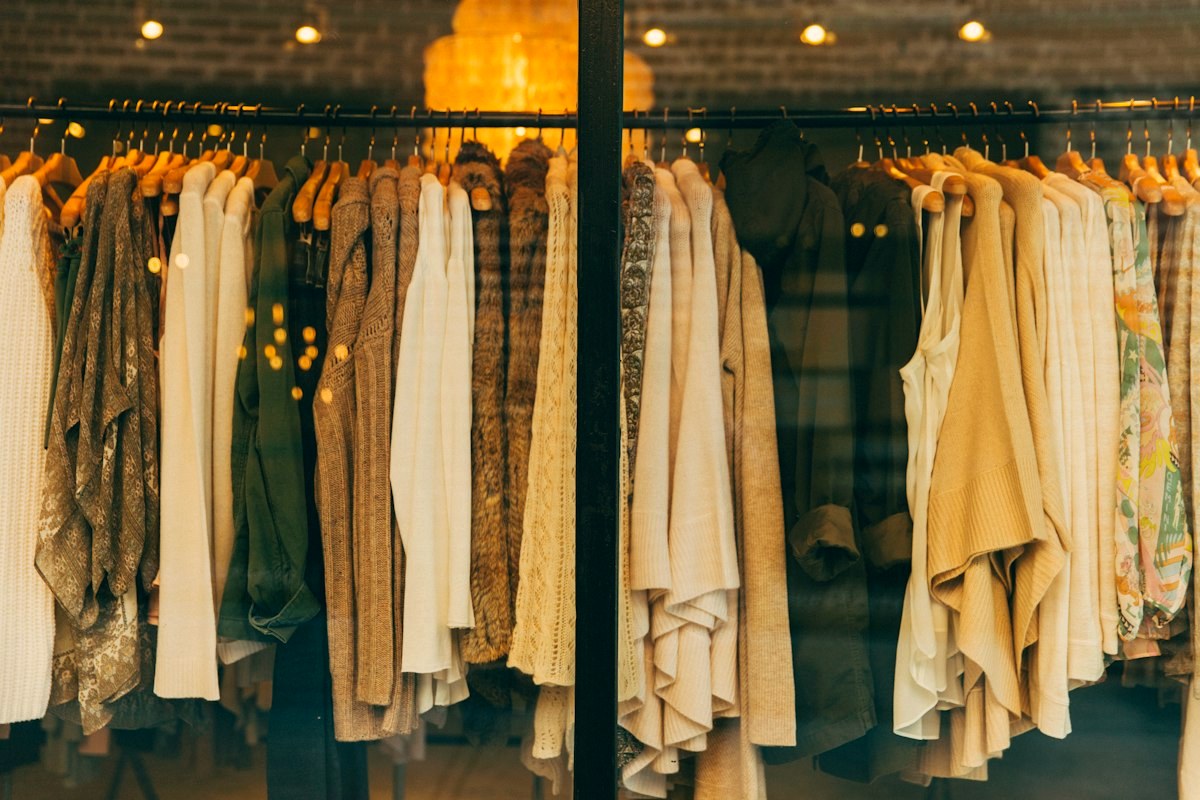
The polo's whole territory in one rail: a knitted shirt that lives between the tee and the Oxford, and is worn well exactly when it is worn as itself.
Checked and updated October 2026
The ruling, up front: a polo is worn well when its collar is treated as the garment's whole argument: the collar stands on its own construction, the buttons are a decision rather than a default, the knitted class goes under tailoring and the piqué class goes beside it, the office admits the dark, tucked, standing-collared end of the class and no other, and the hem is tucked or untucked by the bottom half it sits over. Most polo failures are not taste failures. They are collar failures and class failures: a collar that has given up, a gym polo in a dressed room, a logo doing the talking. This page prints the collar rules, the tailoring row, the office ruling, the tuck and fit rules, the outfit matrix, and the four ways men ruin it. The seven polos the rules are drawn from are ranked in Verdict Card No. 12.
On this page: the collar rules, polo with tailoring, the office ruling, the tuck rules, sleeve and fit, the outfit matrix, the mistakes, the buying note, questions.
The collar rules: stand, buttons, and the popped question
Our shirt index prints the law in one line: a polo stands or falls on whether the collar still stands at 4pm. Wearing the garment starts there. The collar stands on its construction, not on arrangement. A collar that has to be coaxed upright in the mirror is a collar in retirement, and the fix is the next polo, bought on the construction our Verdict Card scores out of twenty: knitted in, or a dense ribbed band on a real piqué. What the wearer controls is care, and it is not a detail: wash cold, dry on the line or flat, and keep the polo out of the hot dryer, which is where collar bands go to curl.
The buttons are a read, not a fastening. On a piqué polo the default is the top button open: the placket settles, the collar frames the neck, and the garment reads as the sport shirt it is. Buttoned to the top, a piqué polo tightens into a deliberate, slightly formal read that works in the evening and nowhere it has to pretend at ease. On a knitted polo the polarity reverses: buttoned up is the complete version, the collar sitting like a shirt's, the whole garment a rung dressier, which is why the knit is this brief's evening and tailoring polo. The failure mode is shared: a placket strained across a chest the size cannot serve, buttons working as load-bearing members. That is a size problem wearing a styling costume, and no button strategy fixes it.
The popped collar is named here so it can be retired. It began honestly, as equipment: the collar was made thicker in the 1960s so it could be turned up against the sun on court, and for one decade off the court it read as confidence. It now reads as quotation, a costume of that decade, and it spends the garment's one structural asset, the clean collar line against the face, on a reference most rooms no longer catch. The exception is the original use: real sun, real hours of it, on water or on court, where the collar is working. Everywhere else the collar stays down, standing on its own build, which is the entire reason the Card scores the build before the cloth.
Polo with tailoring: the knit polo ruling
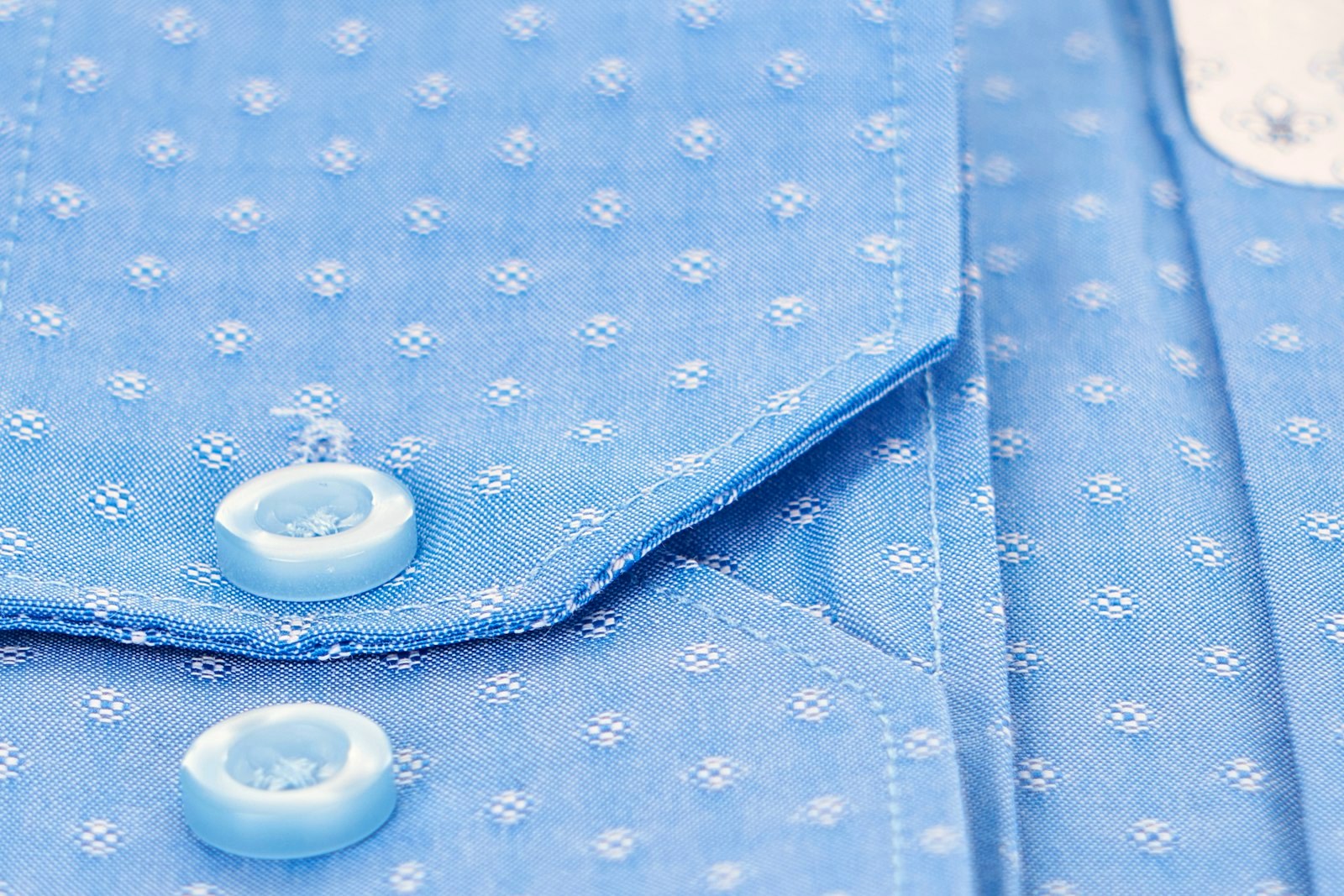
The second assembly is the polo against its opposite, and the conditions are already printed on this site, in How to Wear No. 03, where the blazer's weekend and travel rows are both filled by a knit polo. This brief states the polo side of the same contract. Under a blazer, the polo is a knitted one: fine gauge, extra-fine merino or Sea Island cotton, its collar knitted as part of the garment so it sits the way a shirt collar sits, close against the lapel's roll. The two knit polos at the top of Verdict Card No. 12, the Asket at 83 and the Smedley at 79, are built for exactly this row. The piqué polo goes beside tailoring, not under it: worn with tailored trousers and a belt, no jacket, its ribbed collar band is an asset; slide a lapel over it and the band and the lapel become two rolls of cloth arguing over the same inch of neck. The jacket itself keeps the blazer brief's specification: unstructured, textured, hopsack or flannel or cotton twill, born alone, never a smooth suit jacket, whose formality the polo cannot answer. And nothing else in the outfit is allowed to be ambiguous: the trousers are clean, the shoes are leather, and there is no tie, for reasons the mistakes section prints in full. One knitted element under one tailored element, and the polo stops being the casual fact in the room and becomes the deliberate one.
The office ruling: formality two, worn at its top
The office question is the one this garment gets asked most, so the ruling is printed as a ruling. The polo enters a smart-casual office at the top of its class and in exactly one specification: dark or neutral colour, collar standing on its own construction, tucked into trousers with a belt, leather shoes below, and the knitted polo first among equals because its collar behaves like a shirt's. Our shirt index files the polo at formality two, smart casual's floor, and the number produces the ruling's two limits. First, the colour limit: the office polo is the dark end of the rail, navy, charcoal, black, deep green, because colour is the only formality the garment can add. Second, the honesty limit, which the index prints beside the polo's name: it is not a dress shirt substitute, and in a room that measures formality, a finance floor, a formal client, a ceremony of any kind, the answer is not a finer polo. It is the Oxford at formality four, ranked in the Oxford Verdict ranking, or the dress shirt above it. The polo brief does not pretend its garment outranks the rooms it cannot enter. What it genuinely owns is the wide warm middle: the creative office, the summer floor, the Friday that is not a costume day, owned there in the one legal specification.
The tuck rules: the bottom half decides
The tuck is not a property of the polo. It is a property of what the polo is worn over, and the rule runs by the bottom half. Tailored trousers, a belt, leather shoes: tuck. The outfit has asked for a clean waist at every other point, and the untucked hem is the one untidy fact left standing. Shorts, denim, chinos worn open and casual: leave it out, provided the hem earns it, ending around the belt line, a sliver below at most, and never past the fly, where an untucked polo stops being a shirt and becomes a tunic. The garment itself casts the deciding vote in one common case: the tennis tail, the back hem cut longer than the front so the shirt stays in through a swing, is a tailoring decision made by the maker. A tennis-tailed polo worn out displays its engineering as a skirt of extra cloth at the back, and the correct reading of that hem is the one its inventor intended: it was cut to be tucked, so tuck it, or buy the straight-hem version for the untucked rows. The half-tuck, one corner in and the rest arranged, is not a third option on this brief: it reads as an accident that has been photographed too often, and the matrix below contains no row for it.
Sleeve and fit: the two measurements that matter
A polo has no darts, no waist suppression worth the name, and no tailor's rescue: the fit is bought whole, in two measurements. The sleeve ends at mid-bicep, and its band sits close against the arm without gripping it. A sleeve that ends at the elbow reads as a borrowed shirt; a band that grips reads as a size too small worn as an argument. Between the two, the mid-bicep band is the garment's original sporting line and the one the eye checks first. The body skims: the cloth follows the torso with a finger's ease at the chest, the placket lies flat and closed buttons do not pull, and the shoulder seam sits on the shoulder's edge, because a knitted shoulder that slides down the arm takes the collar's line with it. Size by the collar and the shoulder, not by the chest's vanity: if the collar gapes away from the neck, the polo is a size too large whatever the body does, and if the placket strains, it is a size too small whatever the mirror says. The makers on the Card who publish a real size system, the winner's three fits and the runner-up's fifteen-size grid, exist because these two measurements are where polos are actually lost.
The outfit matrix
The data team's assemblies, by occasion. The constant in every row is the class named in the polo column: the rows are not interchangeable, because the class is the ruling, and a piqué polo dropped into the tailoring row fails it no matter how the rest is arranged.
| Occasion | The polo | Bottom half | The layer | Shoes |
|---|---|---|---|---|
| Office | Knitted polo, dark, tucked; piqué in navy as the second choice | Tailored trousers or chinos, belt | None, or an unstructured blazer over the knit only | Leather loafers or derbies |
| Evening | Knitted polo, buttoned to the top, black or deep navy | Dark trousers or black denim | None; the knit is the layer | Suede loafers or Chelsea boots |
| Weekend | Piqué polo, top button open | Chinos or straight denim | None, or an open overshirt | Clean minimal trainers or suede boots |
| Summer | Piqué or mesh polo, pale or white, untucked | Shorts, hem above the knee | None | Loafers without socks, or canvas trainers |
| Travel | Knitted polo, crease-proof and dark | Chinos that can sit all day | Unstructured blazer, the blazer brief's travel row | Shoes that can walk all day |
The office row is this brief's ruling dressed in full, and its bottom half leans on the trouser deliberately: the seven worth owning are ranked in the chinos ranking. The travel row is the blazer brief's own row read from the polo's side, the same assembly in both directions, which is how the system is supposed to work. The torso every row dresses is the one this site's figure wears in the Body Map, where the winning tee and Oxford hold the polo's slot: read the map's torso as the rotation this matrix belongs to, three tenants of one layer trading the same job across the week.
The Polo Ruling
Collar: it stands on its construction or the polo is retired; buttons are a read, the knit buttoned up, the piqué open at the top; the popped collar is equipment for sun, not a style. Tailoring: the knitted polo only, under an unstructured blazer, with nothing else ambiguous. Office: formality two worn at its top, dark, tucked, standing collar, and never as a dress shirt's understudy. Tuck: the bottom half decides, and a tennis tail has already decided. Fit: sleeve at mid-bicep, body skimming, sized by the collar and the shoulder.
The mistakes
The logo billboard read. The polo whose chest logo has been scaled from a signature into signage: the oversized pony, the chest-wide crocodile, the crest you can read across the room. A small embroidered mark is a maker's signature, sized to be noticed at handshake distance. Scaled up, it reverses the garment's polarity: the shirt stops being worn and starts being carried, an advertisement the wearer has paid to display, and it demotes everything honest around it, the trousers, the shoes, the fit work, into the logo's supporting cast. Our Verdict Card scores the standard version of the famous pony and prints the tax in its value row. The billboard version does not get scored. It gets named here, once, as the mistake it is.
The undershirt showing. The crew-neck undershirt's band sitting visible above the polo's open placket: two collars, one knitted and one ribbed cotton, arguing at the neck in public. The polo's placket is a frame, and whatever shows inside it becomes part of the picture. The fixes are the two honest ones: a deep V-neck undershirt that stays inside the frame, or no undershirt at all, which the piqué's textured cloth was built to allow. What does not fix it is buttoning the polo over the band, which trades a visible undershirt for a strained placket and keeps both problems.
The polo with a tie. The knotted tie worn over a polo collar, attempted wherever a dress code says collar and a wardrobe says knit. It fails on structure before it fails on taste: a tie knot needs a collar band with the height and stiffness to sit against, and a polo's soft knitted collar has neither, so the knot slides, the collar folds under it, and the assembly reads as a costume of business rather than business. The rooms that require a tie require the garment that holds one, the woven shirt at formality four or five in the shirt index. The polo's answer to a formal room is not a tie. It is absence, and an Oxford in its place.
The gym polo in dressed rooms. The athletic performance polo, shiny polyester, quarter-zip or tech placket, course logos at the chest and sleeve, carried from the fairway into the evening room on the theory that it has a collar. The collar is where the resemblance ends. The fabric's sheen reads as sport under any light warmer than a clubhouse's, the cut is built for a swing rather than a silhouette, and the logos are a sponsor's, not a maker's. The distinction this brief draws is cloth, not category: a matte cotton piqué is a shirt that plays sport; a tech polo is equipment that resembles a shirt, and equipment stays in the kit bag when the day turns dressed. Our Card scores the mall's performance piqué at the boundary of the two and prints where the register costs it.
The buying note: the collar first
The garments themselves are ranked in Verdict Card No. 12, where the Lacoste L.12.12 Original wins at 85. What follows is the buying system behind that ranking, printed so it can be applied in any shop, including to polos the Card has never handled. Buy the collar first: knitted in if the budget reaches, a dense ribbed band if it does not, and the collar's build checked the way the Card checks it, edge rolled between finger and thumb, the band's weight read against the body's. Buy one of each class: a dark piqué for the weekend and summer rows, a dark knit for the office, evening and travel rows, because the two classes cover the whole matrix and a third polo in either class is a spare, not a gap filled. Buy dark first: navy before white, because colour is the class's only formality and the dark polo holds more rows, longer, before the shoulder fade retires it. Read the fibre line out loud: cotton, merino, or a blend with its percentages printed, because the blend is where the performance register and the early retirement both live. On price, the honest shape of the market is the familiar one: the category's reference sits near a hundred dollars, the knitted tier doubles it, and the polos far below the reference are below it for reasons the collar will tell you by August. The classes are all defined in the shirt index; where the torso hangs among this site's winners is mapped in the Body Map.
Questions, answered
Can you wear a polo shirt under a blazer?
Yes, under the same three conditions our blazer brief prints for its weekend and travel rows: the polo is a knitted one, fine gauge, whose collar sits the way a shirt's collar sits; the blazer is unstructured and textured, hopsack, flannel or cotton twill rather than a smooth worsted; and nothing else in the outfit is ambiguous, no tie, no dress shoes pretending at formality, the trousers clean. The piqué polo stays beside the blazer rather than under it: its ribbed collar band and the lapel are two rolls of cloth arguing over the same inch of neck.
Should you tuck in a polo shirt?
Tuck by the bottom half. With tailored trousers, a belt and leather shoes, tuck: the outfit is asking for a clean waist and the polo's hem is the one untidy fact left. With shorts, denim or anything worn open and casual, leave it out, provided the hem ends where it should, around the belt line and never past the fly. The garment itself votes: a polo cut with a longer back hem, the tennis tail, was tailored to stay tucked, and wearing it out turns its design into a skirt of extra cloth at the back.
Should you button a polo shirt all the way up?
On a knitted polo, yes, it is a complete read: buttoned to the top, the collar sits like a shirt's and the outfit gains a rung, which is the evening row in this brief's matrix. On a piqué polo, the working default is the top button open: the placket relaxes, the collar frames the neck, and the shirt reads as the sport garment it is. What never works is the half-decision, buttons strained across a chest the size cannot serve. If the placket pulls, the answer is the next size, not a button strategy.
Can you wear a polo shirt to the office?
In a smart-casual office, yes, at the top of the polo's class: a dark or neutral colour, a collar that stands, tucked into trousers with a belt and leather shoes, and the knitted polo first among equals because its collar behaves like a shirt's. Our shirt index files the polo at formality two, smart casual's floor, and prints the limit with it: the polo is not a dress shirt substitute, and in a room that measures formality the answer is the Oxford, not a better polo. Worn inside its ruling, it is not a loophole in the dress code. It is the dress code's warm-weather clause, read carefully.
Should a polo collar be popped?
No, not as a read. The raised collar began as equipment: Lacoste made the collar thicker in the 1960s so it could be turned up against the sun on court, and off the court it became a period signal, the uniform of a specific decade's confidence. Worn now it reads as costume, a quotation rather than a decision, and it costs the garment its one structural asset, the collar line that frames the face. The exception is the original one: actual sun, actual hours of it, on a boat or a court, where the collar is doing its job. Everywhere else, collar down, standing on its own construction.
Has Young Cotton ranked polo shirts?
Yes: Verdict Card No. 12 ranks seven polos on the collar basis this brief wears by, cloth and knit, collar and construction, fit range, value and longevity, with every collar build printed and the cost per presentable wear in the open. The Lacoste L.12.12 Original wins it at 85. The Asket Merino Wool Polo, the knit this brief sends under blazers, is second at 83, and the fast-fashion piqué whose collar curls inside a season is sent home at 35.
Next
The family this brief belongs to: the seven polos ranked in Verdict Card No. 12; the polo among its eleven fellow shirts in types of shirts; the tailored half of the contract in How to Wear a Blazer; the denim the weekend row stands on in How to Wear Denim; and the torso among the site's winners in the Body Map.