
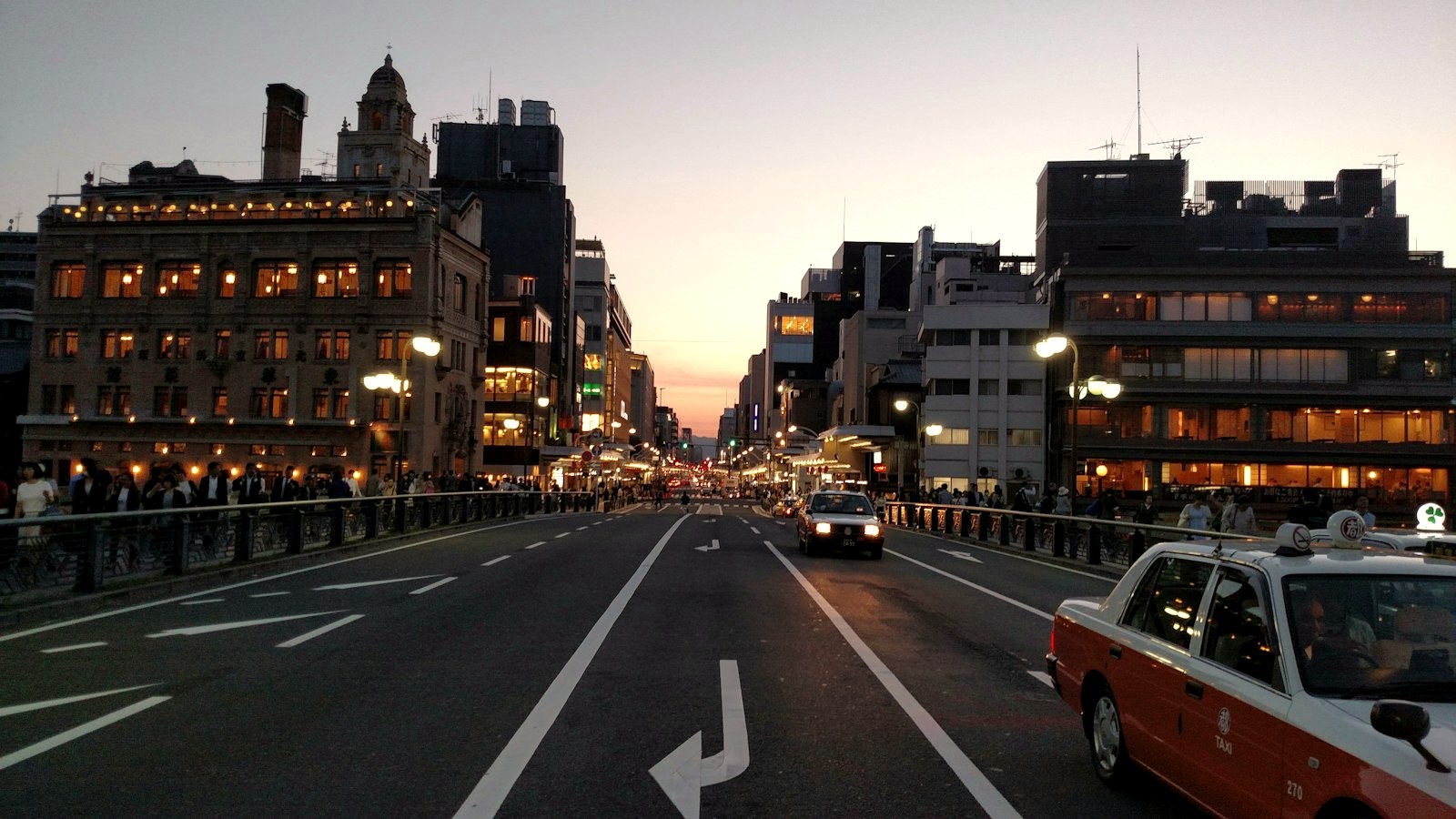
The trench's native ground: a city street at dusk, between seasons, with weather on the way.
Checked and updated October 2026
The ruling, up front: a trench coat works when it is worn as weather equipment with manners: the length matched to your height, the belt in one of its three legal states and never trailing, the sleeve long enough to cover the shirt cuff so rain runs off the coat instead of into it, and shoes with enough structure to answer the coat's. Under it goes whatever the day already required. The trench is the frame of an outfit, not the picture, and the moment it becomes the costume, every heritage detail worn at once, it has failed. This page prints the cloth classes, the fit rules, the outfit matrix, and the five ways men ruin it.
On this page: the three cloths, the fit rules, the belt, the outfit matrix, the mistakes, the buying note, questions.
Three cloths wear the trench's name
Most trench failures are cloth errors committed before fit is even discussed. The silhouette is a century old and widely copied; the cloth is where the real coat separates from the photograph of one. A note on our own photography, printed because this page believes in saying so: our photo bank holds no honest trench-on-body frame yet, so this brief runs on the coat's weather and streets rather than a borrowed model shot. The harvest list has the gap, named.
| Cloth | What it is | How it behaves | The ruling |
|---|---|---|---|
| Cotton gabardine | Cotton woven so tightly that water is shed by the weave itself; the cloth invented for this coat | Breathes while it sheds, softens with wear, ages into the man wearing it | The buy. Everything else is measured against it. |
| Bonded cotton | Two cotton layers bonded face to face, from the rubberised rainwear tradition | Stiffer, sharper, more architectural; holds a cleaner line and gives less | Acceptable, and often beautiful. The modern tailored trench. |
| Polyester shell | Synthetic woven and finished to photograph like gabardine | Does not breathe; beads water until the finish tires, then wets through; shines in daylight | The skip. It keeps the silhouette and deletes the function. |
The construction tells ride along with the cloth: a storm flap across the chest or back, a throat latch under the collar, a back vent that buttons, buckles that feel like hardware rather than jewellery, and a lining that is finished flat instead of glaring. The type's place on the wider ladder, formality four and warmth two among all twelve jacket types, is set out in the jackets index.
The fit rules
Length, against height: the hem is a proportion decision, and the product photo is always shot on a man taller than the coat's average buyer. Below about five foot eight, the hem belongs between mid-thigh and just above the knee. Through the middle heights, at the knee or just below it. Above six foot, below the knee and toward mid-shin reads deliberate. At every height the drowning line is the same: once the hem takes the leg's whole line, the man reads shorter and the coat reads borrowed. Leg shows beneath the hem, or the length is wrong.
Through the body: a trench is a coat, and it is sized over what the day requires, a blazer, a knit, both. Room through the chest and shoulder for tailoring beneath, the shoulder seam on the point or a raglan falling clean. A trench that fits perfectly over a t-shirt alone will strain over the suit it was designed to protect.
The sleeve rule: the coat sleeve covers the shirt cuff completely and ends at the wrist bone, a fraction past the sleeve of any jacket underneath. This is the reverse of the tailoring rule, and weather is the reason: the coat is the outer skin, and rain should run off it, not down into a cuff. The sleeve straps buckle snug for the same reason. They are weather seals, not decoration.
The belt: three legal states
The belt is the trench's signature and its most common failure, so it gets its own law. Buckled at the natural waist when the coat is closed: the default, the silhouette the coat was cut for. Tied once, in a simple knot at the front or side, when the coat is worn open and the day is easy: the knot is a decision, kept small. Buckled behind when the coat is worn open and you want it held to the body: fasten the belt at the back and the coat keeps its shape without swinging. Every other state of the belt is an error, and the mistakes section below names them.
The outfit matrix
The data team's assemblies, by occasion. The proportions are kept deliberate: the coat is the structured element in every row, and what goes under it is softer, quieter, or both.
| Occasion | Under the coat | Below | Shoes | The belt |
|---|---|---|---|---|
| Office | Blazer or suit, Oxford or dress shirt | Tailored trousers | Leather oxfords or derby boots | Buckled at the waist |
| Evening | Fine crew neck or turtleneck | Dark trousers | Chelsea boots | Tied once, coat worn open later |
| Weekend | Chunky knit or shawl cardigan | Dark denim | Suede boots, or a clean minimal trainer | Tied, or buckled behind |
| Rain | Whatever the day requires, a knit under it | Trousers that can take a splashed hem | Boots with a real sole | Buckled, coat closed, collar up if the weather earns it |
| Travel | Zip cardigan or fine knit over a shirt | Chinos | Comfortable leather shoes | Buckled behind if worn open; the coat travels on you, not in the case |
The office row leans on the Oxford deliberately: it is the coat's oldest partner, and the eight worth owning are ranked in the Oxford Verdict ranking. The weekend row's knit layer follows How to Wear No. 01, and the whole autumn assembly, trenches included, is scored piece by piece in the Fall Edit.

The Trench Ruling
Length: by height, with leg showing beneath the hem. Belt: buckled, tied once, or buckled behind; never trailing. Sleeves: the cuff covered, the straps snug. Cloth: gabardine, or bonded cotton from the rainwear tradition; polyester is the skip. Shoes: structure answers structure.
The mistakes
The costume read. Every heritage detail deployed at once: collar up, belt cinched hard, storm flap buttoned, epaulettes squared, sunglasses on. Worn that way the coat stops being clothing and becomes a detective in a film about detectives. The fix is subtraction: collar down, coat worn open more often than closed, one detail at a time. The trench is a rain coat with a past, not a character with a coat.
The belt errors. Ends trailing unbuckled, swinging from the loops as you walk. A belt tied in a bow. A belt cinched tight over an unbuttoned coat, so the cloth bells above and below it. And the belt removed altogether, leaving the empty loops to announce its absence to everyone behind you. Three legal states exist; these are none of them.
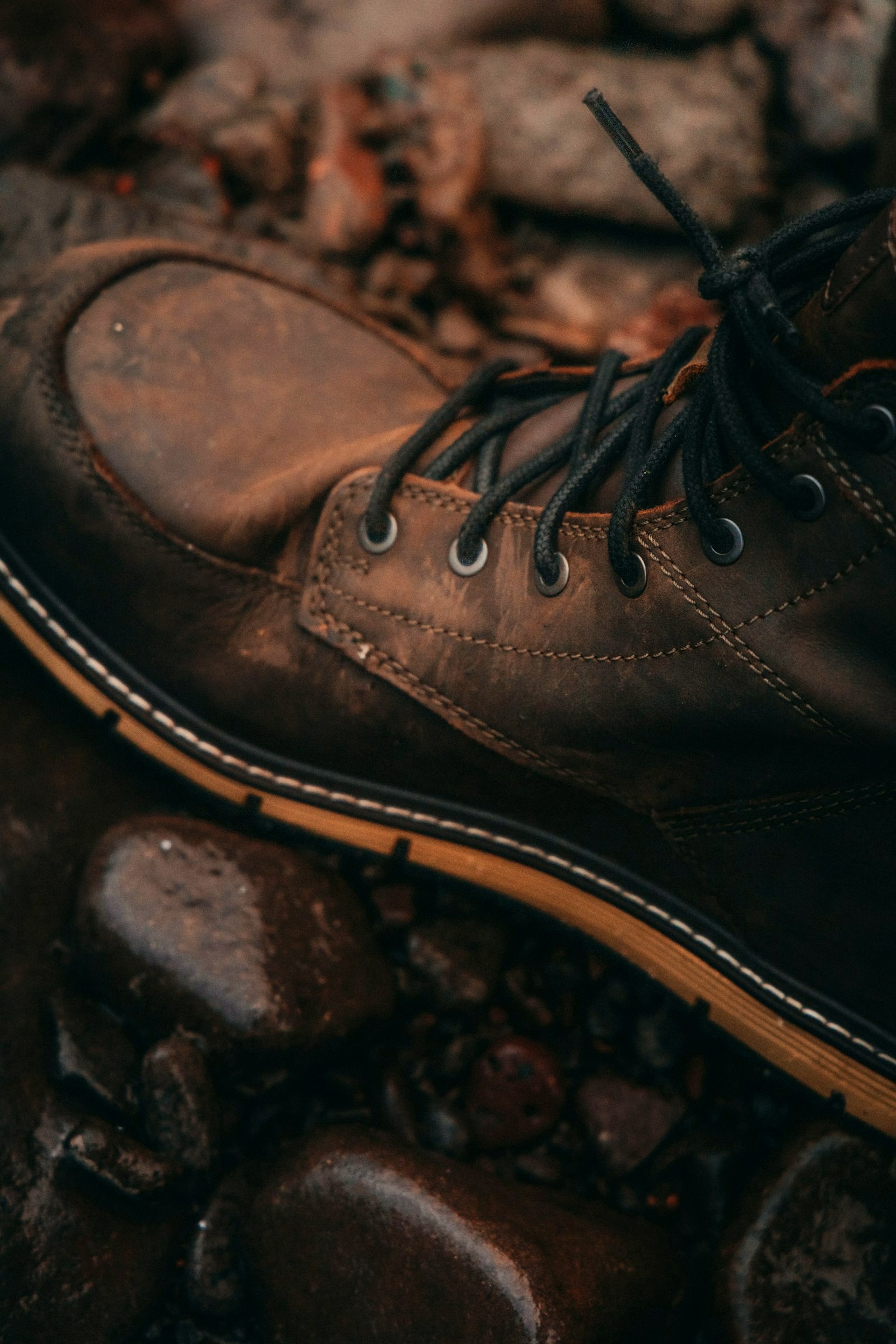
The wrong shoes. Running shoes and gym trainers under a gabardine coat. The coat is a structured garment, a century of tailoring in its shoulders, and it needs a shoe that can hold a conversation with it: leather shoes, boots, or at the weekend a clean minimal trainer worn knowingly. The trainer shaped like a running shoe ends the argument the coat was winning.
The drowning length. Mid-calf bought off a tall model's photograph and worn on a frame it swallows. The fit rules above exist because this is the mistake that cannot be styled around: no belt state and no shoe fixes a hem in the wrong place.
The plastic shine. The polyester trench bought for its product photo. In daylight the finish announces itself, in rain the cloth gives up, and the coat joins the wardrobe's pile of almosts. The cloth table at the top of this page is three rows long for a reason: read the fibre line before the silhouette seduces you.
The buying note: principles, not a ranking
An honesty note before the principles: this site has not ranked trench coats. There is no trench Verdict Card, and the desk will not borrow authority it has not earned, so what follows is the system a ranking would use, printed so it can be applied in any shop, including to coats this site has never handled. Buy the cloth first: gabardine, or bonded cotton from a maker in the rainwear tradition, and read the fibre line out loud before trying anything on. Buy the length on your own legs, by the height rules above, in a mirror that shows the whole leg. Buy the hardware: buckles with weight, buttons that feel sewn rather than glued, a vent that buttons, a lining finished flat. On price, the honest shape of the market is a band rather than a figure: a real gabardine coat from a maker who names the cloth usually starts in the low hundreds at US retail and climbs steeply from there, and the coats below that band are below it for a reason the fibre line will tell you. The type's standing among all twelve, and the two jackets to buy around it, are in the jackets index; where the trench hangs among the site's winners is mapped in the Body Map.
Questions, answered
How do you wear a trench coat?
As weather equipment with manners: length matched to your height, the belt buckled, tied once, or buckled behind, never trailing, and the sleeve covering the shirt cuff so the rain runs off the coat and not into it. Under it, whatever the day already required: tailoring for the office, a fine knit for the evening, denim and a chunky knit at the weekend. The coat is the frame. It is not the picture, and it is never the costume.
How long should a trench coat be?
Matched to height, not to a product photo. Below about five foot eight, the hem belongs between mid-thigh and just above the knee. Through the middle heights, at the knee or just below it. Above six foot, below the knee and toward mid-shin reads deliberate. The error at every height is mid-calf on a frame that cannot carry it: once the coat covers the leg's whole line, the man reads shorter and the coat reads borrowed. Leg should show beneath the hem.
Should you belt a trench coat?
Yes, in one of its three legal states. Buckled at the natural waist when the coat is closed. Tied once, in a simple knot, when the coat is worn open and easy. Or buckled behind the back when the coat is open and you want it held to the body without the swing. What the belt never does is trail: unbuckled ends swinging from the loops is the single most common trench mistake, and removing the belt entirely only leaves the empty loops to announce it.
What shoes go with a trench coat?
Shoes with structure, because the coat has it. Leather oxfords and derbies for the office rows, Chelsea boots and suede boots for the evening and weekend, boots with a real sole in the rain. The clean minimal trainer is acceptable at the weekend, worn knowingly. The running shoe is not: a gabardine coat over gym trainers reads as two outfits arguing, and the argument is the only thing anyone notices.
Can you wear a trench coat with jeans?
Yes, and it is one of the coat's best weekend rows: dark denim, a chunky knit or a shawl cardigan under the coat, suede boots below it. The rules are the usual ones in this family: the denim is dark and straight, the knit does the softening, and the coat dresses the whole thing up a storey. Light washes and trainers pull it back down. A trench over denim is how the coat earns its keep outside the office it was designed around.
Has Young Cotton ranked trench coats?
Not yet, and this page will not pretend otherwise: there is no trench coat Verdict Card on this site. What this page gives instead is the system a ranking would use, the cloth classes in order, the fit rules by height, the belt discipline and the shoe rule, so any trench, including the ones in our shops, can be judged before the ranking exists. On the jackets index the type itself stands at formality four, warmth two: a rain instrument, scored as one.
Next
The family this brief belongs to: all twelve jacket types indexed in types of jackets; the layer under the coat in How to Wear a Cardigan; the coat's torso slot among the winners in the Body Map; and the season's full grid in the Fall Edit.