
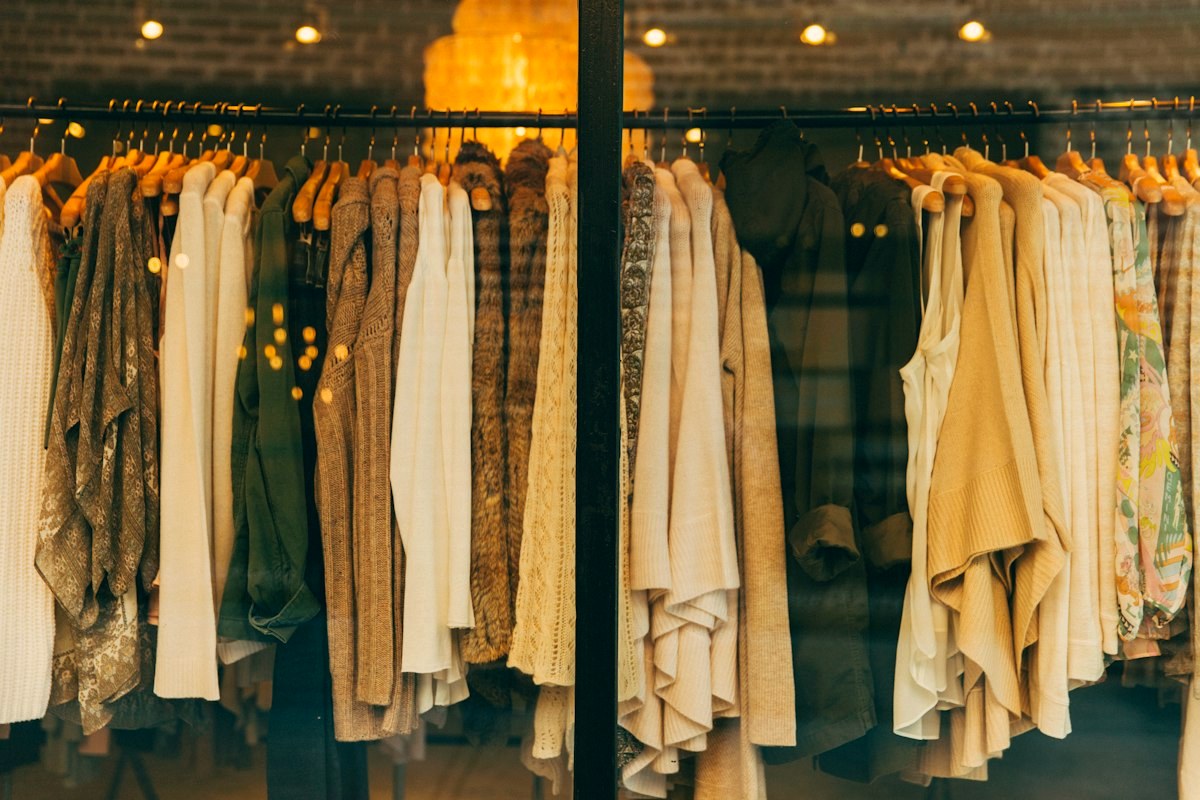
Fall is a layering problem, and this page scores the solution: thirteen pieces, ranked, priced and dated, in the order the data puts them.
Checked and updated October 2026
Fall, scored. Every seasonal edit on the internet is a pile of product photos standing next to prices. This one is a ranking you can shop: thirteen pieces our data team has already scored, priced and dated across this magazine, laid out in score order, with the season's three most famous traps named at the bottom. Fall dressing is a layering system in the soft register this magazine is built on: a tee or an Oxford at the skin, a knit or a flannel over it, a blazer or a coat over that. It is also the season where the money math turns in your favour, because the wears stack up fast and cost per wear falls with every cold week. One warning the data insists on: the logo tax does not take the season off. The priciest coat in this edit is the one we tell you to skip.
How this edit was built
Nothing here is new, and that is the point. Every card below is drawn from a page where the scoring already happened in public: our quiet luxury capsule, the Oxford ranking, the white tee ranking, and the Japanese, Scandinavian and Italian roundups. Prices are the prices those pages published, checked this month. Scores follow our published methodology. Three cards carry a brand score from their country roundup rather than a product score, and the pill on those cards says so, because a ranking that blurs its own basis is not a ranking. Grid order is score order; where two scores tie, the cheaper piece stands first. If you are building the office version of this stack, our business casual capsule decodes the same layers by dress code.
The thirteen, in score order

Auralee
Super Fine Wool Rib Knit
Price band at last check: $600 to $800 for core knits at the official store.
The summit knit: proprietary cloth, washed soft, cut calm. The layer every other layer is measured against.
$600See it at Auralee →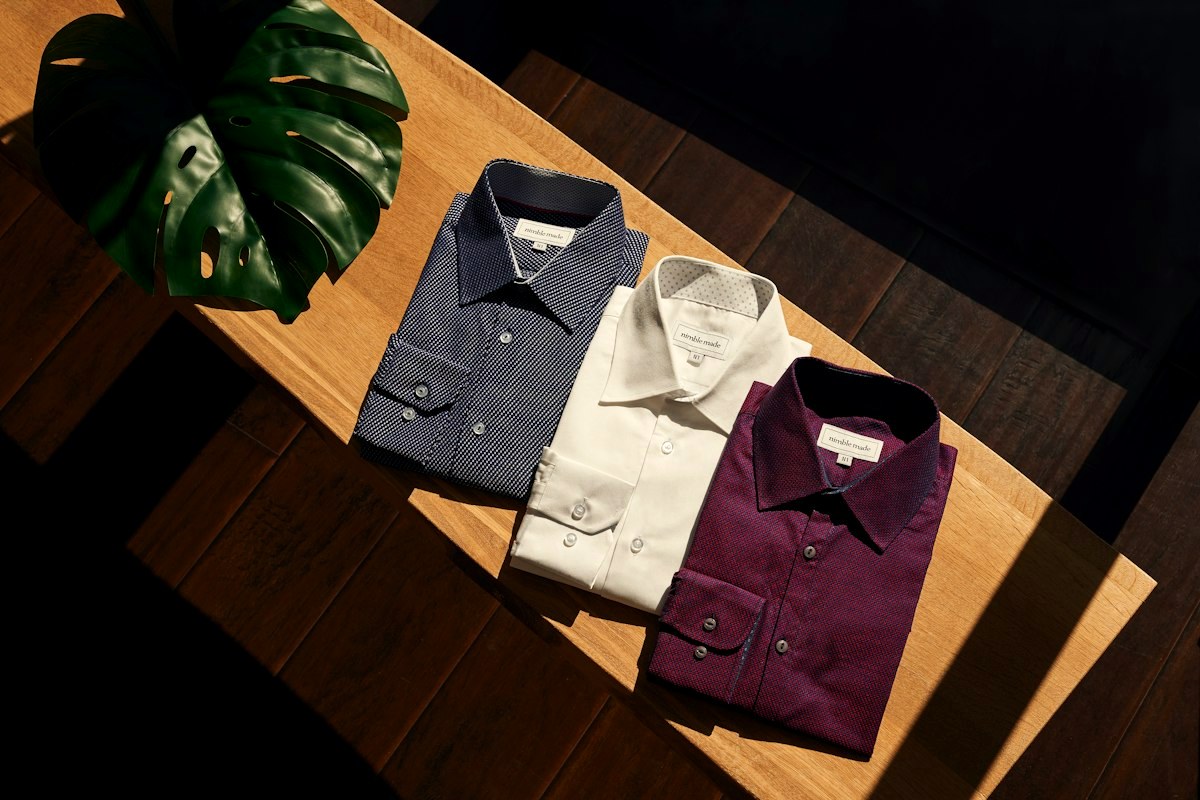
Kamakura Shirts
Oxford Button-Down
Typical list price at last check: around $99–130 depending on market.
The foundation of the season. Every layer in this edit is built to go over this collar.
$99–130See it at Kamakura Shirts →
Asket
The T-Shirt
List price at last check: $70 in the US.
The base layer standard: 180 gsm, a bound collar, and about 23 cents a wear under everything else you own.
$70See it at Asket →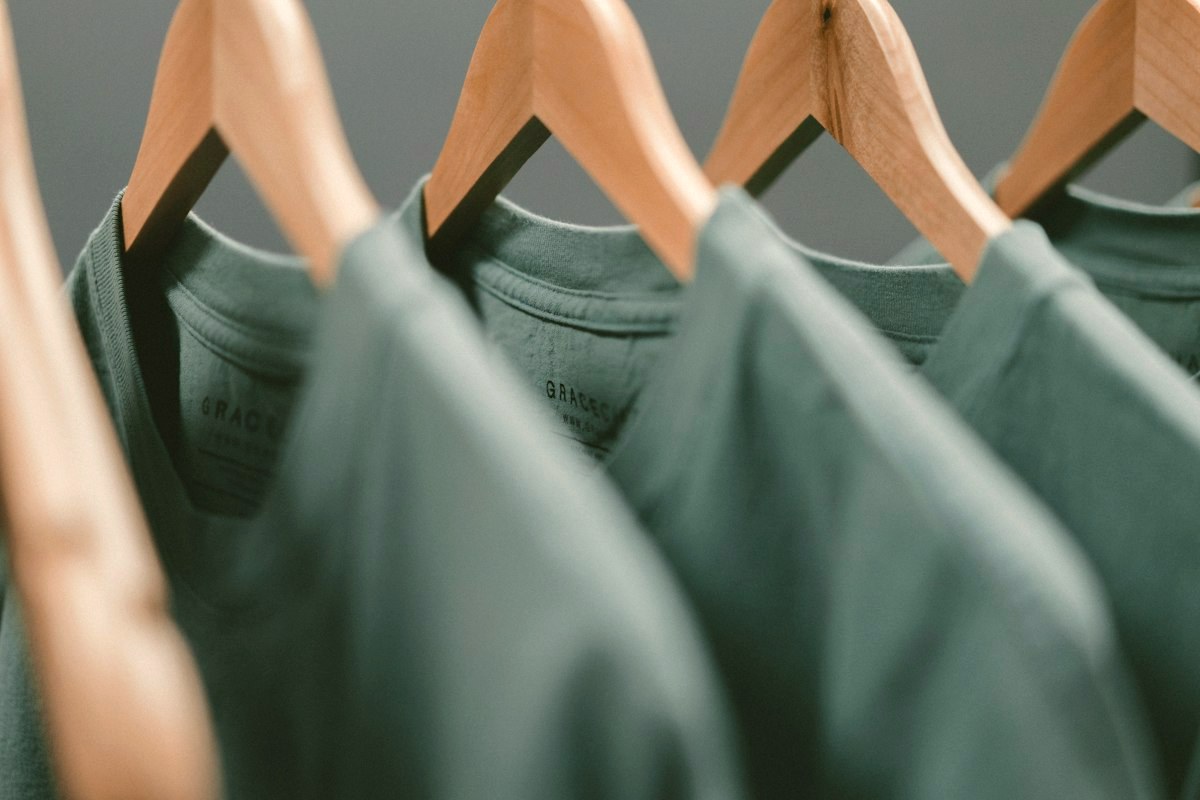
Our Legacy
The Borrowed Shirt
Typical price at last check: $250 to $350.
The shirt with ideas in it: familiar, cut a few degrees off normal, right open over a tee or closed under a coat.
$250See it at Our Legacy →
Asket
The Sweatshirt
Typical list price at last check: around $95.
Heavy loopback cotton, ribbed hems that hold, nothing on the chest. The off-duty layer, solved.
$95See it at Asket →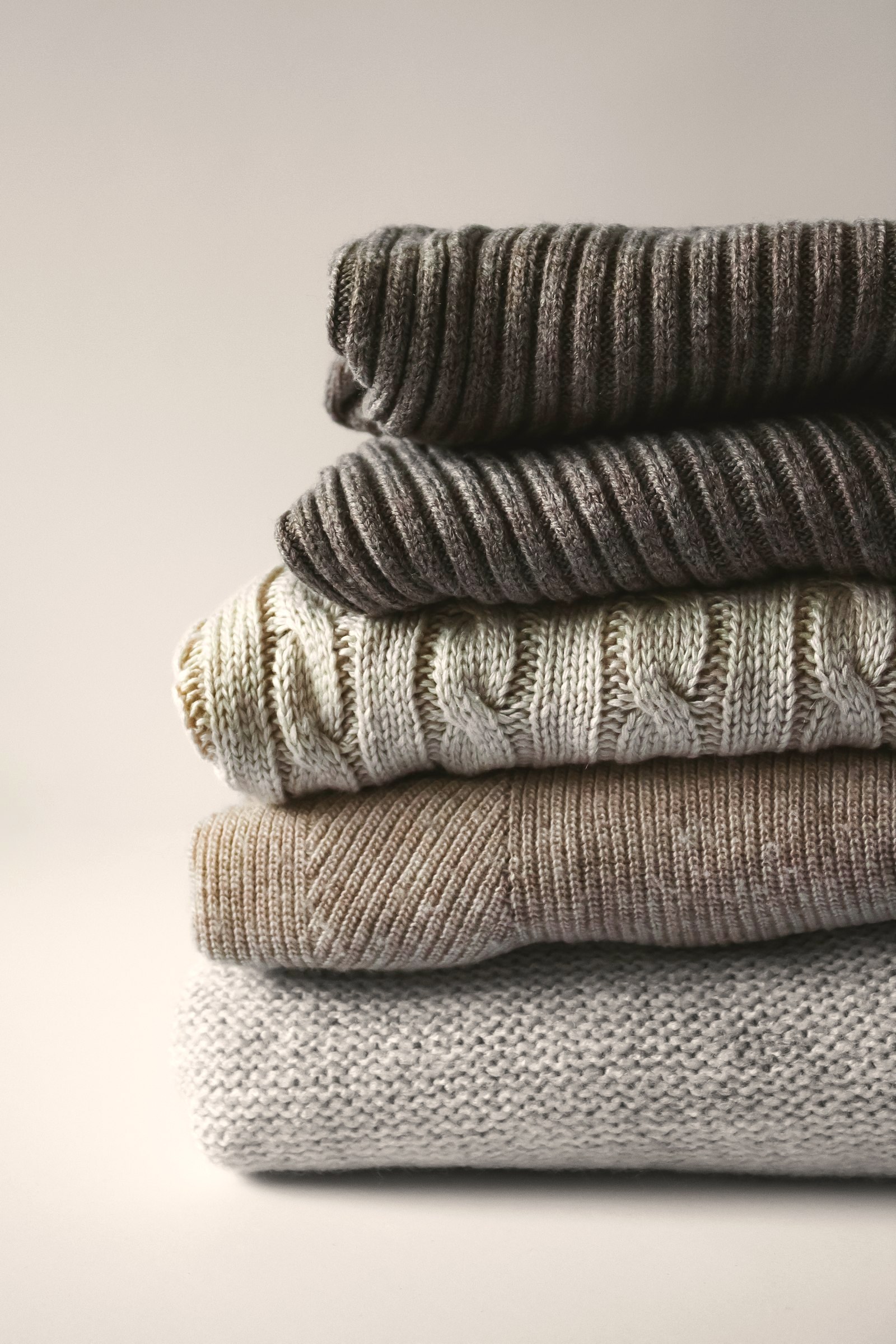
Norse Projects
Lambswool Crewneck
Typical price at last check: $225 to $325.
The decade knit. Buy it once and spend ten autumns arguing about something else.
$225See it at Norse Projects →
Spier & MacKay
Sport Coat
Sport coats start at around $300 at last check.
Soft shoulder, half canvas, navy. It finishes the stack: Oxford, knit, this.
$300See it at Spier & MacKay →
Koio
Capri Triple White
Typical list price at last check: around $295.
Full-grain leather on a Margom sole, made in Italy, with nothing on the shoe but the shoe. The white sneaker the capsule builds its shoe rotation on.
$295See it at Koio →
Spier & MacKay
Chinos
List price at last check: from $88.
The trouser's weekend sibling, in stone: buy straight or a gentle taper, and let the hem just touch the shoe.
$88See it at Spier & MacKay →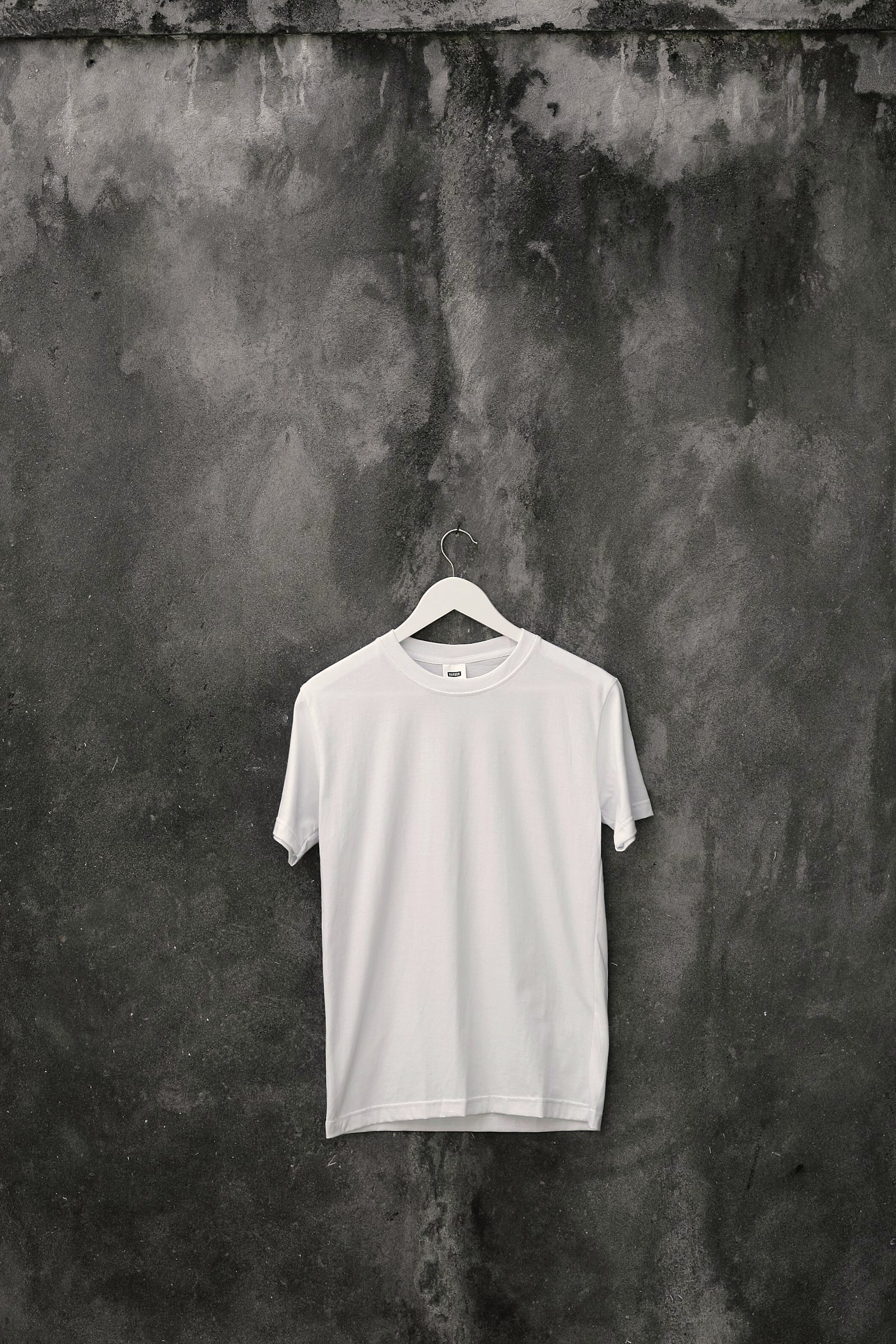
Merz B. Schwanen
215 Loopwheel T-Shirt
List price at last check: €105 from the maker; about $110 in the US.
At 245 gsm of loopwheel cotton, the tee stops being a base layer and becomes the layer. Size up: the cut runs small.
$110See it at Merz B. Schwanen →
Uniqlo
Flannel Shirt
List price at last check: $49.90 ($39.90 on offer).
The lightest jacket in the edit: worn open over the tee in October, buttoned under the coat in December.
$49.90See it at Uniqlo →
Uniqlo
Premium Lambswool Crew Neck
List price at last check: $49.90.
The honest knit: 100 percent lambswool at a high-street price. Brush it, rest it between wears, keep it for years.
$49.90See it at Uniqlo →
Mango
Wool Double-Breasted Coat
List price at last check: $229.99 at Mango US.
A real coat from day one: straight cut, wide lapel, no branding. The edit's lowest score, printed on purpose.
$229.99See it at Mango →Skip this season
Three famous names our rankings have already scored and sent home, gathered here because fall is when their bills come due. A winter coat is where the logo tax collects the most money for the least cloth, and a sneaker sold pre-worn is a summer joke that does not survive the cold.
Golden Goose: Super-Star
From $585 at Neiman Marcus at last check.
Pre-distressed in a factory and priced like a relic. The leather is decent; the premise is not. Quiet dressing is honest cloth ageing honestly, and this shoe rents you somebody else's ageing at the highest cost per wear on this page.
See it at Neiman Marcus →Moncler: the Maya
Jackets $1,150–2,800 at last check; the Maya sits near $1,800.
The logo tax, winter edition: a well-made down jacket wearing its badge for the photographs, at a price that has roughly doubled across a decade of logo heat. Down warmth is a solved problem at a third of this money, including two houses on our Italian list.
See it at Moncler →Peak Performance: Edge 2L
$445 at last check.
A competent ski shell, logo-forward and styled to be replaced by next season's colours, at fashion money. On our Scandinavian list it finished last of twenty, beaten at its own game by two neighbours who charge less for better construction.
See it at Peak Performance →The arithmetic, assumptions printed, from the pages where these scores live. The Super-Star at $585, at a generous 150 wears, costs about $3.90 a wear; our capsule did that division. The Maya near $1,800, worn twenty-five times a year for five years, costs about $14.40 a wear; our Italian roundup did that one. The Edge 2L at $445, worn twelve ski days a year for five years, costs about $7.42 a wear; the Scandinavian roundup again. Against all three, the lambswool crew at $49.90 in the grid above costs about a dollar a wear in its first season. Price is a fact. Cost per wear is the verdict.
Wear it in this order
The base. The Asket tee (88) or the Kamakura Oxford (93), nothing between you and the day but one honest layer. On cold mornings the Merz loopwheel (82) earns its premium here: at 245 gsm it insulates like a light sweatshirt and still sits flat under a knit.
The warmth. One knit, chosen by budget: the Uniqlo lambswool (76) at $49.90, the Norse Projects crewneck (85) at the middle rung, the Auralee rib knit (94) at the top. The flannel (77) is the warmth layer's understudy, open over the base on mild days.
The structure. The Spier & MacKay sport coat (85) over the Oxford and knit is the dressed version; the Asket sweatshirt (85) under nothing at all is the off-duty one. The Borrowed Shirt (86) works both shifts, which is why it is in the edit.
The weather. The Mango coat (74) over all of it. It is the grid's lowest score and its most necessary garment, which is exactly why the score is printed instead of hidden: buy the honest floor now, upgrade the slot in a few winters, when the rest of the stack has already paid for itself. The full build order, with totals computed three ways, lives in the quiet luxury capsule; the office translation lives in the business casual capsule.
Questions, answered
In what order should fall layers go on?
Skin out, in four moves. First the base: a tee or an Oxford shirt, the layer that touches skin and sets the collar line. Second the warmth: a fine knit or a flannel, the layer that does the insulating. Third the structure: a soft blazer or an overshirt, the layer that gives the stack its shape. Last the weather: the coat. The test for every layer is the one below it: if taking the coat off ruins the outfit, the stack was a costume, not a system.
Why does cost per wear fall in autumn?
Because wears concentrate. A knit bought in October can be worn two or three times a week until March, roughly fifty wears in its first season alone, so even a $225 lambswool crewneck is under five dollars a wear before spring and under a dollar a wear by its third year. Summer pieces spread their wears thin across heat and holidays. Fall pieces work a shift, and the arithmetic on this page rewards them for it.
What makes the cut for the Fall Edit?
Two things, and nothing else gets in. The piece must already be scored and priced somewhere on this site, in a ranking, a capsule or a country roundup, and it must earn its place in a fall layer stack. Three cards carry the brand score from their country roundup, and the pill on those cards says brand score. The other nine carry the product's own score. No score was created for this page.
What should I buy first?
The Oxford. It is the highest-scored single garment in the edit, it is the layer every other layer is built around, and it works in all four seasons, so its cost per wear starts falling the week it arrives. Buy the knit second, while the season still has fifty wears left in it, and the coat last, once you know exactly which stack it has to cover.
When are these prices and scores re-checked?
On the cadence printed in the byline of every page on this site. Prices are list prices at last check, and several makers here promote on a cycle, so paying less than the printed figure is a bonus, never a hidden surprise. When a maker changes cloth, construction or price materially, the score moves, the stamp at the top of this page rolls, and the move is noted on the page where the score lives.
How this edit stays honest
Every score on this page lives somewhere else first: the Oxford and the capsule picks in the Oxford ranking and the capsule, the tees in the white tee ranking, the brand scores in the Japanese, Scandinavian and Italian roundups, all of them under the published methodology. This page creates no numbers; it arranges them for the season, dates them, and stands behind the arrangement. When a score moves on its home page, it moves here at the next check, and the stamp at the top of this page is the date of the last one.