
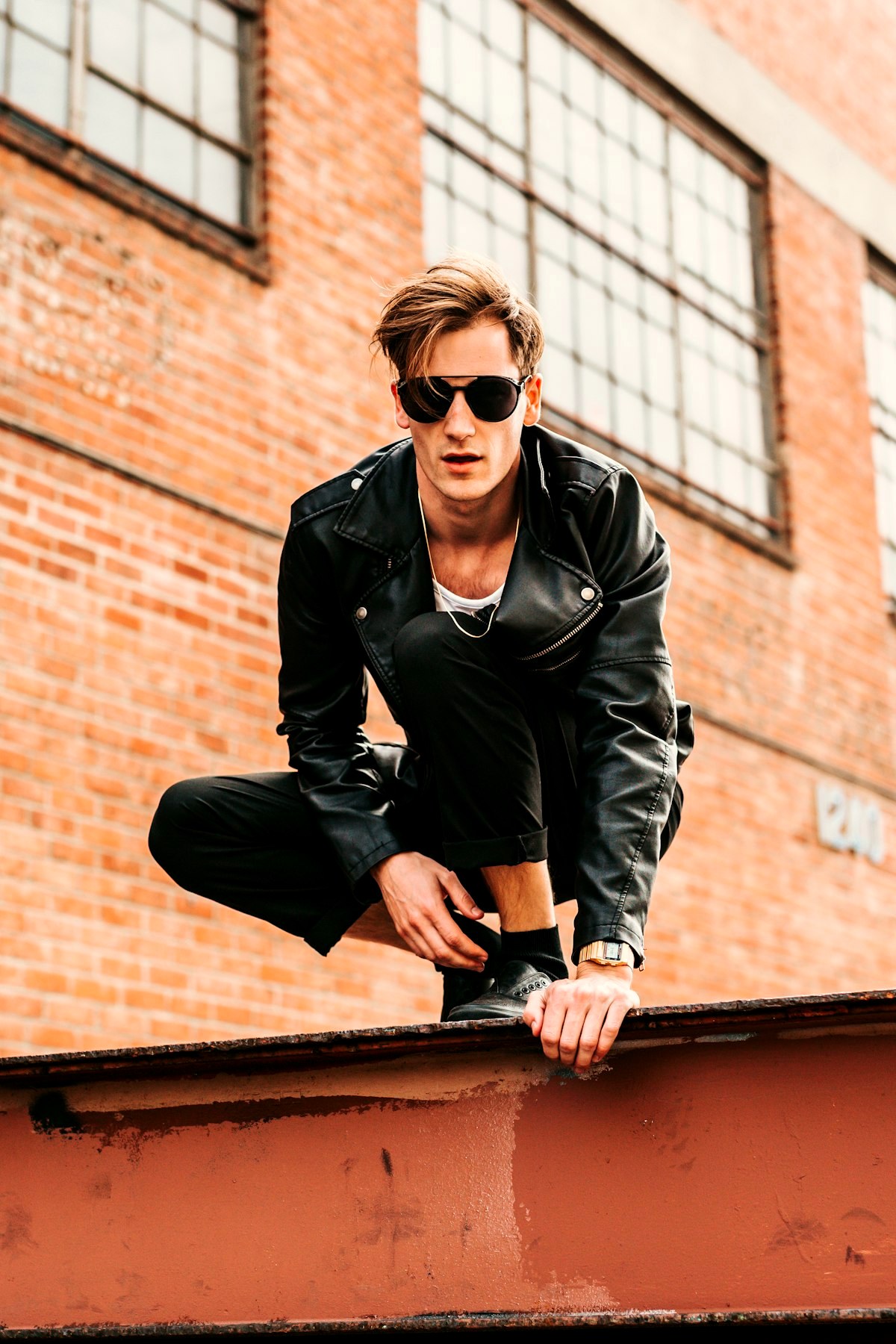
The leather jacket, the brick factory, the steel beam. American menswear was workwear first, and the brands on this list are scored on how much of that original bargain survives.
Checked and updated October 2026
The short version: the winner is a young Los Angeles label that simply refuses to make a bad basic. Buck Mason (90/100) takes the top on cloth, honest sizing and prices a first salary survives. The heritage argument is carried by L.L.Bean (87) and Filson (85), two houses older than the aeroplane's second decade that still stand behind what they sew. The famous name to skip is at the bottom: The North Face (64), a real mountaineering brand that now charges fashion prices for a logo its neighbours on this list outperform. The best-known competing coverage of American brands is an outdoor list with no prices and no scores. This one covers twenty wardrobe brands, and every entry names a price band, a key piece, and a verdict. Scores follow our published methodology.
America invented the garments the rest of the world now treats as defaults: the T-shirt, the five-pocket jean, the work boot, the field jacket, the fleece. It invented them as equipment, priced them as tools, and then spent fifty years arguing about where they should be made. This ranking scores what is left of that original bargain. Every brand is scored out of 100 under our published methodology: fabric and materials 30, construction and craft 20, fit range and sizing honesty 20, value 15, longevity 15. Where Japan perfected the cloth and Italy the ease, the American question is simpler and harder: does the thing still do the job it was designed for, at a price that respects the person doing the job?
Two ground rules, as across this series. First, prices are US list prices at last check, printed as honest bands rather than false precision; several of these houses run constant promotions, and the band is the price you should expect to beat, not the price you should accept. Second, three names here make one category only, boots and shoes, and are scored as the specialists they are. A boot cannot win a wardrobe ranking, but it can absolutely lose one, as the bottom of this list demonstrates.
The ranking at a glance
Scores follow the methodology above. Prices are the typical US price of the key piece at last check; the reasoning for every line is in the entry below it.
| Brand | Score | Key piece | Typical price | The call |
|---|---|---|---|---|
| Buck Mason | 90 | Curved Hem Tee | About $60 | The winner |
| L.L.Bean | 87 | Bean Boots | From $140 | The institution |
| Filson | 85 | Mackinaw Wool Cruiser | About $550 | The cloth king |
| Taylor Stitch | 85 | The Jack shirt | $138 | Heritage, rebuilt honestly |
| Red Wing | 84 | Iron Ranger boot | $360 | The boot specialist |
| Patagonia | 83 | Synchilla Snap-T | About $139 | The outdoor conscience |
| Alex Mill | 83 | The work jacket | About $250 | Quiet staples, New York |
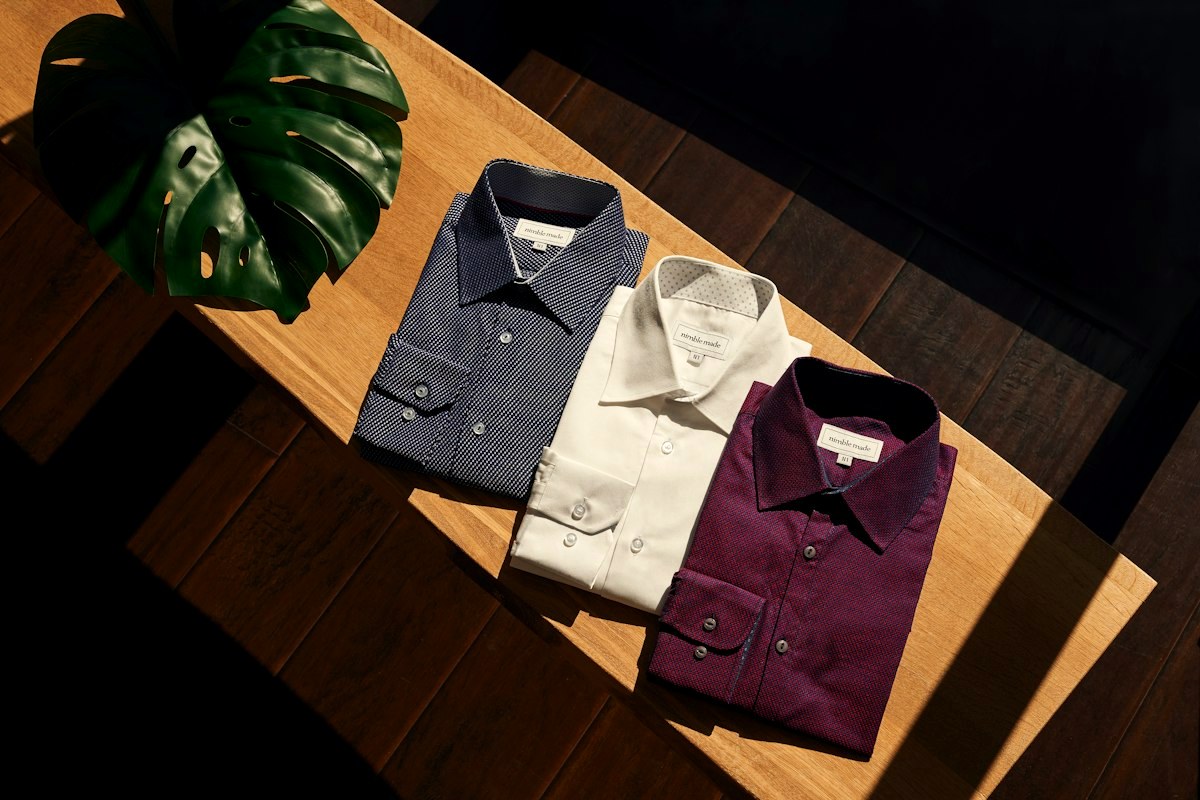
| Pendleton | 82 | The Board Shirt | $198 | The wool shirt |
| 3sixteen | 82 | ST-100x jean | About $270 | The denim specialist |
| Schott | 81 | 618 Perfecto | About $975 | The leather jacket |
| Battenwear | 80 | Bouldering pants | About $230 | The insider's outdoor |
| Danner | 80 | Mountain Light boot | About $440 | The trail boot, split in two |
| Todd Snyder | 79 | Champion sweatshirt | About $150 | The designer bridge |
| Rancourt | 79 | Pinch Penny Loafer | About $360 | Handsewn in Maine |
| Topo Designs | 78 | Rover Pack Classic | $99 | The attainable pack |
| Gramicci | 77 | The Gramicci Pant | $100 | The climber's trouser |
| Carhartt | 77 | Detroit Jacket | About $130 | Real workwear, read carefully |
| J.Crew | 73 | Secret Wash shirt | About $90 | The uneven institution |
| Ralph Lauren | 70 | Double RL selvedge jean | About $400 | The design tax, deluxe |
| The North Face | 64 | 1996 Retro Nuptse | About $330 | Skip it: see the reasons |
The Top Five
1. Buck Mason: the basics, refused badly
Best for: the base wardrobe itself: tees, Oxfords, jeans and knits that carry a whole rotation. Key piece: the Pima Curved Hem Tee, about $60 at the official store. Price band: $55 to $1,000 at last check, tees to the shearling. Score: 90/100.
Fabric 25/30 · Construction 18/20 · Fit range 19/20 · Value 14/15 · Longevity 14/15
Buck Mason was founded in Los Angeles in 2013 by Erik Allen Ford and Sasha Koehn on a complaint any reader of this magazine will recognise: American basics had become bad, thin cloth, worse fits, prices set by marketing departments. The answer is a catalogue of standards, the curved-hem tee, the Oxford, the five-pocket jean in Japanese loomstate selvedge, chore coats and knits in real wool, each one iterated rather than replaced each season. Fit range scores 19 because the sizing is honest, graded and published with garment measurements, and the fits admit more than one kind of body. The deductions are real. Much of the line is sewn overseas now, Portugal and beyond, and the premium end of the range, shearling at four figures, asks designer money from a basics brand. Neither stops the arithmetic. Verdict: start here. This is the attainable winner, and the rail your other American purchases get measured against.

2. L.L.Bean: the institution that fixed its own mistake
Best for: boots, flannel, fleece and outerwear bought once and handed down. Key piece: Bean Boots, from $140 at the official store. Price band: $25 to $600 at last check. Score: 87/100.
Fabric 22/30 · Construction 17/20 · Fit range 19/20 · Value 15/15 · Longevity 14/15
Leon Leonwood Bean founded his company in Freeport, Maine in 1912 on a boot of his own design, leather top, rubber bottom, and when ninety of the first hundred pairs came back, he refunded every buyer, fixed the boot, and built a century on the story. The Bean Boot is still sewn in Maine, one pair at a time, and the rest of the catalogue follows the same plain logic: flannel that is actually flannel, chamois shirts, fleece, and sizing that runs from regular to tall to genuinely big without apology, which is why fit range scores with the winner. Value is a clean 15; almost nothing here carries a fashion premium. The fabric deduction is the honest one: the cloth is good rather than great, workmanlike where Filson below is sublime. Verdict: the default American purchase for anything worn outdoors in bad weather. Buy the boots first; they are the argument.
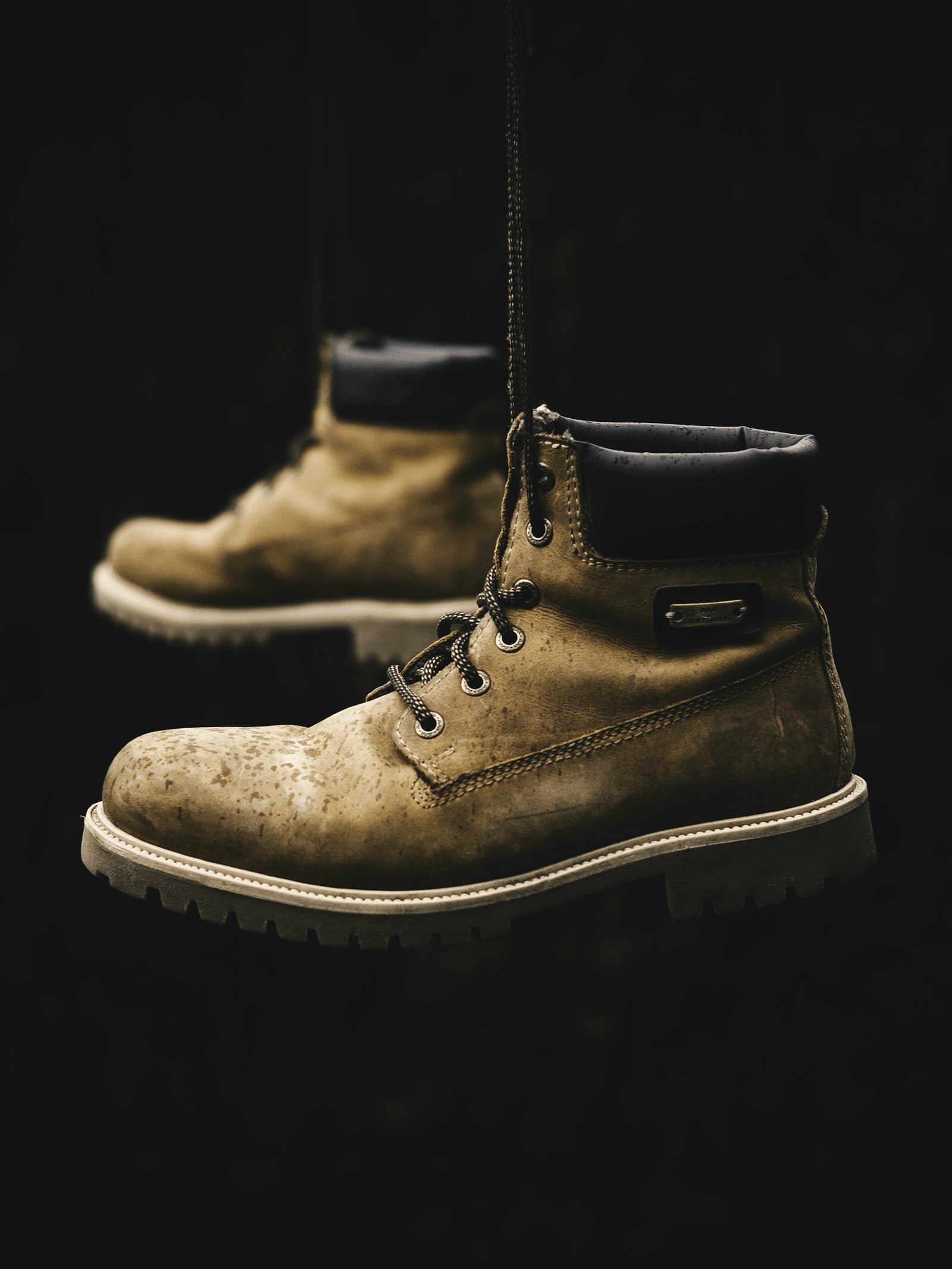
3. Filson: the cloth king
Best for: wool cruisers, tin cloth jackets and bags that outlive their owner's plans for them. Key piece: the Mackinaw Wool Cruiser, about $550 at the official store. Price band: $65 to $1,200 at last check. Score: 85/100.
Fabric 27/30 · Construction 19/20 · Fit range 13/20 · Value 11/15 · Longevity 15/15
C.C. Filson opened in Seattle in 1897 to outfit men stamping north to the Klondike gold rush, customers for whom a failed seam was not an inconvenience, and the house has never entirely stopped designing for them. The fabrics are the highest-scoring on this page: Mackinaw wool woven to a density modern mills rarely attempt, tin cloth finished with wax until it sheds water like a roof, bridle leather in the bags. Construction ties the best scores here, and longevity is a clean 15, because the repair culture is real and the garments are built to accept repair. The deductions are fit range, the cuts are boxy work cuts in a limited spread, and value. Prices have climbed hard in recent years, into territory where the buyer is paying for the legend as well as the cloth. Verdict: buy the Cruiser or the tin cloth jacket and keep it for thirty years. At that horizon, even these prices do the cost-per-wear maths a favour.
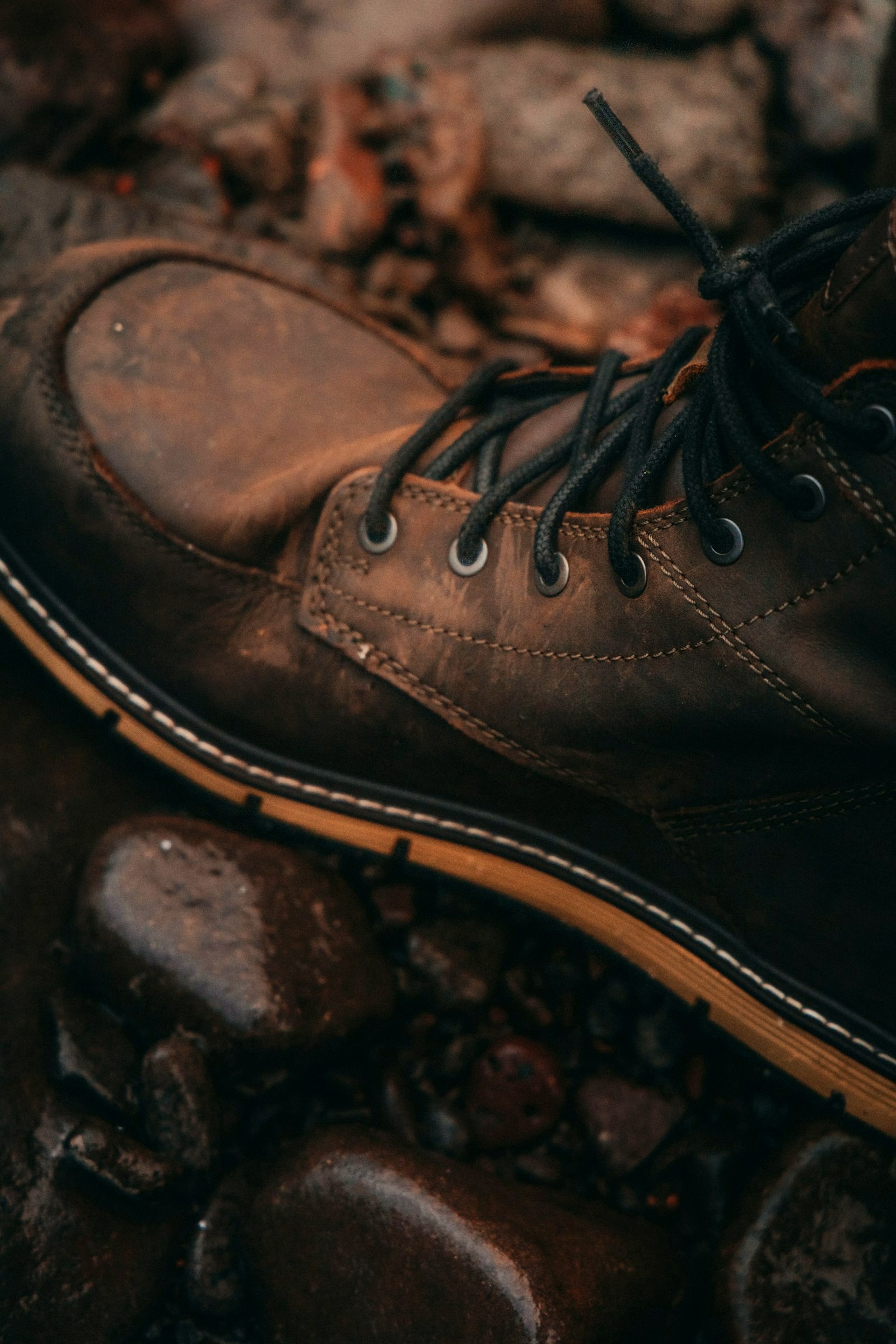
4. Taylor Stitch: heritage, rebuilt honestly
Best for: shirts, organic selvedge denim and chore coats from the modern heritage school. Key piece: The Jack shirt, $138 at the official store. Price band: $65 to $800 at last check. Score: 85/100.
Fabric 25/30 · Construction 17/20 · Fit range 16/20 · Value 13/15 · Longevity 14/15
Taylor Stitch began in San Francisco in 2008 making custom shirts and grew into the clearest statement of what American heritage became after the workwear boom: the same garments, the chore coat, the Oxford, the selvedge jean, rebuilt with organic cotton, hemp blends and a published responsibility standard, under the house line Responsibly Built for the Long Haul. The Jack, their signature everyday Oxford, is the key piece because it is the test: good cloth, a collar with presence, a fit that works tucked or not, at a price that respects the buyer. The deductions are a size range that stops where Bean's keeps going, and a catalogue that has widened into categories, down jackets and anoraks, where the brand's authority is thinner. Verdict: the shirt and the denim are the buy. Nobody rebuilding American classics is doing it with cleaner materials.
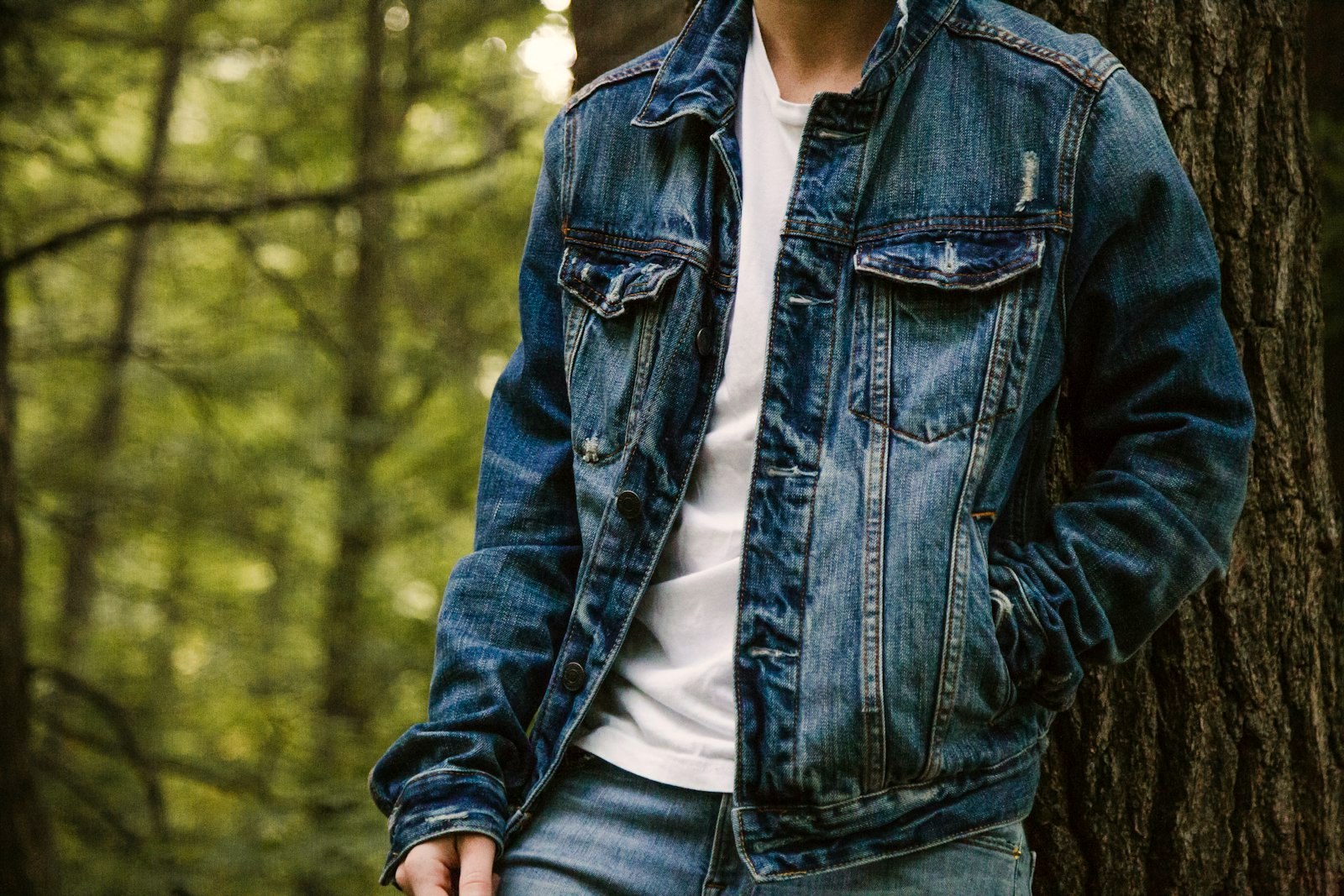
5. Red Wing: the boot specialist
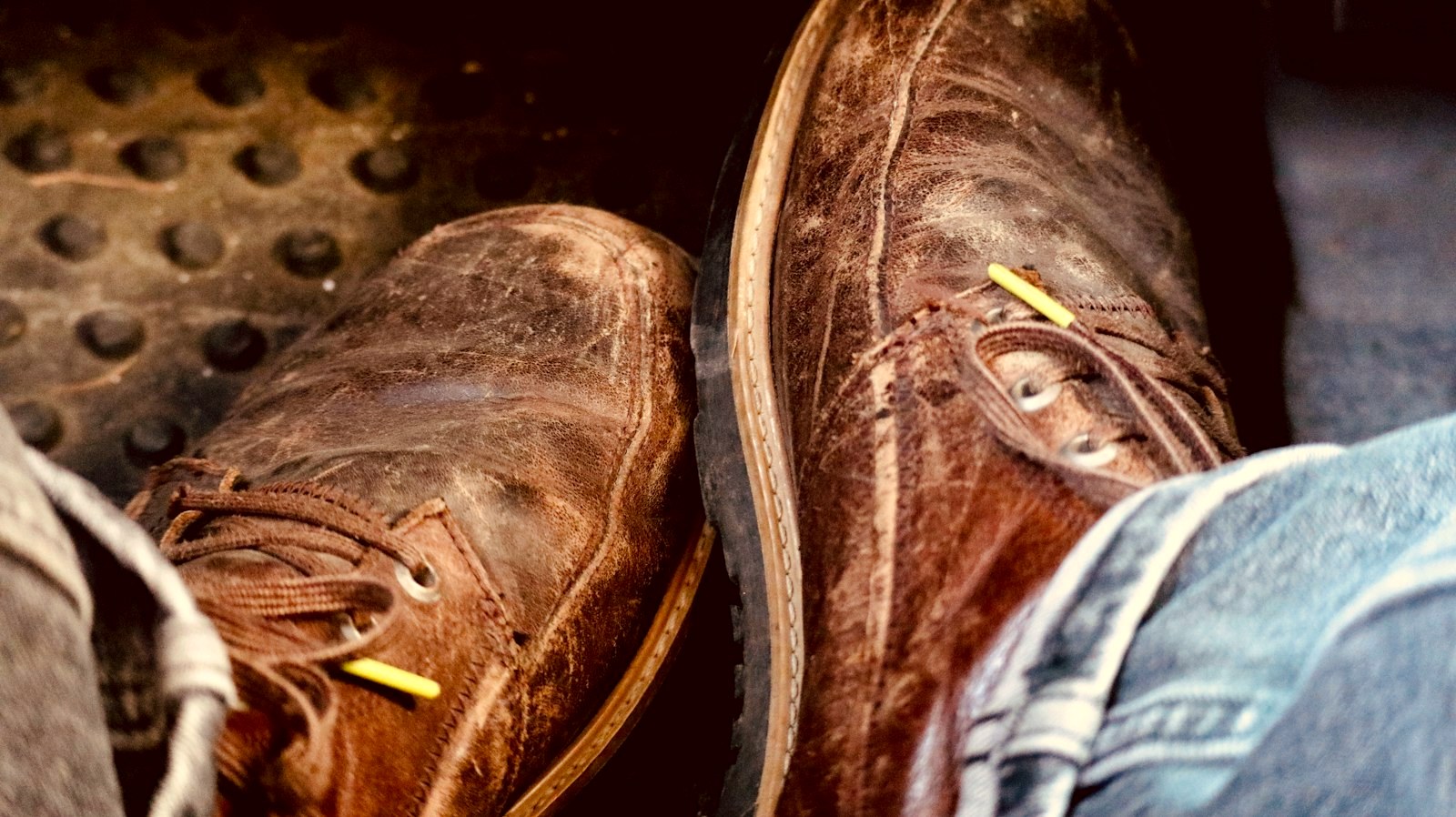
Best for: one pair of Goodyear-welted boots, made in Minnesota, resoled for decades. Key piece: the Iron Ranger, $360 at the official Heritage store. Price band: $100 to $400 at last check. Score: 84/100.
Fabric 26/30 · Construction 19/20 · Fit range 14/20 · Value 10/15 · Longevity 15/15
Charles Beckman founded the Red Wing Shoe Company in Minnesota in 1905, and the Heritage line still builds in the same town, on the same logic: full-grain leather from the company's own tannery tradition, Goodyear welts, cork midsoles that mould to the foot, and a repair service that will resole what you wear out. The Iron Ranger, named for the miners of the Mesabi Iron Range, is the pattern to buy: cap toe, honest leather, nothing decorative. Construction scores 19 because the making is the entire proposition, and longevity is a clean 15; a resoleable boot is a thirty-year object with maintenance. Fit range is the deduction, alongside value: widths exist but the lasts run narrow and long, and $360 is real money, even if the maths at the bottom of this page defends it. Verdict: the boot pick of this ranking. Buy once, resole twice, hand them down.
The Specialists and the Working Icons
6. Patagonia: the outdoor conscience
Best for: fleece and shells with a repair programme behind them, worn in the city without embarrassment. Key piece: the Synchilla Snap-T pullover, about $139 at the official store. Price band: $35 to $900 at last check. Score: 83/100.
Fabric 24/30 · Construction 17/20 · Fit range 16/20 · Value 11/15 · Longevity 15/15
Yvon Chouinard founded Patagonia in Ventura, California in 1973 out of a climbing-equipment forge, and the clothing company that followed has spent fifty years making the rest of the industry uncomfortable: recycled fabrics before they were marketing, repairs performed at scale, used garments resold under the Worn Wear programme, and a founder who eventually gave the company away to environmental trusts. The clothes themselves are the grown-up end of outdoor: the Snap-T is a forty-year-old design that still works, the fits are functional rather than fashionable, and almost nothing carries visible branding beyond a small chest label. Longevity scores a clean 15 on the strength of the repair system alone. The deduction is value and drift: prices rise yearly, and the lifestyle end of the range charges the faithful for colours. Verdict: buy the fleece and the shell here before anywhere else on this page's outdoor wing. Then use the repair programme; it is half the product.
7. Alex Mill: quiet staples, New York
Best for: unhurried shirts, work jackets and knitwear in the soft register this magazine lives in. Key piece: the work jacket, about $250 at the official store. Price band: $50 to $450 at last check. Score: 83/100.
Fabric 23/30 · Construction 16/20 · Fit range 18/20 · Value 13/15 · Longevity 13/15
Alex Mill is the New York label Alex Drexler rebuilt in 2019 with a slogan that functions as a design brief: uniforms for the creative class, clothes that do not shout. It is the most Young Cotton-shaped brand in this ranking: garment-washed shirts, chore coats, easy knitwear and trousers in washed neutrals, cut relaxed and made from cloth with a hand to it. Fit range scores 18 because the fits are the point, graded for real bodies and described honestly. The honest deductions are scale and proof: the range is tight, the prices sit a step above the attainable tier, and a label rebuilt this recently has not yet shown a decade of wear. None of that changes the rail in front of us. Verdict: the SoHo pick of this ranking, fittingly for a magazine born there. Buy the work jacket and the shirts.
8. Pendleton: the wool shirt
Best for: wool shirts and blankets from the last great American wool name. Key piece: the Board Shirt, $198 at the official store. Price band: $25 to $625 at last check. Score: 82/100.
Fabric 25/30 · Construction 17/20 · Fit range 14/20 · Value 11/15 · Longevity 15/15
Pendleton's mill opened in Pendleton, Oregon in 1909, weaving blankets first and then the plaid wool shirts that became a West Coast uniform; the Board Shirt, a square-tail wool shirt from 1949, was so identified with surf culture that the Beach Boys started out calling themselves the Pendletones. The remarkable fact is how much of the core survives: the company still weaves in its Pacific Northwest mills, in Pendleton and Washougal, Washington, and the Board Shirt is still virgin wool in the old patterns. The deductions are the rest of the catalogue, where much is sewn offshore to varying standards, and fits that run traditional, which is a polite word for boxy. Longevity is a clean 15; a Board Shirt is a twenty-year garment by design. Verdict: buy the Board Shirt and the blankets, where the mills still speak. Read the country-of-origin line on everything else.
9. 3sixteen: the denim specialist
Best for: selvedge jeans sewn in the United States, and shirts with the same seriousness. Key piece: the ST-100x jean, about $270 at the official store. Price band: $150 to $600 at last check. Score: 82/100.
Fabric 26/30 · Construction 18/20 · Fit range 14/20 · Value 11/15 · Longevity 13/15
Andrew Chen and Johan Lam founded 3sixteen in New York in 2003, and built it into the reference American denim label of the selvedge era: jeans cut and sewn in the United States from heavy Japanese selvedge woven for the brand, with the fades published like research. Fabric scores 26 because the denim is the point, custom cloth at weights most brands will not touch, and the shirts and type III jackets around the jeans are made with the same stubbornness. The deductions are the shape of a specialist's life: fits are two silhouettes in a narrow waist spread, prices ask real money for jeans, and a jean, however good, is one garment. Our Japanese ranking covers the cloth's other homeland; this is its American address. Verdict: the denim pick of this ranking. One pair, worn hard, is the whole review written on your legs.
10. Schott: the leather jacket
Best for: the Perfecto, and work jackets from the same family hands. Key piece: the 618 Perfecto, about $975 at the official store. Price band: $100 to $1,800 at last check. Score: 81/100.
Fabric 25/30 · Construction 18/20 · Fit range 12/20 · Value 11/15 · Longevity 15/15
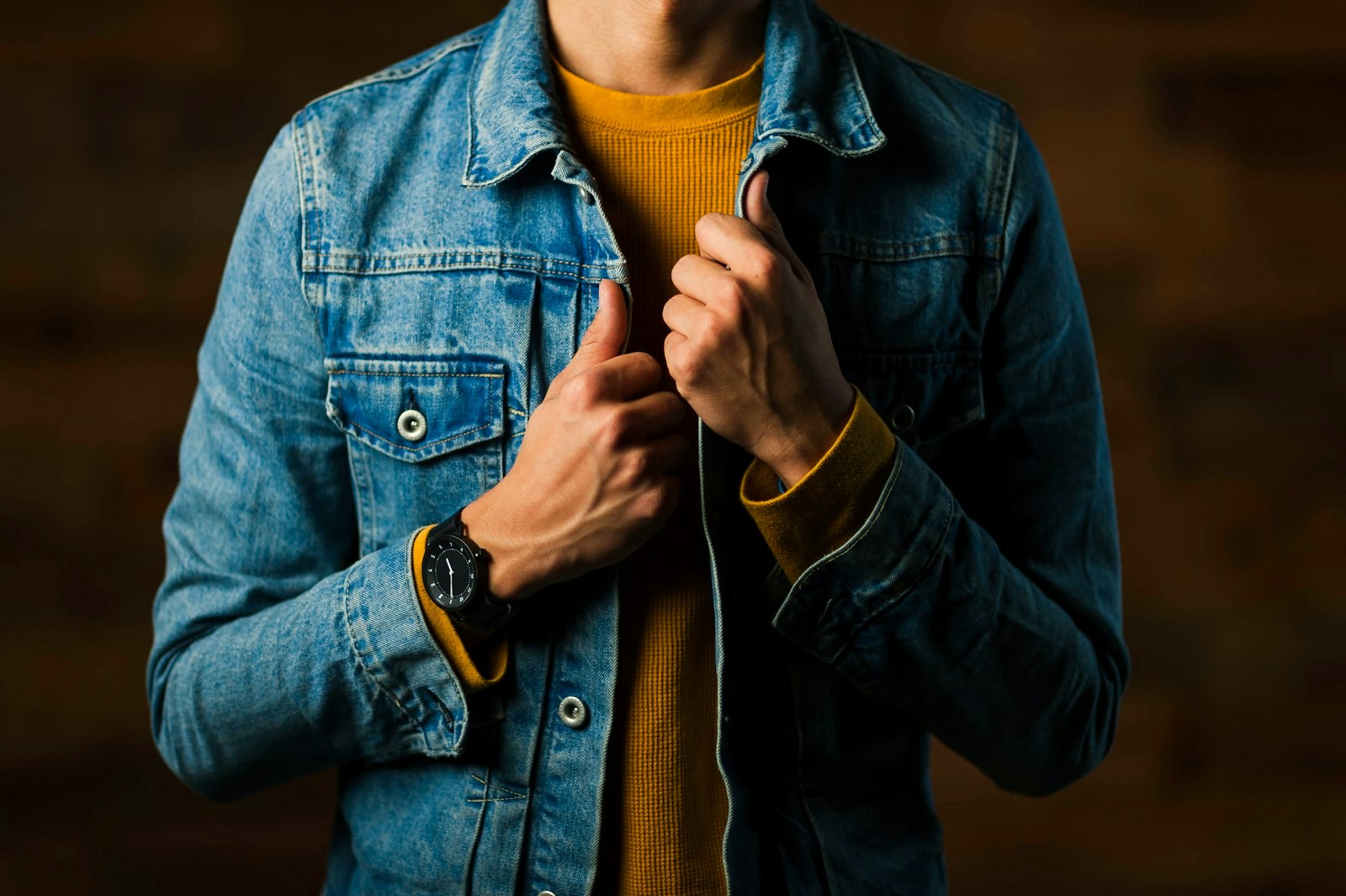
Irving Schott founded his company in New York in 1913 and designed the Perfecto in 1928, named for his favourite cigar and generally credited as the first motorcycle jacket with a zipper. Four generations of the family later, the flagship jackets are still cut in New Jersey, and the Perfecto remains the silhouette every leather jacket since has argued with: asymmetric zip, belted waist, a collar built to snap down at speed. Fabric and construction score high because steerhide and horsehide at this weight are commitments, and longevity is a clean 15; a Perfecto is measured in decades and second owners. Fit range is the deduction: the cuts are period cuts, sized for the rider the jacket was designed for, and the catalogue's fashion end dilutes the signal. Verdict: buy the 618 or the café racer and be done with leather jackets for life. It is the most literal buy-once purchase on this page.
11. Battenwear: the insider's outdoor
Best for: outdoor clothing rebuilt for daily life, by a designer Japan noticed first. Key piece: the Bouldering pants, about $230 at the official store. Price band: $100 to $600 at last check. Score: 80/100.
Fabric 24/30 · Construction 17/20 · Fit range 14/20 · Value 11/15 · Longevity 14/15
Shinya Hasegawa, a former designer for Woolrich's heritage line, founded Battenwear in New York in 2011 with a brief that reads like this magazine's own: take the American outdoor back catalogue, the climbing pants, the fleece, the pack cloth, and rebuild it for the life people actually live, much of it sewn in New York's garment district. The brand's second home is Japan, where the magazines treat it as an American master label, which makes it the natural bridge between this ranking and our Japanese one. The clothes are warm, slightly rumpled and deeply considered, gussets and pockets where a climber put them, softened for the street. The deductions are distribution and price: small runs, quick sellouts, and money that competes with the heritage houses above. Verdict: the connoisseur's outdoor pick. If the Bouldering pants are in stock in your size, the decision is made.
The Institutions and the Big Names
12. Danner: the trail boot, split in two
Best for: the US-made Mountain Light, and a recrafting service that rebuilds what you wear out. Key piece: the Mountain Light boot, about $440 at the official store. Price band: $150 to $500 at last check. Score: 80/100.
Fabric 24/30 · Construction 17/20 · Fit range 14/20 · Value 11/15 · Longevity 14/15
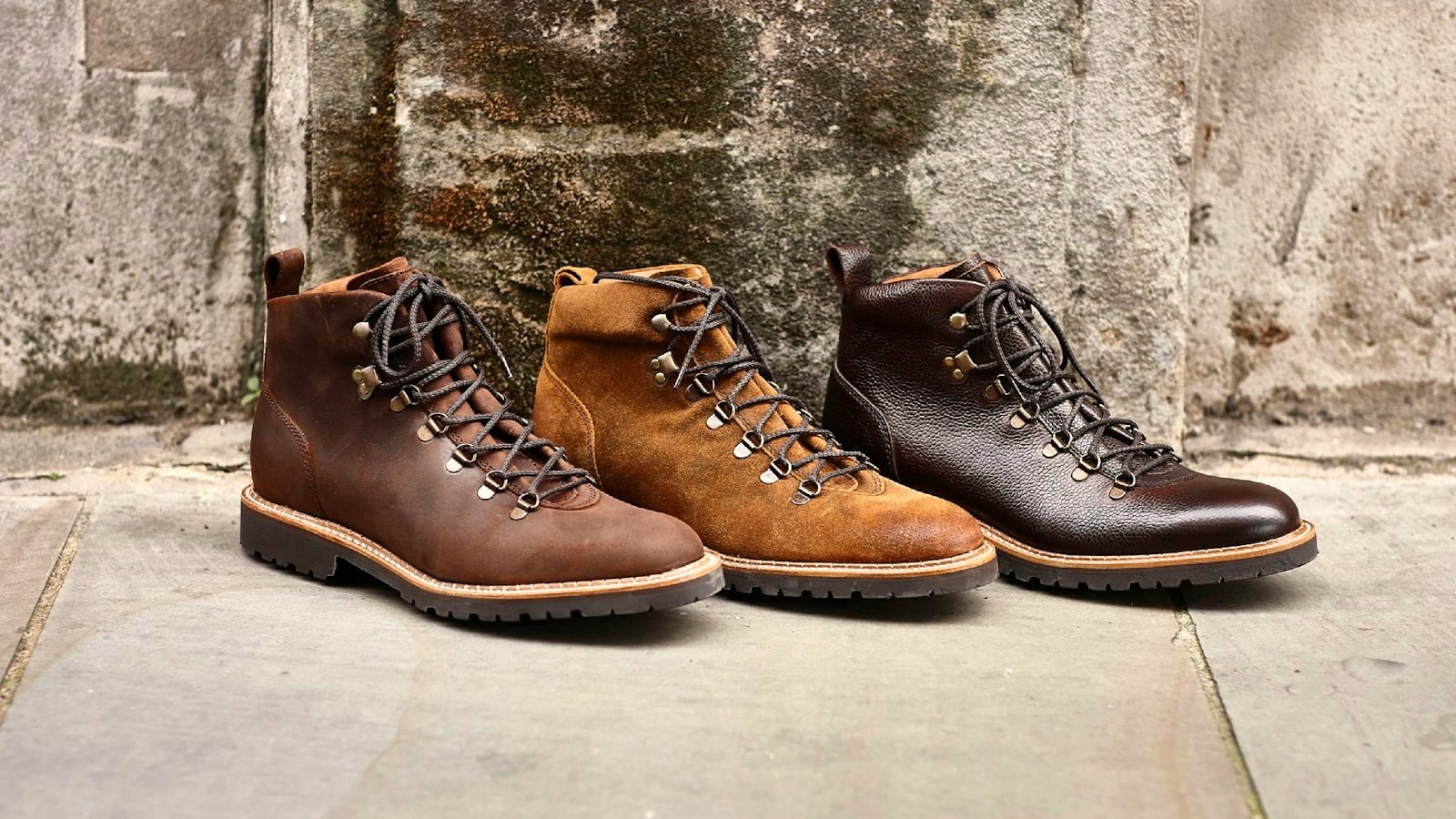
Charles Danner founded his boot company in 1932 and brought it to Portland, Oregon in 1936, and the two facts a buyer needs are both visible in the current catalogue. The Portland-built line, the Mountain Light above all, is the genuine article: full-grain leather, a stitchdown construction that can be recrafted, and a dedicated in-house recrafting programme that replaces soles and rebuilds uppers, which is why longevity scores where it does. Alongside it sits a much larger imported range of competent, ordinary boots wearing the same name. The score here is the average of those two companies sharing a logo, with the Portland line pulling up and the imported line pulling down. Verdict: buy the Mountain Light and the recrafting promise that comes with it. On the imported styles, you are buying a name this page scores elsewhere for less.
13. Todd Snyder: the designer bridge
Best for: American classics with the fits corrected, and the Champion collaboration. Key piece: the Todd Snyder + Champion sweatshirt, about $150 at the official store. Price band: $68 to $1,500 at last check. Score: 79/100.
Fabric 24/30 · Construction 16/20 · Fit range 16/20 · Value 10/15 · Longevity 13/15
Todd Snyder, an Iowa-born designer who cut his teeth at Ralph Lauren and J.Crew, founded his own label in New York in 2011 to answer a specific question: what happens to American sportswear when a designer who loves it is allowed to fix the fits and buy better cloth? The answer is the bridge brand of this ranking, Italian-mill fabrics on American silhouettes, tailoring that behaves like sportswear, and a long-running Champion collaboration that treats the humble sweatshirt with archival respect. It is the easiest brand here to wear and the one our Wall Street reader will reach for first. The deduction is value: the designer layer costs money, and at the top of the range you are paying New York rent on an Iowa idea. Verdict: buy the sweatshirts, the camp shirts and the tailoring on sale. This is heritage with the homework done for you, priced like it.
14. Rancourt: handsewn in Maine
Best for: handsewn loafers and camp mocs made the way Maine has made them for a century. Key piece: the Pinch Penny Loafer, about $360 at the official store. Price band: $250 to $600 at last check. Score: 79/100.
Fabric 25/30 · Construction 18/20 · Fit range 13/20 · Value 11/15 · Longevity 12/15
Rancourt has handsewn shoes in Lewiston, Maine since 1967, three generations of one family practising the moccasin construction Maine perfected: leather wrapped under the foot and stitched by hand, in chromexcel and shell cordovan and suede, resolable and repairable in the same workshop. Construction scores 18 because the making is handwork of a kind that has nearly vanished from American footwear, and the loafers sit exactly where our quiet wardrobe wants them, under a trouser, without a logo in sight. The deductions are a narrow range by design and a longevity score held a point below Red Wing's: true handsewns are durable but ask for rotation and care a welted boot does not. Verdict: the loafer pick of this ranking, and the dressiest argument on this page for buying American. One pair covers the wedding, the office and the decade.
15. Topo Designs: the attainable pack
Best for: packs and simple outdoor clothing at prices that need no justification. Key piece: the Rover Pack Classic, $99 at the official store. Price band: $15 to $300 at last check. Score: 78/100.
Fabric 22/30 · Construction 16/20 · Fit range 17/20 · Value 12/15 · Longevity 11/15
Topo Designs was founded in Colorado in 2008 by Mark Hansen and Jedd Rose, and it is the friendliest company in this ranking: packs in honest nylon with leather tabs, dirt shirts and mountain shirts in workwear shapes, colours borrowed from seventies trail gear, and a guarantee the company prints as a promise, the M.A.P. Guarantee, on everything it makes. The Rover Pack at $99 is the attainable object of the outdoor wing, the pack a young reader buys once and carries for years of ordinary life. The scores are the honest middle: the fabrics are good synthetics rather than great ones, the construction is solid rather than heirloom, and the clothing line is a supporting act for the bags. Verdict: buy the Rover Pack. It is the best-value object in this entire ranking, and the gateway to the Colorado school of American outdoor.
Scored Down, With Reasons
Five names finish this list, and the ranking owes you the reasons in plain language. Two are genuine specialists whose scores are capped by narrowness and drift. One is honest workwear that fashion keeps misreading. One is a beloved institution having an uneven decade. And the last two entries are the two most famous names in American clothing, scored exactly where the methodology puts them.
16. Gramicci: the climber's trouser
Best for: the gusseted climbing pant that became a street staple, especially in its Japanese editions. Key piece: the Gramicci Pant, $100 at the official store. Price band: $60 to $250 at last check. Score: 77/100.
Fabric 22/30 · Construction 15/20 · Fit range 16/20 · Value 12/15 · Longevity 12/15
Mike Graham founded Gramicci in California in 1982 and designed the G-Short for Yosemite climbing: a gusseted crotch that lets a leg move anywhere, and a built-in nylon belt that adjusts with one hand. It is one of the great American garment inventions, and its second life, as a staple of Japanese street style, is why it appears in the background of half the looks our Asia desk documents. The score reflects the modern company rather than the invention: ownership and production long since moved toward Japan, the fabrics are ordinary cotton twills, and the range is a handful of trousers and shorts in rotating colours. None of that makes the pant worse to wear. Verdict: buy the pant and the G-Short without hesitation. Just know you are buying a classic design, kept in print by its Japanese admirers.
17. Carhartt: real workwear, read carefully
Best for: the canvas jackets and double-knee pants of the mainline, bought for work or for keeps. Key piece: the Detroit Jacket, about $130 at the official store. Price band: $20 to $250 at last check. Score: 77/100.
Fabric 20/30 · Construction 15/20 · Fit range 16/20 · Value 13/15 · Longevity 13/15
Hamilton Carhartt founded his company in Dearborn, Michigan in 1889 to make overalls for railroad workers, and the mainline remains what it was: the largest honest workwear operation in the country, duck canvas and double knees at prices set for people who bill by the hour. Two reading rules matter. First, the fashion line you see on city streets is Carhartt WIP, a separate European operation licensing the name since 1994; it is good clothing, but it is not this score. Second, the mainline's own quality is uneven across its huge range: the canvas icons are the real thing, while the licensed and basic ends are ordinary. Fit range scores on the sheer spread of sizes, and value on prices that have stayed sane. Verdict: buy the Detroit Jacket and the double-knee pant from the mainline, in your work size, not your fashion size. The duck canvas will outlast the trend that borrowed it.
18. J.Crew: the uneven institution
Best for: the Ludlow suit and the Wallace & Barnes line, bought on promotion. Key piece: the Secret Wash shirt, about $90 at the official store. Price band: $30 to $900 at last check. Score: 73/100.
Fabric 21/30 · Construction 15/20 · Fit range 17/20 · Value 12/15 · Longevity 8/15
J.Crew began as a catalogue in 1983 and became, at its best, the company that taught a generation of American men to wear a suit without fear: the Ludlow, the broken-in chino, the Oxford with the collar roll left in. Every reader of this magazine owes it something. The score is the methodology pricing the present rather than the memory. Quality across the range swings by season and by line, the heritage-leaning Wallace & Barnes pieces at one standard, the promotional core at another, and the cloth is rarely better than good. Longevity scores 8 because too much of the line is built to a price and a season. Fit range and value, helped by the perpetual promotion, are the respectable rows. Verdict: buy Wallace & Barnes and the Ludlow, on sale, with your eyes open. The institution is worth shopping; it is no longer worth trusting blind.
19. Ralph Lauren: the design tax, deluxe
Best for: Double RL denim and workwear, bought as the collector's pieces they are. Key piece: the Double RL selvedge jean, about $400 at the official store. Price band: $90 to $2,500 at last check. Score: 70/100.
Fabric 24/30 · Construction 16/20 · Fit range 15/20 · Value 6/15 · Longevity 9/15
Ralph Lauren founded his company in 1967 and built the most complete world in American fashion; Double RL, launched in 1993 and named for his Colorado ranch, is its heritage heart, and the cloth there is genuinely superb, Japanese selvedge, reproduction workwear, hand-finished details a denim obsessive dreams about. Fabric scores 24 on RRL's strength alone. Then the rubric does its work. Value scores 6, the lowest on this page, because RRL asks collector prices for workwear reproductions, and longevity scores 9 because the wider empire around it, the polo-player logo at every price from outlet to Purple Label, is fashion product built to turn over. A ranking that pays for cloth and years cannot follow fame past a certain point. Verdict: buy RRL denim if the money means nothing to you; it is beautiful. For everyone else, 3sixteen above makes the same argument at half the temperature.
20. The North Face: the famous name finishes last
Best for: expedition-grade shells, if you are actually going on one. Key piece: the 1996 Retro Nuptse jacket, about $330 at the official store. Price band: $35 to $1,000 at last check. Score: 64/100.
Fabric 20/30 · Construction 14/20 · Fit range 16/20 · Value 6/15 · Longevity 8/15
The North Face was founded in San Francisco in 1966, named for the coldest, hardest side of a mountain, and its expedition credentials were earned at altitude over decades. It has been a VF Corporation brand since 2000, and the clothes now read like the org chart: competent technical gear at the top, and below it an ocean of logo product, retro reissues and fashion collaborations, styled for the campus photograph and priced like it. The verdict turns on comparison. The Nuptse at $330 competes directly with the outdoor schools above it and loses to both neighbours: Patagonia beats it on fabrics, repair and restraint, Filson beats it on cloth and construction by an embarrassing distance, and neither needs to print its name across your back to do it. Longevity scores 8 because the styling is built to be replaced by next season's colours, on purpose. Verdict: skip it. The mountain is better served at numbers two, three and six, and none of them will turn you into signage.
The cost-per-wear math
American brands argue in cost per wear better than anyone, because so much of the original bargain was durability, so here is the arithmetic on the top and the bottom of this list, assumptions printed. A Buck Mason curved-hem tee at about $60, worn sixty times a year for five years, costs about $0.20 per wear, and the design in year five is the design in year one, because the catalogue improves its standards instead of replacing them. A North Face 1996 Retro Nuptse at about $330, worn twenty-five times a winter for four winters, costs about $3.30 per wear, more than sixteen times as much, for a jacket whose colours are chosen to make it look dated by the third. Price is a fact. Cost per wear is the verdict, and in America it keeps delivering the same one: the tool costs less than the logo.
The Bottom Line
America rewards the buyer who reads the garment instead of the story. Buck Mason proves the basic was never the problem, only the making of it; Bean and Filson prove a company can stand behind cloth for a century; Red Wing, 3sixteen and Rancourt prove the specialists still beat the generalists at their own crafts. The famous names at the bottom are not villains. They are simply what happens to a score when a ranking pays for fabric, construction and years, and sends the bill for logos and licensing to the brands that charge for them.
How to buy American brands well
Three data-team rules. First, buy the icon, not the line extension. Nearly every house on this page has one garment it has perfected over decades: the Bean Boot, the Cruiser, the Perfecto, the Board Shirt. Those are the purchases. The diffusion products around them are how famous names monetise your trust. Second, check which line you are actually buying. American clothing runs on split ranges: Danner's Portland line against its imported range, Carhartt's mainline against WIP, Pendleton's mill-woven core against its licensed edges. The score follows the garment in your hand, so read the label in the shop, not the story on the homepage. Third, use the repair culture. Resoling at Red Wing, recrafting at Danner, repairs at Filson and Patagonia: these programmes are printed in the longevity scores above, and they only pay if you use them. A repaired boot is the cost-per-wear argument keeping itself.
This is Country Roundup No. 05. The series so far: Korean clothing brands for men (No. 01), our scored ranking of Japanese clothing brands for men (No. 02), Italian clothing brands for men (No. 03), and Scandinavian clothing brands for men (No. 04). Read them together and the map is complete: Seoul changed the silhouette, Japan perfected the cloth, Italy perfected the ease, the North perfected the discipline, and America invented the garments and is still arguing, productively, about how to make them. For the labels our editors argue about across all five maps, see cool brands for men. Scores, price bands, and stockists on this page are re-checked on the rolling cadence in our methodology. When a house changes cloth, cut, or price materially, its score moves, and the move is noted here.