
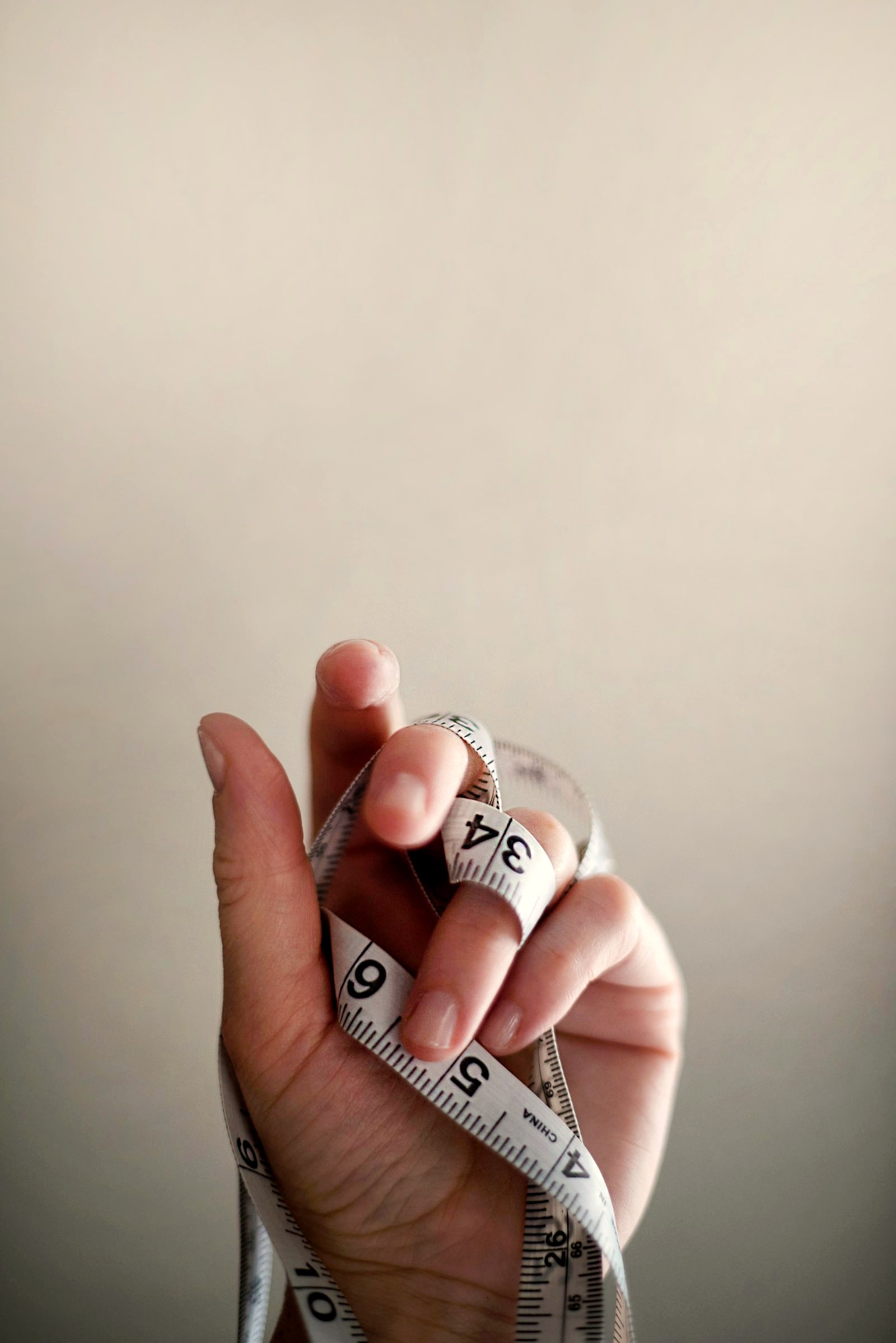
A glove is graded on its leather first and its fit second, and fit in this category is a measured system, not a letter: the maker's size guidance is part of the garment, which is why the hero of this page is a hand and a tape. A note on photography, printed because this page believes in saying so: the hero is a bank frame of a hand holding a coiled measuring tape, captioned as exactly that. Our bank holds no photograph of a glove, on a hand or off one, so no ranked glove is pictured anywhere on this page, and the frames this page actually needs head the harvest list in the honesty section.
Checked and updated October 2026
The basis: a glove is graded on its leather first: the animal named, the grain stated honestly, because this category's standing lie is a phrase, "genuine leather", the weakest words the law allows, printed where a hide should be. Then the lining truth, cashmere or fleece or nothing, and whether the maker publishes it at all. Then the seams, the touchscreen claim graded as a claim, and fit, because glove sizing is its own system and a maker's guidance is part of the garment. The winner: the Dents Hampton at 86, handsewn peccary lined with 3-ply Scottish cashmere from the bench that has made gloves in Warminster since 1777, at £709. It is the one glove to buy if you buy one. The skip: the Barbour Burnished Leather Insulated Gloves, scored 54 and named in the verdict box below: a heritage glove whose leather line names no animal at all, sold on the words "fine, yet durable leather" at €82.08. In between, Fort Belvedere publishes the fullest paperwork in the field at $495, Hestra cuts Scandinavian elk by hand at $325, Merola sews peccary in Rome at €400, Quince publishes a graded cashmere lining at $60, and the two English benches of the brief are one: Chester Jefferies is reported closed, and is mourned in prose below rather than ranked, because this desk does not sell tickets to a bench that has shut its doors.
First, the decision
Every glove argument is really three arguments, and this page settles all three before it scores anything. The first is the only question most readers actually have: if you buy one pair of gloves, buy the Dents Hampton. It is ranked first below on the published evidence, and it is named here, in the first screen, because a page that buries its answer under seven cards has not answered it. Its hide is peccary, the dress glove's reference leather. Its lining is named to the ply, 3-ply Scottish cashmere. Its maker is the one English bench still standing at full strength, handmaking gloves in Warminster, Wiltshire, as it has since 1777, and it runs a glove repair service, which means the maker grades its own longevity in public.
The second argument is the hide, and it is where this category lies for a living. Peccary: from wild South American hogs, thicker and more durable than any other gloving leather, pitted and soft at once, and so hard to cut and sew that Dents' own account of the hide calls Dents one of the few glovemakers in the world with the craftspeople to work it. Hairsheep: the classic dress hide, fine-grained, smooth, close-fitting, the leather inside most fine gloves that do not say peccary, and the leather Dents chose to make conductive for its touchscreen line. Deerskin: the work hide, strong and elastic with a rugged grain, the hide that stays supple when the temperature drops. Elk: Hestra's Scandinavian speciality, thicker and softer than deerskin, rustic in character. Lambskin: the attainable dress hide, supple and fine, and the most delicate of the five, which is why its cards carry the longevity deductions they do. And then there is the phrase that is none of these: "genuine leather", the weakest legal phrase in the trade, which certifies that a glove is leather of some kind and nothing else, no animal, no grain, no grade. A maker who names the animal earns the leather row. A maker who prints the phrase, or who names nothing at all and calls the leather "fine, yet durable", is graded on the evasion, and the skip at the bottom of this page is exactly that conviction.
The third argument is the bench news, and it changes the map. This ranking was briefed with two English benches, Dents and Chester Jefferies, the Dorset maker that hand-cut gloves from 1936. At check time, Chester Jefferies' own website returns nothing, and the closure has been reported in the trade: Sir Gordon Bennett's newsletter records the house closing its doors after 80 years of making some of the world's finest gloves. This desk does not rank a glove it cannot send the reader to buy from the maker's own page, so Chester Jefferies appears here, in prose, as the field's loss rather than as a card: the heritage English answer is now a field of one, and the one is ranked first. The same check produced the attainable end's surprise: Uniqlo's US glove line at check time is knit HEATTECH only, with no leather glove on sale in the US at all, so the attainable leather slot on this page belongs to Quince, and Uniqlo is named here, unranked, for the absence.
How the scores work
Every glove is scored out of 100 on the same five rows, and the rows are printed on every card, so the reader can disagree with the weighting and still use the evidence.
Leather, 30 points. The hide as the maker publishes it: the animal named, peccary, hairsheep, deerskin, elk, lambskin, the grain described where the maker describes it, and the tannage or treatment credited where it is stated. A glove whose leather line is a marketing phrase rather than a named hide earns the leather row its phrase deserves, and a maker who publishes no hide at all is charged in the open, on the card.
Construction, 20 points, including lining honesty. The build as published: handsewn or machine sewn, the seam work named where the maker names it, piqué stitching, quirks, fourchettes, points, and the lining stated in the maker's own words, cashmere, fleece, fur, or unlined. A trademarked treatment name is graded as a claim until the process behind it is described. A lining the maker does not publish is a lining this row does not credit.
Fit & sizing guidance, 20 points. Glove sizing is its own system: inches around the dominant hand, thumb excluded, sold in half sizes by the makers who take fit seriously. This row grades the size run and the guidance together: a published measuring method and a half-size run earn points that three letter sizes cannot, because the guidance is part of the garment.
Value, 15 points. The price against the leather and the lining it buys, at the door named on the card. A list price the maker's own channel routinely discounts is graded as the theatre it is, and the discounting is printed as evidence.
Longevity, 15 points. How the glove ages: gloves die at the thumb seam and the fingertip, and from the inside, where the lining goes first. This row grades the hide's known arc, the lining's durability as published or as reported by buyers where the reports are labelled as reports, and any repair service the maker publishes, quoted as published.
One claim runs across all five rows and is graded as a claim wherever it appears: the touchscreen claim. It comes in three grades. Conductive leather, where the leather itself is developed to carry the touch, is the strongest form, and Dents sells exactly that in its Touchscreen Hairsheep Leather. The integrated claim, Fort Belvedere's lamb nappa line claiming sensitivity in all ten fingers, is graded on the maker's words. The fingertip class, a patch or a treated tip on some fingers only, is the weakest form, and the most honest version of it in this field is Lands' End naming the two fingers it works on. Silence is graded as silence: three of the gloves below publish no touchscreen claim at all, and at the dress end this desk reads that as honesty, not absence.
The rows sum to the score. Maker's figures are labelled the maker's figures throughout.
Seven gloves, ranked, and one sent home
Dents Hampton Peccary Gloves, Cashmere Lined
The Winner · The Heritage English Answer
£709 at Dents
The call: the winner is the glove the rest of the field is measured against, and the maker's own words carry the card. The Hampton is Dents' Heritage handsewn three-point glove in peccary, the hide Dents' own peccary page describes as originating from wild boars, rare and highly prized, requiring specialist glove cutting and hand sewing skills, with Dents one of the few glovemakers to design and sustainably manufacture it. The glove's retail listing details the build: handsewn three-point stitching, quirks and fourchettes between the fingers, palm vents, a strap and roller fastener with the house's dome clasp, and a lining of 3-ply Scottish cashmere, the lining named to the ply, which no other maker on this page matches. It is made in Britain at the Warminster factory, where the Heritage Collection is manufactured, and it arrives in a presentation box. It is the one glove to buy if you buy one.
The deductions are printed with the praise. The value row of 6 is the ceiling doing what ceilings do: £709 is the highest ticket in this ranking, and the same bench sells its unlined peccary Melton at £559 and its silk-lined Moreton at £599, so the cashmere lining and the full Heritage finish are priced inside the house's own ladder, openly. The touchscreen row is a silence: the Hampton makes no touchscreen claim, while the same house sells a conductive Touchscreen Hairsheep Leather elsewhere in its line, so the omission is a dress glove's choice, graded as honesty at this end of the field. The longevity row of 14, the highest here, rests on two published facts: peccary is the most durable gloving hide in the trade's own account, and Dents publishes a Glove Repair Service, the only maker on this page who will repair the glove it sold you. Ten winters at £70.90 a year, £1.42 a wear.
Fort Belvedere Peccary Gloves, Cashmere Lined
The Fullest Paperwork in the Field
$495 at Fort Belvedere
The call: the transparency card. Fort Belvedere's peccary glove publishes more about itself than any glove here except the winner: peccary leather, cashmere lined, hand sewn points on the backhand, quirks between the fingers which the maker cuts in a contrast colour so the workmanship shows, a button closure, and a size chart that runs 7 to 10 in half sizes with the measuring method printed beside it, tape around the fullest part of the dominant palm, thumb excluded, and the advice, in the maker's words, to size down half a size when in doubt because the glove leather will naturally stretch. That is the fullest fit guidance published by any maker in this field, and the fit row of 19 is the highest on the page because of it. The house's dress gloves are handmade in Hungary, and its peccary buying guide states the lining is Italian finished cashmere, chosen, in its words, because peccary is very soft and the softest warm lining was wanted to match.
The deductions are printed with the praise, and the first is a claim graded as a claim: the glove's name carries the word Waterproof, the house's HydroPeccary claim, a treatment asserted in the product title and nowhere on the pages read described as a process, so the leather row credits the peccary and not the prefix. The second is the house grading itself: Fort Belvedere's own peccary buying guide describes its approach as machine sewing finished with decorative hand stitching, which is a more modest build than the winner's full handsewn claim, and the construction row of 17 sits below the Hampton's 19 for exactly that reason, printed from the maker's own guide rather than from a rival's copy. The touchscreen claim the house makes, sensitivity in all ten fingers, belongs to its lamb nappa line, not to this peccary glove, and this card does not borrow it. Ten winters at $49.50 a year, $0.99 a wear.
Hestra Winston Elk Gloves
The Swedish Bench · Elk, Cut and Sewn by Hand
$325 at Hestra
The call: the other great bench, and the only one that cuts elk. The Winston is Hestra's handsewn dress glove in Scandinavian elk leather, and the maker's own US listing carries the whole spec in one paragraph: cut and sewn by hand by Hestra's glove cutters in Budapest, points on the backhand, a strap at the wrist to adjust the fit, and a knitted lining in cashmere for warmth and comfort. The trade press calls the Winston table cut, the cutter's full-table method, and the label is printed here as the trade's word rather than the maker's; the maker's own claim, hand cutting and hand sewing by its own cutters, is enough. Elk is the hide nobody else on this page offers: thicker and softer than deerskin, rustic in grain, a cold-climate hide from a house founded in Sweden in 1936 that still rates its own gloves for warmth on a published scale, and rates this one a moderate 2 of 8, a cool-weather glove and honest about it.
The deductions are printed with the praise. The fit row of 16 grades a handsewn fit and an adjustable strap against a size guidance this desk could not capture model by model from the maker's listing, and the maker's leather gloves collection, where this card's buy line runs, carries the model among its dress gloves rather than on a dedicated page this desk could open; both charges are logged in the honesty section, and the November re-check owns the capture. There is no touchscreen claim, the same dress-glove silence as the winner. The value row of 10 is the top half's best arithmetic: elk, hand sewing and a knitted cashmere lining at $325 is half the winner's ticket for most of its substance, which is why this card, not the second, is the one the desk would hand a reader who asked for the bench glove without the bench price. Eight winters at $40.63 a year, $0.81 a wear.
Merola Peccary Gloves, Orylag Lined
The Italian Peccary · A Fur Lining
€400 at Merola
The call: the Roman bench, four generations of glovemakers between Rome and Naples, and the only fur lining in the field. Merola's product title does the desk's work for it: peccary leather gloves, hand sewn, Orylag fur lined, the leather, the construction and the lining published in the name of the glove itself, at €400 on the maker's own shop, in stock to order. Orylag is a farmed rabbit fur bred for a chinchilla-like hand, and inside a peccary shell it makes the warmest serious glove on this page, the one for the reader whose winters are real. The same shop publishes the house's range with the same naming honesty, a hand sewn unlined carpincho at €190, a nappa cashmere lined glove at €120, a nappa silk lined glove at €80, which is what a maker's catalogue looks like when the materials are the marketing.
The deductions are printed with the praise, and they are paperwork deductions against a house this desk admires. The product page is the thinnest among the benches: beyond the title's three facts it publishes no seam detail, no quirks or fourchettes, no measuring method, and its size run is four letter sizes mapped to numbers in the house's own way, SMALL (8), MEDIUM (8.5), LARGE (9), XL (9.5), a mapping the reader must trust rather than verify, which is why the fit row of 12 is the lowest in the top half. The glove is on back order at check time, shipping in 20 days, printed here because a bench that sews to order is a different promise from a warehouse. The longevity row grades peccary's durability against a fur lining's delicacy: the shell will outlast the lining, and the maker publishes no repair service on the pages read. Eight winters at €50.00 a year, €1.00 a wear.
Quince Cashmere Lined Leather Gloves
The Attainable Answer · Graded Cashmere at $60
$60 at Quince
The call: the attainable answer, and the page's standing rebuke to the middle of the market. Quince's men's glove is lambskin lined with 100 percent Grade-A Mongolian cashmere, fully lined, at $60 on the maker's own store, with the cashmere graded in the product copy, Grade-A, Mongolian, named the way the benches name theirs. The cuffs extend 1.5 to 2 inches past the wrist, a fit detail most dearer gloves do not publish, and 602 buyers rate the glove 4.8 of 5 on the maker's page. Read the card against the two below it: at $60 this glove publishes its hide and grades its lining, while a $110 glove on this page publishes no lining at all. The value row of 15 is the page's only perfect row, and it is earned on paperwork as much as on price.
The rest of the card is the price of the price, printed in the open. The leather is lambskin, the most delicate hide in the ranking, and the maker publishes no seam construction for this glove at all: no stitch type, no quirks, no hand-finishing claim, so the construction row of 13 credits the published lining and charges the unpublished build. The touchscreen claim is the fingertip class, touch-screen friendly fingertips in the maker's words, with the method unpublished, graded as a claim of the weakest form that still counts. The maker's warmth claim for the lining, three times as warm as wool, is printed here as a claim and graded as one. Sizes are letters, not the numeric half sizes of the benches, and lambskin at the fingertips is where this glove will die, which is what the longevity row of 9 says. Three winters at $20.00 a year, $0.40 a wear, the cheapest honest year in this ranking.
L.L.Bean Men's Deerskin Gloves
The Work End · A Charged Silence
$110 at L.L.Bean
The call: the work end of the field, from the house that has sold Maine winters for a century. The glove is named plainly, Men's Deerskin Gloves, at $110 on the maker's own store, and deerskin is the right hide for the job: strong, elastic, rugged in grain, the hide that stays supple in the cold, and the hide of the house's own fully specified Buckskin Chopper Mitts. The leather row of 22 credits a named, honest, working hide from a maker whose outdoor paperwork is usually the field's standard. This is the glove for the reader who will shovel in it, drive in it and drop it in the mud, and on hide alone it beats the cashmere catalogue glove below it.
The deduction is the card, and it is a silence charged in the open, the way this desk charges every silence. On the maker's own pages this desk could read, the deerskin glove's lining is not published: not cashmere, not wool, not fleece, not unlined, nothing, and its seam construction is not published either. The proof that the house can publish these facts when it chooses sits one shelf over, in the Chopper Mitts listing, which specifies a deerskin shell, a Shetland wool inner mitt and moccasin construction with a wing thumb seam for durability, in full. The glove at $110 gets no such paragraph, so the construction row of 10 grades the silence rather than guessing at a lining, and the fit row grades letter sizes and no published glove-specific guidance captured. The buy line runs to the maker's men's accessories pages, where the glove is listed at the card's price, because the glove's own product page never surfaced in a form this desk could open, and the exception is logged in the honesty section rather than smoothed over. Five winters at $22.00 a year, $0.44 a wear.
Lands' End Cashmere Lined EZ Touch Leather Gloves
The Honest Two Fingers
$89.95 list, $53.97 at check, at Lands' End
The call: the catalogue glove, and the field's most honest touchscreen copy. Lands' End sells this glove as cashmere lined in lambskin, and its EZ Touch claim is stated with a precision the fingertip class rarely manages: EZ Touch thumbs and index finger, in the maker's words, let you click and scroll, two named digits, no all-ten-fingers inflation. The leather is described on the maker's page as smooth and supple lambskin, the lining is cashmere in the product's own name, the price is $89.95 list and was $53.97 at check time on the maker's own store, and 49 buyers rate it 4.1 of 5. At the sale price it is the cheapest published cashmere lining in this ranking after the Quince, and the value row of 12 grades the sale price as the real one while printing the list beside it.
The deductions are printed with the praise. The maker's own copy does not state the lambskin's grain grade: the full-grain description attached to this glove circulates in a competitor's buying guide, not on landsend.com, and this page credits only what the maker publishes, so the leather row of 20 sits below the Quince's published-paperwork score despite the higher price. Sizes are three letters, M, L and XL, the coarsest run in the ranking, with no half sizes and no small. The longevity row of 8, the lowest among the ranked seven, is graded on the maker's own review stream as carried on the retailer's page: one buyer reports the cashmere lining falling apart inside the gloves after a couple of weeks, while another reports a previous pair lasting years of regular wear before replacement, and both reports are printed here as the buyer reports they are. The lining is this glove's promise and its published weak point in the same breath. Three winters at $29.98 a year on the list price, $0.60 a wear, and half that at the sale price the channel actually charges.
Barbour Burnished Leather Insulated Gloves
The Skip · 'Fine Leather', Unnamed
€82.08 at Outdoor & Country
The call: skip it, and the conviction is four words in the maker's own retail copy: "fine, yet durable leather". Barbour is a heritage house with a century of country clothing behind it, and its burnished leather glove is sold, in its retail listing, on a leather line that names no animal, no grain and no tannage, the same evasion this page convicts when the fast-fashion floor prints "genuine leather", spoken here in a heritage accent at a heritage price, €82.08 at the retail listing read. The glove is fleece lined, fleece being the honest word for the cheapest warm lining in the trade, it carries a wrist strap and the house's logo, and that is the whole of the published substance. Against it stands the card two places above in spirit: the Quince at $60 publishes its lambskin and grades its cashmere. This glove at €82 publishes less than the $60 glove, from a house that should publish more, and the leather row of 12 is what an unnamed hide earns on a page that grades leather first.
Print the defence before the sentence, because this page prints both. The listing's one act of real paperwork is its measurements table, palm circumference by size, S at 8 inches through XL at 9.5, which is better fit guidance than the L.L.Bean and Lands' End cards above could produce, and the fit row of 13, the skip's best row, says so. It does not save the glove. A fleece lining packs out and thins, an unnamed hide cannot be conditioned or repaired intelligently because nobody will say what it is, and at €82 the glove costs more than the published-everything Quince while standing as this ranking's clearest proof that a famous name is not a spec sheet. Buy the Quince for the paperwork or the Bean for the hide. Two winters at €41.04 a year, €0.82 a wear, the dearest year in the bottom half of this page, which is what an unnamed hide costs when it is divided by its life.
The numbers, side by side
Every figure from the cards above, in one table. Hides and linings are the maker's published words; where a maker publishes none that this desk could capture, the table says so rather than guessing.
| Glove | Score | Leather | Lining | Price |
|---|---|---|---|---|
| Dents Hampton | 86 | Peccary, maker's line | 3-ply Scottish cashmere | £709 |
| Fort Belvedere Peccary | 85 | Peccary | Cashmere, Italian finished per the maker's guide | $495 |
| Hestra Winston Elk | 84 | Scandinavian elk | Knitted cashmere | $325 |
| Merola Peccary | 77 | Peccary | Orylag fur | €400 |
| Quince Cashmere Lined | 70 | Lambskin | 100% Grade-A Mongolian cashmere | $60 |
| L.L.Bean Deerskin | 67 | Deerskin | Not published on the maker's pages read | $110 |
| Lands' End EZ Touch | 63 | Lambskin, grain not stated by the maker | Cashmere | $89.95 |
| Barbour Burnished (the skip) | 54 | "Fine leather", animal not named | Fleece | €82.08 |
Cost per glove, and per year, in the open
No glove is expensive or cheap until it is divided by its life. Every figure below is computed from the printed price and the stated life, with wears at the desk's winter rotation: a glove worn through the cold months, fifty wears a year.
| Glove | Price | Life used | Per year | Per wear |
|---|---|---|---|---|
| Dents Hampton | £709 | 10 years | £70.90 | £1.42 |
| Fort Belvedere Peccary | $495 | 10 years | $49.50 | $0.99 |
| Hestra Winston Elk | $325 | 8 years | $40.63 | $0.81 |
| Merola Peccary | €400 | 8 years | €50.00 | €1.00 |
| Quince Cashmere Lined | $60 | 3 years | $20.00 | $0.40 |
| L.L.Bean Deerskin | $110 | 5 years | $22.00 | $0.44 |
| Lands' End EZ Touch | $89.95 | 3 years | $29.98 | $0.60 |
| Barbour Burnished (the skip) | €82.08 | 2 years | €41.04 | €0.82 |
Read the table the way the desk reads it. The winner's ticket is the largest here and its year is still cheaper than the skip's, because peccary and a repair service divide by ten and an unnamed hide in fleece divides by two. The Quince is the cheapest honest year on the page, three winters of published lambskin and graded cashmere for the price of a tank of fuel. The Bean's year beats the Lands' End's year at a higher ticket, because deerskin outlasts a lining with a published failure report. And the Merola's €50 year buys the warmest glove here, fur inside peccary, a reminder that per-year arithmetic rewards the glove you actually keep wearing.
Which one to buy
If you buy one pair: the Dents Hampton.
Eighty-six points, the reference hide, the lining named to the ply, a bench that repairs what it makes, and a per-year cost below the skip's. It is the glove this page exists to point at, and it pairs with everything in the winter wardrobe the overcoat page builds.
If you want the bench glove without the bench price: the Hestra Winston Elk.
Hand cutting, hand sewing, elk and knitted cashmere at $325, the top half's best arithmetic. The Fort Belvedere at $495 is the paperwork alternative: a dollar more of specification per dollar spent, and the field's fullest size chart for the reader who measures before he buys.
On a budget: the Quince, and no apology.
Sixty dollars for published lambskin and a graded cashmere lining is the attainable answer, full stop. Its sibling on the winter shelf is the scarf ranking, where the same paperwork discipline grades the cloth that goes around the neck above the glove.
For work and weather: the L.L.Bean Deerskin.
A named work hide at $110 with a charged silence where its lining should be, bought for the shell and the house behind it. If the touchscreen matters more than the hide, the Lands' End is the honest two-finger answer, bought at its sale price. The leather grading on this page is the same discipline the belt ranking applies to full-grain claims, under the same methodology.
How we know: the honesty section
This is the permanent furniture of these rankings. Everything the reader needs to discount the page is printed on the page.
Hides, linings and prices come from makers' own pages, never from reviews. The Hampton's hide and price are Dents' own peccary collection page, and its build details, quirks, fourchettes, palm vents, strap and dome clasp, 3-ply Scottish cashmere, are as published in the glove's retail listing by Sir Gordon Bennett. The Hestra spec is the maker's own US listing copy, quoted as published; the table-cut description of the Winston is the trade press's word, Heddels', and is labelled as such on the card. The Fort Belvedere facts are the maker's own store and its own peccary buying guide, including the guide's description of the house's sewing, which this page prints against the house because the maker published it. The Merola facts are the maker's own product page, title included. The Quince facts are the maker's own men's product page, price, hide, lining grade and review count as published there.
Three silences and two absences are charged on the cards where they occur. L.L.Bean publishes no lining and no seam construction for its deerskin glove on the pages this desk could read, while publishing both for its Chopper Mitts, and the glove is graded on the silence. Lands' End's own copy does not state its lambskin's grain grade; the full-grain description in circulation comes from a competitor's buying guide and is not credited here. The Hestra and L.L.Bean buy lines run to the makers' own collection and accessories pages because the models' dedicated pages did not surface in a form this desk could open, and the Dents buy line runs to the maker's peccary collection, where the Hampton is listed first at the card's price; all three exceptions are logged here rather than smoothed over, and the November re-check owns the captures. Chester Jefferies' closure is a reported fact, carried by Sir Gordon Bennett's trade newsletter, and the maker's own site returning nothing at check time is this desk's own observation; both are printed as such. Uniqlo's absence of a leather glove in its US line is this desk's observation at check time.
Scores are this desk's. The leather and construction rows grade published hide, lining and seam facts. The longevity rows grade care lines, hide arcs, repair services, and buyer reports labelled as reports, including the Lands' End lining reports carried in the maker's review stream in both directions. No maker paid for a score, and no score in this ranking was supplied by a brand, a network, or a reader. Houses named in copy were not consulted. Where a maker's claim could not be graded, it is printed as a claim and the row shows it: the HydroPeccary waterproof claim and Quince's three-times-as-warm-as-wool claim are both printed as claims on their cards.
Photography, disclosed. This page carries no photograph of any ranked glove. The bank this site draws from holds a hand with a measuring tape, a driver's wrist and a still life of leather boots, and no frame of a glove at all, and the desk's rule is that a wrong photograph is worse than none: the hero and the two section figures are captioned as exactly what they are. The frames this page needs are on the harvest list and named here so the gap is auditable: a peccary glove in hand showing the pitted grain, a hand being measured for glove size against a maker's chart, a cashmere lining turned back at the cuff. When the bank holds them, this page gets its pictures and this paragraph comes out.
Questions, answered straight
What are the best gloves for men?
The Dents Hampton, 86 out of 100: handsewn peccary leather lined with 3-ply Scottish cashmere, made by the Warminster bench that has made gloves since 1777, at £709 on the maker's own store. Second is the Fort Belvedere peccary glove at 85, cashmere lined with the fullest published size guidance in the field, at $495. Third is the Hestra Winston Elk at 84, Scandinavian elk cut and sewn by hand and lined with knitted cashmere, at $325. The attainable answer is fifth: Quince's lambskin glove with a published 100 percent Grade-A Mongolian cashmere lining at $60, which publishes more about its materials than gloves at five times its price.
Peccary, hairsheep, deerskin or elk: which glove leather is best?
They do different jobs, and this page scores three of the four at the top. Peccary, from wild South American hogs, is the dress glove's reference hide: thicker than the others, pitted, exceptionally durable, and the hardest to cut and sew, which is why few makers offer it and why it tops this ranking twice. Hairsheep is the classic dress hide, fine-grained and close-fitting, the leather in most fine gloves that do not say peccary. Deerskin is the work hide: strong, elastic, rugged in grain, the hide that stays supple in the cold. Elk, Hestra's Scandinavian speciality, is thicker and softer than deerskin with a similar rustic character. What loses on this page is not a hide but a phrase: a glove whose leather line names no animal at all has told you the one thing it needed you not to ask.
Is "genuine leather" a mark of quality?
No. It is the weakest phrase the law allows a seller to print about leather: it certifies that the material is leather of some kind, and says nothing about the animal, the grain, or whether the surface is the hide's own or a corrected and embossed one. Full-grain and top-grain are grade claims; a named animal, peccary, deerskin, lambskin, is a material claim; "genuine leather" is neither. This page grades the leather row on what the maker publishes: the houses at the top name the animal and describe the hide, and the skip at the bottom of this ranking names nothing, calling its leather only "fine, yet durable", which is the same evasion in a heritage accent.
How should gloves fit, and how do I find my size?
Glove sizing is its own system, in inches, and the maker's guidance is part of the garment. Measure your dominant hand around its widest point, across the knuckles, thumb excluded: that circumference in inches is your glove size, and the best makers sell in half sizes from 7 to 10 or 11 and publish the method, as Dents and Fort Belvedere do. A new pair should feel snug across the palm with the fingertips just reaching the ends, because leather stretches with wear; when you fall between sizes, Fort Belvedere's published advice is to size down half a size for that reason. Lined gloves loosen less than unlined ones, since the lining takes up the slack. Letter sizes, S to XL, are a coarser instrument: three letters cannot fit a hand the way seven half sizes can, and the fit rows on this page grade the difference.
Do touchscreen gloves actually work?
Some do, and the claims come in three grades, which this page grades separately. The strongest is conductive leather: Dents sells a Touchscreen Hairsheep Leather developed so the leather itself carries the touch, a whole-glove material rather than a patch. The second is the integrated claim: Fort Belvedere's lamb nappa line claims touchscreen sensitivity in all ten fingers through materials integrated into the glove. The third is the fingertip class: Quince claims touch-screen friendly fingertips, method unpublished, and Lands' End states plainly that its EZ Touch works through the thumbs and index fingers only, the most honest limited claim in the field. At the top of this ranking, the Hampton, the Winston Elk and the Merola publish no touchscreen claim at all, and this page reads the silence as a dress glove's honesty rather than a failure: a bench glove is taken off to use a phone.
Are cashmere-lined gloves worth it?
The lining is the warmth and the wear point in one. A published cashmere lining, graded where the maker grades it, is the difference between a warm glove and a leather shell: Quince publishes a 100 percent Grade-A Mongolian cashmere lining at $60, the Hampton lines peccary with 3-ply Scottish cashmere at £709, and both ends of that spread beat the unnamed "cashmere lined" copy in between. The lining is also where gloves die from the inside: the Lands' End card on this page carries a buyer report, on the retailer's page carrying the maker's reviews, of a cashmere lining falling apart within weeks, and its longevity row is graded on it. Pay for the lining whose fibre the maker names, and expect to pay for the glove again when the lining goes, unless the maker runs a repair service, as Dents does.
Young Cotton's verdict cards rank garments on published evidence: hides and linings from makers' own spec pages, sizes in the maker's own inches, prices checked at the doors named on the cards, and maker claims quoted from the makers' own pages. This card closes with the finding the whole category keeps making: a hand has nowhere to hide inside a glove, so the named hide is the luxury, the published size chart is the fit, and the phrase "genuine leather", as ever, is the tell.
Checked and updated October 2026