

The belt is the smallest garment on this site and the one a waistband judges every day. This ranking scores the hide first, because the hide is what survives.
Checked and updated October 2026
The basis: a belt is its material with a buckle attached, so the hide carries the most points and the mechanism has to earn its place. The winner: the Tanner Goods Standard Belt at 86, an 11-ounce bridle strap made in Portland for $105. The skip: H&M's split leather belt at 31, named in the verdict box below. In between, the Parma weave holds the 83 it earned in our quiet-luxury capsule, and a ratchet system takes the best fit row on the page with the weakest strap above the skip.
The smallest garment, graded hardest
A belt is the one garment whose material is printed in its name and still routinely faked. The tag can say leather, in compliant type, about a strap built from the hide's fibrous leftovers, ground-up scraps bound in resin, or a coating doing an impression of grain. Everything else a man wears gets judged on cut and cloth; a belt gets judged on one honest question, which layer of the animal is it. This ranking exists to answer that question seven times, in score form.
The desk looked for single-strap, full-grain builds first, because one thick strap of the right hide outlives every laminated construction. Hardware had to justify itself: a solid bar buckle has no failure mode, so any mechanism more complicated than that, a ratchet, an O-ring, a weave, had to pay for its complexity in the fit row. Sizing was graded against each maker's own ruler, because belt makers measure from different points and a size 36 is not a size 36. Most of these belts will spend their working lives on denim and against the waistbands catalogued in our pants index, so the field runs from work-belt bridle to dress calf, priced from about $50 to about $290, the lane where a belt is still bought to be kept.
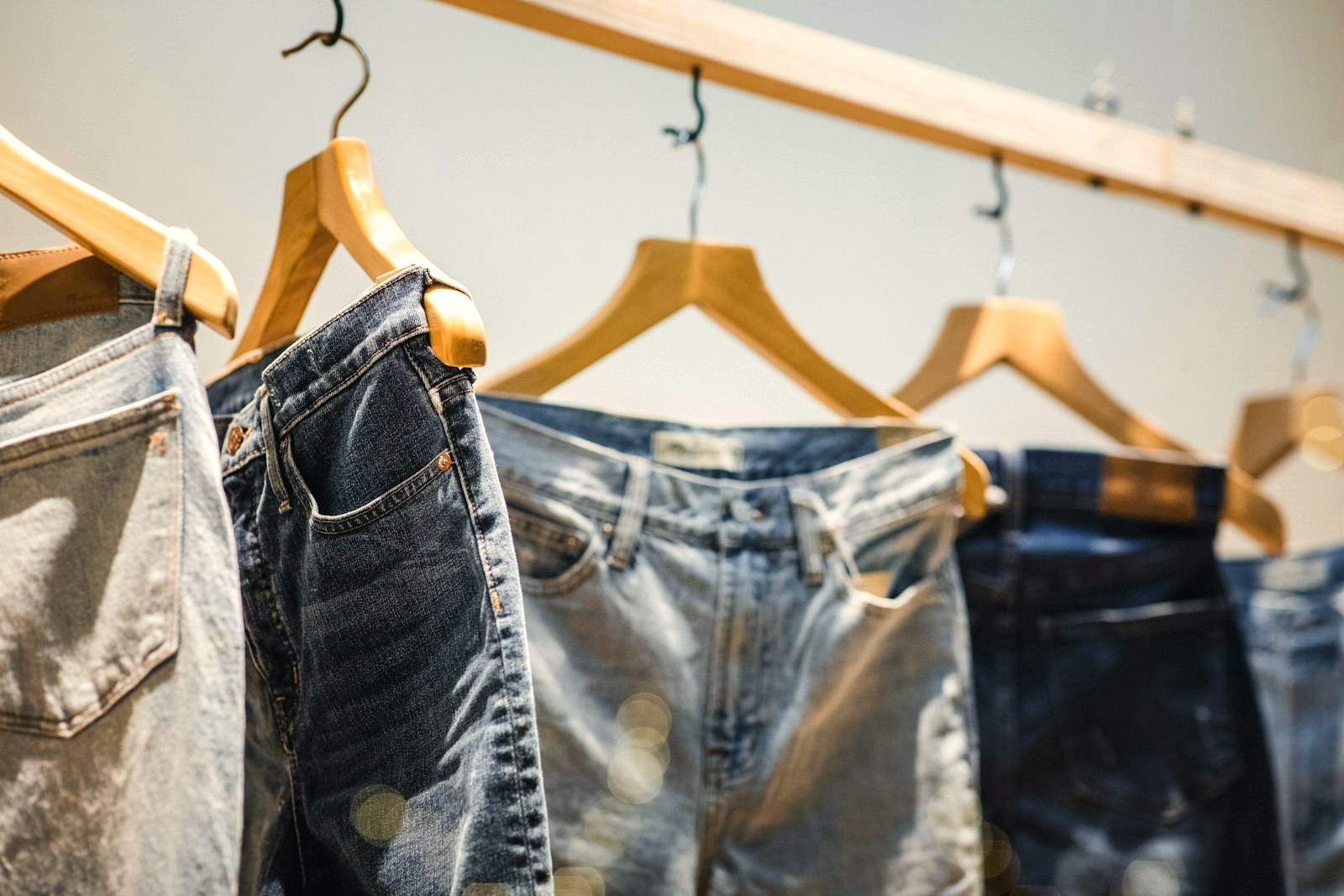
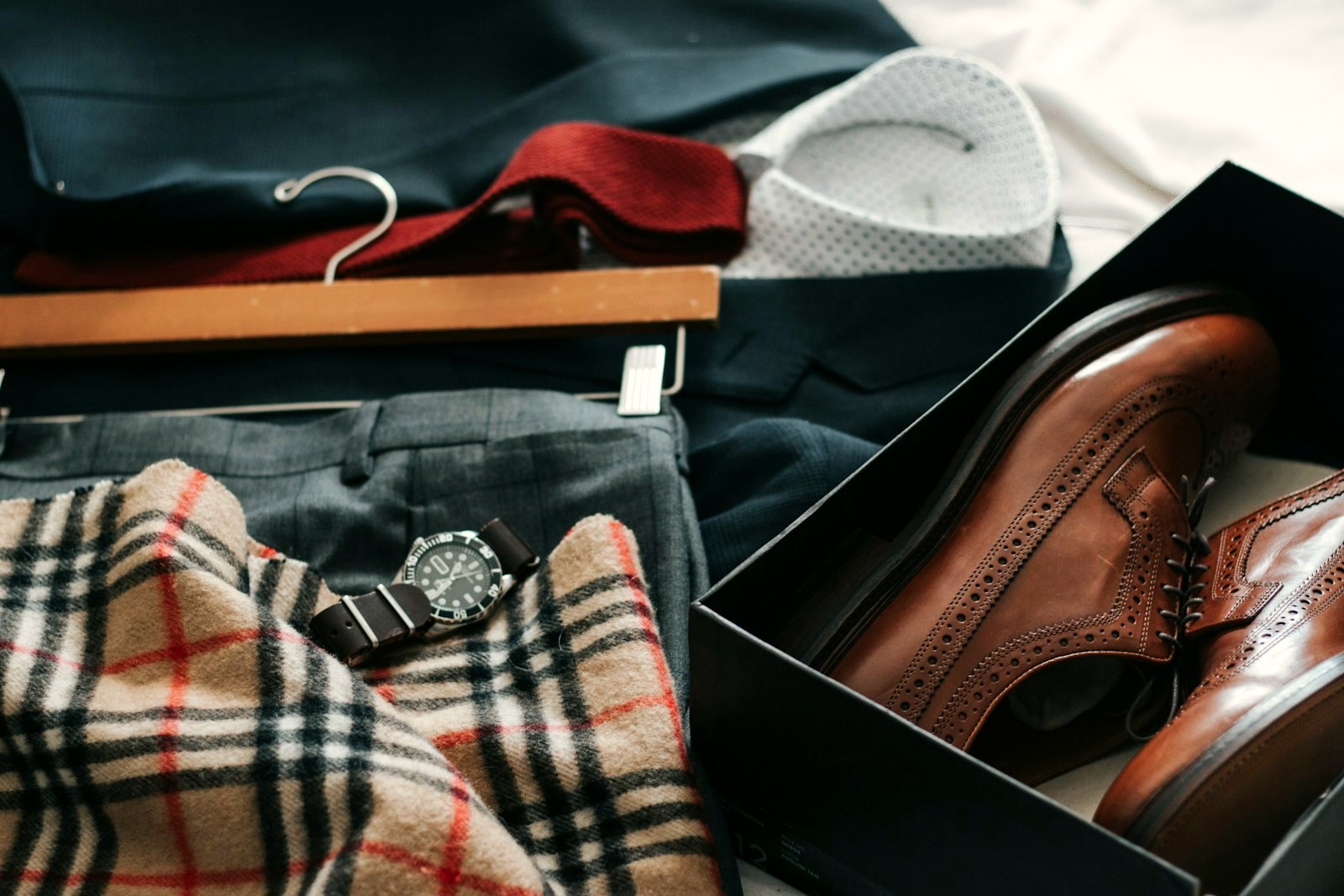
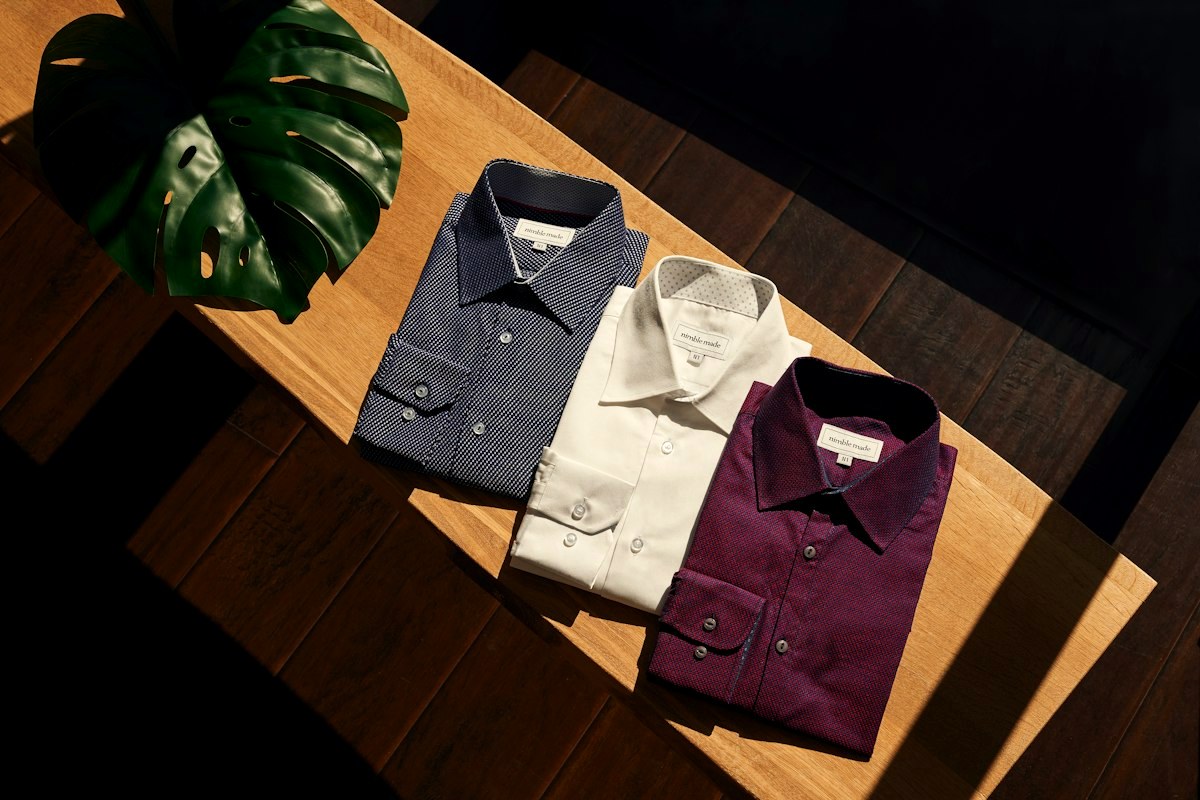
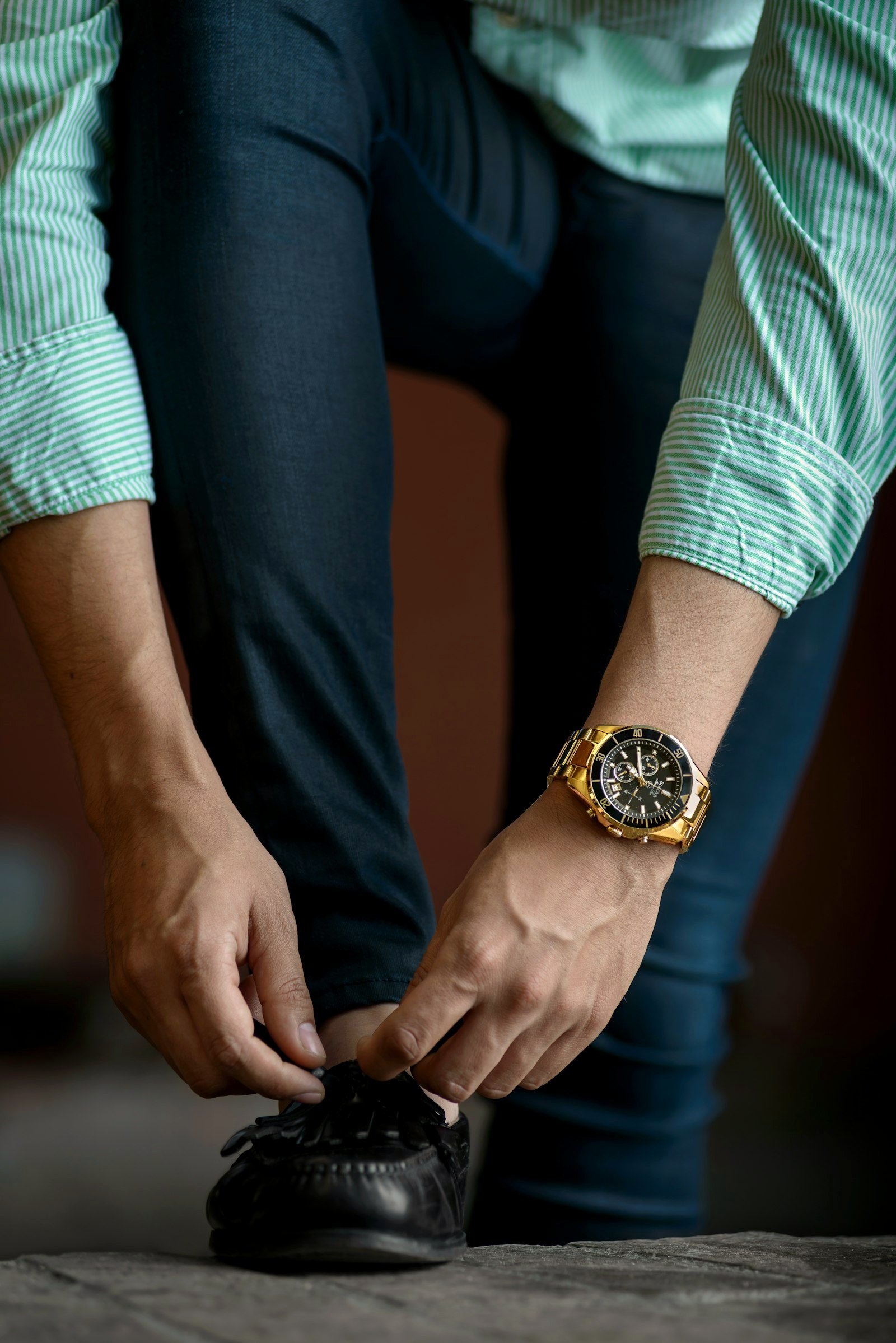
A note on photography, printed because this page believes in saying so: our photo bank holds no honest belt-led frame yet, no belt worn in real light on a real waist. Until the harvest lands one, this ranking runs on waistbands, denim and dress shirts from the bank rather than a borrowed product shot. The gap is on the harvest list, named.
How the scores work
Every belt is scored out of 100 on the same five rows, and the rows are printed on every card, so the reader can disagree with the weighting and still use the evidence.
Leather & hide, 30 points. Which layer of the hide, how it was tanned, and how thick the strap is. Full-grain, vegetable-tanned, single-strap builds score at the top; a split or coated strap scores where it belongs, at the bottom. This row carries the most points because it decides everything the belt will look like in year five.
Buckle & construction, 20 points. The hardware and the finishing: solid brass and hand-burnished edges against cast alloy and plated shine, stitched keepers against glued ones, and whether the buckle is a bar of metal or a mechanism with moving parts that can fail.
Fit & sizing, 20 points. How precisely the belt meets a waist: the spread of sizes, the steps between them, whether the maker prints honest measuring guidance, and whether the design forgives the difference between a weekday waist and a Sunday one.
Value, 15 points. The score the price earns against the hide and the build. A fairly priced bridle belt beats an overpriced one; a cheap belt whose strap is the hide's waste layer earns nothing back.
Longevity, 15 points. Projected working life in rotation, from hide class, strap thickness and hardware simplicity. A decade of daily service is the ceiling; a season or two is the floor, and the floor is occupied.
The rows sum to the score. Where the desk leaned on a maker's own published weights, widths and tannage claims, the table further down labels them the maker's figure.
Seven belts, ranked
Tanner Goods Standard Belt
The Winner
$105 at Tanner Goods
The call: one strap of 11-ounce English bridle, cut, burnished and buckled in Portland, at a price the dress-belt aisle cannot answer. The winner is the belt the denim world already trusts, and the hide earns it.
The Standard is a single strap of full-grain, vegetable-tanned English bridle leather, the Meridian tannage line, finished by hand in Portland, Oregon: edges dyed and burnished, a leather keeper, and a bar buckle in stainless steel or solid brass. Nothing is laminated, lined or filled. It is the thickest strap on this page and the one most likely to look better at year ten than at year one, which is the entire argument for bridle leather in a single sentence.
Sizing runs in two-inch steps, and Tanner's own guidance is to order one size up from your trouser size, because the hide is thick and the brand measures from the fold at the buckle to the first hole rather than the middle one. At $105 it undercuts the department-store dress belt below while outclassing its hide by a full category, and the cost-per-wear table at the foot of this ranking makes it nearly the cheapest belt here. Buy one in a mid-brown and the search for an everyday belt ends.
Anderson's Woven Leather Belt
The Parma Weave
US prices at last check: $245 to $290 at Mr Porter; about $120 at European retail
The call: the Parma weave, scored here at the 83 it already holds in our quiet-luxury capsule, where it has sat since that ranking was published. The hide and the handwork are elite. The American price is the problem, and the value row says so.
Anderson's has woven belts in Parma, Italy since the 1960s, and the construction solves the oldest belt problem by deleting it: there are no holes. The buckle bar passes through the weave at any point, so the fit adjusts by fractions of an inch and nothing stretches out of shape at a favourite notch. The calfskin is full-grain, the weave is tight and even, and under an untucked knit the belt all but disappears, which is precisely why the capsule chose it over the same maker's plain full-grain strap at $220.
The price honesty paragraph: at US retail, $245 to $290 across the woven line at Mr Porter, this is a luxury purchase, and the value row of 8 grades that ticket. At European retail, around $120, the same belt is close to the best value on this page. Geography, not quality, is the variable. The score holds at 83 either way, because this desk scores the belt, and notes the maths in the cost-per-wear table, where the American price makes a decade-lasting belt look expensive per wear. It is the only belt here whose ranking improves if you buy it on holiday.
Maximum Henry Oval Belt
The Studio Belt
$160 at Maximum Henry
The call: the studio belt. Cut, dyed, stitched and waxed to order in Long Island City, from vegetable-tanned hides out of Belgium and Spain. The closest thing on this page to buying from the bench that made it.
Maximum Henry Cohen founded the studio in 2012 and still runs it as a small team making leather goods to order: the maker's own description of the process is scissors-to-waxing in one room, and the Oval is the line's centre, a clean single strap of full-grain vegetable-tanned leather with a brass oval buckle and edges finished by hand. There is no ornament to date it and no logo to read across a room. It wears as easily with raw denim as with a soft trouser, which is a range the work belts and dress belts on this page each only cover from one side.
At $160, the premium over the Tanner buys the made-to-order bench and the hardware, not a better hide class: both straps are full-grain and vegetable-tanned, and the Portland belt is thicker. What the extra $55 purchases is the studio itself, small-batch dye work, a buckle shape nobody else here offers, and a belt made after you ordered it rather than pulled from a shelf. Made to order also means waiting for it. That is a fair trade, printed as one.
Torino Kipskin Leather Belt
The Department-Store Dress Belt
$100 at Nordstrom
The call: the department-store dress belt, done properly. Kipskin is real calfskin with a smooth dress finish, and at $100 the Torino is the belt to wear with tailoring when the bridle strap reads too rugged.
Kipskin is the hide of young cattle, finer and tighter in the grain than full cowhide, and it takes the polished, even finish a suit asks for. Torino builds its name on exactly this register of belt, and the Kipskin at Nordstrom is the honest version of the dress belt most men buy badly elsewhere: a genuine single-hide strap, a clean frame buckle, no bonded filler and no reversible gimmick. Paired with the trousers in our wool trousers ranking, it is the correct finishing note, quiet and smooth.
The ceiling is duty, not quality. A thinner, smoother strap is built for tailored rotation rather than a decade of denim, and the longevity row of 9 prices that honestly: expect about six good years of regular wear. The counterweight is the channel: at Nordstrom the sizing risk is close to zero, returns are painless, and at $100 the value row of 12 is the second-best on the page. As a first dress belt, nothing here is easier to buy correctly.
Martin Dingman Harrison O-Ring Italian Calf Leather Belt
The Polished Splurge
$198 at Martin Dingman
The call: the polished splurge. A 1⅛-inch Italian calf strap with genuine American alligator trim, an equestrian saddle leather lining and a brushed nickel O-ring, handcrafted in America. Beautifully finished, and priced like it knows.
Every input here is real: the calf is Italian, the trim is genuine alligator rather than an embossed impression of it, the lining is saddle leather, and the handwork shows in the edges and the stitching. The O-ring closure gives the belt a country-club register the bar-buckle field does not attempt, and in a wardrobe of Southern tailoring, loafers and linen, it looks entirely at home. Nothing about the Harrison is a shortcut.
The score is about proportion. At $198, the hide under the trim is calfskin in the same class as the Torino at half the money: what the premium buys is trim, lining and finish, not a stronger strap. The value row of 7 grades that honestly, and the fit row notes a 32 to 44 range in two-inch steps, with the maker's own advice to order one size up. If this register is your wardrobe, this is the best-executed version of it on the page. If it is not, the same money buys the winner and the dress belt, with change.

Anson Belt & Buckle Complete Belt
The System
From $49.99 at Anson
The call: the system. A ratchet buckle on a hidden track adjusts in quarter-inch steps, one strap is cut to fit any waist from 16 to 50 inches, and no belt on this page fits more precisely. It is also the thinnest strap above the skip, and the leather row grades the strap, not the mechanism.
The engineering is genuinely good. The strap feeds through a clamp buckle and locks onto teeth on its underside, so the fit lands between holes, after lunch, across a five-pound month, exactly where you set it. You trim the strap to length at home with scissors, so the one-size problem disappears, and straps and buckles are interchangeable across the line. Complete belts start at $49.99 on the maker's own storefront, checked today, in straps that include full-grain leather and vegetable-tanned buffalo, and the brand's lifetime guarantee is its standing promise.
The honest costs: the track concentrates wear at the buckle point, the cast-alloy mechanism is a moving part where a bar buckle has none, and a dress-weight strap will never patina like bridle leather. The longevity row of 5 grades the belt as sold, one strap and one buckle, while noting the system's defence: a tired strap is replaceable for the price of a round of drinks, so the cost per wear stays low even as straps cycle. Buy it for the fit. It earns a 68 and a genuine recommendation for any waist that refuses to sit still between notches.
H&M Split Leather Belt
The Skip
US prices at last check: typically $20 to $35 on the US belt rail
The call: the skip, and the name admits it. Split leather is what remains of a hide after the grain layer has been split away: the fibrous underside, coated and embossed to imitate the surface it no longer has. It photographs as a belt. At the holes, it behaves like cardboard's cousin.
The material story is the whole review. The coating that fakes the grain is the first thing to crack, and it cracks exactly where a belt works hardest, at the buckle bar and the used hole. The buckle is polished metal of the plated class. The one respectable row is fit: alpha sizing from XS to XL covers more waists than most two-inch ladders, and 13 of 20 is this card's best number by a distance. Everything else is a strap designed to be replaced, which is a business model, not a belt.
The bookkeeping, printed because this desk prints it: this is the thirteenth H&M garment we have ranked. The twelve before it, from the 48-point chinos to the 34-point linen blend, sum to 458 and average 38.2, which is where the brand's score of 38 on our H&M page comes from. A thirteenth score of 31 moves the mean to 37.6, which still rounds to 38: the brand keeps its score, and this belt keeps its own 31. The cost-per-wear table below finishes the argument. The cheapest ticket on the page buys the most expensive wear on the page.
The hide and the build, belt by belt
Every score above rests on the hide first. This table prints what each strap actually is, in the maker's own published terms where the maker publishes them, and the class figure where a maker prints a class instead of a hide. The ladder runs full-grain, top-grain, split: the seven belts sit on it exactly where their rows put them.
| Belt | The hide | The build | Whose figure |
|---|---|---|---|
| Tanner Goods Standard Belt | 11 oz full-grain vegetable-tanned English bridle, single strap | Stainless or solid brass bar buckle, hand-burnished edges, leather keeper | Maker's figure |
| Anderson's Woven Leather Belt | Woven full-grain calfskin, Parma | Plain metal frame buckle, no holes: the bar passes through the weave | Maker's figure |
| Maximum Henry Oval Belt | Full-grain vegetable-tanned leather, hides from Belgium and Spain | Brass oval buckle, cut, dyed and stitched to order | Maker's figure |
| Torino Kipskin Leather Belt | Kipskin: young calf hide, smooth dress finish | Polished frame buckle, dress-weight strap | Maker's figure |
| Martin Dingman Harrison O-Ring | Italian calfskin strap, genuine American alligator trim, saddle leather lining | Brushed nickel O-ring buckle, handcrafted in America | Maker's figure |
| Anson Complete Belt | Full-grain leather strap, dress weight | Cast alloy ratchet buckle, hidden track, quarter-inch steps | Maker's figure |
| H&M Split Leather Belt | Cow split leather: the layer under the grain, coated to imitate it | Polished metal buckle, plated class | Maker's figure |
Cost per wear: the ten-year maths
A belt is the easiest cost-per-wear calculation in a wardrobe, because a good one is worn hundreds of times and a bad one is replaced. The table assumes a belt in a two-belt rotation, worn about 150 times a year, and prints the honest life the desk projects for each construction, from a decade-plus for thick full-grain straps down to a year or so for the coated split at the foot of the ranking.
| Belt | Price used | Honest life | Wears | Cost per wear |
|---|---|---|---|---|
| Tanner Goods Standard Belt | $105 | About 12 years | 1,800 | $0.06 |
| Anson Complete Belt | $50 | About 3 years a strap | 500 | $0.10 |
| Maximum Henry Oval Belt | $160 | About 10 years | 1,500 | $0.11 |
| Torino Kipskin Leather Belt | $100 | About 6 years | 900 | $0.11 |
| Martin Dingman Harrison O-Ring | $198 | About 8 years | 1,200 | $0.17 |
| Anderson's Woven Leather Belt | $268 | About 10 years | 1,500 | $0.18 |
| H&M Split Leather Belt | $28 | About 1 year | 120 | $0.23 |
The maths, printed because the ranking asks to be believed: price used is the price on the card, and where a card prints a band it is the middle of the band, so the Anderson's is costed at $268, the middle of its $245 to $290 US range, and the H&M at $28, the middle of its US rail band rounded to the nearest dollar. Read the table as an argument, not an epitaph. The winner is the second-cheapest belt to own. The weave's decade of service still cannot rescue its American ticket, which is the geography problem stated in numbers. And the skip costs four times the winner per wear while feeling like a saving at the till, which is the whole split-leather business in one row.
The Skip · 31/100
H&M's split leather belt wears the most honest bad name in fashion: the product is called split leather because the grain was split off and sold to somebody else. What remains is coated until it resembles a belt, and it holds that resemblance until the coating cracks at the holes, usually inside a year. The wider class to refuse, in any shop: split and bonded leather, where the hide's leftovers are the product, and reversible belts, two thin straps glued back to back, each too thin to trust, sold as two belts in one. A belt is one strap of the right layer. Everything else is a countdown.
Which one to buy
One belt, worn with everything: the Tanner Goods Standard, 86. Bridle leather splits the difference between denim and tailoring better than any specialist here, and at $105 it is not even a splurge.
With tailoring: the Torino Kipskin, 74, for a smooth dress finish at $100, or the Anderson's weave, 83, slipped under an untucked knit, where its hole-free fit and quiet surface are the whole point.
The waist that moves: the Anson system, 68. Quarter-inch steps and a strap you trim yourself end the between-holes problem permanently, and replacement straps keep the maths kind.
The bench-made gift, or the treat: the Maximum Henry Oval, 81, made to order in Queens. And a traveller's footnote: if you find yourself in Europe, the Anderson's at about $120 stops being a luxury and becomes the best value on this page.
Questions, answered
What is the best leather belt for men?
The Tanner Goods Standard Belt, 86 out of 100. It is cut from a single strap of 11-ounce full-grain vegetable-tanned English bridle leather, finished by hand in Portland, Oregon, and it costs $105, less than the department-store dress belts it outclasses. The woven Anderson's belt from Parma is second at 83, and Maximum Henry's made-to-order Oval is third at 81.
What is the difference between full-grain, top-grain and split leather?
A hide has layers. Full-grain keeps the entire surface, tight fibres and all, and it is the strongest and best-aging cut. Top-grain has been sanded and finished to hide marks, which costs it some strength and character. Split leather is what is left after the grain layer is split off: the loose fibrous underside, usually coated to imitate grain. It is the bottom of the ladder, and on this page it is the difference between the winner at 86 and the skip at 31.
How do I size a leather belt?
Start with your trouser size plus two inches, then check the maker's own chart, because makers measure differently: Tanner Goods measures from the fold at the buckle to the first hole and advises ordering one size up from your trouser size, while Martin Dingman also advises one size up from its 32 to 44 range. A woven belt sidesteps the question, since the buckle bar passes through the weave at any point, and a ratchet belt like Anson's is cut to fit at home.
Are ratchet belts worth it?
For fit, yes: Anson's track adjusts in quarter-inch steps, finer than any row of holes, and one strap covers waists from 16 to 50 inches. For leather, no: the strap is dress weight, the buckle is a cast mechanism with moving parts, and the track wears the strap at the buckle point. Our score splits the difference at 68, the best fit row on this page and one of the weakest leather rows.
How long should a good leather belt last?
A full-grain belt in a two-belt rotation should run a decade or more: the bridle and woven belts on this page are costed over 1,500 to 1,800 wears. A dress-weight calf belt gives about six to eight years. A split leather belt is a season or two before the coating cracks at the holes, which is why the cheapest belt here is the most expensive per wear, at $0.23 against the winner's $0.06.
Is a woven leather belt worth the money?
The Anderson's weave is the best-fitting conventional belt made: no holes to stretch, no wrong notch at the end of a long lunch, and Parma handwork that has held an 83 on this site since our quiet-luxury capsule. The catch is geography. At US retail of $245 to $290 it is a luxury purchase; at European retail around $120 it is close to the best value on this page. Same belt, same score, very different maths.
The belt's travelling companion is ranked the same way in Verdict Card No. 18, the dopp kits: leather first, the zip graded by name, capacity against a printed kit list.
How this ranking stays honest
The scores are this desk's own work, made on the basis printed above: hide 30, buckle and construction 20, fit and sizing 20, value 15, longevity 15. The five rows are this page's basis, and another garment's basis is its own business: the methodology page carries the standing explanation, and it governs the belts the same way it governs the shirts.
Standing scores were reproduced, not re-derived. The Anderson's woven belt arrived with an 83 from the quiet-luxury capsule, and its rows on this page were set to reproduce that 83 on the belt basis, the same treatment the Spier trouser received when its capsule score was confirmed on the trouser basis. H&M's belt is scored fresh as a garment, and it is the brand's thirteenth ranked garment: the arithmetic its score does to the derived H&M brand score is printed on the card itself, in the open, where the derivation lives.
Prices were checked on the makers' and retailers' own pages this month, and every price that is a range says so on its card. Hide claims are the makers' published figures, labelled as such in the table; where a maker prints a class rather than a hide, the class is what we graded, which is how a belt can be honestly described and still score 31. A maker who disputes a hide description is invited to send the strap, and the desk will cut it and print what is inside.