
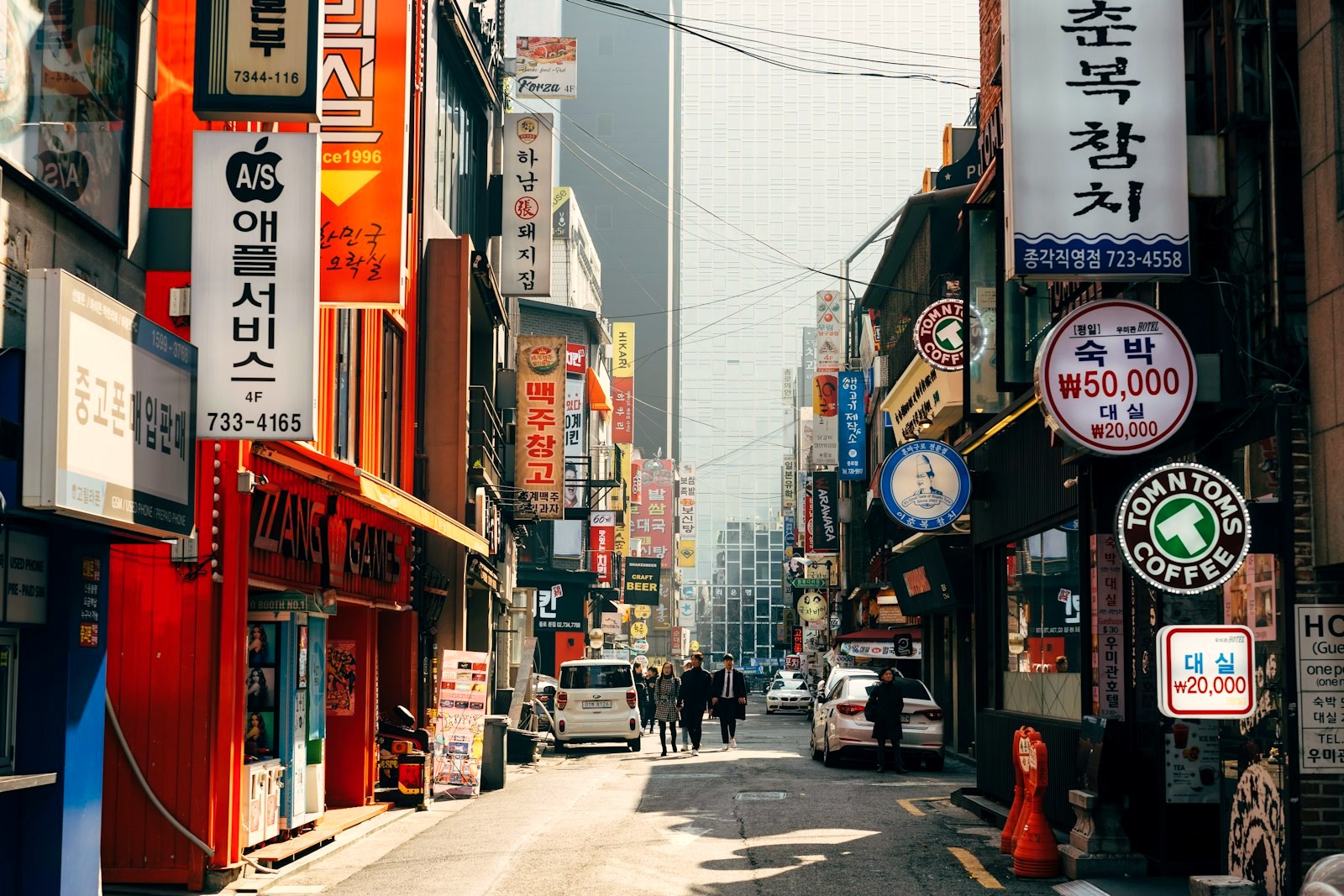
The high street is a method before it is a place: the look now, at a price that feels like nothing. The ranking below scores who else works this street, and what the method costs per wear.
Checked and updated October 2026
The verdict, up front: Asket wins the H&M brief at 92, the plain register with the replacement cycle removed. Uniqlo, the same street worked honestly, is second at 84. The anchor itself, H&M, is scored in the open at 38, and the number is not an opinion: this site has ranked eleven of its garments across eleven categories, they score from 33 to 48, and their mean and their median both round to 38. Below the anchor there is only the skip, Shein at 24, the direction the anchor's logic ends when it stops pretending.
What people actually want from H&M
Nobody searches for brands like H&M because they love a label. They search because H&M is the wardrobe's easiest yes: the look of the season translated within weeks, the whole outfit on one rail, sizes for effectively every body, in a store on every shopping street and an app on every phone, at prices low enough that the decision feels reversible. The want is fashion without commitment, the current silhouette, the colour of the moment, the party piece, the holiday piece, bought the way a magazine is bought. Underneath it sits a second, quieter want that the search usually discovers later: for the basics underneath the trends, the tees and knits and jeans a wardrobe actually runs on, to stop expiring.
The ceiling is the method itself, and this page names it plainly because the anchor's card below prints its evidence. The cloth is bought to a price before it is chosen for a purpose, so the label leads with whatever fibre photographs best. The construction is finished to the rail and the product shot, not to the fiftieth wash. And longevity is not a flaw in the model; it is the model's fuel, because a garment that fades, bags and twists by spring is a customer returning by spring. The replacement is the repeat purchase. Every brand below is an answer to one half of the want or the other: the look kept, the permanence kept, the philosophy kept, the polish kept, at prices that move from the anchor's pocket money to several times it, and one brand that takes the anchor's method further than the anchor dares.
How the scores work
Every brand here is scored on the house basis for this series: fabric and cloth out of 30, construction and craft out of 20, fit range and sizing honesty out of 20, value out of 15, longevity out of 15. Brands that appear elsewhere on this site keep their numbers, because a score that changes from page to page is marketing. Asket's 92 was set in our Scandinavian ranking. Uniqlo's 84 comes from the Japanese ranking. Massimo Dutti's 71 and COS's 70 were set on their own pages in this series; Muji's 74 and Shein's 24 were set on the Uniqlo page and the Zara page respectively.
The anchor is the exception that proves the method, and its arithmetic is printed here so it can be checked. H&M has never carried a brand score on this site, but its garments have been ranked eleven times, in eleven Verdict Cards, and the record is unusually complete: the Oxford shirt at 41 in the Oxford ranking, the chinos at 48, the shacket at 33 in the overshirts ranking, the flannel at 38, the roll neck at 44, the fine-knit crew at 40, the slim jeans at 36, the piqué polo at 35 in the polo ranking, the camp collar shirt at 35, the linen blend at 34 and the cardigan at 38. Add them: 422. Divide by eleven: 38.4, which rounds to 38. The median of the eleven is also 38. So the brand score is 38, confirmed by the eleventh garment after standing at 40 on seven garments and 39 on eight, exactly as the method below promised. Its rows are set on the same evidence: fit range its best row at 12, because the sizes and the stores genuinely serve everyone; construction 7, because that is what eleven garments reported; fabric 9, lowered by the tenth garment, a blend sold under linen's name whose cloth was mostly not flax; value 7, because cheap to buy keeps proving expensive to own; longevity 3, set by the eighth garment, whose polo reported the shortest presentable life on its page, about twenty wears at a dollar each. New prose, published arithmetic.
Seven brands like H&M, ranked
Asket
US price at last check: the T-Shirt $70; the Loose Twill Chino $230.
The permanence answer: the anchor's plain register with the drop calendar, the trend cycle and the replacement schedule all removed.
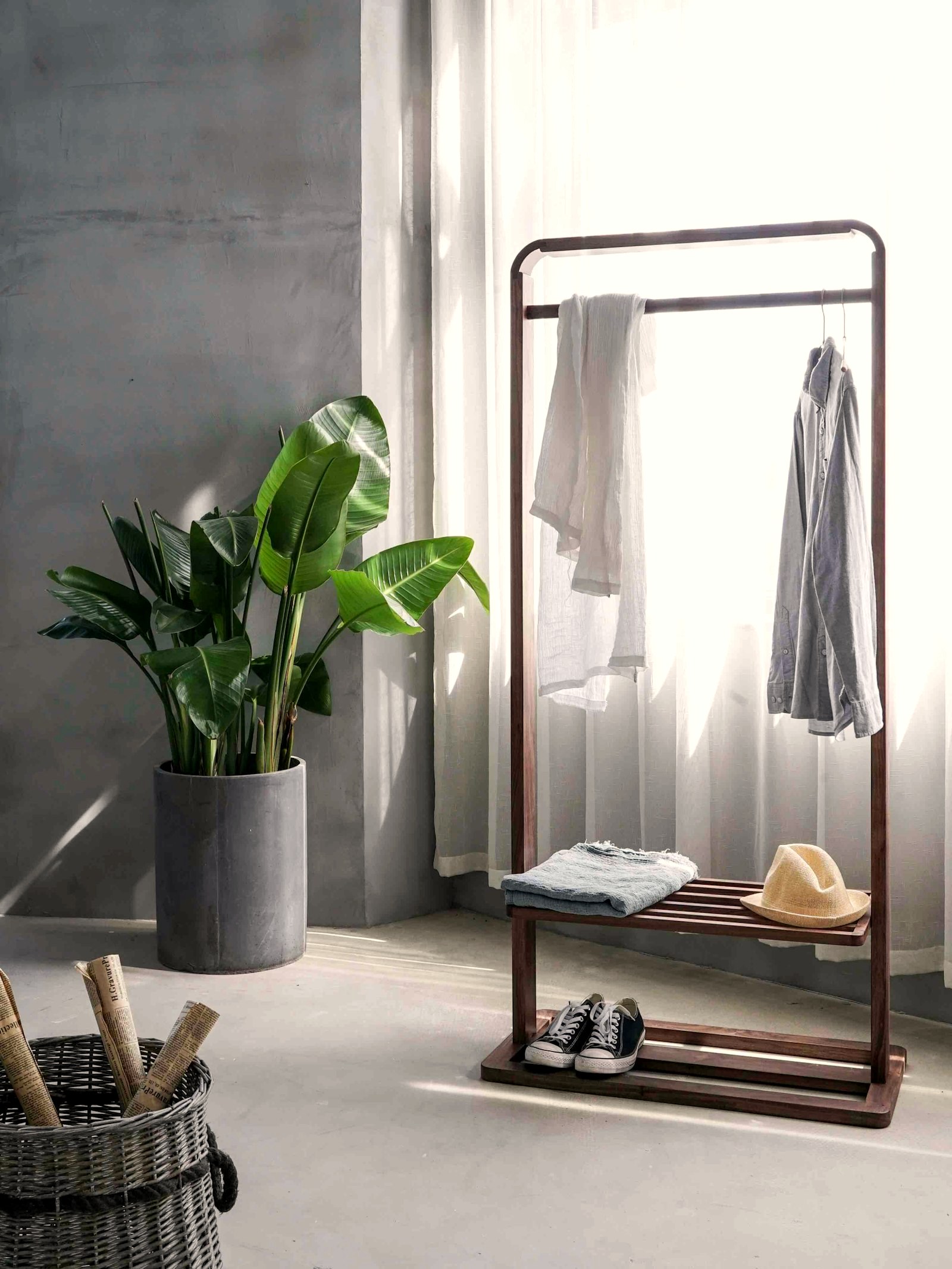
Asket is what the H&M rail would be if it were allowed to finish a garment. The register is the anchor's own, plain, logo-free, quietly proportioned basics, and everything the anchor treats as disposable is here treated as permanent: one T-shirt, refined year over year instead of replaced, cut from cloth chosen without a season to defend, in graded sizes built from body measurements across three lengths, a fit row at a perfect 20 against the anchor's 12. The cost breakdown of every garment is published, fabric mill and assembly price included, which is the exact opposite of a label that leads with its best minority fibre.
The comparison that decides this search is cost per wear, and this site has run the anchor's numbers in the open. The anchor's fine-knit crew, $29.99 at the till, works out at about a dollar per presentable wear across its short life, the most expensive sweater on its ranking page. Asket's $70 tee is the expensive garment in the shop and the cheap one in the drawer. Start with the T-shirt, then the merino knitwear, and notice the wardrobe stop expiring. For the reader whose H&M complaint is not the look but the landfill rhythm underneath it, this is the brand the search was looking for.
Uniqlo
US prices at last check: the U crew-neck tee $15 to $30.
The same street, the opposite method: the garment engineered instead of photographed, at prices in the anchor's own conversation.
Uniqlo is the control experiment for this entire page: same high street, same price conversation, same plain register, and a brand score 46 points higher, because the industrial scale is pointed at the garment instead of at the marketing of it. The garment-level evidence is on this site in black and white. Its selvedge jean, woven with Kaihara and sold at $59.90, scores 72 in our jeans ranking; the anchor's slim jean, at $49.99 list, scores 36. Its merino crew is the cheapest per wear on the crew-neck page at about $0.42; the anchor's fine knit is the most expensive at about $1.00. Value is a perfect 15, the only one in this series.
The ceiling is named on its own page in this series and it is real: alpha sizing with no collar or sleeve measurements, cloth ambition capped at good, and the design ambition rented out to collaborations that sell out. None of it rescues the anchor. For the H&M searcher who wants to keep the prices and lose the replacement cycle, this is the first move, and it does not require leaving the street.
Muji
US prices at last check: tees about $13 to $20, shirts about $40 to $50 at the maker's US stores.
The restraint answer: the anti-trend original, no-brand basics in natural fibres, scored fresh on the Uniqlo page and reproduced here exactly.
Muji answers the second, quieter half of the H&M want: a wardrobe with the fashion taken out of it. The name is short for no-brand quality goods, and the proposition is the anchor's inverse in every row that matters: natural fibres instead of blends led by their best minority, simple construction meant to be repaired rather than replaced, and no season doing the expiring, because there is barely a season at all. Its fabric row, 21, is built on the same honesty as Uniqlo's with a softer hand, and its longevity, 11, is nearly four times the anchor's 3 at prices the anchor's shoppers will recognise.
The ceiling is range, printed in its fit row of 14: alpha sizes, boxy cuts in the Japanese register, and a US store network thin enough that much of the range is theoretical for much of the country. It was scored fresh at 74 on the Uniqlo page, because that search is where it belongs, and it lands here in third for the same reason: for the reader tired of the trend rail but not of plain clothes, Muji is the correction with the commerce turned down.
Massimo Dutti
US prices at last check: shirts $130 at the US store; the 100% wool blazer about $350.
The grown-up neighbour: what the same instinct looks like aimed at tailoring and warmth, at three times the money and half the life.
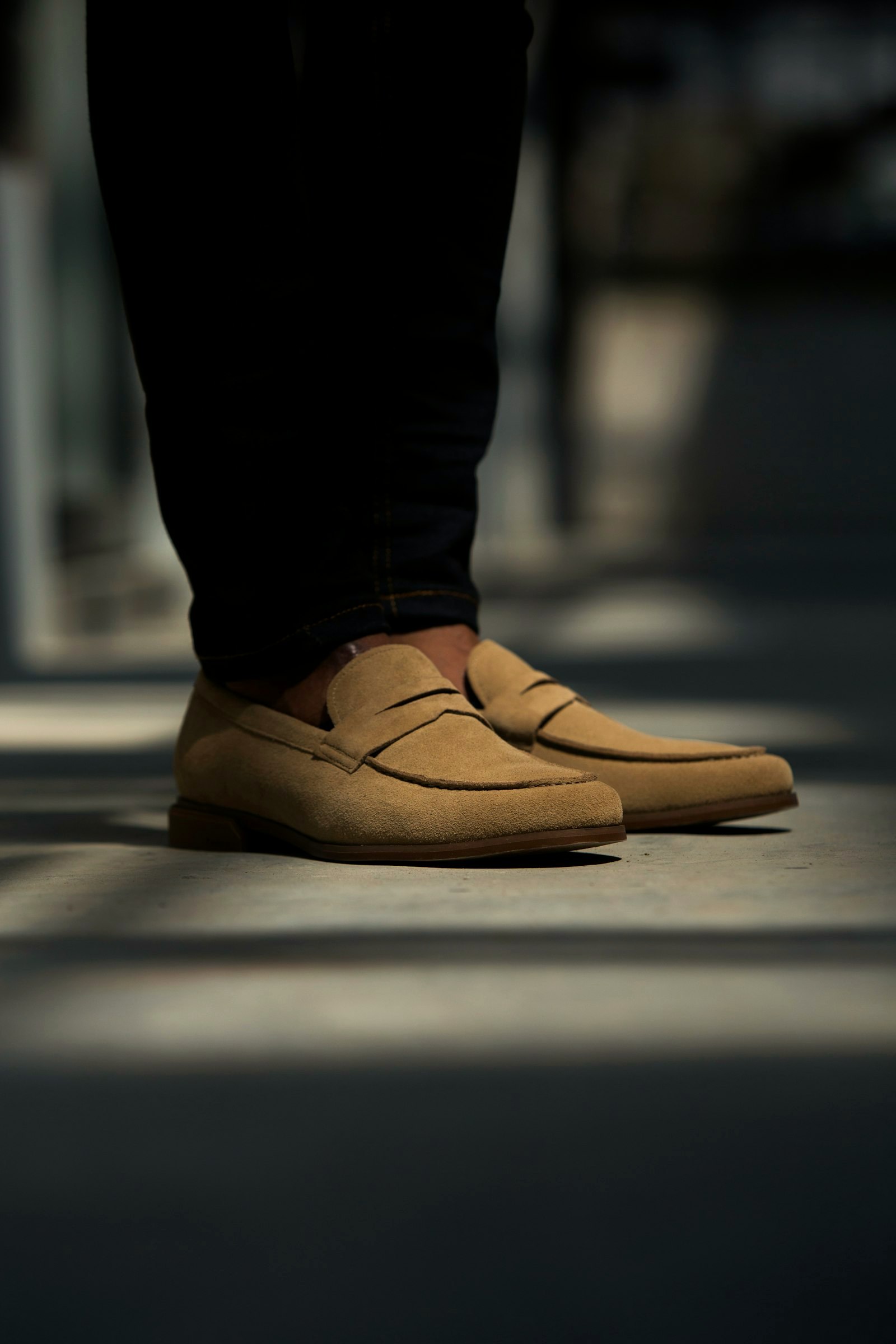
Massimo Dutti is where the H&M searcher drifts when the wardrobe starts growing toward tailoring: shirts at $130, a wool blazer at about $350, suede and leather handled with the Inditex group's genuine skill at both. Its scores are its own anchor page's, reproduced exactly: fabric 20, double the anchor's 10; construction 15 against 7; a fit row of 17 with collar and sleeve measurements the anchor declines to print. On finish and polish it is not a close contest, and for the blazer, the suede piece and the polished knit, it does work the anchor does not attempt.
The row that keeps it honest is longevity: 8, better than the anchor's 3 and still a group schedule, clothes built to be replaced on a two-to-three-year rhythm at three times the anchor's prices. Buy it knowingly, for the pieces above the basics line, and keep the foundation elsewhere. Its full decoding is on its own page in this series.
COS
US prices at last check: shirts and knits typically $99 to $150.
The family's own verdict: the anchor's group sends its interesting shapes upstairs, and the upstairs brand outscores the parent by 32 points.
COS is the most awkward entry on this page for the anchor, because it is family: the premium label of the H&M group itself, and its presence here prices the group's own internal judgement. The silhouette ambition the anchor's rail lacks, the volume, the drape, the pattern-cutting that is the best on the high street, lives upstairs at COS, over cloth bought to the same group's budget: fabric 20, construction 14, longevity 8. The group can make the interesting version of its own clothes. It simply charges $99 to $150 for it and keeps the parent label for the volume business.
Read against the anchor, the rows are the whole argument: 32 points of score separate two labels owned by one group, and the difference is not talent, it is intent, what each label is for. COS as seasoning over an honest foundation is the high street's most interesting brand. As the foundation it is a downgrade wearing better lighting, and its full scoring in the open is on its own page in this series. But for the H&M searcher, its existence is the receipt: the ceiling on the anchor's rail is a decision, not a law of physics.
H&M
US prices at last check: the fine-knit crew $29.99; slim jeans list $49.99.
Scored in the open at 38, the rounded mean of its own ten ranked garments: the most measured brand on this site, and the measurement is the verdict.
The case for the anchor is real, and its best row prints it: fit range 12, the highest row on its card, because the sizes run for effectively every body, the stores are on every shopping street, and the basics range restocks instead of dropping, so the tee that fits can be bought again. At its best, in the chinos that scored 48, it makes a fair garment at a fair price, and no page on this site pretends otherwise. The want it serves, the look now at a price that feels like nothing, is a legitimate want, and it serves it at a scale nobody else on this page attempts.
The case against is not an argument; it is the anchor's own published record, eleven garments deep. The Oxford shirt at 41, the roll neck at 44, the crew at 40, the cardigan at 38, the flannel at 38, the jeans at 36, the polo at 35, the camp collar shirt at 35, the linen blend at 34, the shacket at 33: not one garment in eleven categories reaches 50, and the failures rhyme, cloth bought to a price and led by its best minority fibre, sewing finished to a photograph, and a working life counted in a season or two. The cost-per-wear evidence is the rudest version: the $29.99 fine-knit crew is the most expensive sweater on its page per presentable wear at about $1.00, and the $49.99 slim jean costs $0.33 a wear against the winning 501's $0.11 in the jeans ranking. Cheap to buy, expensive to own, eleven times over. That is what 38 means, and it is why the alternatives above are not snobbery: they are arithmetic.
Shein
US prices at last check: most pieces under $15.
The floor: the anchor's method with the remaining restraint removed, scored on the Zara page and reproduced here exactly.
Shein is included so the ladder has a floor and the anchor has a context. Its rows arrive from the Zara page of this series, reproduced digit for digit: fabric 5, construction 3, longevity 1, the lowest set of numbers this site publishes. The garment is a photograph on a marketplace listing before it is anything else, polyester-dominant cloth at weights scored nowhere else here, sizing that varies piece to piece because the pieces come from different sellers, and a working life counted in washes. At under $15 it is the cheapest clothing on this page and, per wear, among the most expensive.
Its use on this page is diagnostic. Everything the anchor is accused of, Shein does further, faster and cheaper, which is how you can tell the accusation against the anchor is about degree rather than kind, and why the distance matters: 16 points separate a brand whose best garment is a fair chino from a marketplace whose best garment is a listing. The anchor is a warning. This is the thing the warning is about.
The pattern under the ranking
Read the ladder as one argument about what a low price is made of. The three brands above the polished neighbours share a method: the garment is the product, specified, wash-tested and kept in the range until it is right, and their longevity rows run 13, 12 and 11. The anchor and the skip share the opposite method, the garment as a season, and their longevity rows are 3 and 1. Between them sit the group's own two attempts at polish, Dutti at 71 and COS at 70, which prove from inside the family that the cloth ceiling is a choice: the same retail world produces an 84 when it points its scale at engineering, a 70 when it points it at silhouette, and a 38 when it points it at volume.
The second pattern is unique to this anchor, and it is why its score could be derived rather than debated. No other brand in this series arrives with seven garments already ranked, and no other brand's record is this flat: a best of 48, a worst of 33, a spread of fifteen points across seven unrelated categories, shirts, trousers, knitwear, layers and denim all landing in the same band. A brand that is unlucky in one category is a story. A brand that scores the same in every category is a system, and the system is the score.
| Brand | Score | The piece to buy | US price |
|---|---|---|---|
| Asket | 92 | The T-Shirt, then the permanent grid | $70 |
| Uniqlo | 84 | The U crew-neck tee | $15 to $30 |
| Muji | 74 | The plainest oxford shirt | About $40 to $50 |
| Massimo Dutti | 71 | The suede piece | Shirts $130 |
| COS | 70 | The shaped knit of the season | Typically $99 to $150 |
| H&M | 38 | The slim chino, its best garment at 48 | Crew $29.99 |
| Shein | 24 | None | Under $15 |
The Skip · 24/100
Shein. The anchor's logic with the restraint removed: fabric 5, construction 3, longevity 1, a garment that is a listing first and clothing second. The H&M search deserves the anchor's betters, or at worst the anchor. It does not deserve the floor beneath it.
Which one to buy
Buy the upgrade: Asket (92), when the replacement cycle is the complaint, for graded sizing, published receipts and a wardrobe that stops expiring.
Buy the honest street: Uniqlo (84), the same prices with the method reversed, the foundation a high-street wardrobe can actually be built on.
Buy the original: Muji (74), for the pieces where no-brand restraint is the point and your size is on its rail.
Buy the polish: Massimo Dutti (71) for tailoring and suede, or COS (70) for silhouette, each knowingly, as seasoning over the foundation rather than instead of it. The rest of the family: brands like Tommy Bahama, brands like Carhartt, brands like A.P.C., brands like Ralph Lauren, brands like Massimo Dutti, brands like COS, brands like Zara and brands like Uniqlo.
Questions, answered
What brand is most like H&M?
It depends which half of H&M you mean. For the wardrobe it promises, Asket at 92 is the same plain register kept permanently, with graded sizing and published receipts. For the high street itself, Uniqlo at 84 is the closest relative and the opposite method: the garment engineered rather than photographed, at prices in the same conversation. The anchor, H&M, scores 38 on this page, a number set from the eleven garments this site has already ranked, whose scores run from 33 to 48 and whose mean and median both round to 38.
Is H&M good quality?
On this site's evidence, it is the most consistently scored brand we cover, and the consistency is the problem: eleven garments ranked across eleven categories, an Oxford shirt at 41, chinos at 48, an overshirt at 33, a flannel at 38, a roll neck at 44, a crew neck at 40, jeans at 36, a piqué polo at 35, a camp collar shirt at 35, a linen blend at 34 and a cardigan at 38. Not one cracks 50. The best of them, the chinos at 48, is a fair garment at a fair price. The pattern below it is cloth bought to a price and sewing finished to a photograph, and the cost shows up per wear: the fine-knit crew works out at about a dollar per presentable wear, the most expensive sweater on its ranking page despite the lowest ticket in it.
What is better than H&M at the same prices?
Uniqlo, and the proof is garment against garment, not slogan against slogan. Its selvedge jean scores 72 in our jeans ranking; the anchor's slim jean scores 36. Its brand score is 84 with a perfect value row of 15; the anchor's brand score is 38 with a value row of 7, because cheap to buy and cheap to own are different measurements. At the same money, the anchor sells the look of the garment for a season; Uniqlo sells the garment for years. Nothing else at the anchor's prices outscores it on this page, which is precisely the finding: at this end of the market, honesty is the scarce material.
Why does H&M score 38 here when it had no brand score before?
Because the desk derived it in the open instead of inventing it. H&M had never been scored as a brand on this site, but its garments had, across the Verdict Cards: 41, 48, 33, 38, 44, 40 and 36 from the first seven, a piqué polo at 35 as the eighth, a camp collar shirt at 35 as the ninth, a linen blend at 34 as the tenth and a cardigan at 38 as the eleventh. The eleven sum to 422; their mean is 38.4, which rounds to 38, and their median is 38. The brand score follows the rounded mean, as it has since the first derivation, so the brand score is 38, set on the same published basis as every other card in this series, fabric 9 of 30, construction 7 of 20, fit range 12 of 20, value 7 of 15, longevity 3 of 15. The score was 40 on seven garments when this page first published, 39 on eight and 38 on ten; the eleventh garment confirmed it, exactly as this page promised it would be re-derived. When a twelfth H&M garment is ranked, the arithmetic will be printed again.
H&M or Zara: which is better?
On this site's numbers, Zara, 48 to 38, and the ranking is not a recommendation of either. Zara's 48 was set on the A.P.C. page of this series, mostly on a stronger fabric row, 13 against the anchor's 10, and a wider fit range. H&M's honest edges are breadth of sizes and a basics range that restocks rather than drops. Both brands treat the garment as a season; the difference is ten points of cloth. The honest floor of the high street is neither of them: it is Uniqlo at 84, and the upgrades above it are Asket and Muji.
How this ranking stays honest
Six of the seven scores on this page were set elsewhere and are reproduced digit for digit: Asket's 92 from the Scandinavian ranking, Uniqlo's 84 from the Japanese ranking, Muji's 74 from the Uniqlo page, Massimo Dutti's 71 and COS's 70 from their own pages in this series, and Shein's 24 from the Zara page, each with its rows and price notes intact. The one new number is the anchor's, and it is the most heavily evidenced number on the page: not a judgement sampled from a rail, but the mean and the median of seven garment scores this site had already published across seven categories, derived in the open in the method section above. If the next H&M garment we rank scores 60, the anchor's brand score rises at the next check by the same arithmetic, in public. Prices are as checked this month and stated as they were found.