

The COS want is architectural: clothes built like small buildings. The ranking below asks what the architecture is made of.
Checked and updated October 2026
The verdict, up front: Asket wins the COS brief at 92, the permanence answer to a seasonal register. Lemaire takes second at 90, Officine Générale third at 88, and Uniqlo fourth at 84, fourteen points clear of the anchor at a fifth of the price. The anchor itself, COS, is scored in the open at 70 and lands sixth of seven on its own page, one point behind its tailoring neighbour Massimo Dutti. Zara is the skip at 48: the same group logic as COS with the design talent removed.
What people actually want from COS
Nobody searches for brands like COS because they need a shirt. They search because COS sells a register nobody else at the price sells as purely: architecture, drape and volume. Trousers cut wide enough to stand away from the leg. Knitwear with dropped shoulders and sculptural sleeves. A monochrome palette of black, stone, navy and grey that makes a rail of clothes read like a gallery wall. It is the quiet-modern look, minimalism with the volume left in, and the stores, all concrete and soft light, are designed to make a $120 knit feel like an acquisition rather than a purchase.
Give the design team its due: the shapes are real work. COS pattern-cutters do things with a shoulder line and a trouser break that the rest of the high street cannot copy at any speed, and a COS piece in a photograph is genuinely beautiful, which is why the brand anchors a thousand mood boards. The search for alternatives is rarely about the design. It is about the moment, usually eighteen months in, when the sculptural knit has gone slack at the cuff and shiny at the seat, and the wearer understands the transaction: the silhouette was designed to a gallery standard and the cloth was bought to a group one.
That ceiling has a name and an address. COS is the premium design tier of the H&M group, and group economics set its materials budget: viscose and recycled synthetics where the eye expects wool, blends where the label leads with the noble fibre, construction engineered to a price across thousands of stores. Its card below prints the consequence in the open: fabric 20 of 30, construction 14 of 20, longevity 8 of 15. The ranking that follows is built for the reader who loves the register and is tired of renting it: the same quiet-modern instinct, at every depth of commitment from Uniqlo's honest floor to Lemaire's summit, scored on one basis so the anchor cannot hide behind its own lighting.
How the scores work
Every brand here is scored on the house basis for this series: fabric and cloth out of 30, construction and craft out of 20, fit range and sizing honesty out of 20, value out of 15, longevity out of 15. Brands that appear elsewhere on this site keep their numbers, because a score that changes from page to page is marketing. Asket's 92 was set in our Scandinavian ranking and confirmed on the A.P.C., Massimo Dutti and Zara pages in this series. Lemaire's 90 and Officine Générale's 88 come from the French ranking. Uniqlo's 84 from the Japanese ranking. Massimo Dutti's 71 is its score from its own anchor page, and COS's 70 and Zara's 48 were both set on the A.P.C. page in this series. New prose, same arithmetic.
Seven brands like COS, ranked
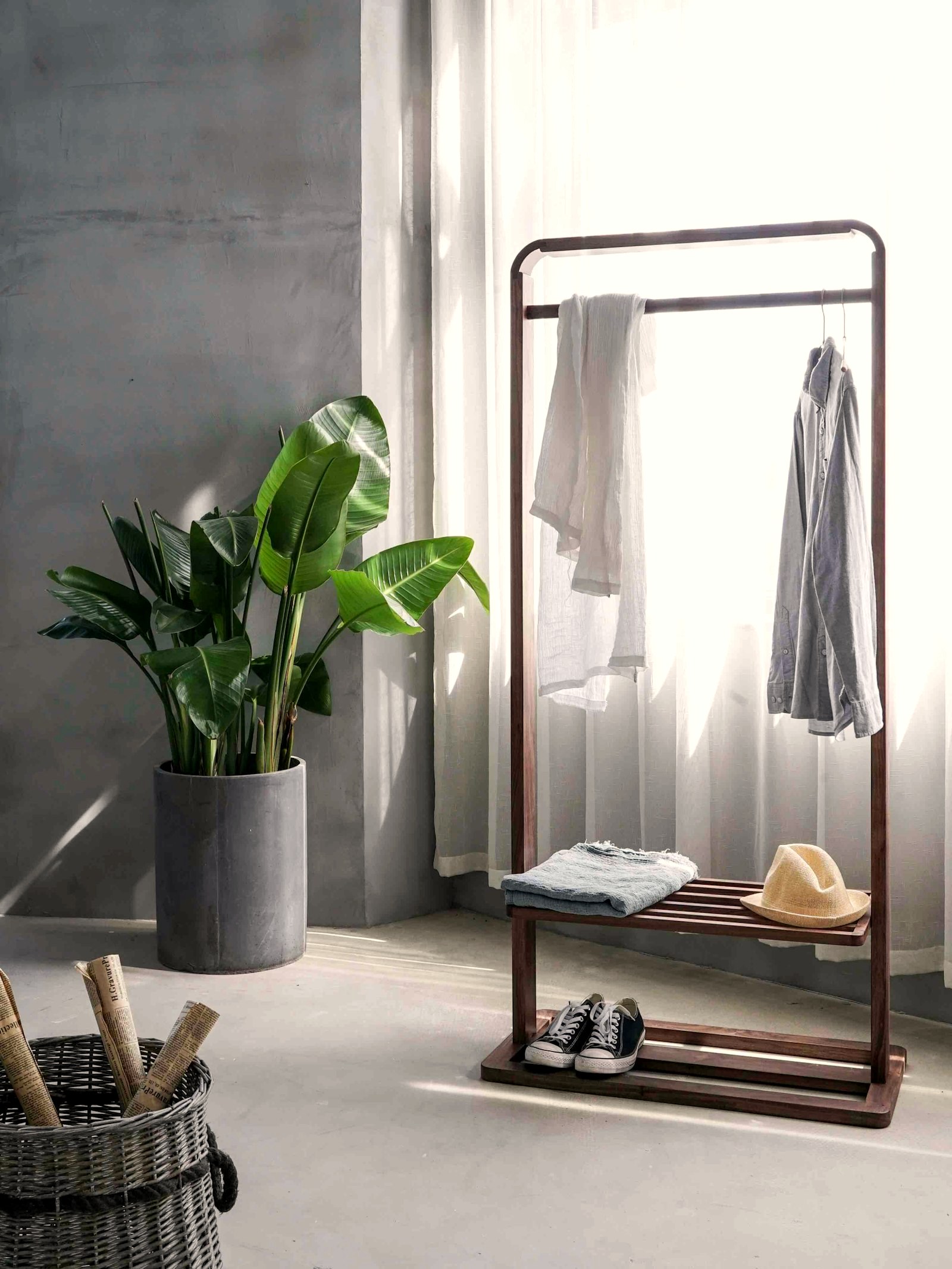
Asket
US price at last check: the T-Shirt $70; the Loose Twill Chino $230.
The permanence answer: everything the COS searcher wants the register to be, with the season taken out of it.
Asket is what happens when the quiet-modern instinct is run by people who consider a seasonal collection a design failure. One permanent wardrobe, no drops, no discounts, every garment refined year over year instead of replaced, with the cost breakdown of each piece published down to the buttons and the factory named. The register overlaps COS almost exactly: clean lines, muted palette, nothing decorated, proportions considered rather than dramatic. The difference is intent. COS designs a silhouette to be photographed this season; Asket designs a garment to be worn for a decade, and the longevity rows, 13 against the anchor's 8, are that difference expressed as a number.
The sizing system alone justifies the win for most searchers: sizes graded from body measurements and offered in three lengths, a fit row at a perfect 20 that no other brand in this series has matched. Start with the T-shirt at $70, the piece whose cost breakdown made the brand's name, then the merino knitwear and the loose twill chino. If the COS want is really about a wardrobe that looks considered and stays that way, this is the brand the search was looking for.
Lemaire
US prices at last check: shirts typically $300 and up.
The register at its summit: the drape and volume COS gestures at, executed as a life's work in serious cloth.
Every brand on this page that plays with volume is downstream of Lemaire. Christophe Lemaire and Sarah-Linh Tran have spent a decade refining a wardrobe of soft, generous, quietly theatrical clothes: shirts that pour rather than hang, trousers with a pleat that moves like water, coats cut with the confidence to leave the body alone. The fabric row, 29 of 30, is the highest in this series, because the register here is not a styling exercise over group cloth; it is cut from dry silks, technical wools and cottons with a hand you can identify blindfolded.
The value row, 9 of 15, states the obvious without flinching: shirts start where COS's whole rail ends. What the premium buys beyond cloth is permanence of a different kind than Asket's; Lemaire pieces leave the trend cycle entirely, which is why five-year-old Lemaire reads as current and five-year-old COS reads as dated. Buy one piece a year and mean it. This is the ceiling of the quiet-modern register, priced like one.

Officine Générale
US prices at last check: blazers typically $700 and up at US retail; shirts in the $200s.
The tailored answer to the same instinct: quiet clothes with the architecture moved from the silhouette into the cut.
Where COS builds its modernity out of volume, Officine Générale builds its out of cloth and cut: washed fabrics with a lived-in hand, soft unstructured tailoring, a palette of stone, olive and ink that rhymes with the COS rail while dressing a different man. Pierre Mahéo's Paris label is the thinking dresser's version of this search, modernity without a single sculptural gesture, and its scores reflect the substance: fabric 27, longevity a perfect 15, the joint-highest durability mark on this page.
For the COS searcher who suspects the volume was doing more work than the wardrobe, this is the correction: a blazer that looks like nothing and is made like something, shirts in the $200s that outscore designer shirts at twice the price on this site's French ranking. The register reads quieter in a photograph and better in a room, which is the right order of priorities.
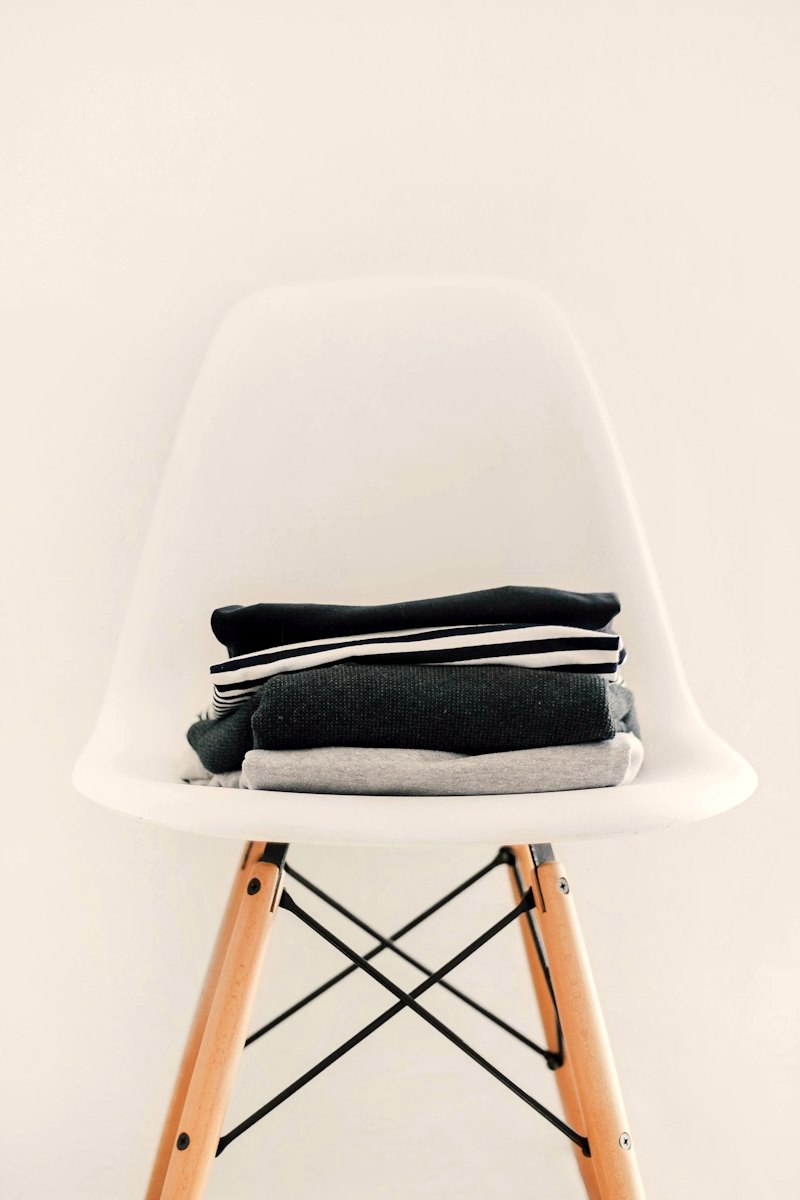
Uniqlo
US prices at last check: the U crew-neck tee $15 to $30.
The honest floor of the register: quiet-modern basics in real cloth, at a fifth of the anchor's prices, that outlast it.
Uniqlo earns the strangest position on this page: a budget brand fourteen points above the premium anchor. The mechanism is not mysterious. Its U line, designed in Paris under Christophe Lemaire's artistic direction, chases exactly the COS register, boxy tees, wide trousers, clean knitwear, and cuts it from honest materials at industrial scale: the fabric row's 22 beats the anchor's 20, construction beats it 16 to 14, and longevity beats it 12 to 8, because a $25 U tee is engineered to be washed two hundred times and a $120 COS knit is engineered to be photographed twice.
What the anchor still owns is silhouette drama: Uniqlo will not sell you the sculptural sleeve or the gallery trouser, and its fit, while the widest-ranging here after Asket, is democratic rather than directional. As the foundation of a quiet-modern wardrobe, tees, merino knits, wide chinos, there is no contest at the price, and the value row's perfect 15 has been earned on every page of this series where the brand appears.
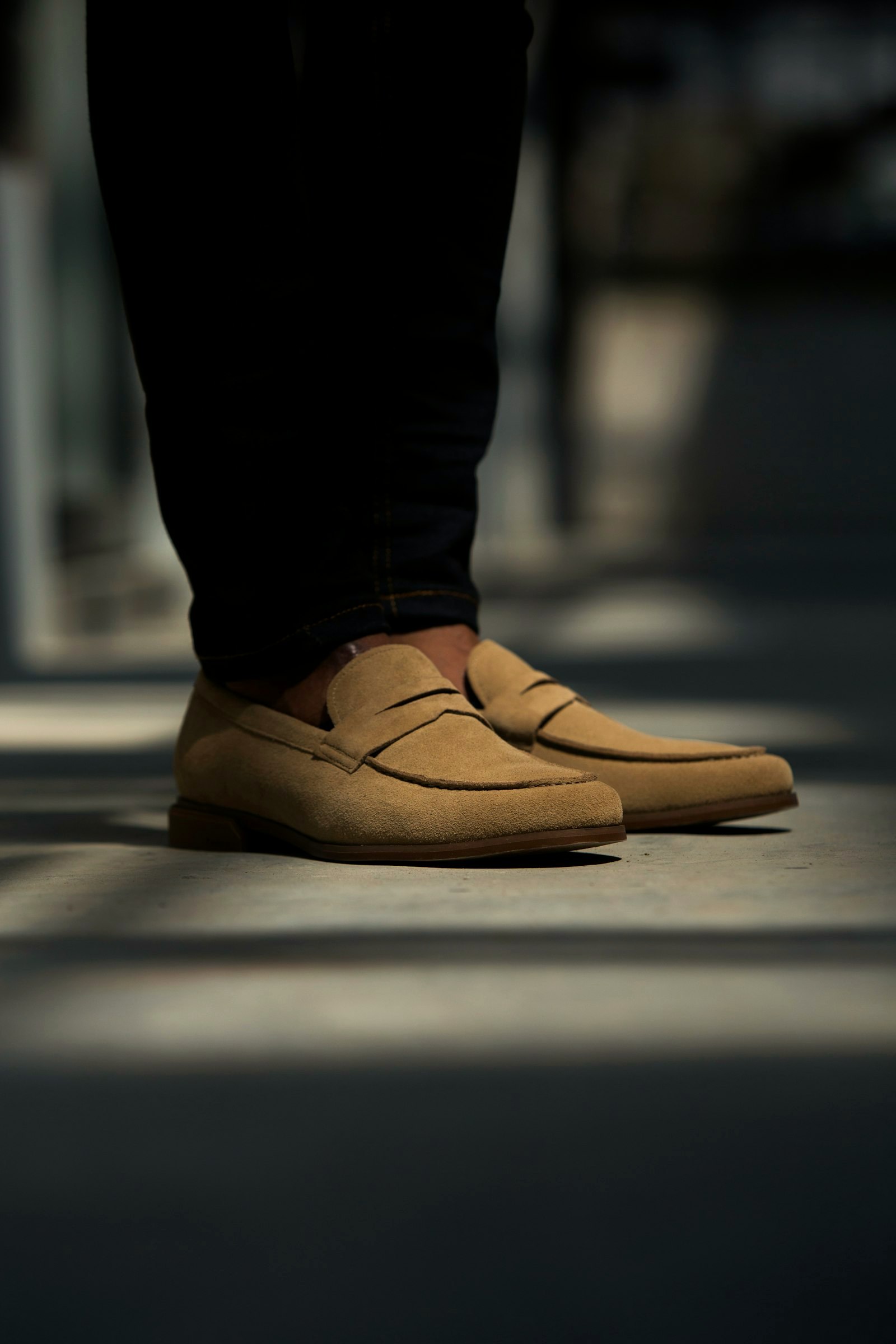
Massimo Dutti
US prices at last check: shirts $130 at the US store; the 100% wool blazer about $350.
Same money, opposite instinct: where COS sculpts, Dutti polishes, and at this price the polish ages better.
Dutti is the answer standing in the same mall, at the same prices, facing the other direction. Its anchor page in this series decoded its want as warmth and polish, tailoring that looks expensive at a distance, and the one-point gap between its 71 and the anchor's 70 is the whole argument of this page in miniature: at $99 to $150, money spent on decent cloth and soft construction outlasts money spent on dramatic silhouettes over group fabric. Dutti's leather and suede work, the loafers and jackets its parent group genuinely does well, has no equivalent on the COS rail at all.
The shared weakness is printed in both cards: longevity 8, the Inditex and H&M group schedule, clothes built to be replaced on a two-to-three-year rhythm. Choose Dutti over the anchor if your wardrobe leans tailored and warm; choose neither as a forever purchase, and move up this ranking when the budget allows. Its full decoding is on its own page in this series.
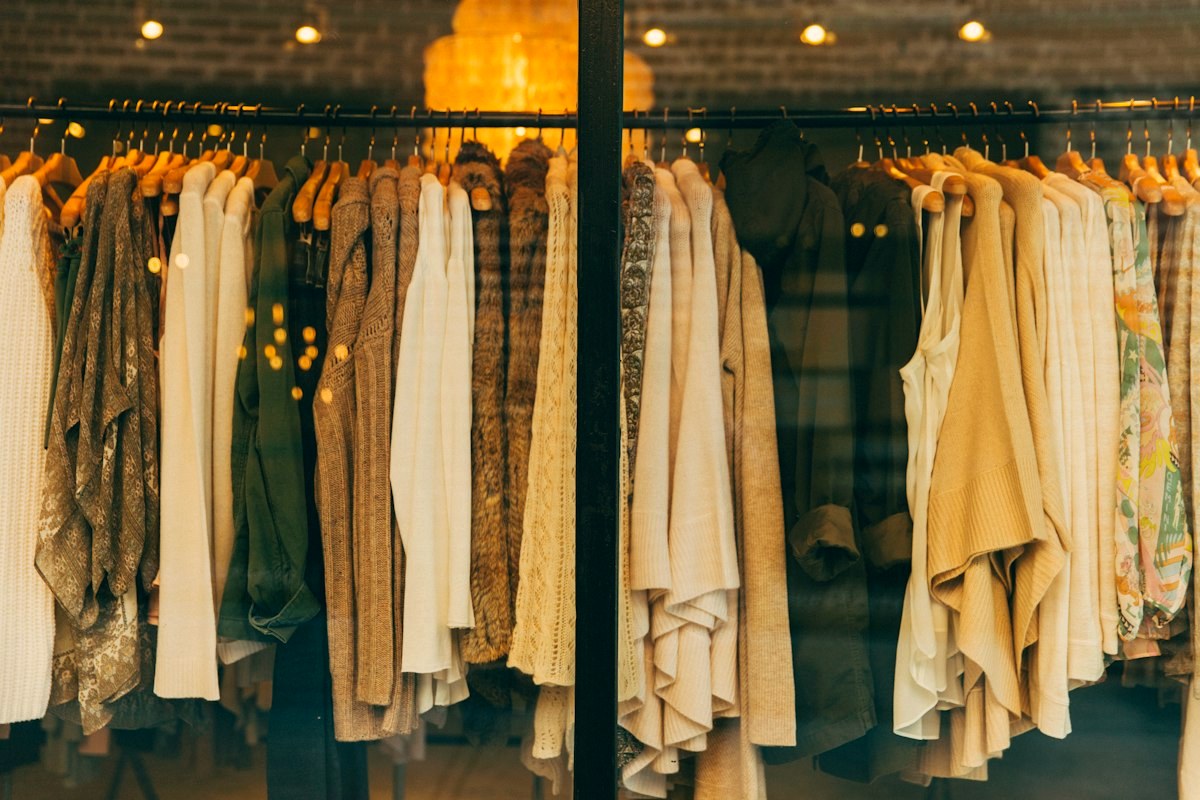
COS
US prices at last check: shirts and knits typically $99 to $150.
Scored in the open: the best silhouettes on the high street, over the cloth of the group that owns it. Both halves are the review.
The case for COS is the want section at the top of this page, and it is a real case: no competitor at $99 to $150 cuts a trouser or a knit with this much architectural conviction, and the brand's best pieces, the wide tailored trouser, the sculptural knit, the perfect heavy tee in a seasonal colour nobody else stocks, earn their place in a wardrobe that also contains better-made clothes. As seasoning, COS is the high street's most interesting brand.
The case against is in its own rows. Fabric at 20 means the cloth is group cloth: synthetics and blends behind the silhouettes, chosen by a materials budget set in Stockholm for thousands of stores. Construction at 14 means seams and finishes engineered to a price. Longevity at 8 means the two-to-three-year schedule: the volume that makes a COS piece exciting depends on the cloth holding a sculptural shape, and this cloth relaxes, shines and pills on schedule. Sixth of seven on its own page is not an insult; it is a measurement. Buy the shape with your eyes open, one or two pieces a season, and let the brands above this card carry the wardrobe's weight.
Zara
US price at last check: about $50.
The group logic without the design talent: if the anchor's cloth under designer silhouettes disappoints, this is the same cloth under no silhouettes at all.
Zara appears on this page because the search data says COS shoppers drift down to it, and the ranking's duty is to price that drift: 22 points below the anchor. The quiet-modern register at Zara is a photograph of the register, volume without pattern-cutting, drape without cloth weight, monochrome without depth, and the rows show where the money went: fabric 13, construction 8, longevity 3, the lowest durability mark in this series, shared with the logic of a garment designed to be replaced before it can be judged.
For the COS want specifically, Zara fails fastest where it matters most: architecture is a claim about structure, and a Zara trouser loses its structure in the first wash. The full case, including the one thing the brand is genuinely for, an emergency, trend-led, photographed-once garment, is on its own page in this series. Everything else this search wants exists above this card.
The pattern under the ranking
Read the ladder as a single argument about what a silhouette is worth. The top three brands score 88 and above by subordinating shape to substance: Asket's permanence, Lemaire's cloth, Officine Générale's cut. The anchor inverts the order, shape first and substance on a group budget, and the scores land exactly where that inversion predicts: a design language worth 90, executed at 70. The one-point gap to Dutti is the ranking's finest measurement: at the same money, the tailoring instinct beats the architectural one by the width of a suede loafer, because polish degrades gracefully and sculpture does not.
The second pattern is the group ceiling. COS and Zara are different tiers of one empire, and their longevity rows, 8 and 3, describe an empire whose business is replacement. Every brand above the anchor sells the opposite proposition, and Uniqlo, the page's budget line, outlasts the anchor by half again. The quiet-modern wardrobe is a wonderful thing to own. This ranking simply insists it be built from materials that can hold a shape longer than the season that named it.
| Brand | Score | The piece to buy | US price |
|---|---|---|---|
| Asket | 92 | The T-Shirt, then the permanent grid | $70 |
| Lemaire | 90 | The draped shirt | Typically $300 and up |
| Officine Générale | 88 | The soft blazer | Typically $700 and up |
| Uniqlo | 84 | The U crew-neck tee | $15 to $30 |
| Massimo Dutti | 71 | The suede piece | Shirts $130 |
| COS | 70 | The shaped knit of the season | Typically $99 to $150 |
| Zara | 48 | None | About $50 |
The Skip · 48/100
Zara. The register rendered as a photograph of itself, on the shortest replacement schedule in this series. The COS search deserves better at every price, including this one: Uniqlo is cheaper than the skip and outscores the anchor.
Which one to buy
Buy the permanence: Asket (92), the register with the season removed and the receipts published; the wardrobe COS promises, built to still be one in ten years.
Buy the summit: Lemaire (90), a piece a year, for the drape and volume in their original form and cloth that justifies them.
Buy the tailoring: Officine Générale (88) if your modernity wears a blazer, or the anchor's neighbour Massimo Dutti (71) at the anchor's own prices.
Buy the foundation: Uniqlo (84), the U line first, and notice that the cheapest rail on this page outlasts the premium anchor. Then buy COS itself the way the score instructs: as seasoning, one sculptural piece a season, never as the structure. The rest of the family: brands like Tommy Bahama, brands like Carhartt, brands like A.P.C., brands like Ralph Lauren, brands like Massimo Dutti and brands like Zara.
Questions, answered
What brand is most like COS?
Asket, at 92 out of 100 in this ranking, is the permanence answer: the same quiet, considered register as COS, minus the season, with a permanent collection, published cost breakdowns and graded sizing in three lengths. Lemaire, at 90, is the design summit of the same instinct, the drape and volume COS gestures at, executed in serious cloth at serious prices. Both outscore the anchor on this page, which is the point of the page.
Is COS good quality?
The design is genuinely good and the cloth is the ceiling. COS scores 70 here, with fabric at 20 of 30 and longevity at 8 of 15: it is the H&M group's design tier, and the silhouettes are drawn by people with real talent while the materials are bought to a group price. Buy COS for the shape of a season, expect two to three years of presentable service, and do not confuse the gallery store design with gallery cloth.
COS or Massimo Dutti: which should I buy?
They sit one point apart here, Dutti at 71 and COS at 70, at overlapping prices, and they answer opposite instincts. Buy COS for architecture: volume, drape, monochrome, the sculptural register. Buy Dutti for the tailoring neighbour version of the same budget: softer shoulders, warmer cloth, suede and leather taken seriously, clothes that polish rather than sculpt. If your wardrobe leans tailored, Dutti; if it leans gallery, COS, with eyes open about the cloth.
What is a cheaper alternative to COS?
Uniqlo, at 84 in this ranking, fourteen points above the anchor at a fifth of the price. Its U line and designer collaborations chase the same quiet-modern register in honest cloth, and its longevity row, 12 of 15, beats COS's 8, which is the cheaper-alternative paradox in one number: the budget option is built to outlast the premium one. What you give up is the silhouette drama; what you keep is the register and your money.
What should I buy instead of COS at the same money?
At COS's $99 to $150, the ranking offers two upgrades in different directions. Asket, at 92, turns the same money into a permanent piece with traceable cloth and a size grid built from body measurements. Massimo Dutti, at 71, turns it into tailoring: a $130 shirt in real cloth or the first step toward its $350 wool blazer. Either way the money stops renting a silhouette for a season and starts owning a garment.
How this ranking stays honest
No score on this page was invented for it. COS's 70, with its rows, was set on the A.P.C. page of this series and is reproduced here digit for digit, on its own anchor page, where inflating it would be easiest; Asket's 92, Lemaire's 90, Officine Générale's 88, Uniqlo's 84, Dutti's 71 and Zara's 48 likewise arrive from the pages cited in the method section. Prices are as checked this month and stated as they were found: COS's $99 to $150 is a typical range for its shirts and knits at the US store, not a single garment's tag, and it is printed as a range for that reason. The anchor's critique is aimed at its owner's economics, not its designers, and it is made from the brand's own published rows: when the group's cloth improves, the fabric row is where the improvement will show up first, and the score will move at the next check. Until then, the register is real, the ceiling is printed, and the alternatives are ranked.