
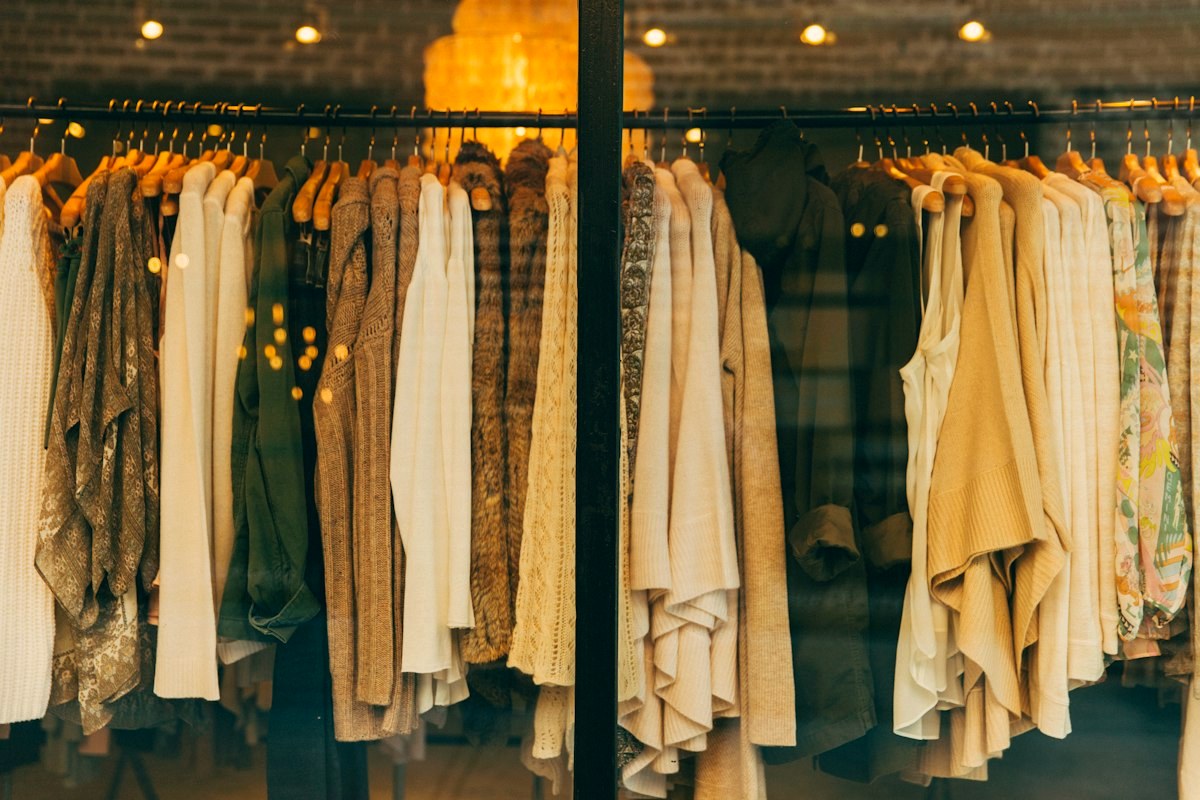
The Paris rail: knitwear, shirting and soft tailoring in colours that refuse to shout. Twenty French brands, scored, priced, and ranked for the man who wants the ease without the aura tax.
Checked and updated October 2026
The short version: the winner is the quietest house in Paris. Lemaire (90/100) makes the best cloth on this list and cuts it into clothes that look like nothing and wear like everything. Buy Officine Générale (88) for the same register at prices a salary survives: it is the attainable pick, and the gap to the top is smaller than the price gap suggests. The famous name to skip is at the bottom: Saint Laurent (58), where the cloth is ordinary, the fit is a dare, and the logo does the pricing. The best-known competing list of French brands covers nine names with no prices and no scores. This one covers twenty, and every entry names a price band, a key piece, and a verdict. Scores follow our published methodology.
Seoul changed the silhouette, Japan perfected the cloth, Italy perfected the ease. France invented the whole game and then split into two countries. In one, a few dozen ateliers and working brands make shirts, shoes and knitwear the way they have for a century, priced for the people who wear them. In the other, a handful of runway houses sell the word Paris at prices that have stopped describing clothing. This ranking scores both countries with the same ruler. Every brand is scored out of 100 under our published methodology: fabric and materials 30, construction and craft 20, fit range and sizing honesty 20, value 15, longevity 15. Two luxury giants are included and judged blind, on cloth and construction alone. The rest of the runway roll call is excluded on a stated ground: their menswear is marketing first and wardrobe second, and this page ranks wardrobes.
Two ground rules. First, prices are given in US dollars at last check; most of these houses price in euros with French VAT inside the tag, so dollar figures move with the exchange rate and the bands below are honest ranges, not false precision. Second, three names here make one category only, shoes and bags, and are scored as the specialists they are. A shoe cannot win a wardrobe ranking, but it can absolutely anchor one, as the top five demonstrates.
The ranking at a glance
Scores follow the methodology above. Prices are the typical US price of the key piece at last check; the reasoning for every line is in the entry below it.
| Brand | Score | Key piece | Typical price | The call |
|---|---|---|---|---|
| Lemaire | 90 | The twisted shirt | Around $500 | The winner |
| Officine Générale | 88 | The Liam blazer | $450 to $550 | The attainable pick |
| De Bonne Facture | 86 | The Grandad shirt | $300 to $400 | Cloth, argued properly |
| Paraboot | 85 | The Michael shoe | About $540 | The shoe specialist |
| Arpenteur | 84 | The work jacket | $350 to $500 | Lyon workwear, perfected |
| A.P.C. | 83 | Petit New Standard jeans | About $210 | The denim default |
| Armor Lux | 83 | The marinière | About $85 | The Breton, honestly priced |
| Saint James | 82 | The naval sweater | $250 to $350 | The original knitters |
| Hermès | 81 | The leather goods | $500 and up | Perfect cloth, priced as art |
| Ami | 79 | The overshirt | $400 to $600 | Chic, with a logo habit |
| Le Mont St Michel | 79 | The work jacket | $230 to $350 | The chore coat's home |
| Octobre Éditions | 79 | The Oxford shirt | $120 to $180 | Paris staples, direct |
| KLEMAN | 78 | The Padror shoe | $160 to $200 | Work shoes, made in France |
| Lundi | 78 | The Isack briefcase | About $690 | The bag specialist |
| De Fursac | 78 | The suit | $900 to $1,400 | The quiet tailor |
| Husbands | 77 | The double-breasted suit | About $2,000 | Cinema tailoring |
| Agnès b. | 74 | The snap cardigan | $300 to $450 | The elder, thinning |
| Maison Kitsuné | 73 | The fox sweatshirt | $250 to $350 | Fun, taxed by the fox |
| Sandro | 66 | The blazer | $400 to $600 | Mall luxury, marked up |
| Saint Laurent | 58 | The logo tee | About $550 | Skip it: see the reasons |
The Top Five
1. Lemaire: the quietest house in Paris wins
Best for: the wardrobe's top layer, shirts and coats in cloth nobody else at any price matches for calm. Key piece: the twisted shirt. Price band: $300 to $1,500 at last check; shirts sit around $500, the figure our cool brands ranking prints as well. Score: 90/100.
Fabric 28/30 · Construction 18/20 · Fit range 17/20 · Value 12/15 · Longevity 15/15
Christophe Lemaire ran womenswear at Hermès and Lacoste before rebuilding his own Paris label with Sarah-Linh Tran, and the training shows in the only place it matters: the cloth. Lemaire's cotton poplins, dry wools and washed silks are chosen the way a mill would choose them, then cut soft, long and unstructured, in a palette of milk, stone, ink and tobacco that makes the rest of a wardrobe behave. Nothing carries a visible logo. The fit score reflects a real range of bodies better than the runway reputation suggests, and longevity scores full marks because a Lemaire shirt from five seasons ago is indistinguishable from this season's, which is the point of the house. The deduction is price, honestly recorded: this is the ceiling of what a shirt can cost before the conversation changes. Verdict: buy one piece, the shirt, and let it set the standard everything else you own is judged against.
2. Officine Générale: the attainable pick
Best for: the whole Paris register on a working budget: soft blazers, pleated trousers, shirts that look borrowed from a better life. Key piece: the Liam blazer. Price band: $150 to $700 at last check. Score: 88/100.
Fabric 25/30 · Construction 17/20 · Fit range 19/20 · Value 13/15 · Longevity 14/15
Pierre Mahéo founded Officine Générale in Paris in 2012 on a frustration every man in our reader's position recognises: the clothes he wanted existed only at designer prices or in disappointing cloth. His answer is a wardrobe of daily classics, pleated trousers, unstructured blazers, grandad-collar shirts and knits in blues, whites and stone, made mostly in Europe from fabrics sourced from serious mills, with the provenance printed rather than implied. Fit range scores near the top of this page because the cuts are drawn for men who work in the clothes, not for samples. This is the brand the French ranking exists to surface: the register of the winner, at roughly half the winner's prices, with no logo anywhere on the garment. Verdict: start here. A first Officine Générale blazer teaches your eye what the expensive end of this list is for.
3. De Bonne Facture: cloth, argued properly
Best for: the man who reads fabric lists the way other men read menus. Key piece: the Grandad shirt. Price band: $250 to $1,200 at last check. Score: 86/100.
Fabric 27/30 · Construction 19/20 · Fit range 14/20 · Value 11/15 · Longevity 15/15
The name is a promise: de bonne facture means well made, and Déborah Sitbon Neuberg's Paris atelier, working from the 11th arrondissement, keeps it literally. Each edition is built around named fabrics from named regional makers, Harris Tweed and Austrian wool cloth among them, cut into the archetypes of the French wardrobe: the grandad shirt, the balloon trouser, the raglan coat, the chunky knit. Construction scores 19 because the making is the entire proposition, and the fabrics are documented to a degree no other house on this list attempts. What holds the total back is access: editions are small, sizes run narrow and short, and when a fabric is gone it is gone. Verdict: the connoisseur's staple house. If your size exists in the current edition, the decision is already made.
4. Paraboot: the shoe specialist
Best for: one pair of shoes that ends the shoe question for a decade. Key piece: the Michael, the Norwegian-welted tyrolean shoe the house has made since the aftermath of the war. Price band: $450 to $700 at last check. Score: 85/100.
Fabric 25/30 · Construction 19/20 · Fit range 15/20 · Value 11/15 · Longevity 15/15
Paraboot has made shoes in the Isère, near Grenoble, since 1908, and it remains one of the last French houses welt-sewing its own uppers to its own rubber soles under one roof. The Michael looks like nothing else in a wardrobe and works with nearly all of it: the raised apron toe and natural rubber sole read workwear with denim and quietly subversive with tailoring, which is why Paris adopted it as the thinking man's shoe. Construction ties for the best on this page, and longevity scores full marks because a welted shoe is a resoleable shoe, and a resoleable shoe is a fifteen-year shoe. The deduction is range: Paraboot makes shoes, only shoes, and the fit is one honest last rather than a spectrum. Verdict: buy the Michael in lis leather. It is the single most Parisian purchase on this page that is not a cliché.
5. Arpenteur: Lyon workwear, perfected
Best for: work jackets, chore coats and heavy shirts built the way tools are built. Key piece: the work jacket. Price band: $200 to $700 at last check. Score: 84/100.
Fabric 25/30 · Construction 18/20 · Fit range 14/20 · Value 12/15 · Longevity 15/15
Cousins Marc Asseily and Laurent Bourven founded Arpenteur in Lyon in 2011 to make the French workwear canon properly: the moleskin and cotton-twill jackets, sailor shirts and work trousers that French labour wore for a century, remade in French workshops from serious cloth, with every pattern refined rather than merely revived. The fabrics are the argument, dense weaves and natural fibres that soften over years instead of thinning, and the construction is workwear-honest, seams made to be stressed. Fit runs boxy and short by design, which is the deduction recorded here; these are garments with a silhouette opinion. Verdict: buy the work jacket. Of every chore coat on any of our country lists, this is the one that will outlive its owner.
The Institutions and the Working Wardrobe
6. A.P.C.: the denim default
Best for: raw denim and the minimalist base wardrobe it anchors. Key piece: the Petit New Standard, in Japanese selvedge denim. Price band: $120 to $600 at last check. Score: 83/100.
Fabric 23/30 · Construction 16/20 · Fit range 18/20 · Value 12/15 · Longevity 14/15
Jean Touitou founded A.P.C. in Paris in 1987 with a refusal that became a uniform: no logos, no decoration, clothes cut close and made plainly, at prices a student could almost reach. The jeans built the house. A pair of Petit New Standards in stiff Japanese selvedge, worn raw and faded by their owner, remains the single most reliable denim purchase on any of our lists, and the surrounding range of sweats, shirts and outerwear does the same job at the same register. The deductions are the years: prices have climbed with the reputation, and the non-denim range is solid rather than inspired. Verdict: buy the jeans first and the plain sweatshirt second. Our cool brands ranking makes the same call from the design side.
7. Armor Lux: the Breton, honestly priced
Best for: striped tops, fisherman knits and peacoats from the house that dresses actual Brittany. Key piece: the marinière, the long-sleeved Breton stripe in heavy cotton. Price band: $60 to $450 at last check; the heritage marinière sits near $85. Score: 83/100.
Fabric 22/30 · Construction 16/20 · Fit range 18/20 · Value 14/15 · Longevity 13/15
Armor Lux has knitted in Quimper since 1938, and the marinière is its home garment: a dense interlock cotton that holds its stripes and its shape for years, priced at €79 in its own store, a figure our data team verified line by line because it seemed too fair for a heritage name. It is simply what the garment costs when the maker sells it directly and skips the aura. The range around it, wool peacoats, Irish knits and workwear jackets, is honest Breton clothing rather than fashion, and the value score of 14 is the second highest on this page. Verdict: the best value in French clothing. Buy the stripe in navy and ecru and wear them for a decade.
8. Saint James: the original knitters
Best for: the naval sweater in its original form, knitted tight enough to turn wind. Key piece: the pure-wool fisherman sweater. Price band: $90 to $400 at last check. Score: 82/100.
Fabric 23/30 · Construction 17/20 · Fit range 16/20 · Value 12/15 · Longevity 14/15
Saint James has knitted at the foot of Mont Saint-Michel since 1889, and its tight-gauge wool sweaters were working gear for Breton and Norman fishermen before they were a wardrobe staple: the dense stitch sheds spray, the buttons at the shoulder exist so a wet sweater can be pulled off a cold man, and none of it has been redesigned since, because none of it needed to be. Against Armor Lux, its Breton neighbour on this list, Saint James is the knitwear purist to Armor Lux's broader wardrobe, and the scores separate them by exactly that breadth. Verdict: buy the sweater here and the stripe at number seven. Between the two houses, the entire Breton tradition is covered at fair prices.
9. Hermès: perfect cloth, priced as art
Best for: the leather goods, and a standing lesson in what our rubric does to aura. Key piece: the leather work, not the ready-to-wear. Price band: $500 and upward at last check, without a ceiling worth printing. Score: 81/100.
Fabric 29/30 · Construction 19/20 · Fit range 14/20 · Value 4/15 · Longevity 15/15
This entry exists to prove the ruler is straight. Judged on cloth and construction alone, as everything on this page is judged, Hermès is close to flawless: the highest fabric score we have awarded on any country list, construction to match, and longevity that is measured in generations. And the total still lands ninth, because value scores 4 and fit range is narrow: the menswear is a side room in a leather house, cut for a client who does not comparison-shop, at prices that describe art objects rather than clothing. A ranking that placed it first would be worshipping. A ranking that excluded it would be hiding. Verdict: admire the cloth, inherit the leather if you can, and buy your actual wardrobe from the eight names above it.
10. Ami: chic, with a logo habit
Best for: relaxed tailoring and knitwear with genuine Parisian ease in the cut. Key piece: the overshirt. Price band: $250 to $1,200 at last check. Score: 79/100.
Fabric 23/30 · Construction 16/20 · Fit range 18/20 · Value 10/15 · Longevity 12/15
Alexandre Mattiussi studied at Duperré, worked in Paris, Milan and New York, and founded Ami in 2011 to dress his friends: soft-shouldered jackets, baggy trousers, cable knits and open shirting, chic softened by sportswear. The clothes themselves are good, and the fits are among the most wearable on this list. The deduction is the heart. The Ami de Coeur logo line, a red heart stitched on chests across the range, is the brand's commercial engine and this methodology's standing objection: a mark you can read across a room is advertising the wearer paid for, and the plainer pieces sitting beside it in the same collection score the brand its respectability. Verdict: buy the unmarked tailoring and knits. Leave the heart on the rail.
11. Le Mont St Michel: the chore coat's home
Best for: the genuine French work jacket, in moleskin, from the house that has made it since 1913. Key piece: the Genuine Work Jacket. Price band: $110 to $450 at last check. Score: 79/100.
Fabric 23/30 · Construction 16/20 · Fit range 15/20 · Value 11/15 · Longevity 14/15
Every menswear cycle rediscovers the French chore coat; Le Mont St Michel never lost it. The house has made work clothing since 1913, and its moleskin jacket is the reference the copies copy: a dense cotton that starts stiff, softens into the shape of its wearer, and shrugs off the decade. Around it sit marinières, military shirts and work trousers in the same honest register, all sold from the maker's own store at prices that include US figures in dollars, a courtesy few French houses on this list extend. Against Arpenteur at number five, this is the original article to Arpenteur's refined one, and the five-point gap is the price of that refinement. Verdict: buy the jacket in moleskin navy. It is the hardest-working garment in French workwear.
12. Octobre Éditions: Paris staples, direct
Best for: the starter Paris wardrobe: Oxford shirts, knits and chinos at direct prices. Key piece: the Oxford shirt. Price band: $100 to $500 at last check. Score: 79/100.
Fabric 22/30 · Construction 15/20 · Fit range 17/20 · Value 13/15 · Longevity 12/15
Octobre is the menswear half of the Sézane model, and the model is the story: designed in Paris, sold only through its own store and site, in restocked permanent staples rather than seasonal theatre. Shirts, knits, chinos and coats in the exact palette this magazine recommends, at prices the direct model keeps honest, with fabric compositions printed plainly. The cloth is a step below the top of this list, which the fabric score records, and the construction is good rather than heirloom. What Octobre sells is the absence of mistakes: nothing in the range is loud, dated or overpriced, which makes it the safest first order in French clothing. Verdict: the beginner's Paris brand, in the respectful sense. Build the base here, then graduate to numbers one to three.

The Specialists and the Tailors
13. KLEMAN: work shoes, made in France
Best for: Paraboot's working-class sibling: the same French workwear shoe logic at a third of the price. Key piece: the Padror, the tyrolean shoe in the range's own leathers. Price band: $150 to $230 at last check. Score: 78/100.
Fabric 21/30 · Construction 16/20 · Fit range 14/20 · Value 14/15 · Longevity 13/15
KLEMAN has made shoes in La Romagne, in the west of France, since 1945, and for most of that history its customer was the French state: postal workers, railway staff, the military and the police wore its sober, cemented and stitched work shoes by the million. The fashion world adopted the Padror for the same reason the state did: an honest shoe, made domestically, at a price that has no story tax in it. Value ties for the best on this page. We do not print a store link for KLEMAN: its own shop did not resolve from our checker this month, and this page links only stores we have verified live. The shoes are widely stocked and easy to find at the band above. Verdict: buy the Padror if the Michael at number four is a step too far this year. It is most of the shoe for a third of the money.
14. Lundi: the bag specialist
Best for: one leather bag, briefcase or backpack, in vegetable-tanned leather, carried for twenty years. Key piece: the Isack briefcase, €650 in the maker's own store. Price band: roughly $250 to $750 at last check. Score: 78/100.
Fabric 24/30 · Construction 17/20 · Fit range 13/20 · Value 10/15 · Longevity 14/15
Lundi is a Paris design studio that makes only bags and small leather goods, in limited series, at one price all year: no sales, no seasons, no intermediaries, a policy printed plainly on its own site and rare enough in French leather to be a position. The leather is vegetable-tanned, the designs are minimal to the point of severity, and the construction is the quiet, reinforced kind that ages into patina instead of wear. The fit score, read as range, reflects a catalogue that does one thing; the value score reflects leather-house pricing without the leather house's theatre. Against Mismo in our Scandinavian ranking, Lundi is the same argument made in Paris, five points cheaper at retail and five points younger as a house. Verdict: the connoisseur's carry, French edition. Buy the Isack or the Marcus backpack and leave the bag market.
15. De Fursac: the quiet tailor
Best for: the first real suit in Paris, cut by a house that has tailored the city since 1973. Key piece: the suit. Price band: $700 to $1,600 at last check; suits cluster near $900 to $1,400. Score: 78/100.
Fabric 23/30 · Construction 16/20 · Fit range 16/20 · Value 11/15 · Longevity 12/15
De Fursac is the tailor Parisians actually use: a house founded in 1973 that sells sharp, lightly structured suits and the shirts, knits and coats around them, at prices set for professionals rather than collectors. The cloth is sourced from the same Italian and English mills the luxury houses buy from, the cut is contemporary without being costume, and the stores will alter what they sell you, which our data team counts as a fit courtesy the online era keeps forgetting. The deductions are distinctiveness: De Fursac has no signature garment the way the houses above it do, and group ownership has smoothed some edges. Verdict: the suit pick of this ranking. For a first tailoring purchase in Paris, start where Paris starts.
16. Husbands: cinema tailoring
Best for: dressing like the best-dressed man in a seventies French film, on purpose. Key piece: the double-breasted suit, €1,900 in the maker's own store. Price band: $500 to $2,000 at last check. Score: 77/100.
Fabric 24/30 · Construction 17/20 · Fit range 13/20 · Value 10/15 · Longevity 13/15
Nicolas Gabard founded Husbands in Paris in 2012 to rebuild the tailoring of the films he loved: high-waisted pleated trousers, wide lapels, double-breasted coats, cashmere rollnecks at €540, all of it cut with a glam-rock memory and made with genuine savoir-faire. The cloth and construction scores are the highest in this section, because the making is serious. The deductions are the silhouette's terms: the fit is a statement with a narrow door, the prices are designer-level, and a wardrobe of pure Husbands is a costume unless the man wearing it means it. Verdict: buy one piece as the exclamation point, the rollneck or the pleated trouser. The full look is for men who have already decided who they are.
The Paris markup, audited
No other list we publish runs this audit, because no other country's prices carry the same rumour: that Paris itself is a surcharge. Our data team priced the same garment classes in Paris and on our other country maps, at the same October 2026 check, using figures printed on the makers' own stores and on our sibling pages. The rumour is half true, and the half that is true is not the half people repeat.
| Garment | The Paris price | The benchmark | The gap |
|---|---|---|---|
| Cashmere crewneck | Husbands rollneck, €540 (about $570), maker's store | Luca Faloni crewneck, near $350 (Italian ranking) | Paris asks about 60% more |
| The double-breasted suit | Husbands, €1,900 (about $2,000), maker's store | Tiger of Sweden suits, $650 to $950 (Scandinavian ranking) | Two to three times |
| The heavy striped top | Armor Lux marinière, €79 (about $85), maker's store | Asket T-Shirt, $70 (Scandinavian ranking) | About a fifth more, VAT included |
| The chino | Balibaris Axel, €155 (about $165), maker's store | NN07 Marco chino, $160 to $190 (Scandinavian ranking) | Parity |
The pattern is the finding. At the working tier, Paris prices like Stockholm: Armor Lux, KLEMAN, Octobre and Balibaris sit within a fifth of their Scandinavian equivalents, and the French tags include VAT, which the American reader's checkout often strips back out. The markup lives entirely at the designer tier, where a Paris label charges double and triple for the same fibre classes Italy and Sweden sell direct. Paris is not expensive. Famous Paris is expensive, and the fame is the product. Buy the working tier in Paris with confidence, and let the audit above set your ceiling everywhere else.
Scored Down, With Reasons
Four names finish this list, and the ranking owes you the reasons in plain language. One is an elder whose menswear has thinned to a courtesy. One is a genuinely charming house taxing its own mascot. One is mall luxury wearing a Paris accent. And one is the most famous name in French fashion, finishing last by a distance, because on this page the arithmetic is the arithmetic.
17. Agnès b.: the elder, thinning
Best for: the snap cardigan, a Paris archetype since 1979. Key piece: the cardigan pression. Price band: $150 to $600 at last check. Score: 74/100.
Fabric 22/30 · Construction 15/20 · Fit range 16/20 · Value 10/15 · Longevity 11/15
Agnès Troublé opened her first Paris shop in 1975 and built a house on the working artist's wardrobe: black, white, stripes, work jackets and the snap-front cardigan that became a uniform from Paris to Tokyo. The respect is real and recorded here. The ranking still has to price the present: menswear is now the smallest room in the house, the range repeats its classics at prices the direct brands above undercut, and the cloth, while honest, no longer leads anything. Like Filippa K in our Scandinavian ranking, the elder still dresses well; it just no longer dresses alone, and younger houses now make its own uniform better. Verdict: buy the snap cardigan as the piece of fashion history it is. Build the wardrobe around it elsewhere.
18. Maison Kitsuné: fun, taxed by the fox
Best for: one playful piece in a wardrobe that is otherwise behaving. Key piece: the fox-head sweatshirt. Price band: $120 to $600 at last check. Score: 73/100.
Fabric 21/30 · Construction 15/20 · Fit range 17/20 · Value 9/15 · Longevity 11/15
Gildas Loaëc and Masaya Kuroki founded Maison Kitsuné in 2002 as a Paris to Tokyo exchange, part fashion house, part record label, and the clothes carry the charm of that origin: sharp basics, preppy knitwear and a small embroidered fox on nearly everything. The fox is the finding. It is a logo in the exact sense our capsule rules reject, priced into every garment it sits on, and the unmarked pieces that would score this house higher are the ones it sells least. What remains is well-made, likeable clothing whose price includes a mascot tax our methodology is obliged to itemise. Verdict: buy one piece because it makes you smile. A wardrobe cannot be built on a mascot.
19. Sandro: mall luxury, marked up
Best for: very little on this page's terms. Key piece: the blazer, the least marked-up thing in the range. Price band: $200 to $900 at last check. Score: 66/100.
Fabric 19/30 · Construction 13/20 · Fit range 17/20 · Value 8/15 · Longevity 9/15
Sandro, founded in Paris in 1984 and now the engine of a listed group, sells the idea of Paris dressing at accessible-luxury prices in malls on five continents. The idea is better than the clothes. The fabrics lean on blends the tag does not advertise, the construction is production-line standard, the fits chase the season, and the permanent promotion cycle, where the ticket price is a fiction discounted on entry, tells you what the house itself thinks the garments are worth. None of this is hidden; it is simply what a score looks like when a ranking pays for cloth, construction and years, and the brand pays for locations. Verdict: skip it at ticket price. Everything Sandro does, Octobre at number twelve does more honestly for less.
20. Saint Laurent: the famous name finishes last
Best for: the photograph, if the photograph is the point. Key piece: the logo tee, the range's honest summary of itself. Price band: $450 to $3,000 and beyond at last check. Score: 58/100.
Fabric 21/30 · Construction 14/20 · Fit range 10/20 · Value 4/15 · Longevity 9/15
The house of Yves Saint Laurent changed menswear once, and the debt is acknowledged in every slim trouser on this page. The ranking scores the present. Today's menswear is a narrow-hipped silhouette sold at flagship prices: fits cut so tight they exclude most bodies on purpose, which is why fit range scores 10; cloth that is ordinary for the money, because the money is buying the name; and a logo programme, tees near $550 carrying a monogram, that is the logo tax in its purest Parisian form. Longevity scores 9 because each season's cut is designed to date the last. None of this makes Saint Laurent a bad fashion house. It makes it the worst wardrobe buy on a list of twenty French names, by nineteen points, and a ranking that will not say so is a boutique window. Verdict: skip it. The rock register it sells is done with better cloth and broader shoulders at Husbands, number sixteen, and the plain tee it monograms is done best by our white tees ranking.
The cost-per-wear math
French brands argue in cost per wear better than their prices suggest, so here is the arithmetic on the honest end and the famous end of this list, assumptions printed. An Armor Lux marinière at $85, worn forty times a year for five years, costs about $0.43 per wear, and the design in year five is the design in year one, because the garment has not changed since before most of its wearers were born. A Saint Laurent logo tee near $550, worn thirty times a year for three years before the print and the season date it, costs about $6.11 per wear, roughly fourteen times as much, for a cotton t-shirt. Price is a fact. Cost per wear is the verdict, and it is why the top of this list is a house most people have never heard of: Paris rewards the buyer who does the division.
The Bottom Line
France rewards the buyer who separates the country from the aura. Lemaire and De Bonne Facture prove the cloth tradition is alive at the top, Officine Générale and Octobre prove it is affordable in the middle, and Paraboot, KLEMAN, Armor Lux and Saint James prove the working brands never stopped working. The famous names at the bottom are not villains. They are simply what happens to a score when a ranking pays for fabric, construction and years, and sends the bill for the word Paris to the houses that charge for it.
How to buy French brands well
Three data-team rules. First, do the euro honestly. French tags include VAT, and several houses above price in euros, so the dollar total moves with the rate and often falls at a US checkout; judge a piece on its price band here, not on a screenshot from a good week for the dollar. Second, respect the soldes. France regulates its sale periods by law, in January and again from late June, and designer Paris discounts then and almost never otherwise; the working brands on this list barely discount at all, which is its own kind of honesty. Third, start with the shirt or the shoe. Those are the two garments Paris reveals itself in fastest: a shirt from Officine Générale or De Bonne Facture, or a shoe from Paraboot or KLEMAN, will tell you in one purchase whether the French register is yours. For the wardrobe these brands assemble into, see our quiet luxury capsule wardrobe, where the French names above do much of the work.
This is Country Roundup No. 06. The series so far: Korean clothing brands for men (No. 01), our scored ranking of Japanese clothing brands for men (No. 02), Italian clothing brands for men (No. 03), Scandinavian clothing brands for men (No. 04), and American clothing brands for men (No. 05). Read them together and the map is nearly complete: Seoul changed the silhouette, Japan perfected the cloth, Italy perfected the ease, the North perfected the discipline, America perfected the uniform, and France, which invented the game, still perfects the art of looking like no effort was involved. For the labels our editors argue about across all six maps, see cool brands for men. Scores, price bands, and stockists on this page are re-checked on the rolling cadence in our methodology. When a house changes cloth, cut, or price materially, its score moves, and the move is noted here.