
The want underneath the search: the whole picture, polish, ease and a wardrobe that agrees with itself.
Checked and updated October 2026
The verdict, up front: seven brands scored out of 100 on the published brand basis: fabric and cloth 30, construction and craft 20, fit range and sizing honesty 20, value 15, longevity 15. Drake's wins at 82, the Ralph world with the budget spent on cloth instead of story. Todd Snyder is second at 79, the alumnus who learned the language inside the anchor's own house. And Ralph Lauren lands sixth at 70, keeping the score from our American ranking: the fabric row reads 24 on Double RL's strength, and value reads 6, the pony tax measured. The named skip is Tommy Hilfiger at 56, the same photograph with the clothes left out.
What people actually want from Ralph Lauren
The want under this search is not a garment. It is a world that agrees with itself: the Oxford under the crewneck, the pleated chino, the suede jacket, the watch strap, every piece speaking the same quiet language of American ease, country houses, old campuses and older money, none of it trying hard. It is polish without stiffness, tailoring softened until it behaves like sportswear. It is romance you can wear on a Tuesday, the ranch and the regatta cut into clothes an ordinary week can hold. And underneath all of it, it is the promise that buying the picture buys the quality too. Every brand below is scored against those wants, including the anchor itself.
What the anchor does well is the world itself. Nobody else has built one this complete, and at the top of the house the clothes honour it: Double RL's cloth is genuinely superb, Japanese selvedge and reproduction workwear finished by hand, and Purple Label tailoring is the real thing. What it does badly is the middle and the bottom. The empire sells the pony at every price from Purple Label to outlet, and the cloth does not travel down with the logo: licensed tiers, diffusion lines and factory product wear the same mark at a fraction of the making. That is the deduction our American ranking printed when it scored the house 70 and its value 6, the lowest on the page, and it is printed again in its card below, sixth of seven, in the open.
How the scores work
Same ruler as every brand ranking on this site, published on our methodology page: fabric and cloth out of 30, construction and craft out of 20, fit range and sizing honesty out of 20, value out of 15, longevity out of 15. Brands already scored in our roundups keep their number here, because a ranking that changes its numbers between pages is not a ranking: Ralph Lauren keeps its 70, Todd Snyder its 79 and J.Crew its 73 from the American ranking. Drake's, Brooks Brothers, Spier & MacKay and Tommy Hilfiger are scored fresh on the same basis. Two of them carry garment scores elsewhere on this site, the Brooks Brothers Oxford at 84 in our Oxford ranking, Spier & MacKay's shirts and chinos in their Verdict Cards, and those scores are for the garments; the brand scores here are for the houses.
Seven brands, ranked
Drake's
US prices at last check: the Oxford button-down $345 at the maker's US store; silk ties $175.
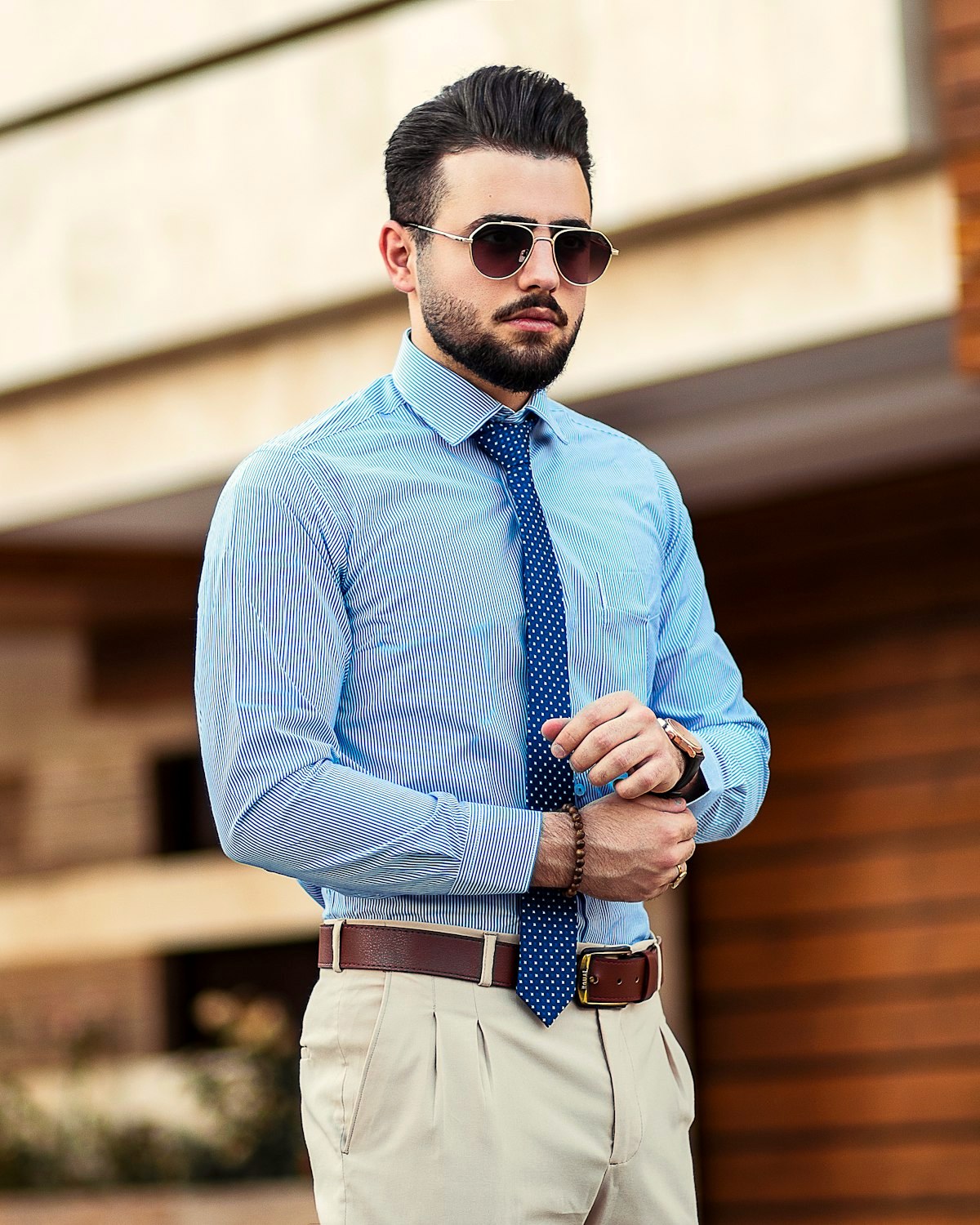
The call: the dressed end of the Ralph world, run by a house that only makes the clothes. A London maker built on ties, then shirts made in its own Somerset factory with floating interlinings and mother-of-pearl buttons, then soft tailoring in cloth from the mills the anchor's top tier uses. Longevity takes full marks because nothing here is seasonal: the patterns are decades old on purpose. The deductions are range and price. There is no Drake's answer to the whole wardrobe, no denim empire, no knit for every mood, and $345 is a serious shirt. Buy the shirt and the tie, and let the anchor keep the ranch.

Todd Snyder
US price at last check: the Champion sweatshirt about $150, as printed in our American ranking.
The call: the closest relative, keeping the 79 from our American ranking. The founder cut his teeth at Ralph Lauren and J.Crew, and the label reads like the anchor's language edited by someone who loves it: Italian-mill cloth on American silhouettes, tailoring that behaves like sportswear, a Champion collaboration that treats the sweatshirt as an archive piece. It loses to the winner on cloth depth and to nobody on wearability. The deduction is the one our American ranking printed: at the top of the range you pay a designer layer for the editing. Buy the sweatshirts, the camp shirts and the tailoring, on sale where possible.
Brooks Brothers
US price at last check: the Original Polo Button-Down Oxford about $120 at full price, as printed in our Oxford ranking.
The call: the original, scored fresh as a house. Ralph Lauren learned this trade selling ties here, and the debt shows: the button-down collar Brooks invented in 1900 is still the benchmark our Oxford ranking scores a perfect 20, on a shirt it places fourth at 84. As a brand the picture is softer. The cloth has thinned across the years, the range sprawls from the 1818 tailoring to promotional filler, and the fit story confuses more buyers than it serves. What remains is the establishment at its best price: the shirt, the sack-soft blazer, the repp tie, all of it on promotion most of the year. Buy the icons. The anchor sells the dream of this house back to you at a markup.
Spier & MacKay
US prices at last check: half-canvas suits from $328 at the maker's store; the Oxford $55 to $70, as printed in our Oxford ranking.
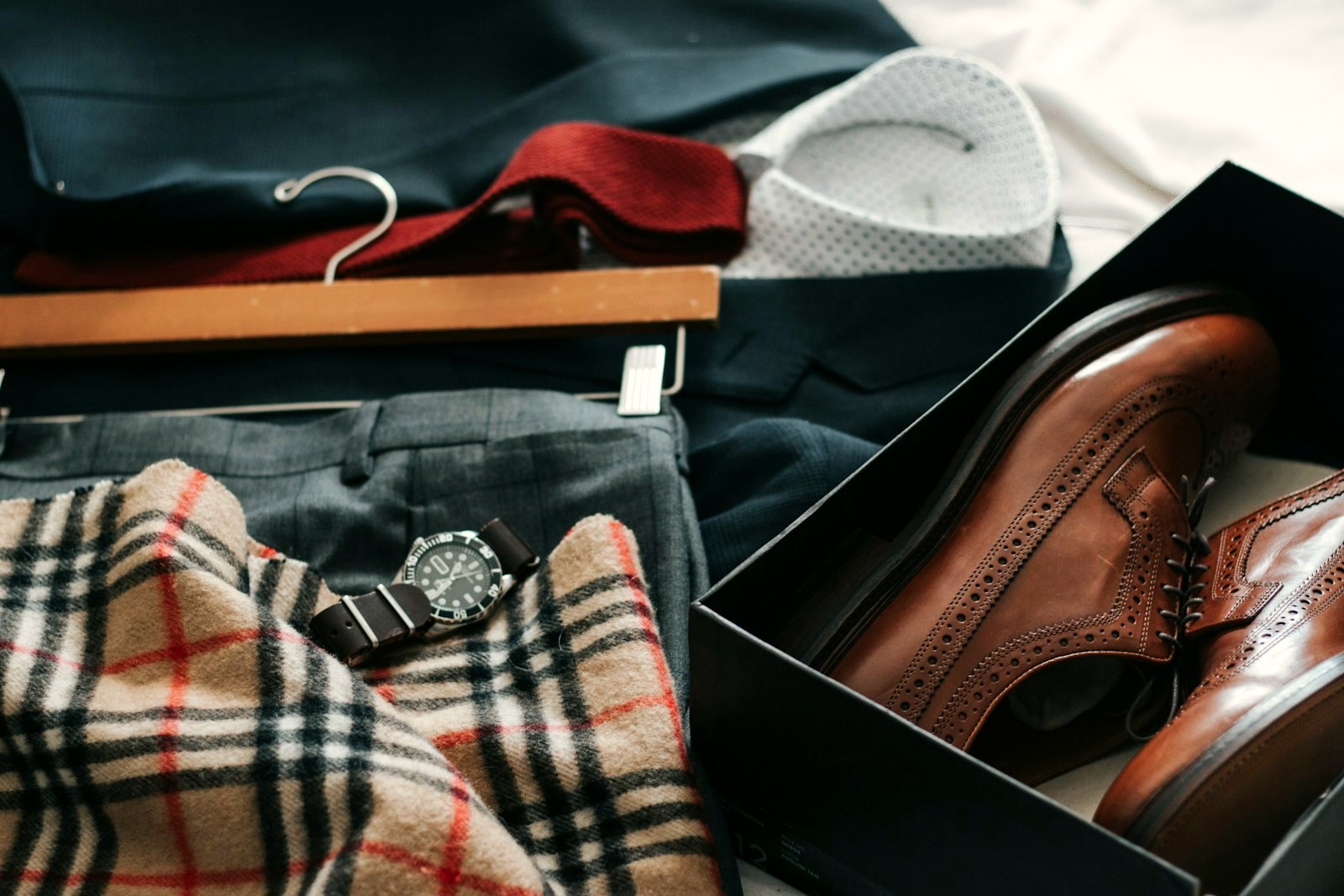
The call: the tailoring answer, scored fresh as a house. When the Ralph want narrows to the blazer, the pleated trouser and the shirt under both, this Canadian maker sells the construction the anchor's middle tiers describe: half-canvas suits in named mill cloth from $328, shirts our Oxford ranking places third at 85 as a garment, chinos that won their Verdict Card. The deductions are consistency and patience: quality control varies by batch, shipping is not fast, and there is no world here, no story, only the clothes. For a reader buying garments rather than pictures, that is the point. It finishes a point behind the original and six ahead of the anchor, which is the value argument made numeric.
J.Crew
US list price at last check: about $90 for the Ludlow and the shirts, before the promotions that run most weeks.
The call: the available answer, keeping the 73 from our American ranking, where its card carries these same rows. J.Crew spent decades as the anchor's understudy and at its best, the Ludlow suit, the broken-in chino, Wallace & Barnes, it taught the same wardrobe at half the temperature. The deductions are the ones the American ranking printed: quality swings by line and by season, longevity is the weak row, and the perpetual promotion has trained everyone to never pay the printed price. Buy Wallace & Barnes and the Ludlow, on sale, with your eyes open. It is the Ralph picture at the price the picture should cost, most weeks of the year.
Ralph Lauren
US price at last check: the Double RL selvedge jean about $400, as printed in our American ranking.
The call: scored in the open, the anchor finishes sixth on its own page, keeping the 70 from our American ranking with its rows intact: fabric 24, because Double RL's Japanese selvedge and hand finishing are superb, and value 6, the lowest value score in that ranking, because the pony is priced at every tier and the tiers are not the same clothes. Fit reads 16 for an empire that genuinely dresses every body, and longevity 9 because the licensed and outlet ends are fashion product built to turn over. Buy RRL if the money means nothing to you; it is beautiful. Buy the Polo core on sale. Understand that the further the price falls below the picture, the less of the picture is in the garment.
Tommy Hilfiger
US price at last check: the Oxford shirt lists at $89.50 at the maker's store, and is discounted most weeks.
The call: the other prep empire, and the proof of what the category becomes when the logo finishes eating the clothes. The flag is a fine piece of graphic design. Behind it: commodity cloth with stretch in everything, construction built to a licensing spreadsheet, a list price of $89.50 on the Oxford that the store itself discounts by a quarter to a half most weeks, which tells you what the list price is for. Fit range is the honest row, the machine dresses everyone. Nothing else here survives contact with the basis. The anchor at least keeps a top tier where the clothes justify the story. This page's skip never built one.
The pattern under the ranking
Read the ladder and the Ralph market explains itself: the further a brand sits from the story, the more of its price is in the garment. The winner sells shirts and ties. Second sells the same world edited by its alumnus. Third invented the wardrobe and now discounts it. Fourth sells construction by the specification sheet. The anchor sells the most complete world in American fashion and prices it into every row, which is why its fabric score can be the second best here while its value score is the worst we have published on a brand this famous. The second pattern is tier honesty. Every house on this page runs a range; the ones above the anchor keep their name on a narrower spread of quality, and the ones below it, the anchor included at its bottom tiers, let the logo travel further than the cloth. When you shop this category, ask which tier you are holding. The label will not tell you. The price, read against this table, will.
| Brand | Score | The piece to buy | US price |
|---|---|---|---|
| Drake's | 82 | The Oxford button-down, then a tie | $345 |
| Todd Snyder | 79 | The Champion sweatshirt | About $150 |
| Brooks Brothers | 77 | The Original Polo Button-Down Oxford | About $120 |
| Spier & MacKay | 76 | The half-canvas suit | From $328 |
| J.Crew | 73 | The Ludlow, on sale | About $90 |
| Ralph Lauren | 70 | Double RL selvedge jean | About $400 |
| Tommy Hilfiger | 56 | None | Oxford lists at $89.50 |
The Skip · 56/100
Tommy Hilfiger is this page's named loser, and the charge is specific. Prep is a cloth language before it is a flag: Oxford weave, flannel, madras, canvas, cut generously and worn for years. The skip sells the flag on commodity cloth, at a list price its own store treats as fiction, in fits graded for a photograph. Our Oxford ranking sent home a $25 shirt for being a costume of a shirt. At $89.50 list, this is the same costume with better marketing, and the extra money buys no extra garment. If the budget is Hilfiger money, the J.Crew above it, on its perpetual promotion, is the honest version of the same picture.
Which one to buy
If you buy one thing: the Drake's Oxford button-down, the anchor's favourite garment made by the house that spends on cloth. If you want the whole world, honestly priced: Todd Snyder, the language without the tax. If it is the shirt and the blazer: Brooks Brothers on promotion, the original at its modern discount. If it is a suit: Spier & MacKay from $328, and spend the saving on alterations. If you were really shopping RRL: buy it, eyes open, knowing the value row is 6 and the cloth is why. The other pages in this family score the resort want in brands like Tommy Bahama, the workwear want in brands like Carhartt, the Paris want in brands like A.P.C. and the quiet European want in brands like Massimo Dutti.
Questions, answered
What brand is most like Ralph Lauren?
Todd Snyder, at 79 on this page. Its founder cut his teeth at Ralph Lauren and J.Crew before building the label that answers the same want, American sportswear and soft tailoring, with better cloth and fixed fits. The page is won by Drake's at 82, the London house that takes the dressed end of the Ralph world, the shirts, the ties, the soft jackets, and spends the whole budget on cloth instead of story. Snyder is the closest relative. Drake's is the better clothing.
Is Ralph Lauren worth the money?
It depends which Ralph Lauren, and the spread is the story. The empire keeps the 70 it scored in our American ranking, with fabric at 24 on the strength of Double RL and value at 6, the lowest value score on that page, because the price buys the world as much as the garment. RRL denim and Purple Label tailoring are real clothes priced like collectibles. The Polo core is fair on sale. The outlet and diffusion tiers sell the pony at cloth quality the logo cannot carry. Buy the top of the house or the middle on promotion; never the bottom at any price.
Ralph Lauren or Brooks Brothers: which should I buy?
Brooks Brothers, 77 to 70 on this page, for the clothes themselves. Brooks invented the button-down Oxford in 1900 and still makes the benchmark collar; our Oxford ranking scores its shirt 84 as a garment. Ralph wins the wider world, the knits, the denim, the romance, and charges for it in the value row. If the purchase is a shirt or a blazer you will wear for a decade, Brooks. If the purchase is the whole picture, Ralph, with your eyes open about which tier you are holding.
What is the difference between Polo and Double RL?
They are two ends of one empire, and this page scores the empire. Polo is the core line, the pony at full distribution, decent cloth at prices that assume the logo does half the work. Double RL, named for the founder's Colorado ranch, is the heritage heart: Japanese selvedge, reproduction workwear, hand finishing, and prices around $400 for a jean that read as collector money in our American ranking. The 70 is the honest average of the two, fabric pulled up by RRL, value pulled down by everything wearing the pony below it.
Why is Ralph Lauren so expensive?
Because you are buying a world, and worlds are priced differently from clothes. Our American ranking calls it the design tax, deluxe: the stores, the campaigns, the ranch, the restaurants, decades of the most complete image in American fashion, all of it carried in the price of a shirt whose cloth alone would not ask it. The value score of 6 is that tax measured. The brands above the anchor on this page charge for narrower things, cloth, construction, fit, which is why they finish above it.
How this ranking stays honest
Scores follow our published methodology and are re-checked on the cadence in the byline. Prices are US prices at last check: the Drake's and Hilfiger figures are the makers' own US store prices, and the Todd Snyder, Brooks Brothers and Ralph Lauren figures are the ones printed in our own roundups. Where a line prices in a band, the card prints the band and says so. When a maker changes cloth or price materially, the score moves and the move is noted here.