
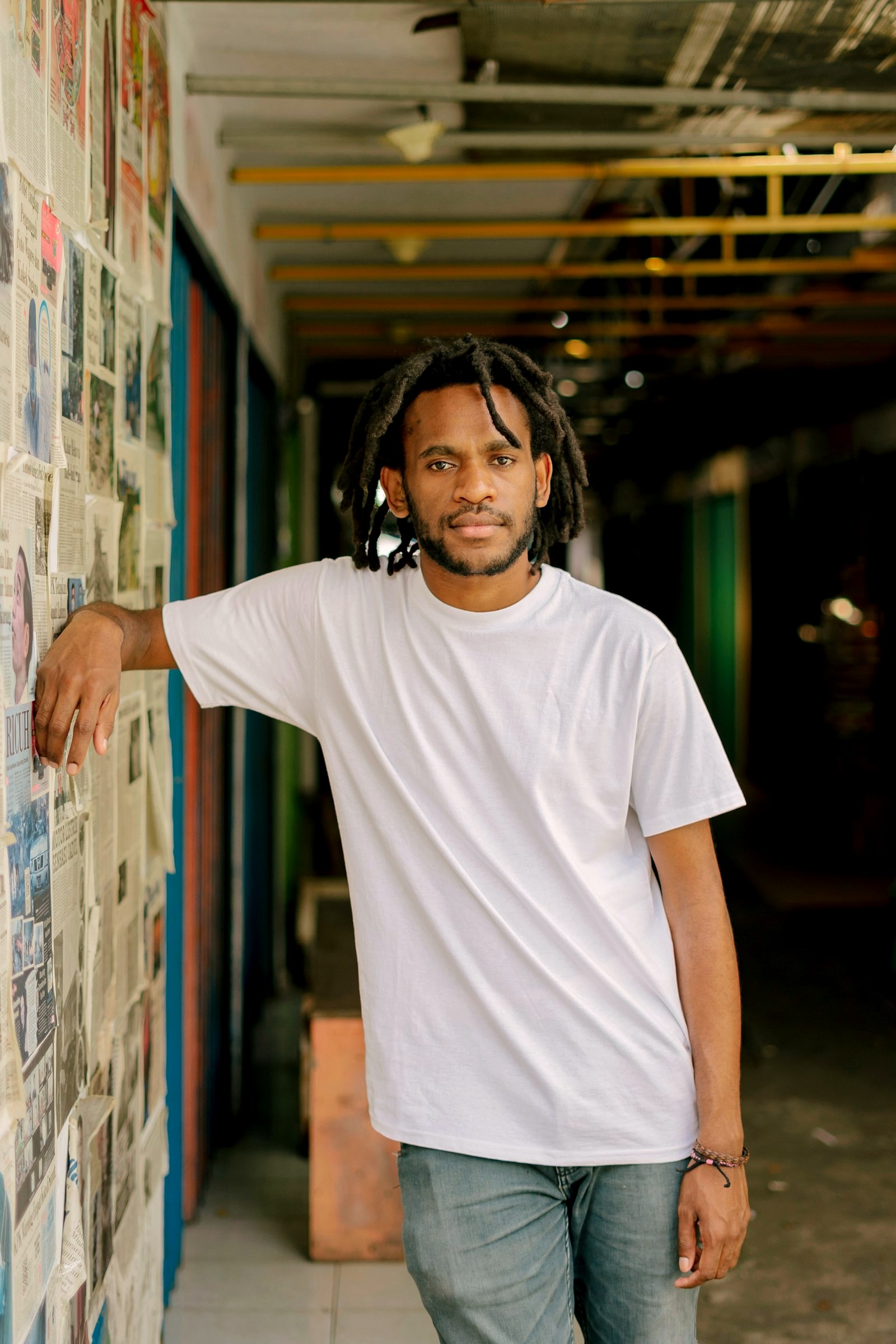
The want underneath the search: heat, ease, and a shirt that drapes like it has nowhere to be.
Checked and updated October 2026
The verdict, up front: seven brands scored out of 100 on the published brand basis: fabric and cloth 30, construction and craft 20, fit range and sizing honesty 20, value 15, longevity 15. The winner is the house that invented the category: Reyn Spooner at 85, printing aloha shirts in Honolulu since 1956. Uniqlo is second at 84, at roughly a fifth of the anchor's price. And Tommy Bahama itself lands third at 76: the silk is real, but $195 embroidered camps and a creep toward synthetic resort cloth cost it the top of its own page. The named skip is the $25 printed camp at 45. Every price below is a checked US price or a labelled band.
What people actually want from Tommy Bahama
Nobody searching for brands like Tommy Bahama wants a logo. They want a specific physical experience, and it is worth naming precisely, because every brand on this page is scored against it. The want is drape in heat: silk and linen that fall away from the body instead of sticking to it. It is the camp collar, open at the neck, the collar our shirt index scores at formality two and the summer evening owns outright. It is print with taste, foliage and ocean rendered like art, not novelty. And it is a relaxed cut that reads generous rather than sloppy, the uniform of a man on holiday from his own life.
The anchor does parts of this better than anyone. The silk camps genuinely drape, and the plain linen is honestly made. What it does badly is also specific. The price has climbed to $195 for the embroidered silk shirts, collector money for a panelback joke. The range has quietly filled with synthetic performance cloth, the IslandZone language of tech fabric wearing resort clothes. And the relaxed cut has drifted baggy on smaller frames, a fit range that serves one body and abandons the rest. Those three deductions are printed in its card below, where the anchor is scored in the open, third of seven.
How the scores work
Same ruler as every brand ranking on this site, published on our methodology page: fabric and cloth out of 30, construction and craft out of 20, fit range and sizing honesty out of 20, value out of 15, longevity out of 15. Brands already scored in our country roundups keep their number here, because a ranking that changes its numbers between pages is not a ranking: Uniqlo carries its 84 from the Japanese ranking, and J.Crew its 73 from the American ranking. The rest are scored fresh on the same basis, against the want decoded above.
Seven brands, ranked

Reyn Spooner
US price at last check: $128 for the Spooner Kloth shirts at the maker's store.
The call: the original, still run like it. Spooner Kloth, a cotton-polyester cloth printed in reverse so the colour sits muted and the surface stays soft, has been the house fabric since the 1960s, and the print archive is real Hawaiian art accumulated over nearly seventy years, not a mood board. Same want as the anchor, better cloth discipline, better taste, $67 less per shirt. This is what the search is actually looking for.
Uniqlo
US prices at last check: linen and camp shirts typically $30 to $40.
The call: the embarrassment of this market, priced in tens. The premium linen and the camp shirts are honest cloth in modern cuts, and at $30 to $40 they deliver most of the physical want, the drape, the open collar, the ease, at a fifth of the silk price. It keeps the 84 it earned in our Japanese ranking. What you give up is print artistry and silk itself. What you keep is about $160.
Tommy Bahama
US price at last check: embroidered silk camp shirts $195 at the maker's store; the wider camp line typically $100 to $150.
The call: scored in the open, the anchor finishes third on its own page. The silk is the real thing and the plain linen camps are the drape benchmark, which is why fabric holds at 24. The deductions are the ones decoded above: $195 novelty embroidery, synthetic cloth creeping into a silk-priced range, and a relaxed cut that has become a single-body fit. Buy the plain silk or linen, on sale, and it earns its keep. Buy the panelback at full price and you are funding the deduction column.
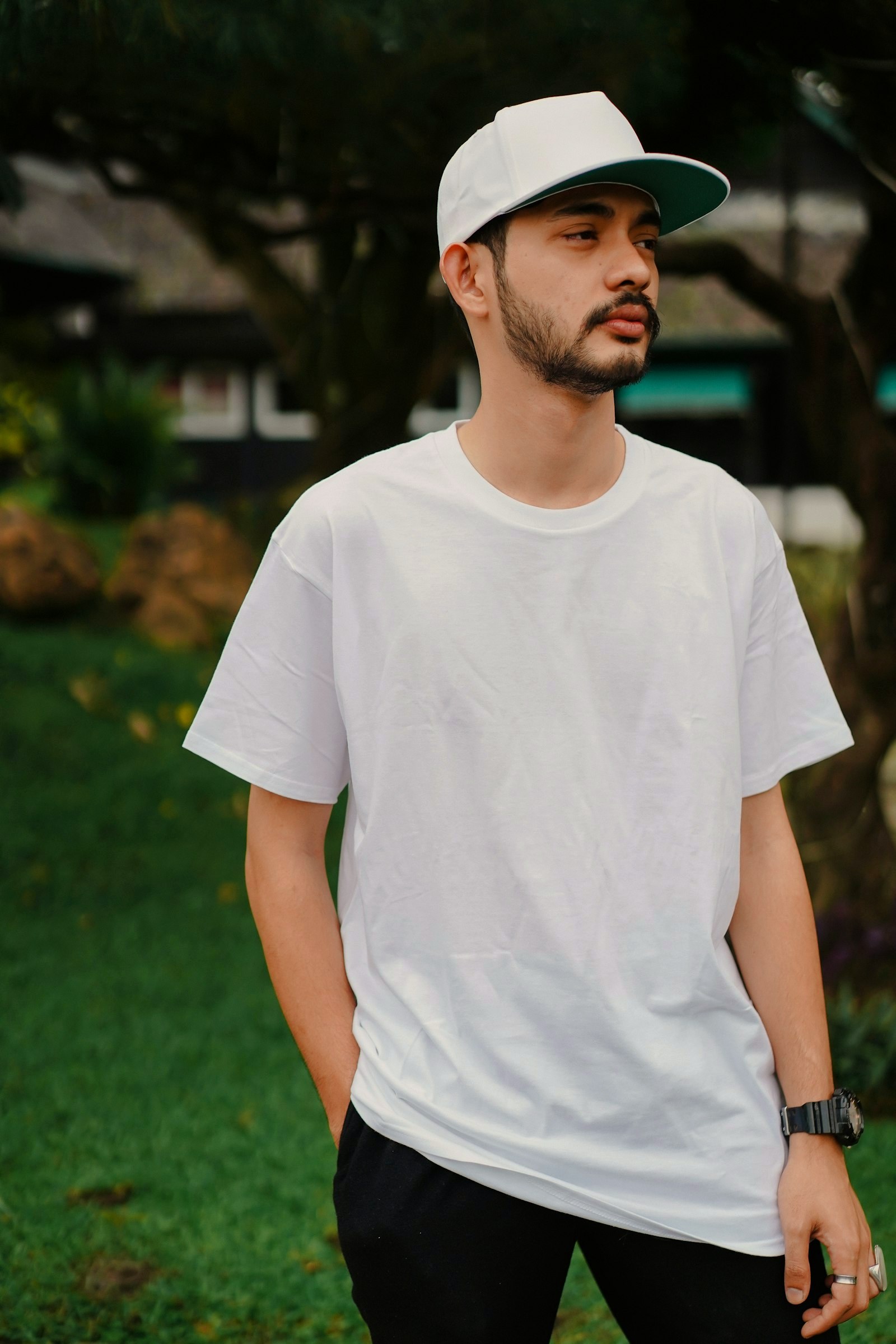
Faherty
US price at last check: the Legend sweater shirt $178 at the maker's store.
The call: the softness answer. Faherty builds the same coastal ease out of washed, sun-faded knits instead of resort wovens: the Legend sweater shirt at $178 is the softest object on this page. It loses ground where knits always do against a woven brief, structure and longevity, and the price is anchor-tier without the silk. If your want is comfort first and print never, this is your brand.
J.Crew
US list price at last check: about $90 for the camp and linen shirts.
The call: the available answer, keeping the 73 from our American ranking. The linen and camp shirts are decent cloth in the widest distribution in the country, at about $90 before the promotions that run most weeks. Nothing here is the best version of anything, and that is the point of the brand: the resort shirt you can buy today, in your size, without a search.
Bonobos
US prices at last check: washed camp and linen shirts typically $89 to $99.
The call: the fit answer. If the anchor's relaxed cut drowns you, Bonobos is the correction: the fullest fit range on this page, a perfect 20, with camp and linen shirts cut for bodies under forty. The cloth is thinner than everything above it and the construction is production-line, which is why a perfect fit score still lands sixth. Buy it for the silhouette, not the decade.
H&M Printed Camp Shirts
US price at last check: about $25.
The call: the photograph of the want, not the want. A thin printed rayon that wilts by the second wear and shines by the third, carrying artwork copied from the archive houses above without the cloth those prints were designed for. We have sent this brand home before, at 41 in our Oxford ranking and 48 in our chinos ranking, and the arithmetic is the same in a louder shirt: the cheapest camp on the page is the most expensive per summer.
The pattern under the ranking
Read the ladder and the market's secret falls out: in resort cloth, price and quality stopped travelling together a while ago. The $128 original beats the $195 anchor, and the $40 linen embarrasses both on value. What the top of the ladder charges for is not cloth but story: silk at the anchor, softness at Faherty. The second pattern is construction honesty. Every brand above 70 makes its core shirt from a cloth it can describe in one sentence. Every brand below it is selling a print on a substrate. When you shop this category, read the fabric line before the artwork. The artwork is the cheap part, and the copies prove it.
| Brand | Score | The shirt to buy | US price |
|---|---|---|---|
| Reyn Spooner | 85 | Spooner Kloth classic camp | $128 |
| Uniqlo | 84 | Premium linen or camp shirt | Typically $30 to $40 |
| Tommy Bahama | 76 | Plain silk or linen camp, on sale | $195 silk; line typically $100 to $150 |
| Faherty | 74 | Legend sweater shirt | $178 |
| J.Crew | 73 | Linen camp shirt | About $90 |
| Bonobos | 71 | Washed camp shirt, your fit | Typically $89 to $99 |
| H&M printed camps | 45 | None | About $25 |
The Skip · 45/100
The H&M printed camp shirt, about $25 in the US, is this page's named loser. It is not that it looks wrong; on the rail it looks like the whole category. It is that the cloth is a season's costume, a print substrate that wilts, shines and fades before the holiday photos are a year old. The camp collar is a cloth garment before it is a print garment. Spend the Spooner money once, or the Uniqlo money without thinking, but do not spend the $25 every summer forever.
Which one to buy
If you buy one: the Reyn Spooner classic camp, the original executed at $128. If the budget is real: the Uniqlo linen, twice, in two colours, and stop thinking about this category. If it has to be silk: the anchor's plain silk camp, on sale, never the embroidered panelback at $195. If fit has always been the fight: Bonobos, in whichever of its cuts your shoulders vote for. The wider wardrobe context is in our quiet-luxury capsule, whose summer end runs on exactly this logic, and the other two pages in this family score the workwear want in brands like Carhartt and the Paris want in brands like A.P.C.
Questions, answered
What brand is most like Tommy Bahama?
Reyn Spooner, and it is not a copy: it is the older house. The Honolulu maker has printed aloha shirts since 1956, a decade before Tommy Bahama existed, in its own Spooner Kloth, a cotton-polyester cloth spun in reverse so the print sits softened against the skin. It scores 85 on this page, nine points clear of the anchor, at $128 a shirt against $195 for Tommy Bahama's embroidered silk camps.
Is Tommy Bahama worth the money?
The silk is real and the drape is the benchmark, which is why the anchor still scores 76 and finishes third here. What the money no longer guarantees is the whole line: the range has crept toward synthetic performance cloth sold under resort language, and the embroidered panelbacks charge collector prices for a joke told on your back. Buy the plain silk or linen camp on sale; skip the novelty embroidery at $195.
What is a cheaper alternative to Tommy Bahama?
Uniqlo, by an embarrassing distance. Its linen and camp shirts run typically $30 to $40 in the US, and the brand scores 84 on this page, second overall, because the cloth is honest, the cuts are modern and the price never pretends. It is the floor that embarrasses the middle of this market, here as in our Japanese brand ranking, where Uniqlo also scores 84.
Are Reyn Spooner shirts better than Tommy Bahama?
On our published basis, yes: 85 to 76. Spooner wins on cloth discipline (one proprietary cloth, printed in reverse, unchanged in spirit for decades), on print taste (an archive of Hawaiian art rather than novelty themes) and on price, $128 against $195 at the top of the Tommy range. Tommy Bahama wins on silk specifically and on the sheer width of its resort wardrobe. If the want is the aloha shirt itself, buy the Spooner.
What is wrong with cheap printed camp shirts?
The cloth, mostly. The $25 printed camp is usually a thin rayon or polyester that wilts by the second wear, shines under light, and carries a print copied from the archive brands without the fabric those prints were designed for. It scores 45 on this page and is our named skip: it delivers the photograph of a vacation shirt, not the shirt.
How this ranking stays honest
Scores follow our published methodology and are re-checked on the cadence in the byline. Prices are US prices at last check: the Spooner, Faherty and Tommy Bahama silk figures are the makers' own store prices; where a line's prices move too much for one figure to be honest, the card prints a labelled band instead, and the band is what the table repeats. When a maker changes cloth or price materially, the score moves and the move is noted here.