

The hardest-working layer in the closet, ranked on cloth, warmth and the maths nobody prints.
Checked and updated October 2026
The verdict, up front: seven overshirts scored out of 100 on the house basis for this category: cloth 25, weight and warmth 25, construction 20, value 15, longevity 15. The L.L.Bean Chamois Cloth Shirt wins at 83, the category's centre of gravity at typically $90 to $100. The Filson Wool Jac-Shirt is second at 82 and is the better object, 18-ounce wool at $349, beaten on value alone. And the fashion market's shacket is sent home at 33: at about $40 it costs more per wear than the winner. Every price below is a checked US price or a labelled band, and the cost-per-season table is printed in the open.
The layer that carries the year
Count the days and the overshirt beats almost everything you own. It is the outer layer for the whole of the shoulder seasons, the mid layer for the whole of winter, and the thing thrown over a tee on every cool evening in between. Our shirt index calls it the family's border case, a shirt by collar and a jacket by build, and scores it as a layer because that is how it is worn. Which is why the market for it is split in two. The workwear and heritage makers build it from cloth with a weight you can print. The fashion market builds the same silhouette from cloth you cannot, and calls it a shacket, and the difference between those two objects is this entire page.
Every score below is built from the makers' published specifications and checked US prices under our published methodology. The two numbers that decide an overshirt's life, the cloth and its weight, are argued in the open, and the warmth row is scored as its own discipline because in this category a beautiful shirt-weight garment is a failed jacket.
How the scores work
Five rows, adapted to this category and printed here so the scores can be argued with. Cloth judges the fabric itself: fibre, weight, whether it is a textile or a photograph of one. Weight and warmth judges the layer's working range: the degrees it covers and the layers it accepts under and over it. Construction judges the make: seams, pockets, buttons, hems. Value divides what you get by the US price, against the whole field. Longevity estimates seasons of service from the construction class: dense wool and chamois at the top, thin blends at the bottom. The rows sum to the score.
Seven overshirts, ranked

L.L.Bean Chamois Cloth Shirt
US prices at last check: typically $90 to $100.
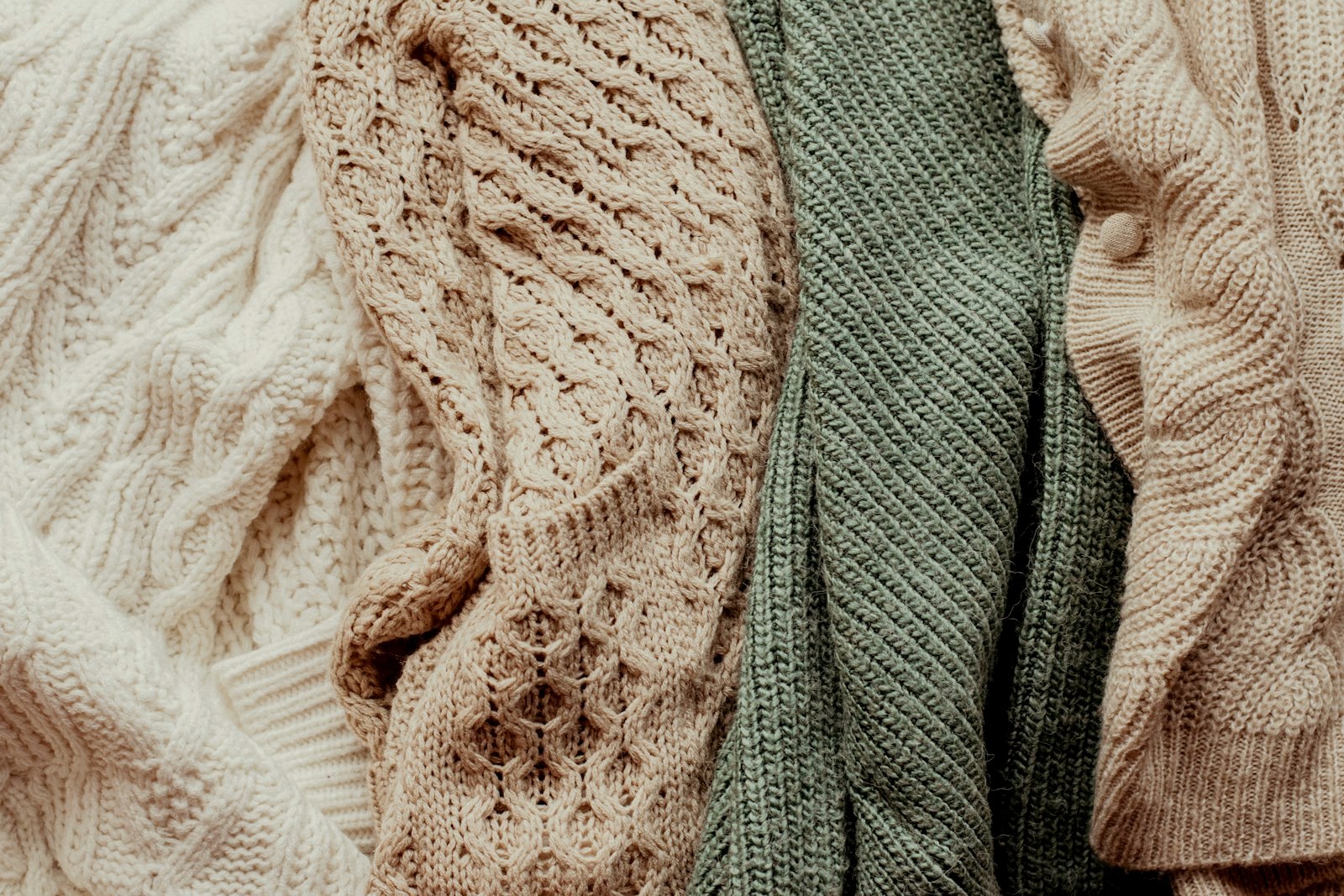
The call: the original American overshirt, a heavy cotton chamois flannel that has been in the line for generations because nothing about it needs changing. The cloth is brushed both sides, the cut assumes a layer under it, and the price, typically $90 to $100, is the last sane number in this category. L.L.Bean keeps the 87 it earned as a brand in our American ranking; this garment is why. It does not win the cloth row or the warmth row. It wins the page, because it is the one you will actually wear two hundred days a decade.
Filson Wool Jac-Shirt
US price at last check: $349 at the maker's store.
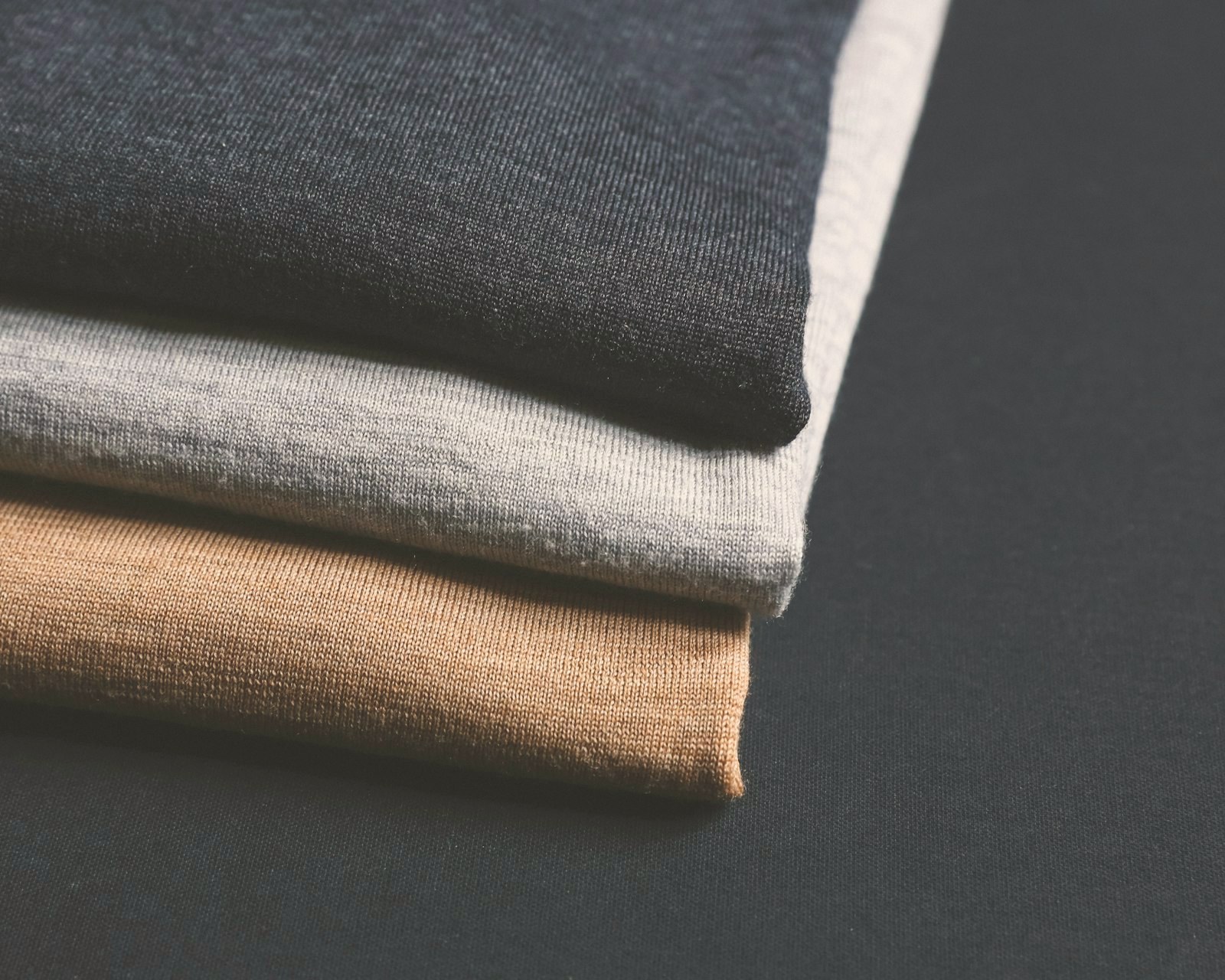
The call: the best garment on this page and the second-best buy. Eighteen-ounce wool, woven tight enough to shed wind, warm wet or dry, with flap pockets whose buttons hide so they cannot snag: cloth and longevity are the field's ceiling. At $349 the value row collapses, which is the only reason a chamois shirt beats it. Filson also tops our workwear brand ranking at 85. Buy this if your overshirt is your winter coat's right hand and your budget has already made its peace.
Filson Insulated Flannel Jac-Shirt
US price at last check: $199 at the maker's store.
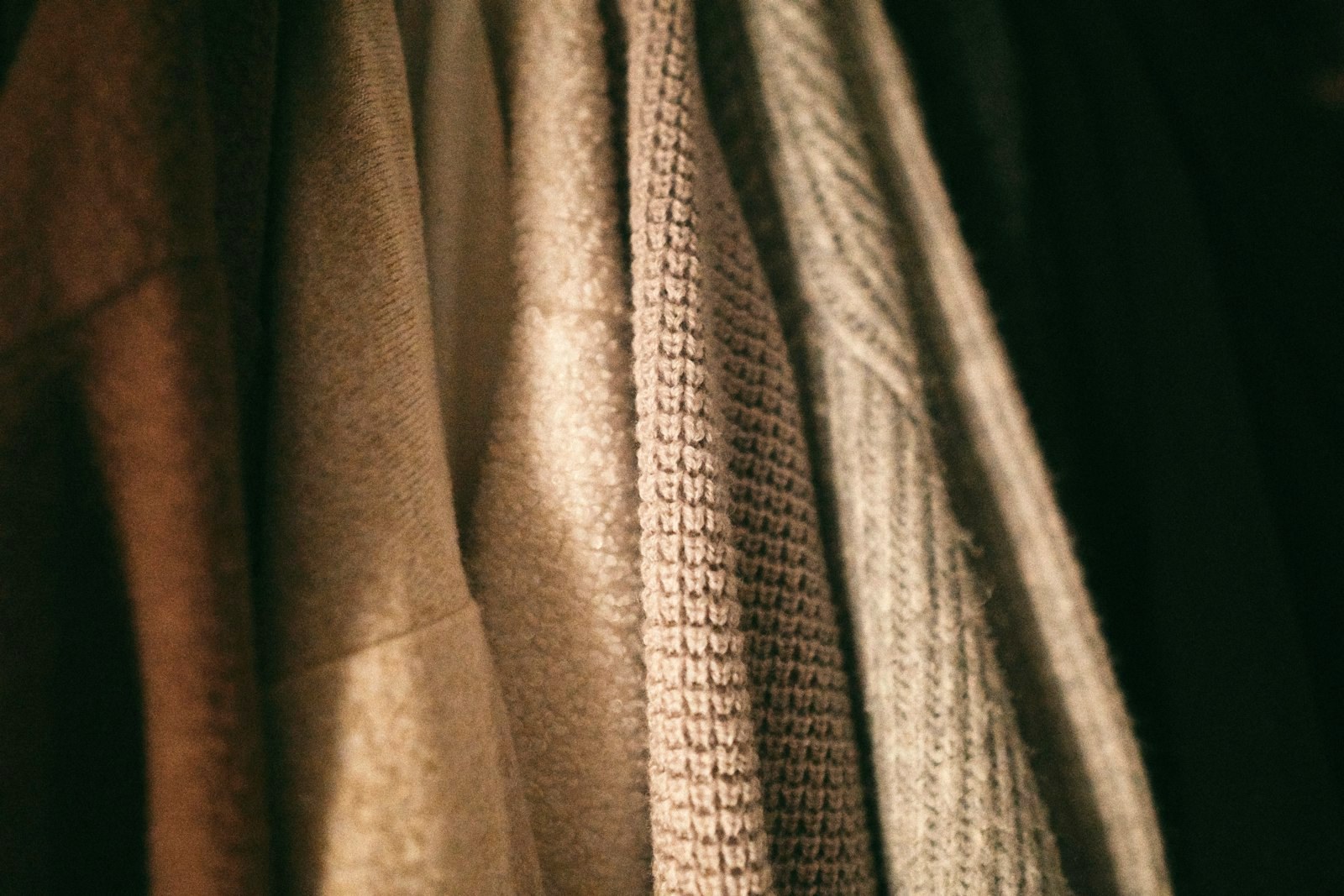
The call: the warmth row's winner, and the same house taking two of the top three, because wool country is its home turf. A 9-ounce cotton flannel quilted through with insulation: not the heaviest cloth here, but the warmest layer per ounce on the page, and the one that works as a true outer layer deepest into winter. It loses second place to its own sibling on cloth purity and longevity, wool against quilted synthetic fill, and beats everything else in the field without discussion.
Stan Ray CPO Shirt Jacket
US price at last check: $115.
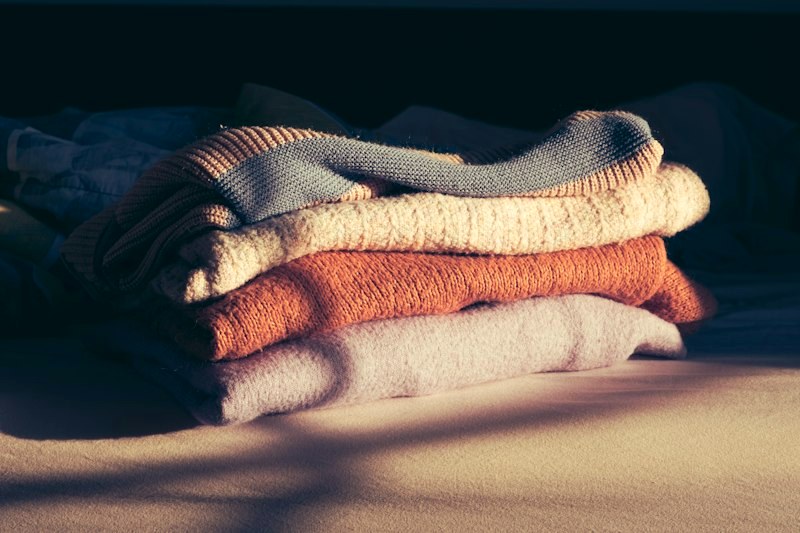
The call: the workwear entry, from the Texas maker that took second in our brands like Carhartt ranking. The CPO pattern, the naval shirt jacket with its two big bellows pockets, cut in honest cotton twill and made in the USA at $115. Warmth is mid because the cloth is unlined, which is also its virtue: this is the three-season version, the one that layers under a coat in January instead of competing with it. Construction per dollar, nothing above it comes close except the winner.
Faherty Legend Sweater Shirt
US price at last check: $178 at the maker's store.
The call: the soft one, scored honestly as what it is: a knit wearing an overshirt's shape. The Legend fabric, a recycled-polyester and viscose knit, is the most comfortable object on this page against the skin, and Faherty's washed plaid reads flannel from across the room. But a knit is not a cloth layer: it stretches where an overshirt should hold, insulates less than its bulk promises, and will not see the seasons the woven entries will. It also appears in our Tommy Bahama ranking at 74 as a brand. As a comfort purchase, buy it happily. As an overshirt, it is fifth.
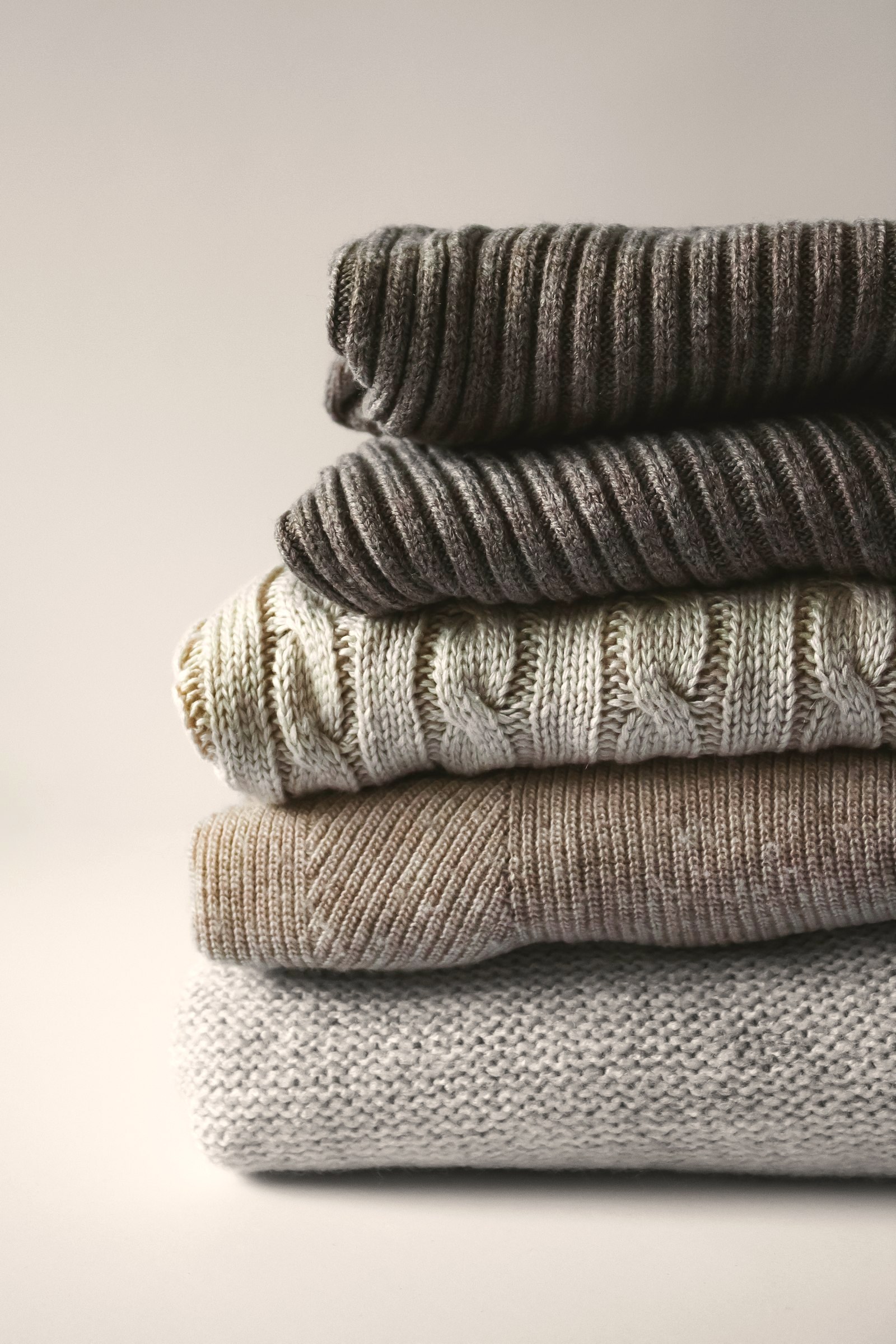
Uniqlo Flannel Shirt Jacket
US prices at last check: typically $40 to $50.
The call: the honest budget entry, from the brand that scores 84 in our Japanese ranking on exactly this virtue. The flannel is thin and the build is plain, and both facts are visible in the rows; what is also visible is a value score of 14, because at typically $40 to $50 it never pretended to be anything else. It will give you two or three mild seasons, which at its price is a fair trade, honestly labelled. That is more than can be said for the entry below, which charges the same money for less garment and more story.
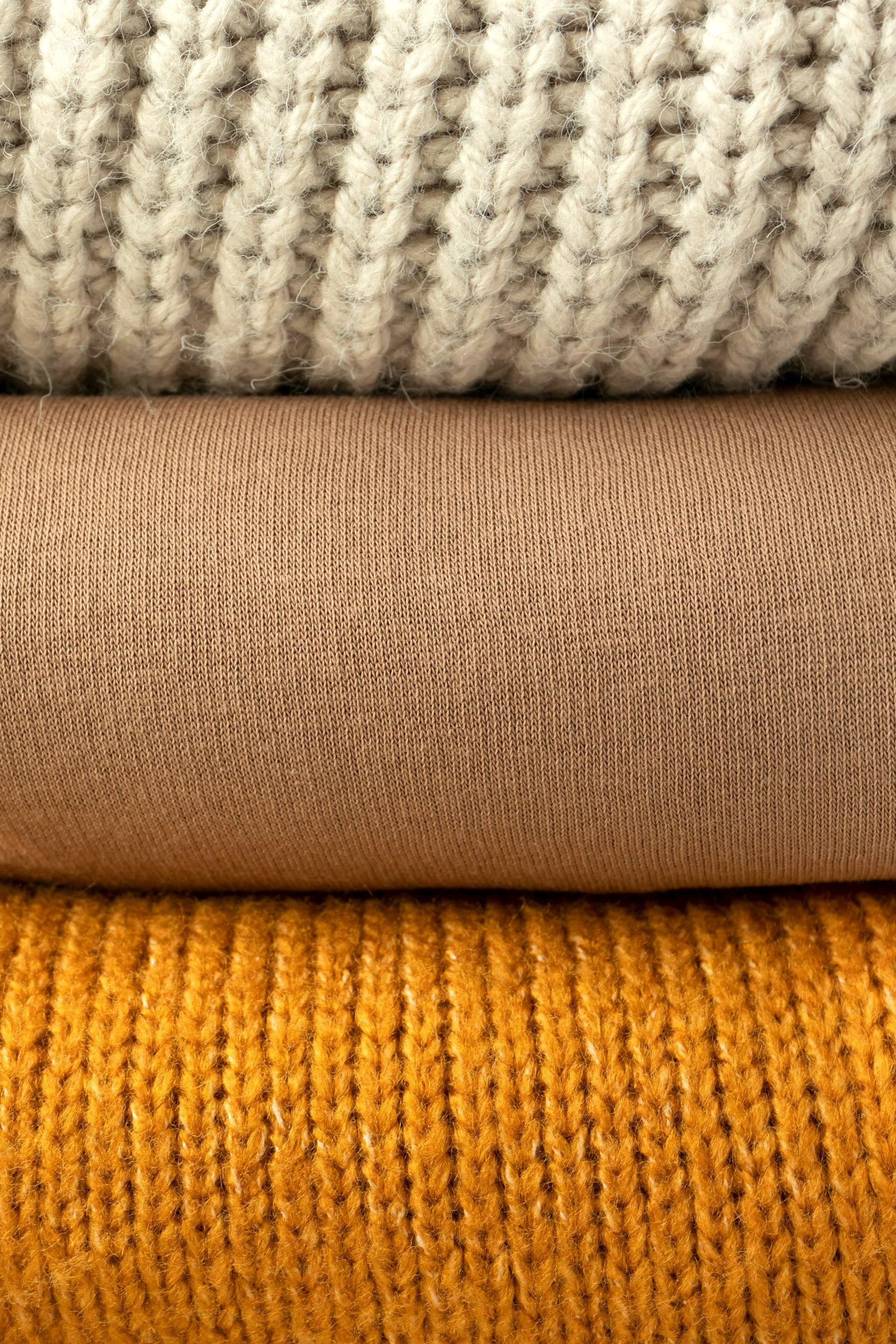
H&M Shacket
US price at last check: about $40.
The call: the silhouette at costume weight. A thin blended cloth that is neither warm nor structured, pockets that exist as outlines, and a collar that gives up by November: the recurring villain of this site's rankings, at 41 in our Oxford ranking and 48 in our chinos ranking, in its third costume of the season. The maths below is the whole review: a dollar a wear, the most expensive layer on this page.
The pattern under the ranking
Read the cards in order and the category's rule falls out: the score follows the cloth weight until value intervenes. The three heaviest textiles finish in the top four, and the two garments that try to skip the cloth question, the knit and the shacket, finish last. The second rule is that warmth is a range, not a number: the winner covers the most days of the year, the warmth pick covers the coldest days, and the page's table prints each garment's window so the choice can be made by climate rather than by photograph. What goes under any of them is ruled in our shirt index; what goes over them in real cold is the coat logic of the Fall Edit.
| Overshirt | Cloth | Weight class | Layering window |
|---|---|---|---|
| L.L.Bean Chamois | Cotton chamois flannel | Mid | Over a tee from 40 to 60 degrees; under a coat below that |
| Filson Wool Jac-Shirt | 18 oz wool | Heavy | Outer layer to below freezing, with a knit under it |
| Filson Insulated Flannel | 9 oz flannel, quilted insulation | Heavy | Outer layer deepest into winter of the seven |
| Stan Ray CPO | Cotton twill, unlined | Mid | Three-season layer; mid layer in January |
| Faherty Legend | Recycled knit blend | Light to mid | Cool evenings; an indoor layer in winter |
| Uniqlo Flannel | Thin cotton flannel | Light | Mild days only |
| H&M Shacket | Thin blended cloth | Light | A shirt with ambitions |
What each overshirt costs per season
The maths, assumptions printed. A season of overshirt wear is about 40 wears: twice a week across the twenty weeks a year the layer is in rotation, as outer or mid layer. Expected life is estimated from construction class, not from the price tag: dense wool at the top, thin blends at the bottom. Where a price is a band, the table uses its middle and says so here: $95 for the Bean, $45 for the Uniqlo. These are the data team's estimates, published so you can argue with them.
| Overshirt | Price | Expected life | Cost per wear |
|---|---|---|---|
| L.L.Bean Chamois | About $95 | 10 seasons | $0.24 |
| Stan Ray CPO | $115 | 8 seasons | $0.36 |
| Uniqlo Flannel | About $45 | 3 seasons | $0.38 |
| Filson Wool Jac-Shirt | $349 | 15 seasons | $0.58 |
| Filson Insulated Flannel | $199 | 8 seasons | $0.62 |
| H&M Shacket | About $40 | 1 season | $1.00 |
| Faherty Legend | $178 | 4 seasons | $1.11 |
The table has two villains and neither is the $349 one. The shacket, the cheapest thing on this page, costs a dollar every time it is worn, four times the winner's rate. And the soft knit at $178, the comfort purchase, is the most expensive layer here per day of service, because four seasons is all a stretched knit has. The wool ceiling, by contrast, amortises like furniture. In this category, heavy is cheap and light is dear, and the price tag says the opposite. That inversion is the most useful sentence on this page.
The Skip · 33/100
The H&M shacket, about $40 in the US, is this ranking's named loser, and it loses on the category's defining test: it is a layer that does not layer. Not warm, not structured, not durable, it occupies the overshirt's place in an outfit while doing none of the overshirt's work, and at one season of life it costs more per wear than every honest garment above it. The first overshirt a man buys teaches him what the layer is for. This one teaches him it is a costume. Spend the $95 once.
Which one to buy
If you buy one: the Bean chamois, in your layering size, and wear it for a decade. If winter is the point: the Filson insulated flannel, the warmest layer per ounce here. If the budget allows one heirloom: the Filson wool jac, and think of it as furniture. If workwear is your language: the Stan Ray CPO, US-made at $115. If the budget is the whole story: the Uniqlo, honestly bought, over the shacket at the same money. Underneath any of them, the base layers are ranked in our white t-shirt Verdict Card and the cold version in our turtleneck ranking; over the top of the whole system sits How to Wear a Cardigan, the knit chapter of the same layering logic.
Questions, answered
What is the best overshirt for men?
The L.L.Bean Chamois Cloth Shirt, scored 83 out of 100. It is the category's centre of gravity: a heavy cotton chamois flannel, typically $90 to $100 in the US, that works as a layer from September to May and lasts a decade doing it. The Filson Wool Jac-Shirt at 82 is the better garment in absolute terms, 18-ounce wool, but at $349 it is the ceiling of the category, not the answer for most men.
What is the difference between an overshirt and a shacket?
Nothing in the dictionary and everything in the cloth. Both words describe a shirt built like a light jacket: shirt collar, button front, room to layer. Overshirt is the term the workwear and heritage makers use; shacket is the fashion market's word for the same silhouette, usually in thinner cloth at a lower price. On this page the split is visible in the scores: the garments called overshirts cluster at the top, and the one sold as a shacket finishes last at 33.
How warm is an overshirt?
It depends on the cloth, which is why this page scores weight and warmth as its own row. A cotton chamois or twill overshirt is a layer for the 40-to-60-degree window, over a tee or under a coat. An 18-ounce wool jac-shirt or a quilted flannel is a true outer layer that works below freezing with a knit under it. The thin fashion versions are warm in neither sense: they are a shirt with ambitions, and the table on this page prints the layering window for each of the seven.
What do you wear under an overshirt?
A plainer layer than the overshirt itself: a white or washed tee, a henley, or a fine knit, in that order of formality. The rule from our shirt index is surface order: the layer underneath should be smoother than the layer above it. Our white t-shirt ranking exists for exactly this job, and the turtleneck ranking covers the cold version, a roll neck under a wool jac-shirt is the category's best outfit.
Are wool overshirts worth the money?
On cost per wear, yes, and this page prints the maths. The $349 Filson wool jac-shirt, over an estimated fifteen seasons of service, works out to about 58 cents a wear, less per day than the $40 shacket that lasts one season at a dollar a wear. Wool insulates wet or dry, resists odor, and outlasts every synthetic in the field. The catch is the entry price and the weight: 18-ounce wool is a commitment on the shoulders as well as the wallet.
How should an overshirt fit?
Like a jacket that happens to button like a shirt: room through the body for a knit underneath, sleeves to the wrist bone with the layer showing below, and a hem that ends at the hip, straight rather than shirttailed if it will be worn open. Size for the layer you will actually wear under it, not for the tee you tried it on over. If it fits perfectly over a t-shirt in the shop, it is one size too small for its job.
How this ranking stays honest
Scores follow our published methodology and are re-checked on the cadence in the byline; when a maker changes cloth, construction or price materially, the score moves and the move is noted here. Prices are US list prices at last check: the Filson and Faherty figures are the makers' own store prices; the Bean and Uniqlo lines price in a narrow band and the cards print the band rather than a false precision. The cost-per-season table's assumptions are printed above it, including where a band's middle was used.