
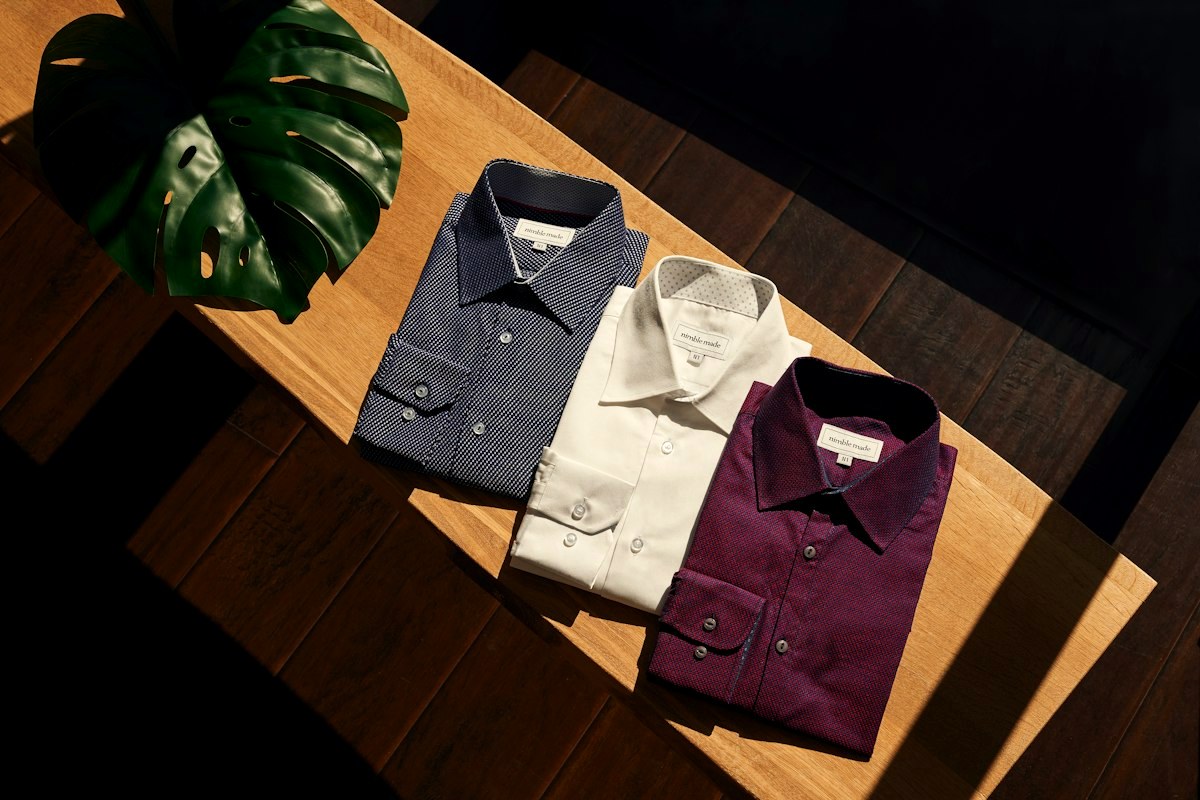
The Uniqlo want is the honest basic: cloth that is what it says, at a price that does not need a story. The ranking below scores who else keeps that promise.
Checked and updated October 2026
The verdict, up front: Asket wins the Uniqlo brief at 92, the same promise kept permanently, with graded sizing and published receipts. The anchor itself, Uniqlo, is scored in the open at 84 and finishes second on its own page, the strongest anchor result in this series, because at its prices there is simply nothing dishonest to expose. Muji, the no-brand original, takes third at 74, freshly scored. Massimo Dutti and COS follow at 71 and 70, more polish and more silhouette at more money and shorter lives. Zara is the skip at 48: the anti-logo wardrobe with a logo's worth of marketing and neither's cloth.
What people actually want from Uniqlo
Nobody searches for brands like Uniqlo because they need a tee. They search because Uniqlo is the one high-street brand that treats a basic as an engineering problem: a plain wardrobe of honest cloth at honest prices, with no logo doing the talking and no season doing the expiring. The U crew-neck that fits like it was measured. The merino knit that survives the wash count its price says it should not. The selvedge jean, woven with Kaihara on shuttle looms, sold for $59.90 without a ceremony. The want is an anti-logo wardrobe, clothes whose entire claim is that they are correctly made, and the search for alternatives starts the day a reader notices the ceiling above that correctness.
The ceiling has three faces, and this page names all of them because the anchor's card below prints its rows in the open. The first is sizing: Uniqlo shirts are cut in alpha sizes, S to XXL, with no collar measurement and no sleeve length, so a long arm or a thick neck is a compromise the rail cannot solve. The second is cloth ambition: the core fabrics are honest and good, cotton that is cotton, and they stop there, because great cloth at these prices would break the model that makes the prices possible. The third is the collab tax: the Uniqlo pieces with real design ambition, the U line's best cuts, the designer capsules, arrive as drops, sell out in days, and trade above list secondhand, while the permanent lines that restock forever are deliberately plainer. The brand rents its ceiling from collaborators and charges admission in scarcity.
None of that dents what the anchor is, and the ranking that follows is scored on one basis so it cannot hide: fabric and cloth out of 30, construction and craft out of 20, fit range and sizing honesty out of 20, value out of 15, longevity out of 15. Uniqlo's 84, set in our Japanese ranking, carries a perfect value row and a longevity row of 12 that shames brands at four times its prices elsewhere in this series. The alternatives below beat it in two directions only: upward, into permanence and cloth, and sideways, into the philosophy it industrialised. Everything beneath it on the ladder is a warning about what the search finds when it drifts.
How the scores work
Every brand here is scored on the house basis for this series: fabric and cloth out of 30, construction and craft out of 20, fit range and sizing honesty out of 20, value out of 15, longevity out of 15. Brands that appear elsewhere on this site keep their numbers, because a score that changes from page to page is marketing. Asket's 92 was set in our Scandinavian ranking. Uniqlo's 84 comes from the Japanese ranking. Massimo Dutti's 71 and COS's 70 were set on their own pages in this series, Mango Man's 58 and Zara's 48 on the Zara page. One brand is scored fresh on this page, Muji, because the Uniqlo search is the one search where its absence would be a lie, and its card says what the number is built from. New prose, same arithmetic.
Seven brands like Uniqlo, ranked
Asket
US price at last check: the T-Shirt $70; the Loose Twill Chino $230.
The permanence upgrade: the anchor's own promise, honest basics in honest cloth, kept at a standard the anchor's model cannot afford.
Asket is the Uniqlo idea with the two ceilings removed. Where the anchor sizes a shirt S to XXL and wishes your neck luck, Asket grades its sizes from body measurements and offers three lengths, a fit row at a perfect 20 that answers the collar-size complaint directly. Where the anchor's cloth is honest and stops, Asket publishes the cost breakdown of every garment, the fabric's mill and the assembly's price, and cuts from cloth chosen without a drop calendar to defend. The register is identical: plain, logo-free, quietly proportioned basics that ask to be worn for a decade. The difference is that Asket's wardrobe is permanent, refined year over year rather than replaced, so the piece you buy this year is still the piece, improved, in five years.
The price of the upgrade is printed in the value row: the T-shirt is $70 against the anchor's $15 to $30, and the ranking does not pretend otherwise. What the multiple buys is the removal of the replacement cycle, longevity 13 against a field of 8s and 3s below the anchor, and sizing that fits the body you have. Start where everyone starts, the T-shirt, then the merino knitwear, and notice that the wardrobe stops needing to be rebought. For the Uniqlo searcher whose complaint is not the price but the ceiling, this is the brand the search was looking for.
Uniqlo
US prices at last check: the U crew-neck tee $15 to $30.
Scored in the open: the honest floor of the modern wardrobe, a budget brand whose rows embarrass the premium tier of this series.
The case for the anchor is its own arithmetic. Fabric 22 of 30 means the core cloth is what the label says: compact-spun cotton tees, real merino at knit prices, and a Kaihara selvedge jean at $59.90 that this site scores 72 as a garment in our jeans ranking, above both mall entries there. Construction 16 means the engineering is the product, garments specified to survive wash counts their prices should not allow. Value is a perfect 15, the only one in this series, because there is no point on the ladder where the same honesty costs less. And longevity 12 of 15 is the number the premium high street should be embarrassed by: COS, at four times the prices, scores 8.
The case against is the ceiling named at the top of this page, printed here so the anchor cannot hide behind its reputation for honesty. Sizing is alpha only: no collar sizes, no sleeve lengths, a fit row of 19 that is about breadth of bodies served, not precision for any one of them. The cloth ambition stops at good: for great, the brand sends you to a collaboration, and the collaboration sells out, which is a business model wearing a design credit. The permanent wardrobe is plainer than the posters suggest. None of it moves the conclusion: second place on its own page, twelve points clear of the brand that invented its philosophy, is the strongest anchor performance in this series. Build the foundation here. Just know where the foundation ends.
Muji
US prices at last check: tees about $13 to $20, shirts about $40 to $50 at the maker's US stores.
Scored fresh for this page: the no-brand original, the shop that had the anti-logo idea first and kept it purest, at the cost of range.
Muji is the source code. The name is short for no-brand quality goods, and the proposition predates the anchor's fame: unmarked garments in natural fibres, plainly constructed, sold without a marketing department's fingerprints. Its fabric row, 21, is one point behind the anchor's, built on the same honesty with a slightly softer hand, organic cottons and linens that feel like the material rather than like a finish. Construction is simple and meant to be: seams that do the work, nothing decorative to fail. For the reader whose Uniqlo complaint is that even Uniqlo has become a brand, with drops and collabs and queues, Muji is the correction: the philosophy with the commerce turned down.
The ceiling is range, and the fit row prints it: 14 of 20. Sizes are alpha, cuts are boxy in the Japanese register, and the US store network is thin enough that much of the range is theoretical for much of the country. Longevity 11 reflects honest cloth in simple constructions that age gracefully rather than heroically. At 74, freshly scored under the published methodology, Muji lands where the evidence puts it: below the brand that industrialised its idea, above every polished neighbour on this page, and irreplaceable for the specific pieces, the plainest oxford, the unbranded knit, where its restraint is not a limitation but the entire point.
Massimo Dutti
US prices at last check: shirts $130 at the US store; the 100% wool blazer about $350.
The polished neighbour: what the same instinct looks like aimed at tailoring and warmth instead of basics, at double the money.
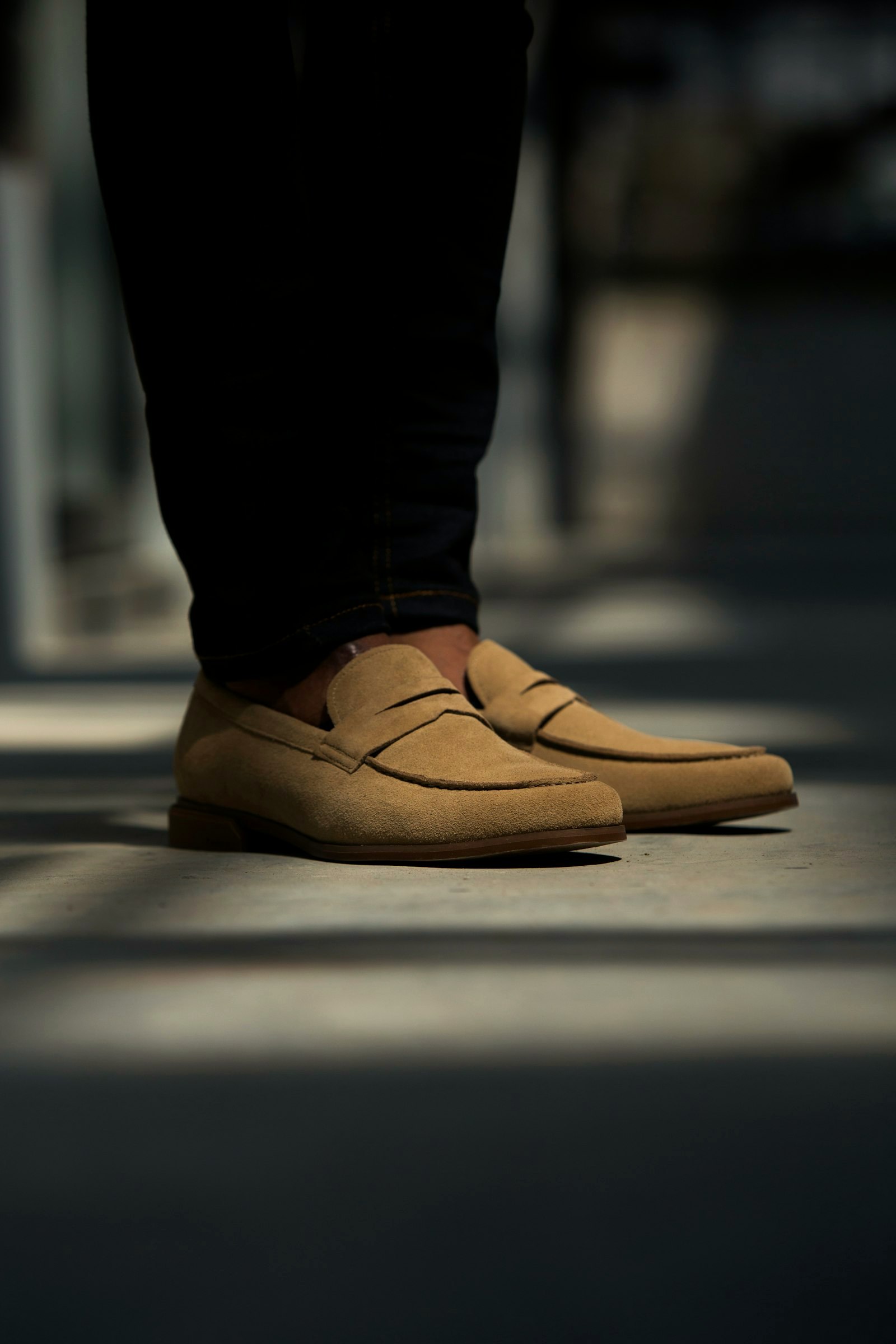
Dutti answers the Uniqlo search from the opposite direction: not plainer, but more finished. Its shirts at $130, its wool blazer at about $350, its suede and leather that the Inditex group genuinely does well, make it the upgrade path for the reader whose wardrobe is growing toward tailoring rather than toward permanence. The scores are its own anchor page's, reproduced exactly: fabric 20, construction 15, a fit row of 17, narrower than the anchor's 19 but sized conventionally, with collar and sleeve measurements the anchor declines to offer, and a longevity row of 8 that is the group schedule, clothes built to be replaced on a two-to-three-year rhythm.
That last row is the whole comparison. The anchor at half the price outlasts it by half again, 12 against 8, which is the Uniqlo proposition stated as a single measurement. Buy Dutti for the pieces Uniqlo does not attempt, the blazer, the suede, the polished knit, and buy them knowing the schedule they run on. Its full decoding is on its own page in this series.
COS
US prices at last check: shirts and knits typically $99 to $150.
The silhouette answer: the anti-logo wardrobe with architecture added and the anchor's cloth honesty traded away to pay for it.
COS is where the Uniqlo searcher goes when plain starts to feel like a lack of ambition, and the trade it offers is printed in its rows: the best pattern-cutting on the high street, volume and drape the anchor will not attempt, over cloth bought to the H&M group's budget, fabric 20 against the anchor's 22, construction 14 against 16, longevity 8 against 12. At $99 to $150 it charges two to four times the anchor's prices for a shorter life in more interesting shapes. As seasoning over an honest foundation it is the high street's most interesting brand. As the foundation itself it is a downgrade wearing better lighting, and its full scoring in the open is on its own page in this series.
Mango Man
US prices at last check: shirts and knits typically $36 to $70.
The drift warning: a half-step more polish than the fast-fashion rail, at prices close enough to the anchor to make the comparison unkind.
Mango Man appears on this page because the search data says Uniqlo shoppers drift to it for the Mediterranean register, the knit polo, the linen shirt, the slightly older cut. Its scores arrive from the Zara page of this series, reproduced exactly, and they describe a half-step: cloth a little more honest than the skip's, construction finished to the rail, longevity 5. The comparison that matters for this search is upward: the anchor beats it on every row, fabric by six points and longevity by seven, at lower prices. A half-step toward polish that costs you the honest floor is a step in the wrong direction.
Zara
US price at last check: about $50.
The anti-logo wardrobe as a marketing photograph: the anchor's register imitated at the anchor's prices with neither's cloth.
Zara is the answer the search gives when it stops reading labels, and the ranking's duty is to price it: 36 points below the anchor. The Uniqlo want is cloth honesty, and Zara's rows are the negation of it, fabric 13, construction 8, longevity 3, the shortest replacement schedule in this series. Its basics wear the plain register as a costume, volume without pattern-cutting, monochrome without depth, and they are priced within sight of the anchor's permanent lines, which makes the comparison a controlled experiment: same money, same register, and the garment that is engineered against the one that is photographed. The full case is on its own page in this series. For this search, there is nothing here that the anchor does not do better, cheaper and longer.
The pattern under the ranking
Read the ladder as a single argument about what honesty is worth. The anchor is the only budget brand in this series to finish in its own top two, because its model points the industrial scale at the garment rather than at the marketing of it: the same factories, the same volumes, and the savings spent on cloth and wash-testing instead of on drops. The two brands above and beside it prove the rule from opposite ends. Asket shows what the promise costs when permanence is added, roughly three times the tee. Muji shows what the promise looks like with the scale removed, purer and narrower at once.
The second pattern is the longevity gradient, and it is the rudest table on this page: 13, 12, 11, then 8, 8, 5, 3. Every brand that treats the basic as a garment scores in double figures. Every brand that treats it as a season scores in single ones, including both polished neighbours at double the anchor's prices. The Uniqlo search is, underneath the register and the prices, a search for a wardrobe that stops expiring, and this ranking simply reports which brands are actually selling that.
| Brand | Score | The piece to buy | US price |
|---|---|---|---|
| Asket | 92 | The T-Shirt, then the permanent grid | $70 |
| Uniqlo | 84 | The U crew-neck tee | $15 to $30 |
| Muji | 74 | The plainest oxford shirt | About $40 to $50 |
| Massimo Dutti | 71 | The suede piece | Shirts $130 |
| COS | 70 | The shaped knit of the season | Typically $99 to $150 |
| Mango Man | 58 | The knit polo | Typically $36 to $70 |
| Zara | 48 | None | About $50 |
The Skip · 48/100
Zara. The honest-basics register imitated at honest-basics prices with fast-fashion cloth: fabric 13, longevity 3, and the anchor better on every row at the same money. The Uniqlo search deserves the anchor, its upgrade, or its original. It does not deserve the photograph of them.
Which one to buy
Buy the upgrade: Asket (92), when the ceiling is the complaint, for graded sizing, published receipts and a wardrobe that stops expiring.
Buy the anchor: Uniqlo (84), the foundation itself, the permanent lines first and the collabs as a lottery rather than a plan.
Buy the original: Muji (74), for the pieces where no-brand restraint is the point and your size is on its rail.
Buy the polish: Massimo Dutti (71) for tailoring and suede, or COS (70) for silhouette, each knowingly, as seasoning over the foundation rather than instead of it. The rest of the family: brands like Tommy Bahama, brands like Carhartt, brands like A.P.C., brands like Ralph Lauren, brands like Massimo Dutti, brands like COS and brands like Zara.
Questions, answered
What brand is most like Uniqlo?
Asket, at 92 out of 100 in this ranking, is the same promise kept at a higher standard: plain, logo-free basics in honest cloth, with the two things Uniqlo cannot give you, graded sizes in three lengths and a published cost breakdown for every garment. Muji, at 74, is the spiritual original of the whole idea, the no-brand shop Uniqlo industrialised. The anchor itself finishes second on its own page, which for a budget brand is a remarkable result.
Is Uniqlo good quality?
At its prices, the best on the high street, and this page scores it 84 with the rows in the open: fabric 22 of 30, construction 16 of 20, value a perfect 15. The core cloth is honest, cotton that is cotton, merino that is merino, and the engineering is built for hundreds of washes. The ceiling is ambition, not honesty: the cloth is good and never great, shirts come in alpha sizes with no collar or sleeve measurements, and the pieces with real design ambition arrive through collaborations that sell out. Buy the permanent lines with confidence and the collabs with speed.
Uniqlo or Muji: which should I buy?
Uniqlo for the wardrobe system: wider range, deeper sizes, lower prices, stores and stock that actually exist where you live; it outscores Muji here 84 to 74 on exactly those rows. Muji for the philosophy and the specific pieces where its restraint is the point: the plainest oxford, the unbranded knit, the garment with nothing on it at all. Muji's fit row, 14 of 20, is its ceiling, alpha sizes and boxy cuts with a thin store network outside Asia. Most wardrobes end up owning both, Uniqlo by the drawerful and Muji by the piece.
What is better than Uniqlo at Uniqlo prices?
Nothing on this page, and the ranking is the proof: the anchor's value row is a perfect 15 of 15, and every brand that outscores it costs several times more per garment. The honest upgrades are directional, not cheaper. Asket, at 92, for permanence and sizing. Muji, at 74, for the no-brand original. Massimo Dutti and COS, at 71 and 70, for polish and silhouette at roughly double the money and, on the evidence of their longevity rows, a shorter life. Uniqlo is the floor of the honest wardrobe; the only way past it is up in price or sideways in philosophy.
Why do Uniqlo collaborations sell out?
Because the collaboration is where the brand rents the ambition its permanent lines decline to fund. The U line, designed under Christophe Lemaire, and the designer capsules bring pattern-cutting and cloth choices the core range will not carry at core prices, in quantities sized for a drop rather than a season. The result is the collab tax this page names: the best Uniqlo pieces are the hardest to buy at list, and they trade above it secondhand. The desk's advice is unglamorous: build the wardrobe on the permanent lines, which restock forever, and treat the collabs as a lottery you enter, not a plan you make.
How this ranking stays honest
No standing score on this page was adjusted for it. Uniqlo's 84, with its rows, was set in the Japanese ranking and is reproduced here digit for digit, on its own anchor page, where inflating it would be easiest; Asket's 92, Dutti's 71, COS's 70, Mango Man's 58 and Zara's 48 likewise arrive from the pages cited in the method section. One score is new: Muji's 74, built under the same published methodology from its published range and US prices, and printed here for the first time because this search is where it belongs; it will be re-checked on the same cadence as every standing score, and it is open to the same argument. Prices are as checked this month and stated as they were found. The anchor's critique is aimed at its model, not its garments, and it is made from the brand's own published rows: when the permanent lines gain measured sizing or greater cloth ambition, the fit and fabric rows are where it will show up first, and the score will move at the next check.