
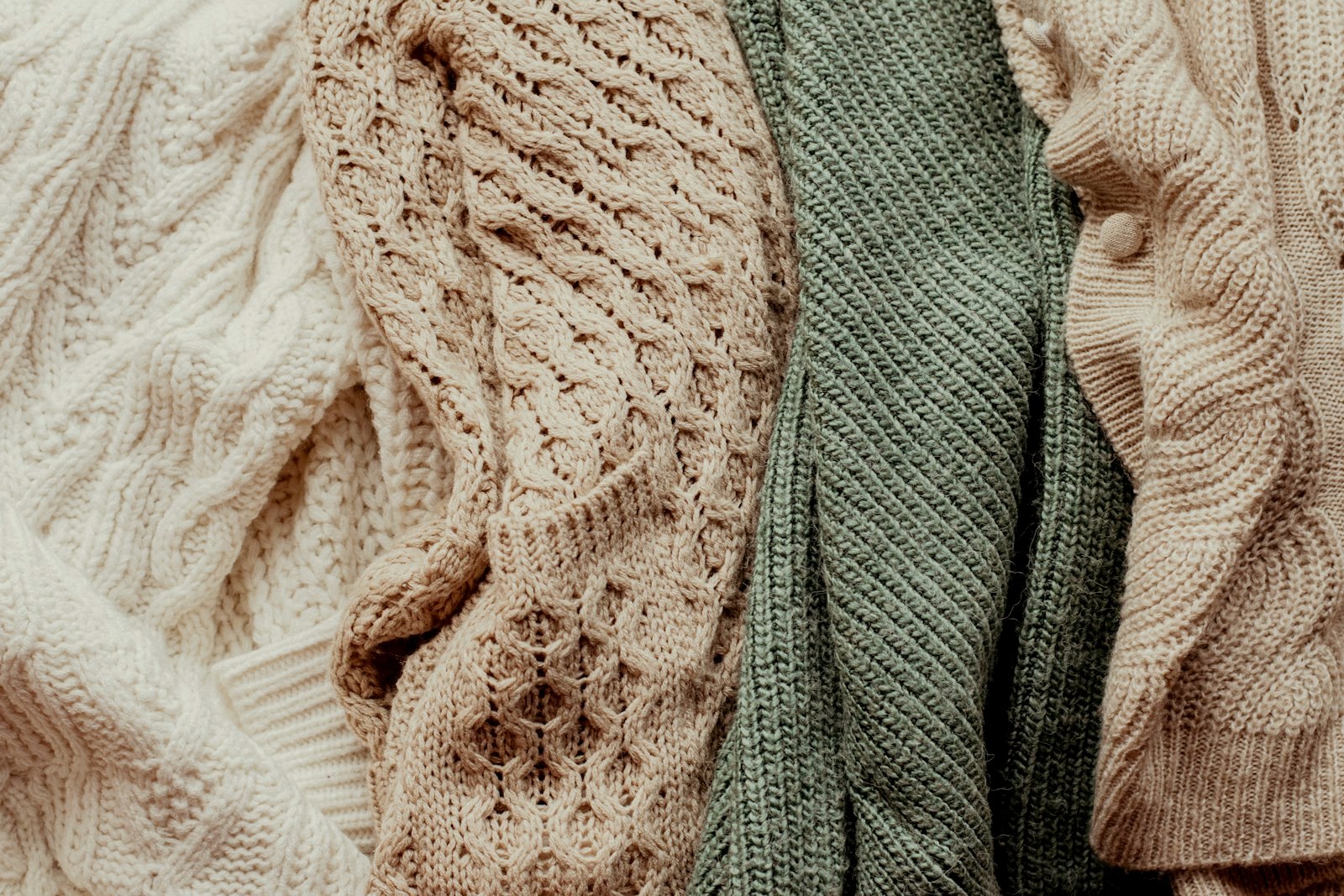
The heavy rail at rest. Our bank holds no photograph of a hooped rugby shirt on a body, a gap our styling brief admits and this page repeats rather than covering with a borrowed shot, so the page opens on the cloth class itself.
Checked and updated October 2026
The verdict, up front: eight rugby shirts scored out of 100 on the house basis for the garment: cloth and jersey weight 30, collar, placket and buttons 20, fit and range 20, value 15, longevity 15. The Withernot Heritage Rugby Shirt wins at 83: the fullest record a buyer can read, 10.5 ounces of cotton in a 12-gauge knit, a cotton twill collar and rubber buttons, all published by the maker, at a published price of $98.50. The Kotn Barbarian Rugby is second at 79, the heritage maker's cloth in a fashion house's cut, at $148. The Ralph Lauren Iconic is third at 75, its collar architecture complete and its cloth weight unpublished. And the shirt sent home, at 35, is sold by its own maker as a polo: the word rugby is the only rugby construction on its page. The field's own question runs through every card: of eight garments, two print an ounce weight where a buyer reads it, two state a twill collar, four state rubber buttons, one states how its stripes got their colour, and none states whether its hoops meet at the side seam.
First, know which species you are in
The rugby rail sells four species under one word, and this ranking separates them in print and grades each as itself. The true rugby jersey: heavy cotton jersey, a woven collar that stands up to contact, rubber or concealed buttons that give instead of cracking. Two garments here are this species entire, the Withernot and the Kotn sewn by Barbarian, and a third, the Ralph Lauren Iconic, publishes the species' full collar and placket architecture while withholding its cloth's weight. The fashion rugby: the silhouette carried at fashion weight or on fashion terms, graded on whether any cloth fact stands behind its price. Three garments here are this species, and their records could not differ more: one prints its weight and its stripe method, one prints a loom story and nothing else, and one prints every fibre it is made of and no number at all. The licensed jersey: a collegiate licence on a jersey carrier, graded on its own record, which turns out to be the licence and almost nothing else. The rugby-styled polo: a polo wearing the rugby name, ruled on in the polo species' own terms below and sent home.
The boundary with the neighbouring ranking is printed so no card can be misread. Verdict Card No. 12 ranks polos on cloth and knit, collar and construction, fit range, value and longevity, and the Lacoste wins it at 85. A rugby shirt is not a long-sleeve polo with stripes: the jersey is heavier, the collar is woven rather than knitted from the body cloth, and the buttons are rubber because the garment was built to be grabbed. Our rugby styling brief prints the four buying tests this Card is scored on, cloth weight in the hand, collar construction, button build and hoop alignment at the seams. Three of the four can be graded from the makers' published records. The fourth, hoop alignment, is published by no maker in this field, and this page prints that silence as a finding rather than filling it with a guess.
How the scores work
Every shirt is scored out of 100 on the same five rows, adapted from the polo Card's basis to the jersey species. Cloth and jersey weight (30) reads the cloth record first: the weight in ounces as published, the fibre content stated or withheld, and the sourcing the maker will sign. The published numbers describe the class's traditional band on their own: the heritage jerseys stand between 10.5 and 12 ounces, and a maker who prints no number is graded on the silence, because on this garment the weight is the argument. Collar, placket and buttons (20) reads the architecture the styling brief judges: a woven twill collar against a self-fabric or shirt collar, a reinforced or concealed placket, rubber buttons against plastic or silence. Fit and range (20) is scored against the maker's size library and the cut as published. Value (15) is the score divided by the bill. Longevity (15) is the life the construction can hold, costed in the table below, and the candour of the record behind it. One discipline governs the whole page: two houses behind these garments already stand ranked in this magazine, Ralph Lauren at 70 in Brands Like No. 4 and J.Crew at 73 in Brands Like No. 10, and those brand scores are evidence here, never garment scores. A house can stand high and its garment lower, or the reverse, and where that happens the card prints both numbers and lets the record explain them.
The ranking
Withernot Heritage Rugby Shirt
Published price: $98.50 on the maker's own press page. The maker's store would not serve this desk a stable product address, so this card ships without a buy link.
Buy it on the fullest published record in the field: a weight, a gauge, a twill collar and rubber buttons, all printed by the maker, at the field's friendliest honest price.
The cloth: 10.5 ounces of cotton in a 12-gauge knit, published on the maker's own site, and the number is not the whole of the record. The same page prints the traditional white collar made from cotton twill, the rubber buttons, and the double-stitched reinforcements, and the maker's homepage states the build in one sentence: heavyweight cotton, rubber buttons, a sturdy twill collar, reinforced construction. No other maker in this field prints its weight, its collar material and its button material where a buyer reads them. The 10.5 ounces sit inside the heritage band the published numbers describe, a half-ounce under the top of it, and the cloth row's 26 pays for the candour as much as the grams: this is the record the other seven are graded against.
The build and the fit: the collar-and-button row's 18 is the field's highest, a woven twill collar and rubber buttons both stated, with the double stitching behind them. The debits are printed rather than buried. The pages this desk read print no size library, and the fit row's 13 grades that absence: the cut is the vintage climber's pattern the house was founded to revive, and a buyer sizes it from the maker's chart rather than from anything published here. The door note is part of the record: the maker's shop is live and the line current, but no stable product address could be pinned for this desk, so the card ships without a buy link rather than with an unverified one, at the last price the maker published for the Heritage, $98.50. The value row grades that published price, and says so.
Kotn Barbarian Rugby Shirt
Price at last check: $148 at the maker's store, the full-price Harvard/Navy colourway.
Buy it for the cloth's provenance: the heritage jersey maker Barbarian sews it, from heavyweight jersey sourced in North Carolina. Its own product page publishes less than its maker's catalogue does, and the rows price the difference.
The cloth: Kotn's product page publishes two cloth facts and both are good ones: the shirt is crafted in collaboration with heritage jersey maker Barbarian, from heavyweight cotton jersey sourced from North Carolina. The fuller spec stands in the maker's own catalogue, where Barbarian prints its Classic jerseys at 12 ounces of knit cotton, sewn to authentic gameday specifications, and this desk prints the catalogue as the maker's published line record, labelled as such. What no page publishes is a number for this shirt itself: Kotn prints the word heavyweight and the jersey's origin, and the 12-ounce figure belongs to the maker's Classic line rather than to this collaboration's page. The cloth row's 25 pays for the provenance and the maker's spec together, and charges the missing number on the shirt's own page.
The build and the fit: the same split runs through the architecture. Barbarian's catalogue prints the species' full construction for its line, reinforced classic plackets, underarm patches, a reinforced neck, seamless stretch cuffs and rubber buttons. Kotn's product page prints none of it: no collar material, no button material, no placket description a buyer can check. The collar row's 15 grades the shirt you can actually buy, the maker's spec as evidence and the retail page's silence as the charge. The fit is published and credited: a relaxed, oversized unisex cut in a library running XXS to XL, seven sizes, the second widest in the field. The longevity row pays the maker's standing fact, a Canadian house that has sewn this garment class to gameday spec for decades, and Kotn's own published position beside it: buying less and buying longer.
Ralph Lauren The Iconic Rugby Shirt
Price at last check: $145 at the maker's store.
Buy it for the collar architecture and the range: a twill collar, a concealed placket and rubber buttons, in the widest size library in the field. The cloth's weight is the one fact the house will not print.
The cloth: the maker's whole cloth sentence for this shirt is durable cotton jersey, and it is printed here entire. No ounce weight stands behind it on the maker's page or in its retailers' listings that this desk could read; one retailer calls the jersey heavyweight, and that word is the retailer's, labelled as such wherever this page repeats it. The cloth row's 19 is what an unnumbered claim scores in a field where two makers print ounces: the jersey is, on the house's decades of record, a substantial one, and this Card grades records rather than reputations. The house stands at 70 in Brands Like No. 4; the garment places above its house, because the architecture below is published in full even where the cloth is not.
The build and the fit: here the record completes itself. The maker's listings print a twill rugby collar, a three-button concealed placket and rubber buttons, the species' full architecture, with the embroidered Pony at the chest, and the collar row's 17 is a point under the winner's only because the winner prints its collar's fibre and its stitching beside it. The fit row's 17 is the field's highest: XS to XXL on the main line, with a Big and Tall line beside it at $150, a library no other maker here matches. The value row charges the ticket honestly: $145 buys the complete collar record and an unweighed cloth, and the cost-per-wear table below prices a ten-year life at about 36 cents a wear, fourth cheapest in the field.
Drake's Cotton Rugby Shirt
Price at last check: $345 at the maker's US store.
Buy it as the fashion species at its most honest: the only maker in the field that prints its stripe method, yarn-dyed, and its weight, 9.4 ounces. The collar is a shirt collar wearing a rugby's name, and the rows price that too.
The cloth: 9.4 ounces of yarn-dyed cotton jersey, 100 percent cotton, made in Portugal, and the yarn-dyed is the sentence this Card exists to print: of eight makers, this is the only one that states how its stripes got their colour, in the yarn before knitting rather than on the cloth after it. The weight is published with the same candour, and it is a fashion weight: 9.4 ounces stands more than an ounce under the lightest heritage number in the field, and the cloth row's 24 credits the complete record while charging the grams. A buyer who wants the gameday band buys the two cards above this one. A buyer who wants to know exactly what the cloth is, down to the dye, reads the fullest single cloth sentence in the fashion field here.
The build and the fit: rubber buttons and a covered placket are published, and both are credited. The collar is the charge, printed in the maker's own words: it nods to the house's English Classic shirts, which is to say it is a shirt collar, cut on a shirting pattern, not a woven twill rugby collar, and the collar row's 14 grades the substitution openly rather than pretending the contrast collar is the species' own. The cut is published with equal honesty, a slightly trimmer body and higher armholes, sharp enough for a blazer in the maker's phrase, in a library running XS to XXL with ribbed hem and cuffs. The value row's 6 is the ticket without disguise: $345 is the dearest price in the field, three and a half times the winner's published price, for a lighter cloth and a borrowed collar.
Muji Heavyweight Cotton Rugby Shirt
Price at last check: CA$59.90 at the maker's Canadian store, about US$44.
Buy it for the fullest fibre record in the field at the lowest price in it: every thread accounted for, including the rib knit. The word heavyweight in its name is the one claim its own page does not number.
The cloth: the composition is published entire, and no other maker in this field matches it: body, collar and back neck facing at 100 percent cotton, and the ribbed knit separated out and printed at 80 percent cotton and 20 percent polyester, made in Vietnam, with the style code on the page. Against that completeness stands the name. The shirt is called Heavyweight, and no weight in ounces or grams stands anywhere in its record: the cloth row's 17 is the split decision printed as one number, the field's fullest fibre record and its emptiest weight record on the same card. A buyer can check everything about this cloth except the one fact the garment's name asserts.
The build and the fit: the collar is cotton, stated by the composition line that groups it with the body, which places it in the self-fabric class rather than the woven twill class, and the button material is published nowhere, so the collar row's 11 credits the stated fibre and charges the silence beside it. The longevity row's 8 pays for a candour of a rarer kind: the maker's own care notes warn that scuffing and pilling may occur through friction and washing, and that dark colours may transfer. A maker that prints its cloth's failure modes on the product page is practising the honesty this Card grades, and the row charges the pilling while the prose credits the printing of it. The door note: no United States listing for the shirt surfaced at this check, so the link is the maker's Canadian store, at CA$59.90, the lowest ticket in the field by a wide margin, and the value row's 14 is what that arithmetic scores.
Rowing Blazers Cotton Primary Striped Rugby
Price at last check: $198 at the maker's store.
Buy it for the loom story, which is a real one: knit on vintage looms in Portugal. Then read what the page does not say: no weight, no fibre content, no collar material, no button material, at $198.
The cloth: the product page's whole cloth record is one provenance sentence, knit on vintage looms in Portugal, and the word cotton in the product's name. No weight is published, no fibre percentage, no yarn fact of any kind, and the cloth row's 13 grades exactly that: a making story a buyer cannot convert into a single checkable fact about the cloth in the hand. The stripes themselves depart from the species in a way the maker's description states plainly, running vertically across the chest where the rugby's hoops run around the body, a fashion deviation printed here so the card is read as the garment it describes. Set this record beside the Drake's card above it, the same fashion species at a higher price: every fact missing here is printed there.
The build and the fit: a three-button placket is stated, and a classic navy collar, its material stated nowhere, with the house logo embroidered at the bottom corner. Whether the buttons are rubber, the species' tell, the page does not say, and the collar row's 10 is the arithmetic of a placket count and two silences. The size library runs XS to XXL, the XXL sold out at this check, and the fit row's 14 credits the range as published. The value row's 7 states the field's plainest comparison: at $198 this shirt costs $50 more than the Kotn sewn by Barbarian and $53 more than the Iconic, and publishes less cloth record than either. The longevity row's 10 credits the Portuguese knit and charges the absence of any construction or service record behind it.
'47 x J.Crew Rugby Shirt
Price at last check: $168 at J.Crew, across the licensed schools.
Buy it for your school, which is the transaction on offer: the chain-stitched name is the product. As a jersey, its maker publishes almost nothing this Card can grade, and the score is that silence priced.
The cloth: J.Crew's page for this shirt publishes no weight, no composition, no collar material and no button material. What it publishes is the licence: a chain-stitched school name across the back and a block letter on the front, across a library of schools that runs from SMU and Michigan to Wisconsin, UCLA, Notre Dame, Boston College and Grambling. The strongest cloth sentence anywhere on the page belongs to a buyer, whose review calls the fabric thick and substantial, and this desk prints it labelled as what it is: a review, not a spec, carrying no weight a second buyer could check. The cloth row's 11 is what a licensed name and an ungraded jersey score together. The retailer's house stands at 73 in Brands Like No. 10, and the garment places 27 points below its house, the widest house-to-garment gap in the field, because the house's ranking rests on the retailer's whole record and this garment's page rests on a licence.
The build and the fit: the fit is published as classic, true to size on the page's own reviews, and the fit row's 13 credits it. Everything behind the fit is silence: the collar row's 8 records that neither the collar's material nor the placket's build nor the buttons' composition stands anywhere in the listing, on a garment whose species is defined by exactly those three facts. The value row's 6 is the comparison the licence asks a buyer not to make: $168 is $23 more than the Ralph Lauren Iconic, which publishes its twill collar, its concealed placket and its rubber buttons on its own page. None of this makes the shirt unwearable, and the card does not claim it does. It makes the shirt ungradeable above the line where records begin, and a ranking that grades published records has to print that where it lands.
ASOS DESIGN Relaxed Long Sleeve Rugby Polo
US price at last check: $54.99 at the maker's US store.
Leave it. Its own maker sells it as a polo, with a polo collar and a partial placket, and the word rugby in its name is the only rugby construction on the page.
The cloth: the listing describes its jersey in one phrase, soft and stretchy knitted fabric, and prints a composition, Main: 100 percent Cotton, and nothing else a buyer can weigh. No ounce weight, no yarn fact, no stripe, the graded garment being a charcoal wash solid, and no statement of how the cloth is built. This desk graded the garment on its maker's own page, which is the whole of the record there is. Ruled in the polo species' terms, as this Card's discipline requires, it does not escape: against the polo basis of cloth and knit and collar and construction, a polo collar and a partial placket are the polo's own architecture honestly worn, but the knit record is thinner than any in that ranking, and the garment was not sold as a polo that happens to be plain. It was sold as a rugby.
The build and the fit: a polo collar, a partial button placket of unstated button material, long sleeves and a relaxed fit, in a range the house extends to Plus and Tall lines, which the fit row credits as the card's one full mark. The collar row's 6 states the species ruling in a number: none of the rugby's architecture, woven collar, full or concealed placket, rubber buttons, is claimed, let alone published, and the name asserts all of it by implication. It ships without a buy link, the way this desk sends home the garments it convicts. The comparison that convicts it is not a dearer shirt; it is the Muji two cards above, which costs about ten dollars less through the maker's Canadian store and publishes every fibre it is made of. The cheapest honest record in this field costs less than the emptiest one.
The cloth and collar table
Every entry below is the maker's own published record for the garment, checked against the maker's pages or their published listings in October 2026. Where the record is silent, the table prints the silence: on a rugby shirt, the missing entries are the garment's construction, and the construction is the datum.
| Shirt | Jersey weight, as published | Collar and placket, as published | Buttons, as published | Stripe record, as published |
|---|---|---|---|---|
| Withernot Heritage | 10.5 oz, published by the maker, in a 12-gauge knit | Traditional white collar in cotton twill | Rubber, published | Method not stated |
| Kotn Barbarian | "Heavyweight," no number on the product page; the maker's catalogue specs its Classic jerseys at 12 oz | Not described on the product page; the maker's catalogue prints a reinforced classic placket | Rubber, in the maker's catalogue spec | Method not stated; the maker's stripes are knitted stock patterns |
| Ralph Lauren Iconic | Not published ("durable cotton jersey") | Twill collar; three-button concealed placket | Rubber, published | Method not stated |
| Drake's Cotton Rugby | 9.4 oz, published | Contrasting shirt-style collar, the house's English Classic; covered placket | Rubber, published | Yarn-dyed, published |
| Muji Heavyweight | "Heavyweight" in the name; no number published | Collar published as 100% cotton, in the composition line | Not published | Method not stated |
| Rowing Blazers Primary Striped | Not published ("knit on vintage looms in Portugal") | Classic navy collar, material not stated; three-button placket | Not published | Method not stated; the stripes run vertically across the chest |
| '47 x J.Crew | Not published | Not published | Not published | Not published; a chain-stitched name and block letter instead |
| ASOS DESIGN Rugby Polo | Not published ("soft and stretchy knitted fabric") | Polo collar; partial placket | Not published | No stripe on the garment graded; the name carries it |
Read the table as the ranking does. The weight column: an ounce weight is printed where a buyer reads it by two of the eight makers, Withernot at 10.5 and Drake's at 9.4, and a third number, Barbarian's 12 ounces, stands in a trade catalogue rather than on a retail page. The band those numbers describe, 9.4 to 12 ounces, is the class's traditional territory, and five of the eight garments here publish nothing inside or outside it. The collar column: a woven twill collar is stated by two of eight, rubber buttons by four of eight, and a concealed or covered placket by two of eight. One maker, Muji, states its collar's fibre and nothing about its buttons; two listings, the licence and the skip, publish nothing about collar or buttons at all. The stripe column, this Card's own: a stripe method is stated by exactly one of eight, the Drake's, yarn-dyed. Barbarian's stripes are knitted stock patterns by the construction of its catalogue. The remaining six state no method, and hoop alignment at the side seam, the fourth of the styling brief's buying tests, is addressed by none of them: zero of eight.
Cost per wear, printed in the open
The assumption, printed before the numbers: a rugby shirt in rotation is worn about 40 times a year across three seasons. The life column is the service life our longevity row scores for, counted in years for jerseys whose construction is published and on the record's own terms where it is not. The Muji figure is its CA$59.90 converted at the desk's standing rate, about US$44.
| Shirt | Price | Scored life | Cost per wear |
|---|---|---|---|
| Muji Heavyweight | About $44 | 6 years | $0.18 |
| Withernot Heritage | $98.50 | 12 years | $0.21 |
| Kotn Barbarian | $148 | 12 years | $0.31 |
| Ralph Lauren Iconic | $145 | 10 years | $0.36 |
| ASOS DESIGN Rugby Polo | $54.99 | 3 years, generous | $0.46 |
| Rowing Blazers Primary Striped | $198 | 8 years | $0.62 |
| '47 x J.Crew | $168 | 6 years | $0.70 |
| Drake's Cotton Rugby | $345 | 10 years | $0.86 |
The table's shape is the field in miniature. The two cheapest wears are the two fullest cloth records at honest prices, the budget shirt that prints every fibre and the heritage shirt that prints every fact, because a published construction is how a jersey earns a long denominator. The dearest wear is the field's most honest fashion page, which is the fashion tax stated plainly: the Drake's buyer is paying for the sentence about the dye, and the sentence is worth having, at 86 cents a wear. And the skip sits mid-table at 46 cents, cheaper per wear than the three shirts above it, which is precisely why this page convicts it on species rather than arithmetic: its problem was never the price. Its problem is the name.
Which shirt to buy
If you buy one: the Withernot, the only shirt here that publishes its weight, its collar and its buttons and prices them under a hundred dollars. If the maker's cloth is the argument: the Kotn Barbarian, Barbarian's gameday line in a relaxed modern cut. If you want the icon: the Ralph Lauren, bought for its collar architecture and its size library, with its unweighed cloth known before you pay. If the fashion version is the point: the Drake's, the one fashion rugby that tells you its weight and its dye method, at the fashion price, charged in the open. If the budget is real: the Muji, every fibre published at the field's lowest ticket, ordered through the maker's Canadian store. If the loom story moves you: the Rowing Blazers, bought knowingly, as provenance rather than record. If it is about your school: the '47, bought as a licence, which is what it is. Wearing any of them well is briefed in How to Wear a Rugby Shirt, this Card's sibling brief, whose buying tests this ranking was scored on; the polo species is ranked in Verdict Card No. 12, and the brief rules the rugby at formality 2 on the shirt index scale, the polo's own rung, outranking the polo inside it on collar architecture and cloth weight.
Questions, answered
What are the best rugby shirts for men?
The Withernot Heritage Rugby Shirt, scored 83 out of 100: 10.5 ounces of cotton in a 12-gauge knit, a traditional white cotton twill collar and rubber buttons, every fact published by the maker, at a published price of $98.50. The Kotn Barbarian Rugby follows at 79, sewn by the heritage maker Barbarian from heavyweight North Carolina jersey, at $148. The Ralph Lauren Iconic Rugby Shirt is third at 75, on the field's fullest collar record and its widest size library, at $145. The shirt sent home, at 35, is a $54.99 rugby polo whose own maker sells it as a polo.
How heavy should a rugby shirt be?
On the published record, the heritage jerseys cluster between 10.5 and 12 ounces: Withernot prints 10.5 ounces on its own site, and Barbarian's catalogue specs its Classic jerseys at 12 ounces of knit cotton. The fashion field's one printed number is Drake's 9.4 ounces. Of the eight shirts here, two print an ounce weight where a buyer reads it, a third keeps its number in a trade catalogue, and the rest print none: Muji sells a shirt named Heavyweight with no number behind the word, and Ralph Lauren, Rowing Blazers and the '47 licence print no weight at all.
What collar and buttons should a rugby shirt have?
A woven twill collar and rubber buttons, the construction the garment was built with: the collar stands up to a sling and a tackle, and the buttons give instead of cracking. Two of the eight makers here state a twill collar in print, Withernot and Ralph Lauren. Four state rubber buttons: Withernot, Drake's, Ralph Lauren, and Barbarian in its catalogue. A concealed or covered placket is stated by two, Drake's and Ralph Lauren. Two listings, the '47 licence and the skip, publish nothing about collar or buttons at all.
Are rugby shirt stripes yarn-dyed or printed?
It depends on the maker, and almost no maker will tell you. Exactly one of the eight shirts here states its stripe method: the Drake's rugby is yarn-dyed, its stripes coloured in the yarn before knitting. Barbarian sells its stripes as knitted stock patterns, part of the cloth's construction rather than a print laid on its surface. The other six state no method. And the fourth buying test our styling brief prints, hoop alignment at the side seam, is addressed by no maker in the field: zero of eight publish anything a buyer could check it against before the shirt arrives.
Why is the '47 x J.Crew rugby shirt scored so low?
Because the licence is the product and the jersey is its carrier. J.Crew's page for the '47 rugby publishes the chain-stitched school name across the back and the block letter on the front, and no cloth record behind them: no weight, no composition, no collar material, no button material. The strongest cloth sentence on the page is a buyer's review calling the fabric thick and substantial, and a review is not a spec. At $168 it costs more than the Ralph Lauren Iconic, which publishes its twill collar, concealed placket and rubber buttons, so the premium buys the school, priced in the open.
How much should a good rugby shirt cost?
The ranked field runs from CA$59.90 for the Muji, about US$44, to $345 for the Drake's, and the cost per wear rearranges them: at forty wears a year the Muji costs about 18 cents a wear across six years and the winner about 21 cents across twelve, while the $345 Drake's costs about 86 cents a wear across ten. The honest middle of this field, $98.50 to $148, is where the published records are fullest. The cheapest ticket, the $54.99 skip, is not the dearest wear here; it is sent home on species, not arithmetic, because its own maker sells it as a polo.
How this ranking stays honest
Three rests, two door notes and one debt, printed. Columbiaknit was checked twice and rested: the Portland maker's 10-ounce jersey and cotton twill collar stand in a collaborator's pages and a magazine's roundup, not on a maker's page this desk could read, and this ranking grades makers' own records or says why it cannot. The L.L.Bean Vintage Soft Rugby was checked and rested: its maker's record is real, 100 percent cotton with rubberized buttons and a twill placket and collar, but the listing this desk could verify is a mockneck chest-stripe variant on the maker's Canadian store, and the desk grades the classic collar or waits for its listing. The house stands at 87 in its brand ranking, as evidence, untouched by this rest. The Paul James knitted rugby was rested as a species call: a knitted garment with a published garment weight is knitwear wearing rugby stripes, and this magazine's knit Cards own that species. H&M was rested deliberately: the maker's relaxed-fit cotton rugby shirt stands on its published record, soft cotton jersey with a concealed button placket, and no H&M garment is engaged or scored on this page. On doors: six cards link the maker's own product page or a verified retailer listing of the garment; the Withernot card ships without a buy link because no stable product address could be pinned for this desk, and its card grades the last price the maker published and says so; the skip ships without a link, as convicted garments do. One price note: Kotn's storefront served this desk a final-sale colourway in Canadian figures, and the card links and prices the full-price colourway at $148. The Ralph Lauren colourway this desk read showed unavailable across its sizes at this check while the line sells across colourways; the card links the maker's own product page for the shirt. The debt: How to Wear No. 14 prints a ranking FAQ in the not-yet form and commits to linking this Card when published; the standard amendment of that FAQ, in the brief's schema and its rendered text alike, is owed in the deploy that ships this page, and the brief's stated plan to re-read its rulings against the Card stands behind it. On photography: this page uses knit and cloth studies from the magazine's own bank, no product photography, and the bank holds no hooped-rugby-on-body frame, a gap the styling brief admits and this page repeats rather than covering with a mislabelled picture. Prices and records were checked against the makers' own listings in October 2026; where a figure rests on the published record rather than the maker's page, the card says so. The full method is written out on the methodology page.