

The want underneath the search: the Queens-meets-prep uniform, at prices and availability a working wardrobe can repeat. This page scores who sells it without the drop.
Checked and updated October 2026
The verdict, up front: seven brands scored out of 100 on the published brand basis: fabric and cloth 30, construction and craft 20, fit range and sizing honesty 20, value 15, longevity 15. A.P.C. wins at 83, keeping the standing score from its own page in this series, rows intact. Noah is second at 77, the sibling house with a core line you can actually buy. And Aimé Leon Dore lands fifth at 68, scored in the open below from its line's published record: cloth near the top of this field, a drop model graded where it belongs, in the fit and value rows. The named skip is H&M at 38, keeping the standing score from its own page in this series, rows intact.
What people actually want from Aimé Leon Dore
The want under this search is a uniform, not a logo. Aimé Leon Dore built the most coherent version of a New York look in a generation: Queens street clothes finished like prep, heavyweight fleece in navy, grey and cream, knit polos and loafers, a café attached to the flagship so the world around the clothes is visible. The collaborations carry the halo, above all the New Balance work, which took the dormant 550, relaunched it in 2020 at a $130 retail price, and made it a wardrobe staple again. None of that is in dispute on this page, and none of it is the reader's problem. The reader's problem is repetition. A wardrobe is built by buying the same good piece twice, in the next size or the second colour, and the anchor's drop model, two own stores and a thin wholesale layer, is built to prevent exactly that. Every brand below is scored against the double brief the anchor sets and then declines to meet: does it sell this look, and can a working wardrobe buy it again next season at the printed price.
A note on who is writing. This magazine is a fellow New York publication, born in SoHo, a short walk from the anchor's Mulberry Street flagship. That proximity buys the anchor no points here and costs it none. Its cloth is graded as the best in this field alongside A.P.C., in the open, below. Its scarcity is graded as a defect, in the open, in the same table. That is the whole of the house position: the look is admired, the model is not.
How the scores work
Same ruler as every brand ranking on this site, published on our methodology page: fabric and cloth out of 30, construction and craft out of 20, fit range and sizing honesty out of 20, value out of 15, longevity out of 15. Two scores on this page are standing scores reproduced exactly: A.P.C. keeps its 83 and its rows from its own page in this series, and H&M keeps its 38 and its rows from its own page, where the number was derived in the open from thirteen ranked garments. The other five houses had never been scored as brands here, so their numbers are new, set on this page from the published evidence, and the page says so wherever it matters.
The anchor requires a plainer statement than usual, and it gets one. This site has never ranked an Aimé Leon Dore garment. There is no Verdict Card to lean on, so the 68 is built the way the H&M page taught this series to build an anchor score: in the open, from the record that exists, with its basis named. The record here is the line's published one. Fabric 24: the cloth is documented and it is serious, Italian linen knits at $295, merino polos, heavyweight fleece, and the New Balance collaborations as design evidence, a dormant silhouette revived and held for five years, which is not something a weak design studio does. Construction 16: the knitwear programme and the finishing are a level above the drop field, a level below the winner's thirty-eight years of the same jean. Fit range 12: the sizes exist on paper from XS to XXL, and the range is honest inside a drop; it is the drop itself that fails this row, because a size run that sells through in a weekend is a lottery, not a range. Value 6: tees at $85 to $95, hoodies at $195, knitwear to $495, graded on repeatability, and on that test the resale market, not the till, sets the real price of the basics. Longevity 10: the garments are built to last and the row credits it; the wardrobe logic around them, seasonal churn and logo cycles, is not. Add them: 24, 16, 12, 6, 10. The brand score is 68, resting on the published record rather than a ranked garment, and printed as such. When an Aimé Leon Dore garment is ranked on this site, the derivation will be printed again, from the garment up.
Seven brands, ranked
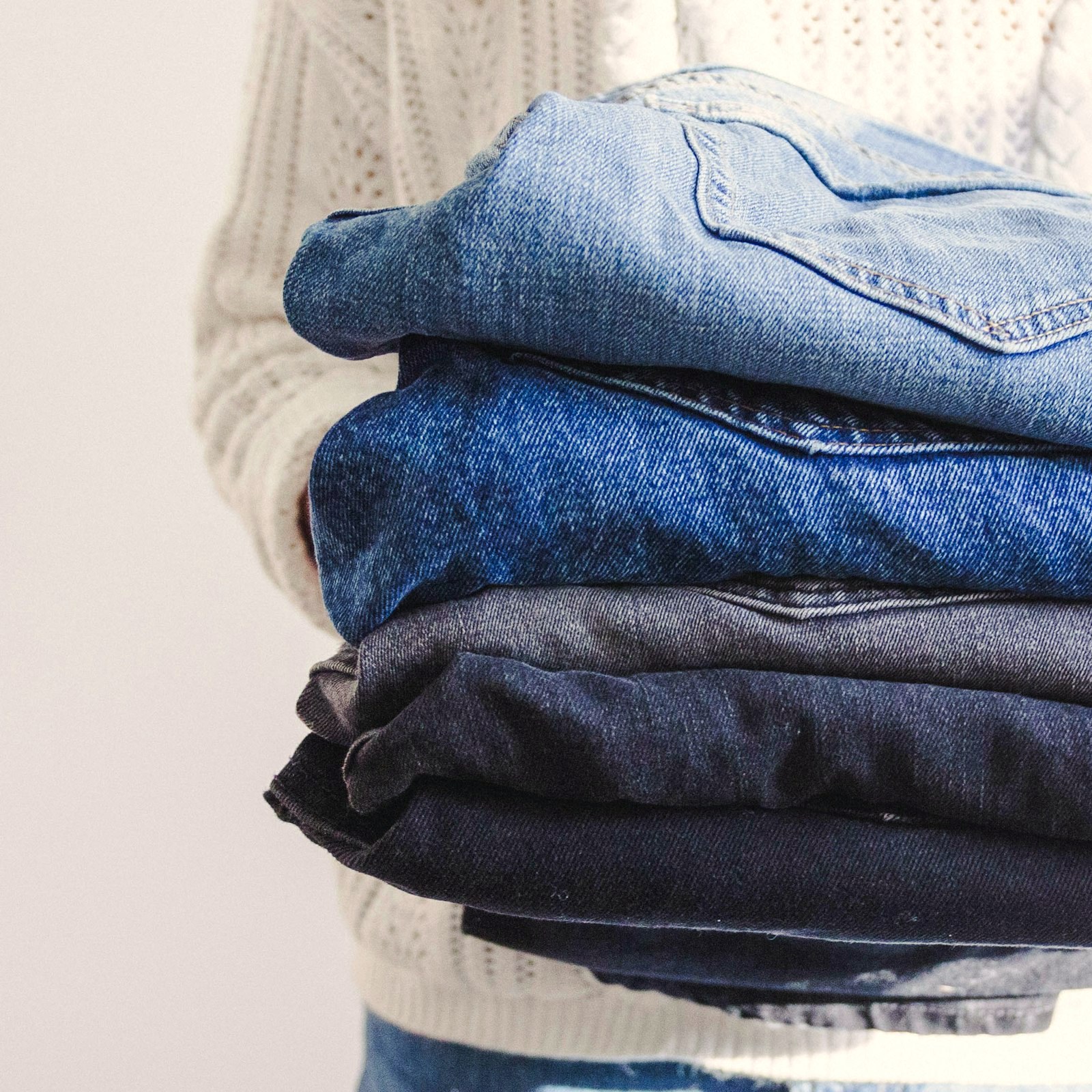
A.P.C.
US price at last check: the Petit New Standard jeans $275 at the maker's store.
The call: the tailored half of the anchor's uniform, sold without theatre, keeping the 83 and the rows from its own page in this series, where our cool brands ranking makes the same call. The jeans remain the reference: stiff Japanese selvedge, a slim-straight cut refined since 1987, fades that reward patience. Around them sits the rest of the look the anchor charges drop prices for, plain sweatshirts, knit polos, loafers, in stock, in every size, at a store that will sell you the same piece next year. What the anchor's defenders call boring is, on this page's basis, the entire point: a uniform is a thing you can repeat. One honesty note: the maker's US price for the Petit New Standard has moved since this series last printed it, and this page prints today's figure, $275. Buy the jeans first and the plain sweatshirt second.
Noah
US prices at last check: the Classic Pocket Tee $58; the Core Classic Hoodie $168 at the maker's store.
The call: the closest relative, and a new brand score set on this page. Noah is the other house built by a Supreme alumnus out of the same New York inheritance, prep and skate and hardcore flyers, and the comparison is instructive because the product is comparable and the model is opposite. The core line is the argument: a Classic Pocket Tee at $58 and a Core Classic Hoodie at $168, heavyweight fleece, recycled cotton tees, sold on the maker's own homepage today, at retail, in sizes. The cloth row believes the fleece, 24 of 30, level with the anchor. What separates the houses is everything around the cloth: Noah publishes its costs, restocks its basics and keeps its prices a clear step under the anchor's, $58 against $85 at the tee. The deductions are range and ceiling: the line is narrow, the tailoring is a sideline, and the knitwear runs to $298. Buy the core fleece here and the anchor loses nothing but the queue.
Stüssy
US prices at last check: the Basic Stüssy Tee $45; the long-sleeve $55 at the maker's store.
The call: the attainable answer, and a new brand score set on this page. Every house in this field descends from the one Shawn Stüssy started by writing his surname on surfboards, and the elder's current offer is the refutation of the drop model standing in plain sight: the Basic Tee at $45, the long-sleeve at $55, a three-pack at $38, in stock on the maker's own store in a full size run, as it has been, in one form or another, for four decades. The cloth is not the anchor's cloth and the row says so, 20 against 24; the construction is honest basics rather than a knitwear programme. What the fit and value rows record is the thing the newer houses treat as impossible: range, availability and a price a first pay cheque repeats without thinking. Buy the basics here without ceremony. The uniform underneath this whole page starts at $45.
Kith
US price at last check: the Kith for the New York Knicks Gold Vintage Jones Tee $75 at the maker's store.
The call: the other New York machine, and a new brand score set on this page. Kith is what the anchor's model becomes at scale: the same Monday-drop scarcity, the same collaboration gravity, run across flagships on three continents with a retail polish nobody else in this field matches. The product is real, a 230 GSM vintage-washed jersey on the $75 Jones Tee linked below, and the construction row credits it. The grading is also the same, because the model is the same: that product page, checked today, shows every size sold out, which is the fit row's 13 and the value row's 8 stated by the merchant itself. Kith finishes above the anchor on range and retail craft, and below the three houses that will simply sell you the clothes. Buy it when the drop calendar and your size agree. A wardrobe cannot be planned around that agreement.
Aimé Leon Dore
US prices at last check: the Unisphere hoodie $195; logo tees $85 to $95; the Linen Knit Crewneck Sweater $295 at the maker's store.
The call: scored in the open at 68, by the derivation printed above, from the line's published record: this site has ranked none of its garments, and the number says so. The case for the anchor is the cloth and the coherence, and both are the best in this field alongside the winner. The Italian linen knit linked below, open-weave and cropped at $295, is a designed garment, not a logo with sleeves; the fleece palette has been copied by every high street in this ranking's skip; the New Balance work revived a silhouette the whole industry now sells. The case against is the transaction. A $195 hoodie that exists for a weekend, a tee at $85 to $95 that trades used for more, a range that empties between seasons: on a basis that grades fit range and value as properties of a wardrobe, the model is the deduction, 12 and 6, the two lowest rows any non-skip house takes on this page. Buy in the store, at retail, when your piece is there. Build the rest of the uniform from the houses above it.

Awake NY
US prices at last check: logo tees about $60; hoodies $165 to $190 at retail.
The call: the neighbourhood version, and a new brand score set on this page. Awake NY is the third house in this field founded by a Supreme alumnus, Angelo Baque, and the one most rooted in the city as it is actually lived: Queens first, community capsules, collaborations that run from Jordan Brand to the Gap collection that put its tees in every mall in America. The prices answer the anchor's directly, logo tees at about $60 against $85 to $95, hoodies a step under $195, because the house treats availability as part of the product. What caps the score is scale and cloth: the seasonal line is small, the fabrics are good basics rather than a programme, and half the range is graphic-led in a way the anchor's uniform is not. Buy the tees and the community pieces here. It is the same city, told by the house that stayed on the corner.
H&M
US price at last check: the Relaxed-Fit Wool-Blend Polo Sweater $49.99; the knit polos and sweaters run $39.99 to $59.99.
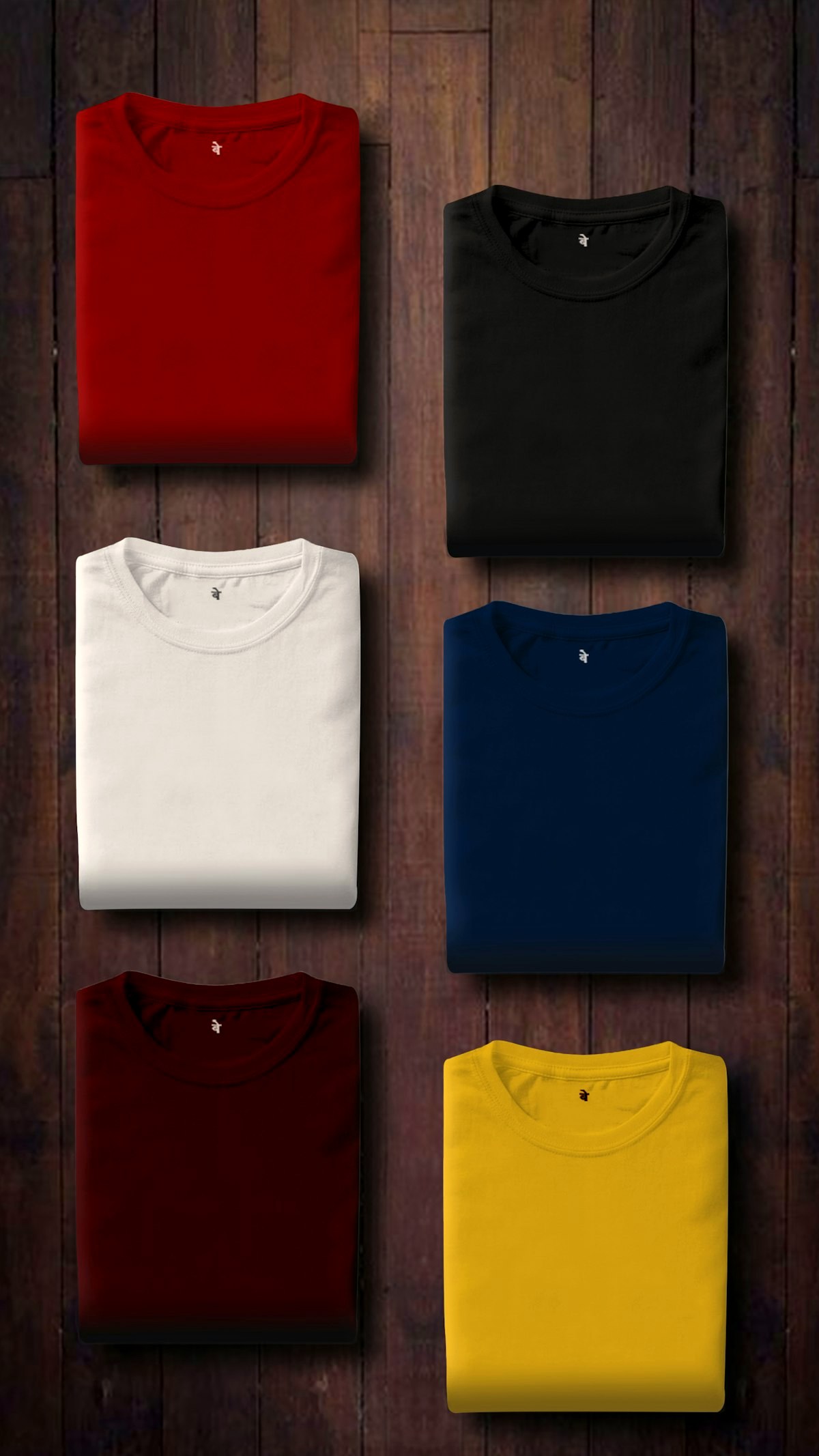
The call: the look, copied, keeping the 38 and the rows from its own page in this series: fabric 9, construction 7, fit range 12, value 7, longevity 3, a number derived in the open there from thirteen garments this site has ranked, the best of them at 48. The exhibit on this page is the wool-blend polo sweater at $49.99, the anchor's café-prep silhouette reproduced in a blended knit at a quarter of the money, and it is a fair copy for exactly one season. That limit is the verdict, and it is not about taste: the longevity row of 3 is the published record of thirteen garments, reported one wash at a time. The anchor's model makes its uniform hard to buy twice. The skip's cloth makes its copy not worth buying twice. Between those two failures sit the five houses above, which is where this page recommends the money go.
The pattern under the ranking
Read the ladder and the New York streetwear economy explains itself: the split is not taste, it is the transaction. The top of the page is held by houses that keep a line in stock, the Parisian elder with thirty-eight years of the same jean, the sibling with its core fleece on sale today, the elder with a $45 tee in every size. The middle is held by the two drop machines, whose cloth matches the top and whose models tax it, in the fit row first and the value row second. The pattern has a second layer, and it is generational: three of these seven houses, the anchor, the sibling and the neighbourhood, were founded by men who came up through one downtown store, and the field they built now sells the same inheritance at three different levels of scarcity. One name is deliberately absent from the table. JJJJound, the Montreal studio, is the purest collaboration-as-brand in the field, and it is not ranked, because there is barely a line to rank: a handful of staples released between other brands' products is a practice, not a wardrobe, and this page scores wardrobes. When you shop this look, run the test the table below is built on: can I buy this piece again, in my size, at this price, next season. The houses that pass it are the ranking.
| Brand | Score | The piece to buy | US price |
|---|---|---|---|
| A.P.C. | 83 | The Petit New Standard jeans | $275 |
| Noah | 77 | The Classic Pocket Tee | $58 |
| Stüssy | 73 | The Basic Stüssy Tee | $45 |
| Kith | 71 | The Vintage Jones Tee | $75 |
| Aimé Leon Dore | 68 | The Unisphere hoodie | $195 |
| Awake NY | 64 | The Classic Outline Tee | About $60 |
| H&M | 38 | None | Knit polos and sweaters $39.99 to $59.99 |
The Skip · 38/100
H&M is this page's named loser, and the charge is specific. Every house above it, including the anchor at 68, is at least selling cloth that survives the look it advertises. The skip sells the silhouette of this page's uniform, the knit polo, the relaxed sweater, the café palette, in blends whose tiredness is a matter of published record on this site: thirteen ranked garments, a mean of 38, a longevity row of 3. The anchor will not sell you its uniform twice, which this page grades as a 6 on value. The skip will sell you its copy every season, because it has to. A wardrobe built on either failure is a subscription. The five houses above the skip are selling the alternative, ownership, and the cheapest of them charges $45.
Which one to buy
If you buy one thing: the A.P.C. Petit New Standard at $275, the tailored anchor of this whole look, bought once and worn for years. If you want the closest relative: Noah, the same inheritance with the core line in stock, the pocket tee at $58 and the hoodie at $168. If the budget is the brief: Stüssy, the uniform's fleece and tee half from $45, in your size, today. If you were really shopping the anchor: buy in the Mulberry Street store or not at all, at retail, and let resale keep its markup; the linen knit at $295 is the piece that justifies the trip. If the city matters more than the silhouette: Awake NY, the Queens telling of the same story at about $60 a tee. The other pages in this family score the mall's taste level in brands like J.Crew, the honest high street in brands like Uniqlo and its other end in brands like H&M, and the anchor's own page-mates are ranked in brands like A.P.C.
Questions, answered
What brand is most like Aimé Leon Dore?
Noah, at 77 on this page. It is the sibling house: same city, same prep and skate inheritance, a founder who also came up through Supreme, and a core line of heavyweight fleece and pocket tees that stays on sale at retail instead of vanishing in a drop. The page is won by A.P.C. at 83, which delivers the tailored half of the same uniform, in stock, all year. Noah is the closest relative. A.P.C. is the steadier buy.
Is Aimé Leon Dore worth the money?
The garment, at retail, mostly yes. The model, no. The cloth is the real thing, Italian linen knits and heavyweight fleece that took 24 of 30 on our fabric row, the best mark in this field alongside A.P.C. What fails is repeatability: logo tees at $85 to $95 and hoodies at $195 sell through in days, and the resale market then charges a second price for the same fleece. Our value row gives the house 6 of 15, the lowest on this page above the skip. Buy the core pieces in the store, at the till price, or buy the look from the houses above it. Never pay resale for a basic.
Why is Aimé Leon Dore so hard to buy?
Because scarcity is the distribution strategy. The line is sold mainly through seasonal drops at the brand's own two New York stores and its website, with a thin wholesale layer at a handful of retailers. Core pieces restock irregularly and whole categories disappear between seasons. On this page that model is not celebrated; it is graded, in the fit range row, because a size run that exists for a weekend is not a size run, and in the value row, because a price you cannot actually pay at retail is not the price.
What is the cheapest way into the Aimé Leon Dore look?
Build the uniform, not the logo. The look is navy, grey and cream fleece, a plain cap, loafers or a clean retro runner, and one tailored piece to keep it honest. Stüssy sells the fleece and tee half of that uniform from $45, in stock, in every size, and has done for forty years. A.P.C. sells the tailored half, the Petit New Standard jean at $275, as a five-year purchase rather than a weekend one. The two together cover the anchor's whole silhouette at prices a working wardrobe can repeat, which is the test this page runs.
Why is H&M the skip on a page about New York street brands?
Because it is where this search ends when the budget collapses, and its record is published. The 38 is not an opinion sampled from a rail: it is derived in the open on its own page in this series from thirteen garments this site has ranked, with the mean at 38. Its version of this look is a wool-blend polo sweater at $49.99, the café-prep silhouette copied in a blended knit, and its longevity row of 3 is what thirteen ranked garments reported. The copy is not the crime; the cloth is. A look built on layers that tire in a season has to be bought every year.
How this ranking stays honest
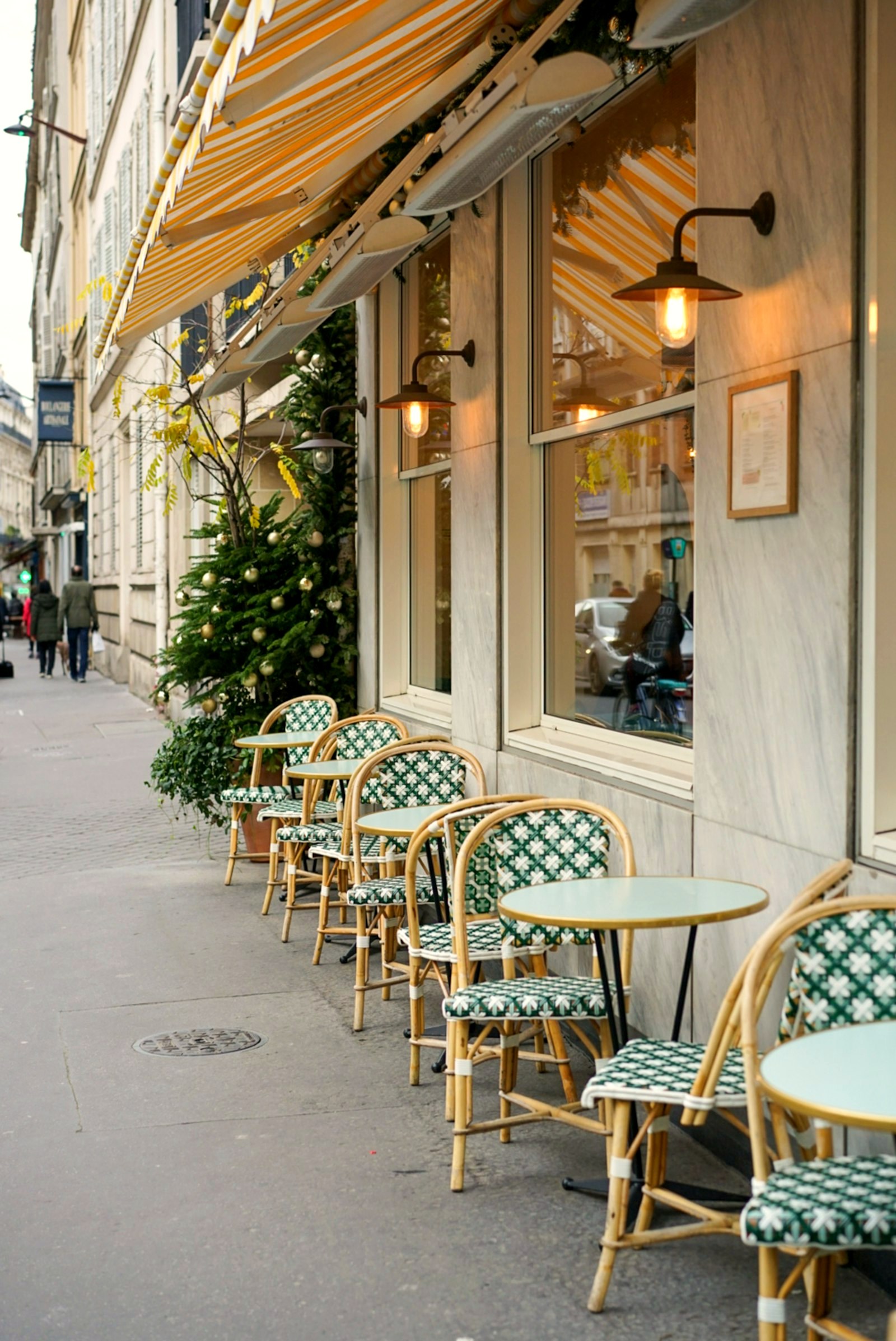
Scores follow our published methodology and are re-checked on the cadence in the byline. Two scores on this page are standing scores reproduced with their rows: A.P.C.'s 83 from its own page in this series, and H&M's 38, derived in the open on its own page from thirteen ranked garments. The other five brand scores are new on this page and are labelled as such in their calls. The anchor's 68 carries the plainest label of all: no Aimé Leon Dore garment has been ranked on this site, the score rests on the line's published record as the method section states, and it will be re-derived in the open when a garment is ranked. Prices are US prices at last check, from the makers' own stores where they publish them: the anchor's band from its own site's current listings, Noah's core from its homepage shop, Stüssy's from its basics collection, Kith's from the product page linked in its card, which today shows every size sold out, and A.P.C.'s jean at $275, a figure that has moved since this series last printed it and is flagged here rather than quietly inherited. The photography is this magazine's licensed scene photography from our own bank; no brand's campaign or lookbook imagery is used anywhere on the page, and the bank holds no frame of the anchor's own café room, so the terrace photograph in its card stands for the culture the brand built, not for the address. When a maker changes cloth, price or model materially, the score moves and the move is noted here.