

The Charles Tyrwhitt want is a proper dress shirt, collar standing, cuff right, cloth with some ply in it, bought four at a time at a price that does not insult the cloth. The ranking below scores who else sells that, and who sells the Jermyn Street address instead.
Checked and updated October 2026
The verdict, up front: the anchor stands sixth at home, and the page it anchors is won by the house that invented its category. Brooks Brothers takes the page at 77, keeping the standing score and rows set for it earlier in this series. Kamakura Shirts, scored as a brand for the first time here and derived in the open, stands at 76 and takes second on a tie, its fabric row of 24 beating the 22 of Spier & MacKay, which keeps its standing 76 in third. Suitsupply keeps its 74 and J.Crew its 73. Charles Tyrwhitt stands at 65, the score derived in the open on the Spier & MacKay page and audited in the open below: the best shirt library on the page, graded as a whole house, suits included. The skip is T.M.Lewin at 51, derived in the open: the 1898 story, sold by a company that has been through administration twice since 2020.
What people actually want from Charles Tyrwhitt
Nobody searches for brands like Charles Tyrwhitt because they need a shirt. They search because a house founded in 1986 by Nicholas Charles Tyrwhitt Wheeler, mail order first and Jermyn Street since 1997, made the office shirt a system: choose the weave, choose the collar, choose among four fits, choose the sleeve length, buy four, and the arithmetic lands at $74.75 a shirt against a $129 to $139 list. The want is a dress shirt with the shirtmaking left in, a collar that stands up under a jacket, a cuff that sits right, two-ply cotton with the weave named, at a multibuy price that treats the buyer like an adult. The ceiling is real, and this page names it before the anchor's card can be accused of hiding it. The list price is theatre, and everyone in the theatre knows it. The core range leans on non-iron finishes that trade the cloth's breath for a crease-free morning. And beside the shirts sits a suit ladder, $450 to $800, whose construction the house does not publish, priced into territory where its rivals print their canvas on the product page.
The alternatives below are graded on the three tests this search is really asking. Is the collar built or boarded: fused or unfused interlining, stays of brass or plastic, a roll that survives the jacket or a point that lies down by lunch? Is the cloth published: twofold counts and weaves printed where the buyer can read them, or a silence where the specification should be? And is the library real: fits and sleeve lengths that serve actual bodies, at a multibuy or list price whose arithmetic is printed honestly rather than performed?
How the scores work
Every brand here is scored on the house basis for this series: fabric and cloth out of 30, construction and craft out of 20, fit range and sizing honesty out of 20, value out of 15, longevity out of 15. Four scores on this page are standing scores, reproduced with their rows from the pages that set them, because a score that changes from page to page is marketing. Brooks Brothers' 77, Spier & MacKay's 76, Suitsupply's 74 and J.Crew's 73 are printed in full on the Brooks Brothers page, the Spier & MacKay page and the J.Crew page. The anchor's 65 is a standing score of a particular kind: it was derived in the open on the Spier & MacKay page, from the anchor's two garment records on this site, and this page does not re-derive it. It audits it, in the open, in the paragraph below, the way this series treats an anchor whose number was set elsewhere. Two scores are new on this page, derived in the open from the published record: Kamakura's 76 and T.M.Lewin's 51, each argued row by row on its card.
The audit of the anchor, then, from its record. Charles Tyrwhitt's garment evidence on this site is two shirts, both scored 74: the non-iron twill in our performance dress shirt ranking, the cotton control that beat that field on credibility, and the Oxford in our Oxford ranking. The brand rows grade the whole house, suits included, and they were built on the Spier & MacKay page as follows. Fabric 18: two-ply cotton shirting with the weaves published, honest cloth for shirts, docked because the suit cloth runs to unnamed Super counts and the core range leans on non-iron finishes. Construction 12: the shirts finished properly for the money, brass collar stays among them, the suits unpublished in canvas and docked for the silence. Fit 15: four shirt fits with a collar and sleeve matrix that is the best shirt library in this series, docked because the suits run boxy. Value 11: the multibuy price is the real price and it is fair, docked because the $129 list is theatre. Longevity 9: founded in 1986 and traded continuously since, the shirts holding up in rotation, the suits not decade garments. Add them: 18, 12, 15, 11, 9. The brand score is 65, confirmed from the record up, and the multibuy arithmetic it rests on was re-checked today at the maker's own store: four shirts for $299, $74.75 each, exactly as the derivation printed it. When a third Tyrwhitt garment is ranked on this site, the audit will be printed again.
Two names are answered in the open rather than ranked. Eton, the Swedish shirtmaker working since 1928, holds a garment record on this site, and the record is a warning about category errors: its Filo di Scozia T-shirt was sent home at 61 in our white T-shirt ranking, beautiful cloth at an indefensible $225. A T-shirt is not evidence about a dress shirt, and this page will not build a brand score for a shirt house out of one. On the evidence that does exist, Eton's dress shirts, the Signature Twill at $270 in the US at this check, are a different purchase from anything ranked here: one Eton shirt costs what three and a half Tyrwhitt multibuy shirts cost. A reader shopping at Eton money is not cross-shopping Jermyn Street multibuys, so Eton is named, priced, and left unranked rather than graded on evidence this desk does not hold. And Banana Republic keeps its standing 69, graded in full on its own page: its tailoring argued on the Spier & MacKay page of this series, its shirt rail an afterthought of a chinos and tailoring house, rested here with the reason printed.
Seven brands like Charles Tyrwhitt, ranked
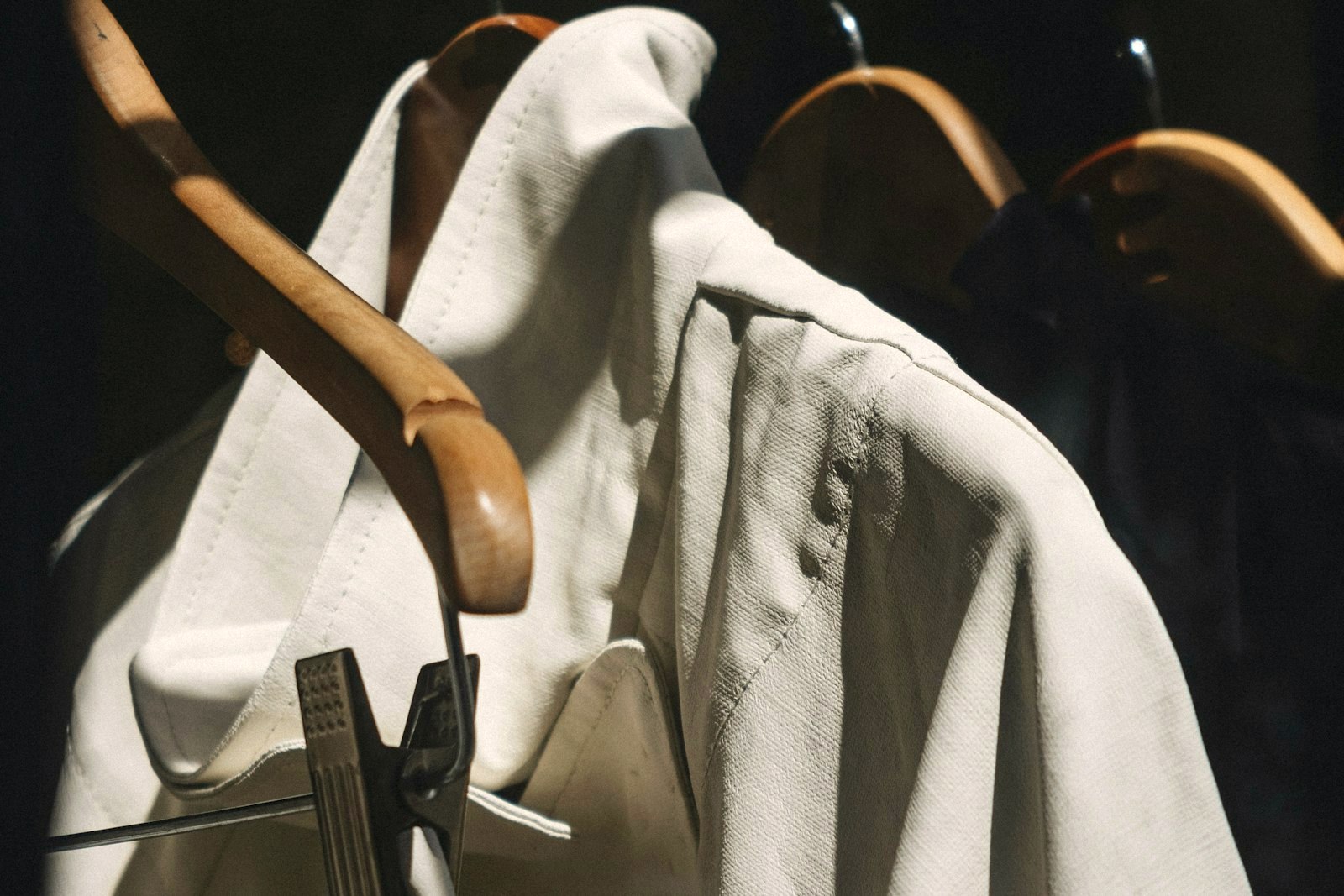
Brooks Brothers
US price at last check: the Original Polo Button-Down Oxford about $120 at full price, as printed in our Oxford ranking.
The heritage shirtmaker: the collar this category is measured against, invented in 1900, and the depth no multibuy house can counterfeit.
Brooks Brothers wins the shirtmakers' page the way it won its own: on the benchmark and the depth behind it. The benchmark is the Original Polo button-down Oxford, the collar this house invented in 1900, which scores 84 as a garment in our Oxford ranking, where this site's own explainer prints that its unlined roll is still scored a perfect 20 for collar. Around that one shirt stands the deepest shirt library in American retail: dress, sport and formal shirts across four fits, a non-iron line, the upmarket Black Fleece memory and a range the multibuy houses cannot cover. Its garment evidence beyond the Oxford runs across this site, down to the cotton Oxford boxers that won our boxers ranking at 83. The 77 and its rows, fabric 22, construction 17, fit 17, value 10, longevity 11, are reproduced exactly from the pages that set them.
The deductions are the ones this series always prints. The value row of 10 is the split house: the icons fairly priced at list, the outlet-made lines and parts of the non-iron rail trading on the name with thinner cloth and fused collars where the benchmark's is unlined, and the 77 grades the mainline, not the Factory rail. On a shirt page the gap to the anchor is the honest summary: the anchor sells a better library and a fairer multibuy; this house sells the collar the library is measured against, and two centuries of shirts that outlasted their makers' intentions. Buy the benchmark Oxford at list without regret, and the rest on the promotions that run most weeks.
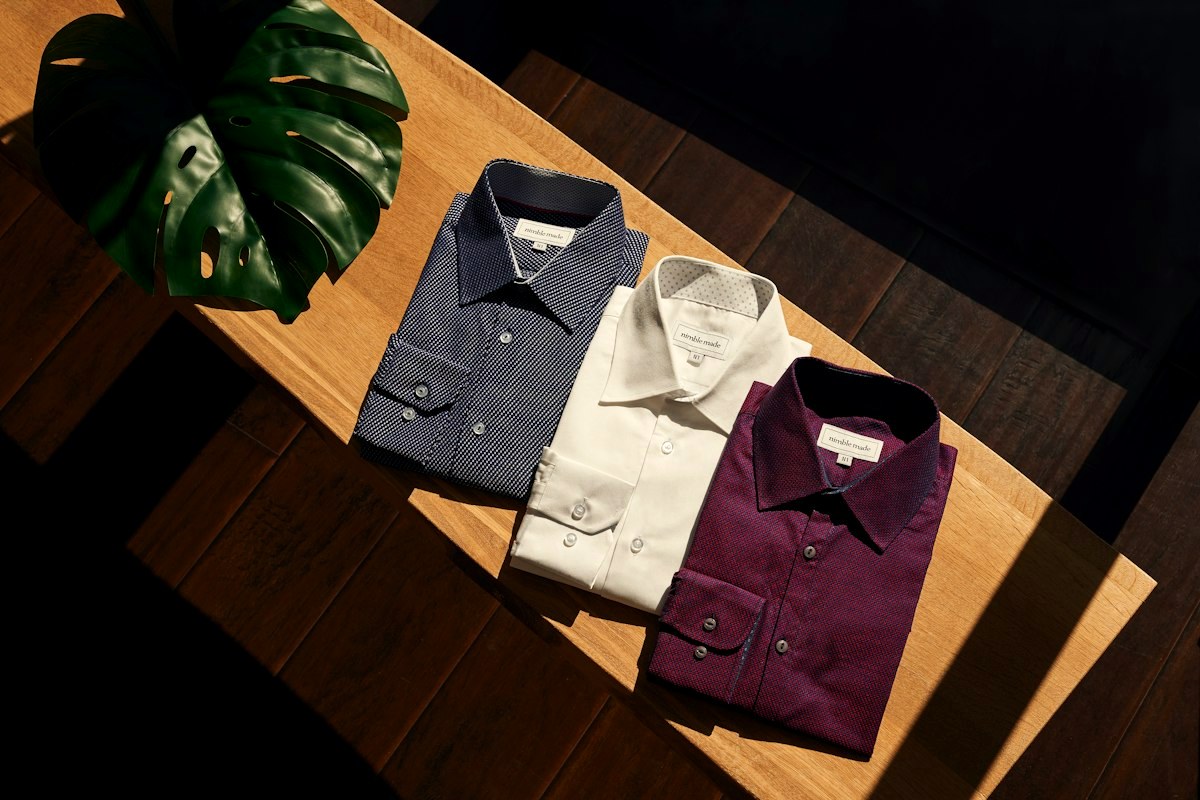
Kamakura Shirts
US prices at last check: the Oxford $99 to $130, as printed in our Oxford ranking; the maker's global store now prices its easy-care lines at $150.
Derived in the open on this page: a shirts-only house from Kamakura, Japan, whose Oxford is the highest-scoring garment on this site.
Kamakura had never been scored as a brand on this site, so its number is built here, and it starts from the strongest single garment record this desk holds: its Oxford button-down won our Oxford ranking outright at 93, fabric 28, collar and construction 19, fit 18, value 13, longevity 15 on that ranking's basis, the shirt the others are measured against. A garment score is evidence, not a brand score, so the brand rows are built from that record plus what the house publishes about itself, and the house publishes more than anyone on this page: its own comparison pages print collar length, collar height, interlining and button spacing to the millimetre. Fabric 24: Japanese-milled cotton with the weaves and counts argued in the open, the Oxford cloth that graded 28 of 30 as a garment, docked because the house's best-selling easy-care line, J-Tech, wraps its cotton around a recycled polyester core by the maker's own account, so the range is not the pure cotton story the Oxford tells. Construction 17: every shirt made in Japan, shell buttons, the Oxford's interlining soft and non-fused and printed as such, docked because the spread dress shirts publish a fused interlining, so the unfused story belongs to the button-down, not the whole house. Fit 12: four cuts, Tokyo and New York in Classic and Slim, a real library for a shirts-only house, docked because the patterns are Japanese, the sleeves run short on tall frames, and the US route is a global storefront with duties settled at checkout. Value 12: the winning Oxford at $99 to $130 and a house that does not discount, docked because the global store now prices the easy-care lines at $150. Longevity 11: founded in 1993 by Yoshio Sadasue, garments our Oxford coverage calls decade shirts, three decades of testimony and not twelve. Add them: 24, 17, 12, 12, 11. The brand score is 76.
The tie with Spier & MacKay at 76 is broken the way this series breaks ties, on the fabric row, 24 against 22, and the ruling is printed in the questions below so the next tie is broken the same way. What Kamakura sells that nobody else here does is refusal: no non-iron theatre in the core line's story, no multibuy arithmetic, no suits, no knitwear rail, one product made in one country to one standard since 1993. The reader whose Tyrwhitt want is really about the cloth, the collar roll and the making should start here, accept the narrower library and the cross-border checkout, and buy the Oxford that beat the benchmark by nine points.

Spier & MacKay
US price at last check: the Oxford $55 to $70, as printed in our Oxford ranking.
The anchor of its own page, keeping its standing 76: the shirt as one part of a published specification, at the best value row at the top of this page.
Spier & MacKay keeps the score and rows audited in the open on its own page of this series: 76, fabric 22, construction 15, fit 17, value 13, longevity 9. Its shirt evidence on this site is direct: the Oxford scored 85 in our Oxford ranking, a point above the Brooks Brothers benchmark garment, at $55 to $70, roughly half the benchmark's price and well under the anchor's multibuy figure. Around the shirt sits the dressed wardrobe this desk has graded garment by garment, the tropical wool trousers that won our wool trouser ranking at 87 and the high-rise chino that won our chino ranking at 84, with the construction printed on the product pages rather than implied by the photography.
On a shirtmakers' page its placing argues itself. The fit row of 17 is the widest library here that is honestly priced, and the value row of 13 is the best at the top of this page: the Oxford at $55 to $70 needs no multibuy, no four-shirt commitment and no list-price theatre to reach its price. The deductions stand as its own page printed them: construction at 15, finishing that is honest and a step below the winner's best mainline work, and longevity at 9, a house founded in 2010 whose garments have worn well for fifteen years and have not yet had the decades. It loses the tie to Kamakura on cloth alone, which is the correct size of the difference between a very good shirt programme inside a tailoring house and a house that makes nothing else.
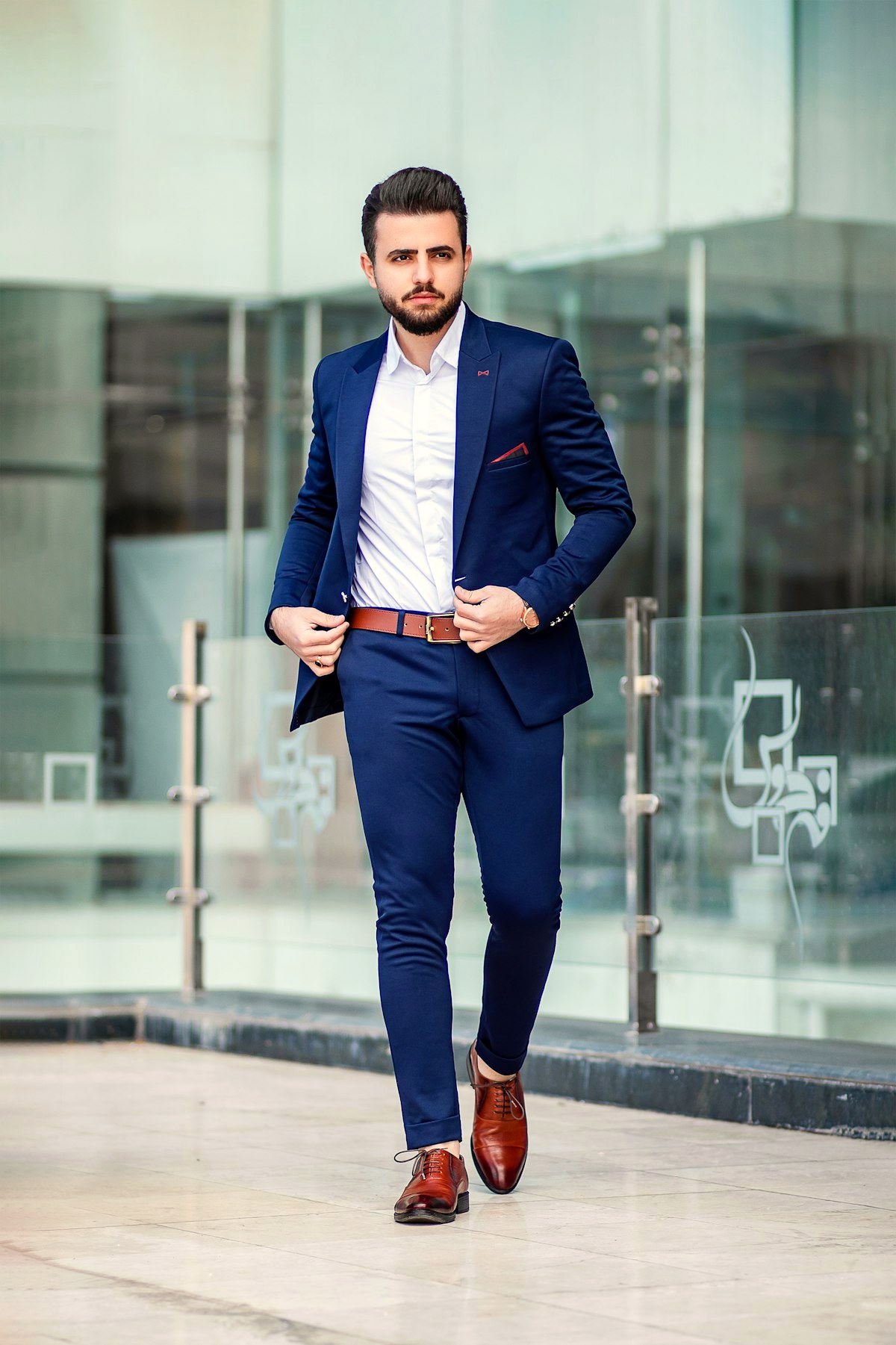
Suitsupply
US prices at last check: shirts from $99, as printed on the Spier & MacKay page of this series; suits around $499 at the Lazio rung.
Derived in the open on the Spier & MacKay page and kept here: the specification wager at industrial scale, shirts included, with stores to try them in.
Suitsupply keeps the 74 and the rows derived in the open on the Spier & MacKay page: fabric 23, construction 16, fit 15, value 10, longevity 10. The fabric row is the highest standing row on this page, earned the way it was earned there: the mills named on the product pages themselves, compositions and fabric codes printed beside the price. Its garment evidence on this site is the Perennial trouser at 83 in our wool trouser ranking, the same mill's tropical wool as the winner's. The shirting sits inside that system: Traveller and dress shirts from $99 at this check, in named cloth, cut on the house's slim-leaning patterns, sold in stores where a reader can put one on under a jacket before paying.
The deductions travel with the score. The shirting argues less well than the suiting at its price, as its derivation printed: $99 and up buys the anchor's multibuy shirt and a third of another, and the fit library, wide across the wardrobe, runs slim in the shirts with a size advisor this desk has flagged steering buyers wrong. What the score cannot capture is the infrastructure, stores, tailors, an easy return, and on a shirt page that infrastructure matters less than on a suit page, because a shirt is the easiest garment in the wardrobe to buy blind. Fourth is where those two facts land: the strongest cloth story among the standing scores, priced a rung above the houses it beats.
J.Crew
US prices at last check: the shirt rail runs on the store's promotion calendar, list prices set to be cut most weeks, as this series has printed of the house throughout.
The convenience answer, keeping its standing 73: a broad shirt library in a store everywhere, graded on the shirts its better cloth reaches.
J.Crew keeps the score and rows set earlier in this series and reproduced exactly: 73, fabric 21, construction 15, fit 17, value 12, longevity 8, printed in full on its own page. Graded on its shirts, the case is the library and the top of the cloth ladder: dress and casual shirts across slim, classic and tall fits in every mall in America, with the Ludlow line reaching for named Italian cloth, Thomas Mason among the mills the house buys for its better shirts, the same impulse that put Tollegno wool on the Ludlow Traveler suit this series graded on the Spier & MacKay page. For the reader whose Tyrwhitt want is partly about convenience, a shirt today, in hand, in his size, this is the answer that requires no shipping window and no multibuy commitment.
The deductions are the calendar and the ladder's lower rungs. The list price is an opening bid on everything in the store, shirts included, so the value row of 12 grades the price actually paid in the promotion weeks, not the one printed on the tag. Below the named-cloth pieces, the shirt cloth goes quiet, house cottons and blends with no mill printed, collars fused as the price point expects. And the longevity row of 8 prints a house that re-cuts its fits with the decades. Buy the Ludlow shirts in the named cloth, on promotion. At list, the anchor's multibuy beats it; below the named cloth, the anchor's core range beats it too.
Charles Tyrwhitt
US prices at last check: shirts list at $129 to $139; the multibuy is four shirts for $299, $74.75 each; suits $450 to $800.
The anchor, its 65 audited in the open above: the best shirt library on this page, inside a whole-house grade its suit sideline drags down.
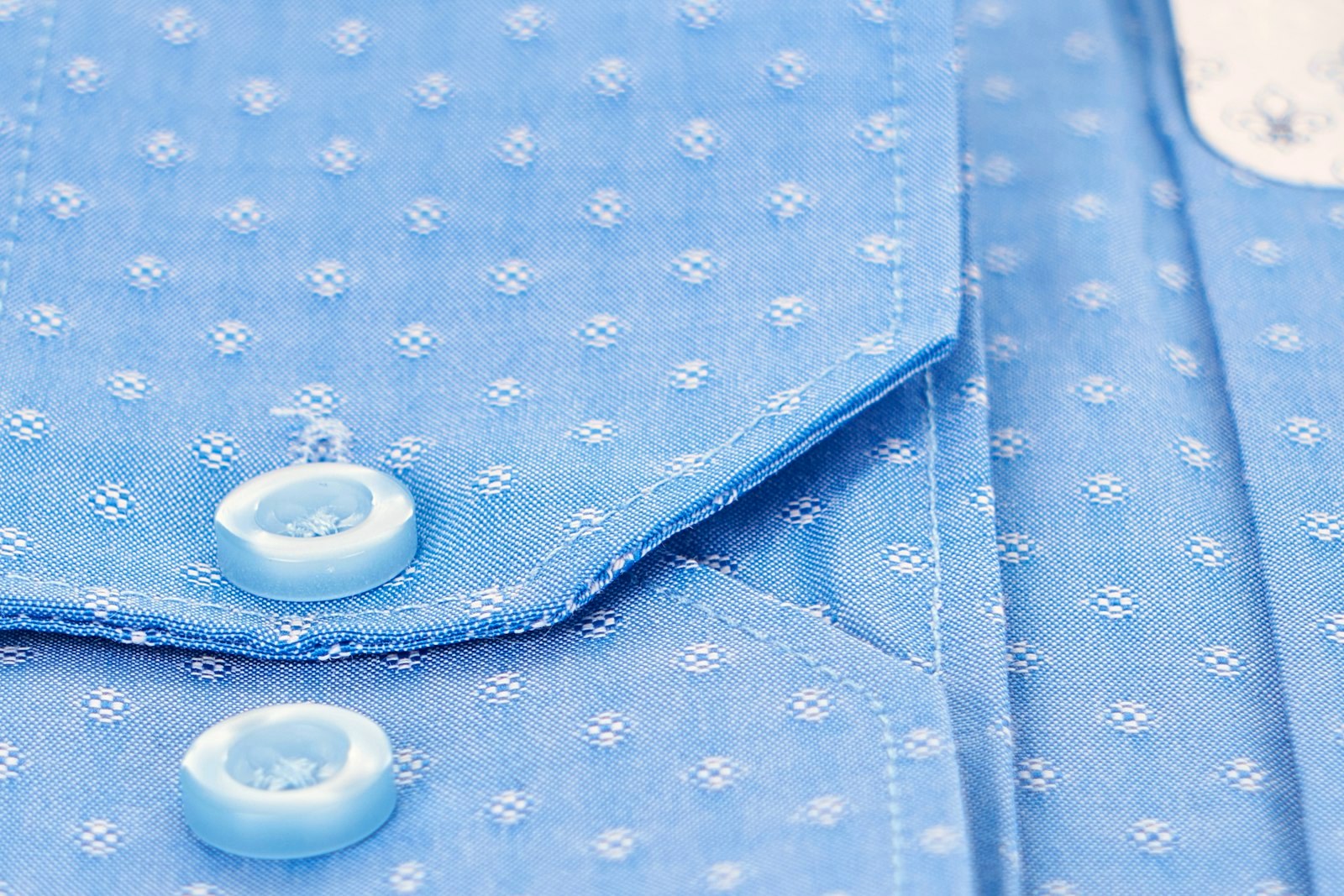
The anchor's number was built on the Spier & MacKay page and is audited in the method section above; this card prints the fairness the placing needs. Start with the arithmetic, re-checked today at the maker's own store. The shirts list at $129 to $139. Four at list would cost $516 to $556. The standing multibuy is four shirts or polos for $299, which is $74.75 a shirt, and that figure, not the list, is the price this page grades. At $74.75 the buyer gets the two garment records this site holds, both 74s: a non-iron twill that won the credibility argument in our performance dress shirt ranking and an Oxford that scored 74 in the Oxford ranking, finished with brass collar stays, in four fits with the collar and sleeve matrix that remains the best shirt library in this series. As a shirt shop, this house out-serves half the page.
The 65 is what happens when the grade covers the whole house, and the house insists on selling suits. Fabric 18 docks the unnamed Super counts in the suit cloth and the non-iron finishes the core shirts lean on. Construction 12 is the suit ladder's silence: $450 to $800 for tailoring whose canvas story the house does not itemise, on a page where the houses above it print theirs. Fit 15 holds the library's excellence against suits that run boxy and a range that is slim only in parts. The reader who buys the shirts four at a time and ignores the tailoring rail gets more than 65 points of house. The reader who buys the whole wardrobe here gets exactly what the score says. Both readers are told so on the same card, which is what the audit is for.
T.M.Lewin
UK prices at last check, at the maker's own store: shirts list at £65, £37.50 each on the four-shirt multibuy; US shoppers are served from that storefront.
The skip, derived in the open: the 1898 Jermyn Street story, sold by a house that has been through administration twice since 2020.
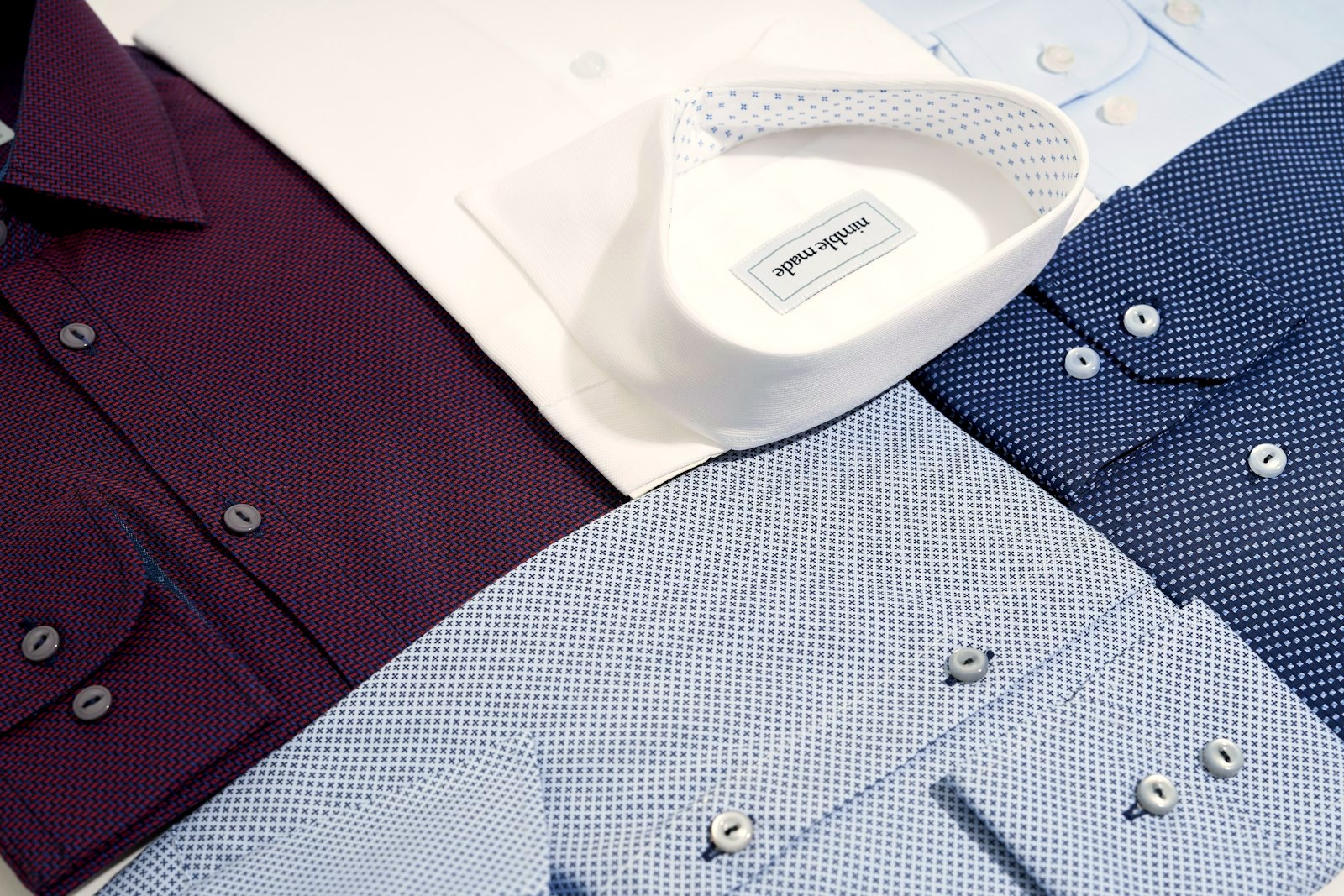
The skip on this page is a provenance verdict, and the provenance is a matter of public record, checked today. T.M.Lewin was founded in 1898, the house that gave the modern shirt its coat-front form, a Jermyn Street name with a genuine claim on this category's history. In June 2020 it closed all 66 of its remaining stores and entered administration. It was bought out, relaunched online in May 2022, and fell into administration a second time that same year before being restructured under new ownership. It returned to the high street in April 2025 and now runs a handful of stores against the 150 it operated at its peak. The rows grade what that record does to a shirt score. Fabric 14: the core non-iron lines publish a two-ply cotton and, on the Oxford, a 125gsm weight, honest specification for the money, docked because counts go unpublished across most of the range and the blends multiply as the range widens into casualwear. Construction 10: fused collars across the non-iron core, shirts made in Vietnam, metal collar stiffeners a genuine plus at the price, finishing at the floor the multibuy funds. Fit 13: four fits on paper, regular, slim, fitted and super fitted, a real library, docked because the US reader is served from a UK storefront, with the shipping and returns friction that follows a shirt across the Atlantic. Value 9: £37.50 a shirt on the four-shirt multibuy is the cheapest Jermyn Street arithmetic here, docked for the £65 list theatre above it and the landed cost of reaching it from the US. Longevity 5, the row the whole card turns on: the name is 127 years old, and the company has existed in its current form since 2022, its garments unproven under the ownership that sells them. Add them: 14, 10, 13, 9, 5. The brand score is 51.
Set it against the anchor and the argument completes itself. Both houses sell a Jermyn Street shirt at a multibuy price under a list price nobody pays. One of them has been continuously answerable for its shirts since 1986, publishes its weaves, and has traded from the same street since 1997. The other is a revival: the name, the street and the 1898 story purchased out of administration, twice, and reattached to a range whose own managing director describes formal clothing as about half the business now. A Lewin shirt will not fall apart on your back. What it will not do is cash the cheque its heritage writes. The skip is the house whose story is worth more than its shirts, and on this page that is the most expensive kind of shirt there is.

The pattern under the ranking
Read the ladder as one argument about what a shirt house is answerable for. The top of the page is answerable for a garment: a benchmark collar in production since 1900, an Oxford that won its ranking at 93, a specification printed on product pages by a house that also sells the trousers to match. The middle is answerable for a system: named mills at scale, a mall library on a promotion calendar, and the anchor's own machine, four fits and a multibuy, honest about its shirts and silent about its suits. The bottom is answerable for a story. Lewin's shirts are not the worst-made on this page by construction; its construction row beats nothing here but its fabric is published in places and its multibuy is cheap. What it cannot produce is a company that has stood behind a shirt continuously within living memory of its own founding myth. In shirtmaking, where the product is a promise repeated four at a time, twice a year, for a decade, the house's continuity is part of the garment. The scores are that fact, measured seven times.
The second pattern is the multibuy itself. The anchor's $74.75 and Lewin's £37.50 are the same invention, and this page grades them oppositely, which is the point: a multibuy is a loan the buyer makes to the house, four shirts of trust extended up front, repaid one wearing at a time. Against a house that has traded since 1986, the loan is sound and the value row says so. Against a house in its third ownership since 2020, the same arithmetic is a risk the price does not disclose. The per-shirt figure is never the whole price. The house is the rest of it.
| Brand | Score | The piece to buy | Price |
|---|---|---|---|
| Brooks Brothers | 77 | The Original Polo Button-Down Oxford | $120 |
| Kamakura Shirts | 76 | The Oxford button-down | $99 to $130 |
| Spier & MacKay | 76 | The Oxford | $55 to $70 |
| Suitsupply | 74 | A Traveller shirt, then a Lazio suit | $99 |
| J.Crew | 73 | The Ludlow shirt in named cloth, on promotion | On promotion |
| Charles Tyrwhitt | 65 | The non-iron twill shirt, on the multibuy | $74.75 |
| T.M.Lewin | 51 | None | £37.50 |
The Skip · 51/100
T.M.Lewin. The oldest story on the page, told by its youngest company: founded 1898, in administration in 2020 and again in 2022, relaunched under new ownership with the Jermyn Street heritage intact and the continuity gone. A multibuy is a loan of trust to the house. This page does not lend to a house that has twice stopped paying its own rent.
Which one to buy
Buy the heritage: Brooks Brothers (77), for the benchmark Oxford and the deepest shirt library in America.
Buy the cloth: Kamakura Shirts (76), for the Oxford that won its ranking at 93, made in Japan, if your frame fits its patterns and your patience fits its checkout.
Buy the specification: Spier & MacKay (76), the Oxford at $55 to $70 with no multibuy required, and the dressed wardrobe around it. Buy the infrastructure: Suitsupply (74), when a store and a fitting matter more than the last points of price. Buy the convenience: J.Crew (73), the Ludlow shirt in named cloth, on promotion, never at list. Buy the system: Charles Tyrwhitt (65), the shirts four at a time at $74.75, and leave the suits to the clearance weeks. The rest of the family: brands like Brooks Brothers, brands like Spier & MacKay, brands like J.Crew and brands like Banana Republic.
Questions, answered
What brand is most like Charles Tyrwhitt?
Spier & MacKay, at 76 out of 100 in this ranking: the same direct, specification-first wager, run from Toronto, with an Oxford that scored 85 in our Oxford ranking at $55 to $70 against the anchor's multibuy arithmetic. The cloth-first answer is Kamakura Shirts, also 76, derived in the open on this page, which takes second place on the fabric row: a Japanese shirtmaker whose Oxford won our Oxford ranking outright at 93. The heritage answer is Brooks Brothers, which wins this page at 77 on two centuries of depth and the benchmark collar. The honest answer includes the anchor itself: at the multibuy price of $74.75 a shirt, Charles Tyrwhitt's library of four fits and its collar and sleeve matrix remain the most convenient shirt rail here, which is why it holds 65 despite everything its card prints.
Is Charles Tyrwhitt worth it?
At the multibuy price, yes; at list, no, and the house's own arithmetic prints the split. The shirts list at $129 to $139. Four at list would cost $516 to $556. The standing multibuy is four shirts for $299, which is $74.75 a shirt, and $74.75 buys a properly finished two-ply cotton shirt with brass collar stays in the best fit library on this page, in four fits with a collar and sleeve matrix. Its two garments ranked on this site both scored 74. What is not worth it is the tailoring beside the shirts: a $450 to $800 suit ladder whose canvas construction the house does not publish, graded on its card as the sideline it is. Buy the shirts four at a time. Never buy one at list, and leave the suits to the clearance weeks.
Charles Tyrwhitt or T.M.Lewin: which Jermyn Street house should I buy?
Charles Tyrwhitt, and on this page it is not close: 65 to 51. The two houses sell the same sentence, a proper Jermyn Street shirt at a multibuy price, and both run list prices nobody is meant to pay, $129 to $139 at Tyrwhitt against £65 at Lewin, where four shirts cost £150 on the multibuy. The difference is what stands behind the sentence. Tyrwhitt, founded in 1986, has traded continuously since, publishes its weaves, fits its shirts in four fits with brass collar stays, and holds two garment scores of 74 on this site. Lewin, founded in 1898, closed all 66 of its stores in administration in June 2020, was bought out, fell into administration a second time in 2022, and relaunched online that year; the house selling the shirts today is a revival trading on the name, and its current range is roughly half casual clothing by its own management's account. The 1898 story is real history. It is not evidence about the shirt in the box.
Why do Kamakura and Spier & MacKay tie, and why does Kamakura take the place?
Both stand at 76, and the tie is genuine: two direct houses, each graded from its record, landing on the same total by opposite routes. Spier & MacKay's rows are fabric 22, construction 15, fit 17, value 13, longevity 9: the broader library and the better value, from a house founded in 2010. Kamakura's, derived in the open on this page, are fabric 24, construction 17, fit 12, value 12, longevity 11: the finer cloth and the finer making, from a shirts-only house founded in 1993, docked on the fit library its Japanese patterns and global storefront impose. This series breaks ties on the fabric row, because cloth is the row a shirt cannot argue its way out of, and 24 beats 22. Kamakura takes second, Spier & MacKay third, and the ruling is printed here so the next tie is broken the same way.
Why is T.M.Lewin the skip?
Because it sells the oldest story on this page with the least standing behind it, and its score of 51, derived in the open on its card, is built from the public record. The house was founded in 1898 and closed every one of its 66 stores in administration in June 2020. It was bought out of administration, fell into administration again in 2022, and relaunched online in May of that year under new ownership; it returned to the high street in April 2025 with a handful of stores against the 150 it ran at its peak. The shirts themselves are fused-collar non-iron product at a £65 list and a £37.50 multibuy, made in Vietnam, with the range's energy visibly elsewhere: formal clothing is about half the business now, by its own managing director's account. None of that makes a Lewin shirt unwearable. It makes the Jermyn Street premium, the 1898, the invented-the-coat-shirt heritage, a price charged for a company that no longer exists. Buy the anchor's shirts instead, from a house that has been continuously answerable for them since 1986.
How this ranking stays honest
Four scores on this page are standing scores, reproduced with their rows from the pages that set them: Brooks Brothers' 77, Spier & MacKay's 76, Suitsupply's 74 and J.Crew's 73. The anchor's 65 is also a standing score, of the audited kind: derived in the open on the Spier & MacKay page from two garment records, and audited in the open in the method section above, rebuilt argument by argument from the same record, the audit landing where the standing score stands. Two scores are new and labelled as such wherever they appear: Kamakura's 76 and T.M.Lewin's 51, each derived in the open from the published record argued on its card, and each open to re-derivation when another garment from those houses is ranked here. One name is answered in prose and left unranked for a stated reason: Eton, whose only garment record on this site is a T-shirt, and whose dress shirts at $270 are a different purchase from the multibuy rail this page grades. Garment scores quoted on this page, 93, 85, 84, 83 and 74, belong to the garments and to the rankings that set them; brand and garment are kept separate throughout. Prices were re-checked today: the anchor's multibuy was read off current offer tracking against the maker's store and stands at four shirts for $299; Kamakura's Oxford band stands as our ranking printed it, with the maker's global store now pricing its easy-care lines at $150, read off that store today; Lewin's £65 list and four-for-£150 multibuy were read off its own UK storefront today, and its two administrations and 2025 return to the high street from the trade press coverage of the revival. Three doors are what they are and are named: Brooks Brothers, Spier & MacKay, Suitsupply and J.Crew link to the makers' storefronts, as they do elsewhere in this series, Kamakura's follows the verified category door our Oxford ranking uses, the anchor's is the exact product page this series has linked since the Spier & MacKay page, and Lewin's is its UK formal-shirts category, the storefront US shoppers are actually served from. The photography is this magazine's licensed bank photography throughout; no brand's campaign imagery is used, and the bank holds no frame of these houses' factories, so the photographs stand for the register, as the captions say. When a maker changes cloth, price or model materially, the score moves and the move is noted here.