
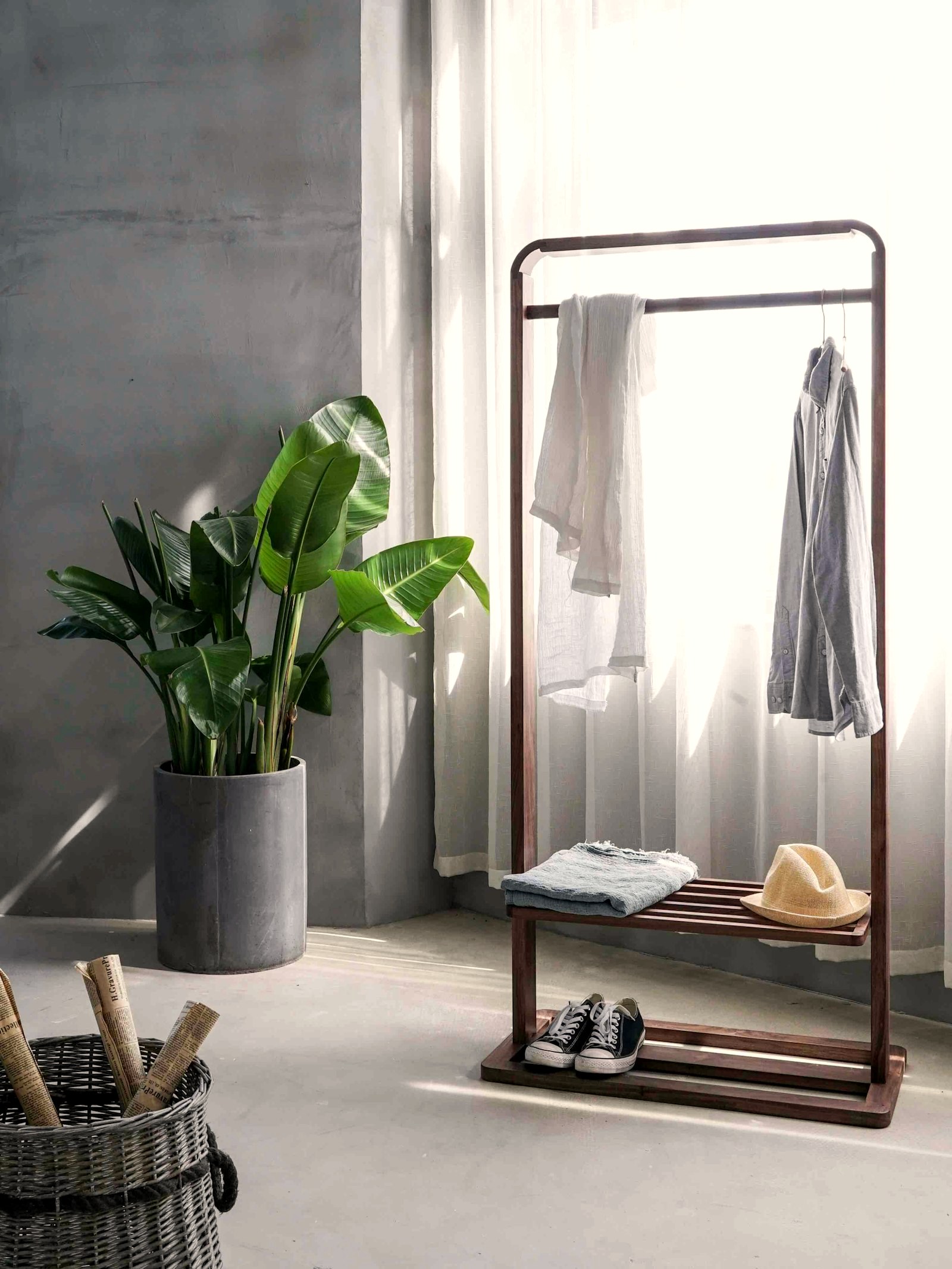
Quiet luxury is a rail, not a logo wall. Twenty brands ranked on cloth, construction and what a stranger can actually read off your chest.
Checked and updated October 2026
The short version: quiet luxury has one rule, and our capsule wardrobe states it plainly: if you can read the brand, it fails. Judged on that rule, plus cloth, construction and arithmetic, the winner is Auralee (94/100), the Tokyo house whose fabrics nobody at any price clearly beats. The attainable winner is Asket (92), level with Comoli (92) and a fraction of the cost. Sunspel (85) is the door in for a normal budget. And the famous name to skip finishes last: The Row (70), a label with no logo anywhere on its clothes, because at its prices the price itself has become the logo. The best-known competing list of quiet luxury brands names twenty-eight houses with no prices, no scores and no branding audit. This one ranks twenty of them with all three, and explains the eight it cut. Scores follow our published methodology. For the pieces themselves, thirteen scored and totalled three ways, see our quiet luxury capsule wardrobe.
Quiet luxury is the most abused phrase in menswear, so here is the working definition this ranking uses, the same one our capsule wardrobe is built on. The quality should be visible from arm's length. The brand should be invisible from across the room. What is left when the lettering is gone is a hierarchy anyone can check: fabric first, then construction, then fit, then colour. A brand that follows it earns a high score here. A brand that sells the phrase while printing its name on the chest earns the audit column below, which is this page's original data: every entry graded on visible branding, none, tonal or loud, next to its price band. No competing list prints that column, because most of the names on those lists would fail it.
Every brand is scored out of 100 under our published methodology: fabric and materials 30, construction and craft 20, fit range and sizing honesty 20, value 15, longevity 15. Where a brand already carries a score on one of our country rankings, that score is carried here unchanged; this page does not quietly renumber its own magazine. The set starts from the twenty-eight names on the best-known competing list. Twenty are ranked. Eight are cut, with the reasons printed at the bottom, because a list that keeps everything teaches nothing. Prices are US dollars at last check and move with seasons and exchange rates; the bands are honest ranges, not false precision.
The ranking at a glance
Scores follow the methodology above. Prices are the typical US price of the key piece at last check, and the branding grade is our audit: what a stranger across the room can read off the garment. The reasoning for every line is in the entry below it.
| Brand | Score | Key piece | Typical price | Visible branding | The call |
|---|---|---|---|---|---|
| Auralee | 94 | Super Fine Wool rib knit | $600 to $800 | None | The winner |
| Asket | 92 | The T-Shirt | $70 | None | The attainable winner |
| Comoli | 92 | The washed silk shirt | $400 to $600 | None | The insider's uniform |
| Luca Faloni | 91 | The cashmere crewneck | $200 to $650 | None | Quiet luxury, fairly priced |
| Brunello Cucinelli | 88 | The cashmere crewneck | $900 to $4,000 | Tonal | The ceiling |
| Zegna | 87 | The overshirt | $450 to $2,800 | Tonal | The mill that dresses itself |
| Stòffa | 87 | The knit polo | $150 to $450 | None | Made to measure, quietly |
| Studio Nicholson | 86 | The volume trouser | $250 to $900 | None | Architecture you can wear |
| Loro Piana | 85 | The knit polo | $600 to $6,500 | None | The fibre aristocracy |
| Sunspel | 85 | The classic T-shirt | $95 to $400 | None | The door in |
| Margaret Howell | 84 | The mainline shirt | $200 to $900 | None | The gardener's tailoring |
| Canali | 83 | The Kei soft jacket | $250 to $2,800 | Tonal | The reliable suit |
| Velasca | 83 | The leather loafer | $260 to $500 | None | Milanese value, direct |
| LESTRANGE | 82 | The 24 Trouser | $150 to $450 | None | One trouser, perfected |
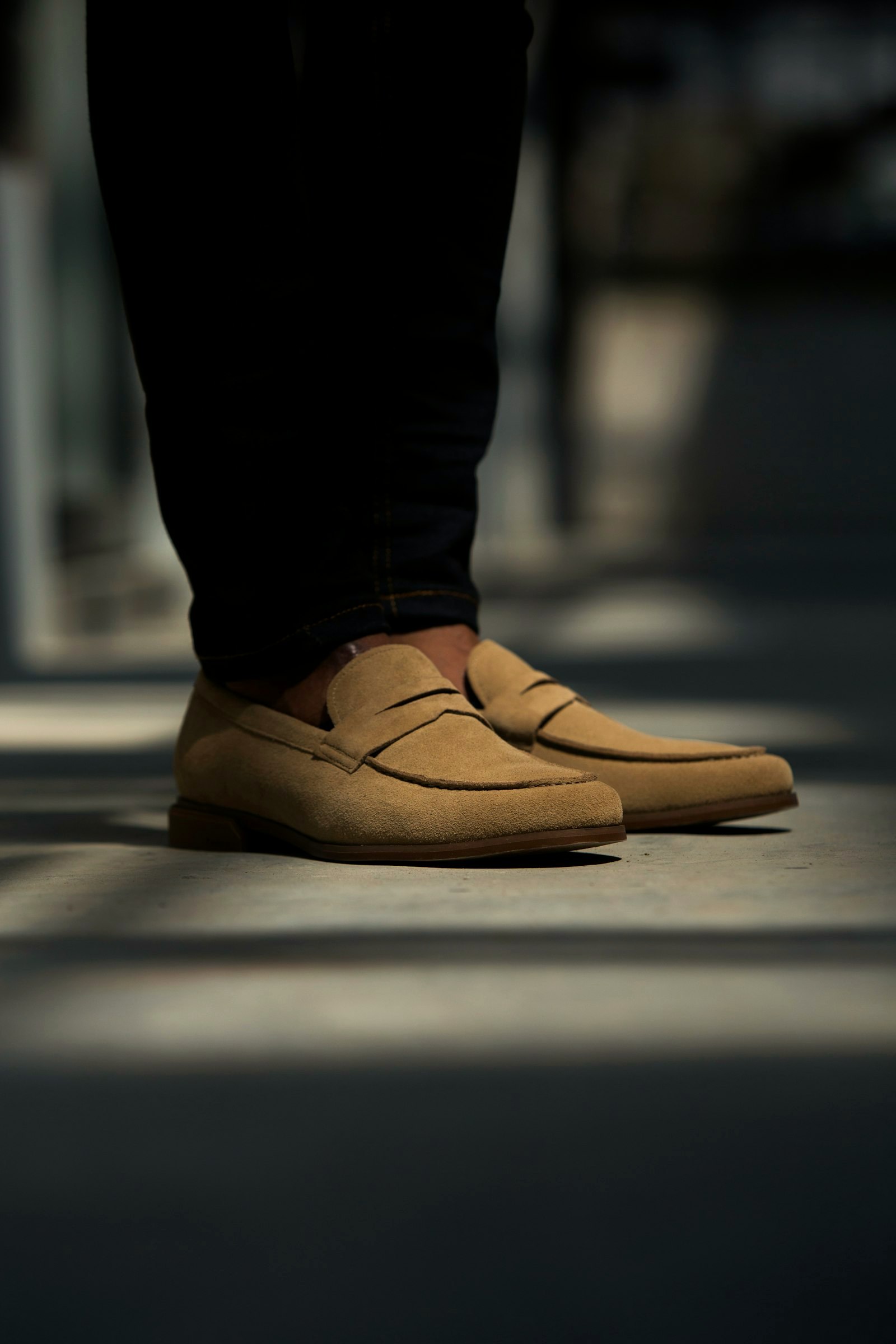
| Myrqvist | 82 | The suede loafer | $300 to $400 | None | Welted shoes, direct |
| John Lobb | 82 | The Lopez loafer | $1,100 to $2,500 | None | The bench aristocracy |
| Hermès | 80 | The crewneck sweater | $500 to $5,000 | Tonal | Superb cloth, absurd arithmetic |
| Jil Sander | 75 | The white shirt | $300 to $2,000 | Loud | Minimalism, with a logo line |
| Bottega Veneta | 74 | The intrecciato leather goods | $700 to $4,500 | Tonal | The weave is the signature |
| The Row | 70 | The plain knit | $500 to $4,000 | None | Skip it: the price is the logo |
The logo audit
Three grades, applied to what the brand actually sells, not to its campaign photography. None means a stranger across the room cannot tell whose garment it is: fourteen of the twenty pass clean. Tonal means the signal exists but whispers, a stitched mark the colour of the cloth, a buckle letter, a weave that initiates recognise: five brands sit here, and on most garments they read as none. Loud means lettering or a monogram meant to be read at distance, and exactly one brand on this list earns it, which tells you something about the category. The audit does not add or remove points. It is printed beside the price because the two numbers together answer the only question quiet luxury asks: is the money in the cloth, or in the signal? Read down the last two columns of the table and the ranking explains itself. The most expensive signals on this page are not logos at all.
The Top Five
1. Auralee: the quiet summit
Best for: knitwear and cloth of a quality the Paris houses charge double for. Key piece: the Super Fine Wool rib knit. Price band: $600 to $800 for core knits at the official store, coats well above that. Score: 94/100.
Fabric 29/30 · Construction 19/20 · Fit range 17/20 · Value 14/15 · Longevity 15/15
Ryota Iwai founded Auralee in Tokyo in 2015 on a single discipline: develop the fabric first, from the raw fibre up, and let the garment be whatever the cloth wants. The result is the highest fabric score in this magazine, and the brand that tops our Japanese ranking tops this one too, with the same number. There is no branding anywhere on the clothes, not a stitch of it, and the prices, while serious, sit well below the European houses whose fabric Auralee quietly matches or beats. This is the standard the rest of the page is measured against. Verdict: if one quiet luxury purchase is the whole plan, it is a knit from here. The full entry lives in our ranking of Japanese clothing brands for men.
2. Asket: the attainable winner
Best for: the whole base wardrobe, bought once and refined forever. Key piece: The T-Shirt, $70 at the official store. Price band: $70 to $680 at last check, tees to the wool coat. Score: 92/100.
Fabric 25/30 · Construction 18/20 · Fit range 20/20 · Value 14/15 · Longevity 15/15
Asket, founded in Stockholm in 2015, refuses the basic mechanics of fashion: no seasons, no drops, one permanent collection improved garment by garment, every piece carrying a published breakdown of what it cost to make. The sizing is the most honest in menswear, dozens of sizes in three lengths, which is why the fit score is a perfect 20, the only one in this magazine's brand rankings. On a quiet luxury list full of four-figure knitwear, the number two spot belongs to a $70 T-shirt with nothing printed on it, and that is not a quirk of the scoring. It is the scoring working. Verdict: start here. Its full entry leads our ranking of Scandinavian clothing brands for men.
3. Comoli: the insider's uniform
Best for: washed, softened wardrobe staples in fabrics that feel lived in from the first wear. Key piece: the washed silk shirt. Price band: $400 to $600 at last check. Score: 92/100.
Fabric 28/30 · Construction 18/20 · Fit range 17/20 · Value 14/15 · Longevity 15/15
Keijiro Komori founded Comoli in Tokyo in 2011 to make the clothes he could not find: everyday garments, shirts, knits, easy tailoring, cut a little generous and washed until the cloth relaxes, in natural fibres with nothing on them but a button. Japanese stylists wear it the way chefs wear their own knives, without thinking about it. The honest catch is access. Comoli runs no direct online store for our readers; pieces move through mail order and a short list of stockists, which is why there is no buy link under this entry. A ranking that prints a guessed link is worse than one that prints none. Verdict: the connoisseur's pick of this list. If a stockist has your size in the silk shirt, the decision is already made.
4. Luca Faloni: quiet luxury, fairly priced
Best for: cashmere and linen bought direct from the people who make it, at prices with no boutique markup inside. Key piece: the cashmere crewneck. Price band: $200 to $650 at last check. Score: 91/100.
Fabric 26/30 · Construction 18/20 · Fit range 17/20 · Value 15/15 · Longevity 15/15
Luca Faloni founded his label in London in 2014 and makes everything in Italy, selling direct so that a cashmere crewneck costs what cashmere and construction actually cost. The value score is the only perfect 15 in this ranking, and it is earned by comparison: the same grade of knit at the ceiling brand below costs three times as much. Nothing carries a visible mark. This is the label our Italian ranking already puts first, carried here with its number unchanged, because a research platform does not grade the same house twice and publish both answers. Verdict: the first cashmere you buy should be from here. Full entry in our ranking of Italian clothing brands for men.
5. Brunello Cucinelli: the ceiling
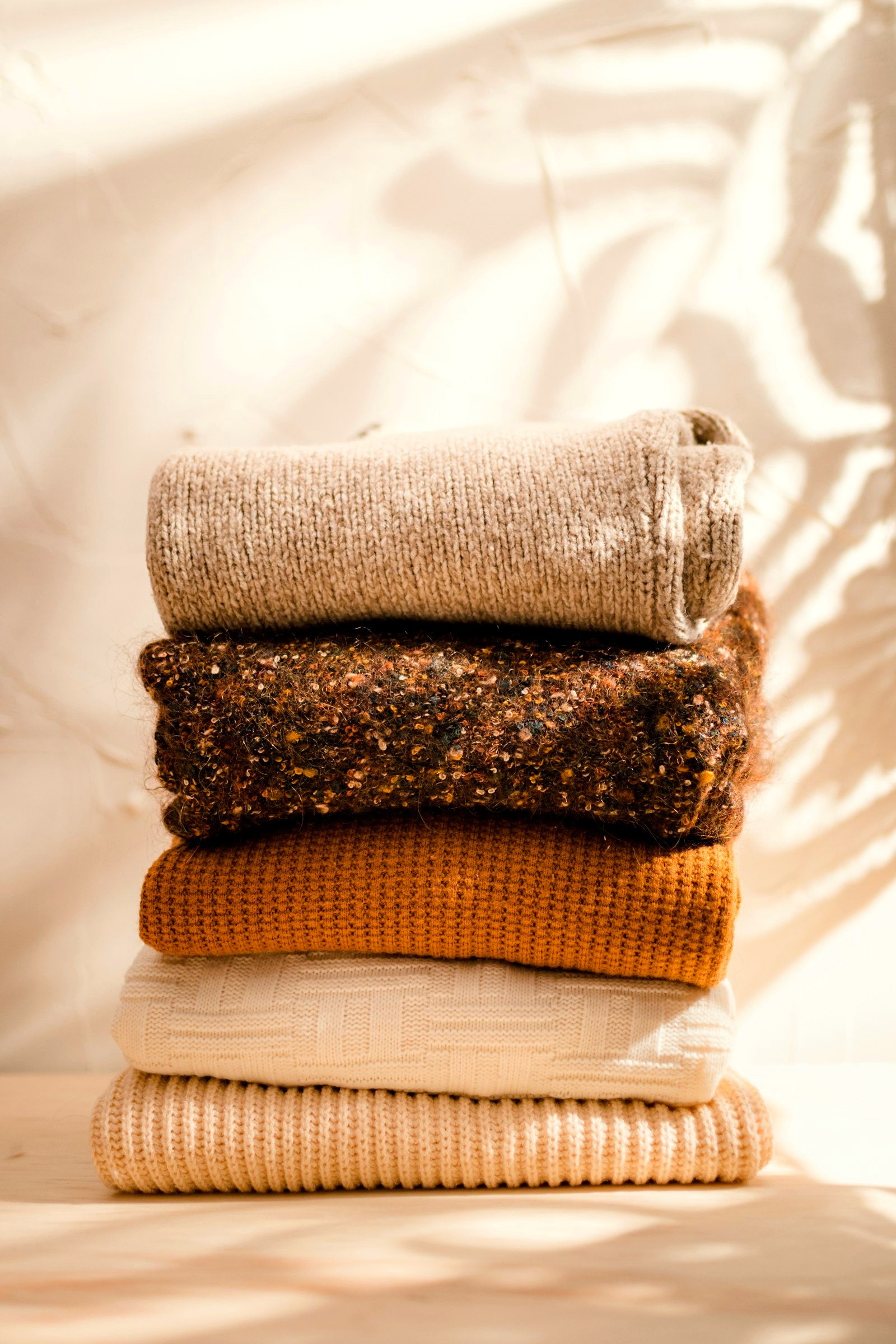
Best for: the finest cashmere in the business, bought by readers for whom the price is a detail. Key piece: the cashmere crewneck. Price band: $900 to $4,000 and beyond at last check. Score: 88/100.
Fabric 28/30 · Construction 19/20 · Fit range 15/20 · Value 11/15 · Longevity 15/15
The house Cucinelli rebuilt the hamlet of Solomeo around is the ceiling of this category: cashmere graded and knitted as well as it is done anywhere, construction to match, and a philosophy of gentle luxury that predates the trend by decades. The audit grade is tonal rather than none because a small crest appears on some knits, embroidered in the colour of the cloth; on most pieces there is nothing to read at all. What holds the score at 88 is arithmetic, not quality. The same money buys the Faloni knit three times over, and the ranking has to say so. Verdict: buy it when the price genuinely does not matter to you. Until then, it is the standard, not the purchase.
See it at Brunello Cucinelli →
The Quiet Core
6. Zegna: the mill that dresses itself
Best for: overshirts, knitwear and soft tailoring cut from cloth the house wove itself. Key piece: the overshirt, in Zegna cloth. Price band: $450 to $2,800 at last check. Score: 87/100.
Fabric 27/30 · Construction 19/20 · Fit range 16/20 · Value 11/15 · Longevity 14/15
Zegna has run its own wool mill since 1910, and the vertical habit shows: the fabric scores sit a point behind the two fibre aristocrats and ahead of everyone else, because the house is grading its own homework and the homework is excellent. The modern range, overshirts, knit polos, unstructured jackets in washed neutrals, is quiet luxury aimed at men who still dress for an office. The audit mark is tonal: a triple stitch and an occasional small sign on the sportier lines, invisible on the tailored core. Verdict: buy the overshirt and the knits. The mill is the argument.
7. Stòffa: made to measure, quietly
Best for: knit polos, band-collar shirts and trousers made to your measurements at ready-to-wear patience. Key piece: the knit polo. Price band: $150 to $450 at last check. Score: 87/100.
Fabric 26/30 · Construction 18/20 · Fit range 17/20 · Value 12/15 · Longevity 14/15
Agyesh Madan founded Stòffa in New York in 2014 after years inside Neapolitan tailoring, and built the label on a simple refusal: no seasons, no logos, no inventory theatre, just a tight range of shirting, knitwear and trousers, much of it made to measure at prices the tailoring world considers a rounding error. The fit score reflects the model; when a brand asks for your measurements instead of your size, the fit argument mostly settles itself. There is no buy link under this entry because we could not verify the official store from our desk this session, and the rule about guessed links has no exceptions for brands we admire. Verdict: the insider's New York answer on this list. Book the measurement, buy the polo.
8. Studio Nicholson: architecture you can wear
Best for: volume trousers and modular basics with a designer's discipline behind them. Key piece: the volume trouser. Price band: $250 to $900 at last check. Score: 86/100.
Fabric 26/30 · Construction 18/20 · Fit range 17/20 · Value 11/15 · Longevity 14/15
Nick Wakeman founded Studio Nicholson in London in 2010 and designs the way an architect draws: a modular wardrobe of wide trousers, boxy shirts and clean outerwear in a palette of navy, stone and off-white that has barely moved in fifteen years. Nothing carries branding. The clothes are the recognisable part, which is the audit's ideal outcome and the reason this label sits inside the top eight of a list it shares with century-old houses. Prices ask designer money, which the value score records without resentment. Verdict: buy the trousers first. They are the silhouette half the high street is quietly copying.
9. Loro Piana: the fibre aristocracy
Best for: knitwear in fibres most labels cannot buy at any price. Key piece: the knit polo, or the Summer Walk loafer. Price band: $600 to $6,500 at last check. Score: 85/100.
Fabric 28/30 · Construction 19/20 · Fit range 14/20 · Value 9/15 · Longevity 15/15
Loro Piana's claim is raw material: baby cashmere, vicuña, fine merino lots bought at auction and knitted in its own mills, with a fabric score level with Cucinelli and a construction score to match. The clothes themselves are deliberately plain to the point of anonymity, which the audit rewards with a clean none. What the score prices is everything around the cloth: a narrow fit range, prices that treat a polo as a financial instrument, and ownership by the largest luxury group on earth, however invisible the hand. Verdict: the knitwear is real and the arithmetic is not. Buy it knowing exactly which of those two you are paying for.
10. Sunspel: the door in
Best for: T-shirts, polos and underwear-adjacent basics perfected over a century and a half. Key piece: the classic T-shirt. Price band: $95 to $400 at last check. Score: 85/100.
Fabric 24/30 · Construction 17/20 · Fit range 18/20 · Value 13/15 · Longevity 13/15
Sunspel has made underwear and T-shirts in Nottingham since 1860, developed its own long-staple cottons, and put its Riviera polo on a certain spy, all without once printing its name across a chest. It is the cheapest door into this entire ranking that still counts as walking through it: a three-figure entry price, honest sizing, cloth with a reason to exist. The fabric score sits below the knitwear aristocrats because cotton jersey, however fine, is not baby cashmere. The value score says the rest. Verdict: if the top of this list is a someday purchase, this is the today one. Buy the tee and the polo, and the wardrobe has started.
11. Margaret Howell: the gardener's tailoring
Best for: natural-fibre shirts, knitwear and workwear-inflected tailoring in a palette of earth and stone. Key piece: the mainline shirt. Price band: $200 to $900 at last check. Score: 84/100.
Fabric 25/30 · Construction 17/20 · Fit range 16/20 · Value 11/15 · Longevity 15/15
Margaret Howell has dressed Britain's quiet dressers since the 1970s, and the formula has barely moved because it never needed to: Scottish knitwear, Irish linen, British cotton, cut loose and honest, made much of it in her own London factory. Longevity scores a clean 15 because the clothes are designed to be repaired and reworn rather than replaced, and the audit finds nothing to grade but none. Designer prices are the standing deduction, as they are for every independent house on this page. Verdict: buy the shirts and the knitwear. This is quiet luxury with the longest track record in Britain.
The Institutions and the Specialists
12. Canali: the reliable suit
Best for: soft tailoring and the one suit a young professional can defend at any price meeting. Key piece: the Kei soft jacket. Price band: $250 to $2,800 at last check; suits cluster near $1,300 to $2,500. Score: 83/100.
Fabric 25/30 · Construction 17/20 · Fit range 17/20 · Value 11/15 · Longevity 13/15
Canali has tailored in Italy since 1934 and remains family-run, which shows in the consistency: the Kei jacket's soft shoulder and clean chest are the same garment season after season, and the range covers a full wardrobe rather than a mood. The audit grade is tonal for the small embroidered sign that appears on some casual pieces; the tailoring itself carries nothing. It sits mid-table because the cloth, while very good, is a grade below the mills above it, and the design hand is deliberately conservative. Verdict: the suit pick of this list. Reliability is a form of quiet.
13. Velasca: Milanese value, direct
Best for: Goodyear-welted shoes made in Montegranaro, sold without the heritage markup. Key piece: the leather loafer. Price band: shoes $260 to $500 at last check. Score: 83/100.
Fabric 24/30 · Construction 17/20 · Fit range 15/20 · Value 14/15 · Longevity 13/15
Velasca is the shoe half of the direct-to-consumer argument Luca Faloni makes for knitwear: designed in Milan, bench-made in the Marche shoe district, priced at roughly half the heritage equivalent, with no branding on the shoes themselves. The value score of 14 is the second highest in this ranking, and it is the reason a shoe specialist holds a top-half place on a wardrobe list. The range has widened into clothing in recent seasons; the shoes remain the reason to go. Verdict: buy the loafers. At this price, welted construction is not supposed to exist, and it does.
14. LESTRANGE: one trouser, perfected
Best for: the elastic-waist trouser in suit cloth that ends the daily what-to-wear negotiation. Key piece: The 24 Trouser. Price band: $150 to $450 at last check. Score: 82/100.
Fabric 23/30 · Construction 16/20 · Fit range 17/20 · Value 13/15 · Longevity 13/15
This London label built its name on a single idea, the 24 Trouser: tailored cloth, an elasticated waist, nothing on the outside to announce either. The range around it, knitwear, overshirts, the 24 Jeans, follows the same essentialist discipline, and the company repairs every garment free, for life, which is the longevity argument made by policy instead of by copy. Press lists call it a quiet luxury brand; this page scores it instead, and the score says the trousers carry a catalogue that is still narrow. Verdict: buy the trouser in navy. It is the most wearable idea on this page.
15. Myrqvist: welted shoes, direct
Best for: Goodyear-welted shoes without the heritage-brand markup. Key piece: the suede loafer. Price band: $270 to $450 at last check. Score: 82/100.
Fabric 24/30 · Construction 17/20 · Fit range 16/20 · Value 12/15 · Longevity 13/15
Myrqvist was founded in Stockholm in 2016 to test a claim printed on its own homepage: premium footwear without the premium price tag. The shoes are designed in Stockholm and handmade in Portugal, Goodyear-welted so they can be resoled, in suedes and leathers chosen a grade above the price, with no branding on the product. It shares this ranking's shoe-specialist slot with Velasca above and John Lobb below, and the three together map the whole honest price ladder of a welted shoe: direct, direct, and aristocracy. Verdict: the value shoe of this list. Its full entry sits in our Scandinavian ranking.
16. John Lobb: the bench aristocracy
Best for: the Lopez loafer and ready-to-wear shoes from the Northampton bench tradition. Key piece: the Lopez loafer. Price band: $1,100 to $2,500 at last check. Score: 82/100.
Fabric 27/30 · Construction 20/20 · Fit range 14/20 · Value 6/15 · Longevity 15/15
John Lobb has made footwear since 1866, and its Northampton workshop produces the construction benchmark of this entire ranking: a perfect 20, earned the slow way, one pair at a time. The Lopez, seventy-five years old and still the loafer other loafers are graded against, carries no branding a stranger could read. The ranking's pushback is the same as it is for every aristocrat here. The fit range is a shoemaker's, narrow by nature, and the value score of 6 records what a bench-made shoe costs in 2026. Verdict: buy one pair when the money is real, resole it for decades, and let the cost-per-wear section below do the defending.
17. Hermès: superb cloth, absurd arithmetic
Best for: knitwear and shirting of undeniable quality, for the reader who has stopped reading price tags. Key piece: the crewneck sweater. Price band: $500 to $5,000 at last check. Score: 80/100.
Fabric 28/30 · Construction 19/20 · Fit range 14/20 · Value 4/15 · Longevity 15/15
Nothing in this entry disputes the making. Hermès fabrics score level with the fibre aristocracy, the construction is a point behind the best on the page, and the clothes will outlast their owners. The audit grade is tonal: an H lives on hardware and the occasional detail, hardware being the operative word; the ready-to-wear itself keeps its counsel. The score is the value line doing its job in public. A value mark of 4 is what happens when a sweater costs what a month of rent costs, however honest the sweater. Verdict: admire it accurately. Buy it only when the arithmetic has genuinely stopped applying to you.
The Logo Tax, Itemised
Three names close this list, and the ranking owes you the reasons plainly. One invented minimalism and now sells its own name back to you. One makes leather goods so good the craft argues with the price cycle. And one, the most instructive entry on the page, has no logo at all and finishes last anyway.
18. Jil Sander: minimalism, with a logo line
Best for: the white shirt and the clean tailoring of the house that started all of this. Key piece: the white shirt. Price band: $300 to $2,000 at last check. Score: 75/100.
Fabric 24/30 · Construction 16/20 · Fit range 15/20 · Value 8/15 · Longevity 12/15
Jil Sander founded her Hamburg house in 1968 and effectively invented the aesthetic this entire page is named after: clean lines, serious cloth, nothing decorative. The historical claim is not the score. The modern range, under group ownership and rotating creative direction, now includes a lettered logo line, T-shirts and sweatshirts carrying the house name across the chest, which makes it the only brand in this ranking our audit grades loud. A founder's doctrine, contradicted by the founder's own house, at designer prices. Verdict: buy the shirting and the tailoring, which remain excellent. The logo pieces are the tax, and the house invented the rule that exposes them.
19. Bottega Veneta: the weave is the signature
Best for: the intrecciato leather goods, not the ready-to-wear. Key piece: the intrecciato leather goods. Price band: $700 to $4,500 at last check. Score: 74/100.
Fabric 24/30 · Construction 18/20 · Fit range 14/20 · Value 7/15 · Longevity 11/15
Bottega Veneta is the subtle case in the audit. There is no lettering to read; the intrecciato weave does the identifying instead, recognisable across a room to anyone who knows, which is precisely what a signature is for. The craft score stays high because the leather work is genuinely fine, and the number is carried unchanged from our Italian ranking, where the same house earned the same verdict: great craft, fashion-cycle pricing. Ready-to-wear turns over with creative directors, and longevity is priced accordingly. Verdict: buy the leather goods if any of it. The clothes are rented from the trend cycle at purchase prices.
20. The Row: the price is the logo
Best for: a plain knit of real quality, at a price that redefines what the garment is for. Key piece: the plain knit. Price band: $500 to $4,000 at last check. Score: 70/100.
Fabric 26/30 · Construction 17/20 · Fit range 13/20 · Value 3/15 · Longevity 11/15
The Row, established in 2005 in Los Angeles and built on Savile Row ideals of cut, passes the logo audit perfectly. There is nothing on the clothes, anywhere, at all. It finishes last on this page anyway, and the reason is the lesson the whole ranking exists to teach. When a plain crewneck knit costs four figures and a T-shirt costs more than the winning brand's coat, the signal has not disappeared. It has moved, from the chest to the receipt. The fabric is good, the construction is good, and the value score of 3 is the lowest in this magazine's brand rankings, because a garment whose price is the point of it is a logo you wear on the inside. Verdict: skip it. Everything it does well is done at numbers 1 to 10 on this page, at a third of the price or less.
The eight we cut
The competing list this ranking starts from names twenty-eight brands. Eight are not ranked here, and the reasons are part of the data. WAHTS, a Dutch jersey house, is pleasant and thin, and Sunspel does its job with a century and a half more receipts. lundi is a small French label with promising shirting and too little distribution or track record to score honestly. Connolly is a leather goods house first; its menswear rail is too small to rank as a wardrobe label. Anderson & Sheppard is a Savile Row bespoke house; there is no ready-to-wear wardrobe to score, and bespoke is another country. Brioni makes superb tailoring that duplicates the Canali and Zegna slots while skewing a generation older, at prices that have followed fashion rather than cloth. Cesare Attolini is Naples at bespoke grade, with distribution too thin for our readers to act on. Valextra is leather goods only; a bag cannot win a wardrobe ranking. Turnbull & Asser is a great shirtmaker and one category; its shirts are answered inside our Oxford coverage. Cutting is what editing is. A list of twenty-eight with no exclusions is a directory, and directories are free everywhere.
The cost-per-wear math
Quiet luxury argues in cost per wear better than any other category, so here is the arithmetic on the top and the bottom of this list, assumptions printed. An Asket T-Shirt at $70, worn sixty times a year for five years, costs about $0.23 per wear, and it looks the same in year five as year one, because the collection does not change. Take the plain knit at the bottom of this list at a kind $1,000, inside its published band: worn twice a month, because a four-figure knit gets worn carefully and cleaned professionally, it reaches seventy-two wears in three years and costs about $13.89 per wear, roughly sixty times the tee, for a garment whose entire sales pitch is that nobody can tell what it is. Price is a fact. Cost per wear is the verdict. The top of this ranking is a brand most readers met this year; the bottom is a brand everyone has heard of. That ordering is the arithmetic, not an attitude.
The Bottom Line
Quiet luxury is real, and it is mostly not where the phrase is loudest. Auralee, Comoli and Stòffa prove the cloth argument is won in Tokyo and New York workshops, not in heritage marketing. Asket, Luca Faloni, Sunspel and LESTRANGE prove the markup was optional all along. And The Row proves the final lesson: remove the logo and the signalling can survive perfectly well, priced into the garment itself. Buy the brands whose money is in the fabric. The audit column tells you which ones those are, and now it is printed, it can be checked.
How to buy quiet luxury well
Three data-team rules. First, enter at the attainable end and climb only on evidence. Asket, Sunspel and Luca Faloni cover the tee, the basic and the first cashmere between them, all inside the top ten of this ranking; the aristocrats are for when a specific fabric, not a label, is what you are missing. Second, run the audit yourself. Stand across the room from the garment. If you can read it, it is not quiet, whatever the product page says; if you cannot read it but the price makes you wince, ask what the price is signalling instead. Third, buy the specialists for the specialist jobs. Welted shoes from Velasca, Myrqvist or Lobb, shirting from the houses that live on it; the generalists on this list are excellent, and the specialists are better at the one thing.
This page is The Quiet Luxury Index: the labels, ranked. Its companion, the quiet luxury capsule wardrobe, takes thirteen pieces from houses on this list, scores every one, and adds the wardrobe up three ways, from starter to forever. Read them together and the system is complete: whose label to trust, then what to buy from it. The brands here also appear across our country rankings, Japanese, Italian and Scandinavian, with their scores carried between pages unchanged, and our editors' cross-map argument lives in cool brands for men. Scores, price bands and audit grades on this page are re-checked on the rolling cadence in our methodology. When a house changes cloth, cut, price or branding materially, its line here moves, and the move is noted.