

Duffle weather: a northern harbour city at dusk, the light the coat was issued for. Our bank holds no photograph of a duffle coat on a body, a gap this page admits rather than covering with a borrowed shot, so the page opens on the conditions themselves.
Checked and updated October 2026
The verdict, up front: eight duffle coats scored out of 100 on the house basis for the garment: cloth and weight honesty 30, toggle, hood and lining record 20, fit and layering 20, value 15, longevity and service 15. The Gloverall Original Monty wins at 88: the reference coat, with the fullest published record in the field, a 90 percent wool cloth weighed at 910 grams per linear metre, wooden toggles on jute rope, made in England at £515. The J.Press Morris Classic follows at 83, Gloverall's own Morris coat sold in America at $795 with buffalo horn toggles and a published measurement table. The London Tradition Martin SLM is third at 80, natural horn toggles and a lifetime guarantee at £300. And the coat sent home, at 41, sells horn-effect toggles and leather-look fastenings at €465 over a cloth its maker calls wool-rich and nothing more. The field's own question runs through every card: of eight coats, one publishes a cloth weight on its product page and two more publish one in their makers' journals, four publish what their toggles and loops are made of, and one names its mill.
First, know which species you are in
The duffle is the last ungraded species in this magazine's outerwear run, and this ranking prints the boundary before it grades anything, because the rail sells the duffle's name on at least three other garments. The duffle coat, as this Card prints it: the hooded coat in a heavy wool cloth that closes with toggles passed through rope or leather loops. The naval pattern entire: a wide hood sized once for a cap beneath it, a shoulder cape or yoke, large patch pockets, a throat tab, and a cut with room to layer, at mid-thigh to knee length. The toggles are the first term of the definition and they are functional before they are decorative: they exist so a coat can be fastened in gloves on a moving deck, which is why this Card interrogates what they are made of. The cloth is the second term: a heavy wool, boiled, Melton or double-faced, whose weight and composition a buyer can read.
The neighbours, ruled the way this site rules them. Against the overcoat, ranked in Verdict Card No. 48: the overcoat buttons or flies closed, carries no hood by pattern, and is cut over tailoring in a dress cloth; length and wool are shared, the closure and the hood divide them. Against the pea coat, ranked in Verdict Card No. 52: the pea coat is the same naval family cut short, double-breasted buttons at hip length in Melton wool, no hood and no toggles; the duffle is its hooded, toggle-closed sibling at coat length. Against the parka, ranked in Verdict Card No. 62: the parka's warmth is a fill in a technical shell, and a long down coat that borrows the duffle's name is a parka whatever its label says, which is where Canada Goose's coat named Montgomery belongs, cross-referenced to that Card and never graded here. One boundary case is graded inside this ranking rather than exiled by it: a coat that keeps the cloth, the toggles and the cut but surrenders the hood is ranked at No. 4, with the surrender charged on its card, because the boundary holds on the whole pattern and the surrender is itself a finding.
One honest admission belongs in the boundary. Our jackets index files twelve types and the duffle is not one of them: the index folds the toggle coat into its neighbours, and this Card grades the species the index folds, the way the quilted Card and the barn jacket Card graded species the index files under other names. The duffle's absence from the index is the index's gap, printed here rather than silently inherited.
How the scores work
Every coat is scored out of 100 on the same five rows, settled from the outerwear Cards' shape, the basis the overcoat Card set and the pea coat Card carried across its species, adapted here so the second row carries this garment's signature. Cloth and weight honesty (30) reads the cloth record first: the weight as published, in grams per linear metre or per square metre, the composition in percentages stated or withheld, the mill named or silent. Toggle, hood and lining record (20) reads the defining hardware and the warmth system as published facts: toggle and loop materials stated, horn, wood or synthetic, the hood present and published or surrendered, and the inside stated, lined, double-faced or unlined, or left silent. Fit and layering (20) is scored against the species' own terms: the room the naval pattern promises, the length, and the size library, measurements published or withheld. Value (15) is the score divided by the bill. Longevity and service (15) is the life the construction can hold and the candour of the record behind it, guarantees and repair programmes counted where a maker publishes them. One discipline governs the whole page: no house in this field holds a brand score in this magazine, and none is created here. Burberry's garments stand in this magazine's record, a quilted coat sent home at 35 in No. 53 and a scarf at 72 in No. 37, and Private White V.C.'s coats stand at 89 in No. 48 and 87 in No. 52; those numbers are evidence about houses, never garment scores, and every coat below is graded on its own published record.
The ranking

Gloverall Original Monty Duffle Coat
Price at last check: £515 at the maker's own store.
Buy it on the fullest published record in the field: a weighed cloth, stated hardware, a stated inside, at the price the reference coat has always asked.
The cloth: boiled wool, 90 percent wool and 10 percent polyamide, weighed by the maker at 910 grams per linear metre and printed on the product page beside the composition. That pairing, a percentage and a weight on the same page, is what the cloth column exists to reward, and only one other coat in this field manages half of it. The cloth row's 27 credits the complete publication and charges the honest remainder: the 10 percent polyamide is printed rather than hidden, and no mill is named for the cloth, a silence the winner shares with six of the seven coats behind it.
The toggles, the hood and the fit: wooden toggles on jute rope fastenings, the original naval pattern, stated on the page; a fixed hood with a fixed throat tab and a fixed shoulder cape; and an inside stated as plainly as the outside, unlined, finished with cotton herringbone webbing, which on this species is a position rather than an omission, the heavy boiled cloth carrying its own warmth. The toggle row's 18 credits the complete hardware record and charges the one refinement the maker's own range offers elsewhere: horn and leather live on the Morris, not here, and the Monty's jute is the working pattern, not the dressed one. The fit is oversized by stated design, an average length of 102.5 centimetres, with per-size measurements published and a model of 6 foot 1 in a size M on the page. The maker's journal weighs its sibling cloth for comparison, the Morris Melton at 960 grams per linear metre, and publishes the Renewed resale programme beside the range: the record of a house that expects its coats to outlive their first owners and says what they are made of while it says it.

J.Press Morris Classic Duffle Coat
Price at last check: $795 at J.Press.
Buy it as the dressed form of the species: horn toggles, a tartan inside and the field's fullest measurement table, at the American retailer's price.
The cloth: 80 percent wool and 20 percent synthetic poly, printed on the page, in the double-faced Melton the Morris pattern is cut from. No weight stands on the retail page, and the cloth row's 22 charges the gap while crediting what the maker publishes elsewhere: this coat is made by Gloverall for J.Press, and Gloverall's own journal weighs the Morris cloth at 960 grams per linear metre, heavier than the winning Monty's 910. A buyer willing to read two pages gets the fullest cloth record in the field; a buyer reading one gets a percentage and no weight, and the row prices the page the coat is sold on.
The toggles, the hood and the fit: buffalo horn toggles with leather loop fastenings, stated entire, the dressed hardware the Monty declines; a hood with a collar bar; a shoulder cape; knee length; and, on the Camel colourway of the same coat, a tartan interior lining published in the listing. The toggle row's 19 is the field's best hardware record, horn and leather both named, a point under full marks only because the tartan inside is printed for one colourway rather than across the range. The fit record is the field's fullest: a complete garment measurement table, chest, shoulder, sleeve and body length for six sizes, against a body-size table, in a classic fit. The coat is Gloverall's Morris wearing an American label, and this Card grades it once, here, on the retail record a buyer in America actually reads; the maker's own Morris page is cross-referenced, not graded twice. Made in England, dry clean only, and the $795 asks a premium over the Monty's £515 for the horn, the tartan and the label, which the value row prices rather than punishes.
London Tradition Martin SLM Duffle Coat
Price at last check: £300 at the maker's London store.
Buy it as the field's value entire: genuine horn toggles, a double-faced tartan wool and a lifetime guarantee, at the lowest ranked price on the page.
The cloth: a 70 percent double-faced wool, printed on the maker's page, the tartan face of the cloth serving as the coat's inside. The cloth row's 20 credits the published percentage and the double-faced construction, a real cloth decision with the lining question answered by the weave itself, and charges the two withholdings beside it: the remaining 30 percent is never split on the page, and no weight is published, so the cloth is a percentage and a construction, not a weighed fact.
The toggles, the hood and the fit: natural horn toggles with leather loops, stated entire, and the maker's own materials page prints the house rule behind them: every toggle genuine horn, every loop hand-stitched leather. A hood with a detachable throat tab is published, and rounded patch pockets with an interior buttoned pocket complete a hardware record that shames coats at three times the price. The toggle row's 18 matches the winner's on publication and trails it only on the cloth behind the hardware. The fit is where the coat pays for its price: the Martin SLM is the cropped, form-fitting cut of the maker's range, a shorter silhouette that trades the naval pattern's layering room for a contemporary line, and no garment measurements stand on the page this desk read, so the fit row's 14 charges both the crop and the missing table. Against that, the longevity row's 14 is the field's best service record at any price: a lifetime guarantee, repair or replace, printed by a maker that cuts and sews in its own London factory and says so. At £300 this is the coat the premium field has to answer, and on the published record most of it does not.
Drake's Duffle Coat
Published price: none stands on a current product page this desk could read. The coat is graded on its maker's published journal record, and this card ships without a buy link.
Buy it, where you find it, for the heaviest published cloth in the field, bought knowing the trade its maker states plainly: the hood was surrendered for a collar.
The cloth: a 1,250 gram per square metre charcoal wool, in the maker's own words the heaviest splittable cloth the house could lay its hands on, and the heaviest published duffle cloth this desk found anywhere in the field, a third again beyond the winner's 910 grams per linear metre on its different measure. The cloth row's 25 credits the published weight and the candour of the search behind it, and charges the record's form: the figure stands in the maker's journal rather than on a product page, the composition is given as wool without a percentage split, and no mill is named.
The toggles, the hood and the fit: the toggles are horn, chosen, the maker writes, rather than the wood or plastic commonly used, and they run the full length of the front to the collar. And then the surrender, stated by the maker as a design decision and charged here as the species charge it is: instead of a hood, a bold high collar that frames the face. On a Card whose boundary prints the hood as a term of the species, a duffle without one is graded as itself and charged for the missing term, which is the toggle row's 14: the best toggle material in the field, published, on the only coat here that cannot keep rain off your head the way the pattern promises. The lining goes unpublished in the record read. The fit is published in prose, volume in the body with a neat shoulder, cut to be worn over a tailored jacket or a chunky jumper, with three buttoned patch pockets and a fourth inside, the field's most completely described pocket set after the winner's. No current price stands on a product page this desk could read, and the value row's 8 prices that absence: a coat a buyer cannot price from its maker's record cannot score as value, whatever its cloth weighs.
Invertère Duffle Coat (Monocle)
Price at last check: $1,520 at Monocle, sold out at this check, so this card ships without a buy link.
Buy it, when it returns, for the field's only named mill and real horn toggles, bought knowing its cloth column stops at the mill's name.
The cloth: a herringbone woven by Joshua Ellis, the English mill named on the page, the only mill named anywhere in this field, in a field where the barn jacket Card a species over named none in eight. The cloth row's 19 credits the naming and charges what stops there: the composition is printed in its entirety as the word Wool, no percentage, no weight, so the buyer learns who wove the cloth and nothing about what the cloth is. At $1,520 that is the premium test this Card set the field, and the record does not carry the price on cloth facts; it carries it on a name.
The toggles, the hood and the fit: real horn toggles with leather loops, stated entire, on a coat made in England with reinforced seams, and a full measurement table in centimetres, chest, arm, back and front length and shoulder across four sizes, the fit row's 17 paying for a size library second only to the J.Press table. The page publishes nothing about a lining, and the hood goes unmentioned in the copy this desk read, so the toggle row's 17 credits the complete hardware and charges the silent inside. The house is a revived British coatmaker under Japanese ownership, sold here through Monocle with co-branded buttons, a provenance printed on the page and credited in the longevity row. The value row's 7 is the arithmetic of the whole card: $1,520, sold out, for a record whose cloth column is a mill's name and a single word. The coat may well be worth it in the hand. On the published record, which is the only evidence this magazine grades, it is the field's clearest case of price outrunning paperwork.
Burberry Hooded Check Wool Duffle Coat
Price at last check: $3,550 CAD at Farfetch.
Buy it as the designer reading of the species, on a record that publishes its composition and its horn and then stops, at seven times the winner's price.
The cloth: an outer of 100 percent wool, printed in the retailer's composition block, one of three full compositions in the field, with no weight published anywhere in the record this desk read. The cloth row's 20 sets the two facts side by side the way this Card always does: the fibre is a fact entire, and the weight, the number that decides whether a duffle cloth is a duffle cloth, is absent at the field's highest price. The house's garments stand in this magazine's record on both sides of the line, a scarf scored 72 in No. 37 and a quilted coat sent home at 35 in No. 53; those are garment evidence about the house, and this coat is graded on its own record.
The toggles, the hood and the fit: the trims are buffalo horn at 100 percent, printed in the same composition block, with logo-engraved toggles, a check interior, side patch pockets and button tab cuffs, and a button closure standing beside the toggles in the highlights. The toggle row's 16 credits the published horn, the finest toggle material in the field shared with the Morris, and charges the silences around it: the loop material is never stated, and the engraving is a branding decision printed where a construction fact would serve the buyer better. The fit row's 12 reflects a listing with no garment measurements in the record read, on a hooded coat made in Italy. The value row's 5 is not a punishment for luxury; it is the ratio of a CA$3,550 ticket to a record that publishes less about its cloth than the £300 coat at No. 3 publishes about its own. The species survives the designer treatment with its definition intact, hood, toggles, patch pockets, check inside. What does not survive is the paperwork discipline the working makers keep.
Original Montgomery Classic Duffle Coat
Published price: €418 in the retail catalogue this desk read. The maker's own store could not be read at this check, so this card ships without a buy link.
Buy it on the strength of the oldest name in the species, bought knowing its record is the field's thinnest: a retailer carries what the maker does not publish.
The cloth: here the findings of this Card turn on the maker with the longest claim. The house presents itself as the oldest duffle maker in the trade, a supplier to the navy since the 1890s, and the record a buyer can actually read is a specialist retailer's catalogue: the Classic listed at €418, the range described at 70 to 80 percent wool with a patterned lining, the coats made in England. No per-coat composition in percentages stands in that record, and no weight stands anywhere in it. The cloth row's 15 prices the distance between the claim and the paperwork: the species' founding name, carried on the field's thinnest cloth record.
The toggles, the hood and the fit: the catalogue names a Wooden Toggle model in the range, which puts the toggle material in print at the level of a model's name rather than a specification, and describes the classic pattern entire, knee length or shorter at 89 to 98 centimetres, a loose straight cut, a hood, two big patch pockets and a check lining. The toggle row's 14 credits a complete pattern description and charges its depth: loops are described for the range, leather or jute, never for this coat, and no measurement table stands behind the lengths. The value row's 11 is the one generosity the record earns: €418 is honest money for an English-made classic, and if the maker's own house published what Gloverall publishes, this coat's cloth and toggle rows would very likely carry it several places up this ranking. Graded on what is published, and only on that, the oldest name finishes last among the ranked, which is this Card's cloth finding stated as a result.
Jack Murphy Alex Wool Duffle Coat
Price at last check: €465 at the maker's own store. It ships without a buy link, the way this desk sends home the garments it convicts.
Leave it. Horn-effect toggles and leather-look fastenings, in the maker's own words, at a price that stands beside the genuine article.
The cloth: a wool-rich cloth, the maker's phrase in its own collection copy, with no percentage published there, no weight, and no mill. Wool-rich is not a composition; it is the shape of one, and the cloth row's 10 prices a record that gives a buyer an adjective where the winner prints 90 percent and 910 grams. Set the sentence beside the field: the £300 coat at No. 3 publishes its percentage, the €418 coat at No. 7 is at least carried inside a stated range, and this coat, at €465, dearer than both, publishes a mood.
The toggles, and the conviction: the maker's own words convict this coat, and this Card prints them rather than paraphrasing them: horn-effect toggles, rope or leather-look fastenings. Effect and look are the vocabulary of imitation, honestly used, and the honesty is noted; but on the species whose definition is its hardware, imitation hardware at a genuine-hardware price is the skip shape entire. The toggle row's 5 is the lowest hardware mark this magazine has printed, lower than any silence in the field, because a stated absence can be priced and a stated imitation at €465 must be. The rest of the record is not nothing: a deep hood, large patch pockets and a roomy cut are described in the maker's copy, and the fit row's 12 credits a pattern that keeps the species' shape. The shape was never the charge. The charge is that the two things a duffle is, its cloth and its toggles, are the two things this record will not state, at a price that stands within sight of the Gloverall Monty's £515, where both are printed to the gram and the percentage.
The cloth, toggle and lining table
Every entry below is the maker's own published record for the garment, checked against the maker's pages or their published listings in October 2026. Where the record is silent, the table prints the silence: on a duffle, the missing entries are the cloth's weight and the hardware's material, and those are the garment.
| Coat | Cloth, as published | Toggles & loops, as published | Hood & inside, as published |
|---|---|---|---|
| Gloverall Original Monty | 90% wool, 10% polyamide, boiled; 910 g/lm printed on the page | Wooden toggles, jute rope loops | Fixed hood and throat tab; unlined, cotton herringbone webbing |
| J.Press Morris Classic | 80% wool, 20% synthetic poly; no weight on the retail page; maker's journal weighs the Morris cloth at 960 g/lm | Buffalo horn toggles, leather loops | Hood with collar bar; tartan interior lining on the Camel colourway |
| London Tradition Martin SLM | 70% double-faced wool; balance not split; no weight | Natural horn toggles, leather loops | Hood, detachable throat tab; double-faced tartan inside |
| Drake's Duffle Coat | Charcoal wool at 1,250 gsm, in the maker's journal; no percentage | Horn toggles; loop material not stated | No hood, a high collar by stated design; lining not published |
| Invertère Duffle Coat | Herringbone by Joshua Ellis; composition printed as Wool; no weight | Real horn toggles, leather loops | Hood not described on the page read; lining not published |
| Burberry Hooded Check Wool Duffle | Outer 100% wool; no weight | Trims buffalo horn 100%, logo-engraved toggles; loop material not stated | Hooded; check interior |
| Original Montgomery Classic | Range described at 70 to 80% wool in the retailer record; no per-coat split, no weight | Wooden toggles named at model level; loops described for the range as leather or jute | Hood; check lining, in the retailer record |
| Jack Murphy Alex | Wool-rich; no percentage, no weight | Horn-effect toggles, leather-look fastenings, in the maker's words | Deep hood described; lining not published |
Read the table as the ranking does. The cloth column: a weight is published for three of the eight makers: the Monty's 910 grams per linear metre stands on its product page, and the other two, the Drake's cloth at 1,250 grams per square metre and the Morris cloth at 960, stand in the makers' journals rather than on the pages that sell the coats. A full composition in percentages is printed by three of eight, a wool percentage with the balance withheld by one, and the word wool, or the phrase wool-rich, is asked to carry the column for the remaining four. A mill is named by one maker of the eight. The toggle column, this Card's own count: toggle and loop materials are both published by four of eight, the toggle alone by two more, one coat names its toggles inside a model's name, and one publishes imitation in its own words. Horn is the stated toggle material of five, wood of two, and the eighth is the effect of horn. The hood and inside column: a hood is published as present by seven of eight and as surrendered, in the maker's own words, by the eighth; the inside is stated by five, an unlined construction counted as the statement it is, and three makers publish nothing about an inside at all. The species grades its makers kindly nowhere in this table: the two cheapest ranked coats publish the most, and the two dearest publish a name, a fibre and a logo where the numbers should stand.
Cost per wear, printed in the open
The assumption, printed before the numbers: a duffle in rotation is worn about 40 times a winter. The life column is the service life our longevity row scores for, counted in years on the construction and service record published. Prices are printed in the currencies their sellers charge them in, because a converted price is a price nobody can pay.
| Coat | Price | Scored life | Cost per wear |
|---|---|---|---|
| London Tradition Martin SLM | £300 | 15 years | £0.50 |
| Gloverall Original Monty | £515 | 20 years | £0.64 |
| Original Montgomery Classic | €418 | 10 years | €1.05 |
| J.Press Morris Classic | $795 | 18 years | $1.10 |
| Jack Murphy Alex | €465 | 5 years, generous | €2.33 |
| Invertère Duffle Coat | $1,520 | 15 years | $2.53 |
| Burberry Hooded Check Wool Duffle | CA$3,550 | 12 years | CA$7.40 |
| Drake's Duffle Coat | Not published | Scored on its journal record | Cannot be computed |
The table's shape is the field in miniature. The cheapest wear in the field is the coat with the lifetime guarantee, and the second cheapest is the reference coat itself across twenty winters, which is what a complete record buys a buyer: a denominator you can believe. The dearest computable wear is the designer coat at CA$7.40, and the skip wears dearer than the winner at nearly twice the winner's ticket, because an unpublished cloth earns an unpublished life. The Drake's row is left uncomputed on purpose: a coat whose maker publishes no current price cannot be costed, and printing that empty cell is the honest form of its value score.
Which coat to buy
If you buy one: the Gloverall Original Monty, the reference coat on the fullest record, at £515. If the dressed form is the argument: the J.Press Morris, horn toggles and a measurement table at $795, or the same Morris cloth read on the maker's own pages. If value is the argument: the London Tradition Martin SLM, genuine horn and a lifetime guarantee at £300, in the cropped cut its card discloses. If cloth weight is what you read first: the Drake's, where you find it, with its surrendered hood known before you pay. If the named mill is the point: the Invertère, when it returns to stock. If the oldest name is the point: the Original Montgomery, bought on the retail record its card prints. Wearing the neighbours well is briefed in How to Wear a Pea Coat and How to Wear an Overcoat; the neighbouring species are ranked in Verdict Card No. 48, No. 52 and No. 62.
Questions, answered
What are the best duffle coats for men?
The Gloverall Original Monty, scored 88 out of 100: a boiled wool cloth published entire, 90 percent wool and 10 percent polyamide at 910 grams per linear metre, wooden toggles on jute rope, unlined by stated design, made in England at £515. The J.Press Morris Classic follows at 83, the Morris coat made by Gloverall and sold in America at $795, with buffalo horn toggles on leather loops and a full garment measurement table. The London Tradition Martin SLM is third at 80, natural horn toggles, a double-faced tartan wool and a lifetime guarantee at £300. The coat sent home, at 41, charges €465 for toggles its own maker calls horn-effect over a cloth described only as wool-rich.
What counts as a duffle coat?
On this site's printed record, the hooded coat in a heavy wool cloth that closes with toggles passed through rope or leather loops: the naval pattern, with a wide hood, a shoulder cape or yoke, large patch pockets and a cut with room to layer, at mid-thigh to knee length. The toggles are the definition, not the decoration: they exist so the coat can be fastened in gloves, and a coat whose toggles do not work, or whose maker will not say what they are made of, is graded on that failure here. The cloth is the second term of the definition: a heavy wool, boiled, Melton or double-faced, whose weight and composition a buyer can read.
Duffle coat, overcoat, pea coat or parka: what is the difference?
The closure and the cloth decide. The overcoat of Verdict Card No. 48 buttons or flies closed, is unhooded by pattern, and is cut to go over tailoring in a dress cloth. The pea coat of No. 52 is the same naval family cut short: double-breasted buttons, hip length, no hood, in Melton wool. The parka of No. 62 is a long expedition species whose warmth is a fill, down or synthetic, in a technical shell. The duffle is the hooded one of the family and the only one that closes with toggles: heavy wool, a hood by pattern, and hardware you can work in gloves. A long down coat that borrows the duffle's name, as Canada Goose's Montgomery does, is a parka and is graded on the parka Card's standard, not here.
Who publishes the cloth weight and the toggle materials?
Of the eight coats graded here, a cloth weight is published for three of the eight: one on the product page itself, the Gloverall Monty at 910 grams per linear metre, and two in the makers' own journals, the Drake's duffle cloth at 1,250 grams per square metre and the Morris cloth at 960 grams per linear metre. A full composition in percentages is printed by three of the eight. Toggle and loop materials are both published by four of eight, the toggle alone by two more, one coat names its wooden toggles only inside the model's name, and one maker publishes horn-effect toggles and leather-look fastenings in its own words. A mill is named by one maker of the eight.
Is a duffle coat warm?
As warm as its cloth is heavy and its inside is honest, and both are lines to read rather than adjectives to trust. Five of the eight coats here state what is inside: one is unlined by design over a 910 gram boiled wool, three show a tartan or check face or lining, and one is lined in a check its retailer describes. Three publish nothing about an inside at all. No maker in the field publishes a warmth rating, so warmth on this page is scored as a record: a heavy published cloth, a hood that closes at the throat, and a stated inside. The heaviest published cloth in the field, at 1,250 grams per square metre, belongs to the one coat that surrendered the hood.
How much should a good duffle coat cost?
The ranked field runs from £300, the London Tradition Martin SLM with its lifetime guarantee, to CA$3,550 for the Burberry at Farfetch. The honest middle is £515 to $795, where the two fullest records stand: the Gloverall Monty at £515 and the J.Press Morris at $795. Cost per wear rearranges the ends: at forty wears a winter the London Tradition costs about 50 pence a wear across fifteen years and the Monty about 64 pence across twenty, while the Burberry costs about CA$7.40 a wear across twelve, and the €465 skip, given five years, about €2.33 a wear, dearer per wear than the winner at nearly twice its ticket.
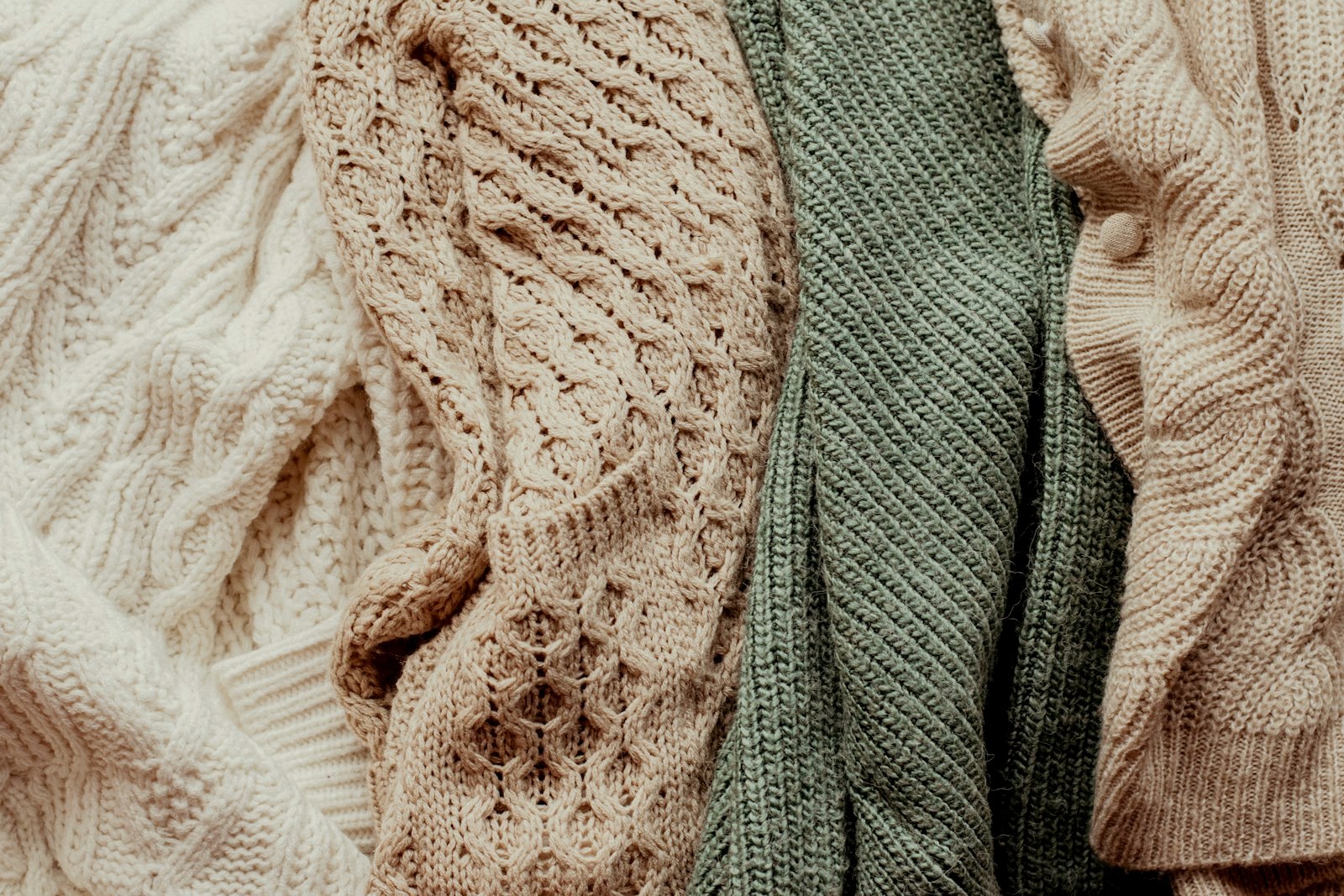
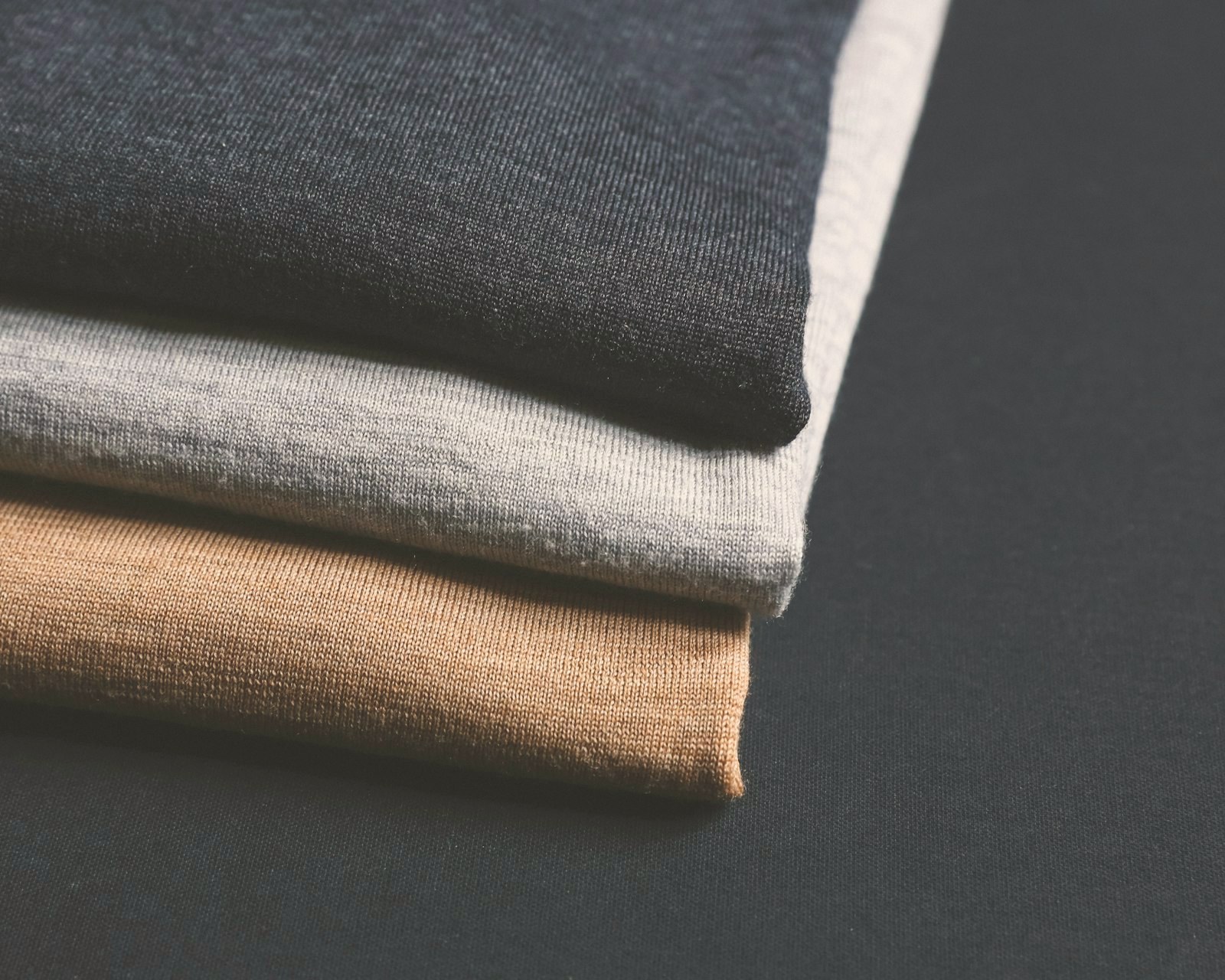
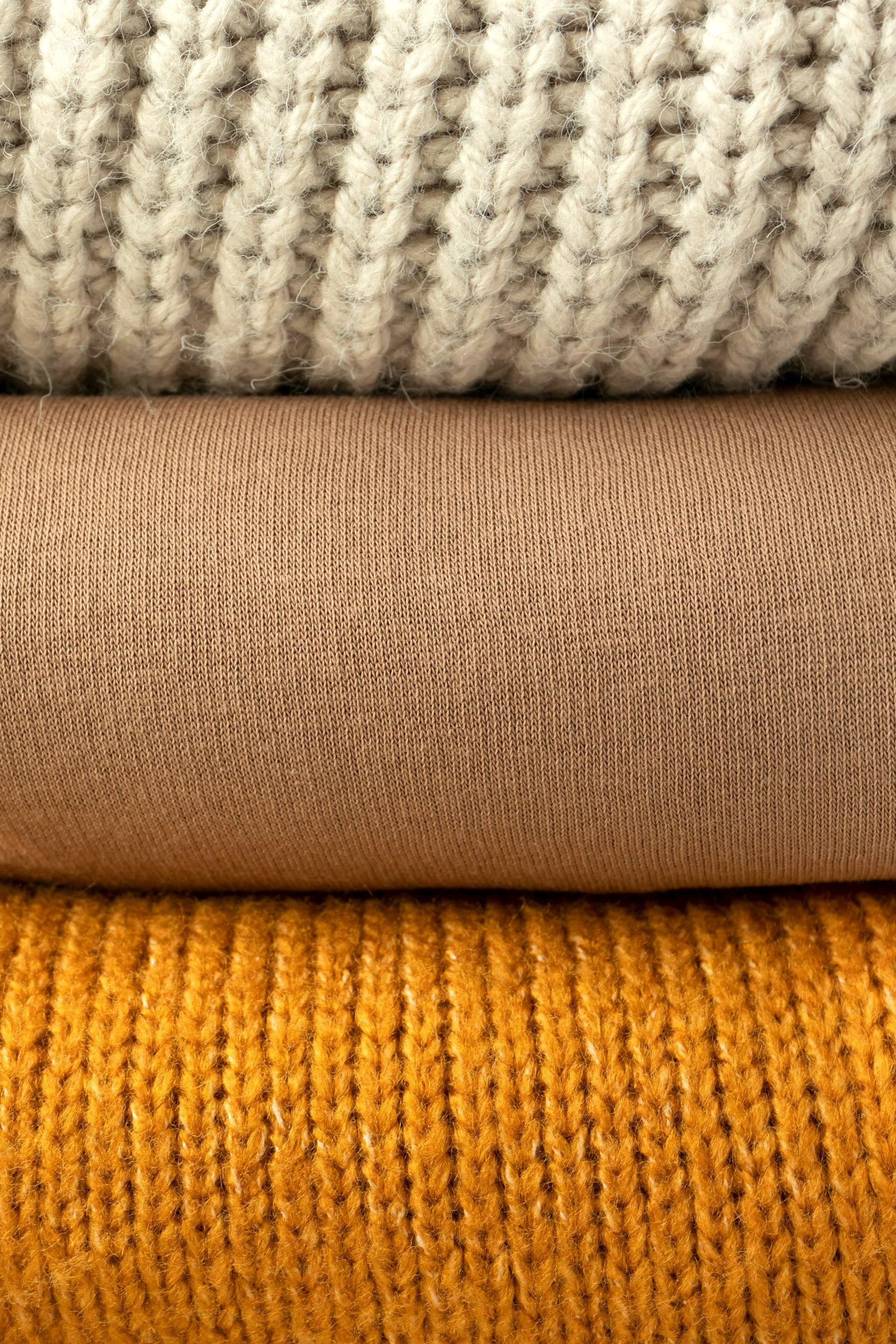
How this ranking stays honest
Rests, boundaries and door notes, printed. Private White V.C. was not graded: the house's coats stand at 89 in the overcoat Card and 87 in the pea coat Card, its journal reimagines its duffle in Ventile cotton, and no duffle stands in its current autumn and winter line of 61 products, the older lambswool duffle being sold out; a cotton duffle, if the house sells one again, will be graded as itself on its published record. Gloverall's own Morris is cross-referenced inside the Monty and J.Press cards rather than graded, because J.Press sells the Morris Gloverall makes, and one coat is never graded twice. Todd Snyder sells no duffle in its current line, its Gloverall collaboration being a past season's coat, and the house stands at 79 in its family ranking as evidence only. L.L.Bean lists no men's duffle in its current line at this check, and the house stands at 87 in its family ranking as evidence only. Brooks Brothers' duffle could not be pinned to a current product page and waits for one. Zara sells a Manteco wool-blend duffle in some markets whose home-market record this desk could not read entire, and it was rested rather than graded on a fragment; the house stands at 48 in its family ranking as evidence only. H&M was rested deliberately, and no H&M garment is engaged or scored on this page. On doors: four cards carry a buy link. The Gloverall, the J.Press and the London Tradition link their makers' or retailer's own product pages, and the Burberry links its Farfetch listing, the record this desk read. The Drake's card ships without a link because no current product page or price stands in its maker's record; the Invertère card ships without one because the coat was sold out at this check; the Original Montgomery card ships without one because its grade rests on a retailer's published catalogue and its maker's own store could not be read; the skip ships without a link, as convicted garments do. On photography: this page uses cloth, street and ground studies from the magazine's own bank, no product photography, and the bank holds no duffle coat on a body, a gap this page repeats rather than covering with a mislabelled picture. Prices and records were checked against the makers' own listings in October 2026; where a figure rests on a journal or a retailer's catalogue rather than a product page, the card says so, and the next data pass owes the Drake's a current price and the Invertère a stock check. The full method is written out on the methodology page.