

The overcoat's home register: a northern city street in winter light. It is not any ranked coat; our bank holds no photograph of the seven below, and the honesty section prints that gap and the harvest list rather than let a stranger's coat stand in for a ranked one.
Checked and updated October 2026
The verdict, up front: seven overcoats scored out of 100 on cloth 30, construction 20, fit 20, value 15, longevity 15, plus the half-plastic coat sent home. The Permanent Style and Private White V.C. Donegal Overcoat wins at 89, and it wins on paperwork nobody else in the field will file: a published cloth weight of 760 grams, Donegal yarn from the last mill that spins it, Lancashire weaving, Manchester making, cashmere in the pockets and a full measurement table, at £1,295. The Spier & MacKay Double-Breasted is second at 84, 85 percent wool and 15 percent cashmere from a named Yorkshire mill at $498, the honest wool standard at attainable money. The Suitsupply Black Overcoat is third at 75, 100 percent wool at $499 with its weaver named, in China, in the open. And the coat sent home, at 34, is Zara's Wool-Blend Belted Double-Breasted Coat, whose own published split reads 52 percent wool and 43 percent polyester at $169. How to Wear No. 20 printed that this site had not ranked overcoats. It has now.
First, the fraud this category is built on, because the label is the ranking
The overcoat is tailoring's outer layer, the garment How to Wear No. 20 rules from our jackets index: formality 5, warmth 4, the only coat built to be worn over a suit as a matter of course, bought on the index's rule, printed whole: buy it to fit over a blazer; a coat that only fits over a t-shirt is a costume. No. 20 styles the garment from that index record and scores no coat. This page scores the coats, and it scores them where this category lies. The word wool on a label is not a quantity. A coat can be sold as a wool coat, a wool blend coat, even simply a wool overcoat, while the fibre doing the work is mostly polyester, and the only place the truth is printed is the composition line the buyer has to go hunting for. So this page grades the hunt. The split is the grade: the percentages a maker publishes, or refuses to publish, are read as the garment's first fact. The weight is the second: a cloth's warmth lives in its grams, and a maker who will not state them is selling an unmeasured winter. The mill is the third: a named mill is a checkable claim with a reputation behind it; an anonymous cloth is a claim with nobody behind it at all. Everything else on the card, the canvas, the fit over a blazer, the moth audit, the cost per winter, is read after those three, in that order.
The field below was chosen to cover the ways a coat can be honest or otherwise. There is a British cloth coat whose maker publishes everything, weight included. There is the attainable tailored standard whose maker prints its split and names its mill. There is a 100 percent wool coat at $499 whose weaver is named and is in China, printed here without flinching, because named and Chinese outranks anonymous and Italian-sounding every day of the week. There is the Italian luxury end at $7,150, graded on its published record and not its aura, and readers who skip to its card will see what the aura is asked to carry. There is the attainable high street in two registers: one maker that prints its cashmere percentage in its own editorial copy, and one whose split this desk could not capture verbatim and says so on the card. And there is the skip, convicted out of its own maker's mouth. The Mango wool double-breasted coat that the Fall Edit carries at 74 is rested in prose, not re-ranked: the Edit's record is a styling record, and it stands there untouched.
How the scores work
Every coat is scored out of 100 on the same five rows. Cloth (30) reads the published split first: 100 percent wool or a printed wool and cashmere ratio scores; a blend whose wool share barely clears half scores as what it is; a split withheld entirely, at any price, is convicted as a silence and charged hardest where the price is highest. A published cloth weight in grams or ounces scores again, and a named mill scores a third time. Construction (20) is graded on the maker's published terms: a canvas claim in print scores, hand-finished details and real horn score, and where a maker publishes nothing about how the coat is built, the row scores the silence rather than assuming the tailoring. Fit (20) is the over-everything test: the coat must close over a blazer without pulling, on the jackets index's buying rule, with the sleeve covering the cuff beneath it and the hem at the knee or below on No. 20's length floor; published garment measurements are the strongest evidence a maker can file. Value (15) divides the price by the published record and by the winters the coat will serve, printed in the cost table below. Longevity (15) is the decade audit: how the cloth ages, whether the house will still sell the model, and moth honesty, because dense wool is what moths are looking for and a coat's care record is part of its specification. Row scores add to the total, on every card.
The ranking
Permanent Style x Private White V.C. Donegal Overcoat
The Winner
UK list price at last check: £1,295 at the maker's shop (about $1,735).
Buy it as the reference overcoat of this field: the only published cloth weight, a named yarn, a named weaving county, a named making city, and a measurement table that answers the fit question in numbers.
The cloth: read this maker's material line against every other card on the page, because it is playing a different sport. The shop page prints, in full: outer cloth, 760g wool. A weight, to the gram, for a coat, which makes this the only garment in the field whose warmth a buyer can compute before paying. The cloth is a Donegal tweed in herringbone, its yarn spun in County Donegal at, in the maker's words, the last remaining mill that makes the yarn, then woven in Lancashire and made into the coat by Private White V.C. in Manchester. Every stage is named: the spinning county, the weaving county, the making city, the making house. The pockets are lined on both sides in 100 percent cashmere, printed, a luxury detail disclosed as a specification rather than hinted at as a feeling. The cloth row gives the record 28 of 30, docked two because the page prints the cloth as wool without a percentage figure beside it, and this page's first law is that the split is the grade; the tweed's substance is not in doubt, and the form is still the form.
The build and the fit: two-hole buffalo horn buttons, printed. A raglan sleeve, the softer shoulder of No. 20's species table, with a throat latch and a collar insert that keeps the collar standing. Fully lined in viscose. What the page does not print is a canvas claim, and construction scores the record as it stands at 17: the hand-making is the house's whole published identity, every garment hand-cut and sewn in its own Manchester factory, and the absence of the word canvas on the coat's own page is charged as the one gap in an otherwise complete file. The fit row is where this coat separates itself for good. The maker publishes a full garment measurement table, chest, waist, overarm, back length and sleeve, in centimetres and inches: the size Large chest measures 122 centimetres against a nominal 52 chest, which is the over-everything allowance of the jackets index's buying rule expressed as a number a buyer can check against his own blazer before ordering. The back length runs 108 to 114 centimetres across the sizes, below the knee, on No. 20's floor. Alterations are published too: the coat can be shortened by four inches, lengthened by five centimetres, its sleeves adjusted, which is a maker telling you the garment is built to be tailored, not replaced. Fit 19, the field's highest mark. Longevity 14: a 760-gram tweed is a twenty-year cloth, the model is a permanent collaboration rather than a season's experiment, and the value row, 11, is the honest price of all of it, £1,295 read as about $116 a winter across fifteen winters in the table below.
Spier & MacKay Double-Breasted Overcoat
The Honest Standard
US list price at last check: $498 at the maker's store.
Buy it as the attainable benchmark: a printed 85 and 15 split, a named Yorkshire mill and a double-breasted cut built over tailoring, at the price the category's honest coats are supposed to cost. The brand stands at 76 on this site; this 84 grades the coat.
The cloth: 85 percent wool, 15 percent cashmere, printed, and the mill is named: Abraham Moon, the Yorkshire weaver whose name this site has met on better garments than this price usually buys. That pairing, a full split and a named mill, is the complete cloth record at $498, and the cloth row scores it 26: the cashmere share is real softness bought honestly, the wool share is high enough that the coat is a wool coat in substance and not only in name, and the deductions are the two the record carries, that no cloth weight is published, so the warmth is argued from the split rather than measured, and that the maker's own product pages would not render for this desk at this check, so the split and the mill are graded as the maker's published specification carried in its retail record, a capture flagged for direct re-verification in the November pass and printed here rather than smoothed over.
The build and the fit: the coat is the house's double-breasted overcoat, the polo register of No. 20's species table, cut on the maker's tailoring block, which is the fit fact that matters: this house's patterns are drawn for men who wear jackets under coats, in slim and contemporary fits, and the over-everything test is the house's home ground rather than an afterthought. Construction 15 and fit 16 score a record that is strong where it is published and thinner than the winner's where it is not: no canvas claim for the coat is printed in the copy this desk could capture, no measurement table, and the rows charge both. The value row takes the field's maximum, 15, and it is not close: $498 for a named-mill wool and cashmere cloth is the arithmetic the rest of this page is measured against, about $33 a winter across fifteen winters, less per winter than the skip at the bottom costs. The brand stands at 76 on Brands Like Spier & MacKay, scored on its whole range; the garment outscoring its house is the normal direction on this site, and the two numbers are kept separate on this card the way they are kept separate everywhere. The door on this card is the maker's homepage, the logged exception this desk allows when a maker's product pages resist capture, and it is printed as one.
Suitsupply Black Overcoat
Pure Wool, Weaver Named
US list price at last check: $499 at the maker's store.
Buy it as the black Chesterfield of the field: 100 percent wool, a structured shoulder over a suit, and a maker that names its weaver even when the weaver is not the fashionable answer.
The cloth: 100 percent wool, printed on the maker's own product page, in a dense, lightly brushed melton. Then the detail this page exists to reward: the maker names the weaver, Longda, in China. Read the sentence the way the desk reads it. Half this field will not name a mill at all, and the luxury coat at No. 6 will not name a percentage; this maker, at $499, names its actual weaver in an industry that prefers its Chinese weaving anonymous, and the candour is scored as the cloth record it is. What is not published is a weight, so the melton's warmth is described by its maker in adjectives, dense and lightly brushed, rather than grams, and the cloth row lands at 22: a pure wool split and a named weaver, held from the top marks by the missing number and by a cloth chosen for a clean city surface rather than for weather.
The build and the fit: the silhouette is the tailored register of No. 20's species table: single-breasted, notch lapel, a structured shoulder, knee length, a single vent, welted pockets and an inside pocket, fully lined. The structured shoulder is the over-a-suit shoulder, drawn for tailoring beneath it, and the maker's fit copy says the coat is cut to be worn over a suit, which is the index's buying rule in the maker's own words. Construction 14: no canvas claim is printed, so the row scores the published architecture, complete and conventional, and the silence beside it. Fit 15, on the maker's stated cut and a full size run. The brand stands at 74, derived on Brands Like Spier & MacKay; this 75 is the coat's own, and the near-meeting is noted rather than engineered. Longevity 11 and value 13 complete a card with no scandal on it: at $499, about $42 a winter across twelve winters, this is the coat for the reader who wants the black Chesterfield done properly and is untroubled that its honest weaver weaves in China. This page is untroubled too. Named beats anonymous, at every longitude.
Uniqlo Wool Cashmere Chesterfield Coat
The Attainable, Graded
US list price at last check: $149.90 at the maker's US store; the coat read sold out in the US at this check, and this card ships without a buy link for that reason.
Buy it, when it is in stock, as the cheapest honest split in the field: 90 percent wool and 10 percent cashmere, printed by the maker, in a thin city cloth that knows what it is.
The cloth: the maker's own editorial copy states the recipe in its LifeWear story for this coat: a wool cloth blended with 10 percent cashmere, which is to say 90 percent wool and 10 percent cashmere, printed by the maker rather than excavated by this desk. At $149.90 that is the most honest split per dollar in the field, and the cloth row credits it at 20 before charging what the same record carries: no weight is published, and the coat is a topcoat-weight garment wearing the overcoat's name, a thinner Chesterfield for city winters and layered commutes, which No. 20's species ruling covers exactly, the lighter sibling bought knowingly as less coat. The fibre line on the maker's US product page resisted verbatim capture at this check, as its swim and base layer lines did before it, and the split is graded from the maker's own published copy with the capture flagged for the November pass.
The build and the fit: a single-breasted Chesterfield, fly front, the plainest species of No. 20's table, cut with the room a Chesterfield needs and sold in the widest size library in this field. Construction 10 is the row where the price shows: no canvas claim, no published build sheet, a lined city coat assembled to a price, scored as the silence it is rather than as a fault it has not committed. Fit 14, on the maker's stated relaxed Chesterfield cut. The brand stands at 84 as the value benchmark of its market; this 67 is the coat's own, and the distance is the difference between a house's method and one thin garment's paperwork. The stock note is printed on the card because it is part of the record: the maker's US store read this coat sold out at this check, with the season's remnants at clearance, so the card ships without a buy link rather than send a reader to a dead door. Longevity 9 prices the thin cloth honestly, and value 14 gives the deal its due: about $19 a winter across eight winters, the cheapest warmth on this page, bought with open eyes about which winter it is for.
Charles Tyrwhitt Pure Wool Overcoat
The Shirtmaker's Coat
US price at last check: $560, at Next, which carries the maker's range in the US.
Buy it as the safe pair of hands: a pure wool coat from a house whose whole method is the published specification, graded here on a thinner file than its shirts keep.
The cloth: the maker's name for this coat is a composition claim, and it is the strongest one a name can make: Pure Wool Overcoat. The house that derived its brand score of 65 on this site largely by printing what other shirtmakers will not, fibre by fibre and feature by feature, sells its overcoat as 100 percent wool, and the cloth row takes the claim at the value this desk takes all its claims, 20, docked because the supporting figures that make the house's shirts so gradeable are not published for the coat: no weight, no mill, no weave named in the record this desk could capture. A pure wool coat at $560 is a fair object. It is graded here as a claim with a famous signature and an unusually short file beneath it.
The build and the fit: the coat is the classic British topcoat pattern the house's home market expects, single-breasted with the velvet collar option on its formal versions, the Chesterfield register of No. 20's table, and its fit is the house's classic cut, roomed for the tailoring the house sells to go under it. Construction 11 and fit 13 score published restraint: nothing in the captured record claims canvas, hand finishing or measurements, and the rows do not invent them. The brand stands at 65, derived on Brands Like Spier & MacKay and audited on Brands Like Charles Tyrwhitt, where this desk reproduced the derivation in the open; that this garment lands on the same number is a coincidence of two honest files, noted rather than arranged. Value 11: $560 for pure wool from a specification-led house is a price a reader can defend, about $47 a winter across twelve winters, and longevity 10 charges the one thing the file cannot show, which is whether the coat's build will cash the cloth's promise across those winters. The door on this card runs through Next, the retail partner that carries the maker's range in the US, because the maker's own US product page resisted capture to this desk's standard at this check; the exception is logged here and in the state file.
Brunello Cucinelli Melton Wool-Cashmere Double-Breasted Coat
The Luxury End, Graded on Its Record
US list price at last check: $7,150 at Neiman Marcus.
Buy it, if you buy it, for the cloth in the hand and the house's name, knowing that its published record is the thinnest per dollar in this field: no split, no weight, no mill, at the highest price on the page.
The cloth: here is the entire published fibre record of a $7,150 coat, quoted from its retail page: virgin wool and cashmere. No percentages. A buyer paying fourteen Spier & MacKay overcoats for this one is not told how much of it is cashmere: one percent and forty percent wear the same sentence. No cloth weight is published either, and no mill. This page grades the record, not the aura, and the record is two fibre names and a price, so the cloth row gives the fibres their due, virgin wool and cashmere are noble materials and melton is the right weave for the species, and charges the silences at the rate this page charges silences at high prices, which is the highest rate there is: 18 of 30, below the $149.90 Uniqlo, whose maker printed its percentage in its own copy. Let that comparison stand at the size it deserves. The cheapest coat in this field publishes more about its cloth than the most expensive one.
The build and the fit: what is published is a silhouette: a double-breasted melton coat with a stand collar, raglan sleeves with button-tab cuffs, hip welt pockets and a straight fit, made in Italy. The raglan is No. 20's softer shoulder, the knit stack's species, and the fit row credits the pattern at 14 while noting that no measurements accompany it. Construction 16 is the card's act of fairness: the house's making is hand-finished in Solomeo as a matter of its published identity, its garments are the luxury end of Italian construction by any hands-on account this desk trusts, and the row credits the house's record while charging that the coat's own page claims none of it in words a buyer can check. The value row is the conviction the card exists to print: 3 of 15. At $7,150 the coat costs about $358 a winter across twenty winters and about $113 for every point it scores, against the winner's roughly $19 a point and the runner-up's roughly $6. Longevity 12 credits the cloth and the house's continuity. The desk's history with this house is printed so the grade cannot be mistaken for a grudge: its cashmere crew was the skip of the cashmere Verdict Card at 66, a different garment, convicted there on its own record, and its name has been sentenced nowhere. Luxury is not the charge. An empty file at a luxury price is.
COS Double-Breasted Wool-Blend Long Coat
The Quiet Blend
UK list price at last check: £269 at the maker's store (about $360).
Buy it as the silhouette buy: the longest, cleanest line in the attainable field, in a blend whose percentages this desk could not capture from the maker's page, and says so rather than guess.
The cloth: the maker's copy for this coat, quoted whole, is a tactile wool blend, chosen for its exceptionally soft handle and natural warmth. No percentages travel with the copy, and the fibre line on the maker's product page resisted verbatim capture by this desk at this check, through two attempts on two of the maker's stores. The desk's rule is printed on the card rather than buried: we do not grade what we cannot read, and we do not convict a maker of a silence we may only have failed to hear. So the cloth row scores the record as captured, 13, the lowest mark any ranked coat takes here, with the capture failure named as ours and flagged for the November pass, when a verbatim split will either raise this card or convict it. What can be said on the record is that the house's method elsewhere is to print its splits in full, fibre by fibre, on garments from shirts to overshirts; the brand stands at 70 on Brands Like COS on exactly that discipline. This coat's file, as captured, does not show it.
The build and the fit: the silhouette is the attainable field's most considered: a relaxed double-breasted long coat, welt pockets, a back vent, and a published back length of 122.65 centimetres in the size 48, the longest hem in this field and the one fit figure the maker does print, which puts the coat well below the knee on No. 20's floor and makes it the drape buy of the lower half of the table. Fit 14 credits the length and the relaxed cut, which is the over-everything allowance in fashion's dialect. Construction 10 scores an unpublished build. Value 12: at £269, about $360, the coat costs about $45 a winter across eight winters, a fair rate for the line it draws, and longevity 8 is the blend's honest clock at this price, shorter than the pure wool coats above it and priced as the term of the deal. This is the card the November pass will revisit first: the garment may deserve better than its file, and on this site the file is what gets graded.
Zara Wool-Blend Belted Double-Breasted Coat
The Skip
US list price at last check: $169 at the maker's US store.
Leave it, on its maker's own composition line: 52 percent wool, 43 percent polyester, 5 percent other fibres. The same rail sells a 100 percent wool coat for $60 more, which is the whole argument.
The cloth: the name first, because the name is the offence. This garment is sold as a Wool-Blend Belted Double-Breasted Coat, and its maker's published composition reads: 52 percent wool, 43 percent polyester, 5 percent other fibres. Barely half the coat is wool. Forty-three percent of it is the fibre of a tracksuit, and the remaining five percent is a category so vague the label itself gives up, other fibres, a shrug printed in the small print. Now the comparison that turns a bad split into a conviction: the same maker, on the same rail, in the same season, sells a 100 percent wool herringbone double-breasted coat at $229. Sixty dollars is the distance between this coat and a pure wool one at its own house, which proves the blend is not a budget necessity. It is a margin decision, taken at the cloth, where the buyer cannot see it without going hunting. The cloth row gives the published honesty of the split itself a point or two of credit and the split the rest of its verdict: 8 of 30, the lowest cloth mark on this page.
The build, the fit and the bill: nothing else in the record rescues it. No mill is named, no weight is published, no construction is claimed, and the belted double-breasted silhouette is the polo register of No. 20's table executed at a cloth weight the maker will not state. Construction 6 and fit 10 score a pattern drawn adequately and built to a season. The arithmetic is printed in the table below and it is the skip's epitaph: on the four winters a half-synthetic cloth of this class serves before it shines, pills and tires, $169 works out at about $42 a winter, the same per-winter money as the 100 percent wool Suitsupply at No. 3 and more per winter than the named-mill Spier & MacKay at No. 2. The buyer of this coat is not saving money slowly. He is spending tailored-coat money on a rental. Value 6, longevity 4, and no buy link, the way this desk sends home the garments it convicts. The brand stands at 48 in this site's rankings, sentenced on its whole range elsewhere; this 34 is the coat's own, and it was earned on one line of its maker's own page. When the name says wool, read the label. The label is the review.
The split table: what each maker actually publishes
Every cell below is the maker's own published position at this check. Where a maker publishes nothing, the table prints the silence rather than an estimate: read down the split column and you have read this page's findings.
| Coat | Split, as published | Weight, as published | Mill, as published | Construction, as published |
|---|---|---|---|---|
| Permanent Style x Private White V.C. Donegal | Wool, printed as 760g wool with no other fibre named in the shell | 760 g, the field's only published weight | Yarn spun in Donegal at the last mill that makes it; woven in Lancashire; made in Manchester | Horn buttons, cashmere pocketing, raglan sleeve; no canvas claim printed |
| Spier & MacKay Double-Breasted | 85% wool, 15% cashmere | None published | Abraham Moon, named | Not published for the coat in the captured record |
| Suitsupply Black Overcoat | 100% wool | None published | Longda, China, named on the product page | Structured shoulder, lined; no canvas claim printed |
| Uniqlo Wool Cashmere Chesterfield | 90% wool, 10% cashmere, in the maker's own editorial copy | None published | None named | Not published |
| Charles Tyrwhitt Pure Wool Overcoat | 100% wool, claimed in the product's own name | None published | None named | Not published in the captured record |
| Brunello Cucinelli Melton Double-Breasted | Virgin wool and cashmere; no percentages at $7,150 | None published | None named | Silhouette only: stand collar, raglan sleeves, made in Italy |
| COS Double-Breasted Long Coat | Wool blend; split not captured verbatim at this check | None published; back length 122.65 cm published | None named | Not published |
| Zara Wool-Blend Belted Double-Breasted | 52% wool, 43% polyester, 5% other fibres | None published | None named | Not published |
Read the table as the ranking does. One maker publishes a weight. Three publish a full split a buyer can divide by the price. One names a weaver in China while the Italian luxury end, at fourteen times the price, names no percentage at all. And at the bottom, the only maker whose split this desk captured to the last fibre is the one the split convicts: the founding fraud of this category is not that the numbers are hidden. It is that they are printed, in the small print, counting on nobody reading them. Somebody read them.
The moth audit: the longevity nobody prints
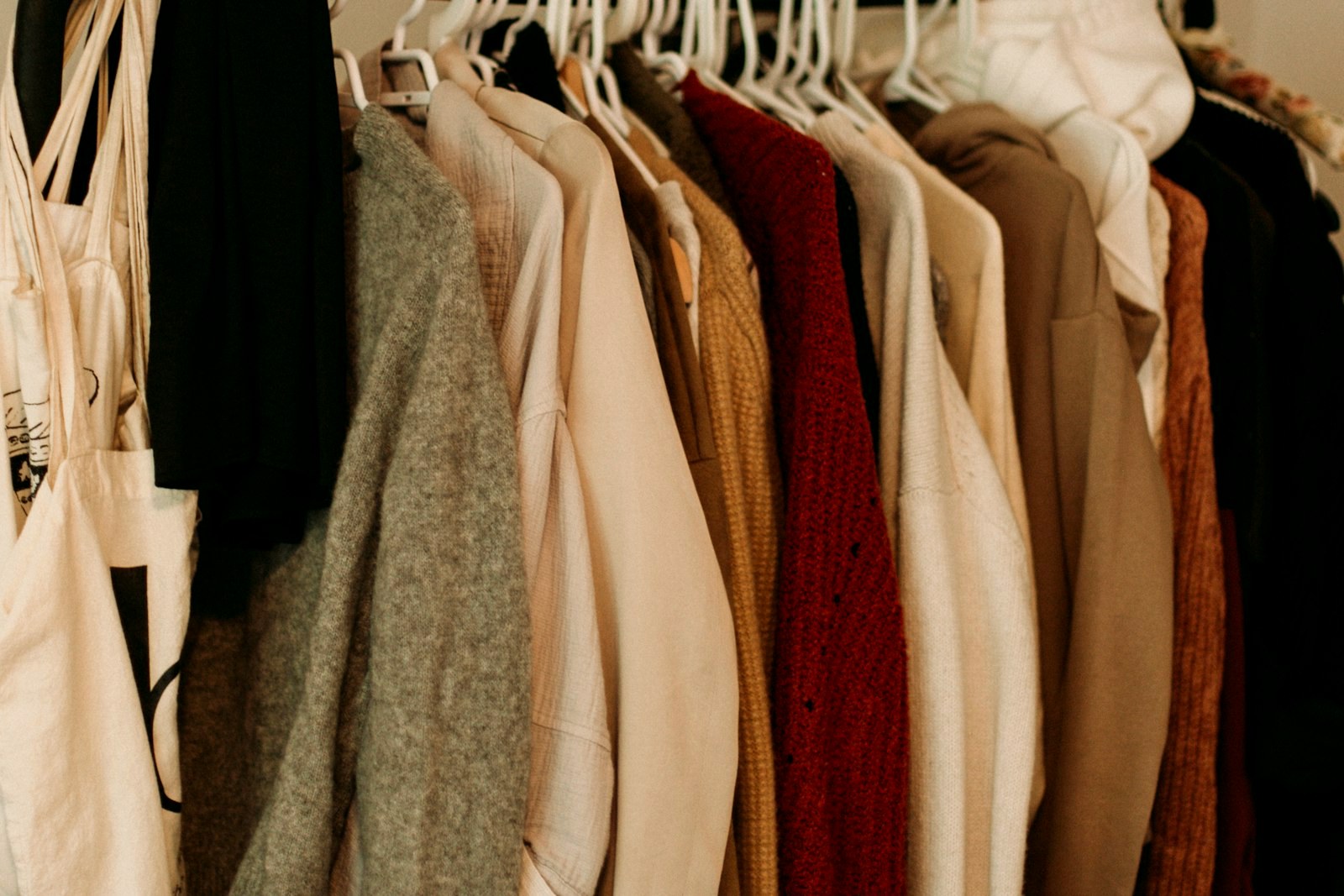
A word the cards keep spending, printed once in full. Wool is protein, and clothes moths eat protein, and an overcoat is the largest single serving of it in the wardrobe, hung unworn through exactly the warm months when moths are active. The honest longevity question for any coat on this page is therefore not only whether the cloth will last fifteen winters but whether the owner will run the fifteen-minute system that lets it: brush the coat down after wearing, the habit How to Wear No. 20 prints as its care law, rest it on a wide hanger, and store it out of season in a breathable bag with cedar, never sealed in plastic, never forgotten in a damp closet. The makers' records divide the way the cards scored them. The heavy pure cloths, the Donegal's 760 grams, the Spier's Moon wool and cashmere, the Suitsupply melton, reward the system with decades; cashmere's softness is also the moth's preference, which is why the blends with cashmere in them carry the audit's sharpest edge and why the Donegal's cashmere sits inside its pockets rather than across its shoulders. The synthetic share in the skip is, in fairness, the one thing moths will not eat; a coat that is 43 percent polyester is 43 percent safe from them, and 100 percent short of the garment it was sold as. Longevity is a partnership between a cloth and a closet. This page grades the cloth. The closet is yours.
Cost per winter, printed in the open
The assumption, printed before the numbers: the life column is the service life our longevity row scores for, counted in winters in rotation before the cloth, the finish or the build retires the coat, not a promise. Sterling prices are read at about £1 to $1.34, the rate this desk used across the page.
| Coat | Price | Score | Scored life | Cost per winter |
|---|---|---|---|---|
| Spier & MacKay Double-Breasted Overcoat | $498 | 84 | 15 winters | About $33 |
| Uniqlo Wool Cashmere Chesterfield | $149.90 | 67 | 8 winters | About $19 |
| Suitsupply Black Overcoat | $499 | 75 | 12 winters | About $42 |
| Permanent Style x Private White V.C. Donegal | £1,295 (about $1,735) | 89 | 15 winters | About $116 |
| Charles Tyrwhitt Pure Wool Overcoat | $560 | 65 | 12 winters | About $47 |
| COS Double-Breasted Long Coat | £269 (about $360) | 57 | 8 winters | About $45 |
| Brunello Cucinelli Melton Double-Breasted | $7,150 | 63 | 20 winters | About $358 |
| Zara Wool-Blend Belted Double-Breasted | $169 | 34 | 4 winters | About $42 |
The table's shape is the ranking's economics in one view. The two honest attainable coats anchor it: the Spier & MacKay at about $33 a winter for a named mill's wool and cashmere, and the Uniqlo at about $19 for the thinnest honest cloth on the page. The winner's $116 buys the only weighed cloth and the fullest file. The Brunello's $358 a winter buys two fibre names. And the last line is the one to remember at the rail: the $169 skip costs, per winter, exactly what the $499 pure wool Suitsupply costs. The discount was never in the coat. It was in the label's font size.
The skip: Zara's Wool-Blend Belted Double-Breasted Coat at 34
Every Verdict Card on this site sends one garment home, and the honest ones are convicted out of their makers' own mouths. This one required no detective work beyond reading. Zara names a coat wool-blend, prices it at $169, and prints, on its own page, a composition of 52 percent wool, 43 percent polyester and 5 percent other fibres. The wool is barely half the coat. The other fibres are not even named. And the same house sells pure wool on the same rail for $229, which removes the only defence a blend like this could plead, that the money forced it. The money did not force it. The margin chose it, at the one place the buyer was least likely to look. How to Wear No. 20 rules that the overcoat is the wardrobe's ceiling garment, the coat that completes a suit. A ceiling garment that is 43 percent plastic completes nothing; it rents the silhouette of the thing and returns it in four winters, shining at the elbows, at the same per-winter price as the real one. Buy the Spier & MacKay and wear it for fifteen years. Buy the Uniqlo and wear it for eight. The label is the review, and this label, read whole, is a confession.
Which overcoat to buy
If you buy one: the Spier & MacKay Double-Breasted, the named mill, the printed split and the lowest honest cost per winter in the field. If you buy the best: the Donegal, the only weighed cloth, the fullest published file, the coat this page will be measured against until another maker publishes a weight. If your coat works over a suit daily: the Suitsupply, the structured shoulder and the pure wool melton in black. If the money is the argument: the Uniqlo, when its maker's store has it, the cheapest honest split in the field in a thin city cloth. If you want the safe British name: the Tyrwhitt, pure wool and a thin file. If you want the line: the COS, the longest hem per pound, with its split still to be captured. If you want the luxury end: read the Brunello card twice, then decide whether two fibre names are worth $113 a point. The wearing system for whichever one you buy is How to Wear No. 20, the neck of the outfit is ruled in How to Wear No. 25, and every layer in the stack is mapped in the Body Map.
Questions, answered
What are the best overcoats for men?
The Permanent Style and Private White V.C. Donegal Overcoat, scored 89 out of 100: the only coat in the field that publishes its cloth weight, 760 grams of Donegal tweed, yarn spun at the last mill in Donegal that makes it, woven in Lancashire, sewn in Manchester, with cashmere-lined pockets and horn buttons, at £1,295. The Spier & MacKay Double-Breasted Overcoat follows at 84, 85 percent wool and 15 percent cashmere from Abraham Moon at $498, the honest wool standard at attainable money. The coat sent home, at 34, is Zara's Wool-Blend Belted Double-Breasted Coat, whose own published split reads 52 percent wool and 43 percent polyester.
What should an overcoat be made of?
Wool, in a proportion the maker is willing to print. The honest field on this page is 100 percent wool (Suitsupply, Charles Tyrwhitt, the Donegal tweed) or a wool and cashmere cloth with the ratio published (Spier & MacKay at 85 and 15, Uniqlo at 90 and 10). The blend ratio is the grade: a coat sold as a wool blend whose split, once found, is half polyester is a synthetic coat wearing a wool name, and a maker that prints no split at all is asking to be paid for a number it will not state. Cloth weight is the second figure: exactly one maker in this field publishes one, 760 grams, and the silence of the other seven is charged on their cards.
How much should a good overcoat cost?
Judge it per winter, not per ticket. On the lives our longevity row scores, the Spier & MacKay at $498 over fifteen winters costs about $33 a winter; the Donegal at £1,295 over fifteen costs about $116; the Uniqlo Chesterfield at $149.90 over eight costs about $19, the cheapest warmth on the page, in the thinnest cloth. The cautionary figure is the skip: Zara's $169 blend, on a four-winter life, costs about $42 a winter, the same per-winter money as the 100 percent wool Suitsupply, for a coat that is 43 percent polyester. Cheap and short-lived is not cheap.
How should an overcoat fit?
Over everything, because that is the garment's job. Our jackets index prints the buying rule whole: buy it to fit over a blazer; a coat that only fits over a t-shirt is a costume. How to Wear No. 20 adds the length floor, the knee or below, so the suit jacket's hem disappears inside the coat's line. The field's best evidence is the Donegal coat's published measurement table: a size Large chest of 122 centimetres against a nominal 52 chest is the layering allowance printed in numbers, with the back length at 111 centimetres, below the knee as the floor requires. A maker that publishes garment measurements is answering the fit question; a maker that publishes only a model in a size is asking it.
Is the $7,150 Brunello Cucinelli coat worth it?
On its published record, it scores 63 on this page, sixth of seven, and the record is the reason. At $7,150 the coat's retail page names its fibres as virgin wool and cashmere and prints no percentages, no cloth weight, no mill and no construction claim: the buyer is asked to take the blend, the warmth and the build on the house's aura. Graded the way every coat on this page is graded, on what is published, that is a thinner file than the $498 Spier & MacKay keeps. The cloth may well be magnificent. A Verdict Card grades the record a buyer can check before paying, and at the highest price in the field this record is the emptiest per dollar.
Why is the Zara coat the one sent home?
Because its own page convicts it. Zara sells the coat under the name Wool-Blend Belted Double-Breasted Coat at $169, and its published composition reads 52 percent wool, 43 percent polyester and 5 percent other fibres: barely half wool, at a price forty dollars under the same rail's 100 percent wool double-breasted coat at $229, which proves the blend is a margin decision, not a budget one. No mill is named, no weight is published, and on the four winters a half-synthetic cloth of this class serves, it costs about $42 a winter, the per-winter price of a pure wool coat. The name says wool. The label says otherwise, and the label is the maker's own.
How this ranking stays honest
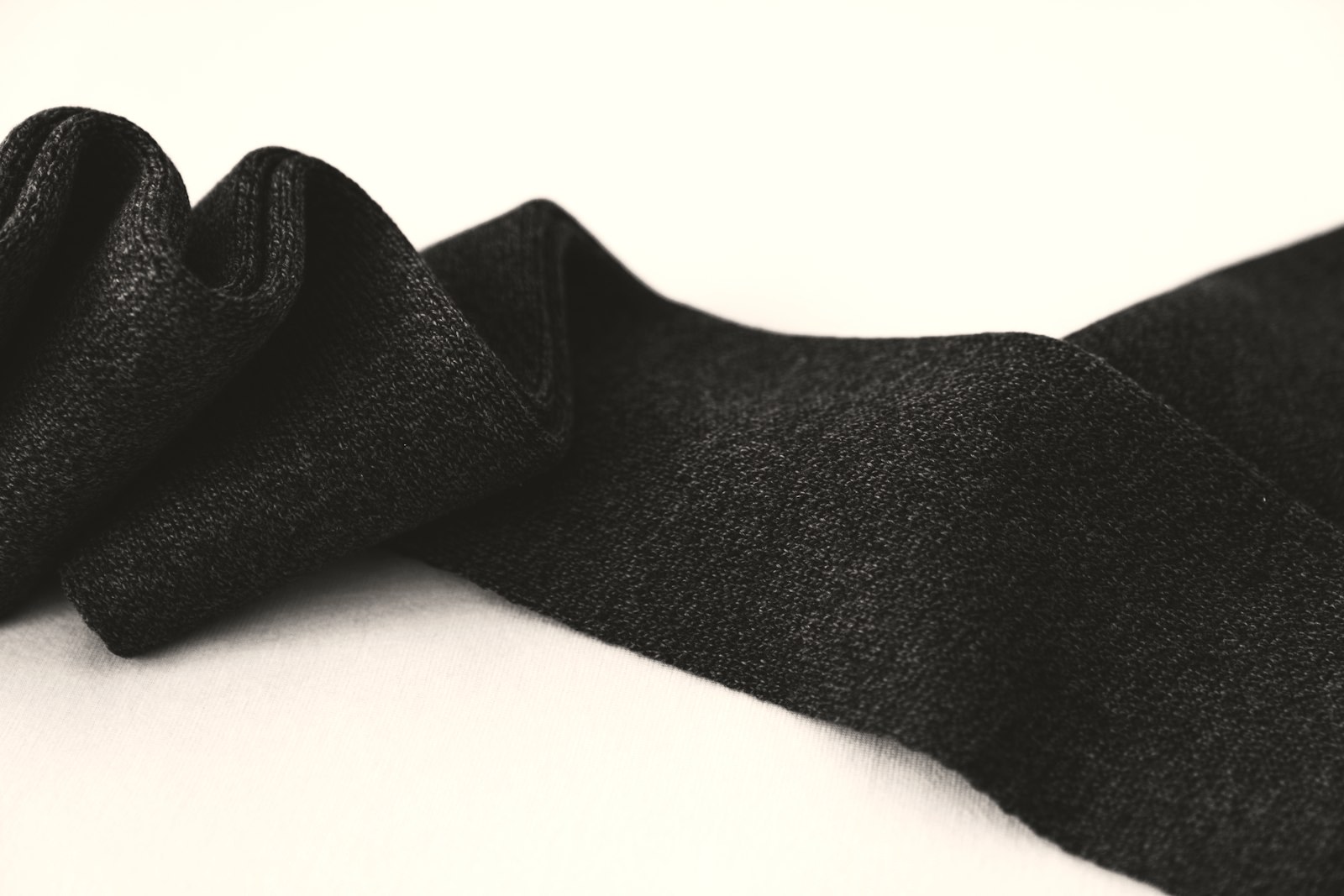
The rests, the prose answers and the capture notes, printed. The Mango Wool Double-Breasted Coat, carried at 74 in the Fall Edit as the edit's necessary coat and drawn as the Body Map's coat layer, is rested here: the Edit's record is a styling record, the 74 stands untouched, and this ranking does not re-try a garment another desk on this site has already placed. Crombie, the British cloth house this garment's history runs through, is rested because its current retail record could not be captured to this desk's standard at this check: no live product page with a composition and a price could be verified, and the desk does not score a legend on its reputation, which is the same rule that graded the Brunello on its file. Massimo Dutti is rested because its maker's pages refused this desk's reader outright, and its men's coat could not be pinned to a published split; the brand stands at 71 elsewhere on this site, untouched. H&M was rested deliberately, as it has been rested through this run of Cards; its derived brand score stands untouched on its own page and no garment here disturbs it. On capture: the Spier & MacKay split and mill are the maker's published specification as its retail record carries them, its own product pages resisting capture as they have before on this site; the Charles Tyrwhitt door runs through its US retail partner for the same reason; the Uniqlo split is graded from the maker's own editorial copy, its product page's fibre line resisting verbatim capture as its swim and base layer lines did; the COS split could not be captured verbatim at all and is scored as an uncaptured record, not a convicted one; and the Brunello record is read from its retail page at Neiman Marcus, the channel this desk has used for the house before, its own boutique pages resisting capture. All five captures are flagged for direct re-verification in the November pass. On doors: the Spier & MacKay card links the maker's homepage, the logged exception allowed when a maker's product pages resist capture, and the Uniqlo and Zara cards ship without buy links, the first because its maker's US store read the coat sold out at this check, the second because this desk does not link what it sends home. On photography: the magazine's bank holds no overcoat on a body in any species, no Chesterfield shoulder over a suit, no raglan drape and no camel polo coat, the same gap How to Wear No. 20 prints on its own page. The hero is a northern city street in winter light, captioned as exactly that; the frames inside are the cloth register and the storage rail, captioned for what they show; the cards run without images; and the harvest list names what is missing: a long wool overcoat worn on a street in winter, a Chesterfield shoulder over tailoring, and a coat cloth at macro range with its weight in the caption. Prices and specifications were checked against the makers' own published pages in October 2026; where a figure could not be verified from the maker's page, the page says so at the figure's elbow. The full method is written out on the methodology page.