
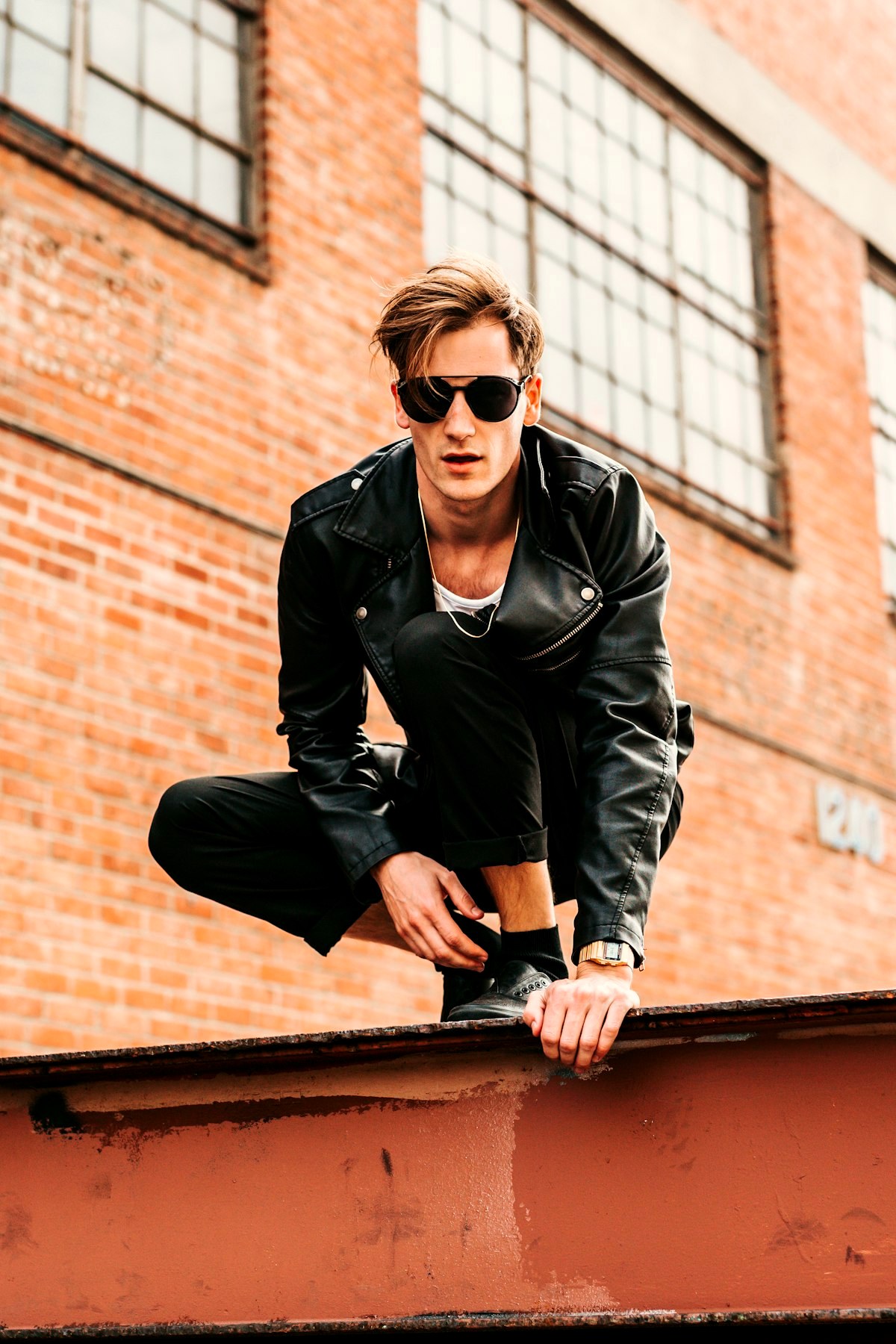
The want underneath the search: the Los Angeles rock uniform, destroyed denim, a long stacked leg, a tee that looks inherited from a guitarist. This page scores what the uniform costs at every altitude, and what the top price actually buys.
Checked and updated October 2026
The verdict, up front: seven names scored out of 100 on the published brand basis: fabric and cloth 30, construction and craft 20, fit range and sizing honesty 20, value 15, longevity 15. AllSaints wins at 66, keeping the standing score from brands like Rag & Bone, rows intact: the same register, honestly bought on its own sale chain. Fear of God Essentials is second at 65, graded as a line with its own derived number, printed below: the silhouette this search is really chasing, at $70 to $140. And Amiri lands third at 64, scored in the open from its line's published record: the best wash work in this field, a fabric row of 23, carrying a value row of 3, because a $1,090 jean the maker tells you not to wash is a position, not a wardrobe. The named skip is Zara at 48, keeping the standing score from its own page in this series, rows intact.
What people actually want from Amiri
The want under this search is the stage wardrobe, without the tour. Amiri was founded in Los Angeles in 2014 by Mike Amiri, who had spent the years before it handcrafting one-off stage pieces for hard rock frontmen, and the first collection showed it: jeans holed by actual shotgun fire, bandana prints, denim destroyed and then repaired by hand until destruction became the luxury. The house grammar has held since: the MX1 jean, skinny and stacked over the shoe, distressed in the maker's own Arts District workshops from Italian cloth; tees and bowling shirts printed like merchandise from a band that never existed; prices that start where denim ends, $790 for the entry Stack jean, $1,090 for the MX1, $420 for a core logo tee. The reader's question is the hardest one this series gets asked, because the anchor is not a fraud: what does the premium actually buy, the wash work and the silhouette, and what does it merely rent, the logo and the scene? The scores below separate the two, garment by garment and row by row. The wash work is real, and it is graded as the best fabric story on this page. The scene is rented, and the rent is graded in the value row.
A note on altitude. This page reads the look at three heights, because that is how the search is actually shopped: the luxury original and its Paris parent, Saint Laurent, keeping its standing 58 from our French ranking; the working altitudes, AllSaints in the mall and Cole Buxton's London gym-to-street version, where the register survives at prices with a second digit; and the floor, where the silhouette is sold by the line that industrialised it, Essentials, and copied by the line that discounts it, Zara. Amiri's founder still runs his house, which on this page is rarer than it should be. It buys the anchor the best longevity story in its tier. It does not buy back the value row.
How the scores work
Same ruler as every brand ranking on this site, published on our methodology page: fabric and cloth out of 30, construction and craft out of 20, fit range and sizing honesty out of 20, value out of 15, longevity out of 15. Four scores on this page are standing scores reproduced exactly: AllSaints keeps its 66 and its rows from brands like Rag & Bone, Saint Laurent keeps its 58 and its rows from our French ranking, John Varvatos keeps its 53 and its rows from the same Rag & Bone page, and Zara keeps its 48 and its rows from its own page in this series. Two numbers are set on this page and labelled where they stand: Cole Buxton's, and the Essentials line's, graded as a line on its own evidence, never borrowing its parent house's name or numbers.
The anchor requires the open treatment, and it gets it. This site has never ranked an Amiri garment. There is no Verdict Card to lean on, so the 64 is built from the line's published record, the way the H&M, Aimé Leon Dore and Rag & Bone pages taught this series to build an anchor score, with its basis named and a commitment attached. Fabric 23: the MX1 is Italian stretch denim, 92 percent cotton and 6 percent elastomultiester on the maker's own spec, hand-distressed and repaired with pleated ultrasuede, cut and finished in Los Angeles from cloth sourced in Italy, Japan and France; that is the strongest cloth story in this field, docked because the base denim is a stretch cloth priced above the selvedge tier and because the same house sells a cotton logo tee at $420. Construction 15: the distressing and repair work is done by hand, garment by garment, in the Arts District, which is real craft and graded as such, a level below the houses that add published mills and factories to the hand work. Fit range 12: the silhouette is the point and the limit, a skinny, stacked leg cut for a narrow band of bodies, broader in the jersey and shirting than in the denim the house is famous for. Value 3: $1,090 for the MX1, $790 for the entry jean, $420 to $490 for tees, a care label on the flagship jean that reads spot clean only, do not wash, and a department-store channel that cuts the line by 40 percent as a matter of routine, which means the list price is a position the market itself negotiates down. Longevity 11: founded in 2014 and still founder-led, with Renzo Rosso's OTB Group holding a minority stake since June 2019 and reported revenue past $300 million, the healthiest structure in this tier; docked because the skinny, stacked silhouette is one era's outline, and the house prices assume the era holds. Add them: 23, 15, 12, 3, 11. The brand score is 64, resting on the published record rather than a ranked garment, and printed as such. When an Amiri garment is ranked on this site, the derivation will be printed again, from the garment up.
Seven brands, ranked
AllSaints
US price at last check: the Myler Ramskull Leather Bomber $569 at list, chained down to $272.80 in the brand's own sale.
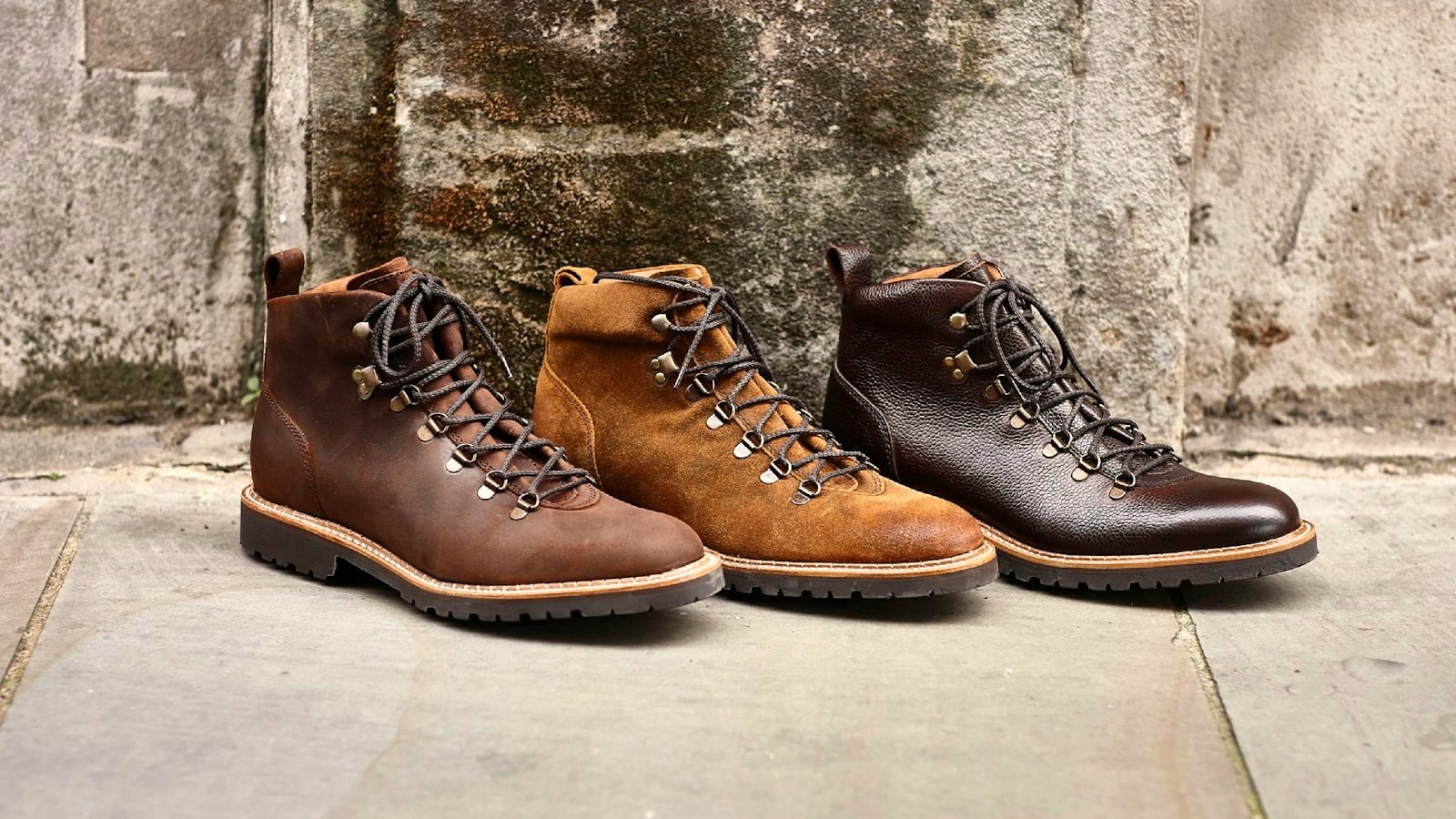
The call: the mall altitude of the same church, keeping the 66 and the rows from brands like Rag & Bone, where this house was scored new. AllSaints took the register the anchor sells, leather with a scuff, black denim, knits artfully ruined, and put it in every good mall in America one rung down, and on this page's basis the rung wins, because the rows that decide a wardrobe, value and fit breadth, are where the anchor's prices do their damage. The leather is the honest part: the Myler Ramskull bomber is a real hide at $569 list, and the brand's own sale grid chains it to $272.80 under a permanent extra-off banner, which is why its value row, 10, beats the anchor's 3 by seven points: at the price anyone actually pays, the leather is fairly bought. The deductions stand from its scoring page: the tees and knits are ordinary mall cloth in a downtown cut, and the line churns by season. Buy the leather here, on the chain, never at the first price printed. It is the anchor's attitude with the invoice already negotiated, and on the published rows it is the best wardrobe buy in this register.
Fear of God Essentials
US prices at last check: the Classic Hoodie $140; the Classic T-Shirt $70 at PacSun, the line's official stockist.
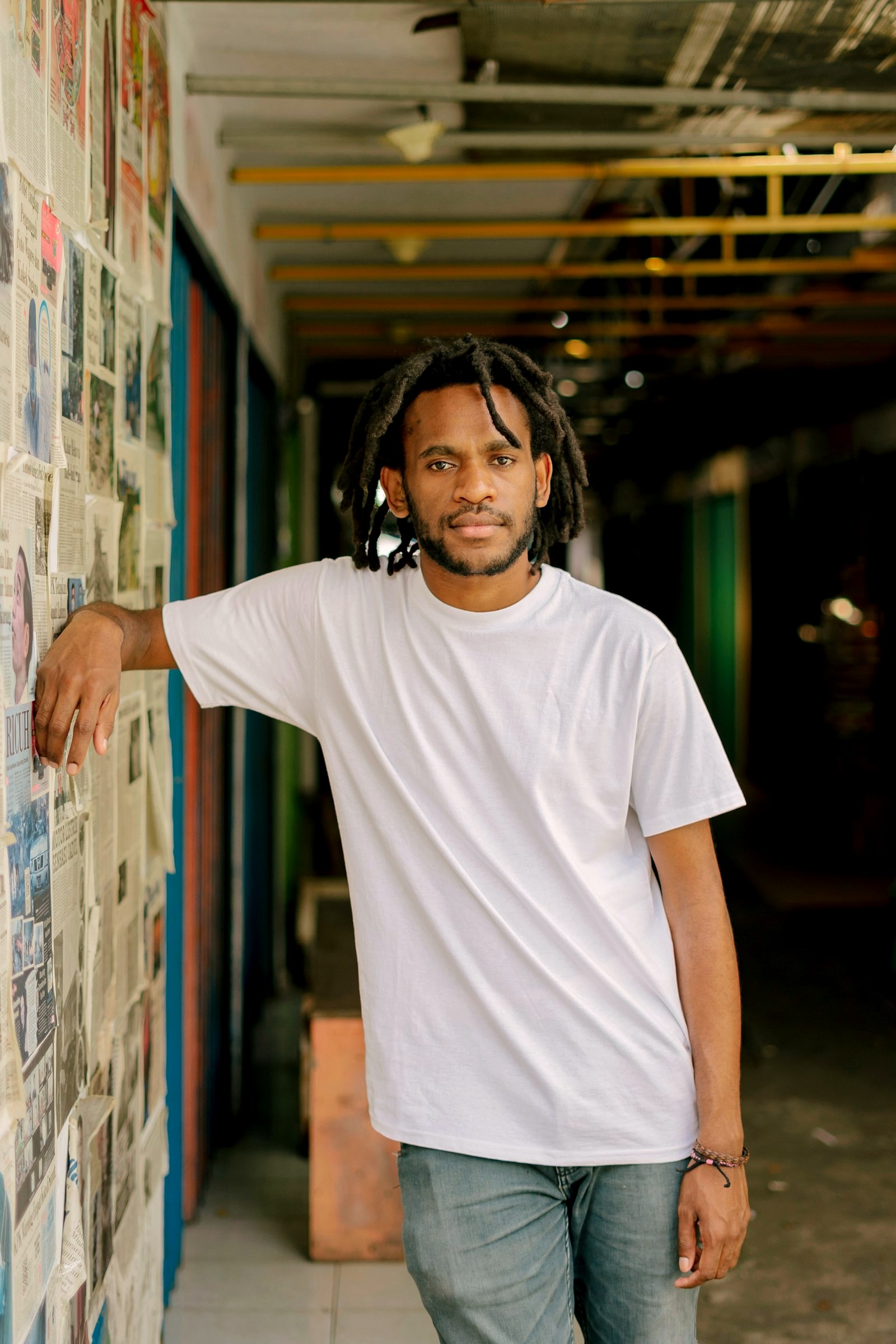
The call: the silhouette, sold separately from the scene, and a new line score set on this page. Essentials is graded as what it is, a line: Jerry Lorenzo launched it in 2018 as the attainable arm of Fear of God, and it carries none of the parent house's scores, only its own evidence. The evidence is a dropped shoulder, a long body and a stacked, oversized line, the exact outline half this search is chasing, cut in an 80 percent cotton fleece and sold in seven sizes, XXS to XXL, the broadest fit welcome on this page, which is what the fit row of 16 is recording. The prices are the argument: the Classic Hoodie at $140 and the Classic T-Shirt at $70, against the anchor's $420 logo tee for the same square of printed cotton jersey. The deductions are cloth and churn: the fleece is a cotton and polyester blend, honest workwear grade rather than luxury grade, and the drop model means the colour you want is a season's hostage. What the line proves, standing second on a page about a $1,090 jean, is that the silhouette was never the expensive part. Buy the hoodie and the tee here, and let the anchor keep the rent.
Amiri
US prices at last check: the MX1 jean $1,090; the Stack Jean $790; the MA Core Logo Tee $420 at the maker's store.
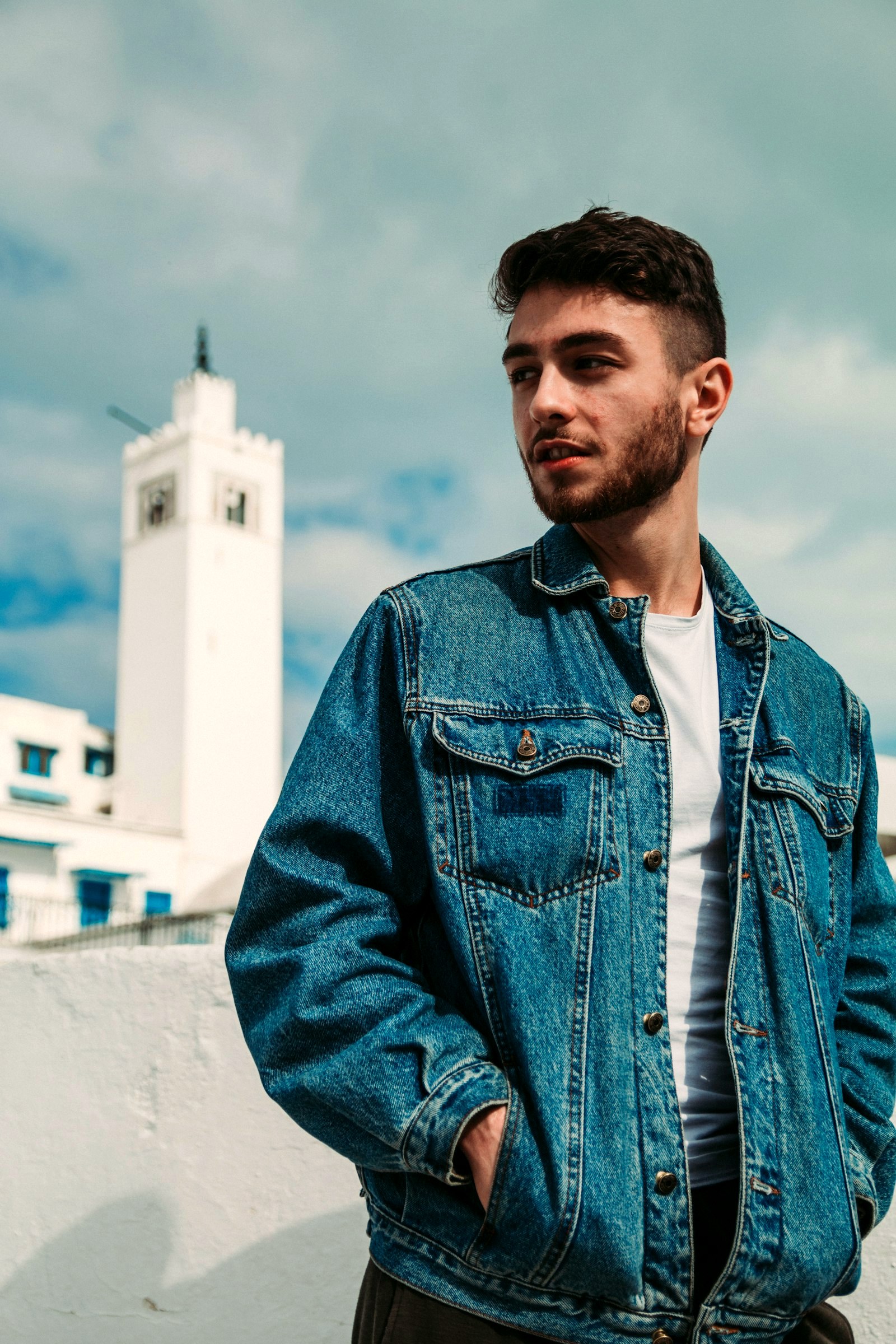
The call: scored in the open at 64, by the derivation printed above, from the line's published record: this site has ranked none of its garments, and the number says so. The case for the anchor is the denim, and it is a real case. The MX1 is the most worked jean in this field, Italian cloth distressed and repaired by hand in Los Angeles, the pleated ultrasuede patches sewn where a lesser house would print them, the wash graduated like a photograph. Mike Amiri built stage clothes for rock musicians before he built a brand, and the jean still reads as wardrobe for a stage: it is the genuine article of its kind, and the fabric row of 23, the best on this page, is the grade for it. The case against is everything hung next to the jean. A core logo tee at $420 and an oversized tee at $490 are jersey rented by the square inch; the flagship jean's own care instructions read spot clean only, do not wash, which retires it from wardrobe duty to occasion duty; and the department stores that carry the line cut it by 40 percent in season, the market grading the list prices so this page does not have to. Since 2019 the house has had OTB's machine behind it and its founder still at the table, which earns the longevity row its tier-best 11. Buy the MX1, on the markdown, in the wash you will wear for years, and spot clean it like the heirloom it is priced as. Skip the logo programme entirely.

Cole Buxton
UK prices at last check: the Sportswear T-Shirt £75 (about $100) in 280gsm cotton; the Icon Zipped Hoodie £175 in 420gsm fleece at the maker's store.
The call: the London answer to the same want, and a new brand score set on this page. Cole Buxton built the register from the other end of the day: vintage athletic clothing, the warm-up kit of old boxing and bodybuilding photographs, rebuilt as boxy, cropped, heavyweight staples in washed blacks and greys. Where the anchor distresses, this house weighs: the cloth weights are printed on the product pages like specifications, 280gsm for the Sportswear T-Shirt, 420gsm brushed-back American fleece for the Icon hoodies and sweatshirts, garment washed and preshrunk, which is why a £75 tee earns a fabric row of 19 that the anchor's $420 tee cannot buy. The silhouette is the softer cousin of this page's look, broad through the shoulder and short through the body, the gym-to-street outline our own pages keep recommending over the skinny stack. The deductions are range and youth: a narrow line of fleece and jersey, no denim story to answer the MX1 with, and a young independent house whose longevity row is a 9 until the years accumulate. Buy the tee and the zipped hoodie here if your version of the look starts in the gym and ends on the street. It is the anchor's washed palette with the weights printed and the logo left small.
Saint Laurent
US price at last check: the Basic Logo T-Shirt $550 at retail.
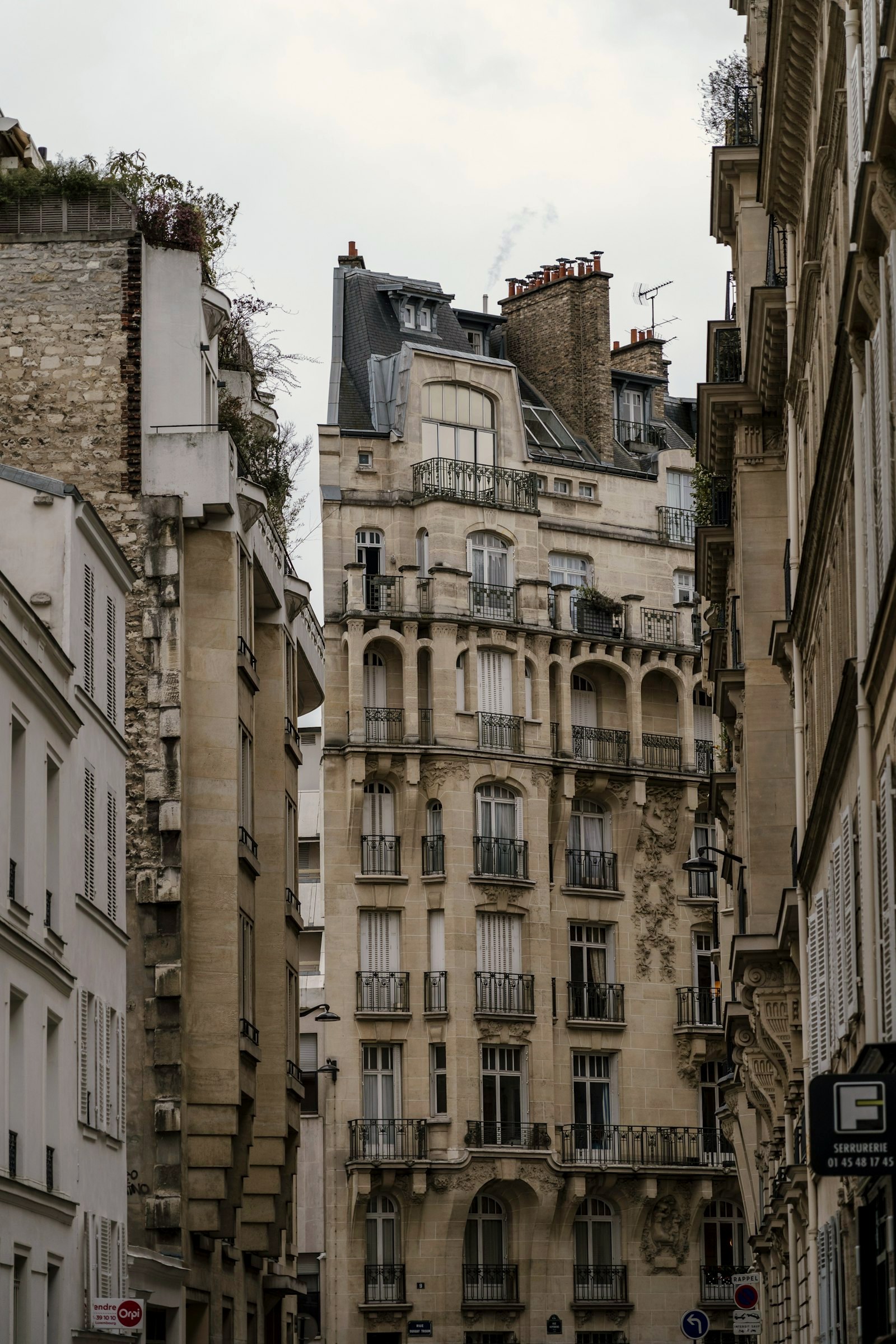
The call: the Paris original the anchor's register descends from, keeping the 58 and the rows from our French ranking, where it finished last of twenty and the reasoning is printed in full. The debt is real and this page acknowledges it standing in the anchor's own city: the slim black silhouette, the boot, the tee as evening dress, were codified here a decade before they were a Los Angeles uniform. The ranking scores the present. Today's house sells that silhouette cut to exclude most bodies on purpose, fit range 10, in cloth that is ordinary for the money, fabric 21 carried by the tailoring rather than the jersey, under a logo programme whose Basic Logo T-Shirt at $550 is the logo tax in its purest form, which our awards page grades as a category, not a compliment. Against the anchor the comparison cuts both ways: Amiri's denim is more worked than anything in this house's jean line, and its value row is worse, 3 against 4, which tells you what a decade of Los Angeles pricing did to a Paris idea. Buy neither logo tee. If the original is the point, buy its tailoring on the resale market, where the season dating that scores its longevity at 9 works in the buyer's favour.
John Varvatos
US prices at last check: graphic tees $118 to $198; the Adriano Blazer $1,298 at list, chained to $545 in the brand's own outlet.
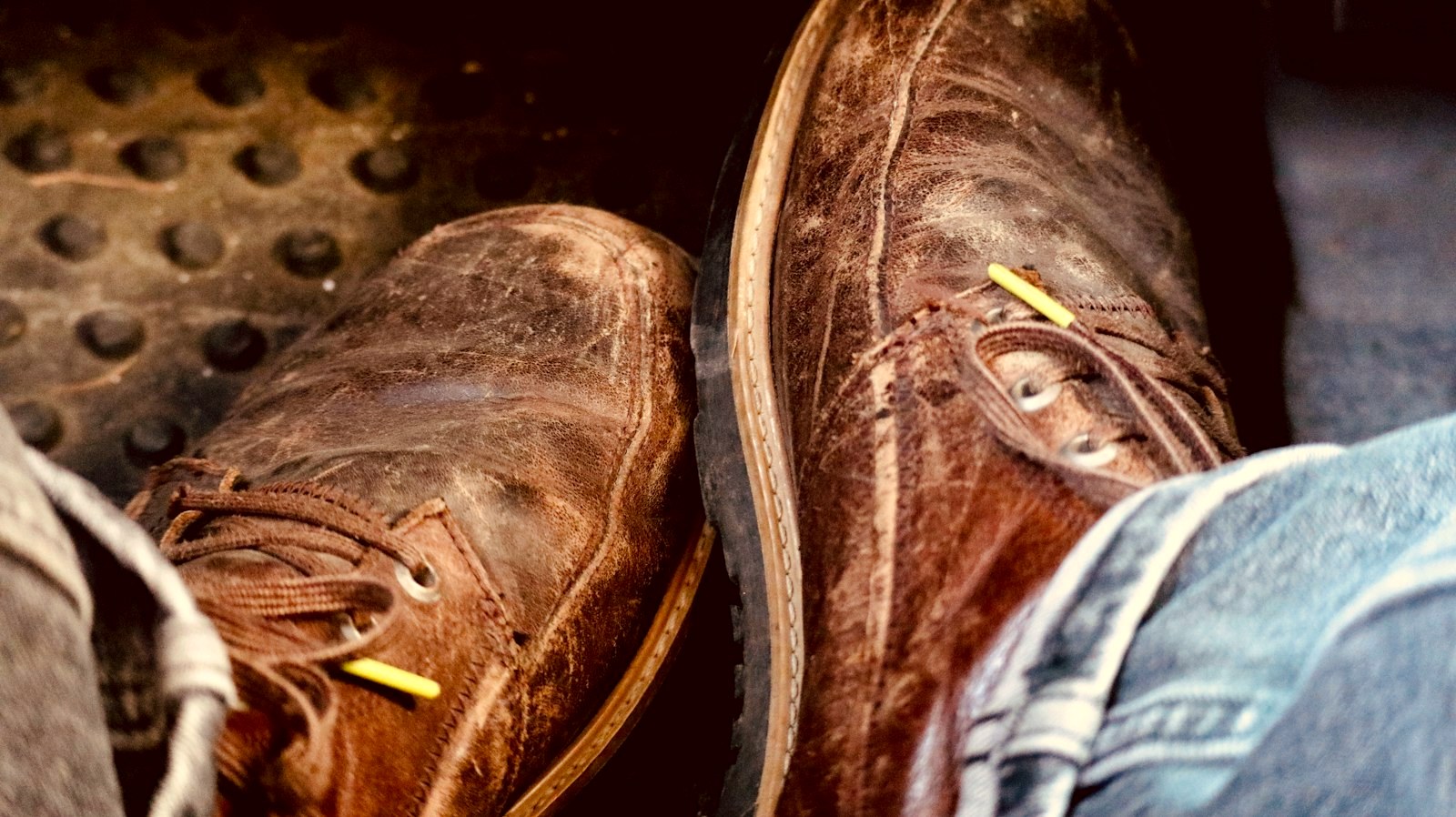
The call: the elder of this entire church, keeping the 53 and the rows from brands like Rag & Bone, where it was scored new a page ago. John Varvatos built rock-and-roll tailoring from 2000, slim suits, washed leather, boots with a stage-worn scuff, and the anchor's whole register, the stage wardrobe as luxury line, descends from his store before it descends from Paris: Mike Amiri's stage pieces and Varvatos's stage tailoring are the same idea at two altitudes, and the elder got there first. What remains is graded on the record, not on nostalgia: Chapter 11 in May 2020, the company sold to its own lender, Lion Capital, as a going concern, into the same portfolio that holds the winner at the top of this page. The prices still quote the memory, tees at $118 to $198, the Adriano Blazer at $1,298 list, and the brand's own outlet chains that blazer to $545, which is the first price confessing. The longevity row of 6 is the lowest above the skip, because a bankrupt, lender-owned label is a licensing story with a flagship. Buy the boots and the leather in the outlet if the last fits you. Do not pay list for a register its inventor can no longer afford to defend.
Zara
US price at last check: the Distressed Skinny Fit Jeans $69.90 at the maker's store.
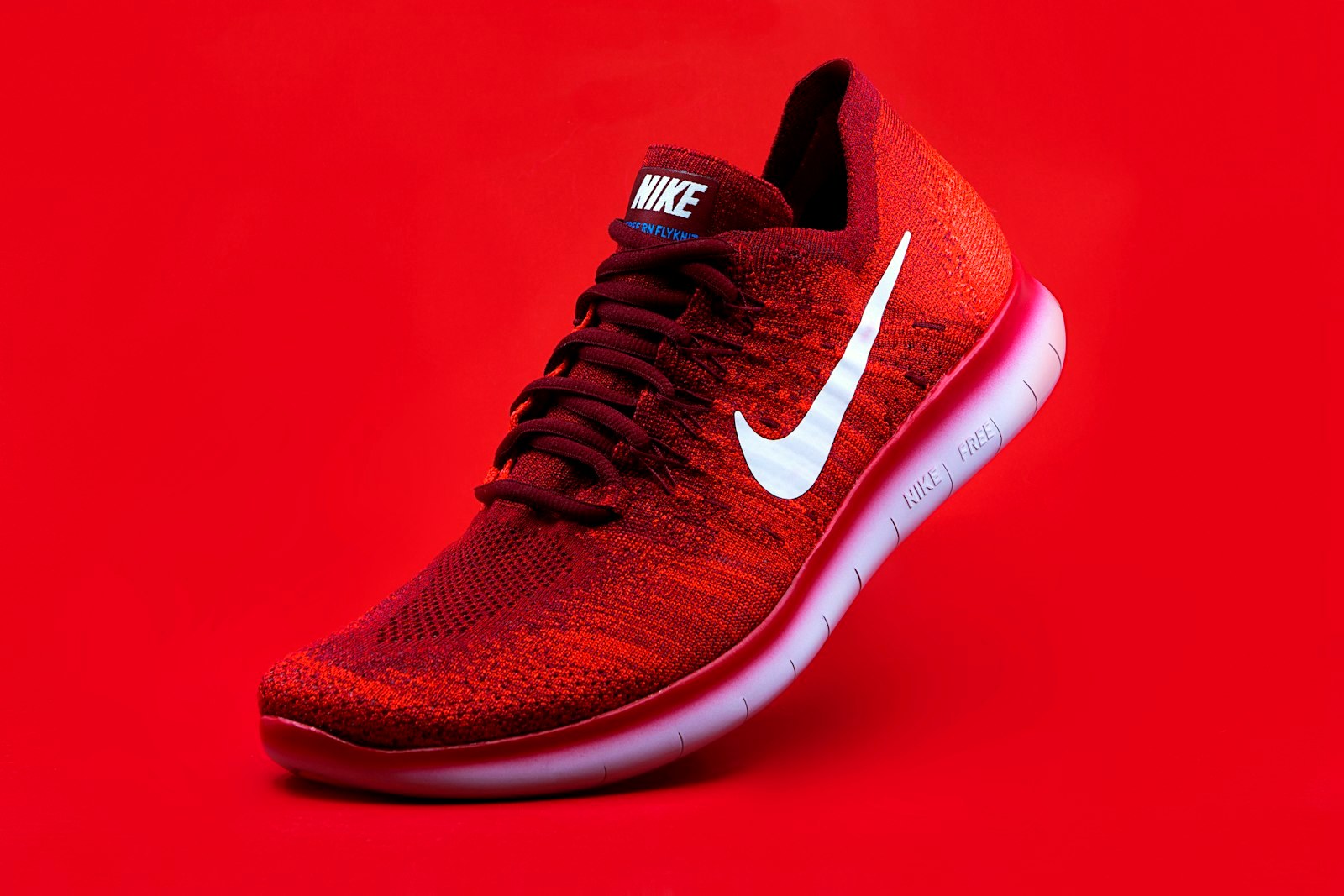
The call: the look, copied at factory speed, keeping the 48 and the rows from its own page in this series: fabric 13, construction 8, fit range 15, value 9, longevity 3. The exhibit is the Distressed Skinny Fit Jeans at $69.90, the anchor's signature garment reproduced down to the rips, in a denim that is 96 percent cotton with polyester worked into the blend, at a fifteenth of the MX1's price. As a photograph of the look it is nearly perfect, which is precisely the trap this page exists to name: the anchor's jean is a garment whose entire claim is the work done to it by hand, and a copy of hand work, printed and pre-torn on a production line, keeps the outline and discards the claim. The longevity row of 3 is the published record of this house's line, and a distressed jean is the worst garment in the world to buy in a cloth that tires: it arrives pre-aged and ages again from there. The anchor overcharges for the real work. The skip charges fairly for a picture of it. The five names above are where the money goes instead.
The pattern under the ranking
Read the ladder and the luxury rock register explains itself: the premium buys exactly one thing, hand work on denim, and rents everything else. The anchor posts the best fabric row on the page, 23, built on a single garment's genuine craft, and the worst value row among the houses, 3, built on the logo programme hung around that garment. The top of the page is held by the two names that separated the look from the rent: the mall house that sells the register in real leather at prices its own sale chain negotiates honestly, and the line that sells the silhouette in seven sizes at a tenth of the anchor's tee. The pattern has a second layer, and it is about who survives. The register's Paris original is a conglomerate's logo programme at 58; its American elder is a lender's asset at 53; its mall version is the elder's stablemate under the same owner, at 66; and the anchor, the one founder-led house in the tier, stands third at 64 with the group's money behind it and its name still its founder's. The look has outlived every business model built to sell it except the two at the top of this page, which sell it as clothing. One name is deliberately absent from the table. Represent, the Manchester house working the same gym-to-luxury seam, is not ranked, because its ownership and pricing have moved too often in two years for a score to survive the season; when the line holds still for a year, it will be scored, the way Banana Republic's absence was explained a page ago. When you shop this register, run the test the table below is built on: pay for the hand work or pay for the cloth, and never pay for the photograph. The houses that pass it are the ranking.
| Brand | Score | The piece to buy | US price |
|---|---|---|---|
| AllSaints | 66 | The Myler Ramskull Leather Bomber, in the sale | $569 at list |
| Fear of God Essentials | 65 | The Classic Hoodie | $140 |
| Amiri | 64 | The MX1 Jean, on markdown | $1,090 |
| Cole Buxton | 62 | The Sportswear T-Shirt | £75 (about $100) |
| Saint Laurent | 58 | None at list | Logo tee $550 |
| John Varvatos | 53 | The Adriano Blazer, outlet only | $545 |
| Zara | 48 | None | Distressed jeans $69.90 |
The Skip · 48/100
Zara is this page's named loser, and the charge is specific to this register. Every name above it, including the anchor at 64, is at least selling a version of the work: hand distressing in Los Angeles, real leather in the mall, a silhouette cut honestly in seven sizes. The skip sells the photograph of the work, a skinny jean pre-ripped on a line at $69.90, in a polyester-blended denim whose tiredness is a matter of published record on this site: a standing 48, a longevity row of 3. A distressed garment is a promise that the damage was done by a life, or at least by a craftsman. The skip's damage was done by a product meeting, and it shows by the third wash, when the printed fade and the real fade start telling different stories. The anchor will charge you $1,090 for the genuine article and tell you not to wash it, which this page grades as a 3 on value. The skip will charge you $69.90 for the copy and let the cloth confess. The five names above the skip are selling the third option, the look in cloth that survives it, and the best of them sells it for less than the anchor charges for a t-shirt.
Which one to buy
If you buy one thing: the AllSaints Myler bomber on its sale chain at $272.80, the register's best garment at the price its own maker settles for. If the silhouette is the brief: the Essentials Classic Hoodie at $140 and the tee at $70, the outline in seven sizes, no rent attached. If you were really shopping the anchor: buy the MX1 on the department-store markdowns that cut it by 40 percent in season, read the care label before you pay, and read our jeans ranking for what the same money buys in denim that can be washed. If you want the softer version: Cole Buxton, the washed palette with the cloth weights printed on the page. If the elder's leather is the draw: Varvatos, outlet only, never at list. The other pages in this family score the downtown uniform at designer-adjacent prices in brands like Rag & Bone, the attainable version of this register's tailoring in brands like Aimé Leon Dore, the copy itself in brands like Zara, and the denim is styled in how to wear denim.
Questions, answered
What brand is most like Amiri?
For the look at a price a salary survives, AllSaints, at 66 on this page: the same leather, black denim and ruined knit register, sold in every good mall in America and honestly bought on its permanent sale chain. For the silhouette alone, Fear of God Essentials at 65, graded as a line: the dropped shoulder and the long, stacked line at $70 to $140. The anchor itself lands third at 64, scored in the open from its line's published record: real hand work on the denim, a logo programme on everything else.
Is Amiri worth the money?
The denim, argued for below, is the closest thing on this page to a yes: the MX1 at $1,090 is Italian stretch denim, hand-distressed and repaired with pleated ultrasuede in Los Angeles, and the wash work is genuinely the best in this field. It is also a jean the maker tells you not to wash, spot clean only, which is what the value row of 3 is recording. The rest of the line does not follow it: a core logo tee at $420 and an oversized tee at $490 are the logo rented by the garment. Buy the MX1 on the department-store markdowns that cut it by 40 percent as a matter of routine, or do not buy it.
Why is Amiri so expensive?
Part of the price is real cost: the jeans are cut and finished in the Los Angeles Arts District from Italian cloth, and the distressing and repair work is done by hand, garment by garment. Part of it is position: the house prices against the Paris luxury tier it shows alongside, not against the denim tier it came from. And part of it is the scene the clothes are photographed in, the stage wardrobe the founder built for rock musicians before the brand existed. This page grades the three parts separately. The hand work earns the fabric row of 23. The positioning earns the value row of 3.
Who owns Amiri?
Mike Amiri still does, with a partner. The brand he founded in Los Angeles in 2014 remains founder-led, and in June 2019 Renzo Rosso's OTB Group, the house behind Diesel, Marni and Maison Margiela, took a minority stake for an undisclosed sum. That structure is graded in the longevity row, 11: the founder still designs, the group supplies the retail machine, and reported revenue passed $300 million in 2023. It is the healthiest ownership on the lower half of this page, where the elder, Varvatos, is a lender's asset and Saint Laurent is a conglomerate's logo programme.
Why is Zara the skip on this page?
Because it sells this exact look, the ripped skinny jean and the washed band register, at $69.90, and its record is published: a standing 48 in this series, fabric 13, construction 8, fit 15, value 9, longevity 3. The exhibit is its Distressed Skinny Fit Jeans, 96 percent cotton with polyester in the blend, the anchor's silhouette copied down to the rips at a fifteenth of the MX1's price. A copy of a distressed jean is a garment distressed twice, once in the factory and once by the season, and the longevity row of 3 is what this site has measured across its line. The look deserves better cloth than this, at any altitude on the page.
How this ranking stays honest
Scores follow our published methodology and are re-checked on the cadence in the byline. Four scores on this page are standing scores reproduced with their rows: AllSaints' 66 and John Varvatos's 53 from brands like Rag & Bone in this series, Saint Laurent's 58 from our French brands ranking, and Zara's 48 from its own page. Two numbers are new on this page and are labelled as such in their calls: Cole Buxton's brand score, and the Fear of God Essentials line score, graded as a line on its own published evidence and never borrowed from its parent house. The anchor's 64 carries the plainest label of all: no Amiri garment has been ranked on this site, the score rests on the line's published record as the method section states, and it will be re-derived in the open when a garment is ranked. Prices are US prices at last check unless a maker's store prices in its home currency, in which case the currency is printed: the anchor's line from amiri.com, the Essentials line from PacSun, its official stockist, Cole Buxton's in pounds from its London store with the dollar figure marked as approximate, and the AllSaints and Varvatos ladders carried from their verification on the Rag & Bone page earlier today. The photography is this magazine's licensed scene photography from our own bank; no brand's campaign or lookbook imagery is used anywhere on the page. The bank holds no bandana-print garment frame, no destroyed-denim frame on a body, and no Los Angeles street frame, so the photographs stand for the register, the street, the leather and the silhouette, not for the garments, and the page says so here rather than borrow the anchor's own imagery to close the gap. When a maker changes cloth, price or model materially, the score moves and the move is noted here.