

The want underneath the search: the downtown uniform, slim jeans, a soft blazer, boots with a scuff, sold one tier above the mall. This page scores whether the tier is earned.
Checked and updated October 2026
The verdict, up front: seven brands scored out of 100 on the published brand basis: fabric and cloth 30, construction and craft 20, fit range and sizing honesty 20, value 15, longevity 15. Asket wins at 92, keeping the standing score from our Scandinavian ranking, rows intact. 3sixteen is second at 86, the denim specialist that sells the anchor's signature garment in better cloth for $22 more. And Rag & Bone lands fourth at 68, scored in the open below from its line's published record: the best fit system on this page, graded 18 of 20, carrying cloth and value rows that do not repay designer-adjacent prices. One comparison states the whole page: J.Crew, the mall tier this search is trying to rise above, holds a standing 73 from its own page in this series, five points above the anchor. The named skip is H&M at 38, keeping the standing score from its own page in this series, rows intact.
What people actually want from Rag & Bone
The want under this search is the downtown uniform, without the designer invoice. Rag & Bone was founded in New York in 2002 by Marcus Wainwright and David Neville, two Britons who built an American wardrobe out of a British eye: slim jeans in washed-out indigo, tees and henleys with the softness already worn in, unstructured blazers, boots with a scuff, everything cut close and finished like it had somewhere to be at night. The house's real contribution is the Fit series, four named denim blocks, Fit 1 skinny through Fit 4 relaxed, each in waists 28 to 40 and two inseams, so a customer buys a block the way he buys a shoe size. None of that is in dispute on this page. The reader's question is narrower and harder: the prices sit one tier above J.Crew and Banana Republic and one tier below the designers, so is the premium bought back in cloth and fit, or is it bought back in neither? The scores below answer it row by row. The fit, yes, repaid in full. The cloth, no, and the page names the houses that sell the same job in better fabric, cheaper, or both.
A note on who is writing. This magazine is a fellow New York publication, born in SoHo, and the anchor is a hometown house: its first store stood on Christopher Street, and the downtown it dresses is the downtown outside our door. That proximity buys the anchor no points here and costs it none. Its fit system is graded as the best on this page, in the open, below. Its stretch denim at selvedge prices is graded as what it is, in the same table. That is the whole of the house position: the look is admired, the invoice is audited.
How the scores work
Same ruler as every brand ranking on this site, published on our methodology page: fabric and cloth out of 30, construction and craft out of 20, fit range and sizing honesty out of 20, value out of 15, longevity out of 15. Three scores on this page are standing scores reproduced exactly: Asket keeps its 92 and its rows from our Scandinavian ranking, A.P.C. keeps its 83 and its rows from its own page in this series, and H&M keeps its 38 and its rows from its own page, where the number was derived in the open from thirteen ranked garments. Three houses had never been scored as brands here, 3sixteen, AllSaints and John Varvatos, so their numbers are new, set on this page from the published evidence, and the page says so wherever it matters. Garment scores stay garment scores: this site's jeans ranking scored a 3sixteen jean at 78 as a garment, and that figure is evidence for the cloth rows below, never a brand score borrowed early.
The anchor requires a plainer statement than usual, and it gets one. This site has never ranked a Rag & Bone garment. There is no Verdict Card to lean on, so the 68 is built the way the H&M page taught this series to build an anchor score: in the open, from the record that exists, with its basis named. The record here is the line's published one. Fabric 20: the maker's own product pages spec the volume denim as Authentic Stretch, 99 percent cotton and 1 percent lycra, and the brand's retail copy calls the cloth selvedge-inspired, which is a marketer's way of saying it is not selvedge; the tailoring cloth runs better, Italian-milled houndstooth at the top of the range, but the basics the house sells by the truckload are mid-table. Construction 13: competent and consistent across washes and seasons, a clear level below the houses on this page that publish their mills and factories. Fit range 18: the Fit 1 to Fit 4 architecture is the strongest fit system in this field, four blocks, a 28 to 40 waist run, two inseams, and stretch placed where it keeps a slim block wearable all day; the row is the anchor's best and it is earned. Value 7: $228 to $268 for a stretch jean on a page where true selvedge sells at $250, blazers at $698, and a department-store channel that holds the line at a third or more off list as a matter of routine, which means the list price is an opening bid the brand itself does not defend. Longevity 10: founded in 2002 and still trading, which the row credits; since April 2024 the operating assets belong to Guess and the name to a Guess and WHP Global venture, with neither founder now running the house, and a jointly held licensing asset is graded as one. Add them: 20, 13, 18, 7, 10. The brand score is 68, resting on the published record rather than a ranked garment, and printed as such. When a Rag & Bone garment is ranked on this site, the derivation will be printed again, from the garment up.
Seven brands, ranked

Asket
US prices at last check: the T-Shirt $70; the Loose Twill Chino $230 at the maker's store.
The call: the basics half of the anchor's uniform, done properly, keeping the 92 and the rows from our Scandinavian ranking, where this house already won its page. The comparison is the anchor's problem in one line: the downtown look is mostly plain pieces, a white tee, a slim chino, an oxford, a merino crew, and Asket sells those pieces with published cloth weights, a graded size system that runs in half steps, and prices printed next to the cost breakdown. Its tee is $70 against the anchor's graphic-led equivalents at two and three times the money, and this site's white tee ranking scored the garment itself at 88. What the anchor adds is attitude, the wash, the scuff, the night-time register, and attitude is real. It is graded on this page in the fit row, where the anchor takes its 18 honestly. It does not close a 24-point gap built out of cloth, construction and a sizing system with no lottery in it. Buy the plain half of the uniform here.
3sixteen
US prices at last check: the CS-100x jeans $250; the Heavyweight Tee 2-pack $98 at the maker's store.
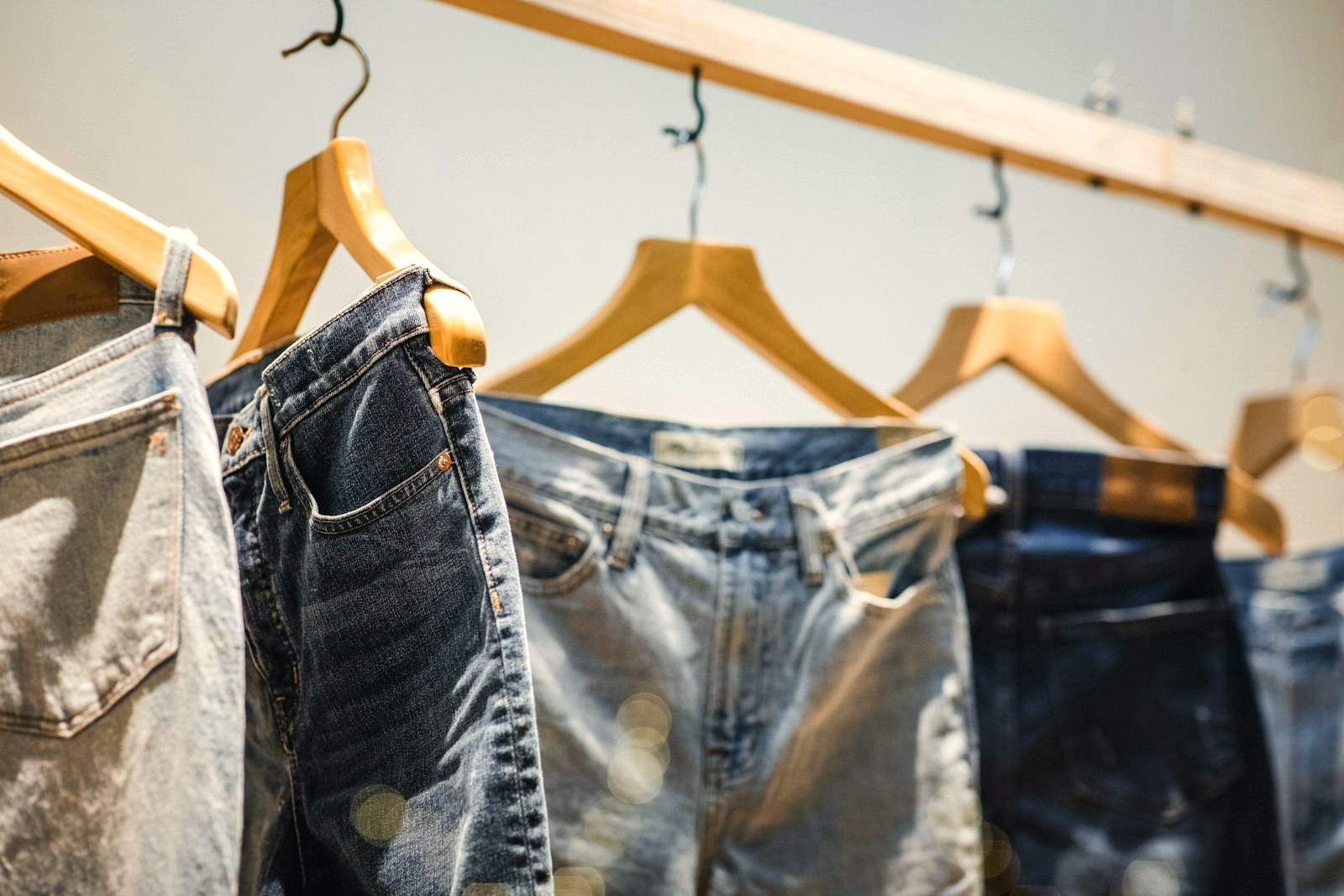
The call: the denim answer, and a new brand score set on this page. 3sixteen is the other New York house in this field, founded in 2003 by Johan Lam and Andrew Chen, and it sells the garment the anchor is famous for, made the way the anchor's marketing gestures at: selvedge woven for the house by Kuroki Mills in Okayama on vintage Toyoda shuttle looms, cut and sewn in California, every fit designed, in the maker's own words, to become a permanent fixture in the lineup rather than a season's story. The arithmetic is the verdict. The anchor's Fit 2 costs $228 in 1 percent stretch denim its own retail copy calls selvedge-inspired; the CS-100x costs $250 in the actual cloth. Twenty-two dollars is the distance between the imitation and the thing, and this site's jeans ranking has already scored the garment at 78 on cloth evidence alone. Around the jeans sits a small, serious line of heavyweight tees, 260gsm jersey knit by Roopa in Canada and sewn in San Francisco, sold in 2-packs at $98. The deductions are range and breadth: five fits, a narrower waist run than the anchor's, and no tailoring to speak of. For the jean itself, there is no contest on this page, and the jean is the search.
A.P.C.
US price at last check: the Petit New Standard jeans $275 at the maker's store.
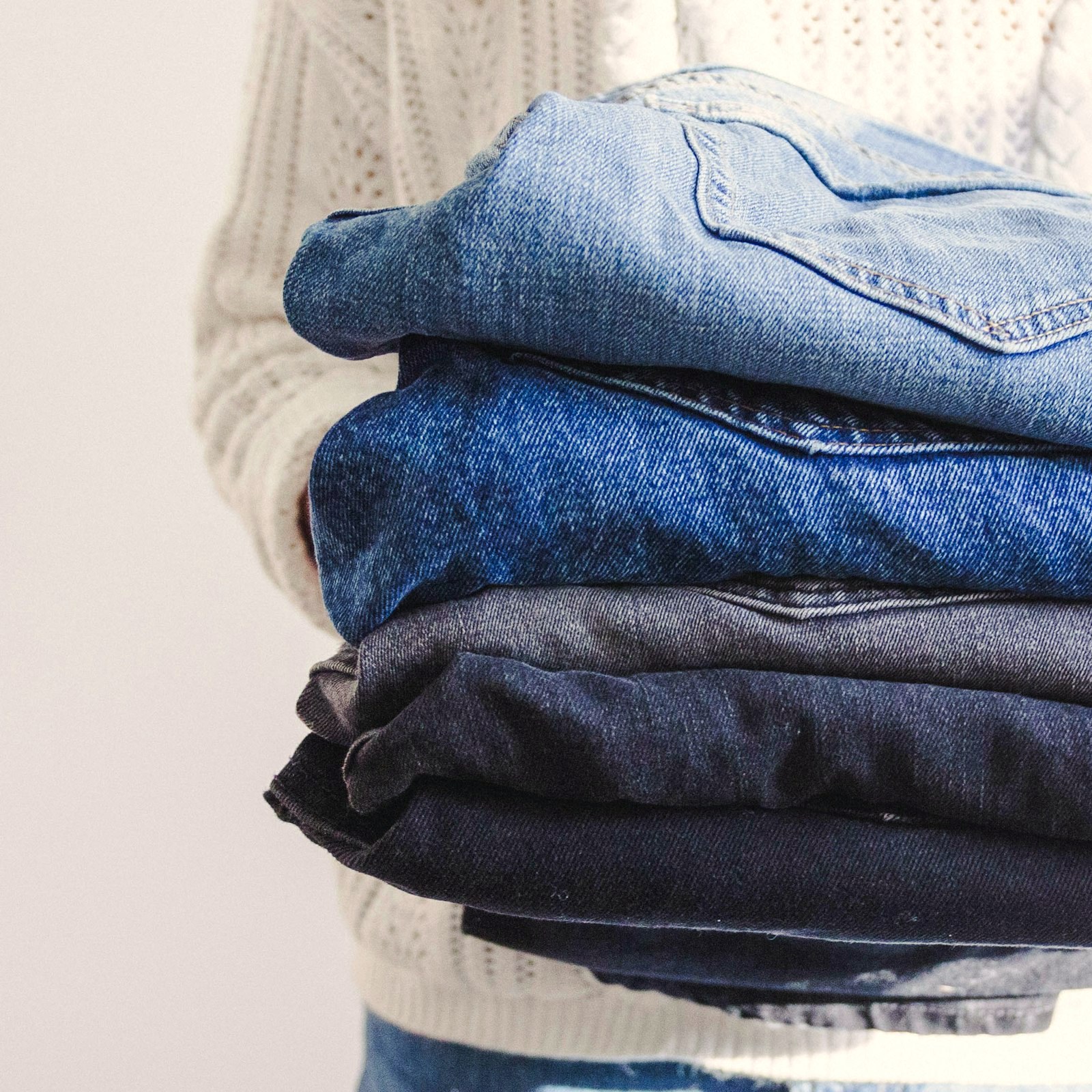
The call: the tailored half of the uniform and the template the anchor was drawn from, keeping the 83 and the rows from its own page in this series. A.P.C. wrote the designer-basics playbook in Paris from 1987: plain clothes, honest cloth, one great jean refined for decades, prices a tier above the mall because the fabric is a tier above the mall. Rag & Bone is in part the American downtown answer to that house, the same restraint with a washed, night-time edge, and the head-to-head is unkind to the copy. The Petit New Standard is stiff Japanese selvedge at $275, a five-year jean; the anchor's Fit 2 is stretch denim at $228 to $268, priced within a good dinner of the original while conceding the cloth entirely. What the anchor keeps is the fit system, 18 against 17, and the softer, lived-in hand of its washes. Buy the jean here if the slim-straight block suits you, and buy the anchor's version only on the markdowns its own channel runs as routine.
Rag & Bone
US prices at last check: the Fit 2 Slim Jean $228 to $268 by wash; the Frank Ponte Blazer $698 at retail.
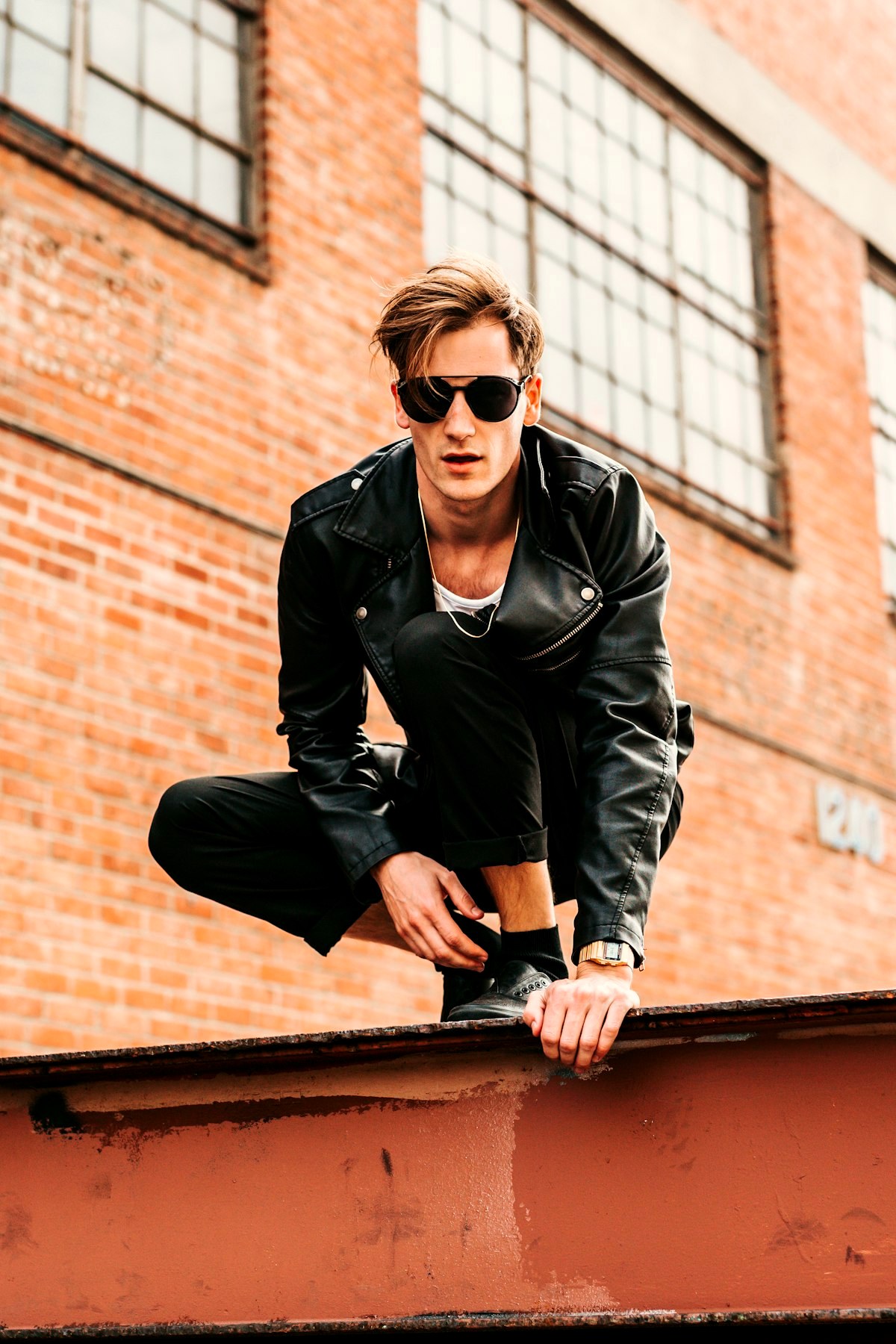
The call: scored in the open at 68, by the derivation printed above, from the line's published record: this site has ranked none of its garments, and the number says so. The case for the anchor is the fit architecture and the eye. Fit 1 to Fit 4 is how denim should be sold, named blocks a man can reorder blind, and the washes, the soft blazer, the whole washed downtown register are a design team's coherent work, copied since by every mall brand on this page's lower half. The case against is the invoice. A $228 jean in stretch denim, a $698 ponte blazer, tees and henleys priced against designers while the cloth is priced, by the brand's own retail partners, against the mall: the premium over J.Crew buys the blocks and the styling, and on this page's basis those are worth an 18 and a design credit inside a 20-point fabric row, not a 24-point climb past houses selling better cloth. Since 2024 the house itself is a Guess and WHP Global asset, which settles what the brand now is: a name, a fit library and a licensing future. Buy the Fit 2, at the markdown, in the wash you will wear for three years. It remains a good jean. It was never a $268 one.
AllSaints
US price at last check: the Myler Ramskull Leather Bomber $569 at list, chained down to $272.80 in the brand's own sale.
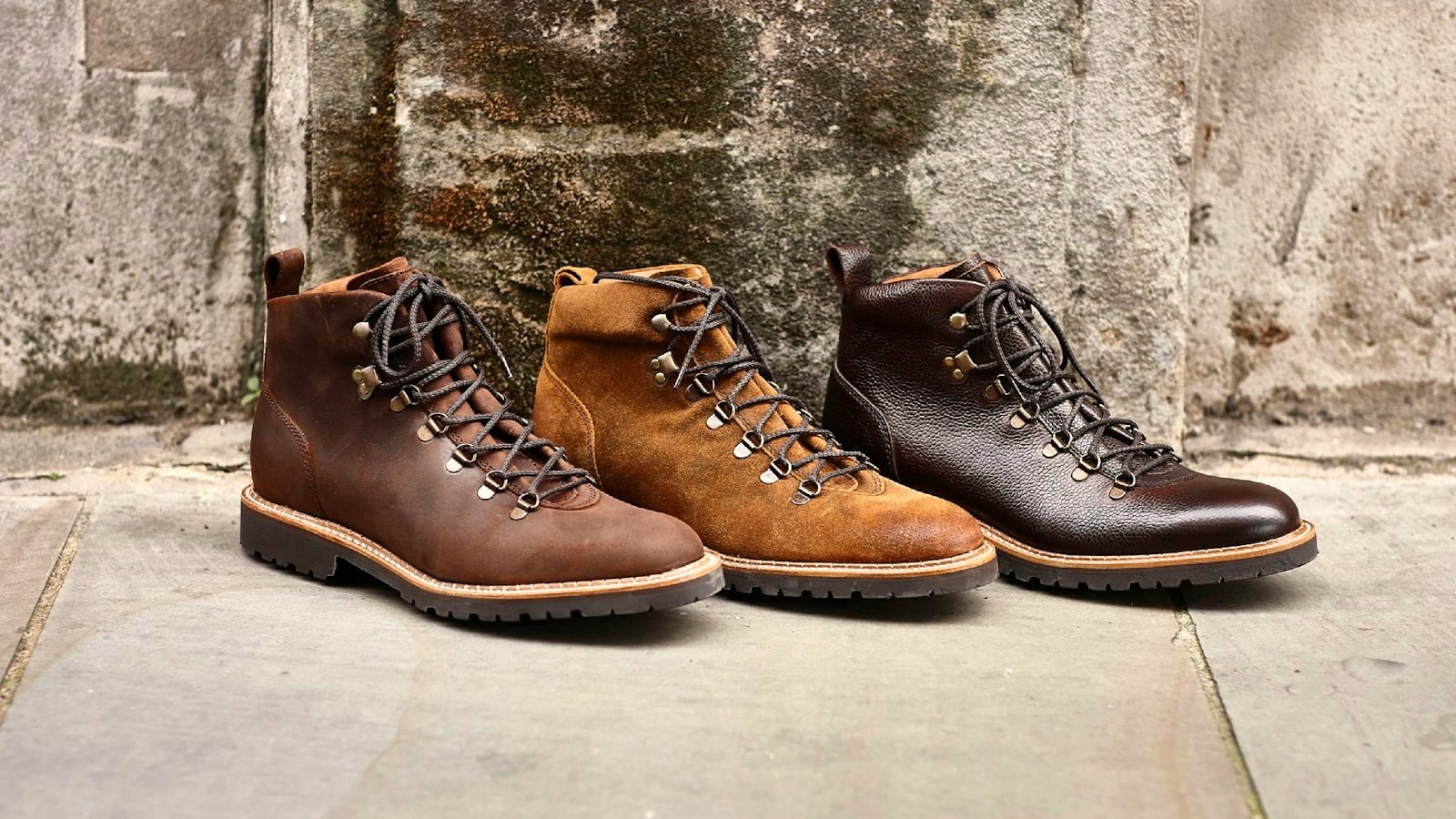
The call: the mall-accessible version of the same edge, and a new brand score set on this page. AllSaints is the London house, founded in 1994, that took the anchor's register, leather, black denim, the artfully ruined knit, and put it in every good mall in America at prices one rung down. The leather is the honest part of the offer: the Myler Ramskull bomber is a real hide at $569 list, and the bikers and bombers are the pieces this house is actually for. The theatre is the pricing: the brand's own sale grid chains that bomber from $569 to $341 to $272.80 under a permanent extra-off banner, which is why its value row, 10, beats the anchor's 7: nobody is expected to pay list, and at the effective price the leather is fairly bought. The deductions are everything that is not leather: the tees and knits are ordinary mall cloth in a downtown cut, and the line churns by season where the anchor's blocks at least persist. Buy the leather here, on the chain, never at the first price printed. It is the anchor's attitude with the invoice already negotiated.
John Varvatos
US prices at last check: graphic tees $118 to $198; the Adriano Blazer $1,298 at list, chained to $545 in the brand's own outlet.
The call: the elder that invented this page's whole register, graded on what is left of it, and a new brand score set on this page. John Varvatos built rock-and-roll tailoring from 2000, slim suits, washed leather, boots with a stage-worn scuff, a decade before the anchor's downtown uniform became the default; half the silhouettes above this card descend from his. The decline is a matter of court record, not taste: Chapter 11 in May 2020 with liabilities above $100 million, the company sold to Lion Capital, its own lender, as a going concern, into the same portfolio that holds AllSaints, the mall version one card above. What the name sells now is priced like the memory: tees at $118 to $198, the Adriano Blazer at $1,298 list, and the brand's own outlet chaining that blazer down to $545, a ladder that tells you the first price was theatre. The cloth row, 17, credits the leather and tailoring heritage that survives in the top of the line; the longevity row, 6, is the lowest above the skip, because a bankrupt, lender-owned label is a licensing story with a flagship. Buy the boots and the leather in the outlet if the last fits. Do not pay list for a nostalgia the brand itself discounts by half.
H&M
US price at last check: the Slim-Fit Single-Breasted Jacket in dark brown, with wool content, $99.
The call: the look, copied, keeping the 38 and the rows from its own page in this series: fabric 9, construction 7, fit range 12, value 7, longevity 3, a number derived in the open there from thirteen garments this site has ranked, the best of them at 48. The exhibit on this page is the slim single-breasted jacket at $99, the anchor's soft downtown blazer reproduced with a whisper of wool in the blend at a seventh of the anchor's blazer price, and as a silhouette for one season it is a fair copy. That limit is the verdict, and it is not about taste: the longevity row of 3 is the published record of thirteen garments, reported one wash at a time. The anchor overcharges for a uniform worth owning. The skip charges fairly for a copy that is not. Between those two failures sit the five houses above, which is where this page recommends the money go.
The pattern under the ranking
Read the ladder and the designer-adjacent tier explains itself: the premium buys fit and styling, and cloth is where it leaks. The anchor posts the best fit row on the page, 18, and a fabric row, 20, that four houses beat, including the mall version below it on leather. The top of the page is held by the two houses that treat a basic as an engineering problem, the Stockholm size system and the New York denim specialist with its permanent lineup, and by the Parisian template that has sold the same jean since before the anchor existed. The pattern has a second layer, and it is about endings: the tier's two elders-by-trajectory are both other people's assets now, Varvatos sold to its lender out of bankruptcy in 2020, the anchor's name held by Guess and WHP Global since 2024, its operating business bought for a reported $56.5 million. Designer-adjacent basics turn out to be a business that ends as intellectual property, licensed back to the market at prices the original cloth never justified. One name is deliberately absent from the table. Banana Republic is the mall tier's own attempt at this register, safari softness and suede truckers, and it is not ranked, because its parent has relaunched it too many times in a decade for any score to survive the season; when the line holds still for a year, it will be scored. When you shop this look, run the test the table below is built on: price the cloth, not the postcode. The houses that pass it are the ranking.
| Brand | Score | The piece to buy | US price |
|---|---|---|---|
| Asket | 92 | The T-Shirt | $70 |
| 3sixteen | 86 | The CS-100x jeans | $250 |
| A.P.C. | 83 | The Petit New Standard jeans | $275 |
| Rag & Bone | 68 | The Fit 2 Slim Jean, on markdown | $228 |
| AllSaints | 66 | The Myler Ramskull Leather Bomber, in the sale | $569 at list |
| John Varvatos | 53 | The Adriano Blazer, outlet only | $545 |
| H&M | 38 | None | Blazers $99 |
The Skip · 38/100
H&M is this page's named loser, and the charge is specific. Every house above it, including the anchor at 68, is at least selling a version of the downtown uniform that survives being worn. The skip sells the silhouette, the soft blazer at $99, the washed tee, the slim black jean, in blends whose tiredness is a matter of published record on this site: thirteen ranked garments, a mean of 38, a longevity row of 3. The anchor will charge you selvedge money for stretch denim, which this page grades as a 7 on value. The skip will charge you $99 for a blazer that has to be rebought next year, which is the same subscription wearing a smaller price tag. The five houses above the skip are selling the alternative, ownership, and the best of them sells the anchor's signature garment, in the real cloth, for $22 more than the anchor charges for the imitation.
Which one to buy
If you buy one thing: the 3sixteen CS-100x at $250, the anchor's signature garment in the cloth the anchor's copy only gestures at, for $22 more than the Fit 2. If the basics are the brief: Asket, the plain half of the uniform with a sizing system and published cloth weights, the tee at $70. If you want the tailored half: A.P.C., the Petit New Standard at $275, the template bought once and worn for five years. If you were really shopping the anchor: buy the Fit 2 on the markdowns its own retail channel runs as routine, and read our blazer brief before paying $698 for the ponte one. If the edge is the point: AllSaints leather, on the sale chain, never at list. The other pages in this family score the template in brands like A.P.C., the mall tier in brands like J.Crew, the other downtown uniform in brands like Aimé Leon Dore, and the denim itself is ranked head to head in our jeans ranking and styled in how to wear denim.
Questions, answered
What brand is most like Rag & Bone?
For the denim half, 3sixteen, at 86 on this page: a New York house that sells the jean Rag & Bone's Fit series imitates, in true selvedge, at $250 against the Fit 2's $228 in stretch denim. For the tailored half, A.P.C. at 83, the Parisian house that wrote the designer-basics playbook the anchor Americanised. The anchor itself lands between them at 68, scored in the open from its line's published record: the best fit system on this page, cloth that does not repay its prices.
Is Rag & Bone worth the money?
At list price, mostly no. The fit architecture is genuinely the best on this page, 18 of 20: four named blocks, waists 28 to 40, two inseams. The cloth is not: the volume jean is 99 percent cotton and 1 percent lycra that the brand's own retail copy calls selvedge-inspired, and it costs $228 to $268 while 3sixteen sells actual selvedge at $250. The brand's own department-store channel discounts the line by a third or more as a matter of routine, which is the market grading the list prices so this page does not have to. Buy the Fit jeans on those markdowns. Do not buy the $698 blazer at list.
Why does Rag & Bone cost more than J.Crew?
The premium buys design and fit blocks, not cloth. Rag & Bone's Fit 1 to Fit 4 system is a real architecture, and the washes and the downtown styling are a design team's work, where the mall tier copies a silhouette. But on this site's published scale the trade does not come out in the anchor's favour: J.Crew holds a standing score of 73 from its own page in this series, five points above the anchor's 68, because its cloth and value rows beat the anchor's. The gap over the mall is real. What it purchases is narrower than the price suggests.
Who owns Rag & Bone now?
Since April 2024, Guess and WHP Global. Guess bought the brand's operating assets in a deal reported at about $56.5 million, and the two firms jointly own the Rag & Bone name and intellectual property, with the label still designing and trading under its own name. Co-founder David Neville left in 2016, so neither founder now runs the house they started in New York in 2002. This page grades that structure where it belongs, in the longevity row: the brand survives, as a jointly held licensing asset.
Why is H&M the skip on this page?
Because it is where this search ends when the budget collapses, and its record is published. The 38 is not an opinion sampled from a rail: it is derived in the open on its own page in this series from thirteen garments this site has ranked, with the mean at 38. Its version of this look is a slim single-breasted jacket with wool content at $99, the anchor's downtown blazer silhouette at a seventh of the anchor's blazer price, and its longevity row of 3 is what thirteen ranked garments reported. The copy is not the crime; the cloth is. A blazer that tires in a season has to be bought every year.
How this ranking stays honest
Scores follow our published methodology and are re-checked on the cadence in the byline. Three scores on this page are standing scores reproduced with their rows: Asket's 92 from our Scandinavian ranking, A.P.C.'s 83 from its own page in this series, and H&M's 38, derived in the open on its own page from thirteen ranked garments. Three brand scores are new on this page and are labelled as such in their calls: 3sixteen, AllSaints and John Varvatos. The anchor's 68 carries the plainest label of all: no Rag & Bone garment has been ranked on this site, the score rests on the line's published record as the method section states, and it will be re-derived in the open when a garment is ranked. One garment figure is used as evidence only and labelled as such: the 3sixteen jean's 78 from our jeans ranking is a garment score, never promoted to a brand score. Prices are US prices at last check, from the makers' own stores where they publish them: the anchor's Fit 2 at $228 from its own product page, washes to $268, the 3sixteen line from its store's current listings as tracked today, the AllSaints bomber's chain from the brand's own sale grid, and the Varvatos outlet ladder from the house's own outlet pages. The photography is this magazine's licensed scene photography from our own bank; no brand's campaign or lookbook imagery is used anywhere on the page, and the bank holds no on-body frame of a Fit-series jean or of the anchor's unstructured blazer, so the street photograph in its card stands for the downtown register the brand built, not for the garment. When a maker changes cloth, price or model materially, the score moves and the move is noted here.