

The weather the down register is sold for: boots in snow, seen from the wearer's side. Our bank holds no photograph of an Eddie Bauer garment, so no frame on this page is captioned as one.
The short answer: Eddie Bauer was derived at 56 on our L.L.Bean page as the skip of that field, the house that patented America’s first down jacket and trademarked the unconditional guarantee, graded on the thirty-day window that replaced it. This page audits the anchor against the house’s current published record and the number moves to 54, on one row. In 2026 the company that ran its stores filed the brand’s third bankruptcy and closed the North American fleet, the brand passed to a licensee under a brand-management firm’s ownership, and the maker’s own warranty page now refuses every claim on an order placed before February 1, 2026, regardless of the policy in place when it was bought. Longevity goes 5 to 3, level with the skip’s row, and the rest of the record stands entire, value verified to the dollar. Above it: L.L.Bean at 87, Patagonia at 83, Lands’ End audited at 72, Duluth Trading audited at 68 and The North Face audited at 63. Zara, at 48, standing from its own page, is the skip: down sold by the blend ratio, with the fill power left out.
What people actually want from Eddie Bauer
The want under this search is the down house that answers for itself: a warm jacket whose warmth is printed as a number, in sizes other houses abandon, at a price that does not require a decoder, from the company that invented the category and promised, in a trademarked sentence, to stand behind every item it sold forever. Eddie Bauer founded his Seattle shop in 1920, nearly died of hypothermia on a winter fishing trip in 1936, and answered in 1940 with the Skyliner, the first patented down jacket in America. The house he built outfitted expeditions, made its guarantee a trademark, and spent most of a century as the name a cold reader trusted first. The derivation this page audits was set on the L.L.Bean page, where the anchor sat last in a field of covenant houses, graded on what its pages published then: real down knowledge in a core line, a tall library that persisted from the serious years, list prices nobody was expected to pay, and a guarantee shrunk to thirty days and a restocking fee. The audit owed the record a reading on its own terms, in the year the story finished: what does the name publish now, about the cloth, the price, the fit and the promise, and which of the derivation’s five reasons survive the closing of the stores?
The answer is a house whose garments did not move and whose existence did. The down jacket is the same jacket, at the same list, under the same promotions. Everything that stood behind it has been wound down, licensed out or refused in print, and the audit treats those facts in the row they belong to.
How the scores work
Same ruler as every page in this series: fabric and specification record out of 30, construction 20, fit and size range 20, value 15, longevity and repair 15. One row on this page moves, and the move is argued below at the size a move gets; every other number already stands in this series, and each card names its home. The skip’s 48 was set as the anchor of its own page and is restated here, not re-derived.
The standing record, in full. The L.L.Bean page of this series derived the anchor’s score in the open, from the CirrusLite’s published record and the return policy that replaced the trademark: fabric 17, construction 12, fit 14, value 8, longevity 5. Add them: the brand score was 56, and the Lands’ End page carded it exactly, rows and all, while the Filson, Patagonia, Arc’teryx, Orvis and Duluth Trading pages rested it in prose and our puffer and parka rankings cited it as evidence. This page audits each row against the maker’s current record.
Fabric, 17, stands. The derivation rested on a real core and an empty surround: a century of insulation craft in the down line, the CirrusLite publishing 650 fill power with responsibly sourced down, docked because the apparel around it is commodity fleece and tees with nothing published at all. That is still the shape of the store at this check. The costed jacket’s copy stands as the derivation read it, the fill power printed where the buyer reads it, and no shell weight or fill weight beside it. The announced return of the First Ascent performance line is a strategy, published by the brand’s owner as a direction for spring 2026; strategies are credited in prose in this series and cashed when the garments publish their records, and no graded First Ascent garment yet does. The licensed expansion of the name into other makers’ goods is charged where it belongs, in the longevity audit below, rather than double-counted here. The 17 stands on the derivation’s evidence, verified.
Construction, 12, stands. The derivation graded competent and unremarkable making throughout: nothing bench about it, nothing the price explains, and nothing published since changes the grade in either direction. The making now sits with a licensee’s product development, a fact about who stands behind the garments rather than how they are sewn, and it is weighed in longevity. The 12 stands.
Fit, 14, stands, verified live. The derivation credited this row as the card’s fairest: the tall and big ranges genuinely persist from the house’s serious years. They persist at this check on the maker’s own size guidance, read at this audit: Regular in sizes S to XXXL, pants waists 30 to 48; Tall for heights from 6'2" to 6'5", sizes M to XXXL, longer sleeves and body, pants waists 34 to 46 with a longer rise; and a Short pants range under 5'8". A library like that is an operating decision a licensee could quietly drop, and at this check it has not been dropped. The 14 stands.
Value, 8, stands, verified to the dollar. The row was argued on list prices as opening bids: promotions running most weeks, the tag describing a price the house does not expect anyone to pay. Both halves verify at this check on the maker’s own product page. The costed garment of the derivation’s door, the CirrusLite down hooded jacket, stands at $149 list, exactly the derivation’s figure; the offer printed on the same page at this check is $89.40, forty percent under list under the standing promotion; and a deal record dated October 1, 2026 shows the same jacket at $75 under a promo code, half the list price. Where audits in this series moved a value row, they moved it on the maker’s own new price; this maker’s list has not moved a dollar, and the transaction price floating between forty and fifty percent beneath it is the reference-pricing habit the row docked, verified in arithmetic. The credit and the dock stand together: the 8 stands.
Longevity, 5 to 3, moves. The derivation priced this row as the lowest on its page, and its reasons were already bleak: a name dating to 1920 whose company had passed through bankruptcy and a line of owners into a retail holding group, garments unproven under each successive management, and the trademarked guarantee already shrunk to thirty days. Read the current published record entire and every one of those reasons has completed itself, in a single season, and the audit prints the completion at full size. First, the stores. Eddie Bauer LLC, the Catalyst Brands company operating the brand’s stores in the United States and Canada, filed Chapter 11 on February 9, 2026, the third bankruptcy in the brand’s history after the Spiegel case of 2003 and the 2009 filing that ended in a $286 million sale. The court process ran a dual track, a going-concern sale beside store-closing sales; no qualified buyer emerged for the store platform, the scheduled auction was cancelled, the plan went effective on May 6, 2026 as a wind-down, and the fleet of about 175 stores closed, with about 2,200 jobs. Store gift cards and loyalty credits stopped being honoured on March 12, 2026, a detail worth printing at size: the house’s own scrip died before the plan did. Second, the house. The name and its intellectual property belong to Authentic Brands Group, and from January 31, 2026 the e-commerce, wholesale, design and product development passed to Outdoor 5, LLC, a licensing partner, which is the operator behind the store that trades today. The Lands’ End audit on the page before this one priced a name half sold into a licensing venture at one point, with the operator’s stores and catalogue intact; here nothing of the operator survives to keep, and the brand is a licensor’s asset run by a licensee, the structure carried to its end. Third, the sentence. The maker’s own customer service page at this check publishes the Product Guarantee in its current form: a defect in materials or workmanship, returned with proof of purchase within 60 days, for a replacement or a credit of the purchase amount, with wear and tear, accidental damage and improper use excluded. And then the clause this audit exists to print: due to a change in ownership, the store will no longer accept a return or warranty claim for any order placed prior to February 1, 2026, regardless of any lifetime return or warranty policy that may have been in place at the time of purchase. Every garment the house sold under the trademarked sentence, every buyer who paid the heritage premium the sentence justified, is refused by date, in the successor’s own words. The derivation’s 5 had priced a promise shrunk to thirty days; a successor voiding the promise retroactively is a different fact, and it is the fact this row grades. The arithmetic: one point for the fleet and the operator, the physical house a buyer could walk into and be answered by; one point for the refusal, which removes the afterlife of the entire installed base of garments at a stroke. What remains is a sixty-day defect window, level with nothing else on this page, and a longevity row of 3 that now ties the skip’s: a fact printed rather than smoothed, because it is the audit’s whole finding in miniature. The house that invented this row’s subject, the guarantee as a garment’s second life, now scores on it what the fashion rail scores. The total stands at 54, derived on the L.L.Bean page, carded on the Lands’ End page, rested on the Filson, Patagonia, Arc’teryx, Orvis and Duluth Trading pages, audited and moved here.
The bookkeeping, printed: L.L.Bean’s 87, Patagonia’s 83, Lands’ End’s 72, Duluth Trading’s 68, The North Face’s 63 and Zara’s 48 are standing scores from their pages in this series, reproduced with their rows; nothing here re-derives them. Two consequences of the move are printed rather than left to arithmetic. The L.L.Bean page’s verdict, which named this house its skip at 56, stands as that page’s verdict on its field and is not rewritten; the number it sentenced is superseded here, and where the two pages disagree the audit governs. And the comparison the Lands’ End page drew, the anchor of that page as the warning the catalogue houses needed, has completed itself faster than that page predicted: the fallen covenant’s house kept its stores, its catalogue and a credit with no expiry, and stands eighteen points above this one. What would move this number back is printed so the maker can act on it: honour a claim on a pre-2026 order, publish a defect term measured in years, put a graded First Ascent garment’s full record on its product page, and the rows rise on the evidence. Until then the house sits sixth, at an audited 54, a famous name over a licence, verified.
Rested, with their standing numbers: REI Co-op at 73, audited on its own page, the membership house whose year of returns and member dividend answer this want in the technical register, graded where that register is graded. Rab at 77 and Fjällräven and Arc’teryx at 73 stand in the same cluster, their benches and figures argued on their own pages. Marmot at 65 and Cotopaxi at 66, both audited, rest with the technical field. Peak Performance at 66 rests as the technical page’s skip, its conviction argued there; a reader comparing skips will note it stands twelve points above this page’s anchor on its own derivation, which says less about Peak Performance than about what has happened to the anchor since either number was set. The North Face is carded below rather than rested, because its audit is the nearest precedent for this one: a house whose price moved after its costing, read on its own page.
One more house belongs in prose. H&M sells the outdoor silhouette, the puffer shape included, at prices that undercut every card on this page, and this series derives its brand score from its ranked garments on its own page rather than borrowing one; nothing here restates or re-derives that number, and no H&M garment is scored on this page. The L.L.Bean and Duluth Trading pages answered that house the same way, and the reader cross-shopping the anchor against the high street should read those pages. The derivations there are untouched by this one.
The disclosure ledger
What each house publishes, in its own words where words exist. The audit reads this table before it reads any marketing.
| House | The fabric record, as published | The afterlife, as published |
|---|---|---|
| L.L.Bean | The deepest garment record on this site: the boot sewn in Maine, the tote’s 24-ounce canvas and 500-pound handle test printed by the maker | One year for a refund since February 2018, defective items considered after that: the famous retreat, printed by the house that made it |
| Patagonia | The technical record published entire: fill powers, fabric weights and a recycled-input ledger on the garments themselves | The fullest afterlife in the business: free repairs on what it sold, a resale programme for what outgrows you, and no expiry printed on either |
| Lands’ End | A household’s basics published plainly, garment by garment, fibre lines printed where the buyer reads them and weights almost nowhere | Ninety days for a refund with proof of purchase, merchandise credit beyond it, and a $6.95 label waived only for credit: the covenant’s current form, audited on its page |
| Duluth Trading | 8-ounce Fire Hose canvas with its split printed on the product page, 97 percent cotton and 3 percent spandex in the flex version | One year for a refund, defects considered after that, an exclusion list printed beside the promise, and purchases before August 7, 2019 grandfathered out of the limit |
| The North Face | Summit publishes deniers, weights and a down licence; a fill weight is published nowhere in the house, and FUTURELIGHT’s figures nowhere at all | A limited lifetime warranty against defects from the operating company itself, renewed programme beside it: audited on its page, which moved the total on a price |
| Eddie Bauer | A century of down knowledge in the core line, a published 650 fill at $149; commodity fleece and tees with nothing published around it | Thirty days to return it unworn for a fee, sixty days for a defect, and no claim of any kind on an order placed before February 1, 2026, regardless of the policy in place when it was bought: the trademarked unconditional guarantee’s final form |
| Zara | An 80/20 down blend ratio printed at $149; the fill power, the category’s founding number, printed nowhere in the listing | A longevity row of 3: nothing is published behind the returns window, and a blend ratio has no renewal mechanism |
Seven brands like Eddie Bauer, ranked

L.L.Bean
US prices at last check: Bean Boots from $140 at the maker's store, the 8 inch at $150; the Scotch Plaid flannel $59.95; the Boat and Tote $59.95.
Keeps its standing 87 and its rows, set in the American ranking and audited on its own page of this series: ten ranked garments, three category winners, and a guarantee whose retreat is charged on its own card.
Bean wins this page the way it wins the page this anchor was derived on: on the file. No house on this site has been graded garment by garment as often, and the grades hold up under the accumulation: the Scotch Plaid flannel a winner at 85, the Chamois overshirt at 83, the Wicked Good slippers at 88, a tote whose 24-ounce canvas and 500-pound handle test are printed by the maker, and a boot still sewn in Maine by a company that still exists to sew it. Set that last clause beside the anchor’s audit and the thirty-three points between the two houses explain themselves: they measure ten ranked garments against a competent down line, and a house that answers for its products against a name whose operator has been wound down. Bean’s promise was cut in 2018 and the cut is charged on its own card; it still runs to a year, from a company that is still there at the end of it. Fabric 23, construction 16, fit 19, value 15, longevity 14: 87, set in the American ranking and audited on its own page of this series.
Buy the icons first and the catalogue carefully: the boot, the flannel, the chamois, the tote, the slippers. Its value row is a perfect 15, because almost nothing in the store charges you for the story. The reader who came to this page for the anchor’s down jacket should read this card as the category’s surviving form of the same wager: insulation and work cloth, priced plainly, from a house whose word, however trimmed, is still its own to keep.
Patagonia
US price at last check: the Synchilla Snap-T pullover about $139 at the maker's store.
Keeps its standing 83 and its rows, set as the anchor of its own page in this series: the repair covenant, a bench and a resale programme behind every garment it sells.
The opposite pole of this page, and the card the anchor’s audit should be read against. The anchor once sold the strongest sentence in American retail; this house built the strongest machinery. Its garments publish their records entire, fill powers and fabric weights and recycled inputs on the product pages, and behind them stands the fullest afterlife in the business: repairs carried out free on what it sold, a trade-in and resale programme that keeps the garments in circulation, and no expiry date printed on any of it. Where the anchor’s promise was a sentence, this house’s is a bench, a warehouse and a second storefront, and machinery survives changes of fashion that sentences do not. The comparison the derivation invited was between two kinds of trust; the audit records which kind is left standing. Fabric 24, construction 17, fit 15, value 12, longevity 15: 83, set as the anchor of its own page of this series.
Buy the garment you will keep for a decade, because the house has organised itself around your keeping it. Its longevity row of 15 is the only perfect row on this page, and after this audit it reads as the category’s verdict on the anchor’s story: the promise that mattered was never the one printed largest. It was the one with a repair bench behind it.
Lands' End
US prices at last check: the knit pajama set $69.95 list and $31.47 under the standing promotion, verified on the maker's own page at its audit; the Volley swim trunk $49.95 before the code.
Audited at 72 on its own page in this series: its sentence fell to ninety days and half its name was sold into a licensing venture, over garments, a library and prices that verified entire.
The nearest relation on the page, and the comparison that measures the anchor’s fall most exactly, because this house’s audit is the same audit one chapter earlier. Its sentence, kept unretreated from 1963, fell in 2026 to ninety days; its name passed in the same season into a joint venture half owned by a licensing firm; and its longevity row fell three points on those two facts, argued in the open on its own page. What it kept is everything else: the stores, the catalogue, the school and household business, the fit library, the costed prices verified to the dollar, and a merchandise credit beyond the window that carries no expiry of its own. Set the two audits side by side and the eighteen points between the houses are the price of the difference between a covenant fallen and a covenant disowned: this house narrowed its promise and printed the narrowing; the anchor’s successor refused the promise outright, for every order already placed under it. Fabric 19, construction 14, fit 17, value 12, longevity 10: 72, derived on the L.L.Bean page and audited on its own page of this series.
Buy the basics on the code, in the library’s full range, and keep the receipt, as its own page now advises. The reader weighing the two fallen houses should note the order of the falls: the catalogue that still answers its own telephone stands third here; the name that answers through a licensee stands sixth.
Duluth Trading
US prices at last check: the DuluthFlex Fire Hose cargo pants $84.95 at the maker's store, with clearance colourways printed at $40.99 on the same product page.
Audited at 68 on its own page in this series: the whole published record re-read and standing, the cloth, the seams, both prices and the guarantee sentence unchanged.
The youngest house here by generations, founded in 1989, and the control experiment for the audit below, as it was for the audit above: its own page re-read the same five rows against the current record two standings ago, and the record had not moved, $84.95 with clearance at $40.99, 8 ounces and a 97 to 3 split on the product page, triple-stitched seams, the guarantee sentence unchanged word for word from its derivation. A number stands when the record stands. The anchor’s number never got the chance, because its record was not merely moved but ended, and the fourteen points between the houses now measure a going concern with a comedy act against a licence with a pedigree. Fabric 19, construction 15, fit 14, value 11, longevity 9: 68, derived on the L.L.Bean page and audited on its own page of this series.
Buy the Fire Hose pants for the canvas and the printed seams, at the clearance figure especially. Its guarantee made the famous retreat a year after Bean’s and its longevity row of 9 now stands six points above the anchor’s fallen 3, which would have read as an insult to the older house in any year before this one. It reads here as arithmetic.
The North Face
US price at last check: the 1996 Retro Nuptse Jacket $380 at the maker's store, up from about $330 when our American brands ranking costed it.
Audited at 63 on its own page in this series: the Summit line publishes real figures, a fill weight is published nowhere, and the audit moved the total on the Nuptse's new price.
The technical register’s mall-scale answer, and the nearest audit precedent for this page: a house whose record was re-read entire, whose rows mostly stood, and whose total moved one point on the maker’s own new price, the Nuptse at $380 against the $330 its derivation had costed. Its fabric row grades a house divided: the Summit line publishes deniers, weights and a down licence number, while no fill weight appears anywhere in the house and its membrane’s figures appear nowhere at all. Against the anchor, the nine points between them are the difference between a flawed record and a finished one: this house still operates, still publishes, still warrants its defects for the product’s life from its own balance sheet, and its garments are proven under its present management because its present management is the one that made them. Fabric 18, construction 13, fit 15, value 9, longevity 8: 63, set in our American ranking and audited on its own page of this series.
Buy Summit for the figures and the street line for the shape, eyes open about which is which. Its card stands here as the audit’s control from the other direction: a living house whose number moved one point on a price. The anchor’s moved two on an ending.

Eddie Bauer
US prices at last check: the CirrusLite down hooded jacket, 650 fill, $149 at list on the maker's own page, $89.40 at the standing promotion at this check, and $75 under an October promo code.
Audited at 54 on this page: the jacket, the library and the list price stand entire, and in 2026 the stores closed, the brand passed to a licensee, and the successor refused every claim made under the old sentence.
The house first, stated plainly. Eddie Bauer founded his Seattle shop in 1920, nearly died of hypothermia in 1936, and answered in 1940 with the Skyliner, the first patented down jacket in America; the house then made its guarantee a trademark, every item we sell will give you complete satisfaction or you may return it for a full refund, the strongest sentence in American retail for most of a century. The audit’s credits are the derivation’s, re-read at this check: real down knowledge in the core line, the CirrusLite publishing its 650 fill at the derivation’s $149 list, with the offer at $89.40 under the standing promotion and a promo-code record at $75; a fit library whose Tall and extended ranges still publish entire on the maker’s size guidance; and competent, unremarkable making throughout. Fabric 17, construction 12, fit 14, value 8.
The move is the audit’s, printed at the same size a standing would get. The derivation priced longevity at 5, its page’s lowest, on a house passed through bankruptcy into a holding group and a guarantee already shrunk to thirty days and a restocking fee. Since then the record completed itself: the store operator filed the brand’s third Chapter 11 on February 9, 2026, found no buyer, and wound the fleet of about 175 stores down under a plan effective May 6, 2026; the brand, Authentic Brands Group’s property, had already passed its website, wholesale, design and product development to a licensee, Outdoor 5, at the end of January; and the successor’s own warranty page now allows sixty days for a defect and refuses any return or warranty claim on an order placed before February 1, 2026, regardless of any lifetime policy in place at the time of purchase. The trademarked sentence is not shortened. It is disowned, retroactively, in print, by the house that trades on the name. Longevity stands at 3, level with the skip’s row below. The brand score is 54, derived on the L.L.Bean page, carded on the Lands’ End page, rested on the Filson, Patagonia, Arc’teryx, Orvis and Duluth Trading pages, audited and moved here.
Buy the down jacket on promotion if you want it: the garment is the same competent garment the derivation graded, and at $75 to $89.40 it is honestly bought. Buy nothing else the name asks a premium for, and understand what the name now is: not a house that will answer for the jacket in year three, but a licence that will answer for it, defect only, for sixty days, if you bought it after the first of February. The story is a century long. The promise is sixty days, and it starts from a date.
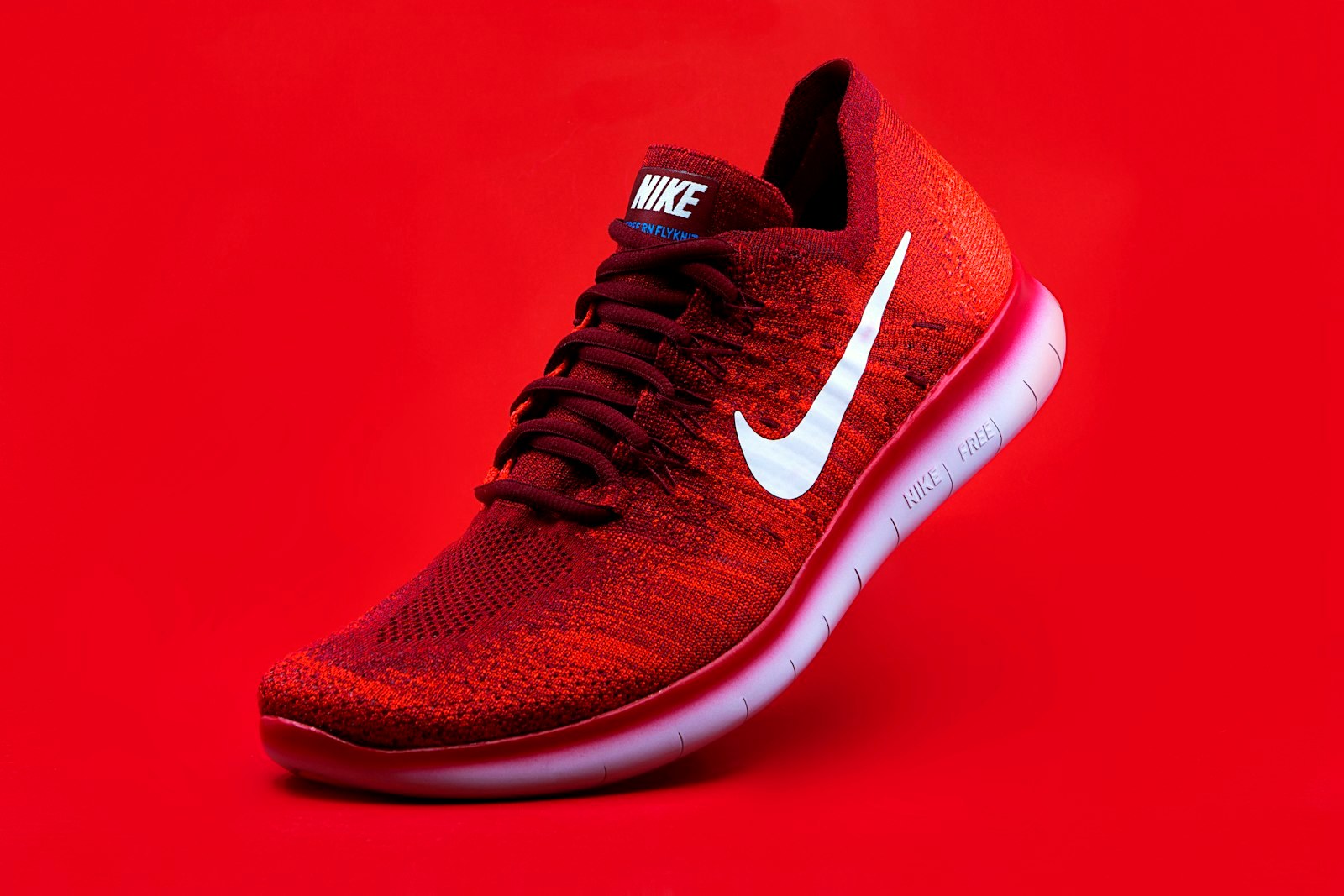
Zara
US prices at last check: the 80/20 down water-repellent jacket $149 and the lightweight water repellent puffer jacket $79.90 at the maker's store. This card ships without a buy link, and the honesty section prints why.
Standing at 48 from its own page in this series, and the skip here, its conviction restated and re-verified on this page's own rail: down sold by the blend ratio, in the category the anchor invented, with the fill power left out.
The charge is read off the maker’s own record, on this page’s own rail, re-verified at this check rather than trusted from the file: the maker’s American store sells an 80/20 down water-repellent jacket at $149, the anchor’s costed list price to the dollar, and the whole of its warmth record is the blend, 80 percent down and 20 percent feather, crafted from water-repellent technical fabric. No fill power is printed. In any other category that omission would be a gap; in this one it is the garment’s whole literature withheld, because fill power is the number the anchor’s house put into print in 1940 and every serious house on this page still publishes, the measure that separates a warm jacket from a warm-looking one. Beside it, a lightweight water repellent puffer at $79.90 states no fill of any kind in its listing. The rows are the house’s standing rows, reproduced exactly as this series prints them: fabric 13, construction 8, fit 15, value 9, longevity 3: 48, set as the anchor of its own page. The test this page set for a fresh conviction is printed in the questions below: a thinner down record than a power withheld from the category’s own number, and no candidate on the fashion rail published one.
Set it beside the anchor one place above it, because the ladder’s last two rungs now rhyme in a way neither house intended. The anchor’s longevity row fell in this audit to 3, level with this card’s: the house that invented the guarantee and the house that never offered one now publish the same afterlife, which is to say almost none. The difference, and it is the whole difference, is what each publishes about the garment itself. The anchor, shuttered, licensed and disowned, still prints 650 on its jacket. The skip prints the recipe’s ratio and leaves the number out. Buy the shape if the shape is what you want, eyes open. Do not buy it as warmth, because its maker declined to state any.
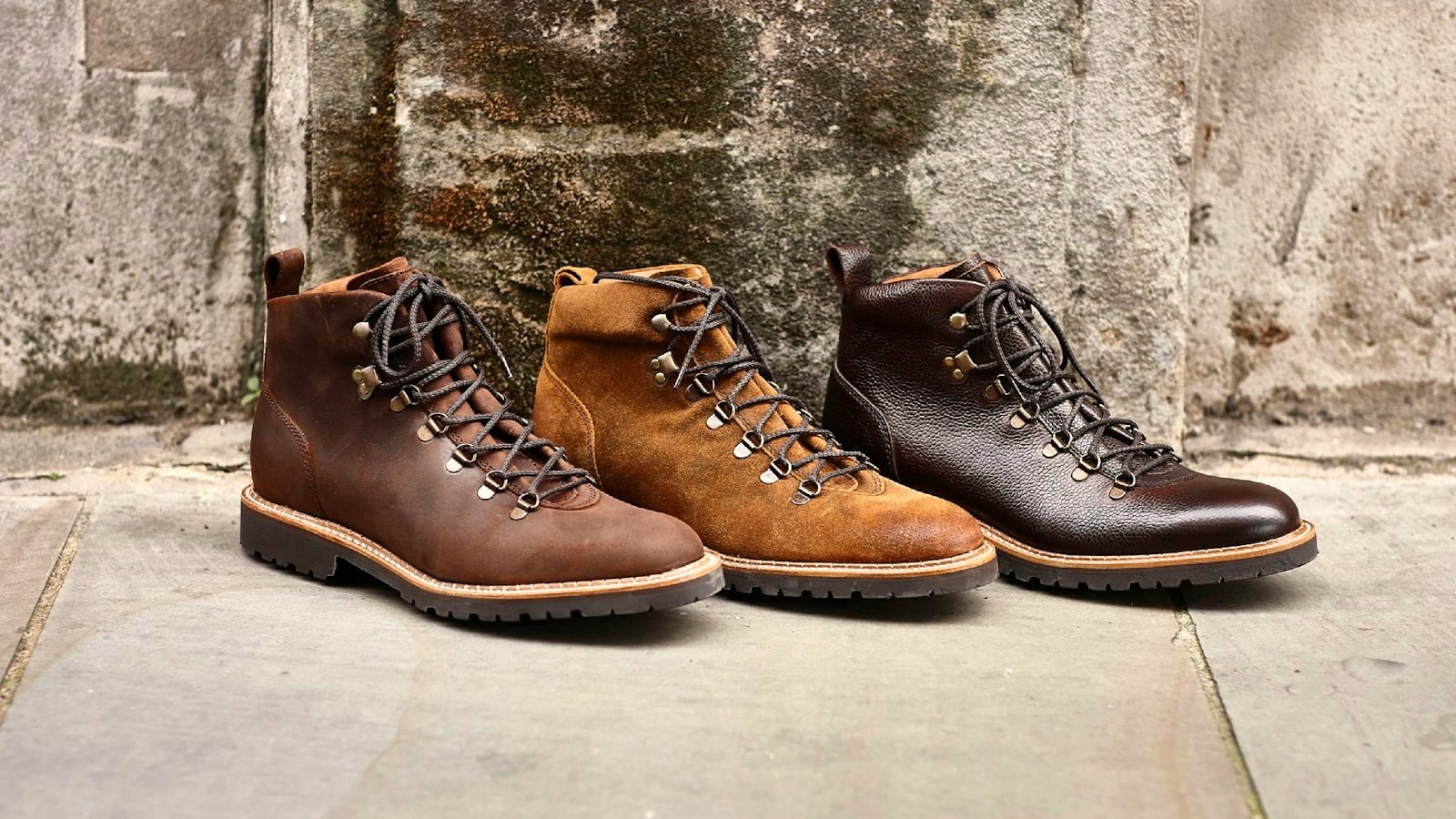
The pattern under the ranking
Read the ladder as one argument about what an outdoor house is answerable for. The top answers with objects and machinery: a boot sewn in Maine by a company still sewing it, a repair bench that mends what it sold and resells what outgrows you. The middle answers with paperwork in three states of repair: a covenant fallen to ninety days over an intact catalogue, a spec sheet under a comedy act whose sentence stopped at a year, and a technical record whose price moved a point. The bottom answers with a date and a ratio: a guarantee that used to be the strongest in retail, now refused for any order placed before the first of February, and a down jacket sold on its blend with its power unstated. The scores are that argument measured seven times: in this category the product is a garment and the standing of the house behind it, and everything else is a photograph of them.
The second pattern is the guarantee itself, and this page is where the series finishes recording its century. The anchor’s house trademarked the unconditional sentence, and for decades it was the strongest document in American retail, stronger than Bean’s because Bean’s was a policy and Bauer’s was a boast. Bean cut its own to a year in 2018; the anchor’s had already shrunk, unannounced, to thirty days and a fee; and in 2026 the successor printed the end of the story, refusing the sentence’s claims by date. What survives at the top of this page is instructive: not the largest promise ever printed, but the two most mechanical ones, a year’s window from a house that still exists and a repair bench from a house that built one. A guarantee costs nothing to print and a fortune to honour, and the century’s lesson is that the fortune is the guarantee. The sentence was free, and it was worth what it cost.
The ranking at a glance
| Brand | Score | The piece to buy | Price |
|---|---|---|---|
| L.L.Bean | 87 | Bean Boots, the 6 inch | $140 |
| Patagonia | 83 | The Synchilla Snap-T | $139 |
| Lands’ End | 72 | The knit pajama set | $69.95 |
| Duluth Trading | 68 | The DuluthFlex Fire Hose Cargo | $84.95 |
| The North Face | 63 | The 1996 Retro Nuptse | $380 |
| Eddie Bauer | 54 | The CirrusLite down jacket, on promotion only | $149 |
| Zara | 48 | None | $149 not spent |
The verdict: skip Zara
Zara is this page’s named loser, and the charge is the shape of its record on the down rail itself, re-verified at this check. In the category the anchor’s house created, where warmth has been published as a fill-power number since 1940, the skip sells a down jacket at the anchor’s own list price on the strength of a blend ratio, 80 percent down and 20 percent feather, with the power printed nowhere, and a second puffer that states no fill at all. Every house above it publishes more, including the anchor of this page in the year its stores closed and its sentence was disowned: the 650 still stands on its jacket, at the same list, with the promotion printed beside it. A ratio is a recipe, not a measure. Buy the register with the number printed on it.
Which one to buy
For the institution: L.L.Bean, 87. The boot, the flannel and the tote, icons bought once and handed down, from a house still standing behind them.
For the afterlife: Patagonia, 83. The garment with a bench behind it: repaired free, resold when outgrown, warranted without a date.
For the household’s basics: Lands’ End, 72. Swim, sleep and school clothes in the full size library, on the code, with the receipt kept.
For the working trouser: Duluth Trading, 68. The Fire Hose cargo at $84.95, its ounces printed and its guarantee read in the small print.
For the technical shell: The North Face, 63. Summit for the figures, the street line for the shape, each bought as what it is.
For the down jacket, on promotion only: Eddie Bauer, 54. Six hundred and fifty fill at $75 to $89.40, and nothing else on the card at list, or on faith.
To skip: Zara, 48. The photograph of warmth, over a fill whose measure the copy declines to state.
Questions, answered
What brand is most like Eddie Bauer?
L.L.Bean, at 87, and it is the comparison this house was founded inside: the same catalogue wager, insulation and work cloth priced fairly, a fit library that runs to big and tall, and garments costed over decades rather than seasons. Bean wins it on the file, ten ranked garments and three category winners, and it wins it on what is left of the promise as well: its guarantee, cut in 2018, runs to a year, where the anchor’s now runs to thirty days and a successor who refuses older claims outright. Patagonia, at 83, is the answer when the want is the afterlife rather than the catalogue: a repair bench, a resale programme and a longevity row of 15, the fullest in the business. Lands’ End, audited at 72, is the other catalogue, its own sentence fallen to ninety days over an honest household range, and Duluth Trading, audited at 68, offers the published specification at the workwear end. The honest summary: the anchor is no longer a house with a down line attached; it is a name, a website and a licence, and the page grades what is left, which is a competent down jacket sold on promotion and very little else that can be verified.
Why did Eddie Bauer’s score move in the audit?
One row moved, longevity, 5 to 3, and the total with it, 56 to 54. The other four rows were re-read against the maker’s current record and stand: the cloth record is unchanged in kind, the CirrusLite still publishing its 650 fill at the derivation’s $149 list; the making is unchanged; the fit library still publishes its Tall and extended ranges; and value verifies to the dollar, the costed jacket offered at $89.40 under the standing promotion and recorded at $75 under an October promo code, the reference-pricing habit the row already docked. Longevity moved because the record underneath it ended. In February 2026 the company that ran the brand’s North American stores filed the brand’s third bankruptcy; no buyer came; by May the plan was a wind-down and the fleet of about 175 stores closed. The brand itself had already passed to a licensee, Outdoor 5, under Authentic Brands Group’s ownership of the name. And the maker’s own warranty page now gives sixty days for a defect and refuses any return or warranty claim on an order placed before February 1, 2026, regardless of any lifetime policy in place at the time of purchase. The derivation had priced a shrunken promise and a passed-around name at 5, the lowest on its page. It could not price the disowning. The audit does.
Is the Eddie Bauer lifetime guarantee still in effect?
No, and the current operator says so in terms. The sentence the house trademarked, every item we sell will give you complete satisfaction or you may return it for a full refund, was already a thirty-day window when this site derived the anchor’s score: thirty days from delivery, items unused, unworn and unwashed with tags attached, and a $10 restocking fee unless a $3.50 prepaid return fee was paid at checkout. Those change-of-mind terms stand today, re-verified on the maker’s own refund policy page. What the present store publishes as its Product Guarantee is narrower and has a date in it: a defect in materials or workmanship may be returned with proof of purchase within sixty days for a replacement or a credit, and, in the maker’s own words, due to a change in ownership no return or warranty claim will be accepted for any order placed prior to February 1, 2026, regardless of any lifetime return or warranty policy that may have been in place at the time of purchase. A guarantee is a promise made by a company to its buyers. When the company changes, this page grades what the successor publishes, and what the successor publishes is a refusal, printed.
Is Eddie Bauer still in business?
The brand is; the retailer is not, and the distinction is the whole story of this page. The Eddie Bauer name and its intellectual property belong to Authentic Brands Group, a brand-management firm, and since the end of January 2026 the website, the wholesale business, the design and the product development have been run by Outdoor 5, LLC, a licensing partner, which is who publishes the store you can shop today. The company that ran the physical stores, Eddie Bauer LLC inside Catalyst Brands, filed for Chapter 11 on February 9, 2026; the going-concern sale found no qualified buyer, the plan became a wind-down in May, and the North American fleet of about 175 stores closed, the third bankruptcy in the brand’s history after 2003 and 2009. Gift cards and loyalty credits stopped being honoured in March 2026. So the jacket can still be bought, the down line still publishes its fill powers, and the announced strategy is a return to outdoor roots under the relaunched First Ascent line. What cannot be done any more is walk into the store, and what cannot be claimed any more is anything bought before February 2026. Buy the garment for the garment, at the promoted price, with both of those facts in view.
Why is Zara the skip on a page about down and outdoor houses?
Because the skip’s conviction was re-verified at this check on the down rail itself, the anchor’s own category, and the record there is the thinnest on the page. The maker’s American store sells an 80/20 down water-repellent jacket at $149, the anchor’s costed list price to the dollar, and its entire warmth record is the blend ratio: 80 percent down, 20 percent feather. No fill power is printed anywhere in the listing. Fill power is the number this category has published since the anchor’s house made it the sales pitch in 1940; it is the difference between a jacket and a photograph of one, and the skip publishes the proportion of the fill while withholding the measure of it. Beside it, a lightweight water repellent puffer at $79.90 states no fill at all. Every house above the skip publishes a fill power, a weight, a covenant or a bench. The anchor, audited on this page with its shuttered stores and disowned sentence priced in full, still publishes 650 on its jacket. The skip publishes the recipe’s ratio and leaves the number out.
The honesty section
Six scores on this page already stand in this series, and each card names its home: L.L.Bean set at 87 in our American ranking and audited on its own page; Patagonia set at 83 as the anchor of its own page; Lands’ End derived at 75 on the L.L.Bean page and audited at 72 on its own page; Duluth Trading derived at 68 on the L.L.Bean page and audited on its own page; The North Face set in the American ranking and audited at 63 on its own page; and Zara set at 48 as the anchor of its own page. The anchor’s 56 was derived in the open on the L.L.Bean page, carded exactly, rows and all, on the Lands’ End page, rested in prose on the Filson, Patagonia, Arc’teryx, Orvis and Duluth Trading pages, and cited as evidence on our puffer and down parka rankings; this page audits it against the maker’s current published record and moves one row, longevity, 5 to 3, on the three dated facts argued in the audit: the store operator’s Chapter 11 of February 9, 2026 and the fleet’s wind-down under a plan effective May 6, 2026; the transfer of the website, wholesale, design and product development to Outdoor 5, LLC on January 31, 2026, under Authentic Brands Group’s ownership of the name; and the successor’s published refusal of any return or warranty claim on an order placed before February 1, 2026, regardless of the policy in place at purchase, read on the maker’s own customer service page at this check. The pages printed earlier in this series carry the derivation’s number and, on the Lands’ End page, a card built on it; the audited rows are 17, 12, 14, 8, 3, recorded here, and this page is the ruling’s home. The audit’s sourcing is printed rather than smoothed over: the bankruptcy’s dates and shape are a matter of the court record and the trade press that covered it, and the figures used here, about 175 stores and about 2,200 jobs, are the operator’s own as reported at the filing; the guarantee and return findings rest on the maker’s own two pages, its refund policy and its customer service answers, read entire at this check; the costed price rests on the maker’s own product page, its $149 list and $89.40 current offer, with the $75 promo-code figure labelled as a deal record of October 1, 2026 rather than the maker’s print. The First Ascent relaunch and the return-to-roots strategy are the brand owner’s announced direction, credited in the audit as direction and cashed in no row, because no graded garment’s published record has yet changed under it. Prices and programmes were checked in October 2026 against the makers’ own published pages and current retail listings, following the method on our methodology page.
Buy links follow the deep-link rule: each card keeps the door its scoring page established, the maker’s own product page where that page used one and its established retail or category door where it did not. Two doors are printed as the exceptions they are: Patagonia at the maker’s storefront, the door its own page established, and Duluth Trading at the maker’s storefront, the logged exception its audit re-tested. The anchor’s door is the exact product page the L.L.Bean page pinned, re-verified live at this check. The skip ships without a buy link because the desk does not link what it sentences. Photographs come from the bank credited in CREDITS.md; the bank holds no photograph of an Eddie Bauer garment and no frame of any ranked house’s garment, the same gap our L.L.Bean, Duluth Trading and Lands’ End pages admitted, and the cards run on the bank’s street, stack and profile frames rather than on borrowed product photography. The anchor’s card frame is the one its derivation used, a pale down jacket among white columns; no frame on this page is captioned as a garment it does not show.