
The Everlane want is the receipt: honest basics, the costs shown, the factory named, no logo doing the talking. The ranking below scores who else sells that, and grades the anchor's own receipts first.
Checked and updated October 2026
The verdict, up front: the transparency pitch survives, but not at the address that wrote it. Asket wins at 92, the brand that took Everlane's founding document and kept every clause of it. Uniqlo follows at 84, the same register at industrial scale. Massimo Dutti at 71 and COS at 70 are the design answers at the price, and Banana Republic stands at 69. The anchor, Everlane, is sixth on its own page at 67, its standing score, derived in the open on the Asket page of this series and reproduced here exactly, rows and all. The skip is the imitator: Quince, scored fresh in the open on this page at 59, because its transparency turns out to be a price nobody ever paid.
What people actually want from Everlane
Nobody searches for brands like Everlane because they need another plain crew neck. They search because Everlane made a promise in 2011 that rewired what a basic could claim to be: radical transparency. The cost of the cloth, the cost of the making, the factory's name, the markup, all of it printed beside the garment, so the buyer could check the price against the receipts instead of against a mood. Around the receipts sat the rest of the pitch: a permanent line of logo-free basics in honest cloth, bought once and bought again. The want is a wardrobe with the paperwork attached.
The ceiling is real, and this page names it before the anchor's card can be accused of hiding it. The design hand is deliberately blank, plainer even than the anchor's imitators, and the range has drifted from wardrobe staples toward whatever the season asks for. The prices, while never designer money, have walked: the cashmere crew that made the brand famous at $100 in 2016 lists at $148 today. And the receipts themselves have thinned, which the anchor's card below documents from the maker's own pages. The alternatives are graded on the only question this search is really asking: is the transparency real? Four tests, applied to every card. Are costs published, or only comparisons? Are factories named, or only described? Are the cloth grades printed, and do they hold across repeat orders? And can the same garment be bought again next year?
One more fact frames the whole ladder. The anchor is the most argued-about guest in this series. Its 67 was derived in the open on the Asket page, against the brand that out-kept it, and the argument printed there follows it home. This page is where the original has to defend the pitch against the student who kept it, the giant who scaled past it, and the imitator who copied its language loudest.
How the scores work
Every brand here is scored on the house basis for this series: fabric and cloth out of 30, construction and craft out of 20, fit range and sizing honesty out of 20, value out of 15, longevity out of 15. Brands that appear elsewhere on this site keep their numbers, because a score that changes from page to page is marketing. Asket's 92 was set in our Scandinavian ranking. Uniqlo's 84 comes from the Japanese ranking. Massimo Dutti's 71 and Banana Republic's 69 were each derived in the open on their own pages of this series, Massimo Dutti and Banana Republic, and COS's 70 on its own page. Their rows are reproduced exactly.
The anchor's score is not new, and this page does not re-derive it. Everlane's 67 was derived in the open on the Asket page of this series, from its published range, its current prices, and the repeat-buyer record on its own product pages, and it is reproduced here with its rows: fabric 20, because the cloth is real, organic cottons and genuine cashmere with the grades published. Construction 13, because the making is competent and the factories are named, but the repeat record wobbles, documented on the maker's own product pages, where a five-year customer reports the same cashmere crew arriving thinner, in a different colour, across successive orders. Fit 14, alpha sizes in several cuts, with no lengths and no graded measurements. Value 11, because the prices have walked, the $100 cashmere crew of 2016 at a $148 list today. Longevity 9, because a permanent line that now runs an Archive sale programme has quietly retired the buy-it-again promise. That derivation stands as printed there; today's check, detailed in the honesty section, found nothing that moves it.
One brand is scored fresh on this page, and its derivation is printed here in full. Quince, 59: fabric 18, because the fibres are real and the specifications are genuinely published, 19.5-micron merino, cashmere micron counts, silk weights, a step above the high street's blends; held below the anchor's 20 because the grades are entry grades at the price, and because certification claims have needed public correction, a GOTS-certified towel claim the company admitted was an error after Wirecutter asked, and a sheet set whose printed GOTS number proved invalid. Construction 11, because the making is competent, this site has ranked four of its garments between 74 and 79, but the factories are described by their systems, a certified facility, solar panels, wastewater treatment, and never named, so the making cannot be audited the way the anchor's named factory can. Fit 11, alpha sizes only, no lengths, no graded measurements, no published garment dimensions. Value 12, its best row and honestly earned: a cashmere crew at $59.90 and a robe this site ranked its attainable pick at $52 are real garments at real low prices; the row is docked only because the headline value device is not a cost but a comparison. Longevity 7, because there is no permanent garment to buy again, no repair programme, a range that grows by category rather than by keeping, and this site's own cost tables gave its robe four years and its silk set two. New prose, published arithmetic.
Seven brands like Everlane, ranked
Asket
US prices checked today: the T-Shirt $65; the Loose Twill Chino $230.
The claim actually kept: the anchor's founding document, executed in full, costs published, sizes graded, take-back at the end.
Asket is what the Everlane pitch looks like when a brand refuses to let it thin. Every garment page carries the breakdown the anchor invented: what the cloth cost, what the assembly cost, where both happened. The collection is permanent in the literal sense, each garment improved in place, version by version. Sizes are graded from body measurements across three lengths, the fit row's perfect 20, the only one this franchise has awarded. And when a garment finally dies, the take-back programme pays a voucher for it, which is what a maker does when the receipts are a business model rather than a launch story. The garment evidence on this site agrees with the brand score without being it: the T-shirt scores 88 in our white tee ranking, the Oxford shirt 87 in the Oxford ranking, the linen shirt 85 in the linen ranking.
The case against is the one its own page prints: the design hand is deliberately plain, plainer than the anchor's, and the prices are honest rather than small, the T-shirt $65 at the maker's US store at this check. What the arithmetic says in return is cost per wear: at sixty wears a year for five years, the horizon the maker's own wear test tracks, $65 works out at about $0.22 a wear, and the garment at the end of it is the garment you bought. The Everlane searcher came looking for transparency with follow-through. This is the follow-through, twenty-five points clear of the brand that wrote the pitch.
Uniqlo
US price checked today: the U crew-neck tee $19.90.
The scale answer: honest by specification rather than by receipt, permanent lines at a third of the anchor's prices.
Uniqlo never signed the transparency manifesto, and its card shows why it did not need to: it publishes specifications instead of costs, fibre, weight, construction, and lets the garment be checked against the spec sheet. The permanent lines are genuinely permanent: the U crew-neck tee, $19.90 at this check, has been buyable in the same form for years and will be next year, and its value row is a perfect 15, the only one in this series. Its longevity row of 12 at these prices remains the number the premium end of this page should be embarrassed by. Its full case is made on its own page in this series, where it finished second to Asket and beat its own anchor's guests.
The deductions are sizing and spectacle. Sizes are alpha letters with no collar or sleeve measurements, a fit row of 19 earned on breadth of bodies served rather than precision for any one of them. And the design ambition is rented out to collaborations that arrive as drops and sell out, scarcity wearing the permanence promise as a costume. As transparency goes, Uniqlo's version is the quietest on this page: no manifesto, no comparison chart, just the spec sheet and the same tee next year. On this page's four tests, quiet passes.
Massimo Dutti
US prices at last check: shirts $130 at the US store; the 100% wool blazer about $350.
The design answer at the price: the anchor's register with the styling turned up, and no transparency claim made or graded.
Massimo Dutti is what the Everlane search finds when the receipts matter less than the mirror, and its card, derived in the open on its own page and reproduced exactly, prices the trade honestly. The styling is the best in its tier, the palette never misses, the fits are graded for grown bodies, and the suede and leather pieces are real at prices that embarrass the designer end. Shirts run $130 at the US store, the 100% wool blazer about $350, money the anchor's shopper recognises, spent on silhouette instead of paperwork.
The ceiling is printed on its own page and stands: the shirting is thinner than the shirt in the photograph of it, the knits relax early, and a range rebuilt every season gives the wardrobe a shelf life the styling does not mention. Longevity reads 8, the group's schedule. Massimo Dutti never promised the buyer a receipt or a permanent garment, so it loses no points for theatre here. It simply answers the Everlane want with better-looking clothes and a shorter horizon, and says so by its rows.
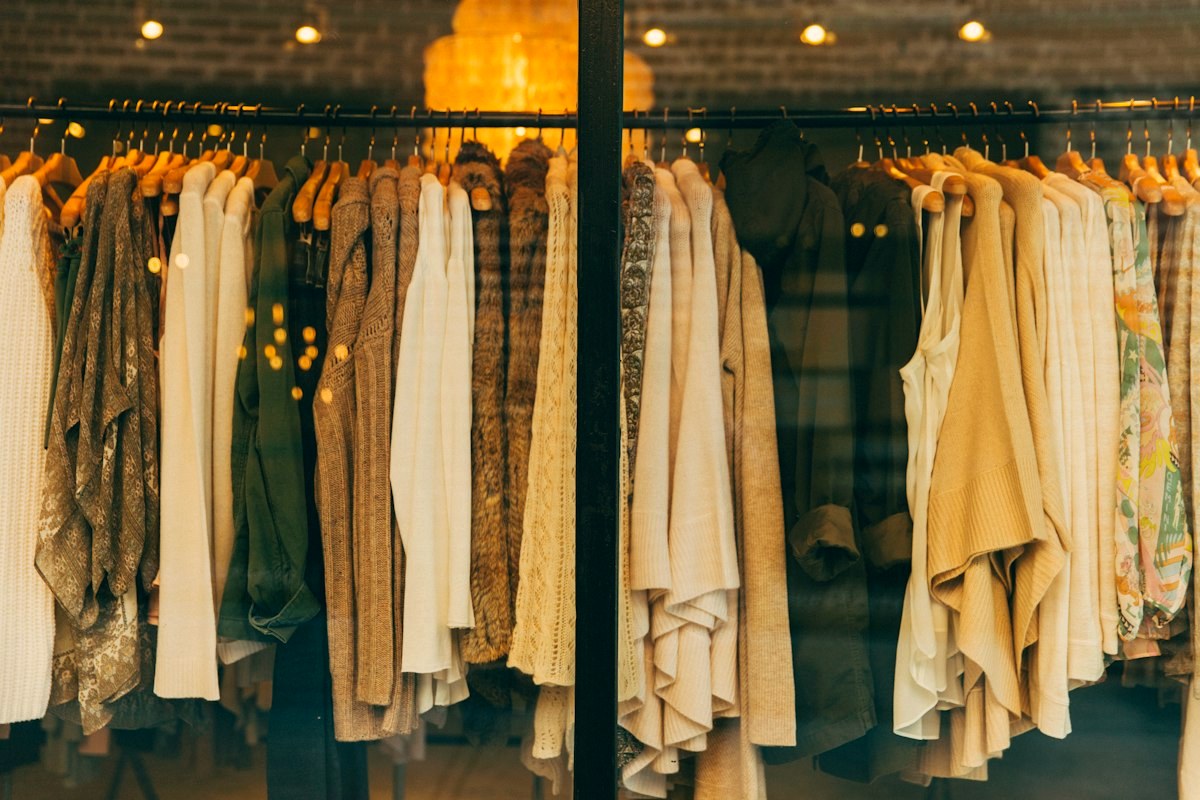
COS
US prices checked today: the cotton oxford shirt $99; shirts and knits typically $99 to $150.
The other design answer: silhouette bought with turnover, graded kindly because the taste is real and the claims are modest.
COS sits one point behind Massimo Dutti and plays the same side of the street: the best pattern-cutting on the high street, volume and drape the anchor will not attempt, over cloth bought to its group's budget. The cotton oxford shirt is $99 at this check, confirmed on the maker's US store today. Its card is scored on its own page and reproduced exactly. Like Massimo Dutti, COS makes no radical-transparency claim, so this page's audit has nothing to convict; what it grades is the trade, design now against permanence later.
Against the four tests, COS fails the last one on purpose. The collection turns over by season, so last year's piece cannot be bought again, and the longevity row of 8 is the schedule printed as a number: garments built to be replaced on a two-to-three-year rhythm. That is not a flaw in COS; it is COS. Buy it as the design layer over a permanent foundation built elsewhere on this page, knowingly, the way its own page advises.

Banana Republic
US prices checked today: the Slim Lived-In Chino lists at $100; the Vitale Barberis Canonico wool suit separates list at $680.
The breadth answer: the full wardrobe in one store, graded down for a price tag maintained to be halved.
Banana Republic's card was derived in the open on its own page and is reproduced exactly, and its presence here is the breadth argument: no house on this page covers chinos, knits, suiting and heritage outerwear in one store. The top of its line is real. The Canonico suiting is a genuine suit at a fair event price, the Traveler cloth is a true upgrade on the mall standard, and the Slim Lived-In Chino, $100 at list on the maker's own page today, is the volume piece the register runs on. This site has ranked its garments respectably: the stretch wool dress pant scored 72 in our wool trousers ranking.
What this page's audit convicts is not the cloth but the price tag, and it is the mirror image of the anchor's promise. Where Everlane published the markup, Banana Republic maintains a list price as fiction, $100 for the chino, $680 for the suit separates, so the calendar of 40 percent events can perform generosity on schedule. The shopper who buys in the events, at the top of the line, does well out of it, and its own page says exactly that. The shopper who pays list is funding the theatre. A transparency ranking has to grade the tag as well as the garment, and the tag is why 69 sits where it sits.
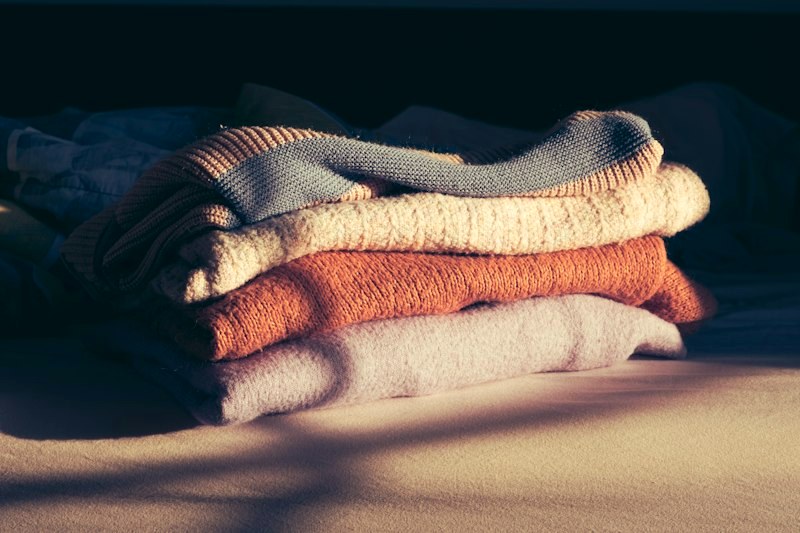
Everlane
US prices checked today: the Cashmere Crew $148 list, $118 at today's selling price; cotton crews $38.
The original, graded on its own paperwork: the receipts are still real, and they are no longer the best in the field they created.
The credit first, because it is owed. Everlane built the language this entire page is graded in. Radical transparency, the published cost breakdown, the factory named, the markup shown: in 2011 that was a founding document, and Asket, the winner above, is in part its most disciplined student. The cloth remains real, organic cotton crews at $38 and genuine cashmere with the grades published, and the factories are still named, Poong In in Vietnam on the Oxford's page today. If the story ended there, this card would sit third.
The score grades what today's check finds on the maker's own pages, and the derivation, printed in full on the Asket page and summarised in the method section here, can be argued with row by row. The famous $100 cashmere crew lists at $148 and sells at $118 today, under a transparency module that has become a comparison table, Past Everlane $188 against Still Everlane $118: the brand's receipts now compare it to its own past self instead of showing its costs. The repeat-buyer record is still live on the same page, a customer reporting the exact same pullover arriving thinner and in a different colour across five years of orders. And the permanent line runs an Archive programme discounting core styles, the seasonal machine arriving by the back door. Sixty-seven is not a dismissal. It is what the founding claim scores when its own paperwork is audited in 2026. Buy the best pieces on promotion. Build the wardrobe where the receipts survived.
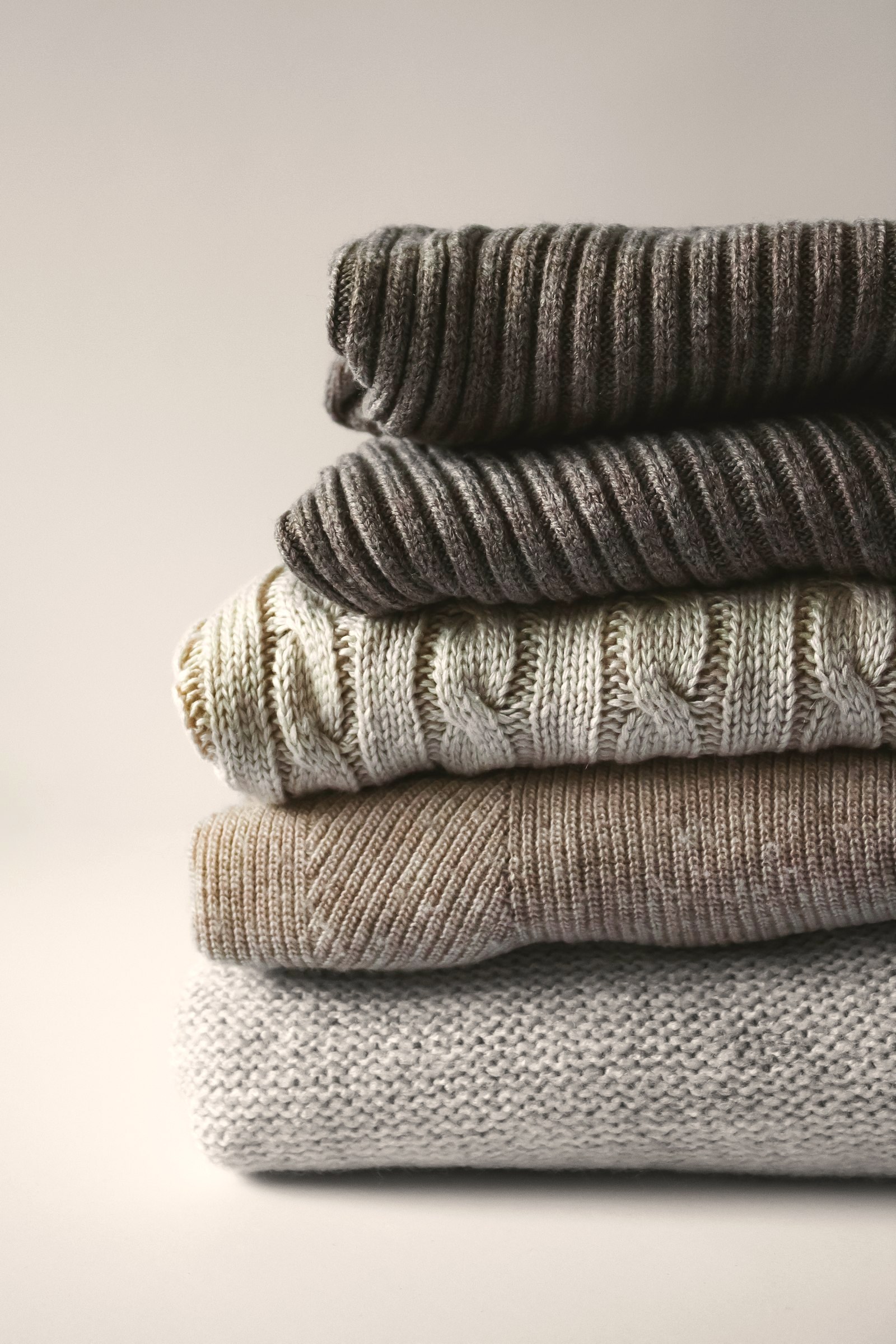
Quince
US prices checked today: the Mongolian Cashmere Crew $59.90, beside a printed $250 traditional retail figure; the Australian Merino Half Zip $92.
The imitator: garment specifications genuinely published, price transparency performed against a number nobody ever charged.
Give Quince its due first, because the derivation printed in the method section does. The fibres are real, and the specifications are published with a precision half this page cannot match: the merino half zip this site scored 74 in our quarter-zip ranking prints its 19.5 microns and its 5-gauge rib, the silk set scored 74 in our pajama ranking, and the organic waffle robe, 79 at $52 in our robe ranking, was the attainable pick of its field. The prices are genuinely low: the Mongolian cashmere crew is $59.90 today. If transparency meant printing the garment's numbers, Quince would sit mid-table and this card would be a recommendation.
Transparency, on the page the anchor wrote, means printing your own. Quince's headline device is a strikethrough: $250, labelled traditional retail, beside the $59.90 crew on its own page today, a price no retailer ever charged for that sweater, held up so the discount can perform itself. That device is the subject of a class action alleging false reference pricing, and the certification record rhymes with it: Wirecutter reported a GOTS-certified towel claim the company admitted was an error, and a sheet set whose printed GOTS number was invalid. The factories, meanwhile, are described by their systems and never named, so the one check the anchor still passes, go and look at the maker, cannot be run. Good On You rates the brand Not Good Enough on transparency, weakest exactly there, on labour and supply chain. Even the anchor has joined the prosecution: Everlane's cashmere page today runs a broadside headed with the declaration that $50 luxury cashmere does not exist, aimed at this price point, and the famous fifty-dollar sweater itself now costs $59.90. The garments are fine. The brand is the claim, and the claim is the theatre. Fifty-nine, derived in the open, is what the paperwork scores.
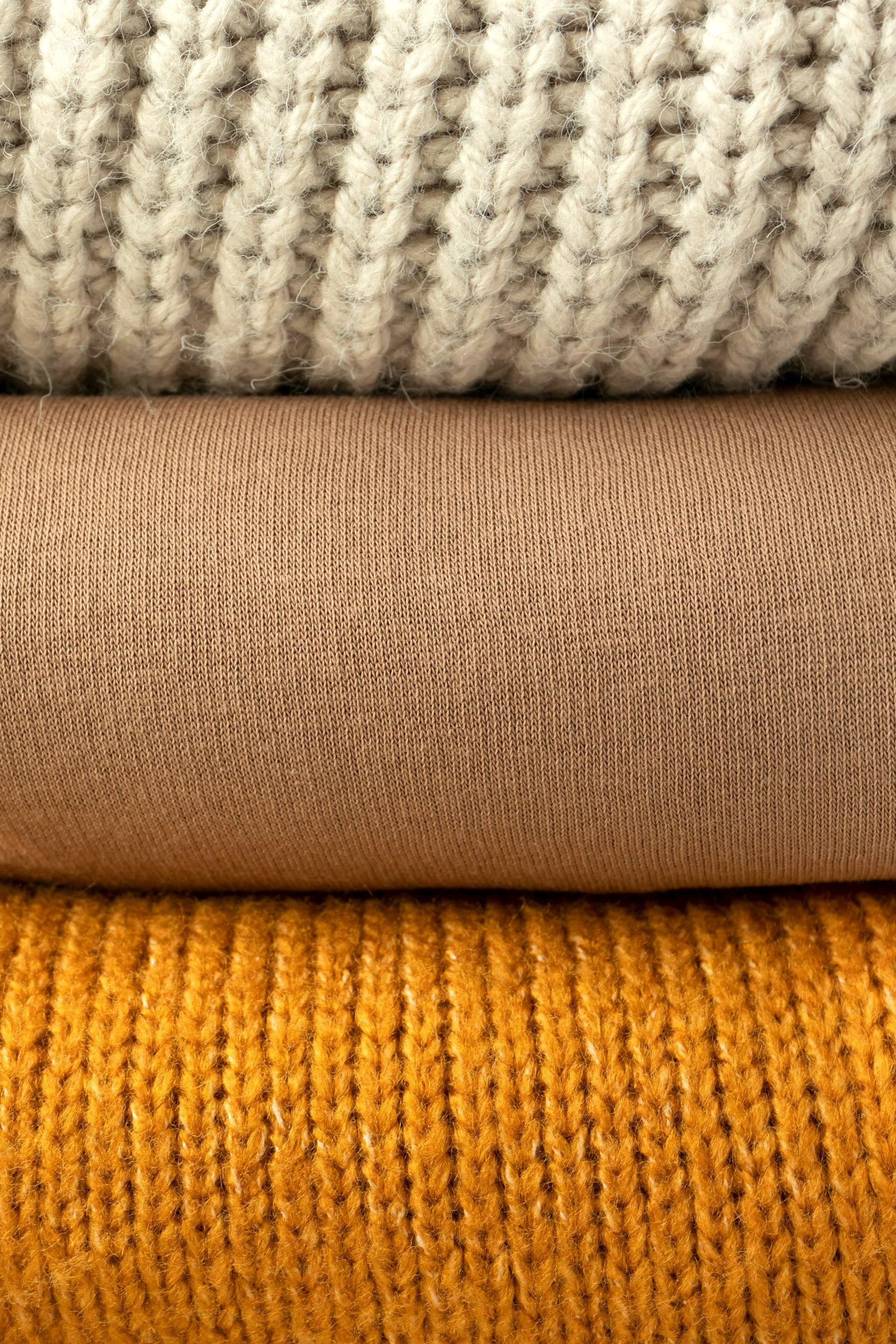
The pattern under the ranking
Read the ladder as two kinds of honesty competing. The top of the page publishes: costs at Asket, specifications at Uniqlo, and, still, factory names at the anchor. The bottom of the page compares: Banana Republic's list price exists to be discounted, and Quince's traditional retail figure exists to be struck through. The difference is not tone, it is arithmetic. A published cost can be checked against the cloth, the factory and the wage; a comparison can be checked against nothing, because the number it compares against was never charged by anyone. The reader who learns to ask one question of any brand, show me your number, not somebody else's, has learned the whole ranking; the order below is just that question, answered seven times.
The second pattern is the drift gradient, and it runs through the anchor's own house. Everlane did not fake its receipts; it thinned them, a cost breakdown slowly becoming a comparison table, a permanent line slowly acquiring a sale programme, a $100 sweater becoming $148. Quince simply started where Everlane drifted to, comparison first, and louder. That is why the imitator scores below the original rather than beside it: the original's 67 is a kept promise wearing thin, the imitator's 59 is the thin part, sold as the whole garment.
| Brand | Score | The piece to buy | US price |
|---|---|---|---|
| Asket | 92 | The T-Shirt, then the permanent grid | $65 |
| Uniqlo | 84 | The U crew-neck tee | $19.90 |
| Massimo Dutti | 71 | The shirt, for the styling | $130 |
| COS | 70 | The cotton oxford shirt | $99 |
| Banana Republic | 69 | The Lived-In Chino, in the events | $100 list |
| Everlane | 67 | The Cashmere Crew, at its selling price | $118 today |
| Quince | 59 | None as a brand | $59.90 cashmere crew |
The Skip · 59/100
Quince. Real cloth, real specifications, and a headline transparency device built on a $250 price nobody ever charged. On a page that grades receipts, the imitator's paperwork is a comparison chart, its factories are descriptions rather than names, and its certifications have needed correcting in public. Buy a garment if you like it. Do not buy the story.
Which one to buy
Buy the claim kept: Asket (92), when the complaint is the replacement cycle and the missing paperwork alike, for the permanent grid, the graded sizing and the published costs.
Buy the foundation: Uniqlo (84), while the wardrobe is forming, the permanent lines first, at prices that let the core prove itself before it is upgraded.
Buy the design: Massimo Dutti (71) or COS (70), when the mirror matters more than the receipt, eyes open about the seasonal schedule both cards print.
Buy the breadth, in the events: Banana Republic (69), at the top of its line and never at list. Buy the original on promotion: Everlane (67), a first cashmere at its selling price, not a wardrobe to build on. The rest of the family: brands like Asket, brands like Uniqlo, brands like COS, brands like H&M and brands like A.P.C.
Questions, answered
What brand is most like Everlane?
Asket, at 92 out of 100 in this ranking, and it is not close. Asket took the transparency pitch Everlane wrote in 2011, the published cost breakdown, the named factory, the permanent collection, and kept every part of it: costs printed per garment, sizes graded from body measurements, a take-back programme at the end of a garment's life. Everlane itself scores 67 here, a standing score derived in the open on the Asket page of this series and reproduced exactly on this one. Uniqlo, at 84, is the same honest-basics register at industrial scale and a third of the prices. The imitator, Quince, is the skip at the bottom of this page, scored fresh in the open at 59.
Is Everlane still transparent?
Partly, and the score is the audit. The factories are still named: its Oxford page still prints the maker, Poong In in Vietnam. The cloth grades are still published. But the founding document, the per-garment cost breakdown that showed what the cloth cost and what the markup was, has thinned into a comparison table: on the Cashmere Crew's page today, the transparency module reads Past Everlane $188, Still Everlane $118, the brand compared against its own past self rather than its own costs. Add the Archive sale programme discounting the permanent line, and prices that walked from the famous $100 cashmere crew of 2016 to a $148 list today, and the follow-through is what the 67 grades. The receipts are still better than most of the high street's. They are no longer the best in the field the brand created.
Everlane or Quince: which should I buy?
Everlane, at 67 to 59 in this ranking, and the gap is the kind of number each brand prints. Everlane prints its own costs, or what is left of that habit, and names its factories. Quince prints a comparison: beside its $59.90 cashmere crew today sits a $250 figure labelled traditional retail, a price no retailer ever charged for that sweater, and that strikethrough device is the subject of a class action alleging false reference pricing. Quince is genuinely cheaper per garment, and this site has ranked four of its garments respectably, between 74 and 79. Buy its robe or its half zip with your eyes open and you will be fine. But the brand is the claim, and the claim is the theatre. Even Everlane's own cashmere page now runs the broadside that $50 luxury cashmere does not exist. The original, on promotion, beats the imitation of it.
Why is Quince the skip?
Because on a page that grades whether transparency is real, Quince's headline transparency is a price nobody paid. Its garment specifications are genuinely published, microns and gauges and silk weights, and its derivation on this page credits them: fabric 18 of 30. What fails is the rest of the audit. The factories are described by their systems, a certified facility with solar panels, but never named, so the making cannot be checked. Certification claims have needed public correction: Wirecutter reported a GOTS-certified towel claim the company admitted was an error, and a sheet set whose printed GOTS number was invalid. Independent raters score the follow-through the same way: Good On You rates Quince Not Good Enough on transparency, weakest on labour and supply chain. There is no permanent garment to buy again and no repair programme. Fifty-nine is derived in the open on this page: real cloth, real prices, theatrical receipts.
Is Everlane worth it?
At its promotion prices, for specific pieces, yes. The Cashmere Crew lists at $148 and sells at $118 today, and as a first cashmere, bought at the selling price with the reviews read, it earns its money: the cloth is real and the grades are published. What 67 says not to do is build the permanent wardrobe on it. The repeat-buyer record on its own product pages, the same sweater arriving thinner and differently coloured across five years of orders, is the construction and longevity rows speaking, and the Archive programme has retired the buy-it-again promise the brand was founded on. Buy the anchor's best pieces on promotion. Build the wardrobe where the receipts survived, at Asket, or at Uniqlo prices while it forms.
How this ranking stays honest
Six of the seven scores on this page are standing scores, reproduced with their rows from the pages the method section cites, including the anchor's 67, which was derived in the open on the Asket page of this series and is not re-derived or adjusted here. One score is new: Quince's 59, derived in the open in the method section from its published claims, its current prices, and this site's own ranked record of its garments, four of them between 74 and 79, a distinction the page keeps visible throughout: the garments were never the charge. H&M, this series' standing foil at 38, is not carded here, and nothing on this page adds a garment to its derivation. Prices were all re-checked today: the anchor's Cashmere Crew sells at $118 under a $148 list, its transparency module now comparing the brand against its own past price of $188; the imitator's cashmere crew is $59.90 beside a printed $250 traditional retail figure; Banana Republic's door on this page is the chino's own product page, where its $100 list was confirmed today, rather than the homepage its own page of this series used. The photography is this magazine's licensed bank photography throughout; no brand's campaign imagery is used, and the bank holds no frame of any of these brands' garments, so the rail and still-life photographs stand for the register, as the captions say. When a maker changes cloth, price or model materially, the score moves and the move is noted here.