
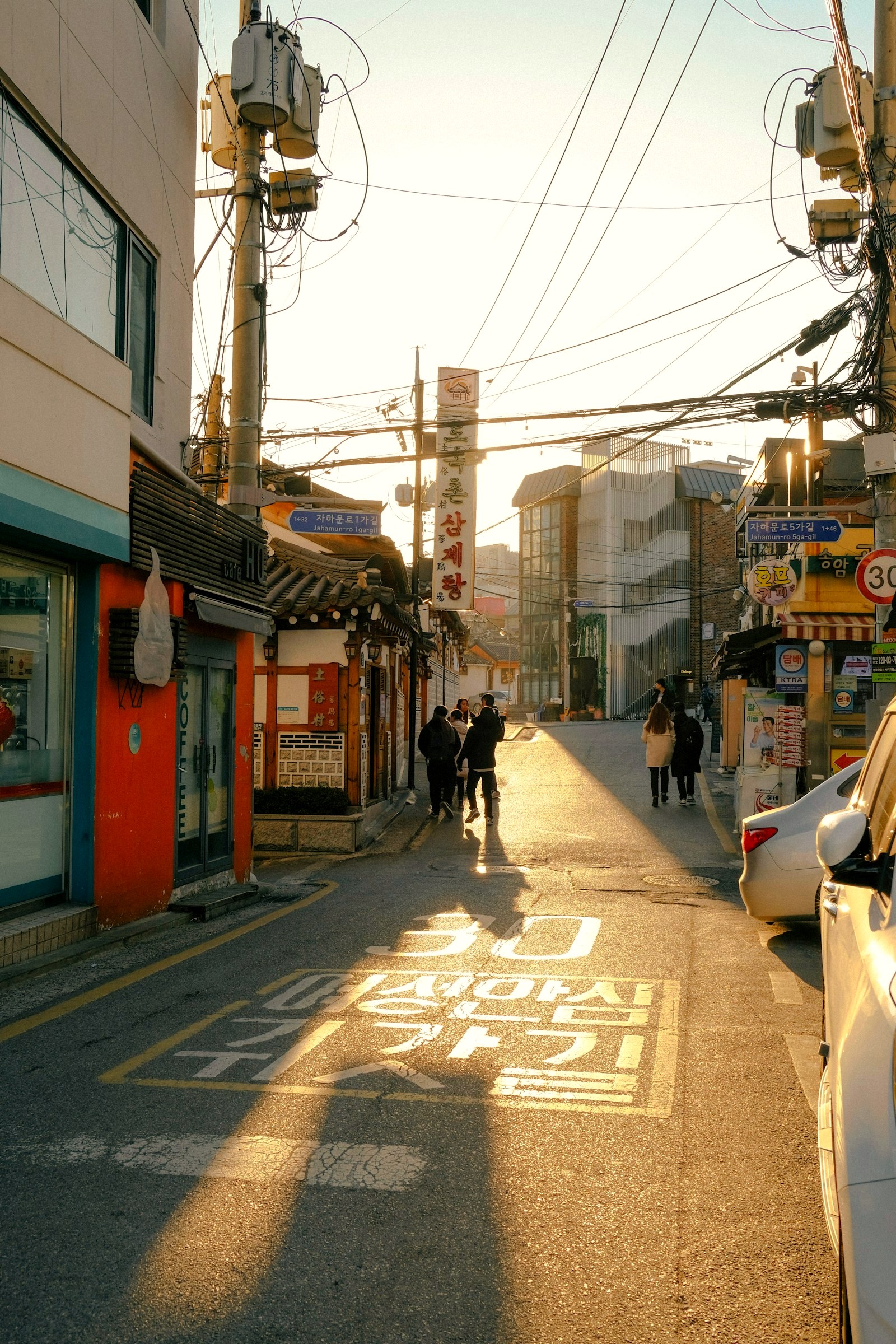
The register on its home street: long soft coats in a Seoul alley at golden hour. The Korean ranking grades the labels building this look; this frame is the street, not a garment, and is captioned as one.
Checked and updated October 2026
The short version: soft boy is decode No. 3 on the Aesthetic Decoder hub, ruled survives, as construction, and this page is that ruling at full length. The bench is already graded: the Korean ranking runs from Wooyoungmi at 91 down to Oioi at 59, with the entry piece at 81 and the aesthetic's own poster label at 76. One disclosure belongs at the top, because it shapes everything below: this register is this magazine's founding register, and it is graded here on the same published basis as the six decodes beside it, with its failures printed at the same length as its wins. And the twist underneath the whole decode: soft boy is the one aesthetic that is a textile claim before it is a look, so it is the one that can be settled at the composition line. This page settles it there.
In this guide
The word, and the ruling it arrives with
The hub's definition, kept whole: softness as construction. Drape where tailoring usually means structure, relaxed and oversized fits, knitwear doing the work a jacket does elsewhere, cardigans and wide trousers in washed, matte, low-contrast cloth, and grooming treated as part of the outfit rather than an afterthought. The palette runs pale and warm: cream, stone, faded blue, soft brown. Nothing in it is sharp, loud or armoured, and that is a specification, not an absence of one. The hub also prints what the term is not, in the same breath: it is not a costume of sensitivity, and it is not the logo version either, the oversized hoodie with the brand across the chest, which is streetwear wearing soft colours and none of the construction. Both halves of that definition matter. The first half is a cloth standard. The second half is the failure mode, named in advance.
The hub applied the same three questions it applies to every aesthetic. Can it be stated as garments, cloth, palette and fit, without using its own name? More literally than any other decode on the page: it is a fibre standard, a fit standard and a palette, statable in full without the word soft anywhere in it. Do the garments survive their own composition lines? At the top of the record, emphatically, as the evidence section shows row by row. Does the record name an entry piece? It does, Covernat at 81, and the hub's phrasing is kept in the wardrobe section below. The ruling, kept exactly: survives, as construction. A soft garment with a real fibre split is an aesthetic. A soft photograph with nothing behind it is a filter. Everything below is the working behind those two sentences.
One more fact arrives with the word, and this page prints it rather than leaving it to be noticed. Of the seven decodes on the hub, this is the one the magazine itself is built on. The Fall Edit states it in its own register line: fall dressing is a layering system in the soft register this magazine is built on. A home register could quietly become a home discount, so the rule for this spoke is the rule for every spoke, stated once here: the basis is the published basis, fabric 30, construction 20, fit 20, value 15, longevity 15, and the register's own labels face it in the open, including the one the look is named after. The next sections keep that promise in the only way that counts, by printing the numbers that do not flatter it.
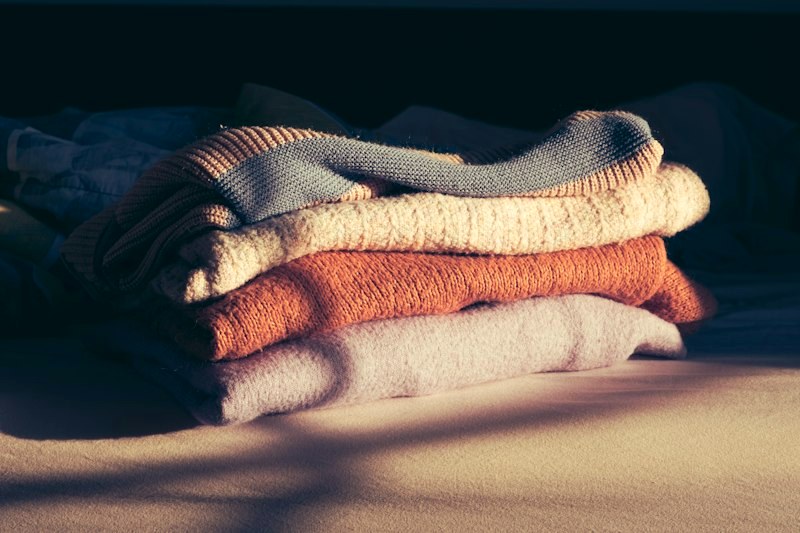
The construction: softness as a textile claim
Strip the mood boards away and the aesthetic is four measurable properties, none of which can be faked in a specification sheet. First, the fibre. Softness begins in the split: which fibres, in what proportion, at what staple length. A knit that is mostly long natural fibre drapes and breathes like one; a short-staple blend in soft colours pills like what it is. The composition line is where the claim is either true or performed, and it is printed on the garment, which is what makes this aesthetic gradeable at all. Second, the gauge. Fine-gauge knitting is what lets knitwear do a jacket's work: it holds a shape at the shoulder, falls in a line instead of a slump, and layers without bulk. The mock neck Card's winner prints an 18 gauge and a 17.5 micron fibre in its maker's own designer notes, the fullest record in its field. That is what a softness specification looks like when a maker is serious: numbers, offered before purchase.
Third, the fit, which is cut, not size. Relaxed and oversized are proportions, engineered at the pattern table: a dropped shoulder placed on purpose, a wide trouser that falls straight from the hip, tailoring worn slouchy over razor-clean cutting, in the Korean ranking's description of its winner. Sized-up basics are none of that; they are ordinary garments in the wrong size, and the difference is visible from across a street. Fourth, the surface and the palette. Washed, matte, low-contrast cloth in cream, stone, faded blue and soft brown. Nothing glossy, nothing armoured, and nothing that needs to be read at distance: the register's logos, where they exist at all, are small and tonal, because a chest-sized brand name is a hard surface, and hard surfaces are the other aesthetic. Put the four together and the definition stops being a mood. It is a textile claim: this garment is soft, in its fibre, its gauge, its cut and its finish, and each part of the claim can be checked.
Now the twist, and it is the reason this spoke exists. Six of the seven decodes on the hub are claims about arrangement, reference or biography, and they are tested indirectly, through the garments that carry them. This one is different in kind. Soft boy is a textile claim before it is a look, so it is the one aesthetic that can be settled at the composition line, in print, before money moves, by anyone who can read a label. No other decode offers that. Quiet luxury is a standard of restraint, judged garment by garment. Ametora is fidelity to a dated specification. This term's entire promise is sitting in the fibre split. The sections that follow simply run the audit the term itself invites: first on the ranking that grades the labels, then on the Cards that grade the cloth, then on the half of the outfit that is not cloth at all.
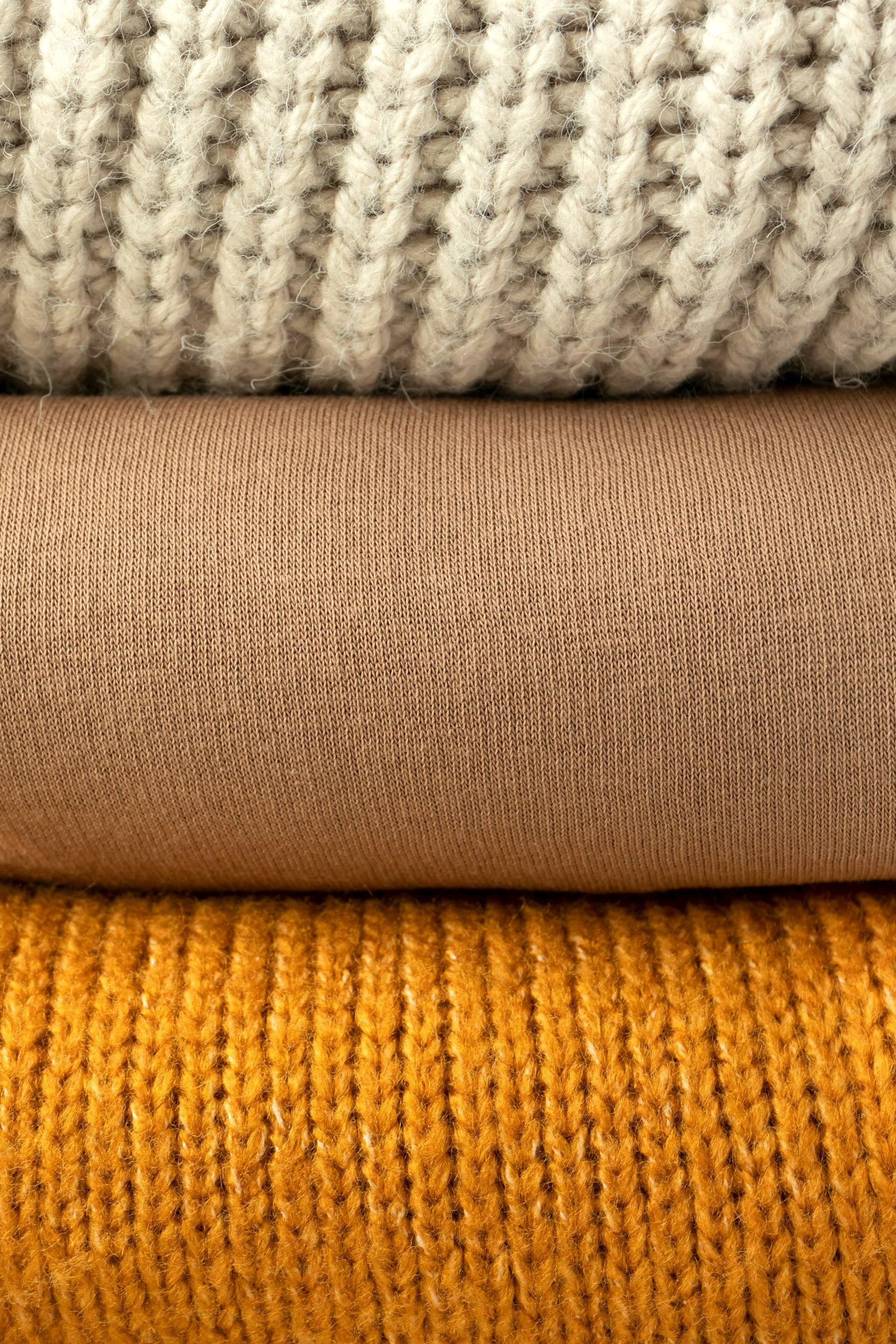
The evidence, ranking by ranking
Three exhibits, all standing records, none of them built for this page. Together they are the decode.
Exhibit one: the Korean ranking, the aesthetic's home table
The Korean ranking is the fullest record of this register anywhere on the site: twelve labels scored on the published basis, from the city that made the soft silhouette a complete language. At the top, Wooyoungmi at 91, with fabric at 28 of 30, the highest fabric row on the page, on sculptural coats and razor-clean tailoring worn slouchy. Solid Homme follows at 89, fabric at 26 of 30, named there the backbone brand of the soft wardrobe: relaxed tailoring, perfect plain knits, trousers with drape. Andersson Bell stands at 86 and Juun.J at 83, proof that the register's volume can carry technique, and Ader Error at 83 carries the ranking's sharpest one-line discipline for the whole aesthetic: buy the cut, not the collab. The attainable end is graded with the same care: thisisneverthat at 82, and Covernat at 81 with a perfect value row, 15 of 15, under $100 for its key piece.
Then the entry this page is obliged to print at full size. Matin Kim, seventh on the ranking, filed under the heading the soft look's poster label, stands at 76, with fabric at 20 of 30. Read that row carefully, because it is the no-discount clause made visible. The label most associated with this aesthetic in its home market is mid-table on the aesthetic's own defining row: a phenomenon built on softness, relaxed cardigans and a palette like morning light, graded as a good label with an ordinary fabric record, behind two tailoring houses whose names travel less. The look's centre of gravity, on the evidence, is not its poster. It is its tailors. A decode that rounded the poster label up would be a fan page. This one prints the 20 of 30 and moves on.
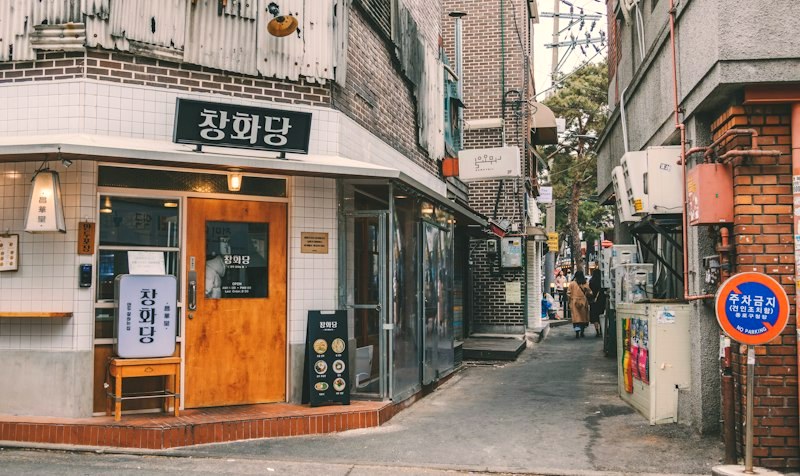
Exhibit two: the knitwear Cards, where the cloth is graded directly
Brand tables grade houses; the Cards grade the garments themselves, and the knitwear Cards are where this aesthetic's cloth faces its audit one piece at a time. The Soft Edit, this decode's shoppable form, assembles the results in score order and labels its own basis as it goes: five of its twelve cards carry a brand score from a country roundup, seven carry the product's own score, and the pill on each card says which. The knitwear line of that grid reads like the construction section with prices attached. The John Smedley Lundy crew at 87, $375, costed in its own ranking's table at $0.94 a wear across ten winters. The Smedley Cherwell roll neck at 85. The Luca Faloni two-ply cashmere crew at 84, about $375, two plies of Cariaggi yarn at 12 gauge, the fullest published specification in its field. The Smedley Bryn cardigan at 84, $1.15 a wear in its ranking's table. The Artknit mock neck at 83, the gauge-and-micron record from the construction section, at €169. Fine gauges, named yarns, printed numbers: the top of the knitwear record is this aesthetic's paperwork, and it is in order.
The same exhibit holds the jacket and trouser slots, because in this register knitwear does a jacket's work only until the jacket itself goes soft. The Soft Edit's second card is the Boglioli K-Jacket at 90, a brand score from the Italian ranking: unstructured, garment-dyed, softness as a construction method rather than a finish, in a band running to $1,900 with the jacket itself near $1,050 to $1,400. Under the stack, the Spier & MacKay tropical wool trousers at 87 on the wool trouser Card, $175, high rise and a slight break, the leg falling in one line. Drape, graded at every level of the outfit, from the coat the Korean ranking crowns at 91 down to the trouser at 87. That is what a surviving decode looks like when it is written as a table instead of a slogan.
The grooming half: a routine, not a shopping list
The hub's definition counts grooming as part of the outfit, and this register is the only decode where the finish is load-bearing: a soft stack over neglected skin and flat hair reads as unfinished, not relaxed. The grooming records grade that half with the same paperwork discipline as the cloth. The skincare Decoder rules the routine at four steps in the morning and four at night, with roughly ninety per cent of the benefit in two of them: cleansing without violence, and sunscreen every morning. Its verdict on the elaborate version is the sentence this whole half of the aesthetic should be judged by: the ten-step routine is a sales format, not a skin format. Softness in grooming is a short routine, repeated, with the fragrance-free discipline the Decoder prints for sensitive skin, not a shelf of products photographed in pastel packaging.
The finish itself is graded as a product category, which is rarer than it should be. On Verdict Card No. 25, texture is a scored category and the Sun Bum Texturizing Sea Spray wins it at 81: magnesium sulfate second on its published list, real sea salt and kelp behind it, a matte medium hold, at $16.99 from the maker. The Soft Edit counts that bottle as the outfit's last layer, applied after the coat, and the layering order it prints is the aesthetic's whole method in miniature: skin out, in four moves, and if removing the jacket ruins the outfit, the stack was a costume, not a system. Note what the winning record has in common with the winning cloth records above. The active ingredient is published, in position, checkable. The grooming half of this aesthetic survives for exactly the reason the garment half does: its best records print their composition, and its worst one, in the next section, does not.
Where it fails: the soft photograph
The hub names the failure in advance, and the record convicts it in four forms. The first is the logo version, the oversized hoodie with the brand across the chest: soft colours over streetwear construction, the look with the textile claim deleted. Its graded instance sits on the Japanese ranking, where the A Bathing Ape Shark Hoodie stands in The Soft Edit's skip grid at 57, with a value row of 5 of 15 on its home ranking and the record printed plainly: ordinary jersey and fleece under the prints, prints that crack and fade. The silhouette is soft. The cloth is ordinary. The hub's sentence for exactly this case is the one about the photograph and the filter.
The second form is the cycle. On the Korean ranking, Marithé François Girbaud stands at 70, longevity at 6 of 15, with the verdict charm now, cycle risk later: a serif logo on honestly made cloth, bought for the moment it is having. Below it, Oioi at 59, fabric at 15 of 30 and longevity at 5 of 15, the name the ranking's own short version names as the one to step around: bright, logo-happy, honest for its tier, and last on merit on the aesthetic's home table. Neither is a swindle. Both are the register with its time horizon removed, softness as a season rather than a construction, and the longevity row is where the removal shows. The third form is the prestige version, and it fails at the composition line from the top of the market: the Brunello Cucinelli cashmere crew, sent home at 66 on the cashmere Card at $1,200, fine cloth whose listings publish no staple length, no ply and no gauge, against the Faloni crew's full record at about $375 on the same page. A softness story at three times the price, with the fibre record unpublished. The line settles it without any reference to taste.
The fourth form is the grooming mirror of the first, and it is the cleanest conviction on either half of the outfit. The sea salt Card sends home the Oribe Après Beach spray at 38: $46 for a 300ml aerosol whose own published ingredient list contains no salt of any kind, in any position, a shine spray wearing the beach as a costume. The finish claimed, the substance absent, the list available to anyone who read it. And behind all four forms stands the copy trade the Korean ranking convicts in its own verdict box: the no-name dupes that copy these labels' logos with none of their cut, of which that page prints the whole decode in two sentences. The entire value of Korean menswear is proportion and cloth. A copy keeps the logo and deletes the point. What is true of the dupe is true of every failure above: the photograph survives the copying, the composition line does not, and the composition line is the aesthetic.
The wardrobe it builds
The decode ends where the hub's format requires: in the wardrobe, compiled from the records above. The grid is The Soft Edit's twelve, cut to the load-bearing rows, with each card's basis labelled the way that page labels it, because a brand score and a product score are different evidence and this page keeps them separate.
| Piece | The record | The textile evidence |
|---|---|---|
| The coat | Wooyoungmi wool coat, 91 on the Korean ranking (brand score), $1,480 at SSENSE | Fabric 28 of 30 on that ranking, its ceiling on the row this aesthetic claims |
| The soft jacket | Boglioli K-Jacket, 90 on the Italian ranking (brand score), near $1,050 to $1,400 | Unstructured and garment-dyed: softness as the construction method itself |
| The plain knit | Solid Homme, 89 on the Korean ranking (brand score) | Fabric 26 of 30; named on that page the backbone brand of the soft wardrobe |
| The base knit | John Smedley Lundy crew, 87 on the crew-neck Card, $375 | $0.94 a wear across ten winters in that Card's cost table |
| The drape trouser | Spier & MacKay tropical wool trousers, 87 on the wool trouser Card, $175 | High rise, a slight break, the leg falling in one line |
| The open layer | John Smedley Bryn cardigan, 84 on the cardigan Card, $425 to $495 | $1.15 a wear in that Card's table; the cardigan doing a jacket's work, worn open |
| The finish | Sun Bum Texturizing Sea Spray, 81 on the sea salt Card, $16.99 | Magnesium sulfate second on its published list; texture as part of the outfit |
| The poster piece | Matin Kim logo cardigan, 76 on the Korean ranking (brand score), $80 to $150 | Fabric 20 of 30: the look's most famous carrier, graded plainly |
The entry piece: Covernat, the hub's ruling kept without amendment: 81 on the Korean ranking, its logo sweatshirt under $100, the best value in Korean menswear on that page's record, its value row a perfect 15 of 15. The order of buying, on The Soft Edit's own answer: the entry piece first, the reference knit second, the coat last, once the stack it has to cover exists. The full twelve-piece grid, with the season's three traps named beside it, is The Soft Edit itself. And the kit cap the hub adopts for every decode, the quiet luxury capsule's starter build at $1,375.38, bounds the whole wardrobe the same way it bounds the other six: one kit, one cap, every piece scored before it was listed.

The Decoder Rule
An aesthetic that cannot survive its garments' composition lines is a costume. Soft boy faces the purest version of that test on the hub, because its claim is not an arrangement or a reference but a textile: a fibre split, a gauge, a palette, a drape. Read the composition line and the claim is either in the cloth or in the photograph. At the top of the record it is in the cloth, 28 of 30 on the fabric row, with the gauges and the yarn spinners printed. At the bottom it is in the photograph, at 59, at 57, at 38, and the photograph is not graded. Buy the fibre split. Let the look come from it, if it comes at all.
What this page does not claim
Five limits, printed in the open, in the hub's manner. First: no soft boy ranking exists on this site, and none is invented here. The Korean ranking grades Korean labels, the Cards grade garments and products, The Soft Edit assembles scored pieces for the register; this spoke decodes from those records and revises none of them. Second: the term appears on exactly two other pages, the hub and The Soft Edit. Where this page and the hub could be read differently, the hub's sentence governs: survives, as construction. Third: this register is the magazine's founding register, disclosed in the Fall Edit's own words and again in this page's first section. The grading above applies the same published basis as every other page, and the register's own labels carry the rows they earned, including the poster label's 20 of 30 on fabric. Nothing was softened for the home team, and the failures section is the proof kept on the page. Fourth: brand scores and product scores are labelled as such wherever they are cited, following The Soft Edit's discipline; a brand score grades a house's record, not a single garment, and the table above never blurs the two. Fifth: the photographs are bank frames, captioned for exactly what they show. No ranked garment is pictured as itself on this page; the knits in the frames are the cloth class the text grades, and the captions say so.
FAQ
What is the soft boy aesthetic?
It is softness as construction: drape where tailoring usually means structure, relaxed and oversized fits, knitwear doing the work a jacket does elsewhere, cardigans and wide trousers in washed, matte, low-contrast cloth, and grooming treated as part of the outfit rather than an afterthought. The palette runs pale and warm: cream, stone, faded blue, soft brown. On the Aesthetic Decoder hub this desk rules it survives, as construction, in the sentence this page is built on: a soft garment with a real fibre split is an aesthetic, and a soft photograph with nothing behind it is a filter.
Is soft boy just oversized clothes?
No. Oversized is a fit; softness is a cloth. The hub prints the distinction as a refusal: the oversized hoodie with the brand across the chest is streetwear wearing soft colours and none of the construction, and it is not this aesthetic. Volume with technique behind it grades well on the record, the oversized trench house at 83 on our Korean ranking, the curved-seam hoodie label at 83, bought for its cut rather than its collaborations. Volume with nothing behind it is just big. The test is never the silhouette in the photograph. It is the fibre split, the gauge and the drape, which is why this page settles the term at the composition line.
How can you tell real softness from a soft photograph?
Read the composition line, which is the whole method of this page. A real soft garment publishes its evidence: a fibre split with the soft fibre actually in it, a gauge, a cloth weight, a named yarn. The Faloni cashmere crew at 84 publishes its spinner, its two plies, its 12 gauge and its weight at about $375. The Artknit mock neck at 83 prints 17.5 microns and an 18 gauge in its maker's own designer notes, the only gauge in its field. Against those records, a $1,200 cashmere crew whose listings publish no staple, no ply and no gauge was sent home at 66 on the same Card. Softness that cannot be read in the maker's own paperwork is a photograph, and photographs are not graded.
What is the difference between soft boy and clean boy?
They are neighbours on the hub with different centres of gravity. Clean boy, as the hub defines it, is grooming-led minimalism: skin first and plain garments behind it, and the hub rules it survives as a routine and fails as a shopping list. Soft boy is garment-led: softness as construction in the clothes themselves, with grooming counted as part of the outfit rather than the whole of it. The two share a palette and a dislike of noise, and the same wardrobe can serve both. They differ in where the claim lives. Clean boy's claim lives in a routine, repeated daily. Soft boy's claim lives in the cloth, and cloth can be checked before it is bought.
What is the entry piece for soft boy?
Covernat, as the hub rules and this page keeps: 81 on our Korean ranking, its key piece under $100, a perfect 15 of 15 on that ranking's value row, named there the best value in Korean menswear, full stop. It is the rare case where the entry piece is also the honest summary of the whole decode: everyday fleece and sweats, built properly, priced plainly, soft because of what they are made of. The second buy, on The Soft Edit's own answer, is the reference knit, the John Smedley Lundy crew at 87, and the coat comes last, once the stack it has to cover exists.
Does Young Cotton grade its own favourite aesthetic more gently?
No, and the page prints the proof rather than asking to be trusted. This register is the magazine's founding register, stated in the open, and its most famous carrier, Matin Kim, stands at 76 on our Korean ranking with fabric at 20 of 30, mid-table on the very row this aesthetic claims to own. The same ranking names Oioi, at 59, as the name to step around, and The Soft Edit sends home three of the register's loudest traps by name and score: 44, 55 and 57. The basis never changes, fabric 30, construction 20, fit 20, value 15, longevity 15, and the home register faces it on the same terms as the seven decodes beside it.
Next
The hub this spoke hangs from is the Aesthetic Decoder, where the other six decodes stand and the rule is printed once for all of them. The records this page rules from: the Korean ranking, The Soft Edit, The Fall Edit, the sea salt ranking and the skincare Decoder. The sibling spokes, built the same way for the decodes beside this one on the hub, are Old Money, Decoded, Scandinavian Minimalism, Decoded and Ametora, Decoded. The scoring basis for every number quoted here is the Methodology page. Read the composition line, then decide what soft means: the order of operations this register runs on, and the only one this desk trusts.