
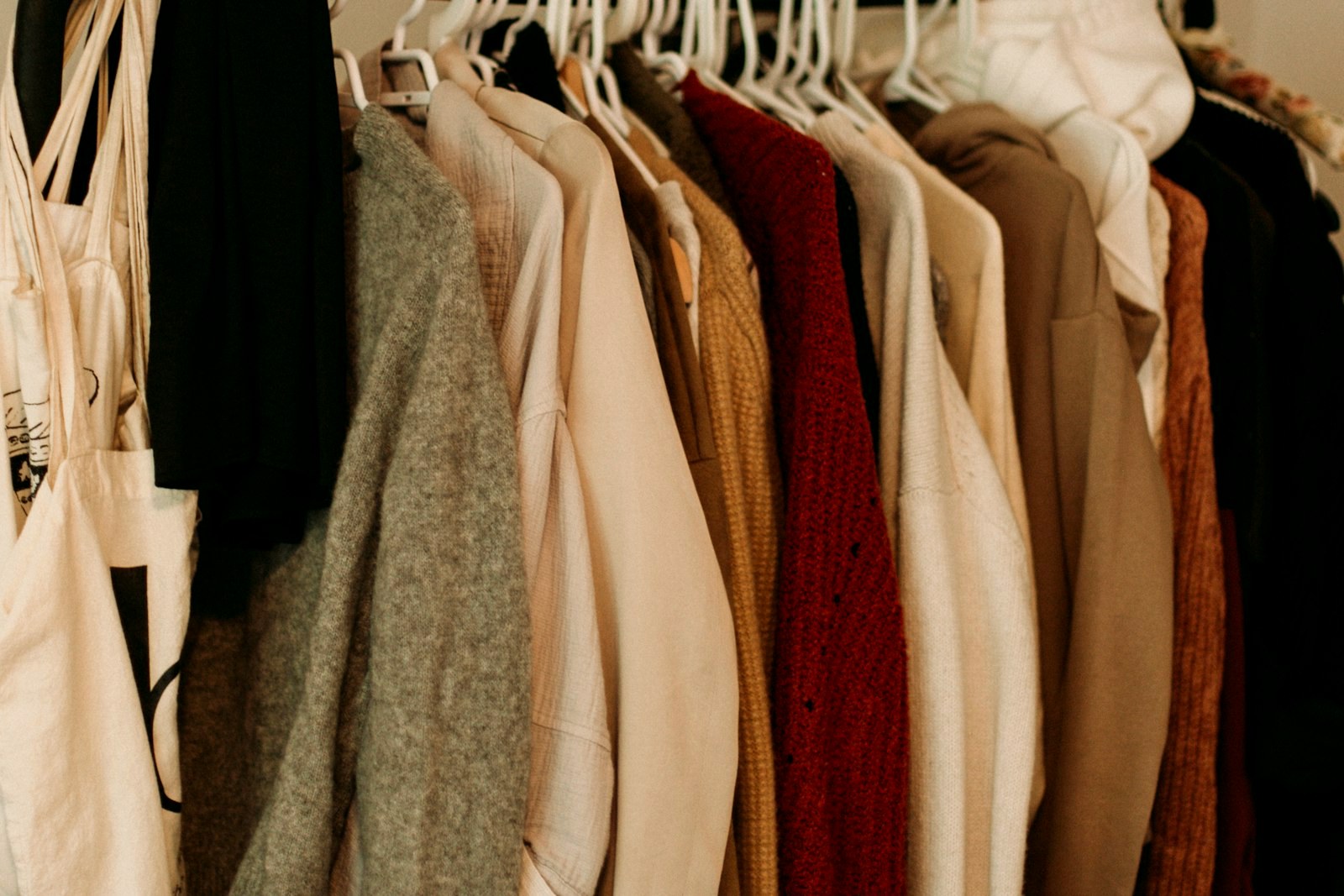
Seven names, one rail. Every aesthetic is a claim about clothes, and claims about clothes can be checked against the clothes. That is what this page does.
Checked and updated October 2026
The short version: an aesthetic name is a promise, and most promises are never audited. This page audits seven of them. Each term is decoded into what it actually is (the garments, the cloth, the palette, the fit), what it is not (the logo version, the costume version), and the entry piece the published record on this site actually names. Then each one is ruled on, from the record: quiet luxury survives, because this site already grades it as an index and the index has losers. Scandinavian minimalism survives, as a discipline before it is a palette. Soft boy and clean boy survive, one as construction and one as a routine. Ametora survives in cloth and not in name. Old money splits: the clothes are real and the ancestry claim is a costume. Gorpcore fails as a fashion term while every garment it points at passes as equipment. The rule underneath all seven rulings is printed at the top of the page, and it is the only rule the page asks to be quoted: an aesthetic that cannot survive its garments' composition lines is a costume.
In this guide
The test every aesthetic has to pass
The format first, with its debt named. The aesthetic taxonomy post is the feed's invention: a name, a mood board, a grid of photographs, a shopping list. This page borrows that shape and changes the one thing that matters. Nothing here resolves to a mood board. Every claim below resolves to a published record on this site, a ranking with scores, a capsule with prices, a Card with a named loser, so that the decode can be checked instead of merely felt. Where the record does not exist, the page says so in plain words. Four of the seven terms below have never been printed on this site before this page. That is not hidden; it is half the finding.
The test itself has three questions. First: can the aesthetic be stated as garments, cloth, palette and fit, without using its own name? If the definition needs the label to work, the label is the product. Second: do the garments it names survive their own composition lines, the fibre splits, construction notes and prices their makers publish? This desk grades records, and a look built on cloth that fails its own paperwork is a look that fails. Third: does the record name an entry piece, one attainable piece that carries the aesthetic honestly, the way our rankings name one in the first three entries as a matter of house policy? An aesthetic with no honest door in is a photograph, not a direction.
Two of the seven fail, and they fail differently, which is why both are kept on the page. One fails the first question: its definition is a biography, not a wardrobe. One fails the second and third together: as a fashion term it names no garments at all, only a season, while the garments underneath it pass every test as something else. The five that survive do so at different strengths, and the page grades the strength rather than smoothing it. Survival is not praise. It is a ruling that the name points at real clothes with a real record, and the record is linked under every section so the ruling can be argued with.
The seven aesthetics, decoded
Each decode follows the same pattern: what it is, in garments and cloth. What it is not, in its logo version and its costume version. The record, meaning the pages on this site that already grade its pieces. And the entry piece, the one buy the record names first. The order is the order of the argument, strongest record first.
1. Quiet luxury
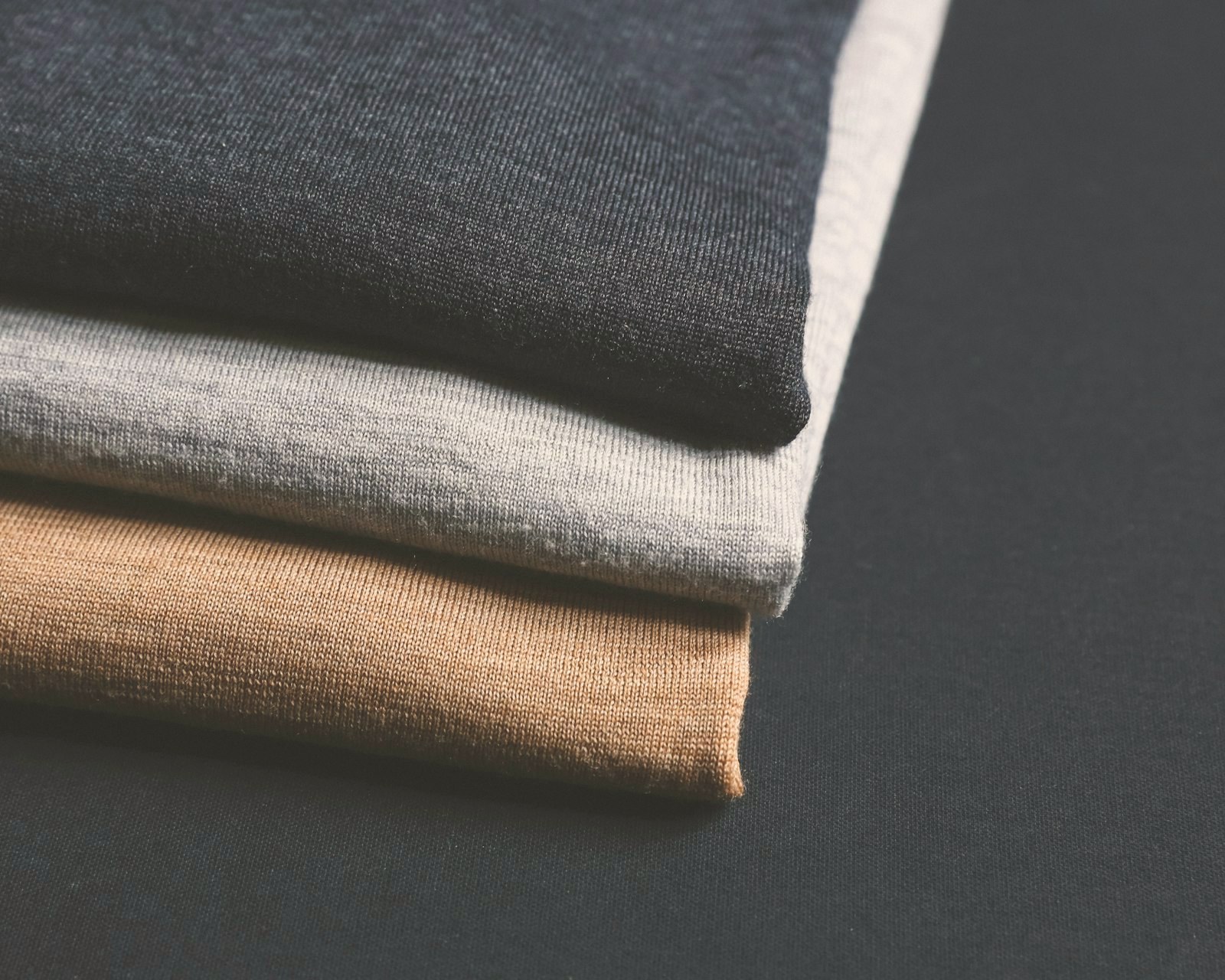
What it is: unbranded cloth at a high specification, worn in a restrained palette. The garments are the permanent wardrobe (an Oxford shirt, a merino crew, a tailored trouser, a loafer, a coat with no hardware shouting) in navy, grey, camel, cream and black, cut clean and close without being tight. The flex is legible only at arm's length: the hand of the knit, the roll of the collar, the way the trouser breaks. Fit is the visible part; the cloth is the graded part. What it is not: it is not minimalism as emptiness, and it is not wealth performed quietly. The logo version fails by definition, and the subtler failure is the receipt version, where the garment is plain and the price is the signal.
The record: this is the one aesthetic the site grades as a standing system. The Quiet Luxury Index scores twenty brands out of 100 and audits every entry's visible branding, none, tonal or loud, beside its price band. Auralee leads at 94. Asket is the attainable winner at 92. The Row finishes last at 70, a label with no logo anywhere on its clothes, because when a plain crewneck costs four figures the signal has moved from the chest to the receipt, and its value score of 3 is the lowest in this magazine's brand rankings. The capsule wardrobe builds the look as thirteen scored pieces with every price printed, and the Awards keep the anti-award standing: the Logo Tax, Moncler at 55. The entry piece: Sunspel, 85 on the Index, which the Index itself names the door in for a normal budget. The ruling: survives. It is the only term on this page with an index, a capsule and an anti-award already standing behind it.
2. Old money
What it is: in garments, almost exactly the wardrobe above, with the emphasis moved from specification to age. The knit is not new, it is kept. The loafer is resoled. The watch is plain and old. Longevity is the aesthetic's real claim: clothes bought once, maintained properly, and worn until they look like they were never bought at all. As a clothing discipline, that claim is honourable, and this desk's longevity rows reward it on every Card it prints. What it is not: it is not a purchasable past. The costume version buys the signs of inheritance (crest embroidery, pre-faded pastels, wear manufactured in a factory) and wears an ancestry it does not have, and the tell is always the same: the age is on the surface and nowhere else.
The record: stated plainly, because the page's rule is to state it: no page on this site has ever graded old money as a category, and the term appears nowhere in the tree before this page. What the record grades is the wardrobe it shares with quiet luxury, plus one verdict that lands directly on the costume version. In the quiet luxury capsule, the Golden Goose Super-Star is the named loser at 39: a well-made sneaker sold pre-distressed, its wear manufactured so the buyer can rent the look of a life lived in it, with longevity scored at 3 of 15 because a joke about ageing ages fastest of all. The entry piece: there is no entry piece under this term, and inventing one would break the page's own rule. The honest door is the capsule's starter build, shared with the aesthetic above. The ruling: split. The clothes survive; the claim is a costume. Buy the wardrobe if it appeals. Do not buy the biography; it is not in stock anywhere, at any price.

3. Soft boy
What it is: softness as construction. Drape where tailoring usually means structure, relaxed and oversized fits, knitwear doing the work a jacket does elsewhere, cardigans and wide trousers in washed, matte, low-contrast cloth, and grooming treated as part of the outfit rather than an afterthought. The palette runs pale and warm: cream, stone, faded blue, soft brown. Nothing in it is sharp, loud or armoured, and that is a specification, not an absence of one. What it is not: it is not a costume of sensitivity, and it is not the logo version either, the oversized hoodie with the brand across the chest, which is streetwear wearing soft colours and none of the construction.
The record: the term itself has never been printed on this site before this page; the look, graded piece by piece, is the desk's home ground. The Korean ranking is its fullest record: Wooyoungmi at 91, described there as sculptural coats and razor-clean tailoring worn slouchy, Solid Homme at 89, and entry No. 7, Matin Kim, filed under the heading "the soft look's poster label". The grooming half is graded on the skincare Decoder and the sea salt spray Card, where texture itself is a scored category and the Sun Bum spray wins at 81. The seasonal version stands in The Fall Edit, which states its own register plainly: fall dressing as a layering system in the soft register this magazine is built on. The entry piece: Covernat, 81 on the Korean ranking and named there the best value in Korean menswear, full stop. The ruling: survives, as construction. A soft garment with a real fibre split is an aesthetic. A soft photograph with nothing behind it is a filter.

4. Clean boy
What it is: grooming-led minimalism. The order of operations is the definition: skin first, hair tidy, fragrance disciplined to one bottle worn properly, and behind all of it the plainest garments on this page (the plain tee, the clean sneaker, the unmarked knit) kept spotless and well fitted. The palette barely exists, which is the point: the aesthetic is maintained, not assembled. What it is not: it is not a ten-step routine, and it is not a bathroom shelf photographed as a personality. The costume version buys the shelf; the real version repeats the routine.
The record: the tree's only use of the term before this page is a single sentence in the Korean ranking, about Matin Kim: "This is what the clean-boy aesthetic wears when it grows up." The grading behind it lives in the grooming Decoders. The skincare Decoder rules the routine at four steps in the morning and four at night, puts roughly ninety per cent of the benefit in two of them, cleansing without violence and sunscreen every morning, and names the ten-step routine a sales format, not a skin format. The brow Decoder and its face-shape spokes grade the detail work, and the fragrance Card names the one-bottle answer, the Bleu de Chanel Eau de Parfum at 85, for anyone whose plan is one bottle. The entry piece: the routine's two load-bearing steps, a gentle cleanse and a morning SPF, before any garment is bought. The ruling: survives as a routine, fails as a shopping list. Of the seven terms here, it is the cheapest to do honestly and the easiest to fake expensively.
5. Scandinavian minimalism
What it is: a discipline before it is a palette. The garments are basics engineered like equipment: one permanent collection instead of seasonal churn, sizing published honestly enough to be graded, the cost of a garment treated as a fact rather than a secret. The look that results (muted colour, clean lines, knitwear and shirting in rotation) is the by-product. What it is not: it is not beige as a personality, and it is not any Nordic label with a logo and a fashion price. Geography is not the test; the published record is.
The record: the Scandinavian ranking scores twenty brands and its winner is also its attainable pick, which almost never happens at the top of a ranking. Asket takes 92 on one permanent collection, a perfect 20 for sizing honesty, and the cost of every garment published. Our Legacy follows at 86 as the design answer and Norse Projects at 85 for the knit built to be worn for a decade. The same page keeps the term honest from below: Peak Performance finishes last at 66, a fine ski brand charging fashion prices for logo-forward gear, named the skip in its own home ranking. The entry piece: Asket itself, at 92, the rare case where the entry piece and the winner are the same buy. The ruling: survives. It is the only aesthetic on this page whose definition can be verified from a size chart.
6. Japanese Americana (ametora)
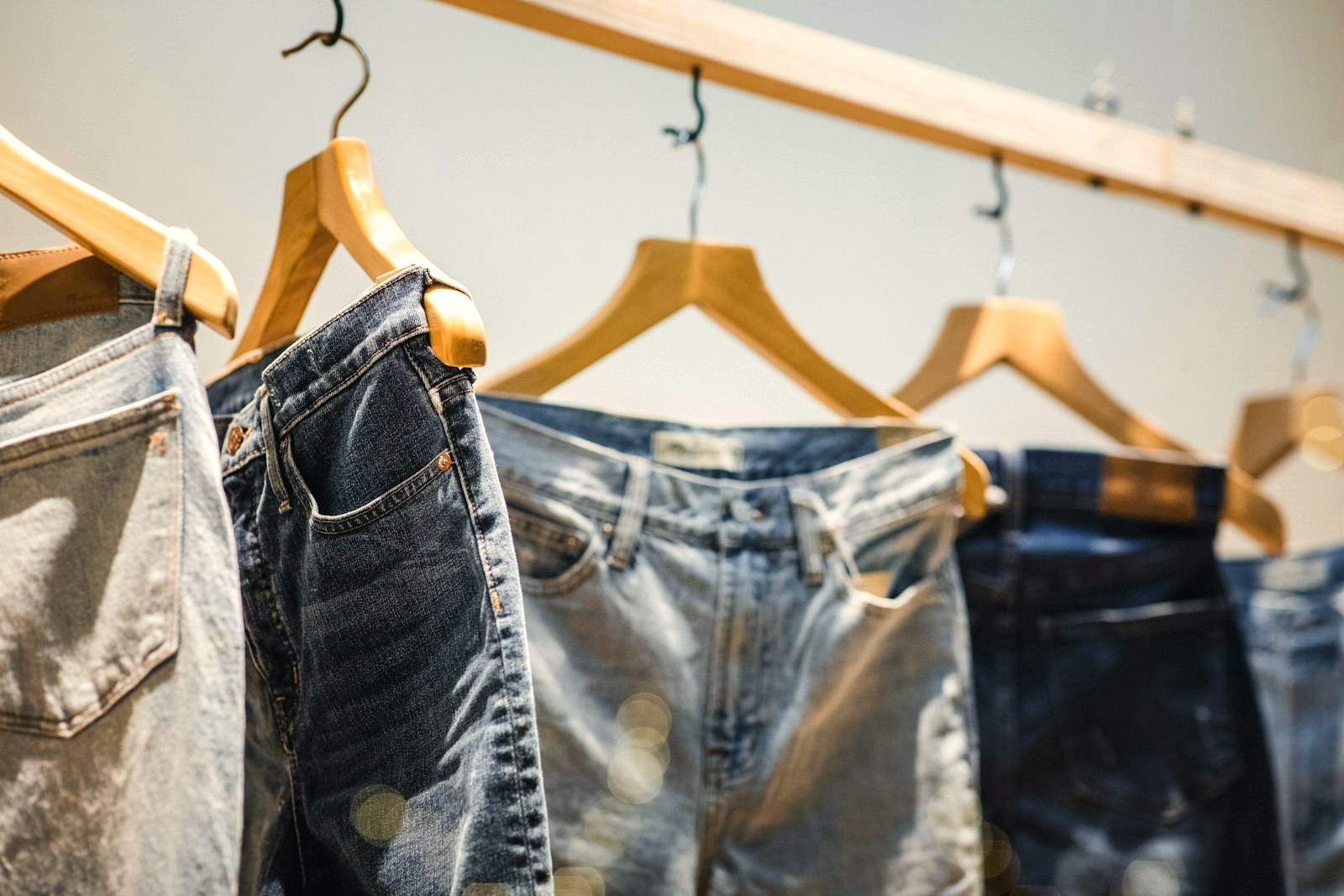
What it is: ametora, short for American traditional, is the Japanese remake of classic American clothing: Ivy tailoring, five-pocket denim, workwear, sweatshirts and sportswear, rebuilt in Japan with heavier cloth, older machinery and stricter construction than the originals usually receive. The fit is faithful rather than fashionable, boxy where the original was boxy, and the reverence is for the garment's best historical version, not its current one. What it is not: it is not buying a flag, a league logo or a souvenir. The costume version wears the references; the real version wears the cloth.
The record: the word appears nowhere else on this site, and no score here is invented to fill that gap. The substance is graded in two places. The Japanese ranking scores twenty houses (Auralee at 94, Uniqlo third at 84 on merit, OrSlow's fatigue pants named the single best trouser buy in the country) and convicts the reference-led failure mode on the same page: A Bathing Ape at 57, where the price buys the camo and the ape head and the cloth underneath is ordinary. The jeans Card runs the remake against the original head to head: the Levi's 501 wins at 81 on fit range and value at a list price under $85, and the Iron Heart IH-634S takes second at 80 as the finest cloth in the field, 21 ounces of Japanese selvedge at $385, beaten on arithmetic alone. The entry piece: the jean, in either direction. The original for value, the remake for cloth, both scored, neither romanticised. The ruling: survives in cloth, unproven in name. The record grades the garments heavily and the label not at all, and the page leaves it exactly there. The full decode, history, method and wardrobe, is its own page now: Ametora, Decoded, by our Asia desk.
7. Gorpcore
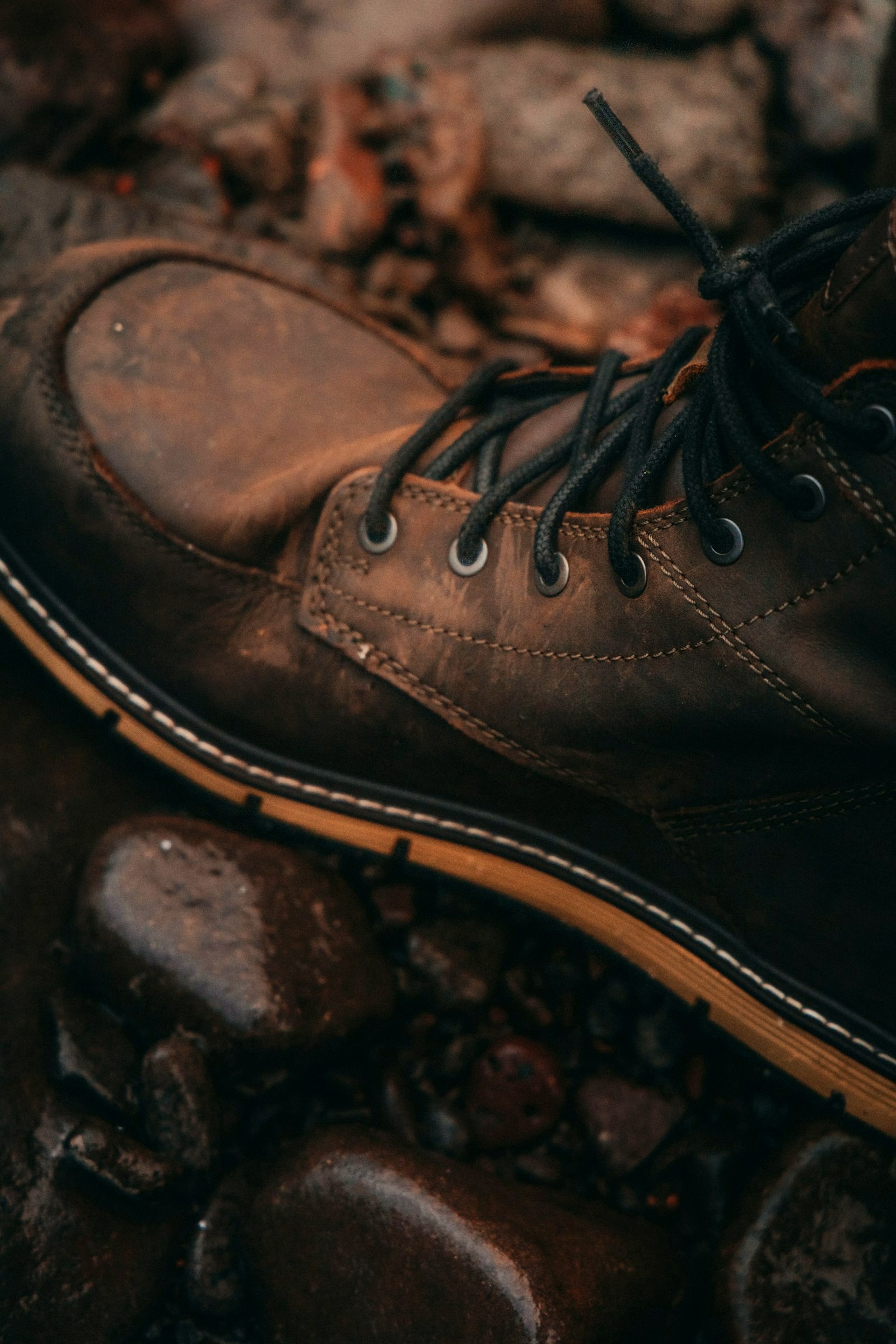
What it is: as a term, a portmanteau built on a trail snack's nickname, applied to technical outdoor clothing worn as everyday fashion: shells, fleeces, trail shoes and cargo pockets, in the city, nowhere near weather. As garments, it names real equipment with real specifications, and the two halves of that sentence grade completely differently. What it is not: on this desk, it is not an adopted category. This page decodes the term because the term is searched and argued about; the desk does not chase trend names, because a name invented to sell a season cannot be graded the way a garment can.
The record: the equipment passes, emphatically. On the rain Card, the Patagonia Torrentshell 3L wins at 86 because its maker publishes the fullest paperwork in the field, membrane chemistry, face denier, feedstock and certifications, and the Arc'teryx Beta follows at 79. On the fleece Card, the Patagonia R1 Air wins at 89 in a field where seven of eight makers publish a fabric weight, the category that has always been sold by specification. And the costume version is convicted on the same rain Card: the Moncler Grimpeurs, a $995 water-repellent nylon windbreaker, sent home at 36, with Moncler also last in the technical-brand cluster on Brands Like Arc'teryx at its standing 55, Logo Tax attached. The entry piece: the Torrentshell at 86, bought as a rain jacket, worn as one, and allowed to be seen in the city precisely because it was not bought for the city. The ruling: the gear survives, the suffix is a costume. Equipment graded on paperwork is this site's home ground. Equipment worn as a signal, with the spec sheet unread, is the logo tax in a waterproof membrane.
The decode matrix
This table is the whole page on one screen, compiled from the records linked above. Screenshot it. It is re-checked on the same cadence as our rankings, per the Methodology page.
| Aesthetic | What it is, in one line | Palette and fit | The record's ruling | Entry piece |
|---|---|---|---|---|
| Quiet luxury | Cloth and construction as the signal, logos at zero | Navy, grey, camel, cream; clean and close | Survives: graded as a standing index | Sunspel (85 on the Index) |
| Old money | The same wardrobe, claimed as inheritance | As quiet luxury, aged and kept | Split: clothes survive, the claim is a costume | None under the term; the capsule starter build |
| Soft boy | Softness as construction: drape, knits, grooming | Cream, stone, faded blue; relaxed and oversized | Survives, as construction | Covernat (81, Korean ranking) |
| Clean boy | Grooming-led minimalism, maintained not assembled | Barely a palette; plain garments, spotless | Survives as a routine, fails as a shopping list | A gentle cleanse and a morning SPF |
| Scandinavian minimalism | A permanent-collection discipline with a palette attached | Muted, clean lines, knitwear in rotation | Survives: verifiable from a size chart | Asket (92, winner and attainable pick) |
| Ametora | American classics remade in Japan to a higher spec | Faithful fits, indigo, ecru, Ivy colours | Survives in cloth, unproven in name | The jean: 501 at 81, Iron Heart at 80 |
| Gorpcore | Technical gear worn as a fashion signal | Shell brights and black; technical, oversized | The gear survives, the term is a costume | Torrentshell 3L (86, as equipment) |
How to read it: the ruling column is the page. Every other column can be found on any mood board on the internet; the ruling can only be produced by grading the garments, which is the work the linked records do. Where a row's ruling is split, the split is the honest answer, and the sections above show the working on both halves.
The Decoder Rule
An aesthetic that cannot survive its garments' composition lines is a costume. Read the split, check the record, buy the entry piece, and let the name come last, if it comes at all. The names are free. The cloth is graded.
The starter kit
Every decode on this page ends in the same place, as the house format requires: one kit, a stated cap, no new shopping list invented for the occasion. The kit that survives all seven decodes already exists on this site, priced and totalled. The quiet luxury capsule builds thirteen scored pieces with every price printed: a recommended build at $1,960.79, working out to about 67 cents per wear over five years, and a starter build at $1,375.38, which is the cap this page adopts. Visible logos across the whole recommended wardrobe: zero. It serves quiet luxury by design, Scandinavian minimalism by discipline, old money's honest half by longevity, and the soft and clean registers by palette and upkeep. The two decodes it does not serve, the ametora jean and the equipment entry, name their own single pieces above, at 81 and 86 on their Cards. One kit, one cap, every piece scored before it was listed. That is what a decode is for.
FAQ
What are the main men's fashion aesthetics?
The seven that carry real search and argument are decoded on this page. Quiet luxury: cloth and construction as the signal, logos absent. Old money: the same garments worn as inheritance, with longevity as the claim. Soft boy: softness as construction, drape, relaxed fits, knitwear and grooming. Clean boy: grooming-led minimalism, skin first and plain garments behind it. Scandinavian minimalism: a permanent-collection discipline, restrained palette, published sizing. Japanese Americana, or ametora: American classics remade in Japan to a higher published specification. Gorpcore: technical outdoor gear worn as fashion, a term this desk decodes but does not adopt. Each one is tested on this page against the published record on this site, and two of the seven fail as costumes.
What is quiet luxury, in plain terms?
Quiet luxury is the rule that if you can read the brand, it fails. The signal is the cloth, the construction and the fit, in a restrained palette, with visible branding at zero. It is the one aesthetic this site grades as a standing index: twenty brands scored and logo-audited, Auralee first at 94, Asket the attainable winner at 92, Sunspel the door in at 85, and The Row last at 70 because at its prices the price itself has become the logo. The wardrobe version is costed on this site too: thirteen scored pieces, a recommended build at $1,960.79 and a starter build at $1,375.38, with zero visible logos across the whole wardrobe.
Is old money style different from quiet luxury?
In garments, barely. In claims, completely. Quiet luxury names a property of clothes: cloth, construction, no logo. Old money names a property of a biography: the clothes are meant to read as inherited, repaired and unbought. No page on this site grades a biography, and no record here uses the term as a category, so the honest answer is that the wardrobe overlaps almost entirely with quiet luxury while the promise does not survive inspection. The record's clearest verdict on manufactured age is the Golden Goose Super-Star, a pre-distressed sneaker scored 39 in our quiet luxury capsule, with longevity at 3 of 15: a shoe whose wear is faked in a factory is the costume version of this aesthetic, named and scored.
What is ametora?
Ametora is short for American traditional: the Japanese remake of classic American clothing, Ivy League tailoring, denim, workwear and sportswear, rebuilt in Japan with heavier cloth and stricter construction than the originals usually get. The word itself appears nowhere else on this site, and this page invents no record for it. What the site does grade is the substance. On our jeans ranking the American original still wins the Card, the Levi's 501 at 81 on fit range and value, while the Japanese remake, the Iron Heart IH-634S at 80, carries the finest cloth in the field, 21 ounces of Japanese selvedge, and loses on arithmetic alone. The aesthetic survives in cloth. In name, it is a label the record neither needs nor uses.
Does Young Cotton cover gorpcore?
No, and the absence is policy, printed here so it cannot be mistaken for a gap. This desk decodes trend terms; it does not adopt them, because a term invented to sell a season cannot be graded the way a garment can. The garments the term points at are graded on this site as what they are: equipment. The Patagonia Torrentshell 3L wins our rain ranking at 86 on the fullest published paperwork in its field, and the Patagonia R1 Air wins our fleece ranking at 89 in a field where seven of eight makers publish a fabric weight. The costume version is graded too: a $995 water-repellent designer windbreaker was sent home from the rain ranking at 36. Technical gear survives the record. The suffix does not.
How can an aesthetic be worn without becoming a costume?
Apply the composition-line test before buying anything: read the garment's published fibre split, construction notes and price, and ask whether the piece still earns its place when the aesthetic's name is removed from it. Then buy the entry piece the record names, one piece, and wear it with the wardrobe that already exists. An aesthetic that survives that test is a direction. A look that only works as a complete uniform, bought at once, with the name doing the work the cloth cannot, is a costume, and the two failures on this page, the ancestry claim and the trend suffix, both fail in exactly that way. The starter kit on this page is built to the same rule: thirteen scored pieces, every price printed, one total, no logos.
Next
This hub is the front door to the records it rules from. The graded systems: the Quiet Luxury Index and its capsule wardrobe, the Awards where the Logo Tax stands, and Cool Brands for Men, graded on its own design-led ruler. The country records: Scandinavian, Japanese and Korean brands, each scored with prices printed. The garment records: the jeans ranking, the rain ranking and the fleece ranking. The grooming records: the skincare Decoder, the brow Decoder and the sea salt spray Card. The season's working version is The Fall Edit. And the sibling system, built the same way for a different question, is the Face-Shape Decoder: measure first, then decide. This page asks for the same order of operations, applied to a wardrobe instead of a face.