

The discipline in one frame: a wardrobe edited to a single rail, every piece on it earnable and re-buyable. The Scandinavian ranking uses this same frame for its top five, because the rail is the argument.
Checked and updated October 2026
The short version: Scandinavian minimalism is the only one of the seven decodes on the Aesthetic Decoder hub whose definition can be verified from a size chart, and the hub rules it survives. This page is that ruling at full length. The discipline is a buying system: one permanent collection, sizing graded and published, the cost of every garment printed, repair when it wears out. The evidence is already graded on this site: a twenty-brand ranking whose winner is also its attainable pick, Asket at 92, and a cluster of family-page audits since, every one of which the leading houses have passed. The failures are graded on the same pages, at 74, at 56 and at 66. And the twist underneath the whole decode, printed in full below: this is the one aesthetic that publishes its homework, so it is the one aesthetic that can be audited, and this page audits it.
In this guide
The word, and the ruling it arrives with
The phrase usually arrives as a mood: pale rooms, paler clothes, a rail of grey knitwear in northern light. Strip the mood away and a stricter definition is available, the one the hub prints. Scandinavian minimalism is a discipline before it is a palette. The garments are basics engineered like equipment: one permanent collection instead of seasonal churn, sizing published honestly enough to be graded, the cost of a garment treated as a fact rather than a secret. The look that results (muted colour, clean lines, knitwear and shirting in rotation) is the by-product, and it can be copied by anyone with a paint chart. The discipline cannot be copied by a paint chart, which is why the term survives its audit and the photograph of it does not.
The hub applied the same three questions it applies to every aesthetic. Can it be stated as garments, cloth, palette and fit, without using its own name? Do the garments survive their own composition lines? Does the record name an entry piece? Minimalism passes the first with a definition that reads like a purchasing policy. It passes the second at the top of its home ranking and fails it, instructively, at the bottom of the same ranking, which is what a real test looks like. It passes the third with the rarest answer on the hub: the entry piece and the winner are the same buy. The ruling, kept exactly: survives. Everything below is the working behind that one word.
The discipline: four habits, all published
The Asket family page reduces the search behind this aesthetic to four tests, and they are the cleanest statement of the discipline anywhere on this site. Is the collection permanent, or does it turn over? Can the same garment be bought again in three years? Are the sizes honest, graded and published? And are the receipts, the cloth, the cost, the factory, shown or merely claimed? A house that passes all four is practising the aesthetic whatever its clothes look like. A house that fails them is wearing it. The four habits underneath the tests, each one a published fact about the ranking's winner:
First: the permanent collection. Asket, founded in Stockholm in 2015, sells one collection with no seasons and no drops, each garment improved in place, version by version. The maker's own garment journal records the twill chino at version 2.0, its fabric aligned and its fits refined a decade into the garment's life. The T-shirt is on the same rail it launched on. Permanence here is not a claim about taste; it is a stock policy, and it is checkable in the simplest possible way, by whether last year's garment can be bought again this year.
Second: sizing published like a specification. The Scandinavian ranking grades every brand on a basis whose third row is fit range and sizing honesty, and Asket's fit row is 20 out of 20 on both prints of its record: the only perfect fit score in the franchise. The substance behind the number is sizes graded from body measurements, in dozens of sizes across short, regular and long lengths, instead of the alpha letters the high street answers with. This is the habit the hub's one-line verdict points at. A size chart is the least glamorous document a clothing company publishes, and it is the one this aesthetic can be verified from, because a graded size run cannot be faked in a photograph.
Third: the cost of the garment, printed. Every Asket product page carries a breakdown of what the cloth cost, what the assembly cost and where both happened. The ranking prices the result without drama: the T-shirt at $70 in its table, about $0.23 a wear at sixty wears a year for five years, the horizon the maker's own published wear test tracks. Set that beside the ranking's bottom line, a $445 ski jacket at about $7.42 a wear, and the discipline's whole economics are on one screen. Published costs turn the cost-per-wear division from a slogan into arithmetic anyone can redo.
Fourth: the exit is part of the product. Lifetime repair and a take-back programme that pays a voucher for a garment when it finally wears out are printed parts of the winner's offer, and the cluster around it runs the same way: Houdini, at 84 on the ranking, designs for circularity, repairs what it sells and resells its own used garments, which is why its longevity row is a clean 15. A system for buying less has to say what happens at the end of a garment's life, or it is only a system for buying slowly.
The audit: the homework, checked
An aesthetic that publishes its homework invites a specific kind of page: not an appreciation, an audit. This desk has been running it in pieces. The ranking came first, then the family pages audited the cluster's leaders one by one, and the results are worth assembling in one place, because they do not all land the same way.
The winner, audited at home. On its family page, Asket does what no anchor in the nineteen pages before it managed: it wins its own page, at the same 92, against the two brands built most like it and the one built as its exact opposite. The garment record agrees with the brand score without being it: the T-shirt at 88 on the white tee ranking, the Oxford at 87 on the Oxford ranking, the linen shirt at 85 on the linen ranking, three cloths, three top finishes. The house has also won nine other brands' pages in the series as a guest. The audit's verdict on the discipline's exemplar is that the paperwork and the garments tell the same story.
The bookkeeping, printed in the open. Asket's 92 is also this site's one live split divergence in the cluster, and this page prints it rather than tidying it. The ranking splits the 92 as fabric 25, construction 18, fit 20, value 14, longevity 15. The family pages split it as fabric 28, construction 19, fit 20, value 12, longevity 13. Where this spoke cites the rows, it cites the family split, 28, 19, 20, 12, 13, for the reason the Norse Projects page prints: the family page is where the house was audited garment by garment. The tee carries the same drift in miniature: the ranking's table prints $70, the family page's check of the maker's store printed $65, and the family figure stands. Two totals agree (92, and the perfect fit row of 20 under both splits); the argument is over which rows carry the points, and a canonical ruling is owed in this site's November pass. The divergence is disclosed here for the same reason the aesthetic is trusted anywhere: the homework is published, so the disagreements are too.
The cluster, audited since. Our Legacy's 86 was audited on its family page and shows no row-split divergence anywhere: 27, 18, 16, 11, 14 in the ranking and the family alike, the first fully consistent anchor in the cluster. Norse Projects' 85 was audited on its family page and holds, rows 24, 17, 18, 12, 14 unchanged. Houdini's 84 held under audit on its page. mfpen's 84 held on its page, rebuilt from the maker's own published hierarchy of fabrics. Four audits, four standings, no number moved. That is what a discipline looks like from the grading side: boring, in the way a kept ledger is boring.
And the audit catches drift, which is its job. The mfpen audit prints a watch item rather than smoothing it: the maker's own store now prices shirting at about $250 to $320, above the band the ranking recorded, and coats well past it; the value row holds on the shirts, and the drift is named as the re-audit's first item. The elder of the whole school shows the longer version of the same pressure. Filippa K, founded in Stockholm in 1993, wrote the template half the ranking still uses (fewer pieces, better cloth, no decoration) and stands at 79, its prices now at full designer level for quality younger houses on the same page match for less. The template survives. Its author's prices are audited like everyone else's. Nothing about the discipline exempts its founders.
The difference from quiet luxury
The two decodes sit next to each other on the hub and are confused constantly, so the distinction is worth stating from the records rather than from taste. Quiet luxury is a standard for what the pieces are. Cloth and construction as the signal, logos at zero, graded on this site as the Quiet Luxury Index, where Auralee leads at 94 and the test is applied garment by garment. Scandinavian minimalism is a system for how the pieces are bought. Permanently, in graded sizes, at published costs, with the replacement cycle removed. One is a property of objects. The other is a property of the transaction, repeated for a decade.
The records draw the line in both directions. The Row finishes last on the Quiet Luxury Index at 70 and still passes that index's own test: its branding audit is perfect and its cloth is honest; it is last because, in the index's verdict, at its prices the price itself has become the logo. Under minimalism's test it fails earlier and more simply, because a wardrobe bought at those prices, however silent the garments, is not a system for buying less. The mirror case stands at the bottom of the Scandinavian ranking: Peak Performance is Nordic by geography and fails minimalism on the buying rows, value 7 and longevity 9, while its garments, judged as ski equipment, are competent. And the overlap is real, and named: Asket is the Quiet Luxury Index's attainable winner at the same 92, because a house that buys this way tends to make cloth that grades that way. The systems rhyme. They are not the same test, and a wardrobe can pass either one while failing the other, which is exactly why the hub decodes them separately.
Where it fails: the fashion end and the photograph
Every decode on the hub has a costume version, and minimalism has two. The first is grown at home, at the fashion end of the same countries. The ranking grades it without sentimentality. Acne Studios, the region's global fashion flagship, stands at 74, with the deduction named in the ranking's own phrase: the design tax. Its best denim and leather still justify the name (the house began in 1996 with a hundred pairs of red-stitched jeans, given away), but a large share of the range is fashion-cycle product at flagship prices, logo pieces included, and under a rubric that pays for fabric, construction and years of wear, that mix lands below houses a tenth of its size. Soulland, at 75, is the gentler version of the same lesson: genuine design wit, spent on prints, and prints date faster than cloth does. The North's fashion end is not bad clothing. It is the discipline's opposite wearing the discipline's passport: seasonal, image-led, replaced on schedule.

The second costume is the photograph: the minimalist look (muted palette, clean lines, nothing printed on anything) detached from the buying system and sold on a seasonal model. It is graded wherever this site grades it. COS, at 70, is its high-street form, and the Asket family page prices the trade in one clause: permanence traded for silhouette. Les Deux, derived in the open at 56 on the Norse Projects page, is its Copenhagen form: a large embroidered logo where the cloth argument should be, and a signature trouser cut in 63 percent polyester on its maker's own trade catalogue. And behind both stands the control group for the whole argument, H&M, derived at 38 from thirteen of its own ranked garments, longevity row 3: thousands of styles a year, none of them buyable again next spring, its $29.99 fine-knit crew working out at about a dollar per presentable wear. The photograph of minimalism is cheap to produce and expensive to own, which is the precise inversion of the discipline, where the clothes are plain to look at and the arithmetic is the luxury.
Peak Performance closes the section because it is the failure in its most instructive form: not a copy, not a photograph, but a genuine Nordic house failing its home test. At 66 it finishes last of twenty in its own region's ranking, a fine ski brand charging fashion prices for logo-forward gear, its $445 Edge 2L jacket losing on that page to Houdini on design and circularity and to Klättermusen on construction, its longevity docked because the styling dates by season, on purpose. Geography is not the test. The published record is. A Swedish label can fail Scandinavian minimalism completely, and a Los Angeles label, Buck Mason at 90 on the Asket page, can run the same discipline two points behind the winner. The aesthetic is a practice, and practices travel; passports do not grade.
The wardrobe it builds
The decode ends where the hub's format requires: in the wardrobe, compiled from the records above, priced as the pages that grade each piece print it. Read the table as the system on one screen. Every row is a permanent or near-permanent piece, bought once, in a graded size where the maker grades them, from a maker whose receipts are published or whose audit is on this site.
| Piece | The record | Price, as printed |
|---|---|---|
| The T-shirt | Asket, 92 the brand; the garment 88 on the white tee ranking | $65 at the maker's store (family page check; the ranking's table prints $70) |
| The Oxford shirt | Asket, 87 on the Oxford ranking | Inside the brand's $70 to $680 band on the ranking |
| The knit | Norse Projects lambswool crewneck, 85 the brand, the decade knit | About $250 |
| The shirt with a pulse | Our Legacy Borrowed Shirt, 86 the brand | $250 to $350 |
| The deadstock shirt | mfpen Examination Shirt, 84 the brand | $180 to $260 at the ranking's check; drift flagged on its audit |
| The chino | NN07 Marco, 83 the brand, the chino solved | $160 to $190 |
| The fleece | Houdini Power Houdi, 84 the brand, longevity 15 | About $255 |
| The shoe | Myrqvist suede loafer, 82 the brand, Goodyear-welted | $300 to $400 |
| The bag | Mismo M/S Avail, 83 the brand, the twenty-year carry | About $870 |
The entry piece: Asket itself, the hub's ruling kept without amendment, the rare case where the entry piece and the winner are the same buy. The second door is the knit. The buying calendar is the ranking's own, and it is the region's trick played on itself: the mid-tier houses on the ranking discount hardest in January and July, at thirty percent off or better, so the system is bought cheapest by waiting for the sales the system's winner refuses to hold. The compiled wardrobe also exists as a single kit: the quiet luxury capsule builds thirteen scored pieces to a starter total of $1,375.38, and it serves this decode by discipline, as the hub prints, because a capsule is a permanent collection kept by one person instead of one company.
The Decoder Rule
An aesthetic that cannot survive its garments' composition lines is a costume. Scandinavian minimalism survives its composition lines, its size charts and its cost breakdowns, because its leading houses publish all three and submit to being graded on them, and its failures are convicted on the same published record, in its own home ranking, at the bottom. Buy the system, not the photograph: permanently, in a graded size, from a maker who shows the receipts.
What this page does not claim
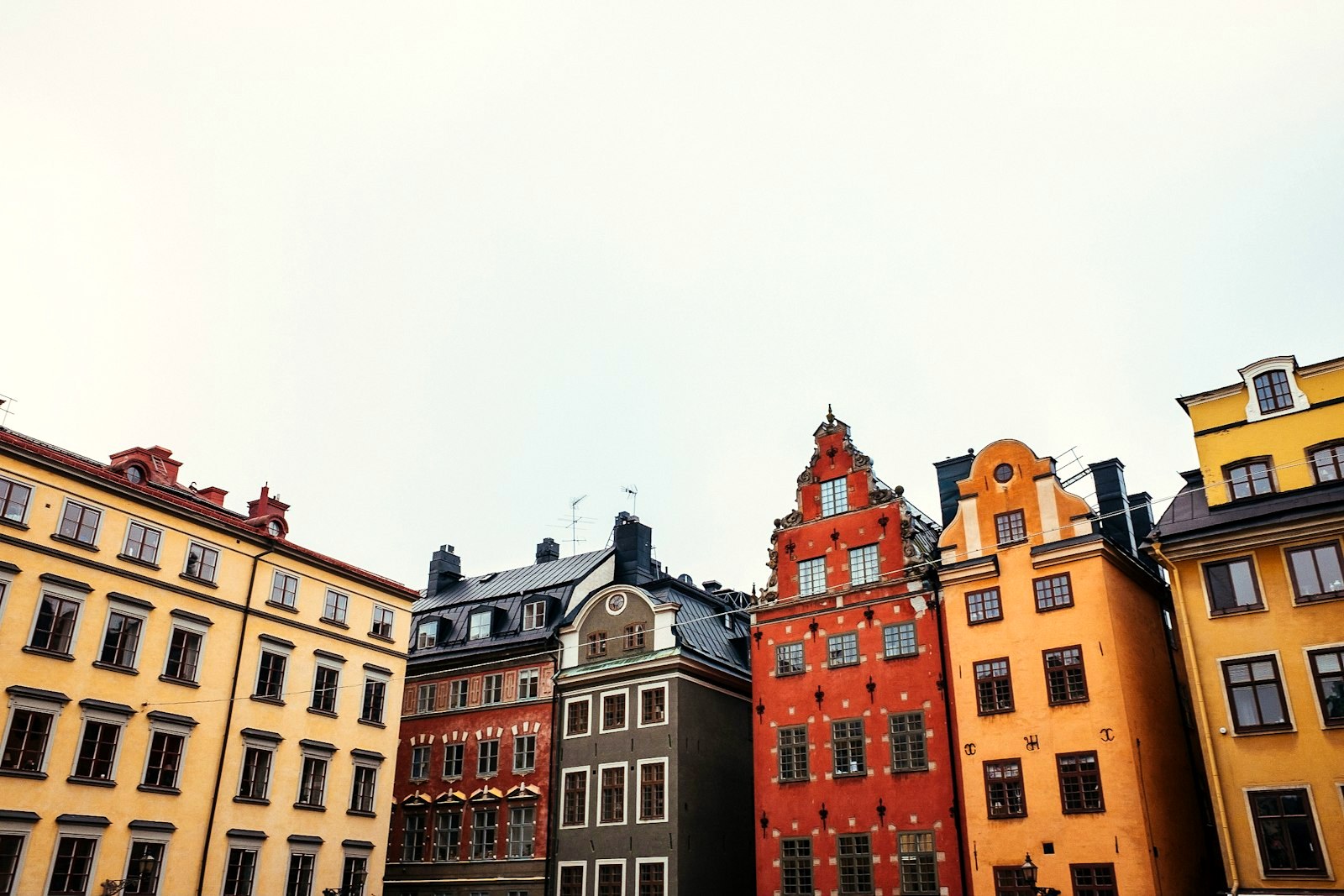
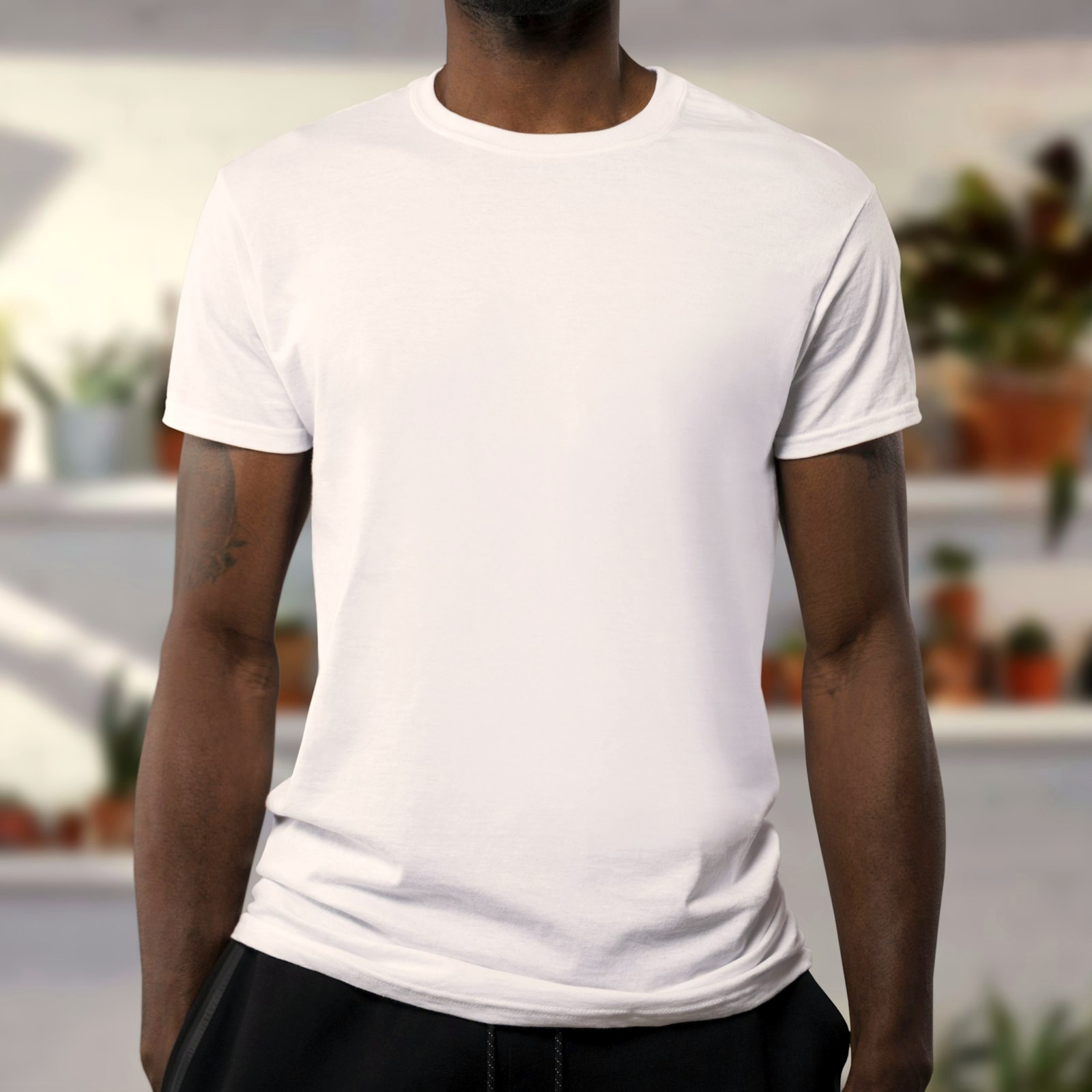
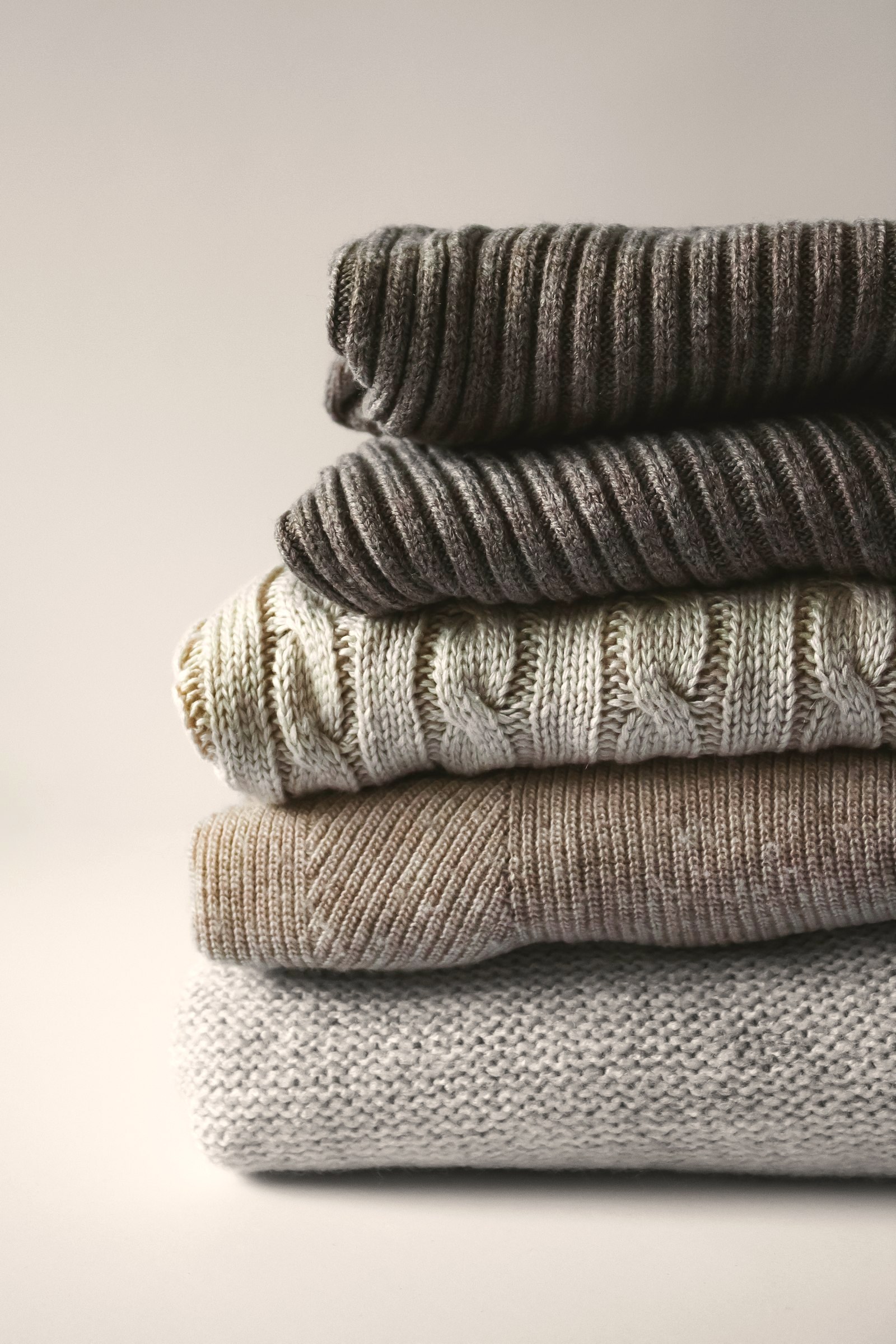
Five limits, printed in the open, in the hub's manner. First: no score on this page is new. Every number lives on its own ranking or family page, linked, where its basis is printed; this spoke assembles the record and argues from it. Second: the Asket split divergence is real and unresolved at the time of writing: two row splits for one 92 stand in the tree, the canonical ruling is owed in the November pass, and this page follows the family split and says so wherever it matters. Third: prices are reproduced as the grading pages print them, including where they disagree (the winner's tee at $70 in the ranking's table and $65 in the family page's store check; mfpen's shirting band, which its audit flags as drifted upward since the ranking). A price on this page is a citation, not a fresh check. Fourth: this page makes no claims about Scandinavians. No national temperament, no lifestyle philosophy with a one-word name, is asserted or needed: the decode rests entirely on documents any buyer can open, size charts, cost breakdowns, garment journals and repair terms. Where the ranking prints a regional buying habit, the January and July sales, it is cited as the ranking's buying rule, not as ethnography. Fifth: the photographs are pool frames from this site's bank, captioned for exactly what they show; the rail, the tee, the facades and the folded knits illustrate the register, and none of them is presented as a ranked garment in wear.
FAQ
What is Scandinavian minimalism?
Scandinavian minimalism is a discipline before it is a palette: one permanent collection instead of seasonal churn, sizing graded and published honestly enough to be scored, the cost of a garment printed as a fact, and repair offered when it finally wears. The look it produces (muted colour, clean lines, knitwear and shirting in rotation) is the by-product. On the Aesthetic Decoder hub this desk rules it survives, the only aesthetic there whose definition can be verified from a size chart, and this page is that ruling at full length: the twenty-brand Scandinavian ranking that grades it, the audits its leading houses have passed since, and the entry piece the record names.
How is Scandinavian minimalism different from quiet luxury?
Quiet luxury is a standard for what the pieces are: cloth and construction as the signal, logos at zero, graded on this site as a standing index. Scandinavian minimalism is a system for how the pieces are bought: permanently, in graded sizes, at published costs, with the replacement cycle removed. The records show the difference. The Row finishes last on the Quiet Luxury Index at 70 and still passes that index's test, because its cloth is honest and its branding is silent; it fails minimalism's test, because at its prices the buying itself is the opposite of a system for buying less. Peak Performance is the mirror case: Scandinavian by geography, last in its home ranking at 66, convicted on the buying rows, value 7 and longevity 9.
Why does Asket win the Scandinavian ranking?
Asket, at 92, tops the Scandinavian ranking and its own family page, the first anchor in the Brands Like series to win at home, because it is the only house that submits to every part of the discipline at once: one permanent collection kept since 2015, a published cost breakdown for every garment, sizes graded from body measurements in three lengths, and a fit score of 20 out of 20, the only perfect fit score in the franchise. The garment record agrees without being the brand score: its T-shirt scores 88 on the white tee ranking, its Oxford 87 and its linen shirt 85. Its rows are the one bookkeeping wrinkle on this page, printed in the audit section: the ranking and the family pages split the 92 differently, and this page follows the family split, as the series rules.
Is Scandinavian minimalism just beige clothes?
No, and the difference is graded. Beige is a palette; minimalism is a buying system, and the two separate cleanly on the record. COS, at 70, sells the minimalist photograph (muted colour, clean lines, no logos) on a seasonal model, and the Asket family page prices the trade exactly: permanence traded for silhouette. Les Deux, derived at 56 on the Norse Projects page, prints a large embroidered logo where the cloth argument should be and cuts its signature trouser in 63 percent polyester. Both look the part in a photograph. Neither survives its paperwork, which is the hub's rule: an aesthetic that cannot survive its garments' composition lines is a costume.
Why is Peak Performance last in its own home ranking?
Because the ranking grades the buying system, and Peak Performance, at 66, fails it on its own printed record: a fine ski brand charging fashion prices for logo-forward gear, its Edge 2L jacket at $445 working out at about $7.42 a wear against the Asket T-shirt's $0.23, with longevity at 9 because, in the ranking's words, the styling dates by season, on purpose. Geography is not the test on this site; the published record is. The same ranking puts two other outdoor houses, Houdini at 84 and Klättermusen at 79, far above it, on design, circularity and construction.
What is the entry piece for Scandinavian minimalism?
Asket itself, as the hub rules and this page keeps: the rare case where the entry piece and the winner are the same buy. Start with the T-shirt (the ranking prices it at $70; the family page's check of the maker's store printed $65, and the family figure stands), worn at about $0.22 to $0.23 a wear on the pages' own arithmetic. The second door is the knit: Norse Projects' lambswool crewneck at 85 on the ranking, about $250, the decade knit. Everything after that is bought the same way the system buys: permanently, in a graded size, from a maker who publishes the receipts.
Next
The hub this spoke hangs from is the Aesthetic Decoder, where the other six decodes stand and the rule is printed once for all of them. The records this page rules from: the Scandinavian ranking, the family audits at Asket, Our Legacy, Norse Projects, mfpen and Houdini, and the neighbouring standard at the Quiet Luxury Index. The sibling spoke, built the same way for the decode beside this one on the hub, is Ametora, Decoded. The scoring basis for every number quoted here is the Methodology page. Publish the homework, then grade it: the order of operations this discipline has run since 2015, and the only one this desk trusts.