
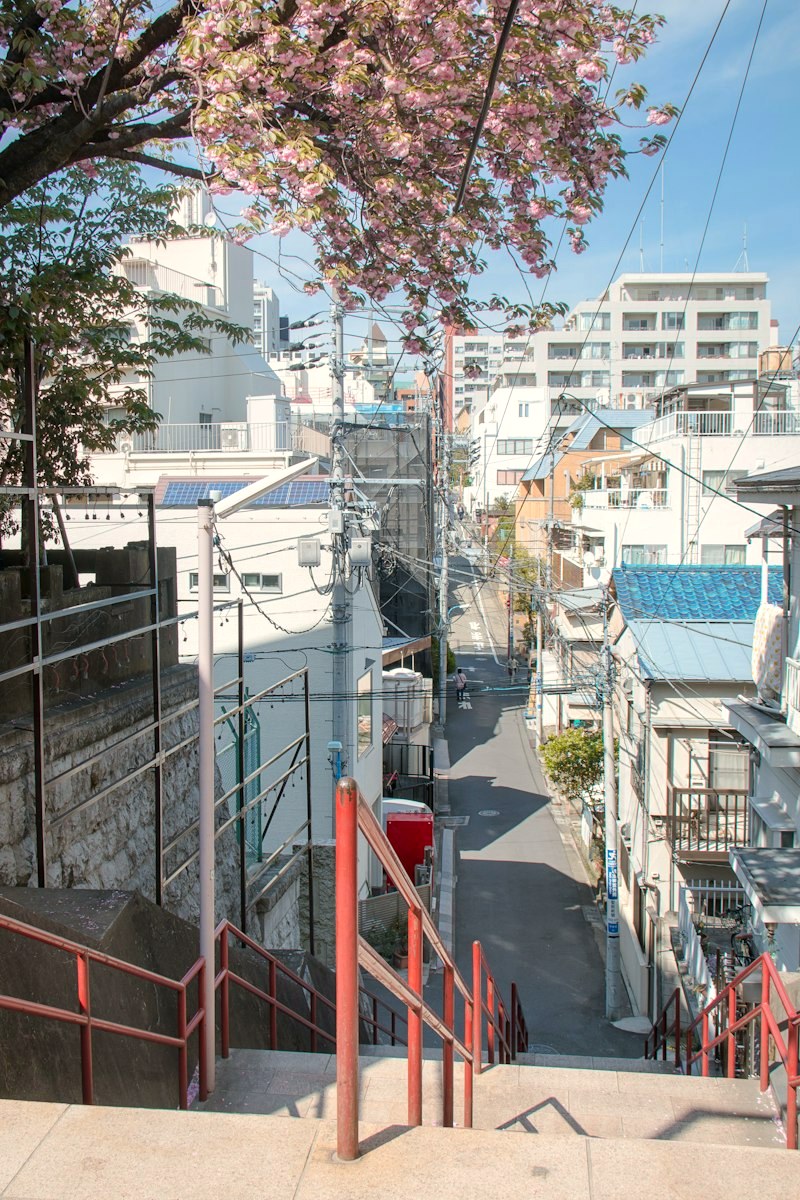
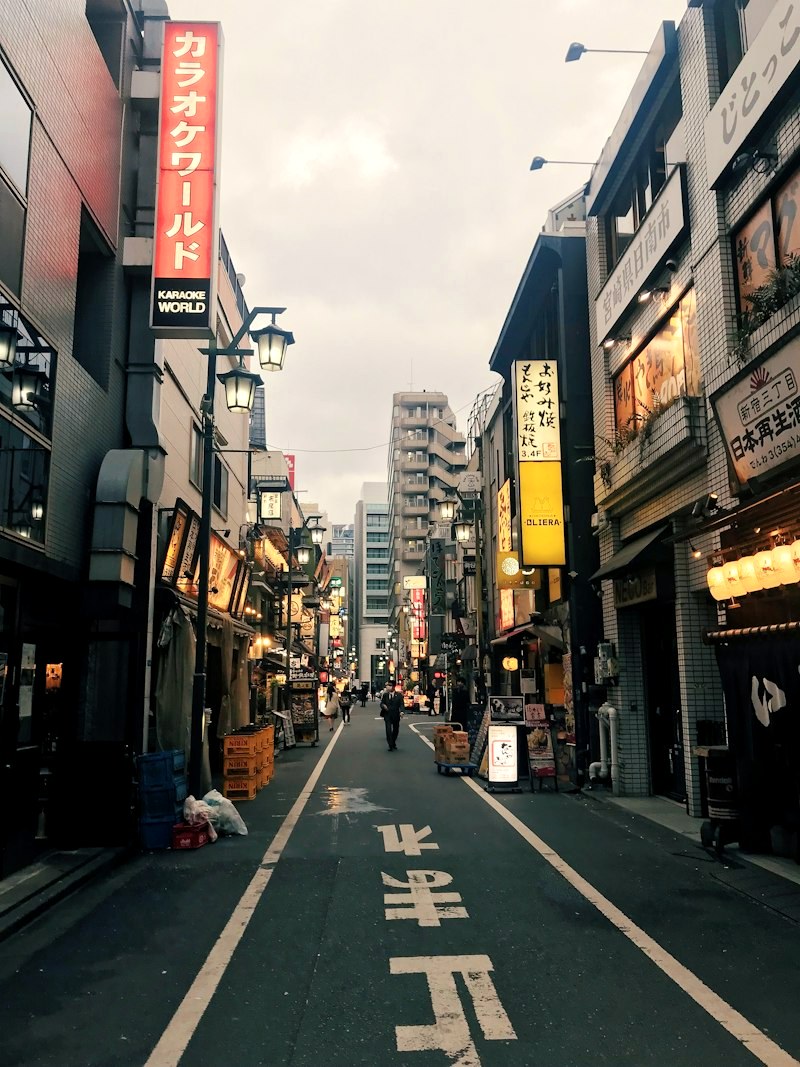
The anchor's home register, captioned as exactly that: a quiet Tokyo residential street under cherry blossom, the city the house's calm comes from. Our bank holds no photograph of an Auralee garment, worn or folded, so no frame on this page is captioned as one. The ranking below is built from the published records of the seven houses: the Quiet Luxury Index and the Japanese ranking where the anchor's score was set, the French and Scandinavian rankings where the seats behind it were set, this series' own pages where the rows are printed, and the makers' stores where the prices were checked.
Checked and updated October 2026
The verdict, up front: the anchor wins its own page, and the audit below is what earns it rather than assumes it. Auralee keeps its standing 94, the highest score in this magazine, audited in the open against its published record: fabric 29, the highest fabric row we print, a perfect longevity row, and core knits priced below the Paris houses whose cloth it matches. Lemaire keeps its standing 90 behind it, on the family split this series prints, the Paris calibration of the same discipline. Our Legacy and Studio Nicholson tie at 86, split on the fabric row, 27 to 26, in the open, because a clothing ranking breaks its ties on cloth. Sunspel and Norse Projects tie at 85 with their first three rows level, split on the value row, 13 to 12. The skip is a standing score, not a new sentence: A Bathing Ape keeps its 57 from our Japanese ranking, where it finished last of twenty, and finishes last here.
What people actually want from Auralee
Nobody searches for brands like Auralee because they need a knit either. They search because Auralee is the proof that the quiet register has a summit: a Tokyo house that develops its fabrics from the raw fibre up, washes silk and fine wool and baby cashmere until the cloth feels calm rather than rich, cuts soft on the body without slumping, and puts no branding anywhere on any of it. The want is the summit's discipline at a reachable distance: cloth developed rather than chosen, a palette that has barely moved in a decade, and garments that read as nothing at all until they are touched.
The ceiling is real, and this page names it before the anchor's card can be accused of hiding it. The summit costs summit money: core knits at $600 to $800, coats well above that, Japanese sizing that runs slimmer and shorter than US sizing, and a distribution that still rewards readers who measure first. So the alternatives below are graded on the three tests this search is really asking, the same tests this series runs in every register. Is the cloth the product: fabrics developed or specified to the fibre, splits and mills published, or a palette doing the work of a specification? Is the calm earned: a cut with a reason in it, or quiet as a styling exercise over ordinary cloth? And does the price survive arithmetic: a decade of wears at the printed ticket, or a reputation wearing a price tag? Auralee set the first of those tests for the whole register. This page runs all three on Auralee first.
How the scores work
Every brand here is scored on the house basis for this series: fabric and cloth out of 30, construction and craft out of 20, fit range and sizing honesty out of 20, value out of 15, longevity out of 15. All seven scores on this page are standing scores, reproduced with their rows: the anchor's 94 from our Quiet Luxury Index, where it also tops our Japanese ranking with the same number; Lemaire's 90 from our French ranking on the family split this series prints; Our Legacy's 86 and Norse Projects' 85 from our Scandinavian ranking; Studio Nicholson's 86 and Sunspel's 85 from the Index; and the skip's 57 from the Japanese ranking. No number on this page is new, and the one audit the page owes, the anchor's, is run in the open below.
The audit of the anchor, then, from its record, because an anchor in this series is audited where it stands. No Auralee garment has been ranked on this site as a garment; the 94 rests on the house's published brand record, and the audit rebuilds the rows from that record: the Index entry where the score was set, the Japanese ranking that confirmed it, and the two cards of this series that have carried the house since. Fabric 29: proprietary fabrics developed with Japanese mills from the raw fibre up, washed silk, fine wool, baby cashmere, the Super Fine Wool programme; it is the highest fabric row in this magazine, and the point off perfection is the discipline's own tax, cloth developed for hand-feel over specification sheets. Construction 19: garments built around the cloth rather than onto it, level with the Paris calibration at the top of this family. Fit 17: cuts that sit soft on the body without slumping, docked the point the Lemaire page printed, because the Paris cuts leave the body alone in a way that flatters more bodies, and because Japanese sizing honesty is a measuring exercise our Japanese ranking prints as a rule. Value 14: core knits at $600 to $800 sit below the European houses whose fabric the house matches or beats, the row every Paris house on this page loses. Longevity 15: the perfect row, held on every page that prints it; no branding to date a garment, no seasonal experiments, a palette and a pattern library continuous since Ryota Iwai founded the house in 2015. Add them: 29, 19, 17, 14, 15. The audit lands where the number stands. The brand score is 94, and this desk commits in print to re-running the audit when the record moves, and to moving the rows in the open if they move.
One piece of bookkeeping belongs in the open, because a reader checking our pages will look for it. This anchor's rows do not diverge: the Index, the Japanese ranking's record and the two family pages that have carried the house all print the same five rows for the same 94, so there is no split for this page to rule on. The only other number the tree carries for the anchor is a 92 on our cool brands ranking, which scores design language rather than these five rows; it belongs to that page, it is answered in the questions below, and it is never carried onto this one.
The rest of the summit's region is answered in the open rather than ranked, with its numbers untouched. The anchor's closest Japanese peer rests at the top of the argument: Comoli at 92, the insider's uniform from our Japanese ranking and the Index, cited by its total only, because its row split is printed nowhere in this magazine and this series does not invent rows; when a page of ours prints its split, it becomes cardable here. The attainable winner of the Index rests beside it: Asket at 92, the permanent collection with the cost of every garment published, anchored on its own page in this series. Wooyoungmi keeps 91 from our Korean ranking, Seoul's benchmark of the same soft silhouette. Officine Générale keeps 88, the French ranking's attainable Paris pick. mfpen keeps 84, Copenhagen's deadstock school, carded on the Our Legacy page of this series. Margaret Howell keeps 84 from the Index, the gardener's tailoring, cited by total under the same rule as Comoli. A.P.C. keeps its 83 as an anchor of this series, and COS keeps 70: its own page in this series grades the register's mall altitude in full. The Row keeps 70, the Index's last place, the house with no logo anywhere whose price became the logo. And Moncler, at 55, holds this site's Logo Tax Award on the awards page: the family's standing anti-award, cited here as the register's cautionary tale and not re-tried.
The fast copy of this register is answered the way this series always answers it, in prose, because its brand number is a living derivation maintained on the H&M page of this series, from that house's ranked garments, and this page does not borrow it, restate it or re-derive it. Its method here is its method everywhere: the soft outline and the washed palette of this register, printed on cloth that pills and shines where the developed cloth drapes, because calm is a fabric behaviour before it is a colour. At this page's altitude the copy is not even a temptation, and the reader who has followed the audit above will know how to grade it without a number from us.
The disclosure ledger, read from the houses' own published records, is the spine of the ranking, so it is printed before the cards. Read down the cloth column and the ladder below explains itself: at the top, a house that develops its cloth from the fibre up; at the bottom, a house whose cloth is the one thing its pages do not argue.
| House | The cloth record, as published | The signal on the garment |
|---|---|---|
| Auralee | Fabric developed from the raw fibre up, garment by garment, with Japanese mills; the house's whole method is the cloth, and its fabric score is the highest in this magazine. | None, anywhere |
| Lemaire | Named cloths across the range: cotton poplins, dry wools, washed silks, technical wools, chosen the way a mill would choose them. | None, anywhere |
| Our Legacy | Portuguese cottons and treated wools, with deadstock and upcycled fabrics worked into the main line rather than a capsule. | None on the core |
| Studio Nicholson | Natural fibres in a palette of navy, stone and off-white that has barely moved in fifteen years; the clothes are the recognisable part. | None, anywhere |
| Sunspel | Long-staple jersey traced on its own product pages to a single farm; two-fold cotton, cut and sewn in the factory the house has occupied since 1937. | None on the core |
| Norse Projects | Lambswool, merino and alpaca worked with Italian and British mills; fit and size information published plainly. | A tab the size of a stamp |
| A Bathing Ape (BAPE) | Ordinary jersey and fleece under the prints, on its scoring page's record; the prints are the specification, and they crack and fade. | A camo and a shark hood, meant to be read across the street |
Seven brands like Auralee, ranked
Auralee
US prices at last check: core knits $600 to $800 at the maker's store; coats well above that.
Keeps its standing 94 from our Quiet Luxury Index, audited in the open above: fabric developed from the raw fibre up, no branding anywhere, and the highest fabric score in this magazine.
The anchor wins its own page, and the audit above is the reason printed rather than the conclusion assumed. Ryota Iwai founded the house in Tokyo in 2015 on a single discipline: develop the fabric first, from the raw fibre up, and let the garment be whatever the cloth wants. The Index graded that discipline a fabric score of 29 of 30, the highest in this magazine, and there is no branding anywhere on the clothes, not a stitch of it. The Fall Edit carries the Super Fine Wool rib knit at this brand score, labelled as a brand score on its card, because no Auralee garment has been ranked on this site as a garment; the 94 is a house record, and this page grades it as one.
Read against the field, the rows explain the altitude. The summit ties the Paris calibration on fabric and construction and beats every other house on the page at both. Its fit row, 17, is the honest deduction the Lemaire page printed first: the cuts sit soft on the body, and softness welcomes slightly fewer bodies than Paris drape, with Japanese sizing that our Japanese ranking tells readers to meet with a tape measure rather than a guess. Its value row, 14, is the summit's surprise and the ranking's arithmetic: at $600 to $800 for the core knit, the best cloth in this magazine costs less than the shirting of the house ranked second. What the 94 means in the hand: the summit of the quiet register is a fabric programme with a label sewn in small, and a reader buying one piece at this altitude is buying the cloth development, not the name, which is precisely the order this series pays for.
Lemaire
US prices at last check: the twisted shirt around $500; Lemaire shirting at US retail runs to $949 for the dry silk shirt.
Keeps its standing 90, on the family split this series prints: the register's calmest making, a perfect longevity row, and a value row that prints the price of both.
The nearest house to the anchor, arriving with its number already set and already audited: Lemaire keeps the 90 from our French ranking, carried on the family split this series prints and audited in the open on its own page in this series. Christophe Lemaire, who ran womenswear at Hermès and Lacoste, rebuilt the house with Sarah-Linh Tran into the register's calibration instrument: shirts that pour rather than hang, trousers with a pleat that moves like water, a palette of milk, stone, ink and tobacco, and nothing on any of it for a stranger to read. Where the anchor develops its cloth, this house chooses its cloth the way a mill would choose it, and the fabric row cannot separate them.
The four-point gap to the anchor is printed in the rows and nowhere else. Fabric is level at 29, construction level at 19, longevity level at the perfect 15: on the making, the two summits are one house in two cities. Lemaire wins fit, 18 to 17, its cuts leaving the body alone in a way that flatters more bodies. The anchor wins value by five, 14 to 9, and the page with it: the twisted shirt is around $500 and the dry silk shirt $949 at US retail, against core knits at $600 to $800 for the cloth no page of ours has graded higher. Buy this house for the shirt and the stillness, one piece a year. Buy the anchor for the knit and the arithmetic. The reader choosing between them is choosing between Tokyo and Paris at a gap that is entirely a price gap, and both pages of this series print that sentence because both audits found it.
Our Legacy
US price at last check: the Borrowed Shirt $371 at Farfetch, Portuguese cotton, mother of pearl buttons, oversized fit.
Keeps its standing 86 from our Scandinavian ranking: the relaxed wardrobe with a pulse, deadstock and upcycled cloth in the main line, at a signature shirt of $371.
The Stockholm seat, keeping the 86 and the rows from our Scandinavian ranking, audited in the open on its own page in this series. The house began in 2005 as a graphic T-shirt project and grew into the most influential Scandinavian menswear label of its generation: familiar garments, a shirt, a jean, a boot, cut a few degrees off normal, longer, softer, stranger in the cloth, in washed neutrals and Portuguese cottons, with deadstock and upcycled fabrics worked into the main line rather than a capsule. Read against the anchor, this is the summit's discipline relaxed into a wardrobe: the anchor develops cloth to a specification, this house finds cloth and works it with an eye, and the fabric row prices the difference, 29 to 27.
What the eight-point gap buys is stated plainly, the way its own page stated it. The pulse is real: the Borrowed Shirt, oversized by design with mother of pearl buttons, the Third Cut jean, the Camion boot, are the register's most imitated silhouettes, and value at 11 beats the Paris seat by two on a signature shirt at $371. The deductions are its scoring page's and are repeated without softening: prices have followed the reputation upward, and some seasonal experiments date faster than the core, which is the point off longevity and the three off fit, the deliberate volume being a narrower welcome than either summit offers. Buy the core: the shirt, the jean, the boot. It is the same search answered at a working altitude, by the house that taught the register its outline.
Studio Nicholson
US prices at last check: $250 to $900 across the range; the volume trouser is the key piece.
Keeps its standing 86 from our Quiet Luxury Index: a modular wardrobe of volume trousers, boxy shirts and clean outerwear, unchanged for fifteen years.
The London seat, keeping the 86 and the rows from our Quiet Luxury Index. Nick Wakeman founded the house in 2010 and designs the way an architect draws: a modular wardrobe of wide trousers, boxy shirts and clean outerwear in a palette of navy, stone and off-white that has barely moved in fifteen years. Nothing carries branding; the clothes are the recognisable part, which is the audit's ideal outcome. Where the anchor's volume is developed in the cloth and the Stockholm seat's is borrowed and skewed, this house's volume is engineered: the trouser a piece of architecture with a waistband, drawn rather than draped.
In the tie at 86 the house takes the second seat on the fabric row, 26 to the Stockholm seat's 27, and the page prints the ruling rather than burying it, the same ruling the two pages before this one printed for this same tie. Its rows otherwise shadow the card above: construction level at 18, fit a point better at 17, value level at 11, longevity level at 14. The difference between the two houses is not quality and the scores refuse to pretend it is: it is a difference of temperament, found cloth and a pulse against drawn structure and a system. Against the anchor, the gap is the fabric programme: natural fibres chosen well are not cloth developed from the fibre up, and eight points is what that sentence costs. Buy the trousers first. They are the silhouette half the high street is quietly copying.

Sunspel
US prices at last check: the Classic T-shirt $98 at the maker's US store; the Superfine Cotton Vest $50.
Keeps its standing 85 from our Quiet Luxury Index, audited on its own page of this series: 165 years on the garments under the garments, and the hand-feel champion of the attainable register.
The door in, keeping the 85 and the rows from our Quiet Luxury Index, audited in the open on its own page in this series against the fullest garment census on this site. The house has spent 165 years on the garments worn under the garments: a two-fold long-staple jersey its own product page traces to a single Californian farm, cut and sewn in the factory it has occupied since 1937, and a drawer of tees, vests and polos whose cloth rows on this site run between 25 and 27 every time one is graded. Read against the anchor, the method is the same instinct at the opposite altitude: the cloth is the product, specified and traced, only the garment is a T-shirt.
In the tie at 85 this house takes the higher seat on the value row, and the page prints the whole arithmetic because the first three rows cannot separate the pair: fabric level at 24, construction level at 17, fit level at 18, then value 13 to 12, the Classic T-shirt at $98 and the vest at $50 doing what the Copenhagen crewneck at $225 to $325 cannot quite do. Longevity is 13, the lowest of the ranked seats, the honest price of jersey's shorter clock against knitwear's decade. The deductions are its own page's: a range that has drifted beyond the drawer it perfected, and a home store that still prices in sterling. Buy the vest first, at $50, the garment where the house wins its category at the lowest ticket it sells. It is the attainable end of the anchor's argument, and it is not a compromise.
Norse Projects
US prices at last check: the lambswool crewneck $225 to $325; the range runs $90 to $700.
Keeps its standing 85 from our Scandinavian ranking: the decade knit, honest cloth from named mill countries, and a fit welcome that ties the summit's.
The Danish institution, keeping the 85 and the rows from our Scandinavian ranking, where it finished third of twenty. Norse Projects started as a Copenhagen shop in 2004 and launched its own label five years later under a motto that doubles as a quality claim: created for life, good for all seasons. The knitwear is the heart of it, lambswool, merino and alpaca worked with Italian and British mills into fisherman ribs and fine gauges that layer without bulk. Nothing chases a trend and nothing is precious; the tab logo is the loudest thing the house makes, and it is the size of a stamp. Against the anchor, this is the attainable register answering the same weather: no cloth development and no strangeness, just cloth, gauge and fit, repeated for a decade.
The rows print the trade honestly. Fabric is 24 to the anchor's 29 and construction 17 to 19: honest cloth from named mill countries, a clear tier below the developed cloth at the top of the page, and the card does not blur the tier. Then the welcome: fit is 18, level with Lemaire and the joint-highest on this page, because the cuts run true and the size information is published plainly. Longevity 14 beats the seat above it by one, the decade knit being a clock jersey cannot match, and the tie at 85 is settled only by value, 12 to the door-in's 13, printed on both cards. The Scandinavian ranking's verdict stands as this page's: if you buy one Scandinavian knit, buy it here. It will outlast the argument about which one to buy.
A Bathing Ape (BAPE)
US prices at last check: the shark full-zip hoodie $335 to $495 at the maker's US store. This card ships without a buy link, and the honesty section prints why.
Keeps its standing 57 from our Japanese ranking, where it finished last of twenty: the skip, by provenance, not by a new trial.
The provenance first, because this card grades a standing score and says so. A Bathing Ape stands at 57 in our Japanese ranking, where it finished last of twenty. That page pins two of the rows in its own prose, and they are reproduced exactly: value 5, because the US store asks $335 to $495 for a hoodie whose fabric would be unremarkable at a third of that, and longevity 7, because the garment dates and degrades faster than anything else on that page. The remaining three rows are derived on this card to sum to the standing total, and are labelled as derived wherever they appear: fabric 17, construction 13, fit 15, read off the same record, ordinary jersey and fleece under the prints, prints that crack and fade, and a famous block that has never needed to change. Nigo founded the house in 1993 and taught the world the limited drop, the camo as logo and the collaboration as currency; streetwear would look different without it, and its scoring page prints that respect in full.
What the 57 grades is the present proposition, and the proposition is the anchor's home-city mirror. Same Tokyo, same generation's ambition, the opposite discipline: at the anchor, the money is in cloth developed from the fibre up and nothing is printed on the garment; here, the money is in the print and the drop calendar, and the cloth underneath is ordinary at $335 to $495. Under a rubric that pays for fabric, construction and years of wear, that mix lands where it lands, below every quiet house on its own city's ranking. The fairness is its scoring page's and is repeated exactly: respect the legacy, buy it vintage if you must own it. What this page adds is only the address: a reader who came here from the summit's name should see the whole of the home city's argument, top and bottom, before spending. Spend retail money upward.
The pattern under the ranking
Read the ladder as one argument about where the money sits. At the top, it sits in the cloth before the garment exists: the anchor develops fabric from the raw fibre up, the Paris seat chooses cloth the way a mill would, and the two hold the page's two highest fabric rows, 29 and 29, with nothing printed on anything they sell. In the middle, it sits in cloth found and worked: Portuguese cottons and deadstock in Stockholm, drawn volume in London, honest cloth chosen well and repeated at the attainable seats. And at the bottom, it sits in the print and the calendar: a house whose fabric would be unremarkable at a third of the price, sold at summit-adjacent money on the strength of a camo and a drop. The ranking is the audit of those three answers, and the audit is reproducible: find the fabric row, find what is printed on the garment, and the score follows.
The second pattern is the home-city split, and it is this page's reason for existing. Tokyo holds both ends of this ladder: the highest score in this magazine and the skip, founded twenty-two years apart in the same city, one built on cloth nobody can read from the street and one built on a signal read across it. The register this search wants was never a place or a palette. It is a discipline about where the money goes, and the discipline is portable: Paris holds its summit and its logo tax, Stockholm its pulse and its flagship, and every city in this series prints the same two endings. Buy the discipline. The city is a caption.
| Brand | Score | The piece to buy | Price |
|---|---|---|---|
| Auralee | 94 | The Super Fine Wool rib knit | $600 to $800 |
| Lemaire | 90 | The twisted shirt | Around $500 |
| Our Legacy | 86 | The Borrowed Shirt | $371 |
| Studio Nicholson | 86 | The volume trouser | $250 to $900 |
| Sunspel | 85 | The Classic T-shirt | $98 |
| Norse Projects | 85 | The lambswool crewneck | $225 to $325 |
| A Bathing Ape (BAPE) | 57 | None | $335 to $495 |
The one to skip: A Bathing Ape (BAPE)
The skip: A Bathing Ape, at its standing 57. The conviction rests on the published record of its scoring page and nothing else: last of twenty in our Japanese ranking; a value row of 5 pinned by that page's own prose, at $335 to $495 for a shark hoodie whose fabric would be unremarkable at a third of the price; a longevity row of 7, because the prints crack and fade and the garment dates faster than anything else on that page; ordinary jersey and fleece carrying a camo and a shark hood as the specification. The legacy is real and is printed on its scoring page in full: the house taught the world the drop, the camo as logo and the collaboration as currency. What is sold at retail now is that legacy's receipt, charged at summit-adjacent prices for cloth the anchor's register would grade in its teens. Buy the register from the six houses ranked above it, and buy this house vintage, if you buy it at all.
Which one to buy
Buy Auralee for the summit itself: the rib knit, the highest fabric score in this magazine, at prices below the Paris house whose cloth it matches. Buy Lemaire for the stillness: one piece a year, the twisted shirt first, and let the rail organise itself around the calm. Buy Our Legacy for the register with a pulse: the Borrowed Shirt, the Third Cut jean and the core silhouettes, deadstock and upcycled cloth in the main line. Buy Studio Nicholson for the structured version: the volume trouser, the modular wardrobe, the palette that has not moved in fifteen years. Buy Sunspel for the door in: the vest at $50 and the Classic T-shirt at $98, the anchor's cloth-first instinct in the drawer everything else stands on. Buy Norse Projects for the knit: the lambswool crewneck, true fits, plain size information, a decade of wear at $225 to $325. Skip A Bathing Ape at retail for the printed half of its range, and let the six houses above it sell you Tokyo, Paris, Stockholm, London and Copenhagen instead.
Questions, answered
What brand is most like Auralee?
Lemaire, at 90 out of 100 in this ranking: the Paris calibration of the same discipline, tying the anchor on fabric and construction and beating it on fit, at prices a clear step above. Our Legacy, at 86, is the same relaxed wardrobe with a pulse in it and the bill a degree kinder. Inside Japan itself, Comoli stands at 92 in our Japanese ranking, the insider's uniform, cited by its total on this page because its row split is printed nowhere in this magazine. The anchor wins its own page, which the audit below earns rather than assumes: the highest fabric score in this magazine, a perfect longevity row, and core knits priced below the Paris houses whose cloth it matches.
Is Auralee worth the money?
On the record this page audits, yes, at the core: fabric is 29 of 30, the highest in this magazine, because the house develops its cloth from the raw fibre up with Japanese mills, and longevity is a perfect 15 because nothing on the rail is an experiment and nothing carries branding to date it. Value is 14 of 15, the row the Paris houses lose: core knits at $600 to $800 sit below Lemaire's shirting, which runs to $949, for cloth no page of ours has graded higher. Buy the knit first. It is the garment the whole score is about, at roughly $70 to $80 a year across a decade.
Auralee or Lemaire: which should I buy?
The rows print the split, and this page carries the same rows the Lemaire page printed. The two houses tie on fabric, 29 to 29, and on construction, 19 to 19, and both hold a perfect longevity row of 15. Lemaire wins fit, 18 to 17: its cuts leave the body alone in a way that flatters more bodies. Auralee wins value, 14 to 9, and the page with it, 94 to 90: its core knits at $600 to $800 sit below the European houses whose fabric it matches, while Lemaire's shirting runs to $949 at US retail. Buy Auralee for the knit and the arithmetic. Buy Lemaire for the shirt, the drape, and the wardrobe that organises itself around one calm rail.
Why does the cool brands page score Auralee at 92?
Because that page runs a different ruler, and this magazine prints the distinction rather than smoothing it. Our cool brands ranking scores design language, not this series' five rows, and on that basis it prints Auralee at 92 and Lemaire at 88, where the Quiet Luxury Index prints Auralee at 94 and the French ranking sets Lemaire's 90. The numbers belong to the page that set them. On the five-row basis this series audits, the anchor stands at 94, with the same five rows printed on the Index, on the Japanese ranking's record and on the two family pages that have carried the house since, and 94 is the number this page carries.
Why is BAPE the skip?
Because its standing score says so, and this page does not move standing scores. A Bathing Ape stands at 57 from our Japanese ranking, where it finished last of twenty: the house that taught the world the limited drop and the camo as logo, carrying clothes that do not carry the prices, ordinary jersey and fleece under the prints at $335 to $495 for the shark hoodie. Its scoring page pins the arithmetic in its own prose: value 5, longevity 7, because the garment dates and degrades faster than anything else on that page. It is the anchor's home-city mirror: same Tokyo, opposite discipline, the signal worn outside and the cloth left ordinary. Respect the legacy, buy it vintage if you must own it, and spend retail money on the six houses ranked above it.
How this ranking stays honest
Every score on this page is a standing score, and its home is printed on its card: Auralee's 94, Studio Nicholson's 86 and Sunspel's 85 from our Quiet Luxury Index, Lemaire's 90 from our French ranking, Our Legacy's 86 and Norse Projects' 85 from our Scandinavian ranking, and A Bathing Ape's 57 from our Japanese ranking, with the anchor's 94 audited in the open above. One derivation is exercised on this page and is labelled wherever it appears: the skip's total, value row and longevity row are its scoring page's, and its fabric, construction and fit rows are derived on its card to sum to that standing total, the same treatment this series gave the Moncler card on the Arc'teryx page. Two totals are cited without cards, under a rule this page states rather than assumes: Comoli's 92 and Margaret Howell's 84 are printed in this magazine as totals only, their row splits published on no page of ours, and this series does not invent rows for a house it cannot reproduce exactly; the day a page of ours prints either split, the house becomes cardable in this family. No other number was derived, moved or rounded for this page. And our cool brands ranking scores on a different basis, design language rather than this series' five rows, and prints the anchor at 92 there; that number belongs to that page and is never carried onto this one, and this page's numbers should not be carried back.
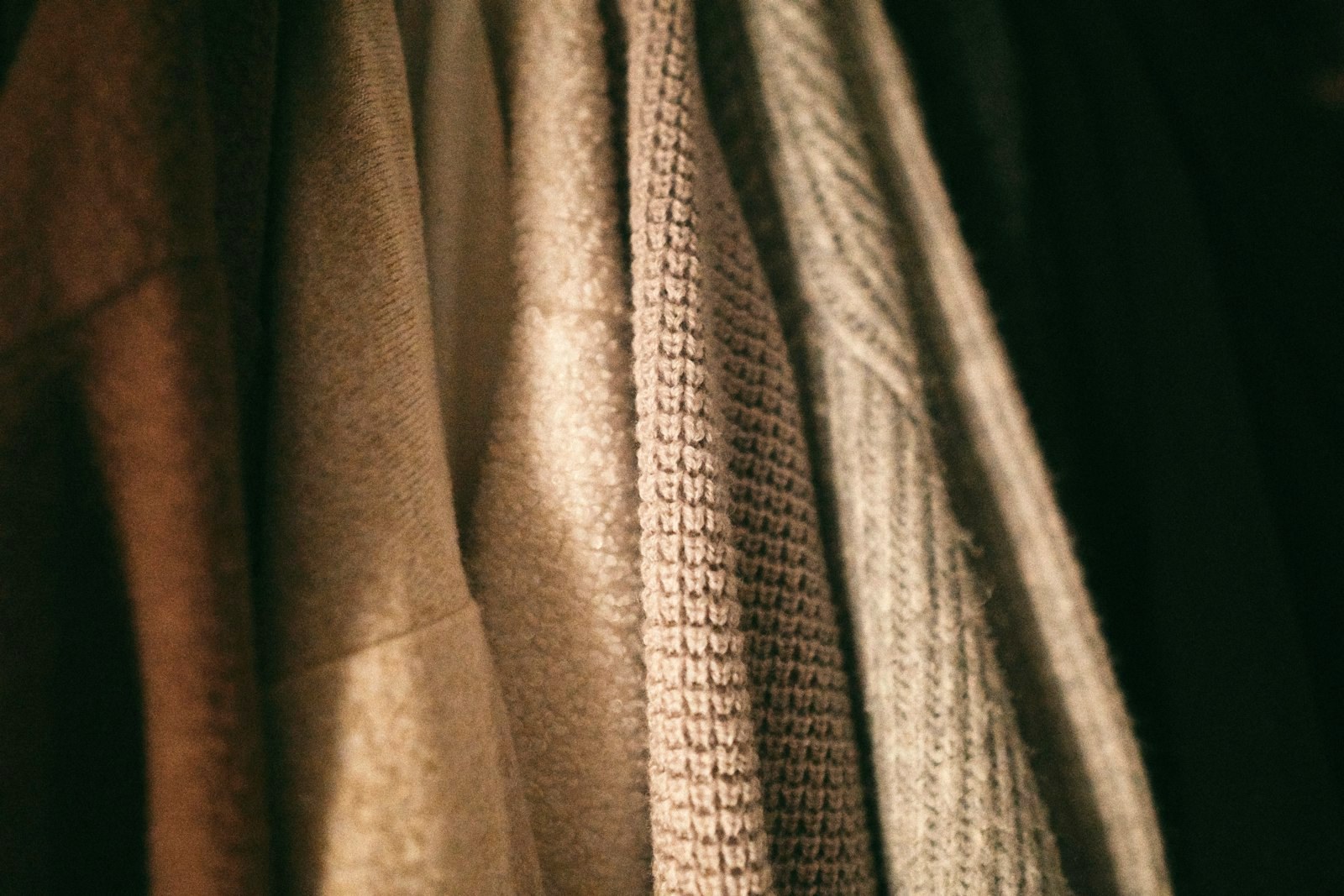
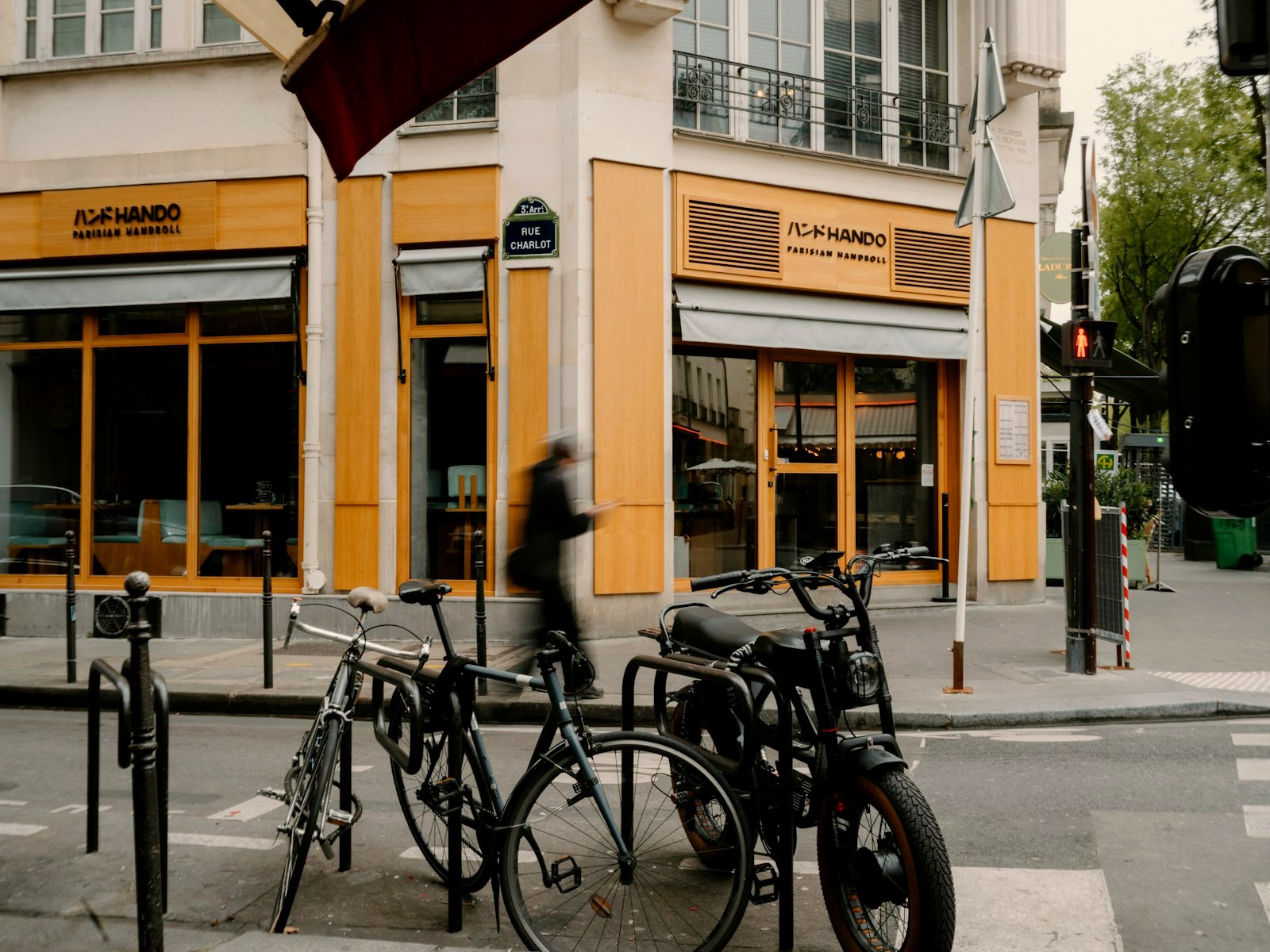
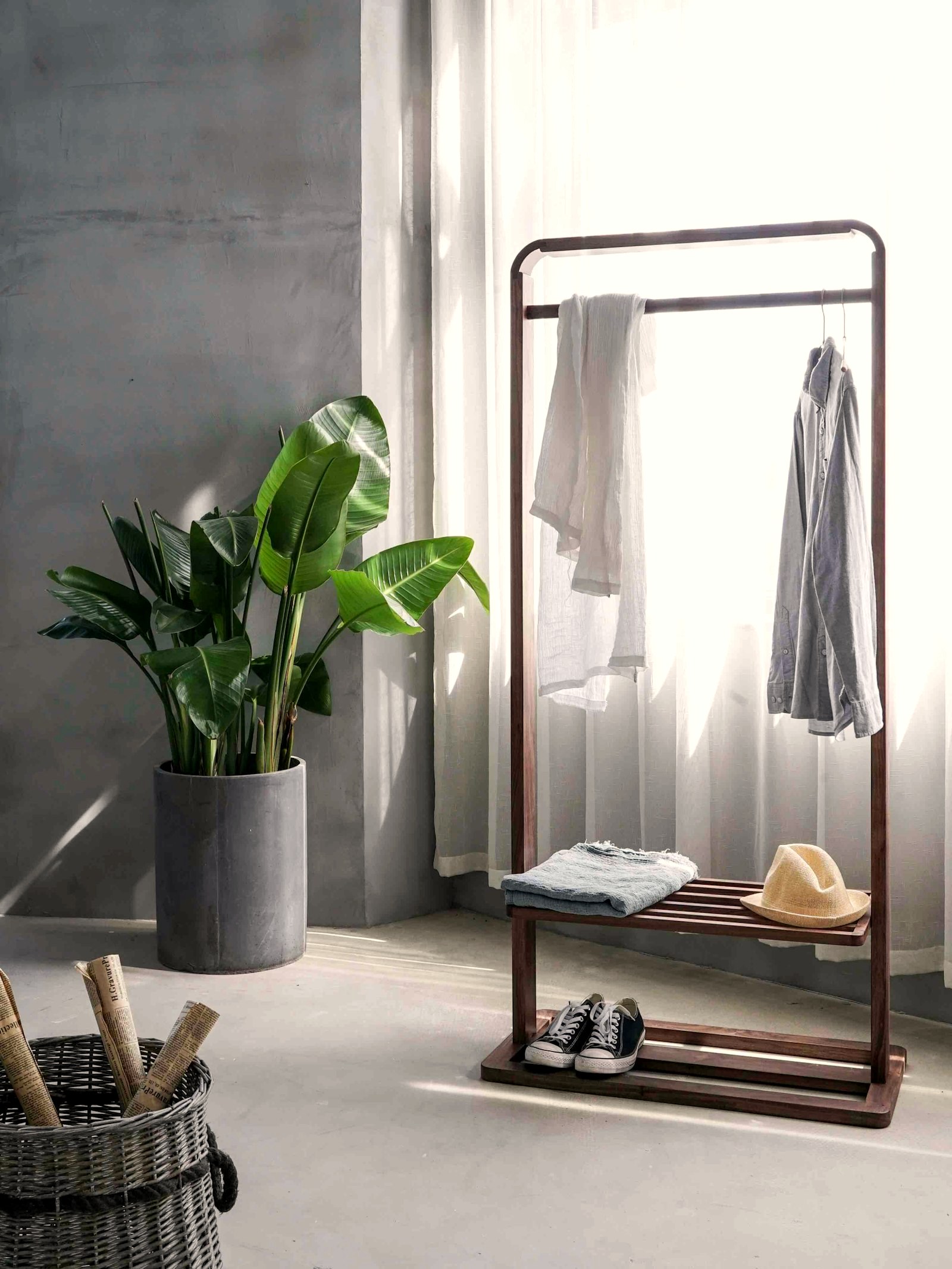
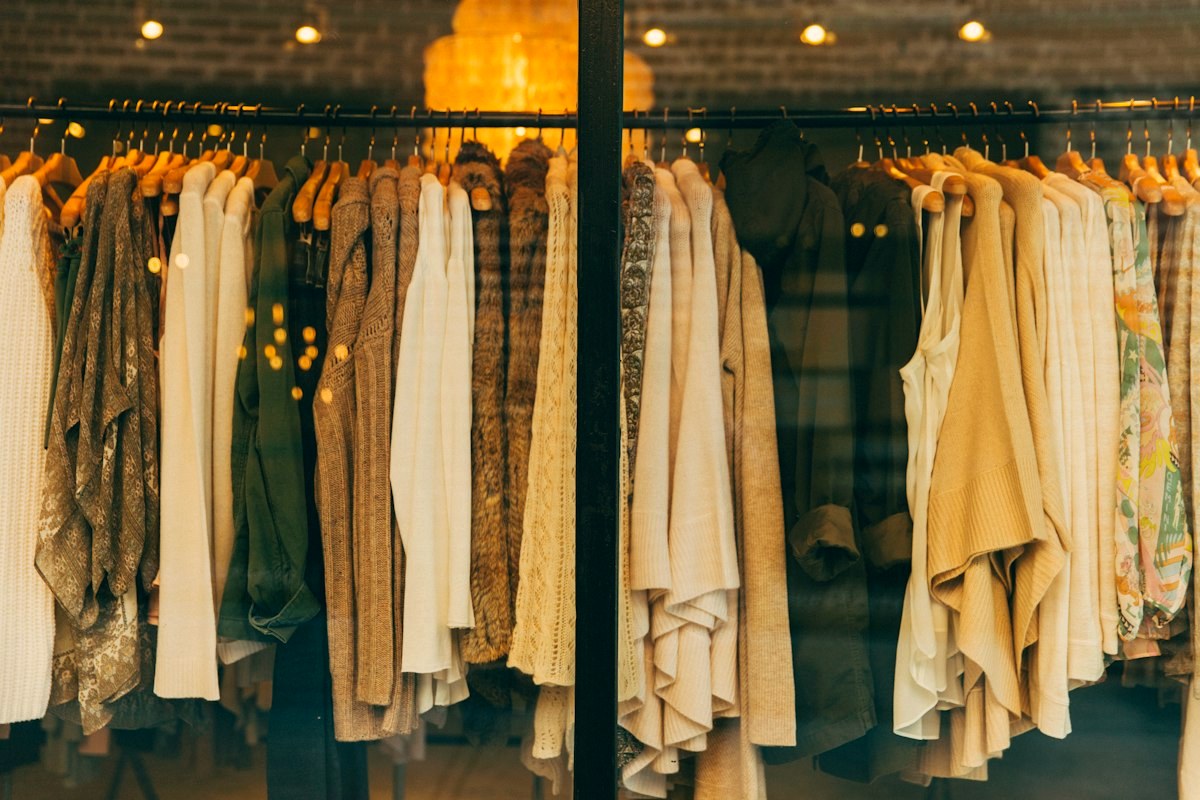
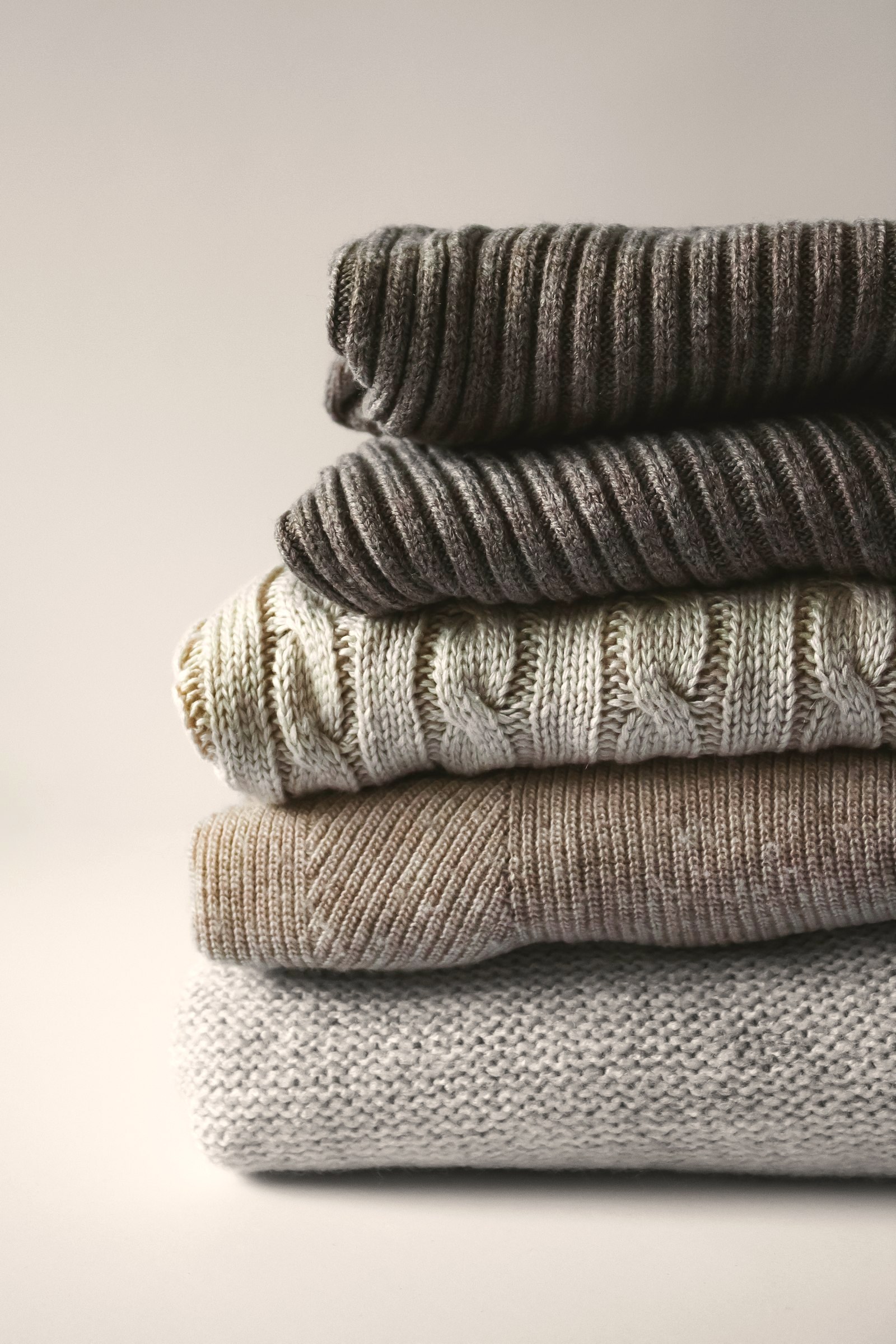
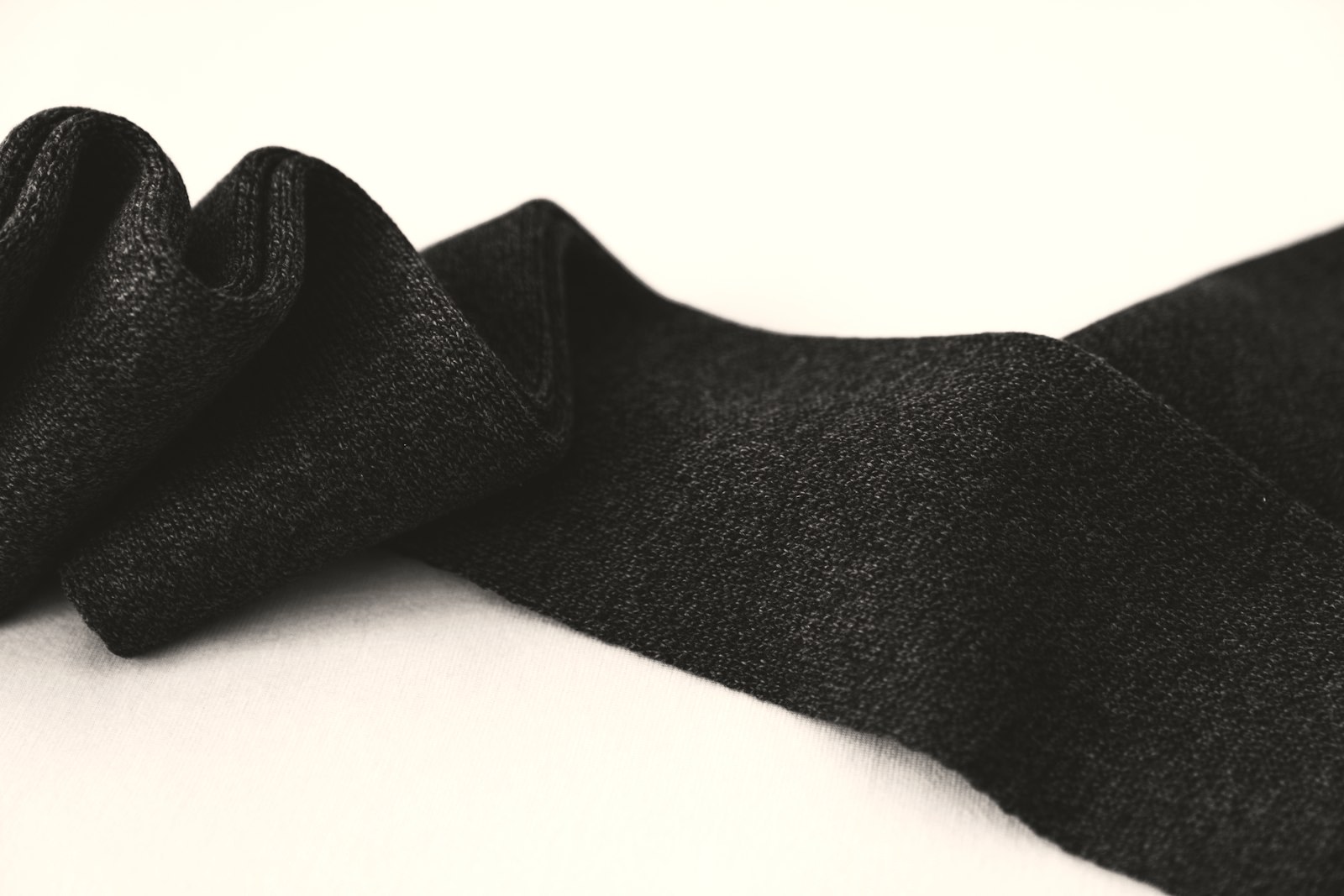
On doors: the Auralee card links the maker's store, the door our Quiet Luxury Index prints; the Lemaire card links the maker's shirt category, the door our French ranking prints; the Our Legacy card links the exact Farfetch product page this series has used since the Fear of God page; the Studio Nicholson card links the maker's store; the Sunspel card links the exact product page its own page of this series prints; and the Norse Projects card links the merchant search door its scoring page prints, on the maker's own domain, logged here as the deepest door this desk has verified for that house. The BAPE card ships without a buy link, the way this site's convicted cards do: this desk does not link what it sends home, and the skip's prices above were verified on its scoring page's record. On photography: the magazine's bank holds no photograph of any ranked house's garment, and no frame on this page is captioned as one; the hero is a quiet Tokyo residential street under blossom, the cards carry the cities, the rails and the cloth of the register, each captioned for exactly what it shows, and the harvest list names what is missing: a Super Fine Wool rib knit on a body in daylight, a washed silk shirt at a Tokyo stockist rail, and developed cloth at macro range with the mill's name in the caption. Prices and records were checked against the pages cited in October 2026; the full method is written out on the methodology page.