
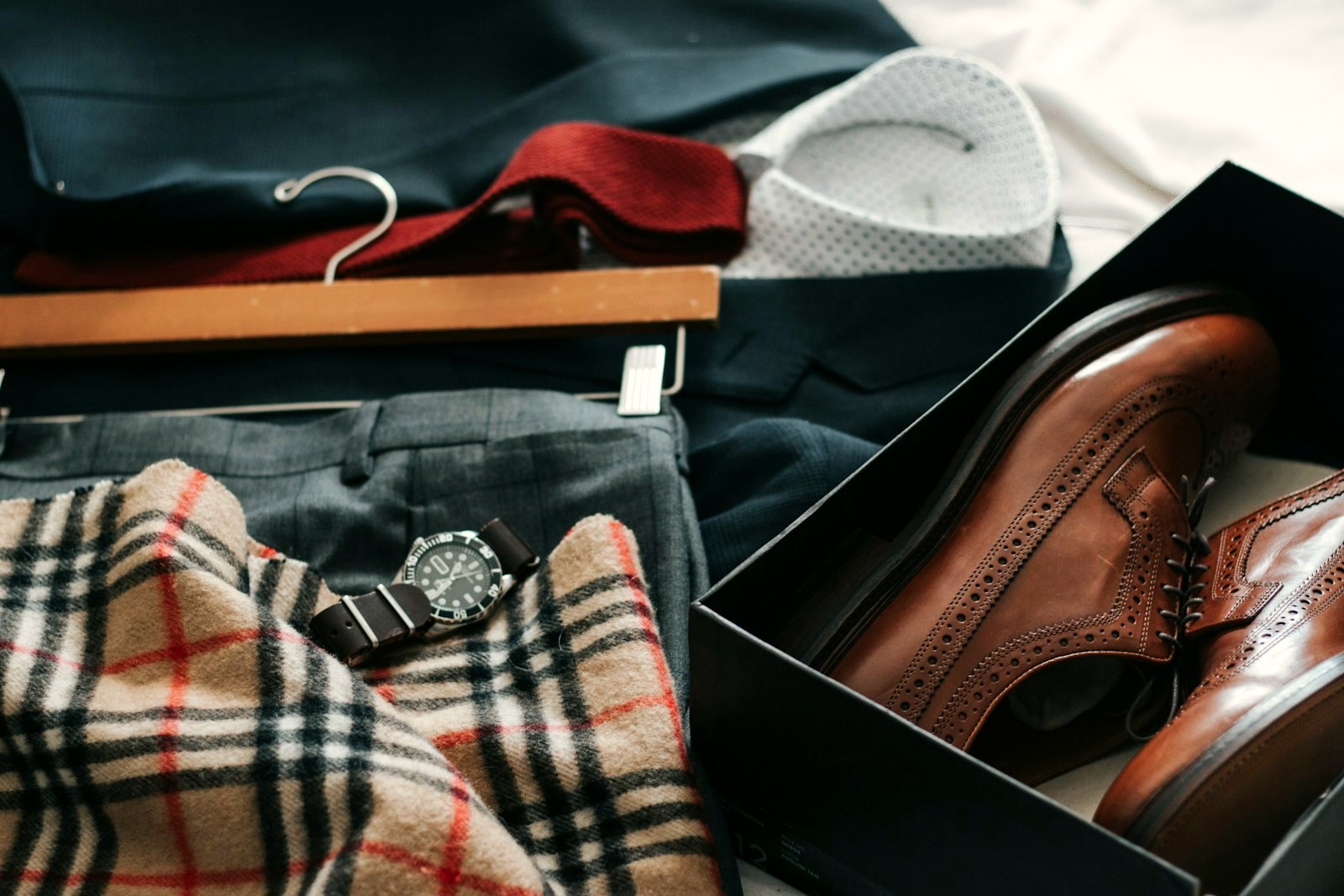
The trouser rail laid flat: the frame Verdict Card No. 83 uses as its own hero, reused here deliberately and captioned as that reuse, because the bank holds no fatigue trouser on a body in any cloth, the gap the Card prints about its own page. The fatigue's worn register is carried in this brief by its figures, each captioned for exactly what it shows.
Checked and updated October 2026
The ruling, up front: the fatigue is a pattern before it is a trouser, and it is bought and worn in that order. Verdict Card No. 83 has ranked the species on its published records: the Stan Ray OG Loose Fatigue winning at 84, the Left Field Military Pant at 82, the Tellason at 81, and a trouser sent home at 32 for wearing the species' name in quotation marks over no cloth record at all. So this brief begins where the Card ends: buy the pattern, the patch pockets enumerated and the cloth named and weighed, and wear the leg, straight and roomy, breaking once at the shoe, because the patch pocket is the whole statement and the leg is the whole fit. The cloth changes the register, sateen's sheen up, ripstop's grid across, herringbone back to the pattern's first issue, inside a formality the pattern does not leave. This page prints the pattern and its cloths, the record test that separates a specification from a name, the fit and its break, the outfit matrix, and the five ways the garment is ruined.
This brief: the decisive rule · the pattern and its cloths · the record test · the fit rules · what goes above it · the pocket discipline · the season line · the looks · the mistakes · care and our photography
The decisive rule: buy the pattern, wear the leg
Every brief in this family has a rule that decides the garment, and the fatigue's has two halves that are one rule read at two tills, the shop's and the mirror's. The fatigue is the OG-107 pattern: two large flat patch pockets at the front, two at the back, a straight and roomy leg at a mid to high rise, issued by an army and adopted by everyone since. It is the most trusted silhouette in utility clothing, and that trust is exactly its hazard, because a pattern this famous can sell anything cut near its shape, including, at the bottom of the Card's field, a trouser whose seller never publishes a cloth record of any kind beneath the species' name, a name the listing itself puts in quotation marks. A garment whose fame precedes its facts is bought on the facts, and worn on the two measurements the pattern is built around, the flatness of its pockets and the straightness of its leg. That is this brief's decisive rule, printed as new: a fatigue is bought on its pattern, the patch pockets enumerated and the cloth named and weighed, and worn on its leg, straight and roomy, breaking once at the shoe, with the pockets kept flat, because the patch pocket is the whole statement and the leg is the whole fit.
The buying half is the Card's arithmetic. Of the eight trousers No. 83 graded, a composition stands on seven, a weave is named on seven, a weight in numbers on five, and an entire pocket inventory is enumerated on five. The record test below is those counts in shopping form: three checks at the rail, each one a line the Card has already counted across its field, and a trouser that fails them is not a bad fatigue. It is a name with a price attached, graded as exactly that.
The wearing half is the pattern's own geometry. The fatigue's pockets are sewn flat against the leg, which is the whole reason the garment can climb toward the middle of an outfit where its bellows-pocketed brother cannot, and its leg is straight because the issue was made to move in, not to be tailored. Every styling error in the mistakes section below is a failure at one of the rule's two tills, a record never read, a pocket loaded until it bulges, or a leg tapered, pooled or dressed up until the pattern is gone.
Know which fatigue you are holding: the pattern and its cloths
The rail sells one pattern in a handful of cloths, and No. 83 separates them in print before it grades any of them, because the wearing rules differ by cloth while the pattern's law does not. One agreement stands over the whole table, printed in our pants index and adopted here: the index files the type at formality 2, cloth cotton sateen and ripstop, mid to high rise, straight and roomy, under the buying rule this brief prints whole, patch pockets and a straight leg, kept honest; taper a little if you must, taper a lot and the garment is gone, and it prints the distinction the whole table hangs on: the patch pockets sit flat, which is why the fatigue, alone among the utility trousers, can climb toward the middle of an outfit, under a knit or an unstructured blazer, its read texture and not equipment. The Card's own boundary prose adds the index's ladder note: fatigues 2, cargo 1, and cloth moves a type a rung in either direction.
| Cloth | Build | Its seat on the Card |
|---|---|---|
| Sateen, the issue cloth | The pattern in its OG-107 form, a smooth cotton with a slight sheen, the dressed reading | The Stan Ray OG Loose Fatigue at 84, the weight carried in the product's own name; the Tellason at 81, the same 8.5 ounces Italian-milled and garment-dyed, the deviation printed; the orSlow at 78, a reverse sateen whose yarn was built to fade, and no weight published anywhere |
| Reproduction satin | The issue cloth rebuilt heavier by a reproduction house, the cloth bought for its own sake | The Left Field Military Pant at 82, 12 ounces of Japanese baker-back satin, the field's heaviest published cloth, every garment hand-measured |
| The specification reading | The pattern graded against the document it was issued under | The Indigosea OG107 at 79, the Type I reproduction and the field's only cited specification, its cloth printed at both its weights, before washing and after |
| Herringbone, the first issue cloth | The twill the sateen replaced, the pattern's oldest reading and its cold end | The P&Co Service Fatigue at 79, 9 ounces of herringbone twill with corozo buttons named, its pocket architecture left unenumerated and charged |
| House twill | The pattern in a maker's own weave, the contemporary reading | The Universal Works Fatigue Pant at 74, a 3/1 twill construction printed and no weight behind it, the fullest pocket inventory in the field and a darted hem charged as a deviation |
| The name only | The species' name over an undisclosed cloth | The skip at 32, its name in quotation marks in its own listing, and no composition, weight or weave published anywhere beneath it |
Read the table as a ladder of registers, not of formalities. Sateen is the pattern at its most presentable, the sheen doing the work a crease does on a tailored trouser, and it is the cloth of both the winner and the founder. The reproduction satin moves the garment across, weight and hand-feel bought deliberately, a connoisseur's reading. Herringbone moves it back in time and down in temperature, the twill's zigzag reading as texture at a distance. Ripstop, which the index names in the type's cloth line and no maker in this field published a graded record in, is the grid-checked field reading, the lightest and the most purely equipment of the set. None of them moves the garment out of formality 2, which is why the office ruling below is a ruling about rooms and not about cloths: the dearest fatigue in the field is a formality-2 trouser at $295, and the Card grades its missing number accordingly.
The record test: three checks at the rail
The Card grades the record; the wearer meets it as a product page. These are the same facts in shopping form, and each check is a count No. 83 has already run across its field of eight.
The cloth check. Find the weave, the weight and the composition, and grade their grammar. A specification is a number: 8.5 ounces carried in the winner's own product name, 12 ounces of Japanese reproduction satin on the Left Field's page, a cloth printed at both its states, 9 ounces before washing and 10 after, on the Indigosea's. An adjective is not: midweight and durable carry the Universal Works cloth row entire, two words standing where its own pocket record is the field's fullest, and the founding garment, orSlow's, publishes no weight anywhere at the field's priciest door. The counts set the expectation: a composition stands on seven of eight pages, a weave is named on seven, a weight in numbers on five, a mill is named by none and a mill country by two. A maker who has woven to a number prints it, because cloth woven to a number costs money. A maker who has not prints the pattern instead.
The pattern check. Count what the page counts. An entire pocket inventory, the front pair and the back pair with their construction, is enumerated by five of the eight: button-down back pockets and bar tacks on the winner, slash openings and buttoned flaps on the Type I, the fullest inventory of all on the Universal Works, front patch and rear buttoned flap patch, every pocket accounted for. The fly is stated on all eight, and that completeness is what makes the field's quiet fact legible: the button fly the issue wore is kept by only three, orSlow, Left Field and Indigosea, while the winner itself wears a zip and says so. Waist adjusters are stated by five, a side cinch, two sets of tabs, an adjuster pair and the field's only buckle set. The absences convict in the other direction: one ranked maker's copy never enumerates its pocket architecture at all where five rivals enumerate theirs, and the skip's five generic bullets do not call its pockets patch. A pattern this published can be checked. A page that declines to publish it has told you what it is selling.
The fidelity check. The species sells faithfulness, so grade the claim the way the Card grades it, as a claim. An issue-fidelity claim is made by five of the eight, a motif, a reproduction cloth, an homage at the issue weight, a Type I designation, a take on the HBTs. A specification is cited behind a claim by exactly one: the Indigosea's page names the document, MIL-C-10296, and the section, 4.2.3, that its finishing follows. Unbroken production is claimed by two, orSlow since 2006 and Stan Ray since the 1970s, and the winner's house claims something more modest and more checkable than fidelity, continuity, the same trouser made in the same Texas factory, graded on the Card as a lineage claim. At the rail the check takes a minute: find the claim, then find what stands behind it, a document, a date, a factory, or nothing. The fatigue is a pattern an army specified to the section. A maker who will not say which part of that specification it follows is selling the silhouette's reputation, not the pattern.
Worn, the test's results become the wardrobe's map of the rail. The fullest records are the trousers that can be bought by number and worn for a decade, the enumerated sateen at GBP 90 wearing at 25 cents on the Card's costing and the specification's trouser at $59 wearing at 30. The thin records are not all cheap and the dear ones are not all deep: the field's dearest wear, $1.57, belongs to a listing with no cloth record at all, and its second dearest, 61 cents, belongs to the founding garment's missing number. The test exists so that neither fact is discovered at the till.
The fit rules: the rise, the straight leg, and the one break
The pants index describes the settled form in the table's own words, mid to high rise; straight and roomy, and the Card's field is built to it: the winner a loose fit with a straight leg, the British house a straight fit slightly oversized, the herringbone a mid-rise. What the pattern across its cloths adds is the break, and the break is this brief's central fit problem, so it gets the section.
The leg falls in one line and breaks once. A fatigue's leg is straight because the issue was made to move in, and a straight leg has exactly one correct ending: it falls from the knee without a taper's interruption and breaks once over the shoe, the hem resting on the footwear in a single fold. Both failures are failures of the same line. Pooled, the surplus cloth heaps at the ankle in folds, and the trouser reads as surplus in the bad sense, a costume's hem, cloth the wearer never chose a length for. Cut or cuffed short, the room the pattern is issued with is amputated at exactly the point the room is for, and the leg reads as a cropped fashion trouser wearing patch pockets. The record arms the choice at purchase rather than at the tailor: the winner publishes an 18 inch leg opening, a hem built to land over a boot; P&Co prints two lengths, 30 and 32 inches, beside its waists; Indigosea sells its waists in the issue's own 2 inch increments. The break is chosen from the maker's table, or it is not chosen at all.
The waist is fitted by the pattern's own equipment. A mid to high rise is worn at the natural waist, and where the fit needs taking in, the pattern carries the tool for it: waist adjusters are stated by five of the Card's eight makers, a side cinch on the orSlow, tabs on the Tellason and the Indigosea, an adjuster pair on the P&Co, and the field's only buckle set on the Universal Works. They are fitting equipment, not decoration, and the distinction is the wearing of them: a tab taken in one hole is the difference between a rise that sits where the index files it and one that slides to the hip and drags the whole silhouette down with it. The winner's house is the field's exception and the Card prints it plainly: Stan Ray fits its fatigue without adjusters and says so by silence, its three fits, OG Loose, Taper and Slim, sharing one cloth record and doing the fitting by the cut instead. Either system works. What does not work is a belt asked to gather a loose rise into place, the bunching visible through every top the layers section allows.
The taper licence, printed at its exact size. The index's buying rule carries its own exception and this brief does not widen it: taper a little if you must; taper a lot and the garment is gone. The field itself shows where the line sits. Tellason sells three fits, wide, straight and tapered, and the Card grades its tapered model at 81 on an honest record: a gentle narrowing that keeps the leg's room and the pockets' flatness is a fit choice inside the species. The darted hem on the Universal Works, a taper taken at the ankle by construction, is charged on the Card as a deviation and printed by its maker as a feature, which is the honest way to sell it and still a deviation. Past that line the leg becomes the tapered fashion trouser, a chino's silhouette with patch pockets sewn on, and the mistakes section prices what that costs the pattern.
What goes above it: the plain top half
The fatigue's top half is governed by one fact: the pockets are the statement, and a statement competes with anything worn at the same volume. The rungs above the leg are therefore plain, in ascending order of dress, and the ladder stops where the index says it stops.
The tee and the shirt. The plain tee over a fatigue is the base assembly the garment's civilian life was standardised around, judged as the tee ranking judges it, cloth with a published weight and a collar that holds its line. The Oxford is the shirt rung, its collar and buttoned front giving the flat-pocket leg a dressed counterweight, the assembly that walks the trouser from the field register toward the middle of the outfit without changing a single fact about the leg. In both cases the top is tucked or ends at the rise the fit section sets: a long layer hanging over the front patch pockets hides the garment's whole statement under a hem, and the outfit reads as a shirt with trousers behind it.
The knits. A crew neck or a roll neck over the fatigue is the layer the pants index itself names, the first half of its climb sentence: under a knit or an unstructured blazer its read is texture, not equipment. The knit does two things at once, it warms the sateen's cool hand and it dresses the leg a rung without touching its formality, the index's own doctrine that cloth moves a type a rung in either direction. A fine gauge keeps the assembly at its ceiling; a heavy, textured knit keeps it in the field register, where the herringbone reading of the pattern is its natural partner.
The unstructured blazer: the ceiling, and the index's own. The climb sentence ends at the unstructured blazer, and this brief adopts the ceiling as printed. In that assembly the fatigue is doing something no other utility trouser on the index can do: its pockets lie flat enough to read as texture under a soft jacket, where the cargo's bellows would read as equipment at the same distance. The blazer's terms are the index's and the family's: unstructured, plain, its own cloth quiet, worn over the Oxford or the fine knit. Past that ceiling the top half is not plainer tailoring, it is a different outfit, and the office ruling below says where the fatigue's life in tailored rooms begins and ends.
What is refused above it. Surplus stacked on surplus: a field jacket, a military shirt or a printed graphic worn over the pattern turns a trouser into a uniform, and the mistakes section rules on the costume entire. Logos and prints compete with the pockets for the outfit's one statement and lose the outfit its read. And the chore coat, the fatigue's work-inheritance brother from How to Wear No. 13, is worn over it only when the day is actually work: the two garments share a register so completely that together, off a job, they read as the costume of one.
The pocket discipline: flat is the whole point
The trucker brief gives its garment's signature a section of law, and the fatigue's signature is its pockets: two large flat patch pockets at the front, two at the back, sewn down on a straight leg. The index's sentence is the section's law and it is printed above: the patch pockets sit flat, which is why this trouser, alone among the utility trousers, can climb. Flat is a condition, not a description, and it is maintained by what the pockets are asked to carry, which is almost nothing.
Carried flat, or not carried. A patch pocket loaded with a phone slab, a fat wallet and keys stops being flat, and the garment's read changes at exactly the distance the climb depends on: texture becomes equipment, the leg's clean line breaks at two bulges, and the trouser announces its cargo like its bellows-pocketed brother. The issue carried flat things in them, maps, papers, rations folded flat, and the civilian discipline is the same: a card, a folded note, a hand. The wallet's home on this site is the back pocket of a jean or a jacket's inside; the fatigue's front pair is the outfit's face, and a face is not a bag. The back pair, buttoned flaps on the Indigosea and the Universal Works, button-down on the winner, are closures with a job, keeping what little is carried from sliding out when the wearer sits, and they are worn buttoned.
The inventory is the specification. This is the wearing consequence of the Card's second row. Five of the eight makers enumerate the entire inventory, front pair and back pair with their construction, and the enumeration is what a buyer is actually purchasing: slash openings on the Type I, a pen's worth of difference in a flap's shape, the smugglers pocket P&Co adds behind its maker's own name for it and is charged for as a deviation, an addition to the issue architecture sold as a feature. Worn, the inventory decides the trouser's day: the fullest record in the field, the Universal Works, is the one whose pockets can be planned around, and the trouser whose maker never enumerates its architecture, charged on the Card, is bought on trust and worn the same way. The pockets are the garment's published pattern. A fatigue whose pockets cannot be counted from its page has not published its pattern, and the record test has already said what that means.
The season line: three seasons, the cloth choosing its end
The Card costs its field at forty wears a year, a rotation garment across most of the calendar, and the season follows the cloth the way the register ladder does: the fatigue is a three-season leg, and which three depends on the weave. Ripstop and the lighter sateens hold the warm end, the grid and the smooth face breathing in the months when a lined trouser is a sentence. The standard sateens, the winner's 8.5 ounces and the Tellason's issue weight, hold the long middle, spring through autumn, the shoulder seasons entire. The herringbone holds the cold end: the P&Co's 9 ounces of twill is the pattern's first issue cloth and its warmest graded reading, a fatigue that can be worn over a thermal legging into the first hard months without leaving its species. The reproduction satin, 12 ounces of it, sits beside the herringbone in weight whatever its season of origin.
In deep winter the fatigue does not fail, it is simply out of its cloth, and its honest winter replacement is a lined or flannel trouser, a different garment in the same drawer. The fatigue is also never a layer: nothing in the pattern is built to go under or over another trouser, and the room it is issued with is for movement and air, not for a second leg inside it. A wardrobe that files the fatigue correctly owns it for three seasons as the day's leg, in the cloth that matches the season it is standing in, which is a longer working year than most trousers in the drawer are given.
The looks: the Card's field, worn in its order
Six assemblies from this brief's rulings, each built on the published records around the garment. The trousers are No. 83's, in the Card's order and at the Card's scores; the layers above them are the family's ranked partners; nothing in the judgments is scored here.
| Setting | The trouser | With | The judgment |
|---|---|---|---|
| The fullest record | The Stan Ray OG Loose Fatigue, 84, at GBP 90 | A plain white tee, work boots with a real sole, the leg breaking once over them | The pattern's everyday reading at its most published: the weight in the product's own name, two front patch pockets and two button-down backs enumerated, chain stitching and bar tacks stated, made in Texas since the 1970s, at the Card's cheapest honest wear, $0.25. Bought in the OG Loose, the fit the Card graded, and worn with its one silence known: no adjusters, the fitting done by the cut and its three fits |
| The cloth bought for itself | The Left Field Military Pant, 82, at $250 | An Oxford or a fine crew above it, suede boots below | The reproduction at full seriousness: 12 ounces of Japanese baker-back satin, the field's heaviest cloth, a long button fly kept from the issue, and the only hand-measured table in the field, every garment measured before it is sold. Its Hollywood waistband is a deviation its maker prints and the Card charges, worn here as the disclosed trade it is: a tailored waist on an issue leg |
| The issue weight in tan | The Tellason Fatigue Pant, 81, at $225 | A dark knit or a navy tee above it, the tan leg carrying the outfit's light | The homage at the issue's own figure: 8.5 ounces of Italian-milled sateen, garment-dyed and printed as the maker's method, adjuster tabs doing the fitting, and a measurement table honest enough to print its own tolerance, plus or minus three quarters of an inch. The tan colourway is the field's dressed variation, the leg worn the way the ecru brief wears a pale trouser, as the outfit's light surface with dark above it |
| The specification, worn | The Indigosea OG107, 79, at $59, bought when its door reopens | A plain tee and clean sneakers, the warm end of the leg's year | The deepest published record in the field at its lowest price: a Type I reproduction whose finishing follows a named section of the issue specification, its cloth printed at both weights, its thread named, its waists sold in the issue's own increments. It ships pill-less on the Card because it was sold out at the maker's page, and the matrix prints it in its graded place because the record, not the stock, is what was scored |
| The older cloth | The P&Co Service Fatigue, 79, at EUR 104 | A heavy knit above it, boots below, the cold end of the leg's year | The herringbone reading: the pattern's first issue cloth at 9 ounces, corozo buttons named where rivals leave the button a mystery, two lengths printed so the break is chosen at purchase. Bought with its charge known, a pocket architecture its maker never enumerates, and its one addition, the smugglers pocket, worn as the deviation the Card calls it |
| The founder, weighed | The orSlow US Army Fatigue, 78, at $295 graded | A plain top half kept quiet, the leg's fade doing the outfit's talking over the years | The founding garment at sixth on its maker's own record: a reverse sateen whose yarn was created uneven so the colour fades with wear, the strongest cloth story in the field, a button fly and a cinch waist kept from the issue, in production since 2006. And no cloth weight published anywhere, at the field's priciest door. Bought knowingly for the fade, or not bought; the Card's sentence stands as printed, and the wearing honours it either way |
The ruling
Buy the fatigue on the record test: a cloth named and weighed, a pocket inventory enumerated entire, a fidelity claim with something standing behind it, which in the Card's field means the Stan Ray at GBP 90 for the working wardrobe, the Left Field at $250 for the cloth itself, and the Indigosea at $59, when its door reopens, for the deepest record on the page. Wear it on its leg: mid to high rise at the natural waist, the adjusters used as the fitting tools they are, the leg straight and roomy and breaking once over the shoe, the pockets flat and nearly empty, the top half plain, a tee, an Oxford, a knit, and at the ceiling the unstructured blazer the index itself names. Keep it in its band, formality 2 and proud of the rung, the one utility trouser whose read is texture rather than equipment, and let the cloth choose the season, sateen for the long middle, herringbone for the cold end. The fatigue is the issue pattern reduced to its two honesties, pockets that lie flat and a leg that does not apologise for its room. Worn on its record, it is the trouser that climbs furthest from the field it came from, and it earns the climb at the pocket line.
The mistakes
The quotation-mark fatigue. The buying error the Card exists to catch, and its skip is the portrait: the species' name set in quotation marks in the listing's own title, over no cloth record of any kind, no composition, no weight, no weave, no mill, its pattern record five generic bullets whose pockets are not even called patch, its sizes alpha only. Costed on its list price it wears at $1.57, the dearest wear on the page, dearer than the founding garment it imitates and six times the winner's. The word fatigue does the selling and the garment is never described. Cheap is not the charge, and neither is fashion: the charge is a trusted pattern asked to sell an undisclosed cloth, and the defence is the record test, a minute on a product page. If the cloth cannot be read, the trouser cannot be bought as the species it is named for.
The surplus costume. The wearing error the index's own law names. The fatigue is issued clothing, and worn stacked with its issue, surplus shirt, field jacket, combat boots, cap, it stops being a trouser in an outfit and becomes a uniform worn as a costume, every feature working so hard the features stop meaning anything. The Card prints the index's law as the species are judged by it: the features are tools, and a feature that stops working is a costume. The index's read of the garment is the opposite direction entire: under a knit or an unstructured blazer its read is texture, not equipment. The fatigue earns its place by being the one military garment in the outfit. The second one starts the costume, and the third completes it.
The heavy taper. The silhouette error, ruled by the index's buying rule in its own words: taper a little if you must; taper a lot and the garment is gone. A gentle narrowing inside the species is a fit choice, the Card grades a tapered model at 81 and says so. The mistake is the taper that changes species, the leg taken in to a skinny or pegged fashion cut, the patch pockets left riding on a chino's silhouette, the room the pattern exists for tailored out of it. The field prints the temptation in tailored form: a darted hem, charged on the Card as a deviation even where its maker sells it as a feature. A tapered fatigue is bought knowing it is a deviation with a stated size, or it is not bought as a fatigue at all.
The pooled hem. The fit error the record makes easiest to avoid and the mirror makes hardest to forgive: the straight leg bought long and left long, surplus cloth heaping at the ankle in folds, the break never chosen. A straight leg's whole line depends on its ending, and a pooled ending reads as an unchosen garment whatever the cloth cost. The field publishes the means to choose: an 18 inch leg opening to plan the footwear around, two printed lengths at P&Co, waists in issued increments and a full measurement table at Indigosea, a hand-measured table at Left Field. The opposite error pools nothing and shows everything, the hem cut short of the shoe, the room amputated at the ankle. One break, chosen at purchase from the maker's own numbers, is the entire rule.
The care error. The ownership error, committed at home and priced in the cloth. The founding garment's reverse sateen was built to fade: its yarn was created uneven at the thread stage so the colour leaves with wear, and that fade is the garment's second pattern, written by its owner's years. Fighting it, hot washes, bleach, colour-keeping chemistry, destroys the cloth's design in the name of preserving it. Beside it stands the same error across the field: sateen's sheen, the smooth face that makes the dressed reading of the pattern, dulled by harsh washing and high heat until the sheen that was bought is washed out of it. Each cloth on the Card keeps its promise a different way, cold water, inside out, heat kept low, and the maker's care record is part of its specification. A fatigue is maintained the way its cloth says, or it becomes the name its owner mistook it for.
Care, and a note on our photography
A fatigue's care follows from its cloth, and the records print the terms class by class. The sateens are washed cold and inside out, dried away from high heat: the smooth face that gives the cloth its sheen is a surface, and heat and harsh cycles spend it. The founding garment's reverse sateen asks for the same handling for the opposite reason, its fade being the design rather than the damage, and both are honoured by the same wash. The herringbone is the field's sturdy end, a twill that takes ordinary cotton care and improves with it, its zigzag softening across the years the Card costs it for. The reproduction satin, the field's heaviest cloth, is washed like the work cloth it rebuilds, and its maker's hand-measured table gives the buyer the shrinkage facts to wash by. And across all three classes the storage rule is the straight leg's own: hung by the waistband or folded at the crease the leg does not have, never balled, because the pattern's line is its straightness, and a wardrobe can spend it in a season of bad storage.
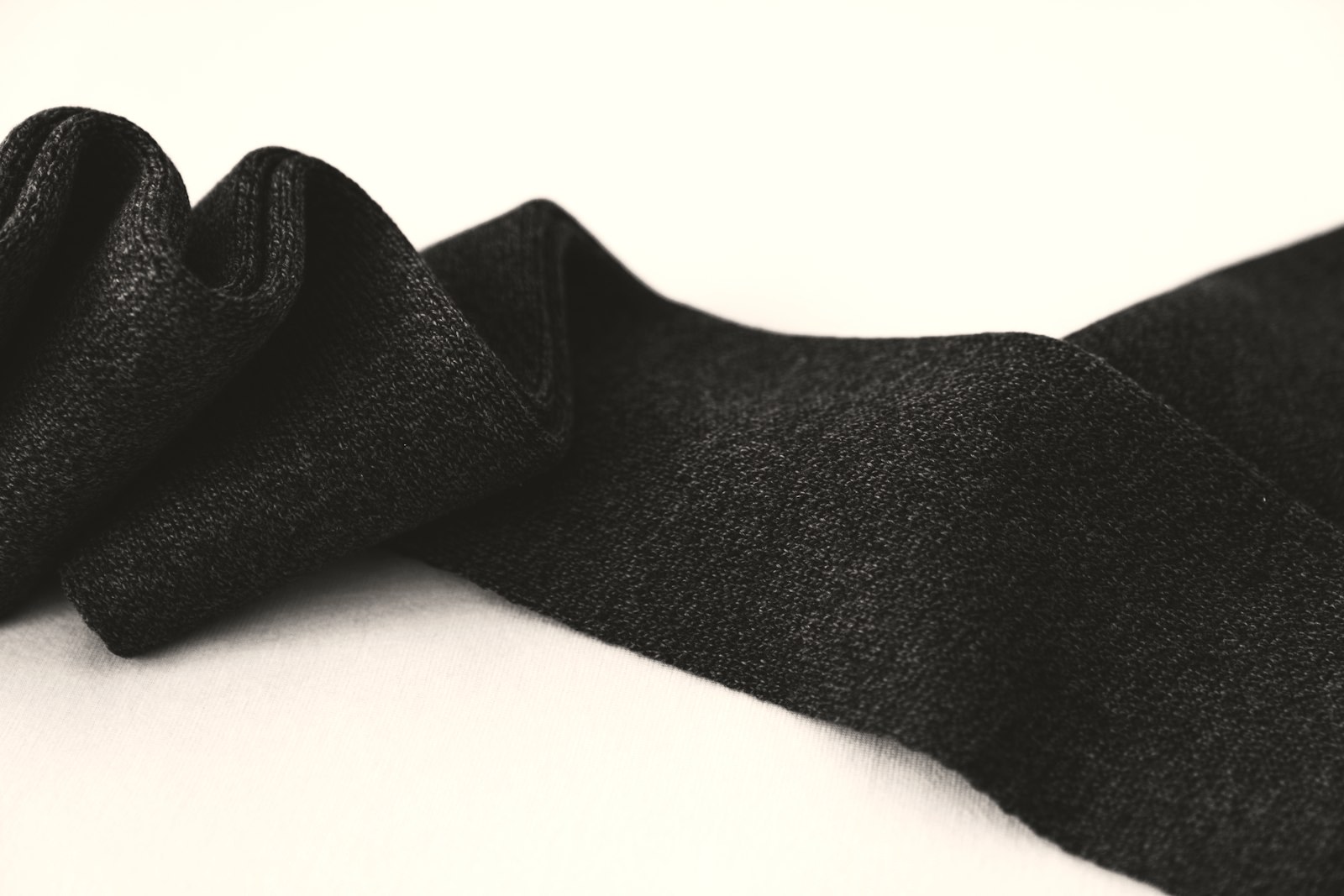
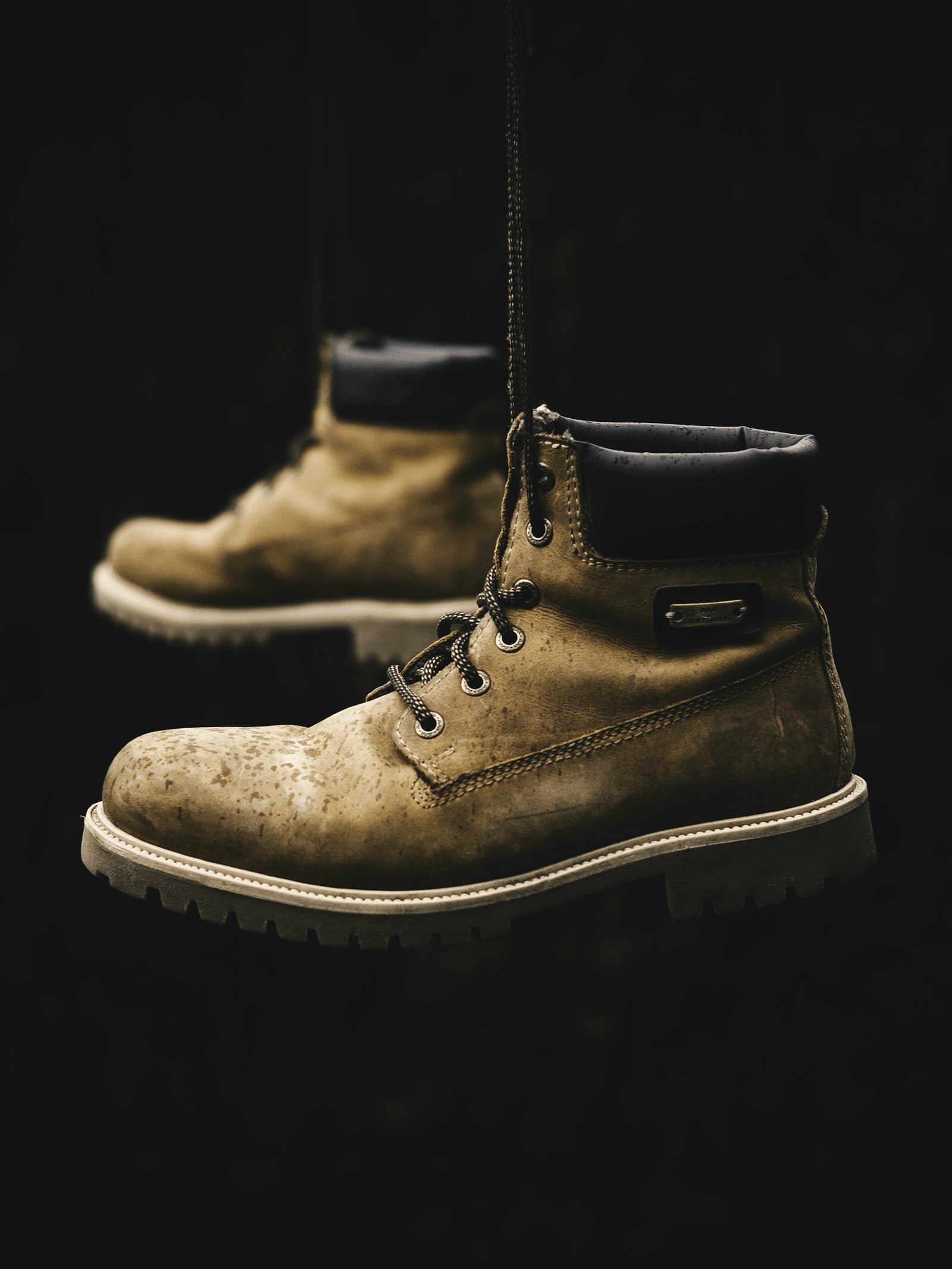
A note on our own photography: our photo bank holds no frame of a fatigue trouser worn on a body in any cloth, the gap Verdict Card No. 83 prints about its own page as well. The harvest list names what is missing, in the Card's order: an olive sateen fatigue worn, a sateen weave macro, a patch-pocket close-up, a herringbone fatigue in daylight. Until those frames exist, the bank's trousers flatlay carries the rail, its field flatlay carries the register, its cloth study carries the weave and its boots carry the break, each captioned for exactly what it shows, and no frame on this page is captioned as a trouser it does not picture.
Questions, answered
How do you wear fatigue pants?
On its leg. The fatigue is the OG-107 pattern, two large flat patch pockets at the front and two at the back on a straight, roomy leg at a mid to high rise, and it is worn the way the pattern was issued: the leg straight and full, breaking once over the shoe, the patch pockets flat and nearly empty so the garment reads as texture, and the top half kept plain, a tee, an Oxford or a knit, because the pockets are the outfit's whole statement. Our pants index files the type at formality 2, and prints its distinction: alone among the utility trousers it can climb toward the middle of an outfit, under a knit or an unstructured blazer, because flat pockets read as texture rather than equipment.
Fatigue pants or cargo pants: what is the difference?
The pockets decide it. The fatigue carries flat patch pockets, two at the front and two at the back, sewn down and lying flat against the leg; the cargo adds the bellows pocket at the thigh, a pocket built to expand, and our pants index files the two as separate types, the fatigue at formality 2 and the cargo at formality 1. The boundary has teeth: the six-pocket field descendants of the fatigue, the BDU pattern and its children, are cargo however the rail sells them, and Verdict Card No. 83 rules them so in print. Verdict Card No. 84 ranks the cargo species on its own record, the Propper BDU Trouser winning at 85; this brief styles the fatigue.
How should fatigue pants fit?
Straight, roomy and at the natural waist, the settled form the pants index prints: mid to high rise, straight and roomy leg. The waist is taken in by the pattern's own equipment where it is fitted, the adjusters five of the eight makers Verdict Card No. 83 graded state, a cinch, tabs or a buckle, used as fitting tools and not decoration. The leg is the fit's second half: it falls from the knee in one line and breaks once over the shoe, neither pooling at the ankle nor cut short of it, and the index's buying rule governs the silhouette entire: patch pockets and a straight leg, kept honest; taper a little if you must, taper a lot and the garment is gone. The field's own numbers agree: the winner's leg opening is published at 18 inches, a hem built to sit over a boot, and the makers who print lengths print two of them, so the break is chosen at purchase, not tailored away after it.
What shoes do you wear with fatigue pants?
The shoe is chosen by the hem, and the hem is wide: the field's winner publishes an 18 inch leg opening, a straight leg that lands over footwear rather than stacking on it. The working pairings follow the garment's own register. A boot with a real sole, work or suede, takes the break the way the issue took it and holds the leg's line to the ground. A clean, plain sneaker is the warm-weather floor, the leg falling over it without a fight. At the dressed end the index itself licenses the climb: under an unstructured blazer the fatigue reads as texture, and a suede loafer or a plain leather shoe carries that assembly. What the leg refuses is the narrow, pointed dress shoe under a wide hem, two silhouettes arguing at the ankle, and the trainer built like equipment, which pushes the whole outfit toward the costume the mistakes section rules on.
What do you wear with fatigue pants?
The plain top half, because the pockets are the statement. The tee first, the assembly the garment's civilian life was standardised around. Then the Oxford, its collar giving the flat-pocket leg a dressed counterweight. Then the knits, a crew or a roll neck in the colder months, the layer the pants index names when it prints the fatigue's climb: under a knit or an unstructured blazer its read is texture, not equipment. The unstructured blazer is the ceiling assembly, and past it the top half stays quiet on purpose: prints, logos and surplus pieces stacked over the pattern compete with the one statement the trouser is making, and the outfit slides from a trouser worn well toward a uniform worn as a costume.
Can you wear fatigue pants to the office?
In the rooms whose code is formality 2, yes, at one ceiling assembly, and the pants index prints the permission itself: the fatigue, alone among the utility trousers, can climb toward the middle of an outfit, under a knit or an unstructured blazer, its flat pockets reading as texture rather than equipment. The ceiling assembly is the darkest, plainest reading of the garment, a deep olive or tan sateen with its record in order, an unstructured blazer or a fine knit above it, leather shoes below. In a room with a tailoring expectation the fatigue stays home: formality 2 is its filing, cloth moves it a rung in either direction per the index, and no cloth in the field moves it into a suit's place.
When do you wear fatigue pants?
Three seasons of the year, with the cloth choosing which end it holds. The Card's costing runs at forty wears a year, a rotation garment, and the field's three cloths arrange themselves across the calendar the way they arrange themselves across the register ladder: ripstop and the lighter sateens hold the warm end, the standard sateens the middle, and the herringbone, the pattern's first issue cloth, holds the cold end, a twill with real weight behind it. In deep winter the fatigue is not out of its filing, it is out of its cloth: a lined or flannel trouser takes the leg's place, and the fatigue returns with the shoulder seasons. It is worn as the day's leg, not as a layer: nothing in the pattern is built to go under or over another trouser.
Has Young Cotton ranked fatigue pants?
Yes. Verdict Card No. 83 ranked seven fatigue pants on their published records and sent one home: the Stan Ray OG Loose Fatigue winning at 84, the weight carried in the product's own name at 8.5 ounces, its construction enumerated entire, made in Texas, at GBP 90; the Left Field Military Pant second at 82 on the field's heaviest published cloth; and the founding garment, orSlow's US Army Fatigue, sixth at 78 on its maker's own record, the strongest cloth story in the field and no published weight anywhere in it. The trouser sent home at 32 wears the species' name in quotation marks over a retail listing with no cloth record of any kind beneath it, no composition, no weight, no weave. This brief is the wearing system that ranking implies: it styles the Card's field in the Card's order and scores nothing of its own.
Next
The family this brief belongs to: the ranking it styles is Verdict Card No. 83, and the species' civilian brother, the trade's trouser with its second cloth layer at the knee, is ranked in Verdict Card No. 82, the two standing beside each other in the work inheritance. The other utility species, the bellows-pocketed leg this brief's boundary rules separate, is ranked in Verdict Card No. 84, the Propper BDU Trouser winning at 85. The type's place among all ten, with its formality, rise and buying rule in the table, is filed in the pants index. The leg's dressed neighbour is briefed in How to Wear No. 29, and the pale end of the trouser rail, where this pattern's own Drake's reading stands graded at 83, is briefed in How to Wear No. 40. The season's assemblies are scored in the Fall Edit.