
One word, eight different hats. The index exists because beanie covers all of them, and they do different jobs.
Checked and updated October 2026
The ruling, up front: there are eight types of beanie that cover the whole category, and each is defined by three things: crown depth, cuff, and gauge. This page indexes all eight and scores each for formality and warmth from one to five, so a type can be matched to a head and a winter instead of guessed at. The watch cap is the default most men should own; the fine-gauge merino tops the formality ladder at three, because nothing in this category is formal; the chunky knit tops the warmth ladder at five. Buy by crown depth against your face length, in wool. The face-shape matching runs through our Face-Shape Decoder, and each type below names its shape.
On this page: the index, the cuffed family, the open crowns, the buying rule, questions.
The index: eight beanies, two ladders
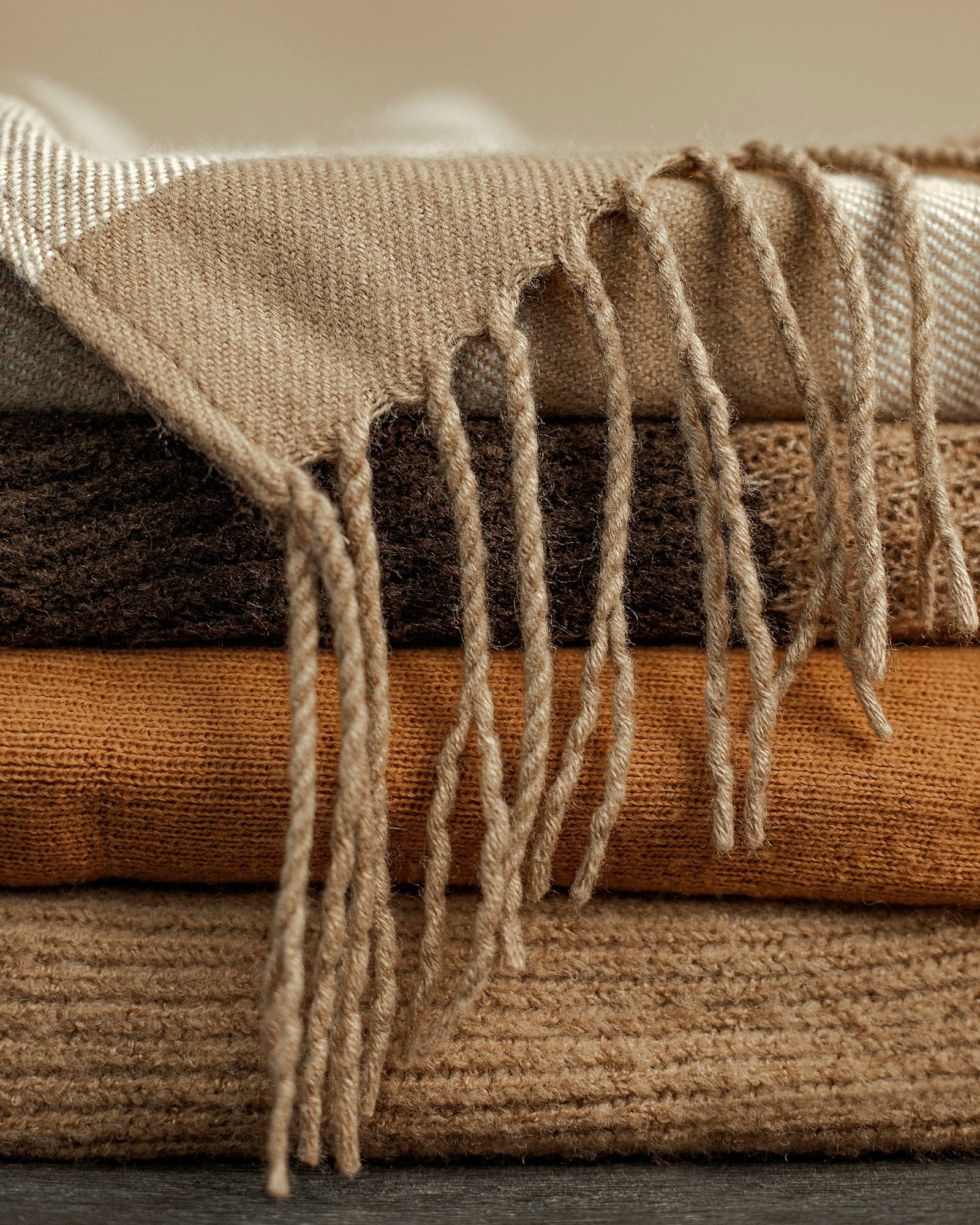
The scores are the data team's compiled judgement, built from crown depth, gauge, fibre behaviour and how each type reads in the rooms and weather men actually wear them in. Formality in this category has a low ceiling and the index says so: the best-dressed beanie ever made is a three. Warmth has a real ladder, and it is governed by two variables the table prints for every type: the gauge of the knit and whether the cuff covers the ears. A note on photography, printed because this page believes in saying so: our photo bank holds no honest on-head beanie frame yet, so this index runs on knit close-ups rather than a borrowed face. The harvest list has the gap, named.
| Type | Crown and cuff | Cloth | Formality | Warmth | Its shape |
|---|---|---|---|---|---|
| Watch cap | Shallow, cuffed, ribbed | Wool rib knit | 2 | 4 | Most faces; the safe default |
| Fisherman | Very shallow, ends above the ears | Ribbed wool or cotton | 2 | 3 | Oblong and long faces |
| Classic cuffed | Deep cuff, full ear cover | Wool or wool blend | 2 | 4 | Square faces; softens the outline |
| Fine-gauge merino | Close, thin cuff or none | Merino knit | 3 | 3 | Oval faces; the commuter's version |
| Chunky knit | Deep, heavy gauge, cuffed | Chunky wool | 1 | 5 | Triangle faces; bulk balances the jaw |
| Slouch | Long crown, fabric pooled at the back | Loose knit | 1 | 3 | Diamond faces; volume sits behind the cheekbones |
| Pom (bobble) | Cuffed, with a pom above | Wool knit | 1 | 4 | Round faces; the height lengthens the read |
| Fitted skull | No cuff, follows the head exactly | Fine knit or jersey | 1 | 2 | Heart faces; adds no width to a wide forehead |

The cuffed family: watch cap, fisherman, classic, pom
The watch cap is the naval original and the category's reference garment: a ribbed wool tube, cuffed once, worn with the cuff down over the ears in weather and rolled in mild cold. It is the beanie equivalent of the Oxford shirt in our shirt index, the citizen of the family, and the first one to buy. Its face rule is generous: it suits nearly everyone, and round faces should wear it set a little higher, with the cuff narrower, to keep what length the face has.
The fisherman is the watch cap cut shallow, ending above the ears, a harbour style that reads as a decision rather than a default. Its one job in the system is proportion: on oblong and long faces it is the correct beanie, because every other type adds apparent length to a face that is already long. In genuine cold it is the wrong tool and this page will not pretend otherwise: warmth three, honestly printed.
The classic cuffed beanie is the deep-cuffed, full-coverage version sold everywhere, and its face work is softening: the folded band rounds the outline of square faces better than any other type. The pom is the same garment with height attached, and the height is not decoration: on round faces it is the only beanie that adds length to the read, which is why the type survives every attempt to retire it as childish.
The open crowns: merino, chunky, slouch, skull
The fine-gauge merino is the category's formality ceiling, a close, thin knit that can sit above a coat and a collared shirt without arguing with either. It is the commuter's beanie, native to oval faces, which need nothing corrected and should therefore buy the plainest version of everything. The chunky knit is the warmth ceiling: heavy-gauge wool, formality one, warmth five, and a proportion tool for triangle faces, where its bulk at the crown answers a heavy jaw. It is also the type that fails worst in acrylic, a fact the buying rule below is built on.
The slouch pools its extra crown at the back, which puts its volume behind the cheekbones: the one relaxed type that does not fight diamond faces, whose widest line is exactly there. The fitted skull cap is the honest end of the index: no cuff, no correction, warmth two. It flatters heart faces by adding no width to a wide forehead, and it is the type to try on in the shop rather than order, because on the wrong head it reads as a swimming cap and no copy can save it.
The Beanie Ruling
The ladders: warmth runs chunky 5, watch cap, classic and pom 4, fisherman, merino and slouch 3, skull 2; formality tops out at the merino's 3, because a beanie is never formal and this index will not pretend. The rule: buy by crown depth against face length, deeper cuff for shorter faces, shallower crown for longer ones, in wool or a wool-rich blend, one honest colour. The wardrobe error: five acrylic beanies in five colours, each one a season from the bin.
The one buying rule, and the set
Buy by crown depth against face length, in wool. That is the whole system in one sentence: the cuff is a proportion tool before it is a warmth tool, the fibre decides whether the warmth lasts past January, and everything else is colour. On price, honesty requires a band rather than a figure: a wool beanie from a maker who can name the fibre runs typically $25 to $60 at US retail, and the ones below that band are below it for a reason the fibre line will tell you. The set a man actually needs is two: a watch cap in navy or charcoal for the winter's working days, and one type matched to his face from the index above for the rest of it. The winter system these hats complete, the roll necks and the layers under them, is ranked in our turtleneck Verdict Card and our overshirts Verdict Card, and the season's whole grid is in the Fall Edit.
Questions, answered
What are the main types of beanies?
Eight cover the whole category: the watch cap, the fisherman, the classic cuffed beanie, the fine-gauge merino, the chunky knit, the slouch, the pom and the fitted skull cap. Each is defined by its crown depth, its cuff and its gauge, and this page's index scores each one for formality and warmth from one to five, with the face shape each one flatters, so a type can be matched to a head and a winter instead of guessed at.
Which beanie suits my face shape?
Match crown depth to face length. Long and oblong faces take the shallow crowns, the fisherman and the watch cap worn high, because depth adds length they do not need. Round faces take height, a pom or a cuff worn with volume above it, to lengthen the read. Square faces take the soft deep cuff that rounds the outline. The full system, measurements first, is our Face-Shape Decoder, and each type on this page names its shape.
What is the difference between a watch cap and a fisherman beanie?
About an inch of crown and a century of docks. The watch cap is the naval original: ribbed, cuffed, worn with the cuff covering the ears in cold or rolled above them on watch. The fisherman is its shallow descendant, cut to end above the ears entirely, a harbour and workwear style that reads deliberate in mild cold and insufficient in real cold. Formality is the same; warmth is not: four against three on this page's index.
What is the warmest type of beanie?
The chunky knit, warmth five on this page's index, provided it is wool: a thick gauge traps the most air, and air is the insulation. The condition matters more than the type. A chunky knit in acrylic loses to a fine merino, because wool insulates, breathes and keeps working when damp, and acrylic does none of those three for long. Buy the fibre first and the type second.
Should a beanie cover your ears?
In real cold, yes: the ears are where the wind takes its fee, and every type on this page except the fisherman and the skull cap is built to cover them. The above-ear styles are mild-weather and style decisions, and honest ones when worn as such. The error is wearing a fisherman in January and calling the category impractical. The type was never promised for January.
What material is best for a beanie?
Wool, and it is not close. Wool insulates dry or damp, resists odor across days of wear, and holds its rib and recovery for years. Merino is the fine-gauge version of the same argument. A wool blend with a minority of nylon or acrylic for structure is acceptable. A fully acrylic beanie at $12 is a hat-shaped object: it will pill, stretch and stop warming within the season, which is why this page prints fibre before type in its buying rule.
Next
From the index to the system: your shape, measured, in the Face-Shape Decoder hub; the haircut that goes under the hat in the Brow Decoder's companion pages; the sibling index in types of shirts; and the winter layers the winner here sits over, ranked in the turtleneck and overshirt Verdict Cards.