
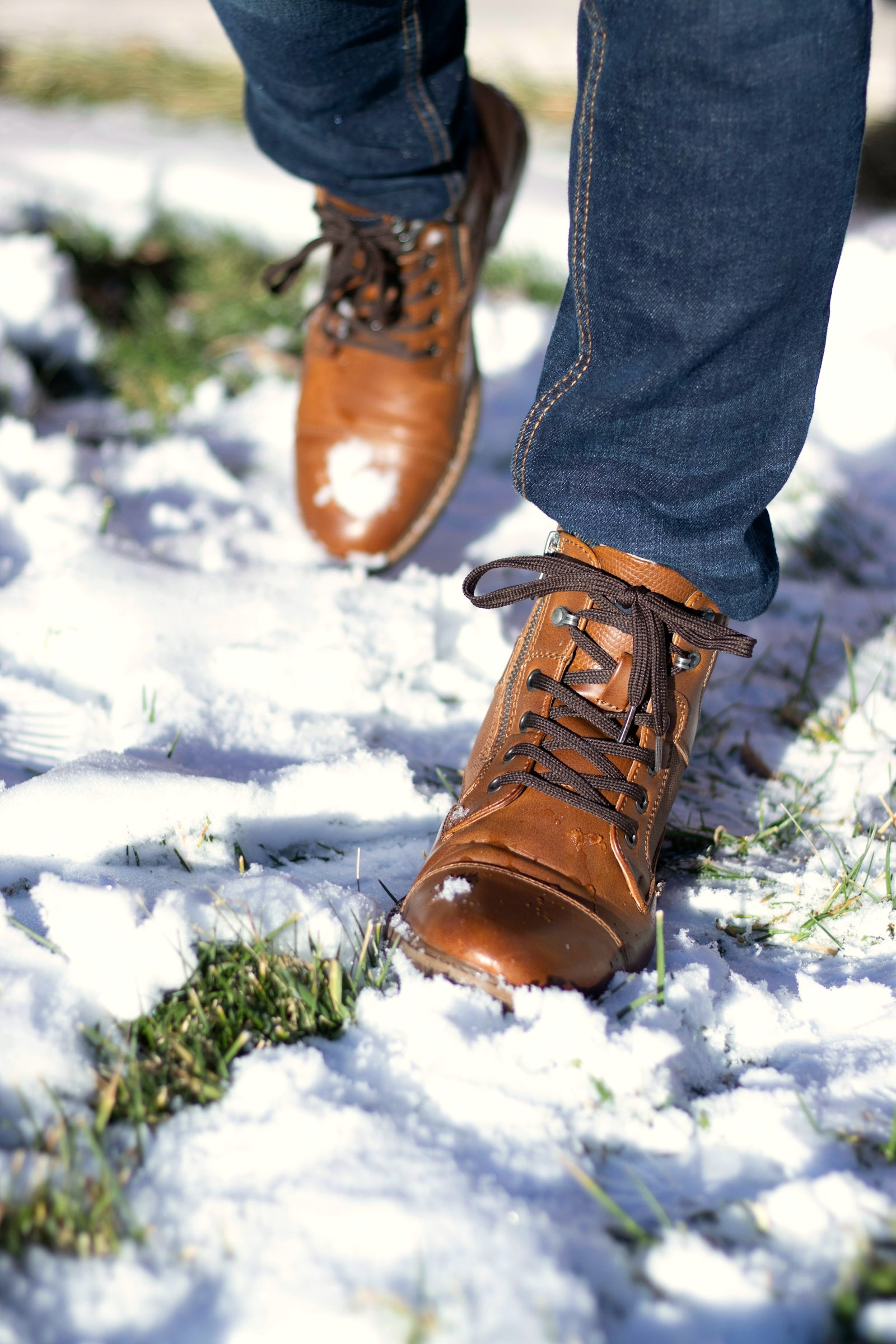
Winter is a system, and this page scores it slot by slot: nine pieces, ranked, priced and dated, each one the winner of its own ranking, plus the season's three most expensive silences named at the bottom.
Checked and updated October 2026
Winter is the season the disclosure columns stop being paperwork: the most expensive garments in the wardrobe are the ones whose defining numbers are published least. The evidence is counted on this site's own winter rankings. Of the eight parkas we scored, seven makers publish a fill power, two publish a fill weight a reader can verify, one publishes a temperature figure, and it is a house scale, and none names a temperature test standard. Of the eight puffers, six publish a power and two a weight. So this edit is built the way the season has to be bought: as a system of five slots, the base, the warmth, the insulation, the shell and the extremities, each slot filled by the winner of its home ranking, every score, price and verdict already published in public. Nine pieces, laid out in score order, with the season's three most expensive silences named at the bottom.
How this edit was built
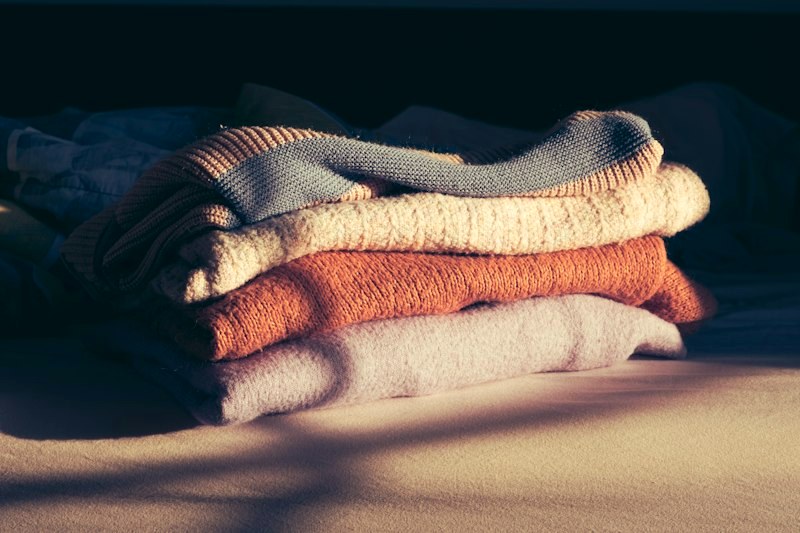
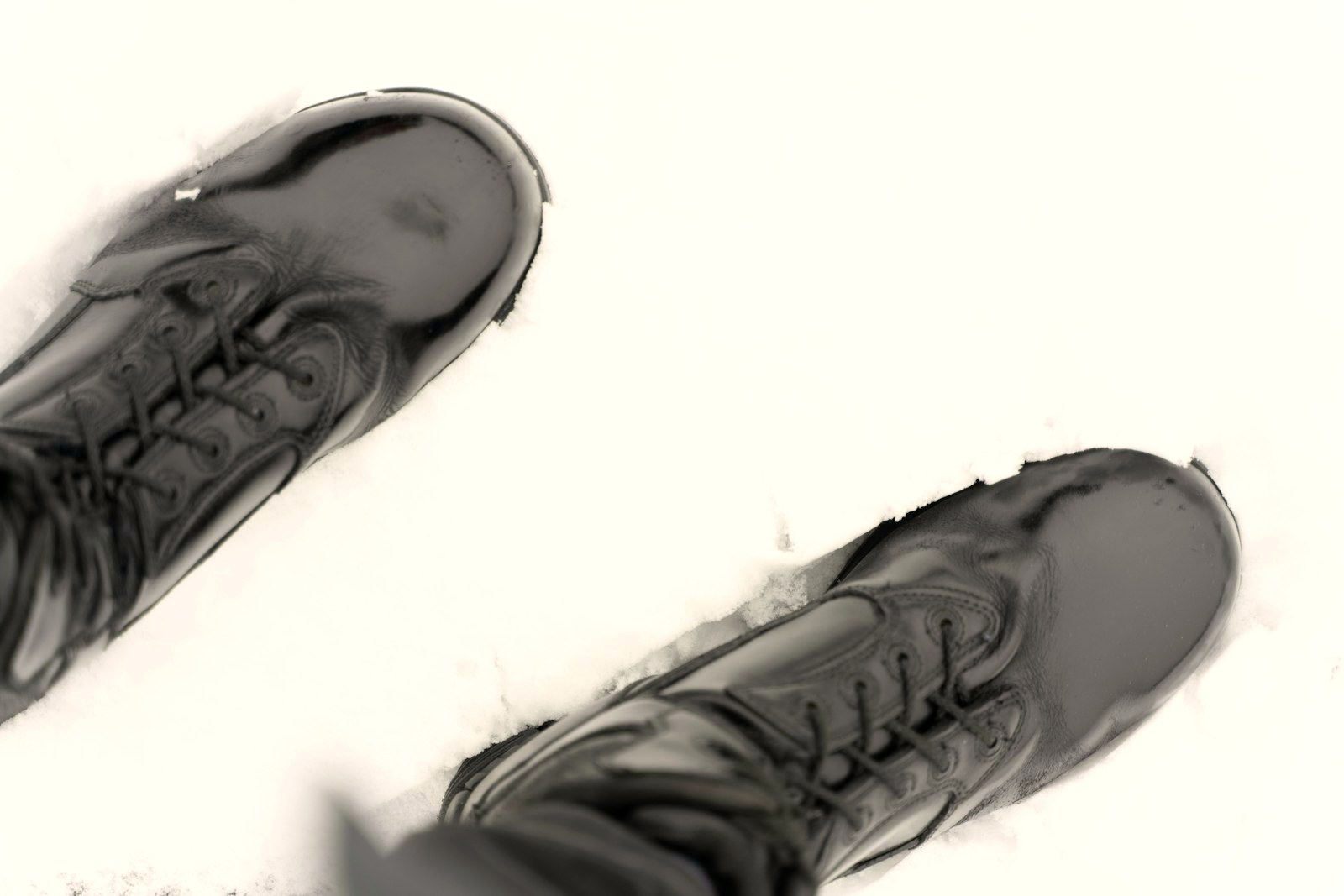
Nothing here is new, and that is the point. Every card below is drawn from a page where the scoring already happened in public: the base layer, fleece, chunky knit, puffer, quilted jacket, parka, scarf and glove rankings. Prices are the prices those pages published, checked this month. Scores follow our published methodology. All nine cards carry the product's own score from its home ranking; no card in this grid carries a brand score, because a ranking that blurs its own basis is not a ranking. Grid order is score order; where two scores tie, the cheaper piece stands first, and where the parka ranking's own tie was broken on the cloth row, this grid keeps its order and says so. One slot has no card: the head. This desk indexes beanie types rather than ranking beanies, so the index's record is printed in the wear order below instead of a score being invented for it. The bank holds no worn frame in several of the ranked species, parka, fleece, base layer, scarf on body, glove on hand, so the cards carry their home rankings' own scene and cloth frames, captioned for what they show; the gap is named here rather than filled with stock.
The nine, in score order
Patagonia
R1 Air Full-Zip Hoody
US price at last check: $199 at REI (the maker's list price; the retail record shows the model discounted hard in season, seen at $99).
Buy it as the benchmark: the fullest fabric record in the field wrapped around the layer the whole layering system is drawn around.
$199See it at REI →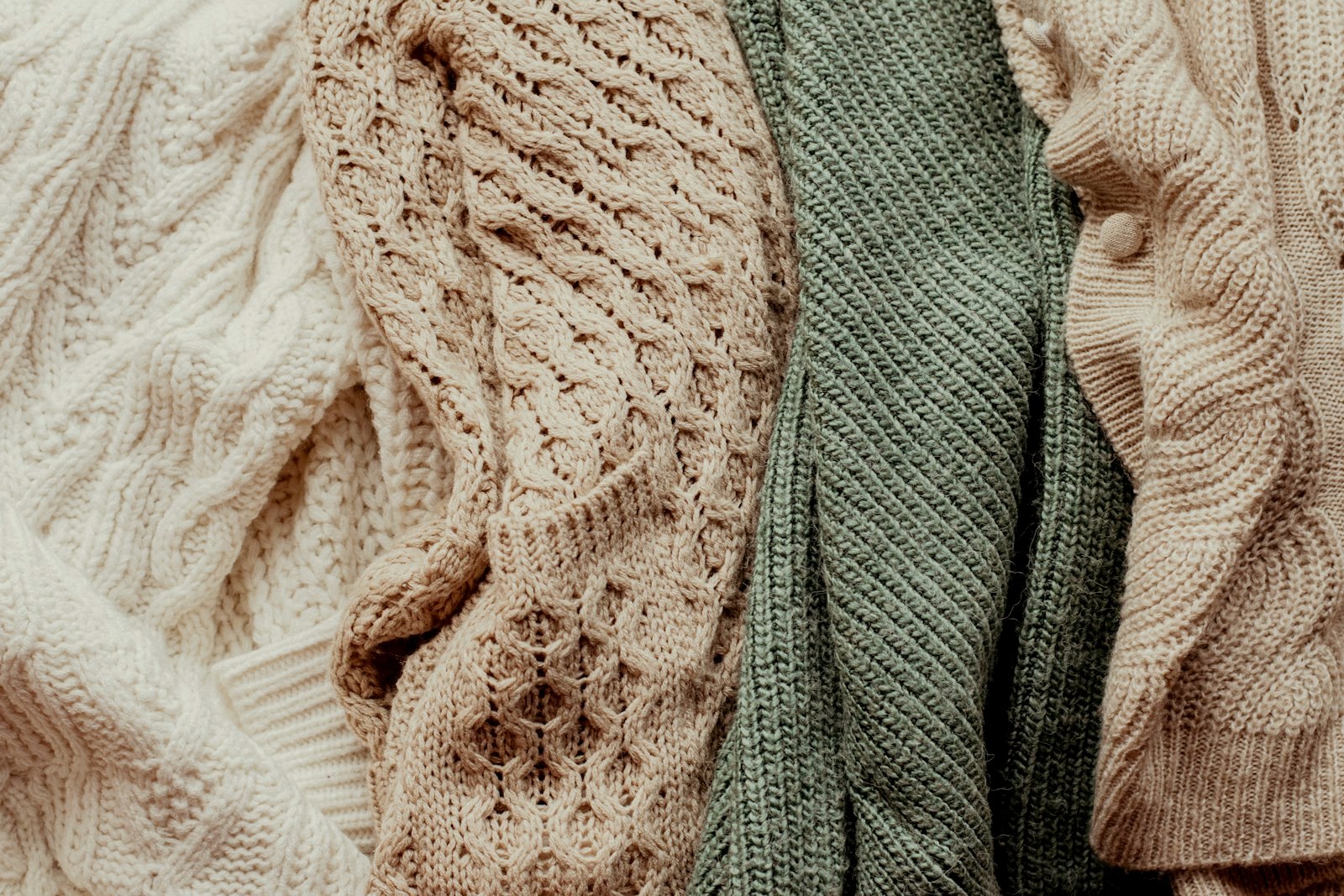
Paul James
Scapa Fisherman's Crew Neck Jumper
Maker's price: £160 at Paul James Knitwear, in stock.
Buy it as the heavy knit bought on paperwork: 700 grams of certified British wool, seamless and measured, from the maker's own factory at a factory price.
See it at Paul James Knitwear →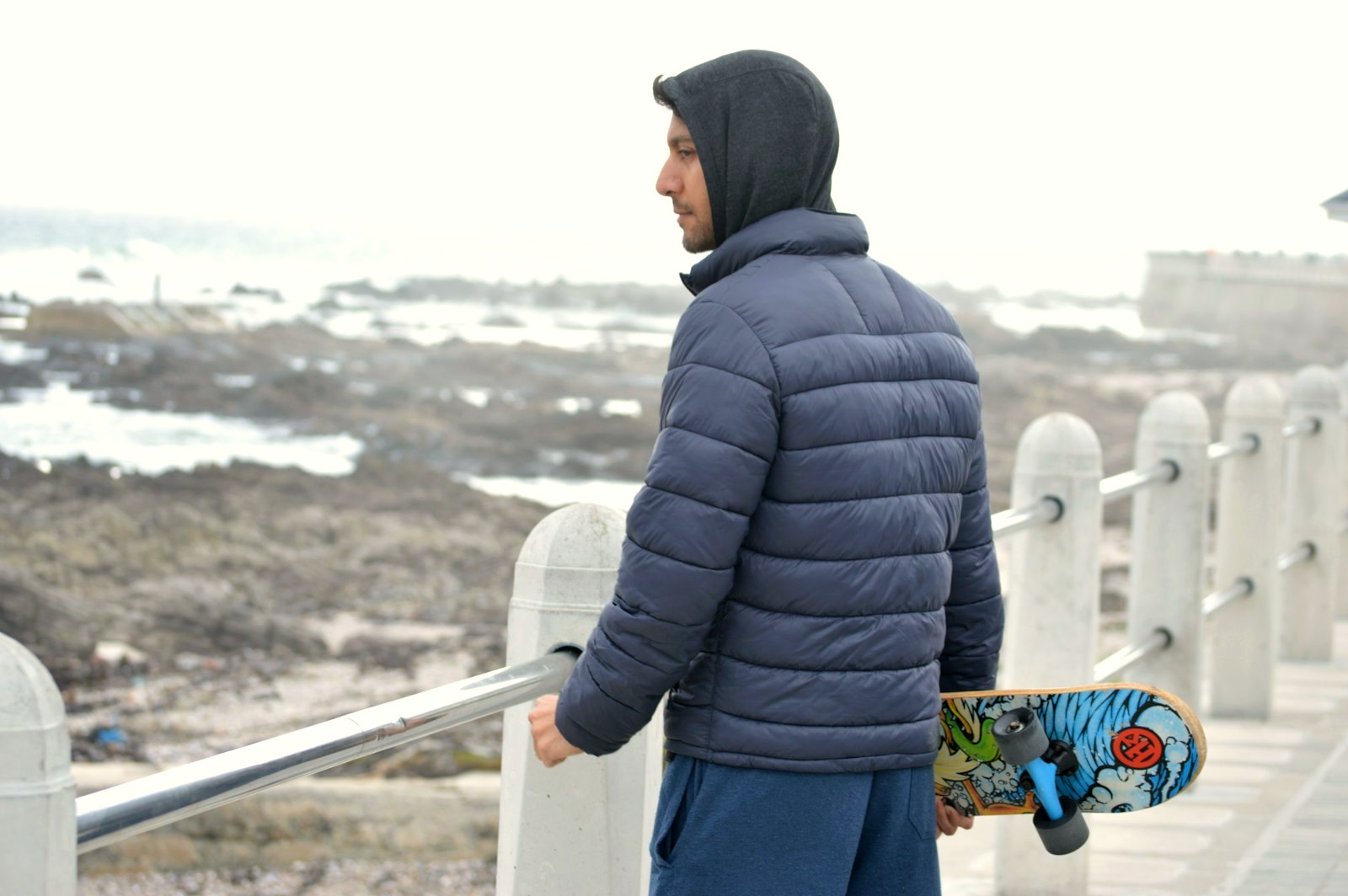
Feathered Friends
Eos Down Jacket
US list price at last check: $429 at the maker's store.
Buy it as the reference puffer: the fullest published down record in the field, made by a down specialist on the same continent, warm past freezing at under twelve ounces.
$429See it at Feathered Friends →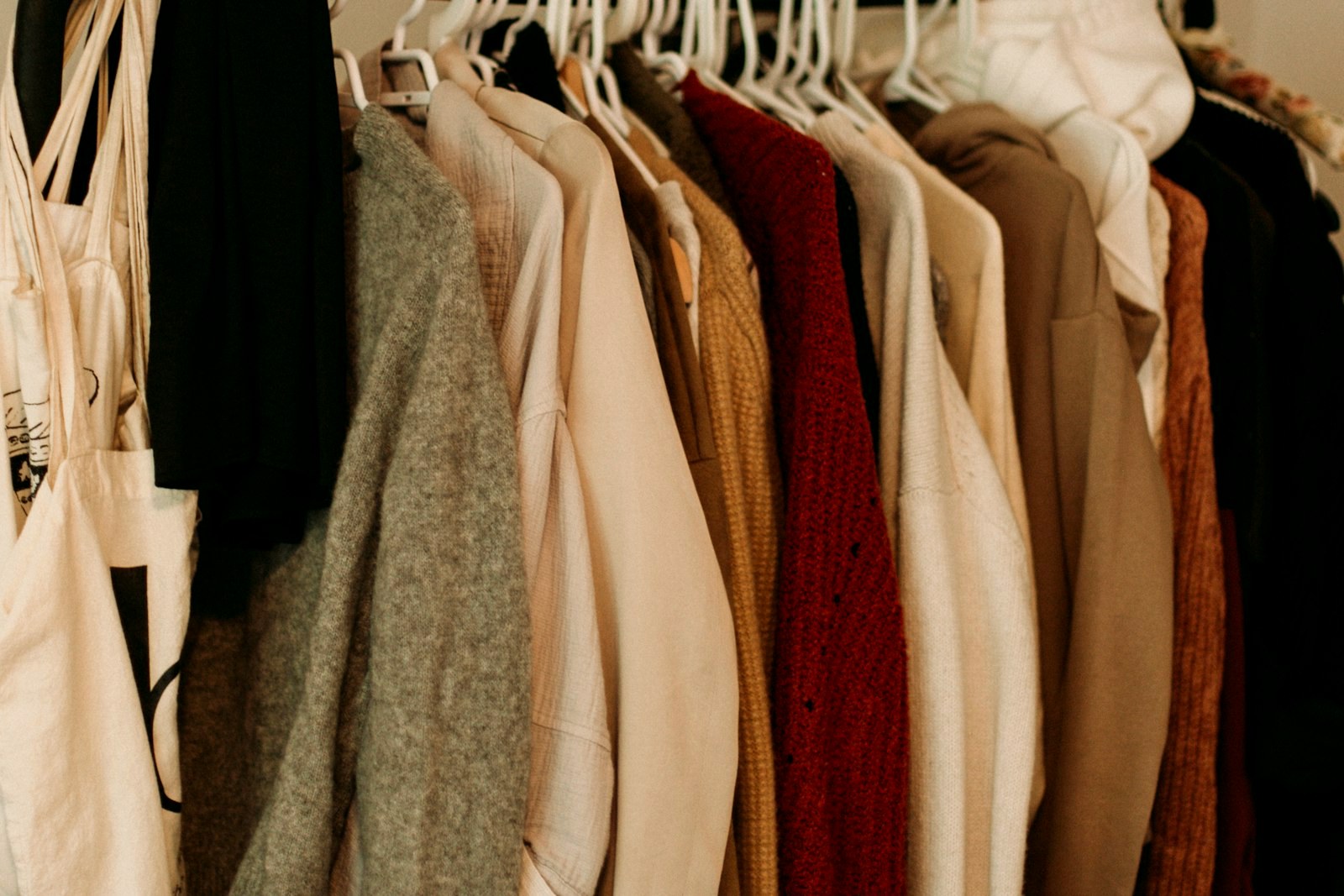
Montbell
Superior Down Jacket
UK price at last check: £220 at Ultralight Outdoor Gear (the maker's US store lists it at about $230).
Buy it as the fullest record in the field: the only down garment on either insulation Card that publishes what it weighs in fill.
$230See it at Ultralight Outdoor Gear →
Dents
Hampton Peccary Gloves, Cashmere Lined
£709 at Dents
The glove the rest of the field is measured against: the Heritage handsewn three-point glove in peccary, cashmere lined.
See it at Dents →
Feathered Friends
Khumbu Parka
US list price at last check: $749 at the maker's store in Seattle.
Buy it as the expedition reference: the highest published fill power in the field under a waterproof membrane shell, sewn in Seattle by the down specialist.
Fjallraven
Expedition Down Jacket
US list price at last check: $750.
Buy it as the most completely published parka in the field: the only garment here whose own specification table hands you both warmth numbers, in a pattern that has been in production since 1974.
$750See it at Backcountry →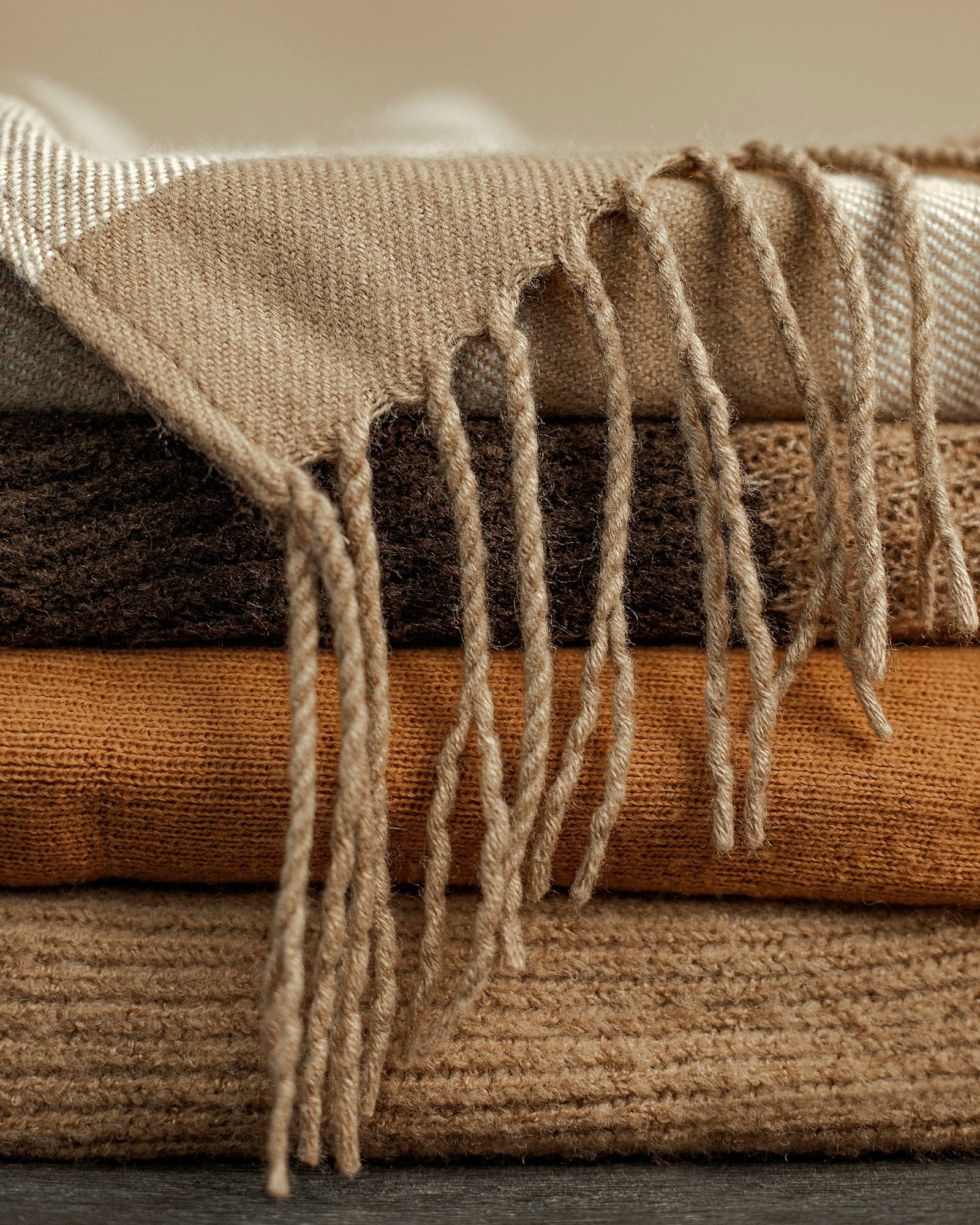
Begg x Co
Vier Lambswool Cashmere Scarf
€133.95 at Lund & Lund
The winner is a lambswool scarf: 90 percent lambswool and 10 percent cashmere, the full split published, woven in the maker's own mill in Ayr, where the house has made scarves since 1866.
See it at Lund & Lund →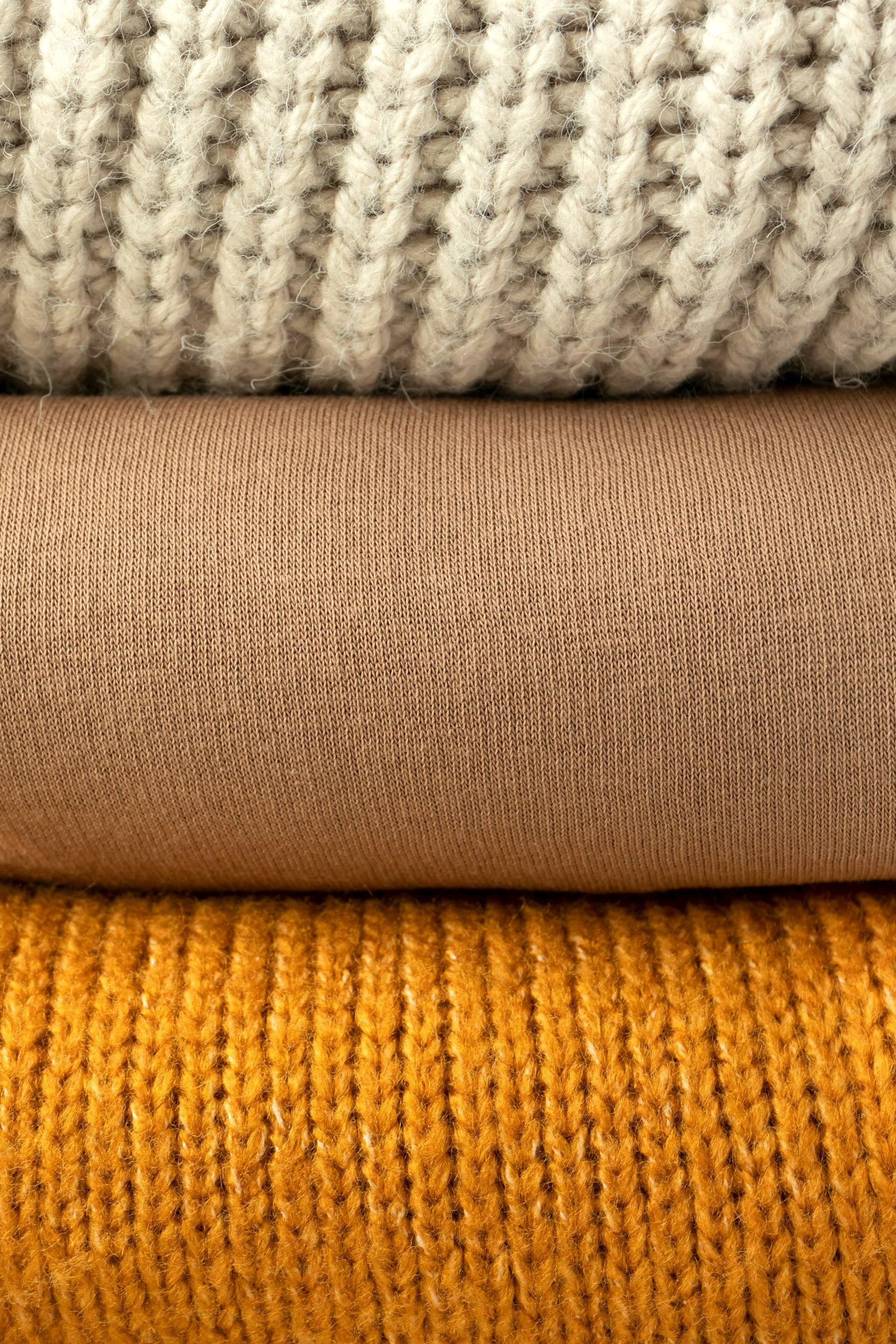
Icebreaker
Merino 200 Oasis Long Sleeve Crew
US list price at last check: $120.
Buy it as the default midweight merino. The fullest published specification in the field, a real next-to-skin cut, and the number in its name is a weight you can check.
$120See it at REI →Skip this season
Three winter names our rankings have already scored and sent home, gathered here because each one is the season's disclosure failure in its purest form: the numbers withheld at the highest prices. All three ship without a buy link, the way their home rankings send home the garments they convict.
Burberry: Quilted Nylon Haddington Jacket
US price at last check: $1,695 at Burberry.
Send it home: the field's highest price attached to its thinnest fill record, from the house that proved on the trench Card it can file a specification when it chooses to. Eleven words of fill record, as our quilted ranking counted them, at $1,695.
Moose Knuckles: Original Stirling Down Parka 2.0
Canadian list price at last check: CAD 1,395 at the maker's Canadian store.
Leave it, on its maker's own record: at CAD 1,395 the product page publishes no fill power, no fill weight and no temperature figure for this garment, only adjectives and hardware. The parka field's complete silence, sold as expedition.
Moncler: Maya Short Down Jacket
US price at last check: about $1,900 at the maker's US store.
Leave it, on the record: at about $1,900 the warmth claim cannot be checked, because its maker publishes neither the power nor the weight of the down inside it. This is the garment's own score on our puffer ranking; the well made jacket underneath the silence does not rescue the paperwork.
The arithmetic, assumptions printed, from the pages where these scores live. The Fjallraven in the grid above carries about 680 grams of published down at about $1.10 per gram, and about $1.07 per published fill power point; our parka ranking ran both divisions. The Montbell Permafrost on the same page sells published warmth at about 50 cents a point, and the Canada Goose Expedition charges $3.03 a point. On our puffer ranking, the Uniqlo Seamless sells a published point for 24 cents against the Canada Goose Crofton's $1.27. The numbers exist for the garments that publish them. For the three in the strip above, the divisions cannot be run at all, and that is the verdict.
Wear it in this order
The base. The Icebreaker Oasis crew (82), the layer that touches skin: 200-weight merino, the fullest published specification in its field, and the number in its name is a weight you can check. Everything in this system is sized over it, which is why it is bought first even at the grid's lowest score.
The warmth. Two species, two weathers. The R1 Air (89) is the active warmth, a grid fleece whose maker publishes its cloth weight, built for output. The Scapa fisherman's crew (88) is the still warmth: 700 grams of certified British wool, the heavy knit as the layer that stands in for a jacket indoors and under the shell outdoors. Choose by whether the day moves or sits.
The insulation. The Eos (88) is the down layer proper, the fullest published down record in its field. The Montbell Superior (87) is the quilted form of the same slot, thinner, the layer that packs flat and sits under the shell without a fight, and the only down garment on either insulation ranking that publishes what it weighs in fill.
The shell. In deep cold the parka is the insulation and the weather in one garment, and the slot has two complete records. The Khumbu (85) is the expedition reference, the highest published fill power in the field under a waterproof membrane shell; its home card ships without a buy pill, because the maker's exact product page was not captured, and this grid keeps that discipline. The Fjallraven Expedition (85) is the other 85, the tie broken on the cloth row on its home page: the only parka whose own specification table hands you both warmth numbers. Between them, buy the paperwork you can check.
The extremities. The neck first: the Begg x Co Vier (84), lambswool with a cashmere minority and its full split published. The hands: the Dents Hampton (86), handsewn peccary, cashmere lined, the glove its field is measured against. The head is the slot this desk indexes rather than ranks: our Beanie Index files eight types with formality and warmth scores, rules the watch cap the default, and prints the honest band, a wool beanie from a maker who can name the fibre at $25 to $60, because the ones below that band are below it for a reason. No beanie card appears in the grid, because no beanie score exists on this site to print.
Questions, answered
In what order do winter layers go on?
Skin out, in four moves, with the extremities dressed as their own system. First the base: the merino crew that touches skin and manages it. Second the warmth: a grid fleece for output, a heavy knit for still cold. Third the insulation: the down layer, sized over everything beneath it. Last the shell: the parka, which in deep cold is the insulation and the weather in one garment. Then the neck, the head and the hands, in that order, because those are the gaps the stack leaves open. The test for every layer is the one below it: if taking the parka off ruins the outfit, the stack was a costume, not a system.
Why do the disclosure columns matter more in winter?
Because winter garments are the most expensive in the wardrobe and their warmth is decided by two numbers, fill power and fill weight, that most makers will not print together. On our parka ranking, seven of eight makers publish a fill power and two of eight publish a fill weight a reader can verify; temperature figures appear once in eight, and it is a house scale, with named temperature test standards at none of eight. On our puffer ranking the count is six of eight powers and two of eight weights. A summer shirt can be judged in the hand. A $749 parka is judged on its paperwork, or it is not judged at all.
What makes the cut for the Winter Edit?
Two things, and nothing else gets in. The piece must already be scored and priced somewhere on this site, and it must fill one of the system's five slots as the winner or the standing record of its home ranking: the base, the warmth, the insulation, the shell, the extremities. All nine cards carry the product's own score from its home Card; no card here carries a brand score. No score was created for this page. The head is the one slot with no card: this desk indexes beanie types rather than ranking beanies, and the index's record is printed in the wear order below instead of a score being invented for it.
What should I buy first?
The base layer. Everything else in the system is sized and judged over it, it is worn on every cold day rather than the coldest ones, and the Icebreaker crew in this grid is the fullest published specification in its field at $120. Buy the warmth layer second: the R1 Air is this grid's highest score at 89 and the layer the whole system is drawn around. The shell comes last, once the stack it has to close over exists, and by then the arithmetic in this page will have told you which parka record deserves the money.
When are these prices and scores re-checked?
On the cadence printed in the byline of every page on this site. Prices are list prices at last check, and several makers here promote on a cycle, so paying less than the printed figure is a bonus, never a hidden surprise. When a maker changes cloth, construction or price materially, the score moves, the stamp at the top of this page rolls, and the move is noted on the page where the score lives.
How this edit stays honest
Every score on this page lives somewhere else first: the base in the base layer ranking, the warmth in the fleece and chunky knit rankings, the insulation in the puffer and quilted rankings, the shell in the parka ranking, the extremities in the scarf and glove rankings, and the head in the Beanie Index, all of them under the published methodology. This page creates no numbers; it assembles them into the system the season is actually worn in, dates them, and stands behind the assembly. When a score moves on its home page, it moves here at the next check, and the stamp at the top of this page is the date of the last one.