
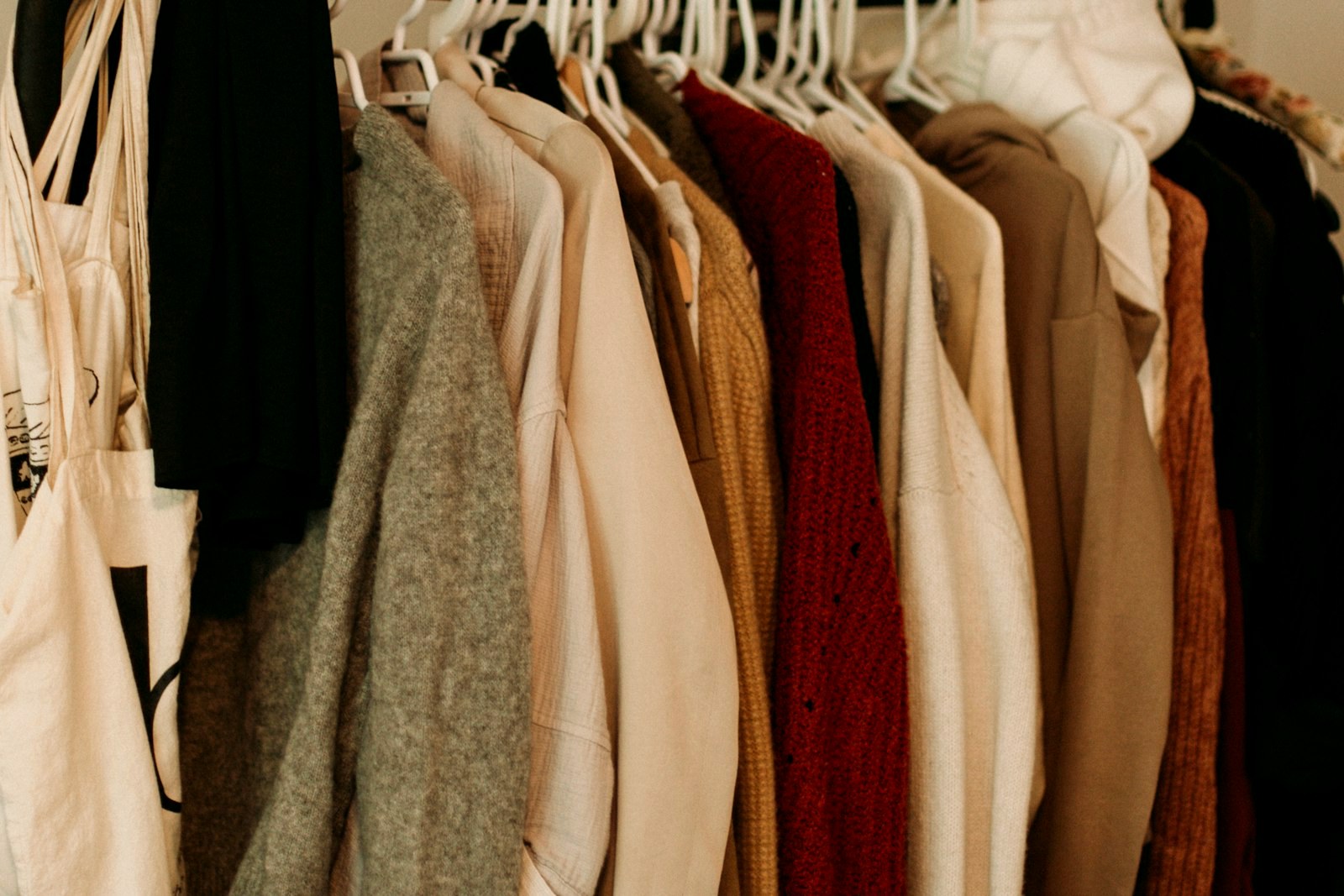
The rail a quilted jacket has to earn its place on. The bank holds no photograph of a quilted jacket in any species, so this page's frames show the rail and the construction's nearest relations, captioned for exactly what they are; the gap and the harvest list are named in the honesty section below.
Checked and updated October 2026
The verdict, up front: seven quilted jackets scored out of 100 on fill 30, construction 20, fit 20, value 15, longevity 15, plus the one sent home. The Montbell Superior Down Jacket wins at 87, the only down garment on this Card or the puffer Card to publish fill power, fill weight and shell denier together, at about $230. The Montane Prism follows at 86, 40 grams per square metre of recycled PrimaLoft Silver with every figure printed, at about $160. And the jacket sent home, at 35, is the Burberry Haddington, $1,695 for a fill record that reads, in full, 100 percent polyester fibres. The count underneath the ranking is the story, and it reverses the puffer Card's: four makers in eight publish a fill weight, double Verdict Card No. 46's two in eight, and every one of the four sells sheet wadding or files a spec table.
The finding: the older, thinner garment keeps the better books
Start with the honesty this page owes before any score: quilting is not a type of jacket. The jackets index files twelve types, trench to field jacket, and quilted is not among them, because quilting is a construction, stitching run through a shell and a sheet of insulation to hold the insulation in place, and the same two inch diamond appears on a Suffolk liner jacket, a Northumberland country jacket and a Japanese down midlayer that share nothing else. Readers shop for the construction by name, so the construction gets a Card, graded the way a construction can be graded: on what it holds, how the stitching holds it, and what closes it. The grading law is the puffer Card's law, carried across unchanged. Warmth is a product, not an adjective: for down, fill power multiplied by fill weight; for synthetic sheet wadding, grams per square metre with the fibre named; a certification with a checkable number above a house's warm words; and silence charged as silence. On the puffer Card that law produced the field's embarrassment: two of eight makers publish a fill weight. The quilted field was seeded to test whether a thinner, older garment, sold on heritage more often than on specifications, does worse. It does better: four of eight publish a weight. Montbell prints 55 grams of down beside its 800 fill power. Filson prints 60 grams of PrimaLoft Gold on its own product page. Montane prints 40 grams per square metre. Flint and Tinder's retailer record prints 40 grams of recycled PrimaLoft. Look at who publishes and the pattern is not price, country or age: it is whether the maker thinks of the fill as a material it buys by weight. The sheet wadding trade sells insulation by the gram, so the gram survives onto the page; the country and fashion trade sells a fibre name and a silhouette, so the page prints 100 percent polyester and stops. The four silences split by species: the two country houses (Barbour files every fibre in the garment and no weight; Lavenham names its cloth, its mills and its wadding's recycled share, and no weight), the mall country seat (J.Crew, which publishes a fill brand name where a number should be) and the fashion house at $1,695, whose whole fill record is one line long.
The species map is what keeps the ranking honest, because eight garments sharing a stitch are not one garment eight times. The field below runs the liner jacket from the house that invented the form (Lavenham), the country quilted jacket in its British original and its American mall descendant (Barbour, J.Crew), the technical quilted midlayer in both fills (Montane synthetic, Montbell down), the heritage American house filing a mountain specification (Filson), the insulated overshirt in waxed canvas (Flint and Tinder), and, as the skip, the fashion barn jacket (Burberry). The quilting pattern is graded as construction throughout: the fine diamond spreads its cold stitch lines evenly and thinly, the wide baffle concentrates them, and every garment here is stitch-through, which means every seam is a line with no insulation in it, a fact the warmest copy in the field would prefer you not to picture. Every score is a garment score. Where a house holds a brand score elsewhere on this site, the brand number is printed on the card and kept separate, in both directions.
How the scores work
Every jacket is scored out of 100 on the same five rows. Fill (30) reads the published fill record first, on the puffer Card's doctrine: a down garment is graded on the pair, fill power and fill weight, with certification credited where the record carries it; a synthetic garment is graded on grams per square metre and the fibre's name, never converted into an invented fill power; a published weight of either kind outscores a fibre name, a fibre name outscores a brand name, and a brand name outscores silence. The shell is read with the fill, named cloth and published denier or weight credited, because the shell is what the fill has to work through. Construction (20) is the quilting pattern as build: diamond, box or baffle spacing, stitch-through cold lines argued openly, closure and hardware where the maker names them, zips by maker where printed. Fit (20) is the species' own job: a liner slim enough to disappear under a coat, a country jacket cut to close over knitwear, a midlayer that layers without binding, an overshirt that works open and closed. A tie is ruled on the fill row, the house's standing tiebreak carried to this basis; none occurs on this page. Value (15) divides the price by the published record and by the seasons the longevity row scores, printed in the cost table below. Longevity (15) is the ownership audit: how wadding and down age (sheet fill does not migrate; down does, and both facts are priced), whether the house still sells the model, and whether a repair or guarantee culture stands behind the garment. Row scores add to the total, on every card.
The ranking
Montbell Superior Down Jacket
Technical Quilted Midlayer, Down · The Winner
UK price at last check: £220 at Ultralight Outdoor Gear (the maker's US store lists it at about $230).
Buy it as the fullest record in the field: the only down garment on either insulation Card that publishes what it weighs in fill.
The fill: 800 fill power EX Down, and the figure the puffer Card taught this desk to hunt for, the fill weight, printed beside it: 55 grams in a men's medium, ninety percent down to ten percent feather in the retail record of the same specification table. Set that against the down field of Verdict Card No. 46, where Feathered Friends and Rab publish a fill weight and Patagonia, Arc'teryx, Uniqlo and Canada Goose withhold theirs, and the point of this card comes into focus: the fullest disclosure in quilted down comes from the maker that treats its catalogue as a spec sheet. The shell is published to the same standard, 10 denier Ballistic Airlight nylon ripstop, denier printed, cloth named. Fill takes 27 of 30, docked for the one paper the record does not carry: Montbell prints its responsible down sourcing policy in prose, live-plucked down refused, by-product feathers only, and no certification number is attached to this garment's record, where the puffer Card credited the makers that print one.
The build and the fit: sewn-through construction, stated in the maker's own feature list, and this page argues it rather than apologising for it: stitch-through is what a 203 gram jacket is, every baffle line a cold line, the price of a midlayer that packs into its own stuff sack and disappears under a shell. Construction 17, the elastic cuffs, pocket-hidden hem cords and two zippered hand pockets filed as published, the 10 denier shell's delicacy charged here and again in longevity. Fit 18, the field's best layering score: a regular cut drawn for exactly the midlayer job, worn over a base layer and under a rain shell without a fight at either interface. Value 14 at about $230, near $23 a season across the ten seasons the shell's denier honestly scores, and longevity 11 prices that denier without flinching: this is the warmest record in the field carried in the most fragile cloth in it, and the card prints both halves. Montbell the brand stands at 73, derived on Brands Like Arc'teryx across its whole range; this 87 is the jacket's own, and the fourteen points between them are what a complete spec table does for a single garment.
Montane Prism Jacket
Technical Quilted Midlayer, Synthetic · The Wet-Weather Answer
US price at last check: about $160 at Enwild (the maker's European RRP is €149.95; its own US storefront did not surface at this check, so the door below is the specialist retailer's product page).
Buy it as the synthetic benchmark: every figure printed, a hood included, and warmth that survives the weather the down winner cannot.
The fill: 40 grams per square metre of PrimaLoft Silver, 100 percent recycled, and the maker's record adds the detail that separates a spec sheet from a brochure: the insulation doubles over the hand pockets, 80 grams where your hands live. The shell is published to the denier, 30 denier Pertex Quantum ripstop with a water repellent finish, the lining named too, 20 denier Featherlite Mini Ripstop. Fill takes 25: the full synthetic record, fibre, weight, recycled content and zoning all in print, docked against the down winner only on warmth per gram, because 40 grams of sheet wadding is a cooler garment than 55 grams of 800 fill down and the row grades the record's warmth as well as its honesty. What the synthetic buys back is printed in the maker's own line: it insulates in wet conditions, which down at this weight does not.
The build and the fit: construction 18, the field's highest build mark after the specialist's, on hardware named the way this desk asks: a full length YKK Vislon front zip with an internal storm flap, YKK zips on the chest and hand pockets, articulated arms, a roll away insulated hood with a stiffened peak that the down winner does not offer at any price, and a stuff into its own pocket finish. Fit 18 on the maker's active mountain cut, close enough to layer, roomy enough for the low profile layers it names. Value 14 at about $160, the cheapest full record in the field at roughly $13 a season across twelve, and longevity 11 on a model the house has kept in the range for years and a synthetic fill that does not migrate, clump by baffle, or ask for a specialist wash. Montane holds no brand score on this site and this card creates none: 86 is the jacket's own.
Filson Ultralight Jacket
Heritage American Midlayer · The House That Prints Grams
US list price at last check: $239 at Filson (seen at $143.40 in the Cypress colourway on the maker's own page at this check, with the middle sizes gone in that colour; the door below is the maker's product page).
Buy it as the heritage house filing a mountain specification: the heaviest published synthetic fill in the field, in a 1.5 ounce shell.
The fill: 60 grams of PrimaLoft Gold, printed on the maker's own product page in the first three lines of its specification, the heaviest synthetic fill weight published anywhere in this field, half again the Montane's 40. The shell is published the way Filson publishes cloth everywhere on this site, by weight: a 1.5 ounce nylon, ripstop reinforced, with a second layer over the shoulders where a pack strap works. Fill takes 26, and the reasoning is the page's thesis in one card: this is a heritage American house, founded on wool and tin cloth, filing its modern midlayer the way the mountain brands file theirs, because its customers read specifications. The moleskin lined collar and pockets are the house's signature riding on a garment the founders would not recognise, and the card credits the combination rather than scoring the anachronism.
The build and the fit: construction 16: a zippered front with a zip garage at the neck, zippered hand pockets and an interior security pocket, elastic binding at hem and cuffs, the quilting run in longitudinal lines that keep the sheet fill where it is sewn. The make is imported, which the maker prints, and the card notes the contrast the tree already keeps: the same house's Tin Cloth and Mackinaw records are its own benches' work, and this jacket is not, a distinction Brands Like Filson priced when it audited the brand at 85. Fit 16 on a trim, packable cut made to disappear under the house's own shells. Value 12 at the $239 list, about $20 a season across twelve, and better at the sale price the maker's page showed at this check, with the thin stock in the discounted colourway printed in the price note rather than discovered at a checkout. Longevity 12 on the fill that does not migrate and the house's standing behind its garments. Filson's 85 is a brand score; this 82 is the jacket's own.
Flint and Tinder Quilted Waxed Shirt Jacket
Insulated Overshirt · The Waxed Canvas Seat
US price at last check: $288 at Huckberry. No buy pill: Huckberry is the maker's only channel and its product page resisted verbatim capture at this check, and this desk does not link an address it cannot open. The record below is graded from the retailer's published specification as carried in the trade record.
Buy it as the overshirt that publishes its insulation: a named British mill's waxed canvas over a printed 40 grams of recycled fill.
The fill: recycled PrimaLoft at 40 grams, published in the retailer's specification record for the garment, the same weight class as the Montane's and printed where a buyer can find it, which already separates this shirt jacket from most of its species: the insulated overshirt is the garment category most likely to sell warmth as a mood. The shell is the card's other published fact, and it is a strong one: British Millerain Tekwax Evolution 6 waxed canvas, the mill named, the cloth class named, a fabric with a maintenance culture behind it that How to Wear No. 28 prices honestly, wax transfers, wax renews, wax sheds weather rather than sealing it. Fill 22, docked against the two leaders because the gram figure rides on the retailer's record rather than a maker's spec table this desk could open, and credited for existing at all in a species that usually prints nothing.
The build and the fit: construction 18: diamond quilting through the body, a quilted Japanese polyester lining, snap front over a shirt's architecture, two snap chest pockets, hidden side hand pockets, an interior chest and media pocket, five pockets on a shirt jacket, counted from the published record. Fit 16 on the overshirt's own law: cut to close over flannel and to wear open over a tee, the shoulder season garment How to Wear No. 10 styles, here with its insulation printed. Value 10 at $288, about $19 a season across fifteen, the waxed canvas's long service doing the arithmetic. Longevity 13 on a shell that can be re waxed at home and a house pattern that returns season after season. Flint and Tinder the brand stands at 74, derived on Brands Like Barbour; this 79 is the shirt jacket's own, and the five points between them are a named mill and a printed gram figure.
Lavenham Denham
Liner Jacket · The Specialist
No buy pill: the maker's own storefront resisted capture at this check, and no price is printed here that this desk could not open. The trade record puts the house's men's jackets roughly between $175 and $540; the record below is graded from the maker's own published cloth and wadding writing.
Buy it as the original: the house that invented the diamond quilted jacket, still quilting in its own Suffolk factory, with its one silence understood.
The fill: the wadding is a partially recycled polyester, in the maker's own words on its story page, and its retail partner's record sharpens the figure to 65 percent recycled fibres, made in the North of England. What no page publishes is the weight. The house that has quilted longer than any other in this field, that made the first nylon quilted horse rug in 1969 and the first diamond quilted jackets in 1972, prints the wadding's fibre and its recycled share and stops one figure short of a warmth specification. Fill takes 16, and the split of the mark is the card's argument: the fibre record is the most considered in the field, British wadding for a British cloth, and the missing grams are charged the way this desk charges every silence, because a buyer comparing this jacket's warmth against the Montane's printed 40 grams per square metre has one number and one tradition to choose between.
The cloth and the build: the shell has a name, which almost no shell in this field does: Lavenster, the house's durable water resistant polyester, now 100 percent recycled from post consumer bottles, quilted in house on the factory's own machines in the two inch diamond the maker's classics have carried since the early 1970s, with cotton corduroy binding and the house's tab at the pocket. The mills behind the range are named in the maker's own writing, Temple Moyles of Manchester and Halley Stevensons of Scotland, and every garment is cut, quilted and finished under one Suffolk roof by a factory of over a hundred people. Construction 19, the field's highest build mark: this is the only garment here whose maker is the quilting specialist, and the two inch diamond is the tightest, most even stitch geometry on the page, cold lines spread finer than any baffle in the field. Fit 17 on the liner's law, a streamlined cut made to slide under a coat or stand alone in autumn. Value 11 graded on the house's published band rather than a captured price, and longevity 14 on a model lineage the house has sewn for five decades and a factory that still makes what it sells. Lavenham holds no brand score on this site and this card creates none: 77 is the Denham's own.
Barbour Heritage Liddesdale Quilted Jacket
Country Quilted Jacket · The Original Silhouette
UK price at last check: £149 at Harrods (US list $240). The door below is the retailer's product page; the maker's own pages carry the composition record graded here.
Buy it as the silhouette that started the species, with the paperwork understood: every fibre printed, the weight left in a legacy listing.
The fill: the maker's pages publish the garment's fibres completely, and the card quotes the record as printed: outer 100 percent polyamide, filling 100 percent polyester, collar 100 percent cotton. What the maker's current product page does not publish is any weight for that filling. A legacy American retail listing for this jacket prints two inch box quilting with 100 gram polyester wadding, a real figure in the garment's trade record, and the fill row, 14, credits its existence while charging its address: the one number that would let a buyer compare this jacket's warmth sits in an old retailer's copy, not on the maker's own page, where Brands Like Barbour already noted that the quilted rails do not publish cloth the way the waxed classics publish Sylkoil. The Liddesdale is that sentence's exhibit, graded fresh as a garment here: Barbour's glove scored 54 on the glove Card, a different garment on a different record, and it is not carried onto this jacket in either direction.
The build and the fit: the diamond quilting that defines the species in the public mind, a stud front closure, a corduroy collar, two patch pockets, back vents for the saddle and the driver's seat, and an embroidered mark at the pocket. Construction 16 on a pattern refined over decades of continuous sale. Fit 15 on the country law: room to close over the knitwear the silhouette is photographed with, a longer body than the liner species, sized for layering rather than for speed. Value 13 at £149 to $240 depending on the shore, about $20 a season across twelve, honest money for the original. Longevity 12 on a house whose repair benches are the strongest paper in its family file and a model that has never left the range. Barbour the brand stands at 81, derived on Brands Like No. 30 across its whole range; this 70 is the Liddesdale's own, and the eleven points between them are the distance between the house of the Bedale and the quilted rail that house sells beside it.
J.Crew Quilted Jacket with PrimaLoft
Country Quilted Jacket · The Mall-Country Cut
US price at last check: $248 at J.Crew (the door below is the maker's product page).
Buy it as the attainable country silhouette, knowing what the name on it is: a fill brand in the title, and no figure anywhere behind it.
The fill: the product's name is the record: Quilted Jacket with PrimaLoft. The maker puts the fill's brand in the title, which is more than silence and less than a specification, because PrimaLoft is a family of insulations sold at many weights and this page publishes none of them. No grams per square metre, no fibre split captured on the maker's page at this check, and the hands on record of the jacket's Sussex predecessor found the pattern in full: the fill's presence was not mentioned in the maker's copy at all, and its reviewer located the insulation from the garment's own tags. Fill takes 12: a reputable fill, present in an unstated quantity, in a garment whose warmth a buyer must take on the strength of a trademark. Set beside the Filson on this page, which prints 60 grams in its third line, the difference between a specification culture and a naming culture is the whole distance between third place and seventh.
The build and the fit: box quilting over a matte shell, a corduroy collar in the country pattern, snap and zip closure, and a maker's review rail that is genuinely warm about the garment: substantial weight, true to size, a perfect fall jacket, in its customers' recent words, which this page prints because they are printed there. Construction 14, the rail's praise credited, the pattern's churn charged in longevity rather than here. Fit 15 on a classic cut that closes over layers and reads true to size on the maker's own rail. Value 11 at $248, about $31 a season across eight. Longevity 9 prices the two facts the record carries: the house redesigns this jacket's line often enough that its predecessors fill the resale market under three names, and no repair or fill specification stands behind the current one. J.Crew the brand stands at 73 on Brands Like Charles Tyrwhitt; this 61 is the garment's own.
Burberry Quilted Nylon Haddington Jacket
The Skip: Sent Home · Eleven Words of Fill
US price at last check: $1,695 at Burberry. No buy pill: this desk does not link what it sends home.
Send it home: the field's highest price attached to its thinnest fill record, from the house that proved on the trench Card it can file a specification when it chooses to.
The fill: the maker's complete published record for this garment, quoted from its own American product page: outer 100 percent polyamide, trim 100 percent cotton, lining 100 percent cotton, pocket lining 100 percent cotton, and filling, 100 percent polyester fibres. That is the whole warmth file of a $1,695 quilted jacket: a fibre name, no weight, no warmth rating, no figure of any kind by which a buyer could compare it with the $160 Montane's printed 40 grams per square metre or the $230 Montbell's published 55 grams of 800 fill down. The comparison that convicts it lives in the same house. On the trench Card, Burberry's Kensington scored 83 on a record that publishes its own Yorkshire mill and a 116 centimetre length; that number belongs to the trench and is not carried here, and neither is the check scarf's 72 from the scarf Card. What is carried is the knowledge that this house files specifications for the garments it treats as equipment. For the quilted jacket it files adjectives, at seven times the winner's price. Fill takes 5.
The build and the fit: what the money visibly buys is the country silhouette at couture finish: a barn jacket cut in lightweight nylon, the house check in cotton twill at the lining and undercollar, a corduroy collar and trims, zip and press stud closure, side patch pockets, a garment bag in the box. Construction 11 credits the finishing and charges the imported make and the absence of any performance fact in the build record. Fit 11 on the maker's classic fit and a published 77 centimetre length, one of the few figures on the page. Value 1 at about $170 a season across ten, seven times the season cost of the jacket that wins this ranking, and longevity 7 on a check lining that will outlast the relevance of the silhouette it decorates. The full conviction is written in the skip section below. Burberry holds no brand score on this site and none is created here: 35 is the garment's own, and it was earned by its maker's own page, at its maker's own price.
The record table: what each maker actually publishes
| Jacket | Fill, as published | Fill weight, as published | Shell, as published | Pattern |
|---|---|---|---|---|
| Montbell Superior Down Jacket | 800 fill power EX Down, 90/10 | 55 g (men's M) | 10 denier Ballistic Airlight nylon | Sewn-through baffle |
| Montane Prism Jacket | PrimaLoft Silver, 100% recycled | 40 g/m² (80 g over the pockets) | 30 denier Pertex Quantum | Stitch-through quilt |
| Filson Ultralight Jacket | PrimaLoft Gold | 60 g | 1.5 oz nylon, weight printed | Stitch-through lines |
| Flint and Tinder Quilted Waxed Shirt Jacket | Recycled PrimaLoft | 40 g (retailer's record) | British Millerain Tekwax Evolution 6 waxed canvas | Diamond quilt |
| Lavenham Denham | Partially recycled polyester wadding (65% recycled fibres) | Not published | Lavenster, 100% recycled, named | 2 inch diamond quilt |
| Barbour Heritage Liddesdale | 100% polyester | Not on the maker's page (100 g in a legacy retail listing) | 100% polyamide | Diamond quilt |
| J.Crew Quilted Jacket with PrimaLoft | PrimaLoft, named in the product title | Not published | Not captured at this check | Box quilt |
| Burberry Haddington (skip) | 100% polyester fibres | Not published | 100% polyamide | Quilted barn jacket |
Read the weight column as the category's confession, and compare it with the puffer Card's, where the same column held two numbers in eight rows. Here it holds four, and they cluster exactly where the puffer Card's did not: at the makers who buy insulation as a material with a weight, the Japanese spec sheet, the British mountain house, the American heritage house filing grams like a mountain brand, and the workwear label whose retailer prints its fill. The four empty cells are the country trade and the fashion trade, the two ends of menswear that sell this garment hardest. The lesson transfers in both directions: disclosure is not a function of price, technicality or virtue. It is a function of whether the maker's customer is expected to ask.
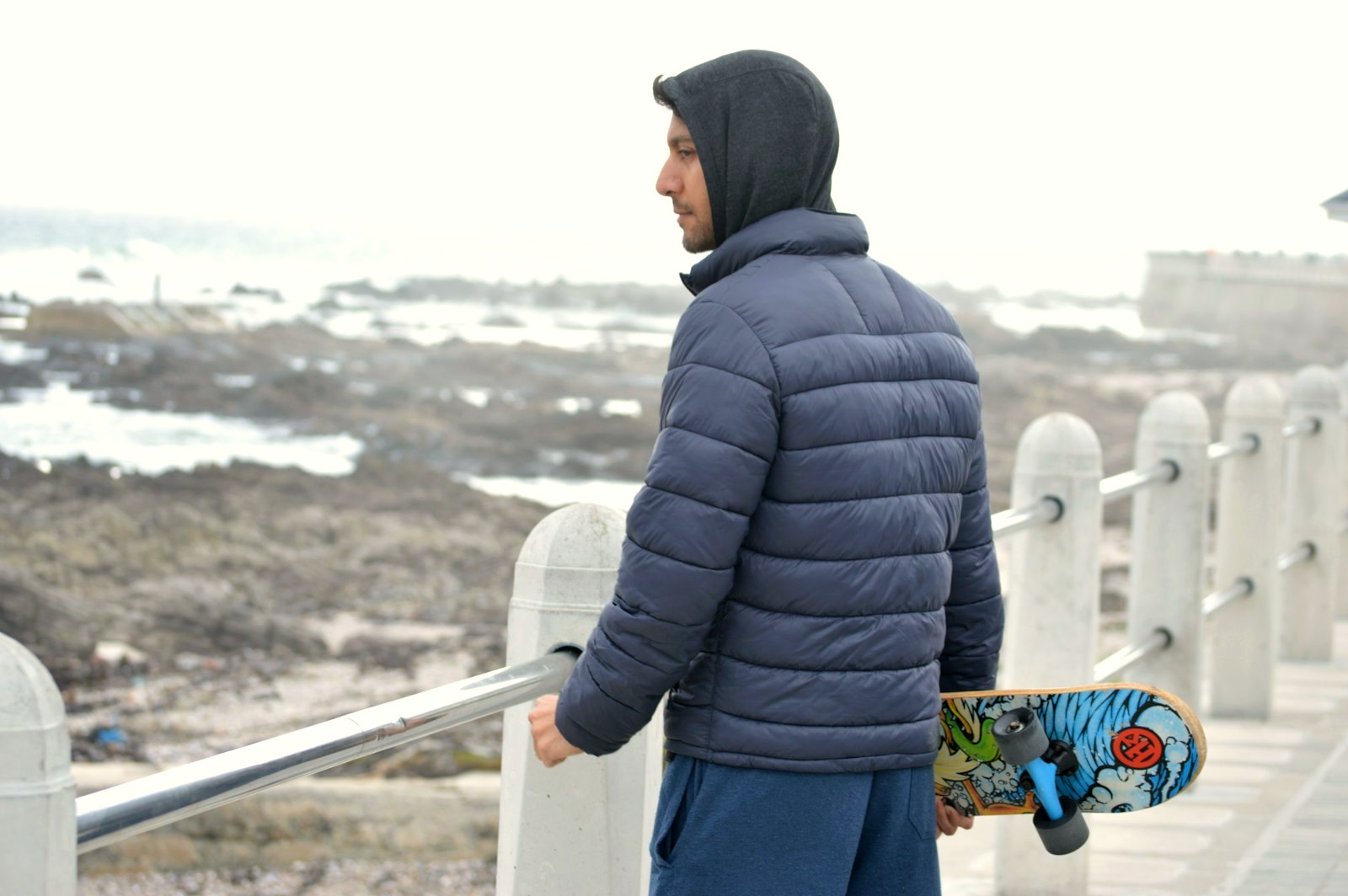
The pattern audit: diamond, box and baffle, and the cold line in every seam
Quilting patterns are not decoration that happens to hold fill; they are three engineering answers to the same problem, and the field splits across all three. The diamond, Lavenham's two inch grid and Barbour's signature, is the finest mesh in the field: the most stitch lines, each cell too small for its fill to migrate, bunch or thin at a corner, and the cold lines spread so evenly that no single one matters. It is why a 55 year old pattern still anchors two cards here. The box quilt, J.Crew's and the legacy Liddesdale listing's two inch box, trades some of that evenness for a flatter, more tailored face, the fashion end of the same idea. The baffle, Montbell's sewn-through channels, is the puffer's geometry shrunk to midlayer scale: wider cells, more loft per cell, and cold lines you can map with a fingertip on a cold night. The honest sentence the whole page stands on is that every garment here is stitch-through: there is no box wall construction, no offset seam, no premium pattern in this field that removes the cold line, and the makers who acknowledge it in print (Montbell files sewn-through as a feature, plainly) score construction credit for the admission. A quilted jacket is a compromise worn beautifully: thin, light, layerable, and honest about its seams only if its maker is.
Cost per season, printed in the open
The assumption, printed before the numbers as this desk prints it: a quilted jacket of this class is a three season garment worn across the years its longevity row scores, and the Lavenham, whose maker's price this desk could not open, is costed at the middle of its house's published trade band and marked as an estimate wherever it appears.
| Jacket | Price | Score | Life scored | Cost per season |
|---|---|---|---|---|
| Montane Prism Jacket | About $160 | 86 | 12 seasons | About $13 |
| Lavenham Denham | Band midpoint, about $350 (estimate) | 77 | 20 seasons | About $18 |
| Flint and Tinder Quilted Waxed Shirt Jacket | $288 | 79 | 15 seasons | About $19 |
| Filson Ultralight Jacket | $239 list | 82 | 12 seasons | About $20 |
| Barbour Heritage Liddesdale | $240 US list (£149 UK) | 70 | 12 seasons | About $20 |
| Montbell Superior Down Jacket | About $230 | 87 | 10 seasons | About $23 |
| J.Crew Quilted Jacket with PrimaLoft | $248 | 61 | 8 seasons | About $31 |
| Burberry Haddington (skip) | $1,695 | 35 | 10 seasons | About $170 |
The table's argument is in its shape. The top of the cost ranking and the top of the score ranking are nearly the same list, because in this category the makers who publish specifications also price like tradesmen: the fullest synthetic record in the field is its cheapest season, and the winner costs less per season than the mall country's brand name fill. The one line that breaks the pattern is the last, and it breaks it by an order of magnitude: the skip costs about thirteen Montane seasons per season, for a fill record that fits in a tweet with room for the price. Cheap was never the charge against it. Unexamined is.
The skip: the Burberry Haddington at 35
Every Verdict Card on this site sends one garment home, and the honest ones are convicted out of their makers' own mouths. This one's maker is the house that effectively owns the country quilted silhouette in the fashion imagination, and its American product page for the Haddington performs the whole modern manoeuvre at the highest price in the field. The headline sells a quilted barn jacket at $1,695: lightweight nylon, the house check lining in sand beige, a corduroy collar, a garment bag in the box. The composition, printed in full below it, runs to five lines of fibre accounting for the shell, the trim, the lining and the pocket lining, and then arrives at the only line that describes what keeps the wearer warm: filling, 100 percent polyester fibres. No weight. No warmth figure. No specification of any kind, in a garment whose entire function beyond decoration is the filling inside it. The defence that the house cannot do better is not available to it, because this desk has read its better: on the trench Card the same house published its own Yorkshire mill and a 116 centimetre length and scored 83 doing it. Burberry files specifications for the garments it regards as equipment and adjectives for the garments it regards as image, and the Haddington's price says it regards this one as image at $1,695. Buy the Barbour and own the silhouette from the house that has sewn it for decades, with every fibre printed, at a seventh of the money. Buy the Montane and own a published gram figure at a tenth. A quilted jacket is a fill with a pattern. This is a pattern with an undisclosed fill, and the label, not the silhouette, earned the 35.
Which quilted jacket to buy
If you buy one: the Montane Prism, the fullest synthetic record in the field, a hood included, at about $160 and $13 a season. If you buy the best: the Montbell Superior Down, the complete down record and the warmest gram in the field, its fragile shell understood. If the weather is wet: the Montane again, synthetic fill being the only fill on this page that keeps its promise in rain. If you buy American heritage: the Filson Ultralight, 60 published grams and a house that stands behind cloth. If you buy the overshirt: the Flint and Tinder, a named Millerain canvas over a printed fill weight, re waxed at home as How to Wear No. 28 directs. If you buy the original: the Lavenham Denham, the specialist's own garment, bought for its make and its cloth with its missing grams known. If you buy the silhouette: the Barbour Liddesdale, the country's defining shape at honest money. If the budget is firm: the J.Crew, bought on sale with its unnamed fill weight understood. The styling system for the species is spread across the briefs: the liner under a coat in How to Wear No. 20, the overshirt in How to Wear No. 10, the midlayer in the layering stack of the base layer Card and How to Wear No. 27, the bigger sibling ranked on the puffer Card, and every garment in the stack mapped in the Body Map.
Questions, answered
What are the best quilted jackets for men?
The Montbell Superior Down Jacket, scored 87 out of 100: the only down garment across this Card and the puffer Card to publish the whole record, 800 fill power EX Down with a 55 gram fill weight in a 10 denier Ballistic Airlight shell, sewn through, at about $230. The Montane Prism follows at 86, a synthetic midlayer publishing 40 grams per square metre of recycled PrimaLoft Silver in a Pertex Quantum shell, at about $160, and the Filson Ultralight takes third at 82, publishing 60 grams of PrimaLoft Gold in a heritage house's handwriting. The jacket sent home, at 35, is the Burberry Quilted Nylon Haddington, whose entire published fill record at $1,695 is the line: filling, 100 percent polyester fibres.
What fill should a quilted jacket have, and how can you tell?
You can tell only what the maker publishes, which is the whole basis of this ranking. For a down quilted jacket the honest record is a pair: fill power and fill weight, because warmth is the two multiplied; the Montbell on this page publishes both (800 fill power, 55 grams) and no other down garment on either insulation Card we have run does. For a synthetic quilted jacket the honest record is grams per square metre with the fibre named: 60 grams of PrimaLoft Gold at Filson, 40 at Montane, 40 at Flint and Tinder. A page that prints only a fibre name, 100 percent polyester, has told you what the wadding is made of and nothing about how much of it there is, and a fibre name is not a warmth specification. Four of the eight makers on this page publish a weight; on the puffer Card, two of eight did.
Montbell Superior Down or Montane Prism: which quilted midlayer should you buy?
They finish one point apart, 87 to 86, and they are the two fullest records in the field, so the choice is about weather rather than paperwork. Buy the Montbell for warmth per gram in dry cold: 800 fill power down at 55 grams in a 203 gram jacket, with the sewn-through cold spots understood, because every stitch line is a line with no down in it. Buy the Montane for wet and mixed conditions and for money: synthetic fill that keeps insulating when damp, a hood the Montbell does not have, doubled insulation over the hands, and a price about $70 lower. Both publish their fill weights, which is why both sit above garments from houses with ten times their marketing.
Is a quilted jacket a type of jacket on this site?
No, and this page says so rather than pretend otherwise. Our jackets index files twelve types, from the trench to the field jacket, and quilted is not one of them: quilting is a construction, a way of holding insulation in place with stitching, that runs across types, which is why this ranking grades garments by species instead: the liner jacket, the country quilted jacket, the technical midlayer and the insulated overshirt. The Card exists because readers shop for the construction by name, and a construction can be graded honestly even when it is not a type: on the fill it holds, the pattern that holds it, and the hardware that closes it.
How warm is a quilted jacket?
It depends on the species, and the published fill weight is the only honest guide. The country quilted jacket and the liner jacket are autumn and spring garments, a single thin sheet of wadding for cool evenings and layering under a coat; neither Barbour nor Lavenham publishes a wadding weight, so their warmth is a tradition rather than a figure. The technical midlayers are warmer and say by how much: 40 to 60 grams per square metre of synthetic fill, or 55 grams of 800 fill power down, is a freezing-point layer over a base layer and a midweight one under a shell. Every quilted jacket on this page is stitch-through, which leaves a cold line at every seam; the diamond pattern spreads those lines evenly and finely, the wide baffle concentrates them, and no quilted jacket of this weight replaces a winter coat.
Why is the Burberry Haddington the one sent home?
Because its own product page convicts it, at the highest price in the field. Burberry sells the Haddington at $1,695 as a quilted barn jacket in lightweight nylon with a check lining and a corduroy collar, and the complete published record of what keeps you warm in it is one line: filling, 100 percent polyester fibres. No weight, no warmth rating, no fill figure of any kind, from the house whose trench coat, ranked on Verdict Card No. 49, publishes its own Yorkshire mill and a 116 centimetre length. The trench's 83 belongs to the trench and is not carried here; what is carried is the comparison, because a house that can file a specification when it wants to has chosen adjectives for the garment it prices at $1,695. At about $170 a season it costs seven times what the Montane costs per season, for a fill record of eleven words fewer.
How this ranking stays honest
The rests, the capture notes and the flags, printed. The type honesty, first: quilting is a construction, not one of the twelve types in the jackets index, and this Card grades it as a construction across species rather than pretend the index files it; if the index ever files a quilted type, this page's species map is the draft it will be filed from. TAION, the Japanese down liner specialist, was researched for the liner seat: its record publishes a down and feather ratio and markets high fill power, but no fill weight surfaced and no verbatim maker product page could be captured, so the seat went to the fuller record and the house is rested rather than graded on a stockist's summary. Uniqlo's PUFFTECH line and COS's quilted liner were considered and rested: Uniqlo's garment record already stands on the puffer Card, and COS's composition resisted verbatim capture on the overcoat Card and again here. A second Barbour (the Re-Engineered Liddesdale and the Chelsea Sportsquilt) was rested to keep one garment per maker. H&M was rested deliberately, as it has been rested through this run of Cards; its derived brand score stands untouched on its own page, and no garment here triggers its fourteenth derivation entry. On capture: the Lavenham record is graded from the maker's own story and factory writing and its retail partner's wadding record, its storefront resisting capture at this check, which is why the specialist's card ships without a buy pill or a printed price and why its Denham product page is this page's first November revisit. The Flint and Tinder record is graded from its retailer's published specification as carried in the trade record, Huckberry being the maker's only channel and its product page resisting verbatim capture, which is why that card also ships without a pill. The Montbell door is a specialist retailer's product page carrying the maker's full specification table, the maker's own American product address not having surfaced verbatim at this check; the Barbour door is an authorised retailer's page for the same reason, with the composition graded from the maker's own pages. The J.Crew fibre split could not be captured verbatim from the maker's details section at this check and is graded as uncaptured rather than quoted. The Filson price and specification were read on the maker's own page, opened live, sale state and stock state included. On photography: the bank holds no photograph of a quilted jacket in any species, the same class of gap the pea coat Card admitted before us; this page's frames show the winter rail and a down baffle jacket, captioned for what they are and never as quilted garments, the cards run without images, and the harvest list names what is missing, in order: a diamond quilted jacket on a body, a two inch diamond macro at reading distance, a liner jacket worn under an overcoat, and an insulated overshirt open over flannel. Prices and specifications were checked against the makers' own published pages in October 2026; where a figure could not be verified from the maker's page, the page says so at the figure's elbow. The full method is written out on the methodology page.