
The Quince want is the shortcut: luxury fibre, the middleman removed, the specification published, the price half of retail's. The ranking below scores who else sells that, and grades the anchor's own receipts first.
Checked and updated October 2026
The verdict, up front: the factory-direct pitch is a good pitch. It is just kept better elsewhere. Asket wins at 92, the pitch with every receipt attached. Uniqlo follows at 84, the same job done by specification and scale. Organic Basics, scored fresh in the open on this page at 70, ties COS at 70 and takes third on the fabric row, because its certification can actually be checked. Everlane, the pitch's original author, stands at 67. The anchor, Quince, is sixth on its own page at its standing 59, derived in the open on the Everlane page of this series and reproduced here exactly. The skip is SilkSilky, scored fresh in the open at 32: the same dream sold with no specification, no factory, and a fibre claim its own customers' shipping labels dispute.
What people actually want from Quince
Nobody searches for brands like Quince because they need another cashmere crew. They search because Quince made the most seductive promise in modern basics: the middleman is the markup. Remove the wholesaler, the storefront and the brand tax, ship straight from the factory floor, and a cashmere sweater that retails at $250 costs $59.90. Around the price sits the rest of the pitch: the specification published like a lab report, microns and gauges and staple lengths, so the buyer feels like an insider reading the factory's own paperwork. The want is luxury with the mechanism exposed, priced like a trade secret shared.
The ceiling is real, and this page names it before the anchor's card can be accused of hiding it. The mechanism, on inspection, is partly a stage set. The factories are described by their systems and never named, so the floor cannot be visited even in print. The famous comparison figure beside each price is a number nobody ever charged, and the anchor's certification claims have needed correcting in public. None of that makes the garments bad; this site has ranked four of them between 74 and 79, and the robe was the attainable pick of its field. It makes the brand a different product from the one advertised: decent cloth at genuinely low prices, wrapped in a transparency story that does not survive the audit the story invites. The alternatives below are graded on the only question this search is really asking: who does the Quince shopper's job honestly? Four tests, applied to every card. Are the costs or specifications published, and do they check out? Is the factory named, or only described? Is the discount arithmetic real, a price against a price that existed? And can the same garment be bought again next year?
One distinction runs through the whole page and the reader should hold it from the start. This series scores brands, not garments, and the anchor is the proof of why. Quince's garments keep passing their individual rankings while the brand keeps failing its audit, because a garment is cloth and stitching, and a brand is a claim. This page grades the claim.
How the scores work
Every brand here is scored on the house basis for this series: fabric and cloth out of 30, construction and craft out of 20, fit range and sizing honesty out of 20, value out of 15, longevity out of 15. Brands that appear elsewhere on this site keep their numbers, because a score that changes from page to page is marketing. Asket's 92 was set in our Scandinavian ranking. Uniqlo's 84 comes from the Japanese ranking. COS's 70 was derived in the open on its own page of this series, and Everlane's 67 on the Asket page. Their rows are reproduced exactly.
The anchor's score is not new, and this page does not re-derive or re-try it. Quince's 59 was derived in the open on the Everlane page of this series, from its published claims, its current prices, and this site's own ranked record of its garments, and it stands here as the record: fabric 18, because the fibres are real and the specifications genuinely published, held down by entry grades and by certification claims that needed public correction. Construction 11, because the making is competent and the factories unauditable, described by their systems and never named. Fit 11, alpha sizes only, no lengths, no published garment dimensions. Value 12, its best row, real garments at real low prices, docked because the headline value device is a comparison rather than a cost. Longevity 7, no permanent garment to buy again and no repair programme. That is the patient this page is about: not whether 59 was fair, it was, but who beats it at its own pitch.
Two scores are new, and both derivations are printed here in full. Organic Basics, 70: fabric 23, because its organic cotton is GOTS-certified with the certifier's licence, Control Union CU 1067589, published in the brand's own impact report, the same licence this site printed when its Core Boxer Brief won our underwear ranking at 87, and because cloth weights are printed per garment, 160 gsm on the regular tee, 210 on the heavy. Construction 13, because the factories are published by country and audited to named schemes, with an annual impact report, but no complete named-factory list exists to check, and since the brand's 2022 acquisition by Delta Galil its production has spread from Portugal and Turkey to China, Vietnam and India, its Good On You rating has fallen from Good to It's a Start, and customers report the quality thinning. Fit 12, alpha sizes XS to XXL across several named fits, no graded measurements. Value 11, honest prices, tees at $36 to $40, no reference-price theatre, its sale prices struck against its own list and nothing else. Longevity 11, a permanent Core range that can be bought again, docked for the post-acquisition drift. SilkSilky, 32: fabric 9, because the label's entire claim is one fibre and the fibre is the contested part, no momme weight and no silk grade printed on its men's product page, a trademarked fabric name standing where the specification should be, and a documented buyer record that includes a delivered package labelled synthetic robe against a silk claim. Construction 5, because no factory is named or described anywhere on the site and the making is whoever ships the parcel. Fit 9, because a measurement chart exists and is printed, and the documented sizing record says bodies disagree with it. Value 6, because the men's silk set costs $159.99, anchor money and then some, under a storefront of perpetual 39 to 62 percent discount badges, the struck figure as permanent architecture. Longevity 3, because nothing is permanent, nothing is repaired, and the catalogue churns by print and season. New prose, published arithmetic.
One tie needed a ruling, and it is printed here rather than buried. Organic Basics and COS both total 70. The tie is broken on the fabric row, 23 to 20: on a page grading the factory-direct pitch, certified cloth with a licence a reader can check outranks design cloth bought to a group budget. Organic Basics takes third, COS fourth. Muji, the other name this search always surfaces, holds no brand score on this site and is not carded: its one ranked garment, the Right Angle sock at 78 in our sock ranking, is excellent, and its American menswear range is a sideline of a general store rather than a wardrobe pitch. It is answered in prose in the buying guide below.
Seven brands like Quince, ranked
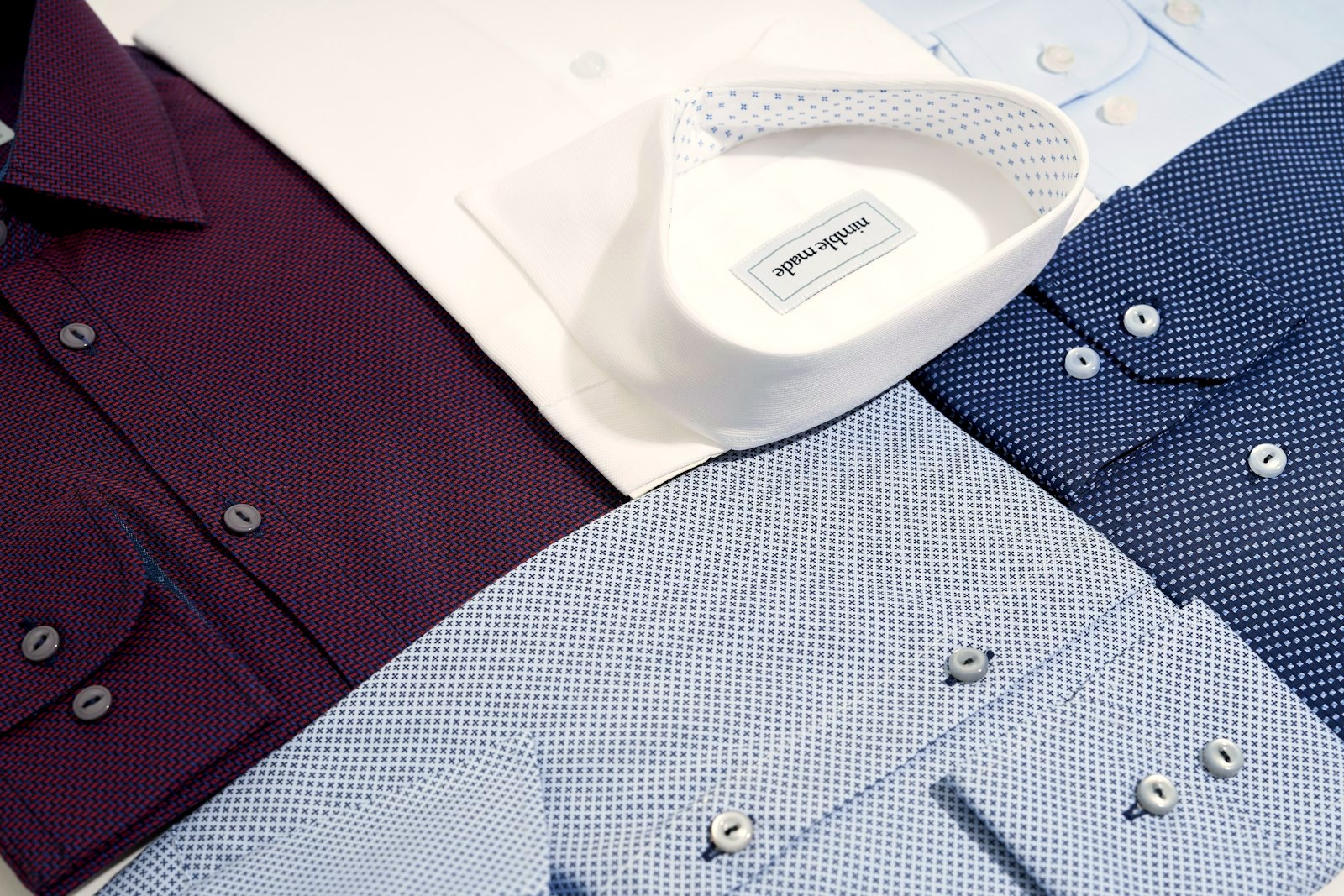
Asket
US price checked today: the T-Shirt $65.
The pitch kept in full: factory-direct with the costs published, the factory named, and the garment still on sale next year.
Asket is what the Quince promise looks like when every clause of it is honoured. The middleman really is removed, and the proof is printed where Quince prints a comparison: each garment page carries the cost breakdown, what the cloth cost, what the assembly cost, where both happened. The collection is permanent in the literal sense, each piece improved in place rather than replaced by a season. Sizes are graded from body measurements across three lengths, the fit row's perfect 20, the only one this franchise has awarded. The garment evidence on this site agrees with the brand score without being it: the T-shirt scores 88 in our white tee ranking, the Oxford shirt 87 in the Oxford ranking, the sweatshirt 75 in the sweatshirt ranking.
The honest objection is the one the anchor's shoppers always raise: it costs more. The T-shirt is $65 at the maker's US store at this check, real money against a $59.90 cashmere crew. What the arithmetic says in return is that the $65 buys the whole mechanism, the published cost, the named factory, the graded size, the take-back programme at the end of the garment's life, instead of a story about the mechanism. The Quince searcher came looking for the factory floor. This is the brand that actually shows it, thirty-three points clear of the anchor.
Uniqlo
US price checked today: the U crew-neck tee $19.90; the AIRism crew under $15.
The scale answer: no story at all, just the specification sheet, the permanent line, and prices the pitch cannot touch.
Uniqlo is the control group for the entire factory-direct argument, because it never made the pitch. It publishes specifications instead of savings: fibre, weight, construction, printed on every product page, and it lets the garment be checked against the spec sheet rather than against a struck-through figure. The permanent lines are genuinely permanent, the U crew-neck tee at $19.90 at this check buyable in the same form year after year, and its value row is a perfect 15, the only one in this series. The Quince shopper's underlying want, good cloth with no brand tax, is served here at a third of the anchor's prices, by a supply chain so large it does not need a story. Its full case is made on its own page in this series.
The deductions are the familiar ones. Sizes are alpha letters with no collar or sleeve measurements, a fit row of 19 earned on breadth of bodies served rather than precision for any one of them, and the design ambition is rented to collaborations that arrive as drops and sell out, scarcity wearing the permanence promise as a costume. None of that touches the four tests this page applies. Uniqlo publishes its own numbers, keeps its garments buyable, and has never asked the buyer to admire a discount. Quiet passes.
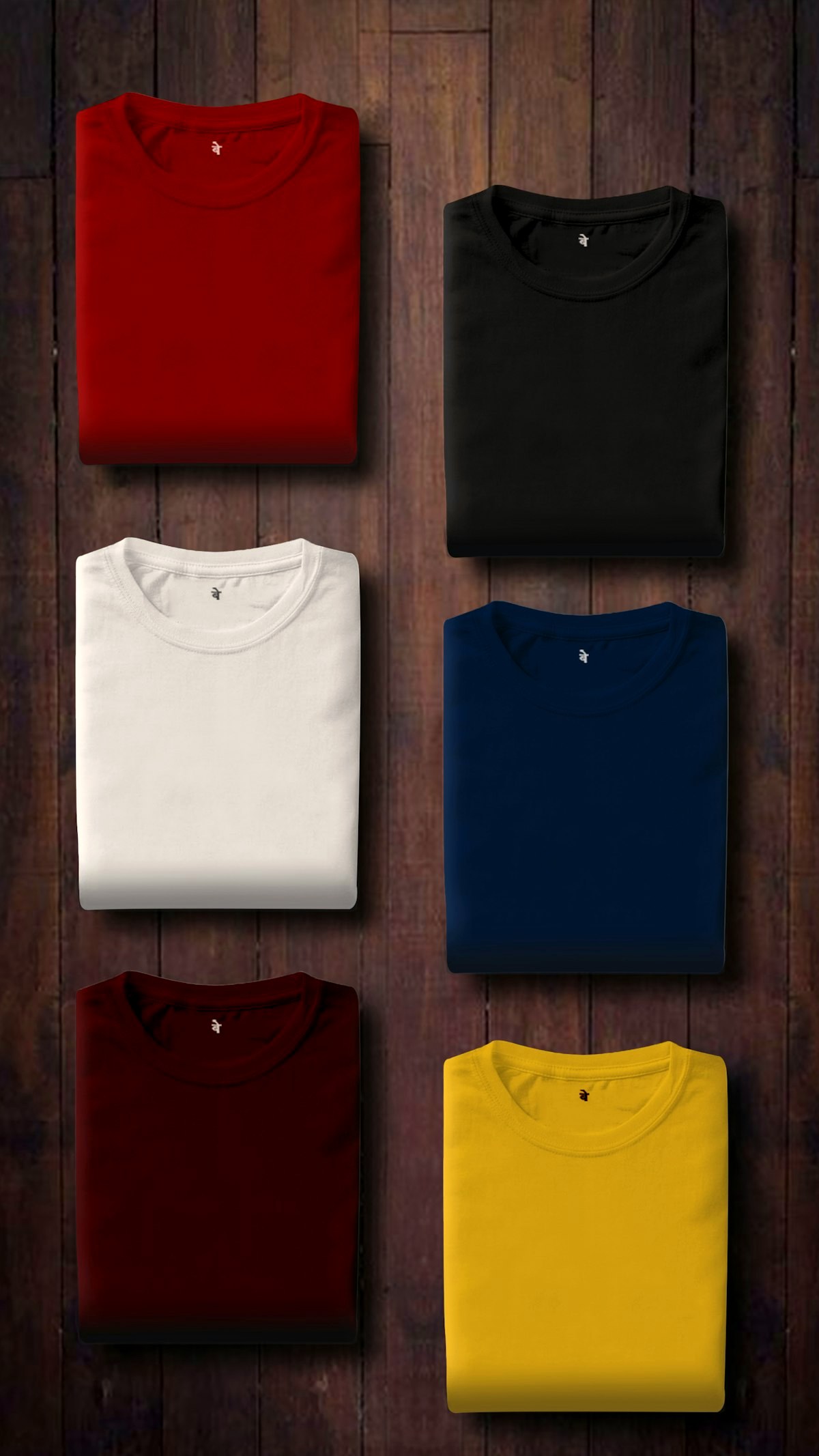
Organic Basics
US prices checked today: the True Boxy Fit Tee $37; the True Heavy tee $40 at list; the Core Boxer Briefs $95.20 for six.
The certified answer: the same pitch as the anchor's, with a licence number a reader can actually check.
Organic Basics is the control group for the anchor's weakest chapter. Quince's certification claims have needed correcting in public, a GOTS towel claim admitted as an error, a sheet set's printed GOTS number invalid. Organic Basics prints its GOTS licence, Control Union CU 1067589, in its own impact report, and this desk has checked the number the slow way: it is the licence printed on the underwear ranking its Core Boxer Brief won at 87, and on the Core Crew Socks that scored 82 in our sock ranking. The cloth weights are printed per garment, 160 gsm and 210 gsm on the tees captured today. This is what the certification pitch looks like when the certificate is real: slightly duller, entirely checkable. Its 70 is derived in the open in the method section above, and it takes third on this page over COS on the fabric row, 23 to 20, per the ruling printed there.
The deductions are printed with the derivation and they rhyme with the anchor's disease at an earlier, milder stage. The factories are published by country and audit scheme, not as a complete named list. Since the 2022 acquisition by Delta Galil, production has spread beyond its Portuguese and Turkish base to China, Vietnam and India, Good On You has marked it down from Good to It's a Start, and customers report the quality thinning. Buy the Core range now, at honest prices, $37 for the boxy tee and $15.87 a pair in the briefs six-pack, and re-check the receipts the way this page does. The licence, today, still checks out.
COS
US prices checked today: the cotton oxford shirt $99; shirts and knits typically $99 to $150.
The design answer: the anchor's price band spent on silhouette instead of story, with no transparency claim made or graded.
COS answers the Quince search from the opposite direction. Where the anchor sells a mechanism, COS sells a shape: the best pattern-cutting on the high street, volume and drape the basics labels will not attempt, over cloth bought to its group's budget. The cotton oxford shirt is $99 at this check, confirmed on the maker's US store today. Its card was derived in the open on its own page and is reproduced exactly, and it loses the tie with Organic Basics on the fabric row, 20 to 23, under the ruling printed in the method section: on a page about the pitch, checkable cloth beats beautiful cloth.
Against this page's four tests, COS fails the last one on purpose and passes the rest by silence. It publishes no costs and names no factories, but it also claims neither, so the audit has nothing to convict; and the collection turns over by season, so last year's piece cannot be bought again, a longevity row of 8 that is the schedule printed as a number. Buy it as the design layer over a permanent foundation built at the top of this page, knowingly, the way its own page advises.
Everlane
US prices checked today: the Cashmere Crew $148 list, $118 at today's selling price; cotton crews $38.
The original pitch, thinned but still documented: the factory is named, the grades are printed, the receipts are real if no longer complete.
Everlane is on this page because the anchor is its imitator, and the imitation question deserves the original standing beside it. Everlane wrote the transparency pitch in 2011, the published cost breakdown, the named factory, the markup shown, and the anchor's entire vocabulary is borrowed from that founding document. The receipts have thinned since, which its derivation in this series documents from the maker's own pages: the cost breakdown become a comparison against the brand's own past prices, the $100 cashmere crew of 2016 at a $148 list today, an Archive sale programme discounting the permanent line. Its 67, derived in the open on the Asket page and scored in full on its own page, is reproduced here exactly.
What keeps the original eight points above the imitation is the part of the paperwork that survived. The factories are still named, the cloth grades are still published, and the transparency module, however reduced, compares the brand against itself rather than against a figure nobody charged. On this page's four tests that is the difference between a kept promise wearing thin and the thin part sold as the whole garment. Buy its best pieces on promotion, the cashmere crew at its $118 selling price rather than its list. Build the wardrobe where the receipts survived intact.
Quince
US prices checked today: the Mongolian Cashmere Crew $59.90, beside a struck traditional-retail figure; the Australian Merino Half Zip $92.
The anchor: real cloth and real low prices under a receipt that is a comparison, derived in the open on the Everlane page and standing here unaltered.
Give the anchor its due first, because its derivation does. The fibres are real and the specifications are published with a precision half this page cannot match: the cashmere crew's page, re-checked today, prints 15.8 to 16.2 micron fibre at 34 to 36 millimetre staple in a 12-gauge knit, the merino half zip this site scored 74 in our quarter-zip ranking prints its 19.5 microns and its 5-gauge rib, and the Organic Turkish Waffle Robe, 79 at $52 in our robe ranking, was the attainable pick of its field. Four garments ranked between 74 and 79 is a record most of the high street would take. The prices are genuinely low. None of that was ever the charge.
The charge stands as derived on the Everlane page, and this page does not re-try it: the headline transparency device is a struck-through traditional-retail figure, $250 at that page's audit and $158 on the product page at today's re-check, a number that moves precisely because nobody ever charged it; the device is the subject of a class action alleging false reference pricing; the certification claims have needed public correction; the factories are described by their systems, BSCI-certified facilities with solar panels, and never named, so the one check the pitch invites cannot be run; and there is no permanent garment to buy again. Fifty-nine is what the paperwork scores, and sixth is where it falls when the field it invited is graded beside it. Buy a garment if you like it, at the price printed in black. Ignore the price printed in grey.
SilkSilky
US price checked today: the men's silk pajama set $159.99, under storefront discount badges of 39 to 62 percent.
The same dream minus everything checkable: no specification, no factory, no real discount, and a fibre claim the shipping labels dispute.
Every page in this series keeps its sharpest card for the label that sells the anchor's dream worse than the anchor does, and this one was not close. SilkSilky's pitch is the Quince pitch with the paperwork removed entirely: affordable luxury, its own tagline, in the fibre the anchor made famous in sleepwear. Start where the anchor is strongest. Quince publishes a specification; SilkSilky's men's silk pajama set, $159.99 at today's check, prints no momme weight and no silk grade anywhere on its product page, only a trademarked fabric name, SilkLight, standing where the number should be. Quince at least describes its factories by their systems; SilkSilky names and describes none, anywhere on its site. And Quince's struck figure is one device on one page; SilkSilky's storefront runs the strikethrough as architecture, discount badges of 39 to 62 percent across the range at today's capture, a sale with no first day.
The buyer record completes the audit, and it is documented rather than alleged by this desk: review platforms record orders arriving from China to buyers' surprise, returns routed to an overseas warehouse with partial-refund counteroffers of 15 or 30 percent in place of the refund, sizing that departs from the printed chart, and, in one September 2025 account, a delivered package labelled synthetic robe against a product sold as silk, a claim the company's own reply meets by conceding that some items include other materials. Its Trustpilot profile stands at 1.5 of 5. Thirty-two, derived in the open in the method section, is what remains when the dream is graded without the spec, the factory, or the discount: all theatre, no receipts, at a higher price than the anchor charges for the real fibre. The skip is not a close call this time.
The pattern under the ranking
Read the ladder as a gradient of paperwork. At the top, the numbers get more checkable as the score rises: Asket publishes its costs, Uniqlo publishes its specifications, Organic Basics publishes a licence number, Everlane still publishes its factories. At the bottom, the numbers get louder as they get less checkable: the anchor publishes a comparison, and the skip publishes a percentage. The reader who learns to ask one question of any factory-direct label, show me your number, not somebody else's and not a trademark, has learned the whole ranking; the order below is just that question, answered seven times.
The second pattern is that the dream degrades by subtraction, one document at a time. Everlane kept the factory names and lost the cost breakdown. Quince kept the specification and lost the factory. The skip kept nothing but the adjectives: luxury, pure, affordable, each printed larger as the evidence under it got thinner, until the only number left on the page was the discount. That is why the gaps at the bottom of this ladder are wider than the gaps at the top. Honesty compounds quietly. Theatre has to escalate.
| Brand | Score | The piece to buy | US price |
|---|---|---|---|
| Asket | 92 | The T-Shirt, then the permanent grid | $65 |
| Uniqlo | 84 | The U crew-neck tee | $19.90 |
| Organic Basics | 70 | The Core Boxer Brief, then the heavy tee | $15.87 a pair in six |
| COS | 70 | The cotton oxford shirt | $99 |
| Everlane | 67 | The Cashmere Crew, at its selling price | $118 today |
| Quince | 59 | None as a brand | $59.90 cashmere crew |
| SilkSilky | 32 | None | $159.99 men's silk set |
The Skip · 32/100
SilkSilky. The factory-direct dream with every checkable part removed: no momme weight, no silk grade, no factory, a storefront of permanent discounts, and a fibre claim its own customers' packages dispute. It scores below even this series' standing low anchor, H&M at 38, a brand that at least sells its own cloth under its own name. Do not buy the dream here. There is nothing under it to buy.
Which one to buy
Buy the pitch kept: Asket (92), when the point is the paperwork as much as the garment, for the published costs, the named factories and the permanent grid.
Buy the foundation: Uniqlo (84), while the wardrobe is forming, at prices that make the anchor's savings story unnecessary.
Buy the certified version: Organic Basics (70), when the certification is the point of the purchase, the Core range first, with the licence checked the way this page checked it. Buy the design: COS (70), as the layer over that foundation, eyes open about the seasonal schedule. Buy the original on promotion: Everlane (67), a first cashmere at its selling price. Buy the anchor's garments, not its story: Quince (59), the robe and the half zip this site has already ranked, at the black price only.
And Muji? Answered in prose, as the method section promised. Its Right Angle sock scored 78 in our sock ranking at $4.90, the cheapest serious sock this desk has graded, and its no-brand honesty is the real thing. But its American menswear is a few rails inside a general store, not a wardrobe pitch with a factory story to grade, so it holds no brand score here. Buy the socks whenever you pass a store. The rest of the family: brands like Everlane, brands like Asket, brands like Uniqlo, brands like COS and brands like H&M.
Questions, answered
What brand is most like Quince?
Asket, at 92 out of 100 in this ranking, because it is the factory-direct pitch with the paperwork attached: costs published per garment, factories named, a permanent collection that can be bought again, sizes graded from body measurements. It costs more per garment than Quince, $65 for the T-shirt against Quince's $59.90 cashmere crew, and the difference is the audit trail. Uniqlo, at 84, is the same honest-basics job done by specification and scale instead of story. Quince itself stands sixth here at its standing score of 59, derived in the open on the Everlane page of this series and reproduced exactly on this one.
Is Quince's traditional retail price real?
The garment price is real; the struck-through figure beside it is a comparison, not a price anyone charged. Beside the $59.90 Mongolian cashmere crew on Quince's own product page sits a figure labelled traditional retail, $250 at this series' full audit on the Everlane page and $158 at today's re-check of the same page. The number moves because it was never a price; it is a prop in a discount performance, and that device is the subject of a class action alleging false reference pricing. The crew itself is a real cashmere sweater with its specification honestly published, 15.8 to 16.2 microns at a 12 gauge, and this site has ranked four Quince garments between 74 and 79. Buy the garment if you like it. Do not buy the strikethrough.
Quince or Everlane: which should I buy?
Everlane, at 67 to 59 in this ranking, and both numbers are standing scores from this series. Everlane wrote the transparency pitch in 2011 and has let it thin: its cost breakdown has become a comparison against its own past prices, and its famous $100 cashmere crew now lists at $148. Quince copied the pitch and skipped the paperwork: its factories are described by their systems and never named, and its certification claims have needed public correction. Everlane still names its factories and publishes its cloth grades, which is why the original, wobbles and all, stands eight points above the imitation on the imitation's own page. Buy Everlane's best pieces on promotion; build the wardrobe at Asket or Uniqlo.
What is the certified alternative to Quince?
Organic Basics, derived in the open on this page at 70 out of 100. It is the certification pitch with the licence printed: its GOTS-certified organic cotton carries certifier licence CU 1067589, a number the brand publishes in its own impact report and this site has printed before, on the boxer brief ranking its Core brief won at 87. Where Quince's certification claims have needed correcting in public, Organic Basics' can be checked. The deductions are printed on its card: no complete named-factory list, and a supply chain that has spread and thinned since its 2022 acquisition. Seventy ties COS on this page, and the tie is broken on the fabric row, 23 to 20, because certified cloth with a checkable licence outranks design cloth bought to a group budget.
Why is SilkSilky the skip?
Because it sells the Quince dream with even the garment's own claim unverified. Quince at least publishes a real specification and charges a real low price; SilkSilky's men's silk pajama set is $159.99, and its product page prints no momme weight and no silk grade, only a trademarked fabric name where the specification should be. Its storefront runs perpetual discounts of 39 to 62 percent, no factory is named or described anywhere on the site, and the documented buyer record includes orders arriving from China to buyers' surprise, returns routed to an overseas warehouse with partial-refund counteroffers, and one delivered package labelled synthetic robe against a silk claim. Its score of 32 is derived in the open on this page: the dream, minus the spec, minus the factory, minus the price.
How this ranking stays honest
Five of the seven scores on this page are standing scores, reproduced with their rows from the pages the method section cites, including the anchor's 59, which was derived in the open on the Everlane page of this series and is not re-derived, re-tried or adjusted here: this page takes the record and grades the field against it. Two scores are new, Organic Basics at 70 and SilkSilky at 32, both derived in the open in the method section from published claims, current prices and documented records, and the tie at 70 is broken on the fabric row under a ruling printed there rather than by quiet adjustment. H&M, this series' standing foil at 38, is mentioned once in prose and not carded, and nothing on this page adds a garment to its derivation. Prices were checked today: the anchor's cashmere crew is $59.90, re-captured on the maker's own product page for this page, where the struck traditional-retail figure reads $158 at this check against the $250 printed at the Everlane page's audit, the device unchanged and the number floating, which is rather the point; the skip's men's silk set is $159.99 under storefront badges of 39 to 62 percent; Organic Basics' tees were captured on its US store today at $37 and $40. The returning brands' prices stand as checked today on the Everlane page of this series. The SilkSilky buyer record is reported as documented on public review platforms and attributed as such; the desk has not bought from the label, and says so. The photography is this magazine's licensed bank photography throughout; no brand's campaign imagery is used, and the bank holds no frame of any of these brands' garments, so the rail and still-life photographs stand for the register, as the captions say. When a maker changes cloth, price or model materially, the score moves and the move is noted here.